
The BA-20 on warwheels.net is here
I – Introduction :
In 1916, the Imperial Russian government launched an ambitious national program to establish six automobile plants across the country, aiming to reduce its dependence on the West. Unfortunately, in the aftermath of the Civil War, Russia, or rather, the Soviet Union, still found itself without a domestic automotive industry. The first agreement with a foreign manufacturer had been reached with Fiat in early 1916, granting Imperial Russia a license to produce the Fiat 15 Ter, a 1.5-ton light truck. Plans were made to build a factory in Moscow for its production, but the First World War and the subsequent Civil War prevented this. It was not until November 1, 1924, that the first Fiat 15 Ter (reinforced for use on russian roads) rolled off the assembly line at the AMO plant in Moscow; it was subsequently designated the AMO-F15. At that time, the army still lacked chassis specifically designed for military vehicles; consequently, it had no choice but to turn to civilian chassis, onto which armor plating could be fitted. Therefore, the military immediately took an interest in the vehicle, seeking to mount an armored superstructure upon it, resulting in the first Soviet armored car, the BA-27. Similarly, an agreement was signed with Ford on May 31, 1929, authorizing the Soviet Union to import 72,000 cars and trucks as knocked-down kits for local assembly, with the eventual right to manufacture the vehicles domestically under license. A massive plant was constructed in Nizhny Novgorod (later renamed Gorky) to assemble Ford Model A cars and Ford Model AA trucks.
II – Prototype :
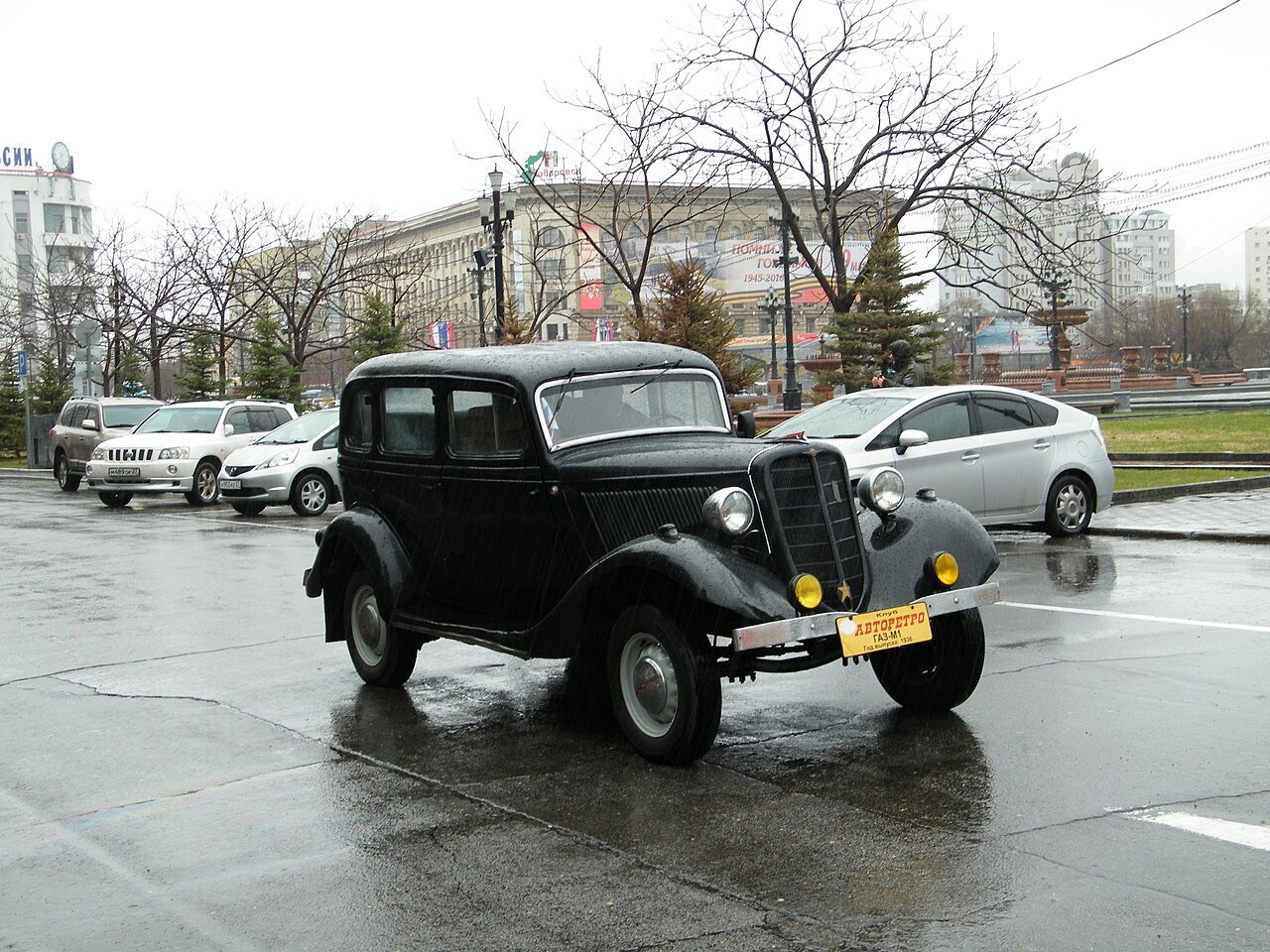
Once produced locally and slightly modified for russian roads, the Ford Model A cars and Ford Model AA trucks were designated the GAZ-A and GAZ-AA. As with the BA-27, the military sought to adapt these platforms; the Ford Model A served as the basis for the D-8, D-12, and FAI armored vehicles. The assembly lines officially began operation on January 1, 1932. In 1935, production of the GAZ-A automobile at the Gorky Automobile Plant was discontinued. It was replaced by a new model, the GAZ M-1 (« Molotov-1 »), which was based on the American Ford Model 40. The documentation for the latter had been supplied to the USSR by the Ford Motor Company under a technical assistance agreement concluded in 1929. The new vehicle, developed under the leadership of A. Lipgart, the chief designer at the Gorky Automobile Plant, differed significantly from the GAZ-A; it featured a more powerful engine, a new transmission, a more rigid chassis, and so on.Design work on the new vehicle began in October 1933, the first prototypes were assembled in January 1934, and mass production of the GAZ M-1 familiarly called « Emka » commenced in February 1936.
As for the other civil chassis, following the launch of the new automobile, the design bureau of the Izhora Plant received a directive from the ABTU (Automotive and Armored Directorate) of the Red Army to « develop a design, blueprints, and a prototype of a light armored car, based on the M-1 chassis. » The military’s interest in this platform was understandable: the « Emka » chassis was superior to the GAZ-A chassis in every respect. Its 50-horsepower engine and a suspension system engineered with domestic operating conditions in mind promised to be a significant asset in navigating rough, unpaved terrain. More importantly, the ratio of the wheelbase to the body length, along with the overall vehicle layout, made it possible to design an armored hull with a reasonably balanced weight distribution across the axles. Meanwhile, the engineers at the Izhora Plant were tasked with achieving a substantial improvement in the new armored car’s handling and off-road performance compared to the FAI. Furthermore, the larger size of the chassis allowed for more interior space.
By June 1936, specialists at the Izhora plant had managed to build several prototypes of the new armored car.
III – Characteristics :
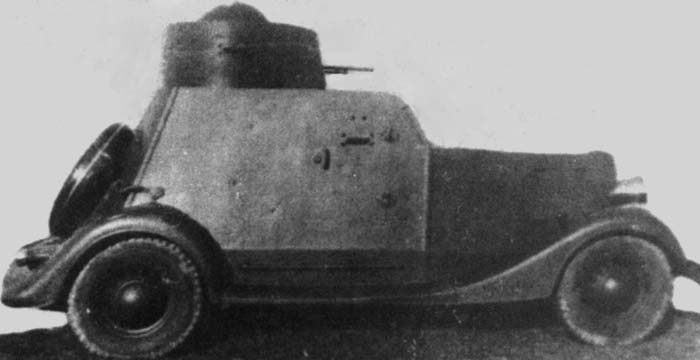
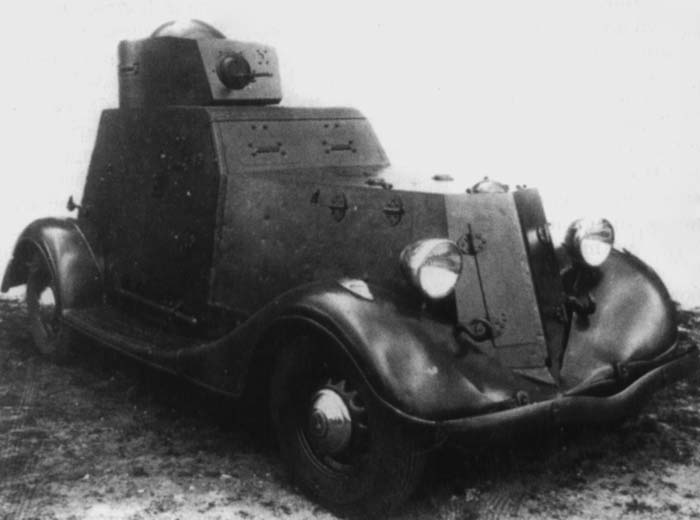
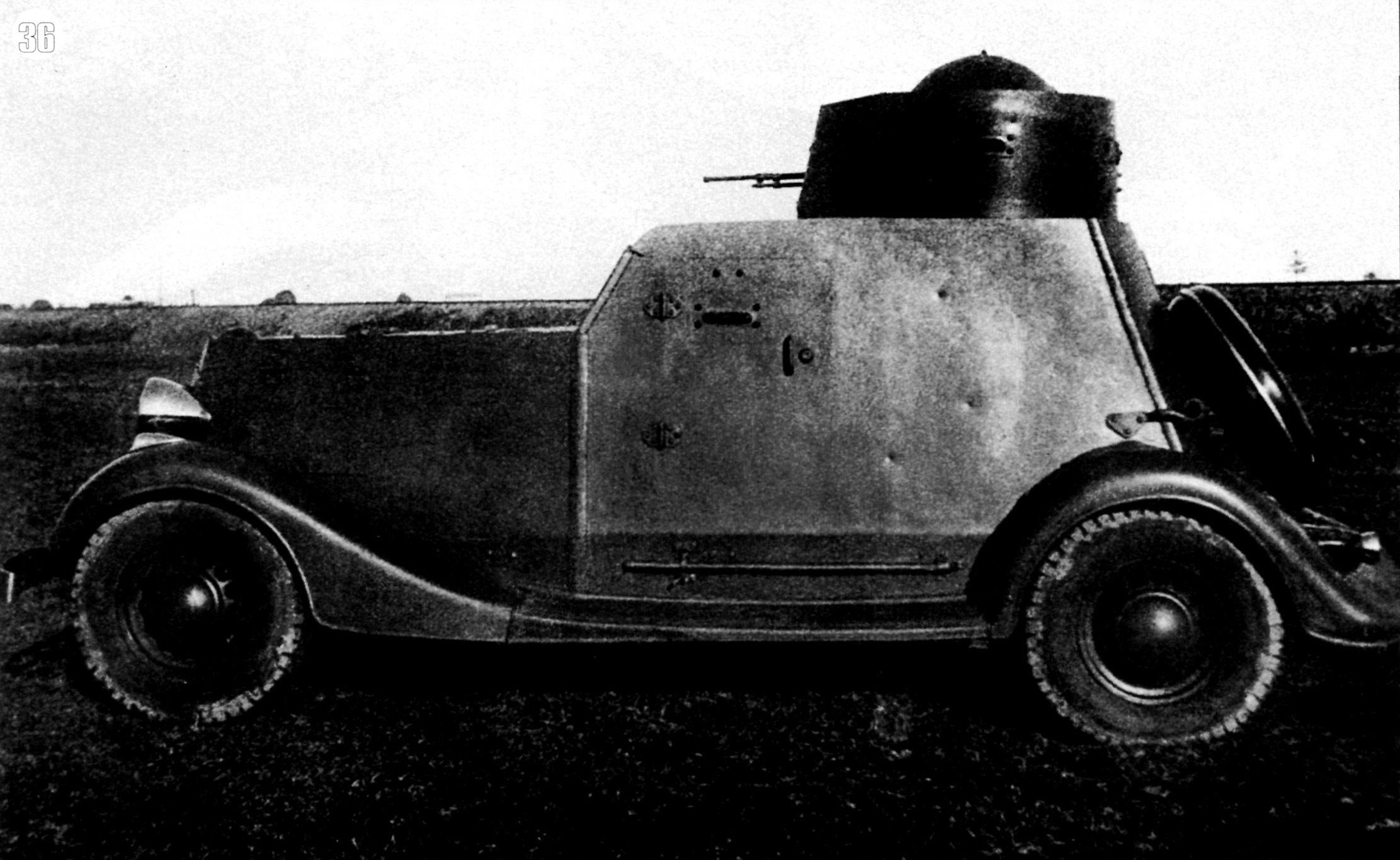
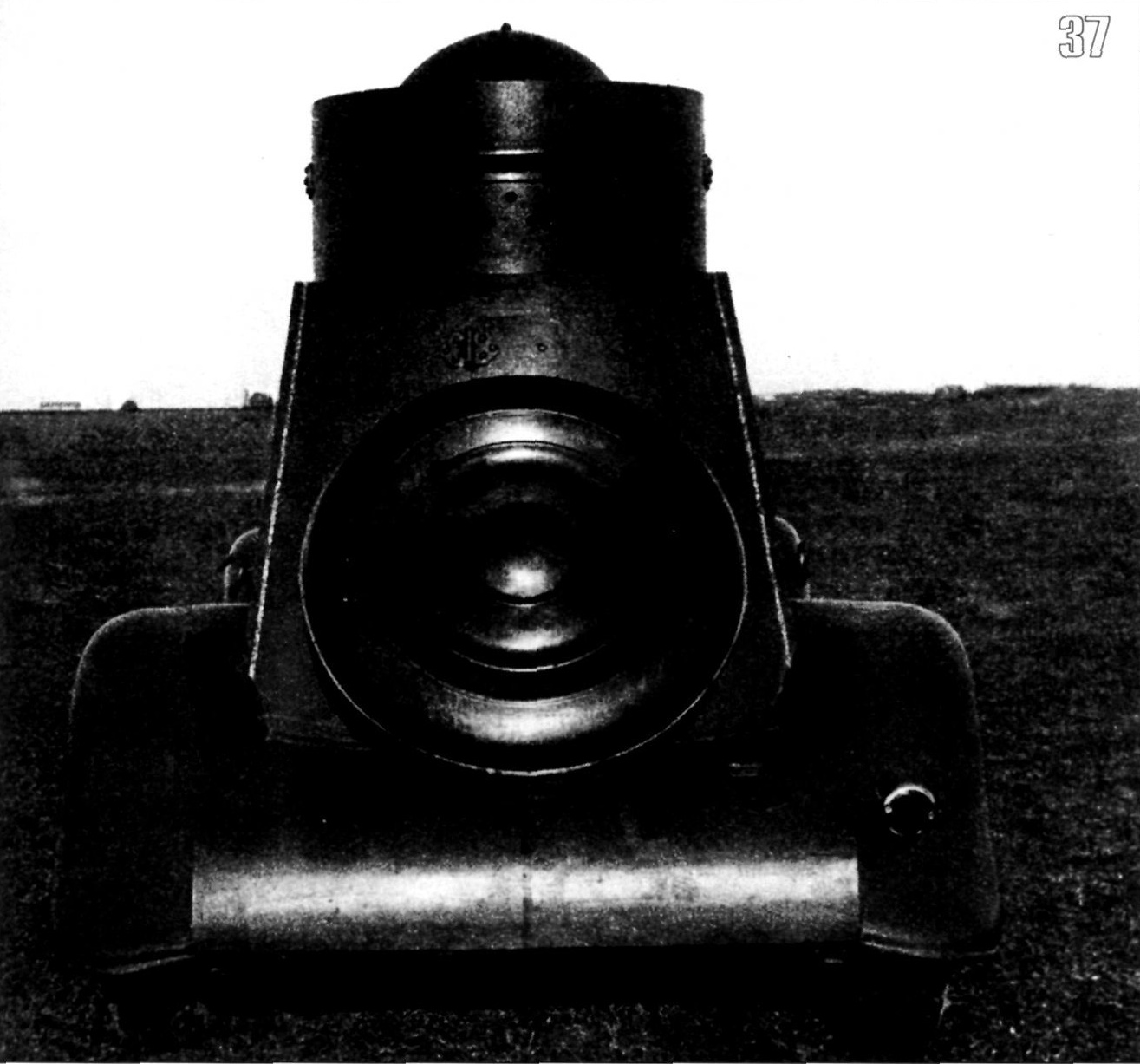
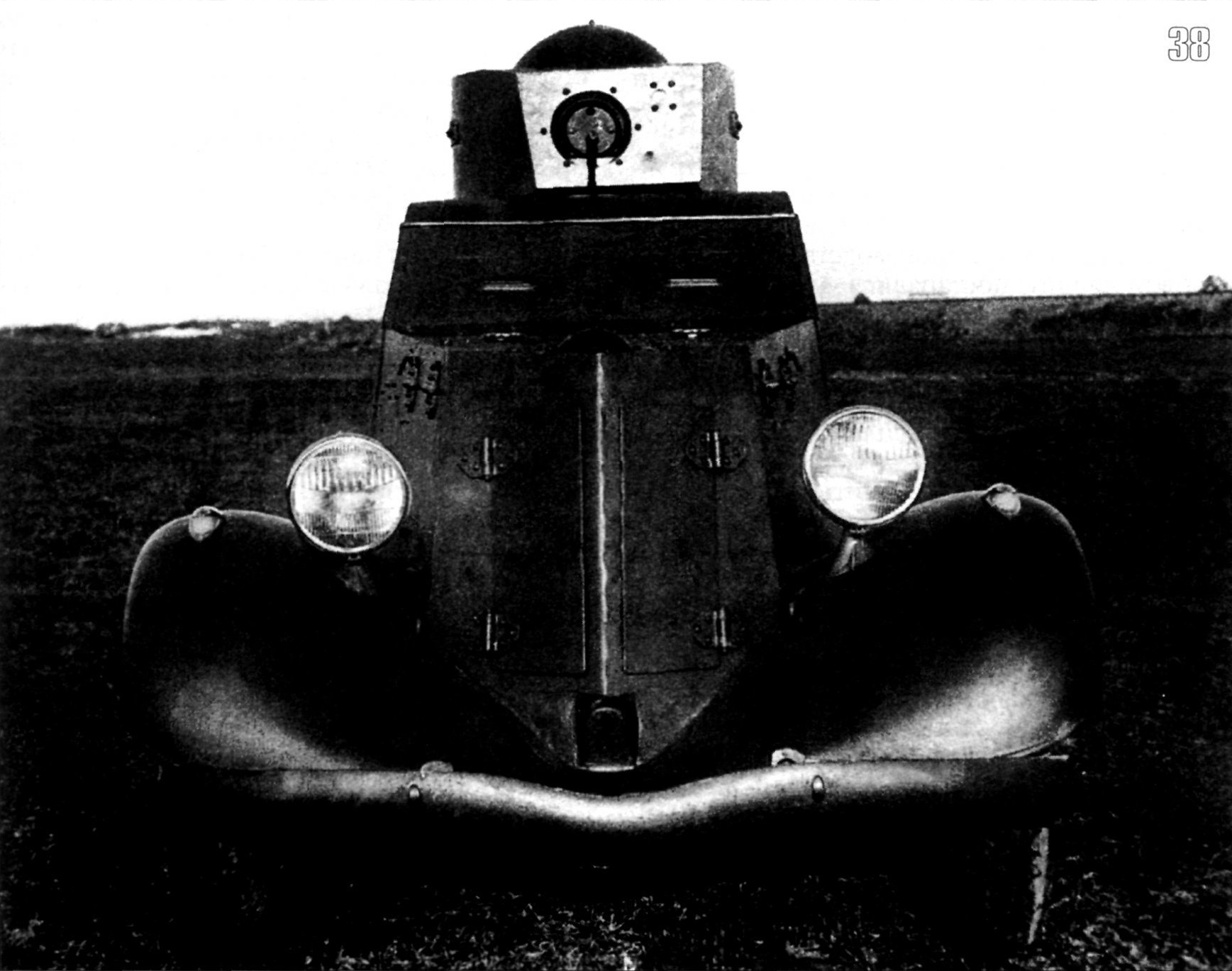
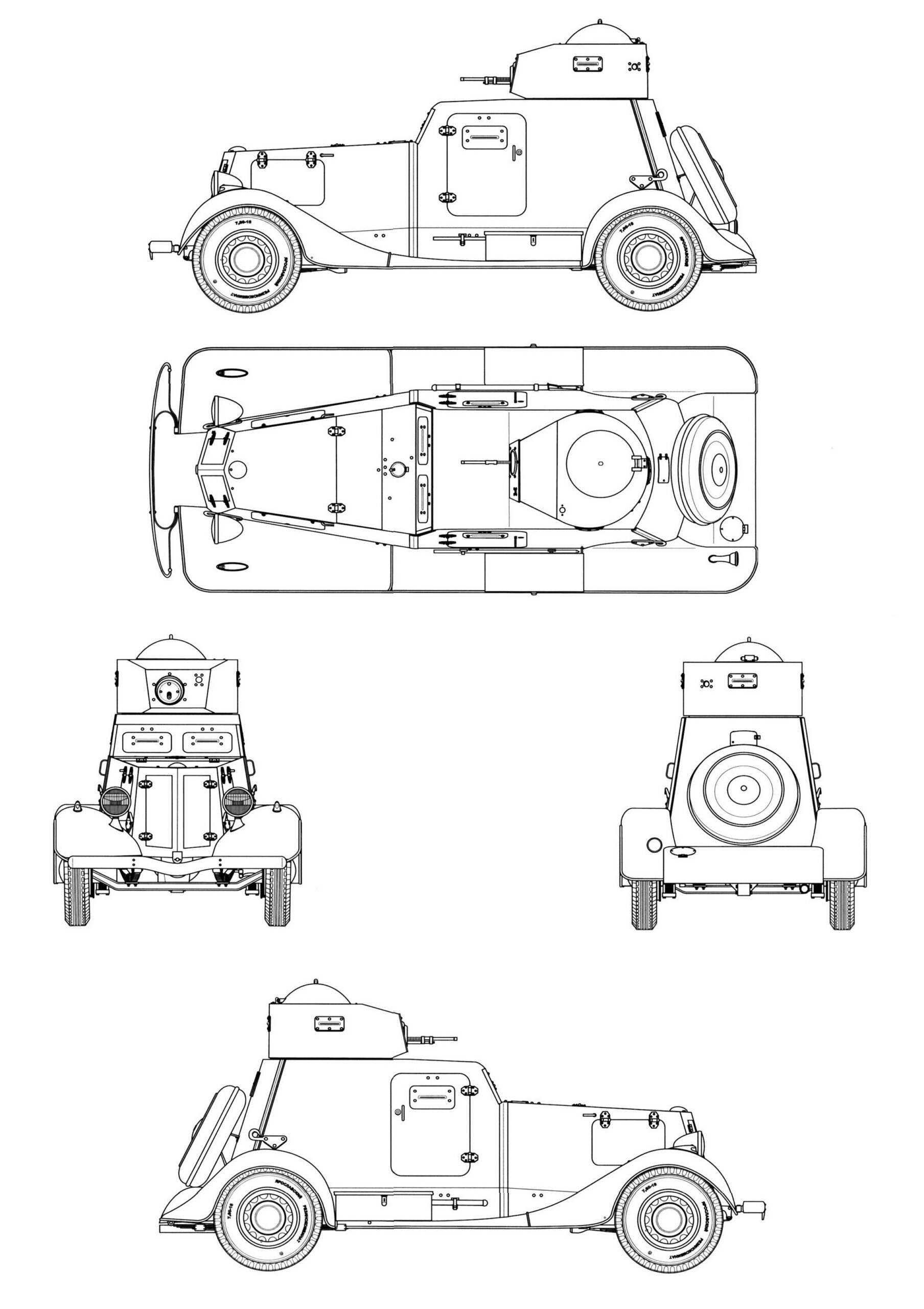
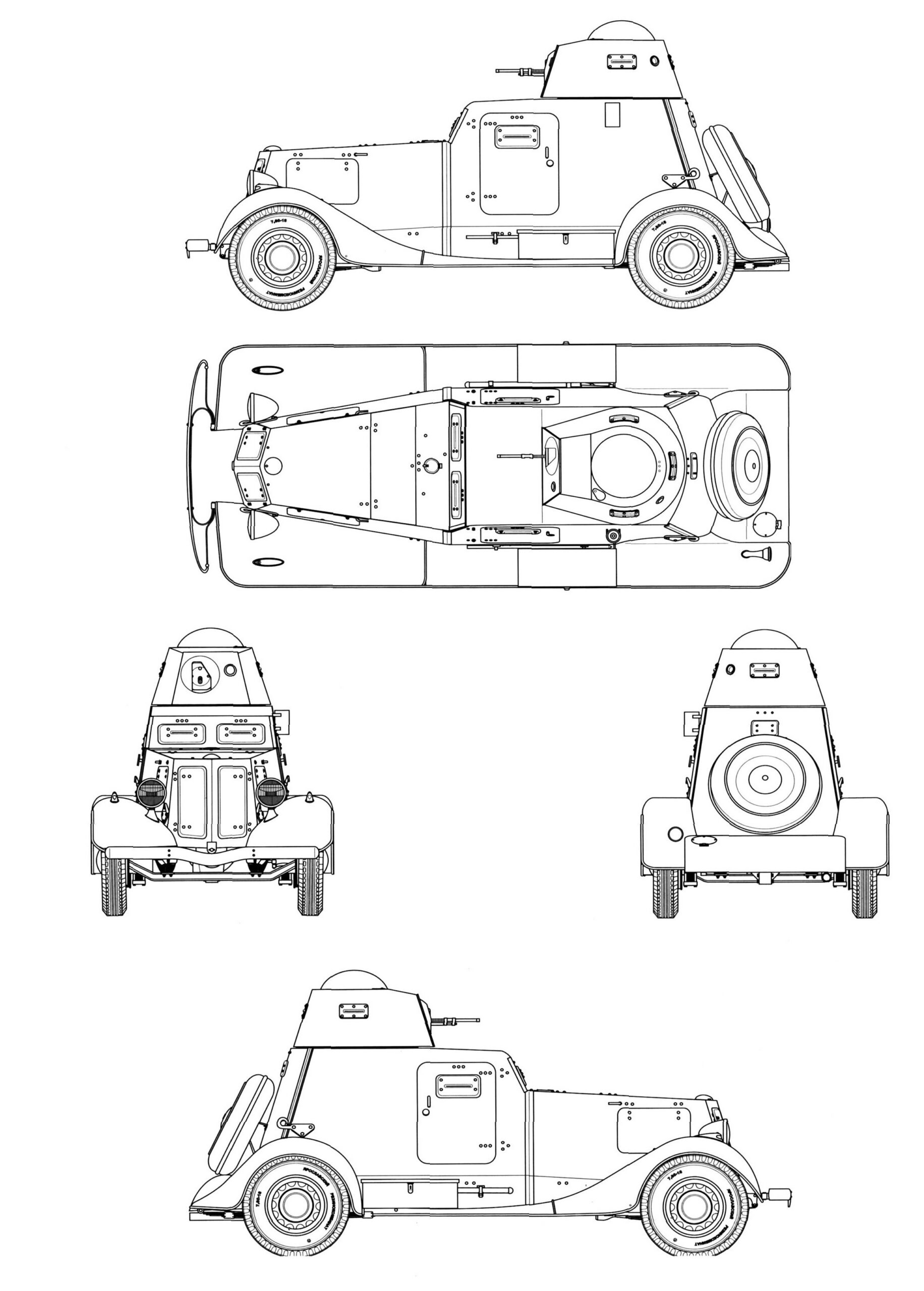
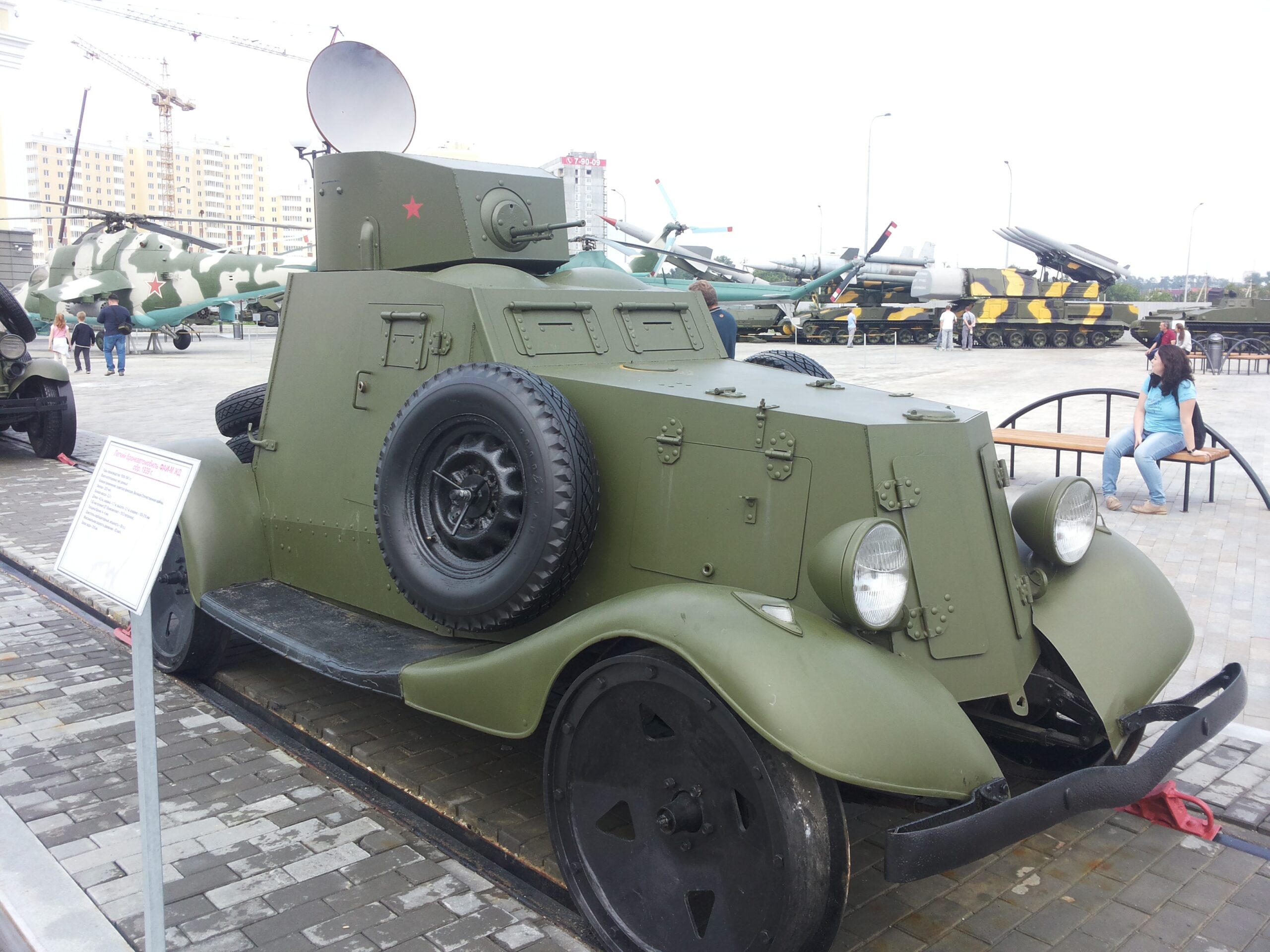
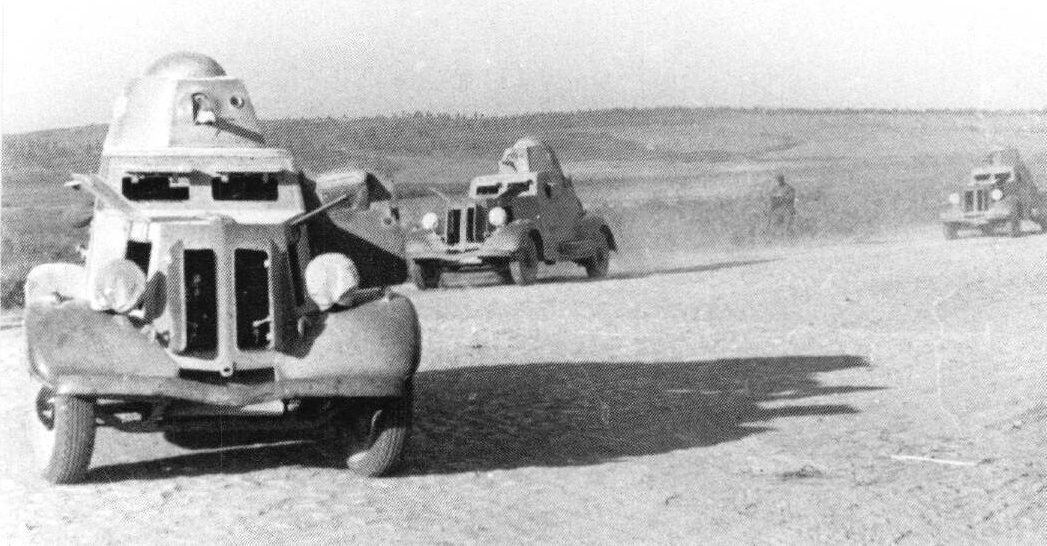
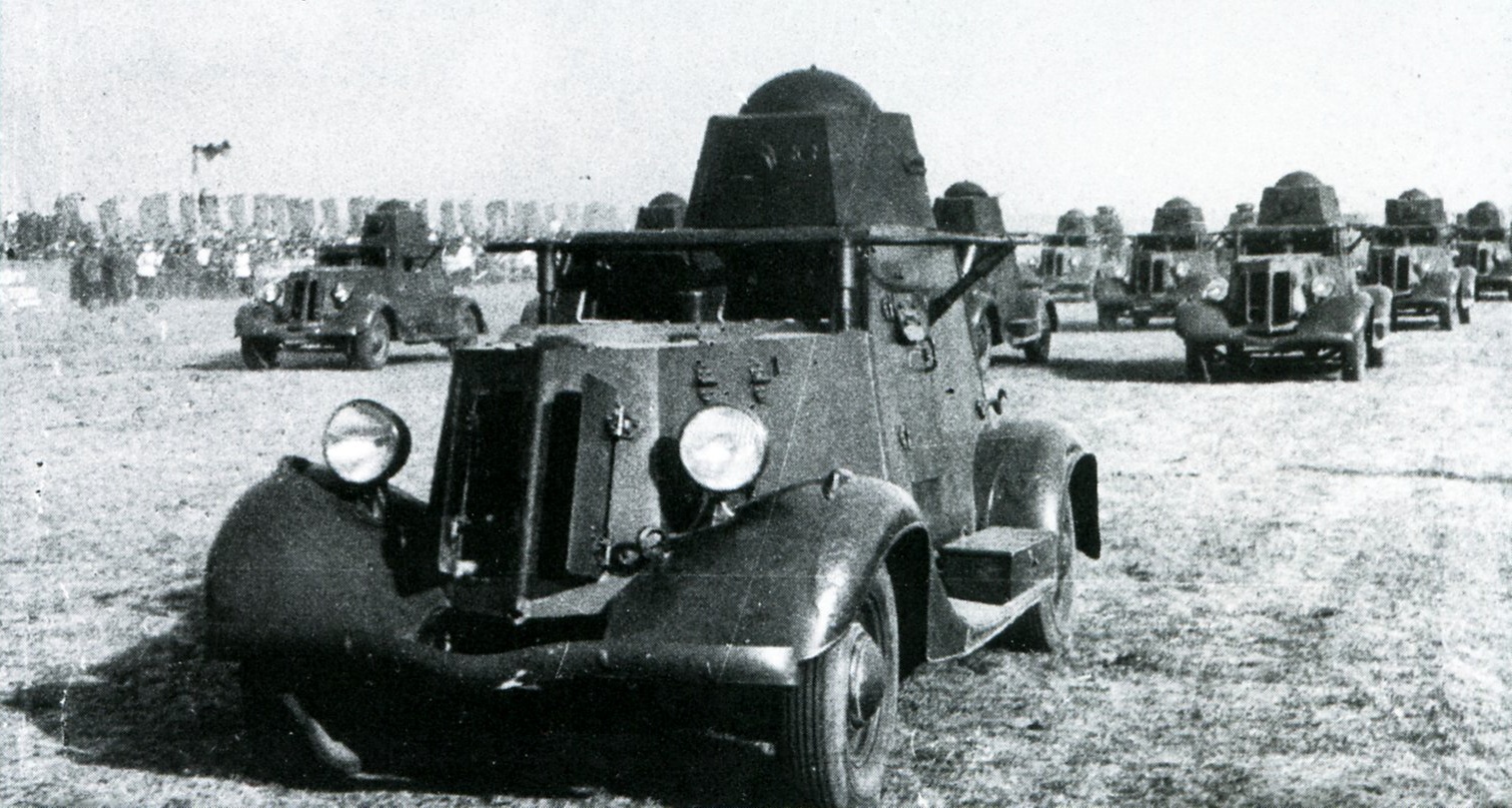
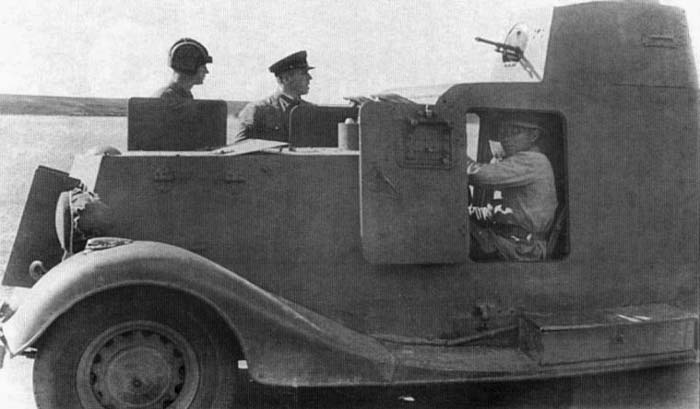
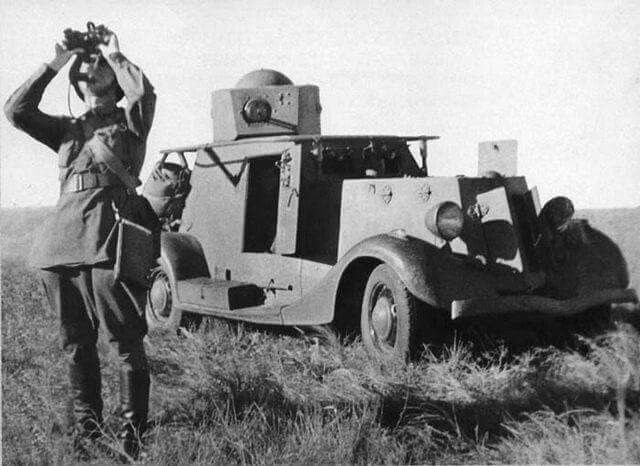
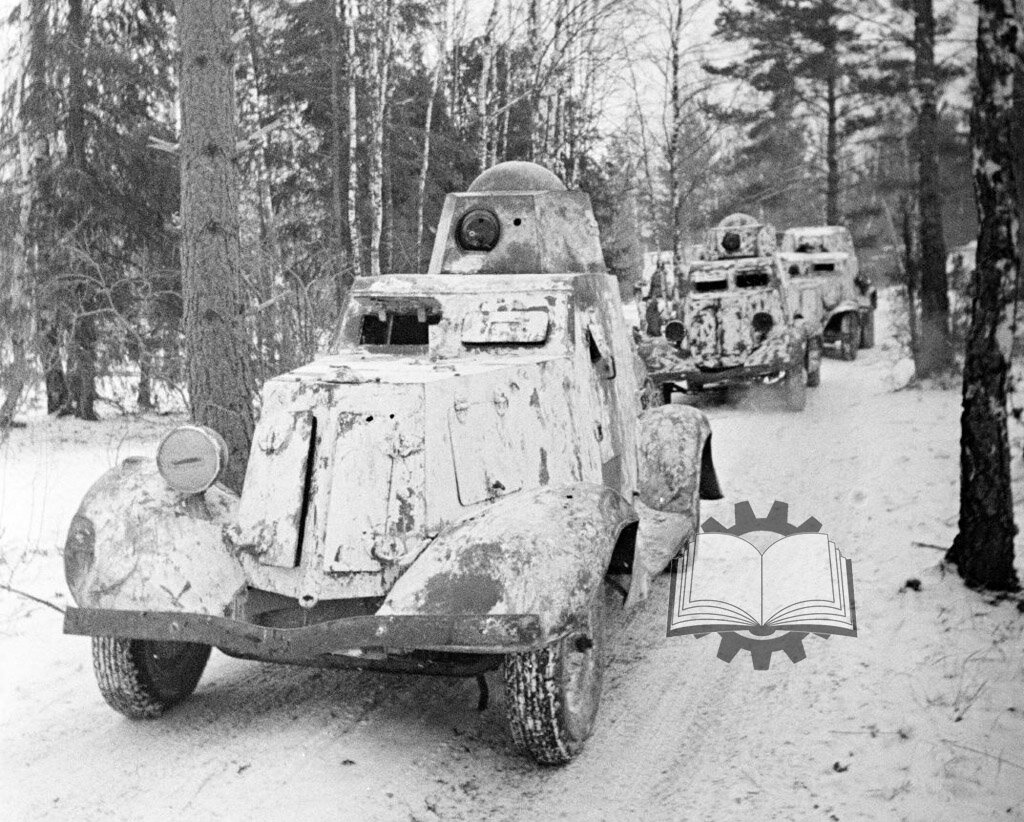
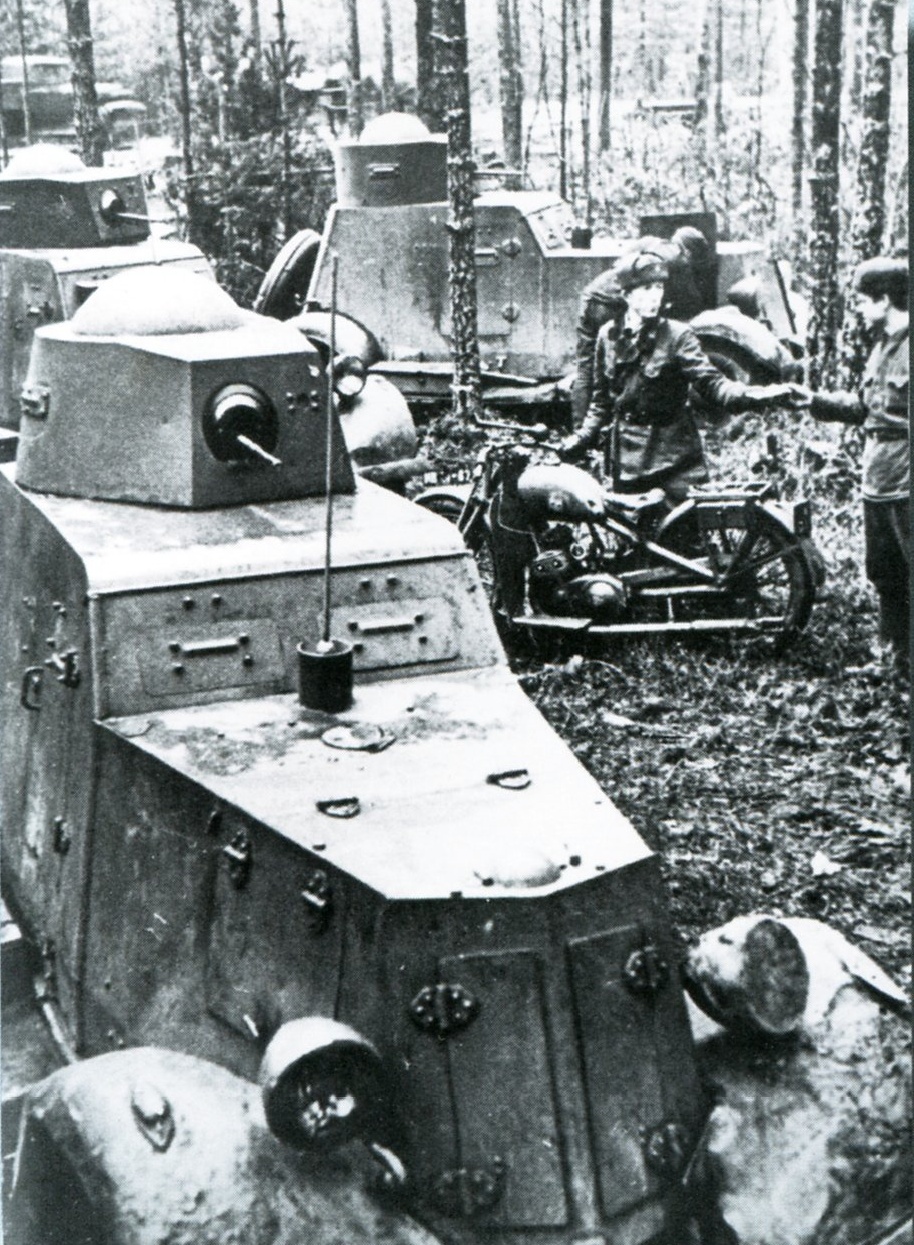
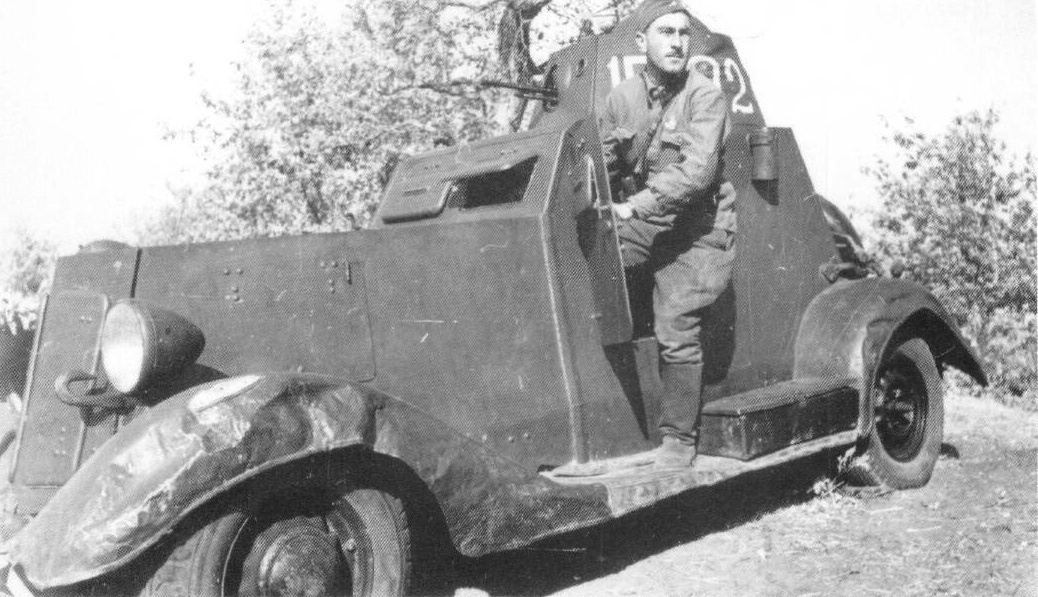
The architecture and layout of the armored hull, adjusted for the larger dimensions, were derived directly from the FAI. The hull of the BA-20 was constructed from welded rolled armor plates, positioned at optimal angles. On the front, the engine was enclosed in an armored housing equipped with hatches. Two hinged flaps, which covered the radiator, were located on the front face; to prevent overheating, these were to be kept closed only while the vehicle was engaged in a combat mission. There was a small access hatch on each side of the engine housing, and the top section was also designed to be opened. Additional small hatches were provided above the radiator covers and the fuel tank, the latter being situated behind the engine, in front of the dashboard (firewall). The crew compartment, accommodating the driver, commander, and gunner (three men crew), was likewise fully encased in armor. Low side doors, featuring built-in vision ports that could be opened, provided access to the front seats. In combat, the crew could observe their surroundings through narrow slits, which could be covered from the inside with armored shutters if necessary. Similar ports were positioned where a windshield would typically be, in front of the driver and commander, while another port, lacking a vision slit, was located on the rear wall of the armored hull. An emergency escape hatch for the crew was provided in the floor of the fighting compartment. The armor plates, joined by electric welding, ranged in thickness from 6 mm (for the front, side, and rear plates) to 4 mm (for the roof and floor). The first BA-20 inherited its rectangular-section rotating turret from the FAI model. The top of the turret featured a hatch with a convex cover, and there were vision slits on the sides and rear. A 7.62mm DT machine gun was mounted in a ball mount within the cylindrical turret; it was operated by the vehicle commander, who used a simple mechanical sight for aiming by rotating the turret using a backrest, the ball mount allowed for vertical adjustment between -13° to +23°. The machine gun’s ammunition load consisted of 1,386 rounds (22 magazines). The turret was traversed by the gunner, who sat on a rotating seat secured to the vehicle floor. The armored car was powered by a 50 hp, four-cylinder GAZ-M engine, equipped with a Zenith carburetor featuring an economizer. The engine was started via an MAF-4006 electric starter (0.8 hp). The battery-based ignition system utilized an induction coil, a distributor with a centrifugal advance mechanism, and spark plugs. The fuel tank capacity was 70 liters. The vehicle’s electrical system was a single-wire setup operating at 6 volts. Power was supplied by a 3ST-100 storage battery and a 120-watt GM-71 generator. Some vehicles were equipped with a 71-TK-1 radio set, featuring a rail-style antenna mounted around the perimeter of the hull. The radio was located in the fighting compartment, behind the driver’s seat, and was powered by an additional battery. In vehicles equipped with a radio, the crew included a dedicated radio operator. Protection was also provided for the most vulnerable part of the armored vehicle, the wheels: they were equipped with bullet-resistant « GK » (spongy chamber) tires, which featured a filler made of sponge rubber. Additionally, the rear axle half-shafts and the leaf springs were reinforced. The BA-20 inherited its fenders, running boards, the metal casing for the spare tire (mounted on the rear of the armored hull), and its front and rear lighting units directly from the M-1. Due to the increased weight of the chassis and the armored hull, the vehicle’s total weight rose to 2.27 tons; however, thanks to a more powerful engine, an improvement over the FAI, its maximum speed on paved roads increased to 95.5 km/h. Its operational range was 704 km on paved roads and 558 km on unpaved, cross-country terrain. By June 1936,one of the prototypes was sent for testing at the UMM RKKA (Directorate of Motorization and Mechanization of the Red Army) Automotive and Armored Vehicle Proving Ground (NIBT) near Kubinka for evaluation. During testing, the BA-20 proved to be a quite viable armored vehicle. In any case, it could be considered that the primary objective, improving mobility
and off-road performance, had been achieved. Despite its substantial weight (2,270 kg), the armored car could reach a speed of 95.5 km/h on good roads. Its operational range was 704 km on highways
and 558 km on secondary roads. While its off-road capability certainly left room for improvement, it was, on the whole, significantly better than that of the FAI. Given the limitations of the rear-wheel-drive M-1 passenger car chassis, it would have been impossible to extract any better performance. In total, by July 1936, the BA-20 prototype had covered 5,000 km. The military commission approved the new armored car and recommended it for service, noting only two significant concerns in its report:
1 – When the BA-20 is operated in a combat configuration (with the vision hatches closed) at speeds exceeding 15–20 km/h, it becomes impossible to monitor the road or maintain situational awareness to the sides through the vision slits in the front hatches.
2 – The BA-20 is capable of carrying out independent tactical missions.
3 – To increase its firepower, a second, coaxial machine gun should be installed in the turret, along with an additional machine gun for the vehicle commander.
Both points are arguably valid; however, after discussions, when the armored car was put into production, they were never incorporated into the production series. Improving visibility while operating in combat conditions could only be achieved under one condition : by significantly enlarging the vision
slits, which would have made the crew more vulnerable. As for the armament, firstly, two extra machine guns would have been a costly addition; secondly, each machine gun would have required additional ammunition, which would have increased the vehicle’s combat weight; and finally, it should be remembered that the primary role of light armored cars was reconnaissance and communications, not the destruction of enemy personnel with machine-gun fire.
IV – Production :
In July 1936, the documentation required for the production of the BA-20 was transferred to the Vyksa DRO plant. Initially, the production of two main variants of the BA-20 was planned:
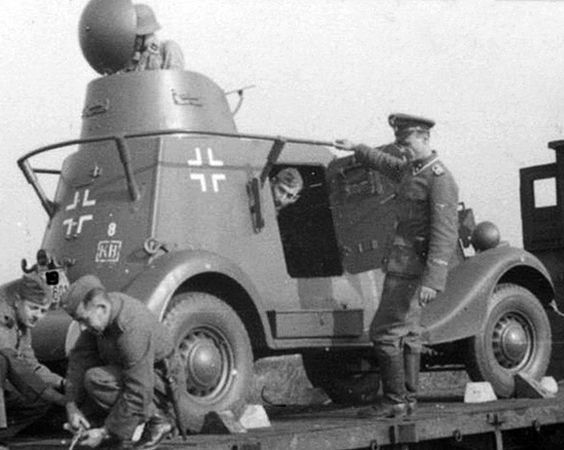
a standard (line) version, intended for reconnaissance, patrolling, and providing fire support to infantry units; and a radio-equipped version, fitted with a radio set and a handrail-style antenna encircling the hull. By the end of that year, the facility had produced 33 standard armored cars, as well as two BA-20 equipped with 71-TK-1 radios and external rail-type antennas mounted on the hull. For a period, the BA-20 was manufactured at the plant alongside the FAI model. Initially, the production of the new light armored cars proceeded smoothly. Only the Bulletproof tires proved to be a problem. As long as they were being produced by the « Krasny Treugolnik » (Red Triangle) plant in Leningrad, everything was fine; however, in the third quarter of 1937, the order was transferred to the Yaroslavl Rubber-Asbestos Combine (YARAK), which had never manufactured such items before. Consequently, through 1938, YARAK struggled to meet even half of its assigned production quota, and the rubber components failed laboratory testing.
V – New turret and tires problems:
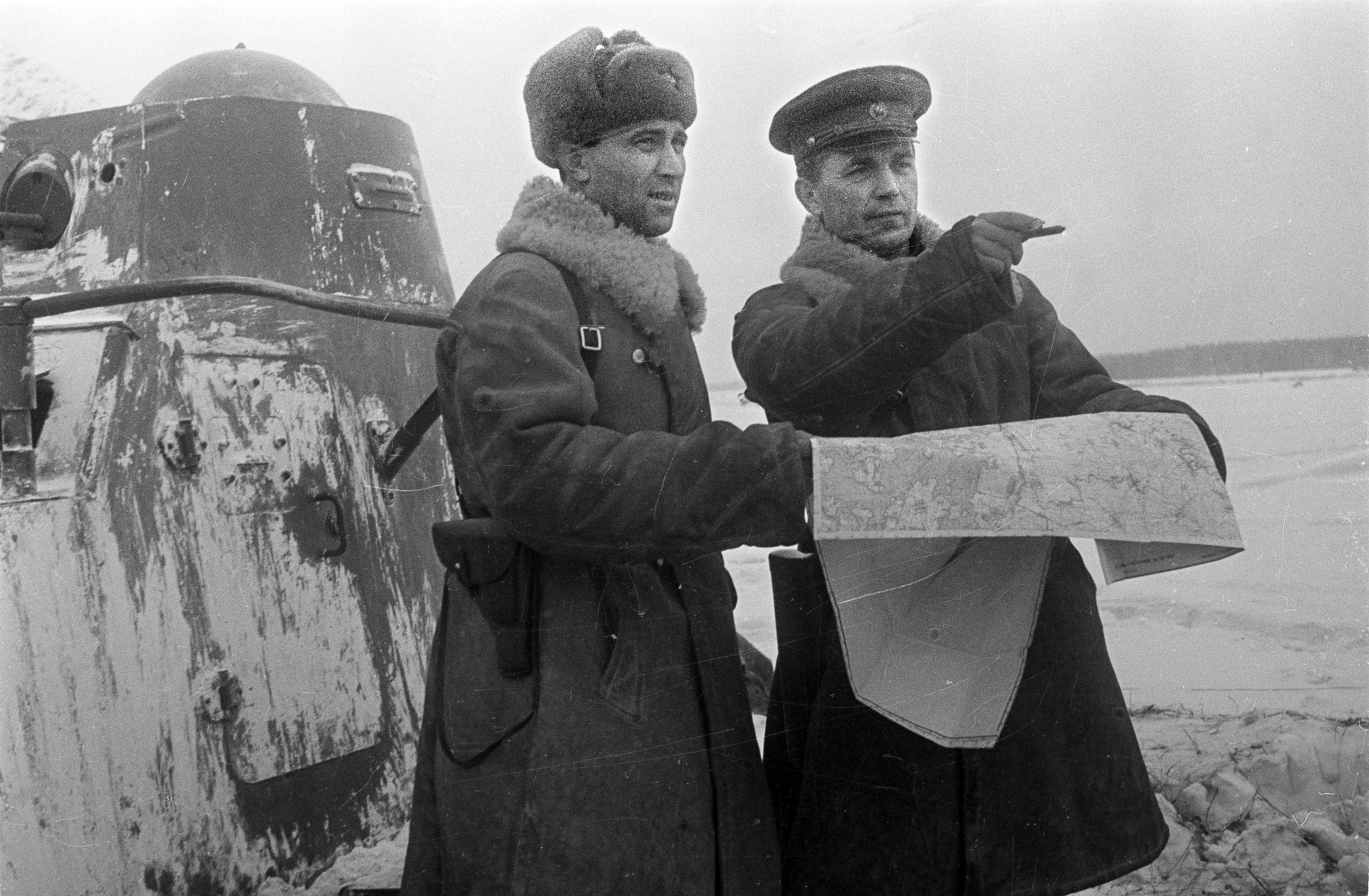
In March–April 1937, designers Miroshin and Sukhov from the DRO plant developed a new, conical-shaped turret for the BA-20, designed to offer enhanced bullet resistance compared to the « cylindrical » turret used on the FAI. While the armor thickness remained the same, the angled armor plates caused rifle-caliber bullets to ricochet. Following the presentation of the design to representatives of the ABTU (Armored Directorate) of the Red Army, the prototype turret was approved for serial production and installation on the BA-20, effective July 1, 1937. The plan called for a complete transition to the new turret type for the BA-20, however, this goal was not met. The Consolidated Report on the Fulfillment of ABTU Red Army Order Plans for 1937 stated that the nine-month target has been 70% fulfilled, which represents 51.3% of the annual plan. The entire shortfall is attributable to the new BA-20 model featuring a conical turret; the plant fell three months behind in putting this version into production. Acceptance of the new BA-20 units has begun, and as of October 1st, 15 vehicles have been accepted. It must be noted that the order for vehicles with the older-style turrets had been fulfilled in its entirety. In total, throughout 1937, the crushing and grinding equipment (DRO) plant in Vyksa produced 252 BA-20 armored cars: 150 with a cylindrical turret (118 radio-equipped and 32 standard/non-radio versions) and 103 radio-equipped units with a conical turret.
As already said, it should be noted that during the early years of BA-20 serial production (1936–1938), there were significant difficulties in manufacturing bulletproof tires of the « GK » type (featuring a sponge-rubber inner core). While the production of these tires for the FAI armored car was established quite quickly, the tires for the BA-20 proved much more challenging. This was primarily because their production had been assigned to a facility that had no prior experience with such work. The Consolidated Statement of Plan Fulfillment for ABTU RKKA Orders for 1937 stated that the ‘Krasny Treugolnik’ (Red Triangle) plant, which was the first palnt to produce GK tires, fulfilled its 9-month production quota for the 32×6.00 and 29×5.50 sizes by 101.5%, which represented 92.5% of the annual target. On the contrary, the Yaroslavl Rubber-Asbestos Combine (YaRAK) fulfilled its 9-month quota for the 7.00×16 size (the BA-20 tires) by 50.7%, which also represented 92.5% of the annual target. The order for YaRAK was transferred from Krasny Treugolnik in the third quarter of 1937, marking the start of production at this facility. The quality of GK tires was poor, especially the 7.00 x 16 size, as they failed to pass laboratory tests.
VI – The new BA-20M :
By late 1937, the BA-20 had entered service, primarily within the reconnaissance units of motorized armored brigades and mechanized corps. Although the armored cars began their service during peacetime, operational experience revealed several design flaws and pointed toward ways to correct them. The front axle, the section of the frame above it, and the leaf springs required reinforcement. The frontal armor plates of the hull and turret, as well as the armor for the machine-gun mount, needed to be made more robust. The People’s Commissariat for Heavy Industry anticipated that, starting in 1938, the Vyksa Road Machinery Plant (DRO) would shift entirely to the production of modernized BA-20s featuring reinforced wheels and a front axle, a conical turret, and a DT machine gun.
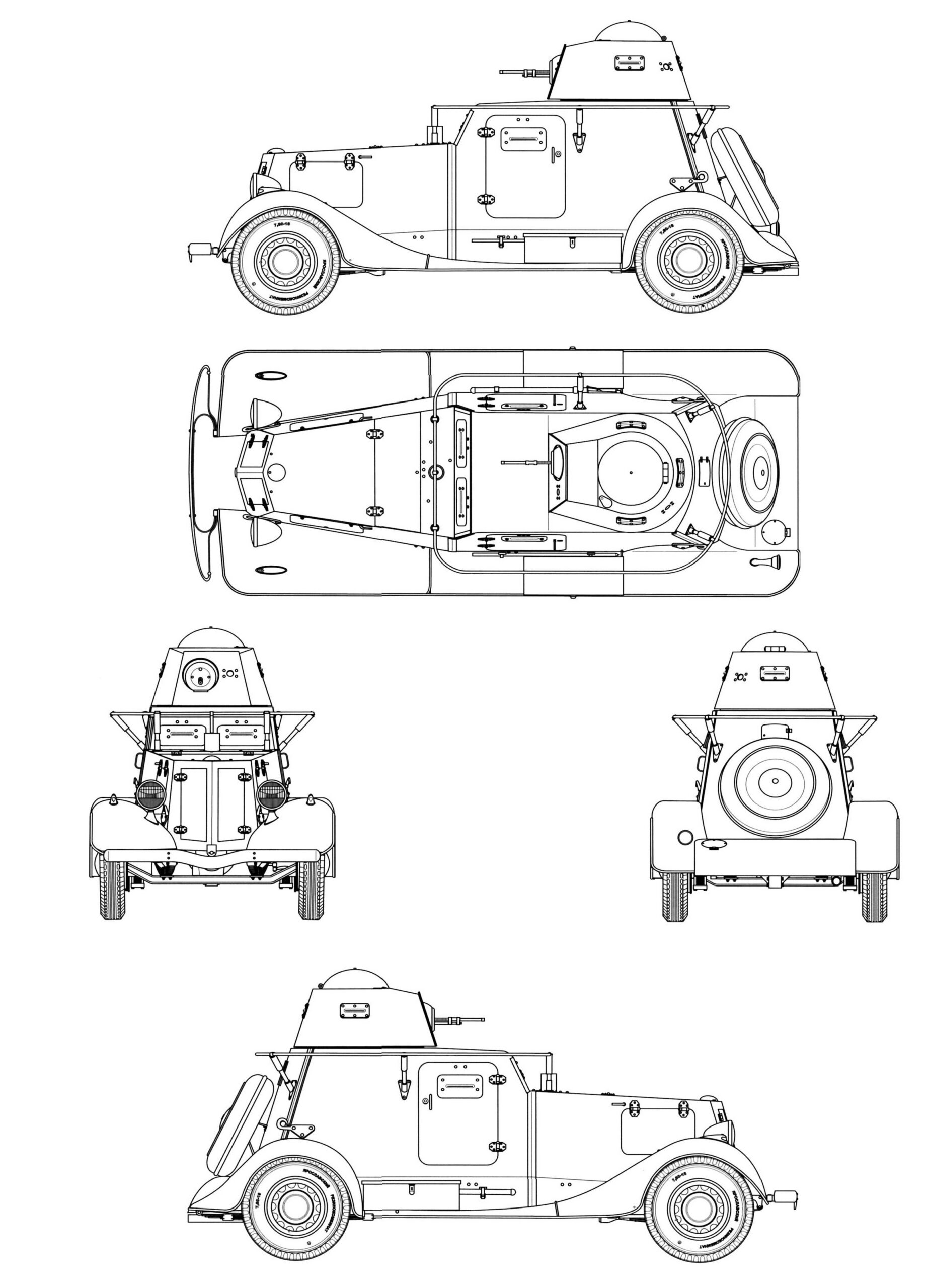
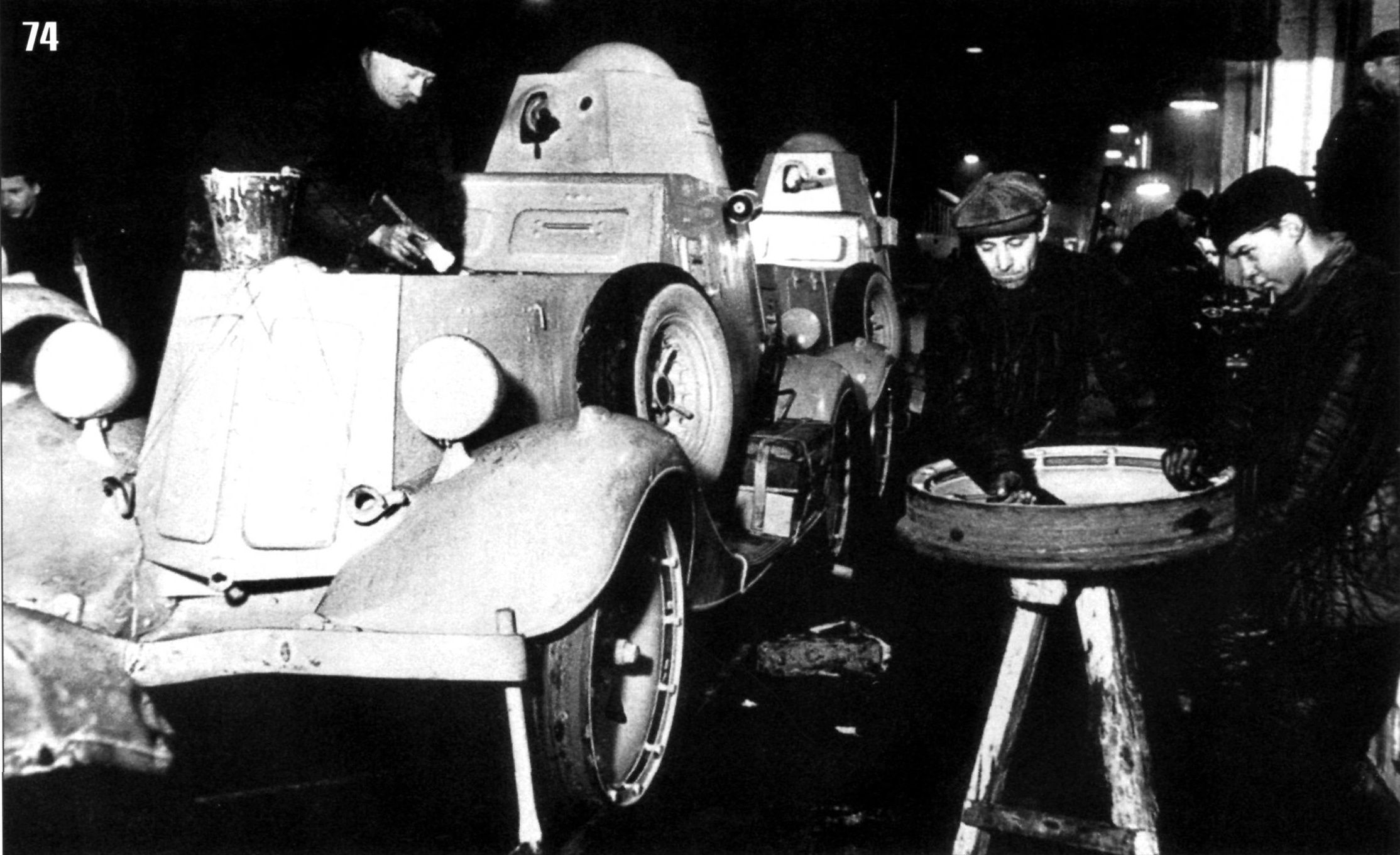
However, it was not until the autumn of 1938 that the design bureau at the DRO plant completed a standardized, modernized prototype BA-20 armored vehicle intended for serial production in 1939. The development of the improved vehicle proceeded slowly; constant adjustments were made, with one change necessitating another. In this new model, efforts were made to address the shortcomings identified during the operational use of the original BA-20s. Specifically, the overloaded front axle and the rear-axle leaf springs were reinforced; as planned, the frontal armor plates of the hull and turret were thickened to 9 mm; and the protection for the machine-gun mount was reinforced. Due to the increase in overall weight, the height of the armored hull had to be slightly reduced, and the inclination angles of the armor plates were adjusted. All external hinges on the hull’s access hatches and doors were replaced with internal ones. Combat experience from the Spanish Civil War (though the BA-20 itself did not see action there) demonstrated the ineffectiveness of the railing-style antenna. Consequently, on the radio-equipped variant, the original handrail-style antenna was replaced with a whip antenna, with its mounting point relocated to the left side of the hull. As a result of all these modifications, the weight of the new armored car increased from 2.27 to 2.32 tonnes, though its dynamic performance remained unchanged. Following testing, the vehicle, designated the BA-20M (« M » for « modernized »), was approved for mass production in 1939. The chassis used for the BA-20M, designated the GAZ-MS (« special ») or simply « MS », was supplied to the Vyksa Road Machinery Plant (DRO) by the Gorky Automobile Plant, where it was being mass-produced.
VII – First Production statistics and consequences:
Production of the BA-20M began in January 1939, initially running in parallel with the manufacture of the standard BA-20, which featured a conical turret. By the end of that year, 161 BA-20Ms had been delivered, followed by another 253 in 1940.
The plan for 1941 called for the delivery of 745 BA-20Ms to the Red Army. Production trends up to July 1941 can be tracked through the operational reports of Zimin, a military engineer of the 2nd rank and the senior military representative of the Red Army’s Armored Directorate (ABTU) at the DRO plant:
For January 1941:
1 – Radio-equipped BA-20M armored cars : annual target: 390; January target: 25; actually produced: 22; dispatched: 22. The vehicles dispatched were manufactured in 1940; 71 BA-20Ms from the 1940 order remain at the plant.
2 – Standard BA-20M armored cars – 1940 target: 355; January target: 0; actual produced: 0.
There are completed BA-20M units at the plant intended for the Navy (VMF), prepared for shipment in February. Two BA-20M were shipped in January under a contract with the NKVD. At the factory: there were 105 M-1 chassis at the beginning of the month; 65 were received in January, 22 were dispatched, leaving a balance of 144.
Property belonging to other agencies:
NKVD: 6 GAZ-AAA chassis and 2 GAZ-M-1 chassis; 2 M-1 units were dispatched;
Navy (VMF): 9 M-1 chassis (7 of which are currently fitted into vehicles)
For February 1941:
1 – Radio-equipped BA-20M armored cars: 41 produced, 41 accepted, 4 dispatched.
2 – Standard BA-20M armored cars: 0 produced.
Remaining vehicles manufactured in 1940: BA-20M : 93; BA-20M ZhD (rail): 1.
At the beginning of the month, there were 148 M-1 chassis on hand; 18 were received, 75 were removed [from inventory], leaving 91, of which 10 were vehicles currently undergoing assembly and installation.
For March 1941:
1 – Radio-equipped BA-20M armored cars: 61 produced, 61 accepted, 48 dispatched;
2 – Standard BA-20M armored cars: 0 produced.
Remaining vehicles: BA-20M : 72.
For April 1941:
1 – Radio-equipped BA-20M armored cars: 57 produced, 57 accepted, 50 dispatched;
2 – Standard BA-20M armored cars: 0 produced.
Regarding chassis: 84 on hand at the beginning of the month, 96 received, 79 removed, 101 remaining, of which 51 are currently being used for vehicles, and 10 are undergoing installation.
For May 1941:
1 – Radio-equipped BA-20M armored cars: 40 produced, 40 accepted, 58 dispatched, 32 remaining
2 – Standard BA-20M armored cars: 14 produced, 14 accepted, 5 dispatched, 9 remaining
3 – BA-20M ZhD armored cars : 4 produced, 4 accepted, 0 dispatched, 4 remaining, plus 1 refurbished training vehicle.
MS chassis: 101 on hand at the beginning of the month, 62 received, 63 dispatched, 100 remaining.
Of these, 46 are under completed vehicles, under installation and painting 15, available
chassis 39.
For June 1941 :
1 – Radio-equipped BA-20M armored cars: 8 produced, 8 accepted, 38 dispatched, 2 remaining
2 – Standard BA-20M armored cars: 32 produced, 32 accepted, 37 dispatched, 4 remaining
3 – BA-20M ZhD armored cars : 16 produced, 16 accepted, 0 dispatched, 16 remaining.
On July 5, 1941, military representative Zimin sent an explanatory note to the head of the 1st department of the BTU of the Red Army, military engineer 1st rank Pavlov, which stated that
the execution of Contract No. B1-118 at the DRO plant proceeded satisfactorily for five months; that the poor performance in June resulted in a failure to meet the production target for the first half of the year, a shortfall averaging 15 units, even though the product mix requirements of the contract were maintained.
The status of the program’s execution is as follows
6 months objective | expected | produced | shortfall | surplus |
Radio-equipped BA-20M | 185 | 229 | 44 | |
Standard BA-20M | 100 | 46 | 54 | |
BA-20M ZhD | 26 | 20 | 6 | |
Total | 311 | 295 | 60 | 44 |
Zimin also explained that the following circumstances affected the first half of the year, and the month of June in particular:
« 1. Throughout June, there was an acute shortage of labor due to illness in the first half of the month, and the departure of workers in key trades for the Red Army in the second half. The process of securing exemptions from military service for essential workers was delayed; as a result, almost all personnel in key trades, such as turret assemblers, welders, assembly-joint specialists, and drivers, were drafted into the Red Army, including even those who had been granted a deferment. The existing workforce, along with new personnel arriving from other workshops or from outside the plant, were unable to master the core tasks; they still require additional time for training and to become fully proficient in their respective specialties.
2. The production ramp-up for the BA-20 vehicle has been insufficient, despite our persistent demands to prioritize this specialized production.
3. Defects discovered in 10 mm-thick armor components caused significant delays in the production of turrets and hulls. As it turned out, these defects were caused by substandard metal received from the Kulebaki Metallurgical Plant, as well as a lack of due diligence regarding the heat treatment of the metal.
4. The plant management failed to take appropriate measures to bolster lagging production areas, most notably the forging and preparatory shop. This shop has largely failed to supply the parts required for assembly in complete sets and according to the schedule; consequently, the assembly process was frequently held up by a lack of components such as hinges, hatches, and other parts.
5. The introduction of a third assembly line for vehicles in the second quarter had the potential to sharply increase the productivity of Workshop No. 2. However, this was hindered by the untimely delivery of parts, preventing this otherwise sound initiative from yielding any significant results.
6. The supply of materials has been inadequate; the plant is experiencing a severe shortage of rivets and essential components, such as angle sections and other items, primarily those sourced from partner factories. The situation is particularly critical regarding the availability of ball mounts, road wheels, radio sets, and antennas. »
Zimin then draws the necessary conclusions and proposes solutions to be implemented :
« The production program assigned to the plant for July and the third quarter is insufficient. Only 70 vehicles are planned for July, a figure that is clearly inadequate, given wartime conditions and the plant’s production capacity. With proper focus on specialized products, the facility could produce 100 vehicles per month, and if shifted primarily toward such specialized production, it could yield 150 or more vehicles. I would like to draw your attention to the fact that the entire production program assigned to the DRO plant for the third quarter by People’s Commissar T. Yefremov on June 24, 1941, amounting to a mere 190 units, is clearly set too low. This will inevitably lead to the plant management once again failing to give due attention to the output of specialized military products. I request your intervention and influence upon the People’s Commissariat to scale up the production of BA-20 vehicles at the DRO plant in accordance with wartime requirements. Please inform me of the production targets established for the third quarter. »
Evidently, some measures were taken in response to this memorandum, as in July, the DRO plant manufactured and handed over to military inspectors 19 radio-equipped BA-20M armored cars, 55 standard versions, and 7 railway-capable variants (ZhD). Furthermore, work was nearing completion on another 25 armored cars, while armored hulls were being mounted on an additional 25 units. August 1941 marked the peak of BA-20M production at the DRO plant, with 77 vehicles (20 radio-equipped and 57 standard) submitted for inspection; thereafter, the production rate for the BA-20M began to decline. This was due to shortages in the supply of armored plating, solid rubber tires, radio sets, and other equipment. Moreover, in August 1941, the DRO plant began manufacturing armored hulls for T-60 tanks, as well as turret rings for T-34 tanks. Consequently, the number of BA-20M vehicles delivered was 50 in September, 40 in October, 46 in November, and 16 in December. At the same time, some of the armored vehicles were sent to the troops equipped with pneumatic tires, but lacking canvas covers and certain items from their spare parts and accessories (ZIP) kits. It should be noted that in September 1941, the Vyksa Road-Building Machinery Plant (DRO) was incorporated into the newly established People’s Commissariat of the Tank Industry and redesignated as Plant No. 177. Its primary production shifted to armored hulls and turrets for T-60 and T-34 tanks, production of which was given top priority. Consequently, the manufacture of the BA-20M armored car was relegated to a secondary role; the war had demonstrated that the combat value of these vehicles was limited. Furthermore, with the adoption of the BA-64, a light, all-wheel-drive armored car designed at the Gorky Automobile Plant, the decision was made to phase out the production of the BA-20M.
On March 9, 1942, State Defense Committee (GKO) Decree No. 1415ss ordered Plant No. 177 (formerly the Vyksa DRO plant) to cease the production of BA-20M armored cars. This directive was reinforced on March 11 by Order No. 268 from the People’s Commissariat of the Tank Industry, which stated that production of the BA-20 must be effective on May 16, 1942, and that all specialized tools, jigs, dies, and technical documentation must be preserved. Nevertheless, despite these orders, the production target for the BA-20M at Plant No. 177 was exceeded in May :66 vehicles were delivered instead of the planned 25. Furthermore, utilizing the existing stock of hulls and chassis, two BA-20M vehicles were produced in June, and another 14 were delivered to the Red Army in July; following this, the production of armored cars at Plant No. 177 was discontinued. Thus, throughout the entire period of serial production :from 1936 to July 1942, a total of 1,567 BA-20 and BA-20M armored cars of all variants were manufactured at the DRO plant (Plant No. 177).
VIII – The BA-20 ZhD :
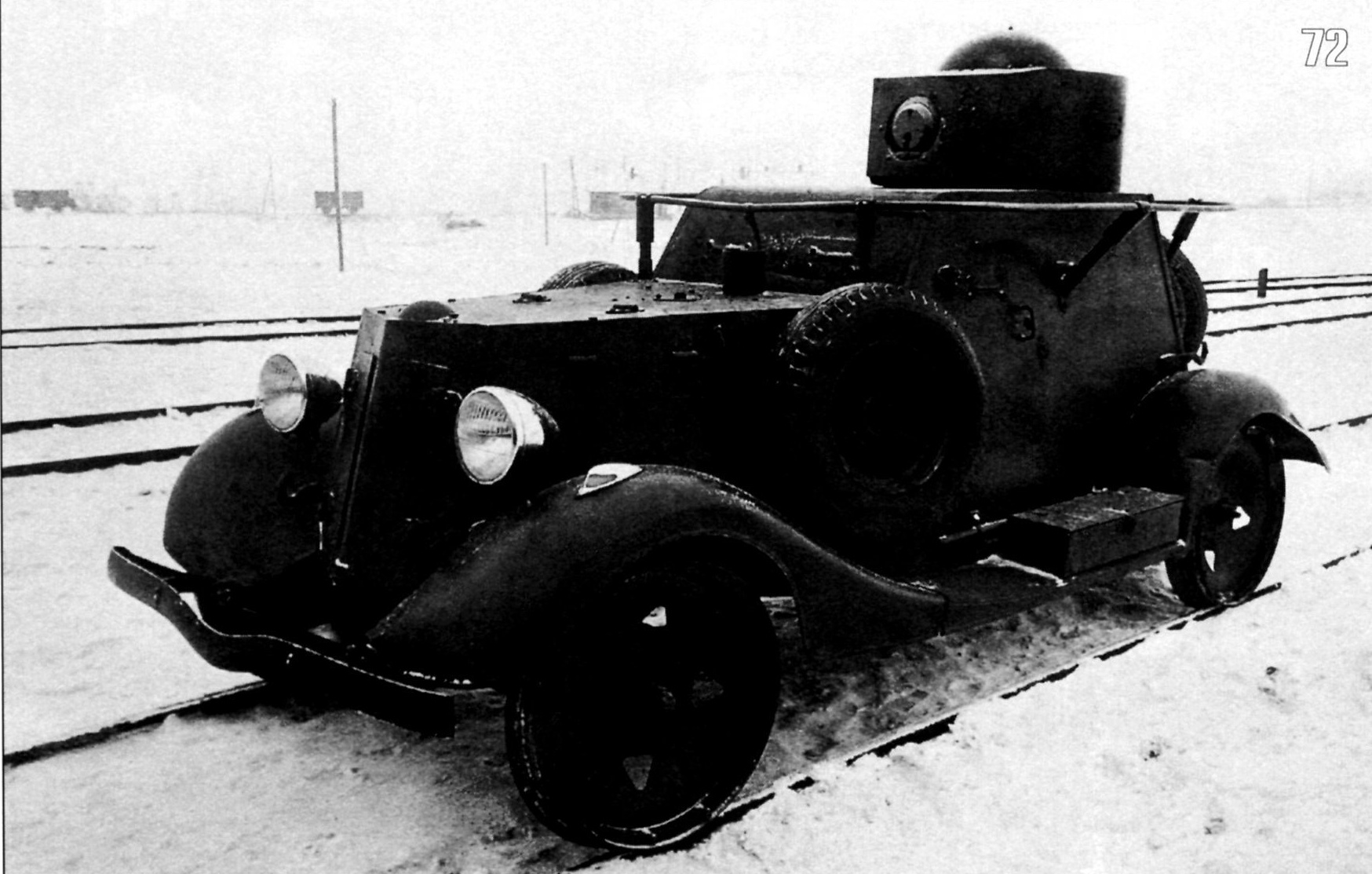
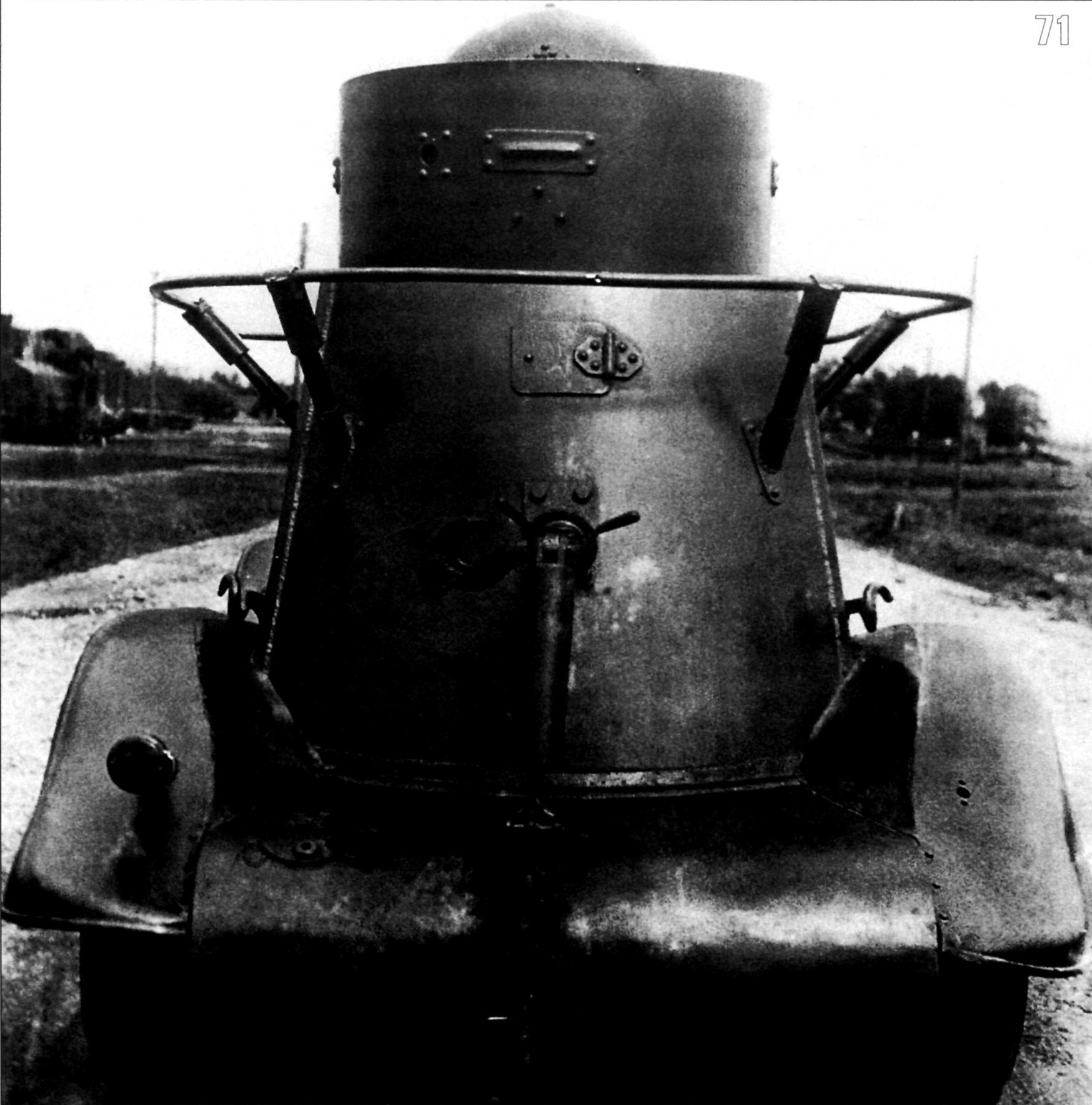
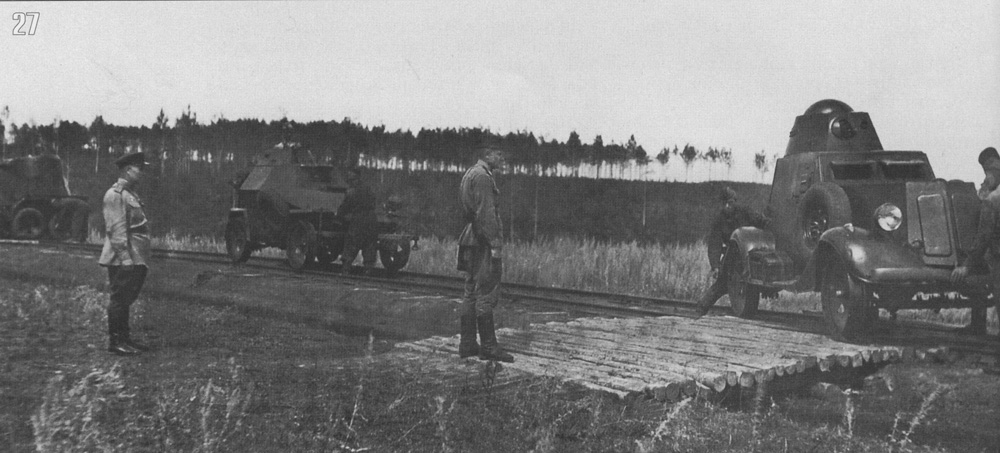
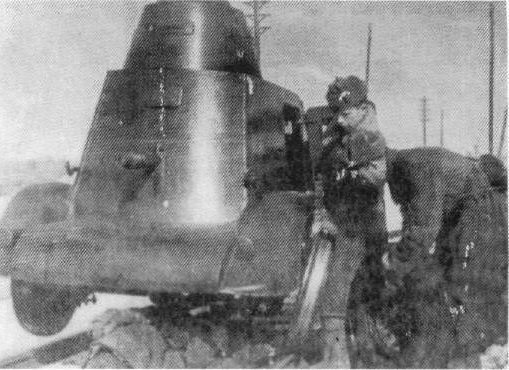
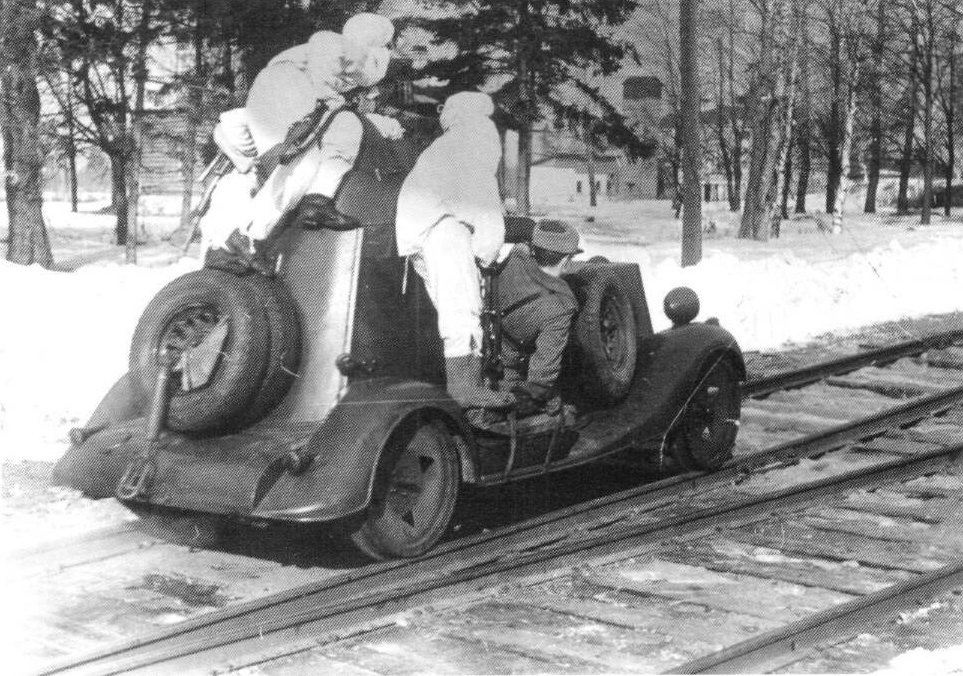
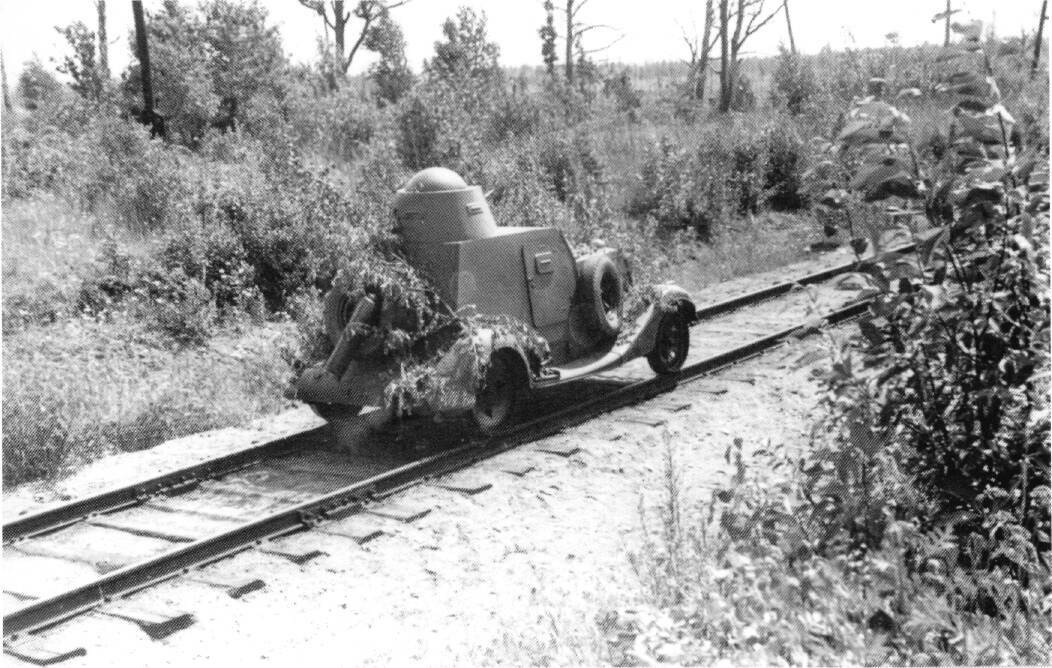
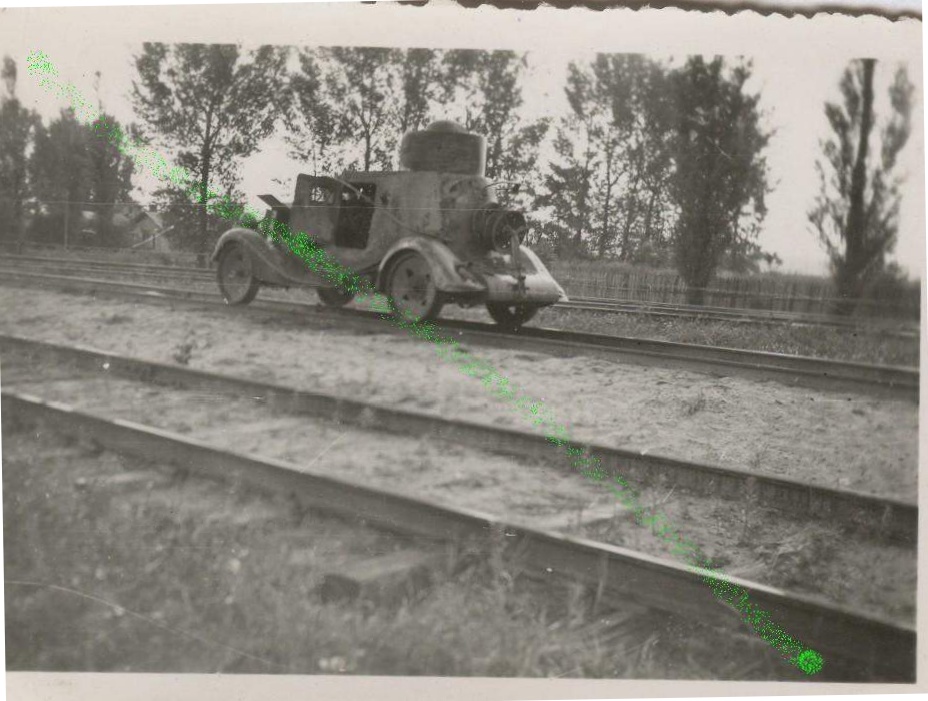
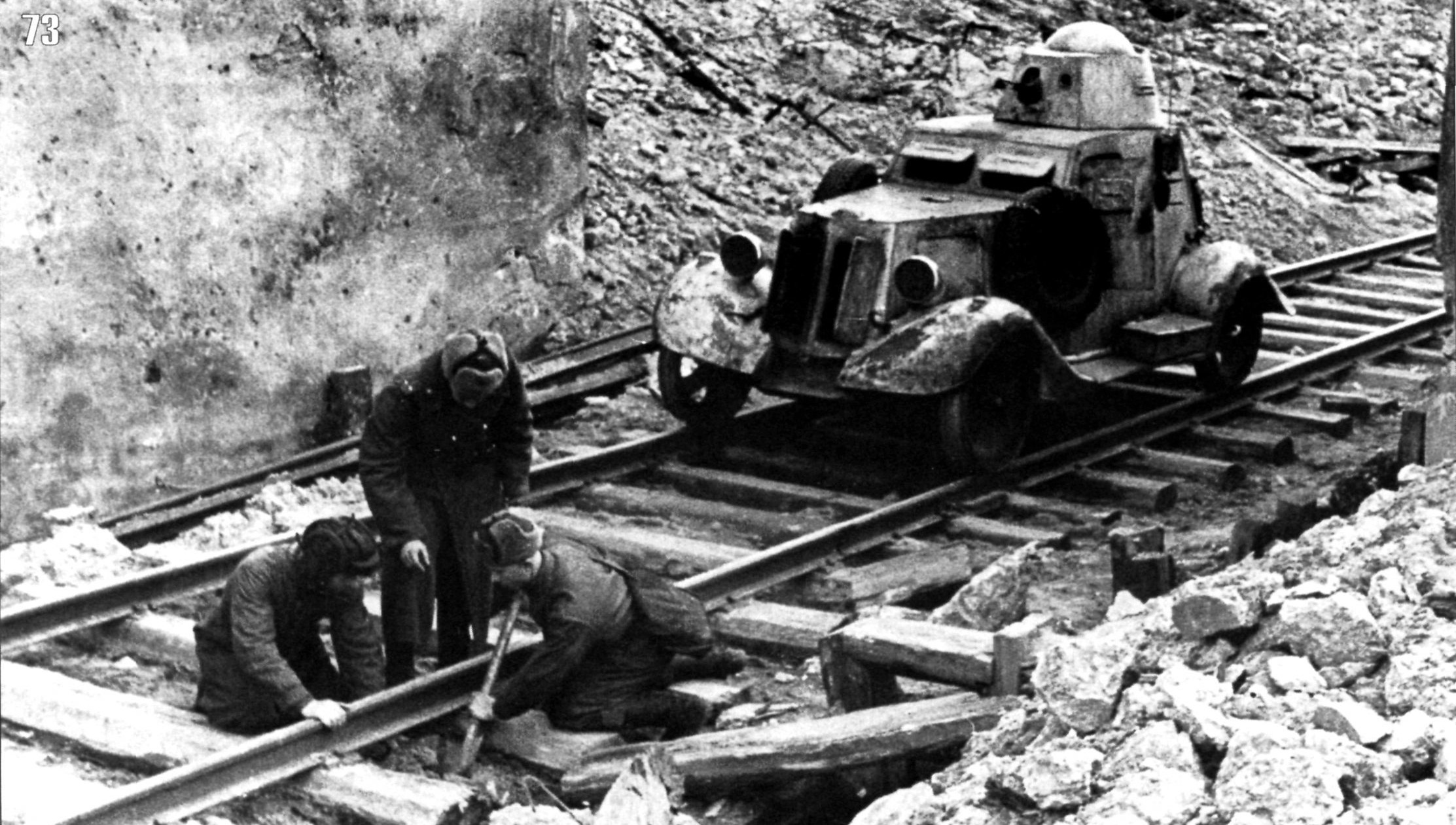
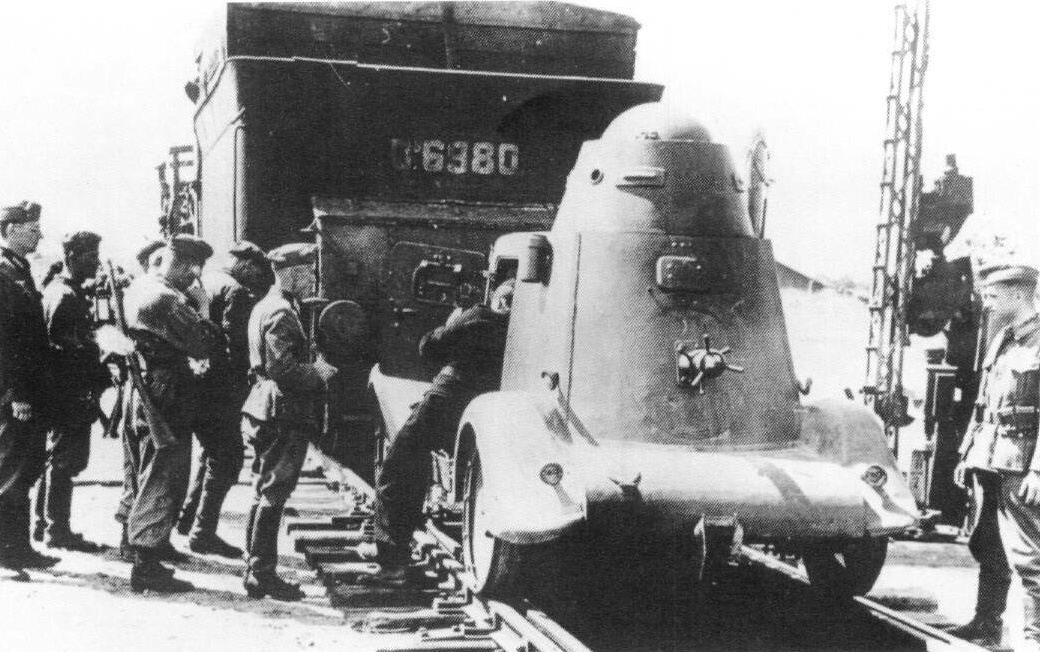
The first armored vehicle adapted for travel on railway tracks appeared in Russia in 1913 on a Benz-Gaggenau chassis. It was used by the administration overseeing the construction of the eastern section of the Amur Railway to protect construction sites from khunkhuz (bandit) gangs. During the First World War, an armored railway platoon of five Russo-Balt Nekrassov armored cars was formed. Furthermore, there were plans to convert all armored vehicles, those deemed unsuitable for front-line service, for railway use; however, for various reasons, this was never carried out. In the Soviet Union, work on developing rail-capable armored vehicles began in 1932 at the Mozherez plant. There, a D-8 armored car was modified for travel on rails. A similar vehicle, based on the FAI armored car, was produced in the workshops of Military Depot No. 60 in the summer of 1936. In 1937, the design bureau of the DRO plant was tasked with developing a rail-capable version based on the new BA-20 armored car. Such vehicles were required for railway patrols and reconnaissance units. The first prototype underwent testing in early 1938. The BA-20 ZhD was equipped with an auxiliary gearbox (reduction gear) which increased its reverse speed when operating on railway tracks. Like the FAI-ZhD, it was equipped with a jack to lift the vehicle when transitioning to rail travel and swapping the standard road wheels for flanged steel wheels designed for rail travel. The road wheels were then stowed on the armored hull, one on each side of the engine hood and two on the rear plate. However, unlike its predecessor, it utilized metal rail tires (rims) instead of standard rubber-tired wheels. While the railway-capable BA-20 retained its ability to travel on conventional roads, its maximum speed dropped to 50 km/h due to an increase in weight to 2,780 kg. The BA-20-ZhD variant was soon approved and serial production began at the DRO plant in 1938. Initially, these rail-capable armored cars were produced by modifying existing, already-assembled BA-20 units; however, starting in 1939, they were moved to a dedicated assembly line. Following the introduction of the upgraded BA-20M armored car, the railway version began to be built based on this new model. Consequently, its designation was updated to BA-20M-zhd. In total, between 1938 and 1941, the DRO plant manufactured 61 BA-20-ZhD and 74 BA-20M-ZhD vehicles (nearly all of which were equipped with radios), the last ones were delivered to the Red Army (RKKA) in the autumn of 1941. Furthermore, between 1942 and 1943, the Voytovich Plant in Moscow carried out the conversion of standard armored cars into rail-capable versions. It is known that during this period, 18 armored cars, comprising BA-20, BA-10, and BA-64 models, were fitted with railway wheel rims; at least half of these were BA-20s. The BA-20-ZhD rail-capable variants were incorporated into armored trains and remained in service until the end of the Great Patriotic War. In addition to the Red Army, several BA-20-ZhD units were also employed within the armored trains of the NKVD troops tasked with guarding railway infrastructure.
IX – Combat use :
2 – Pre-war use:
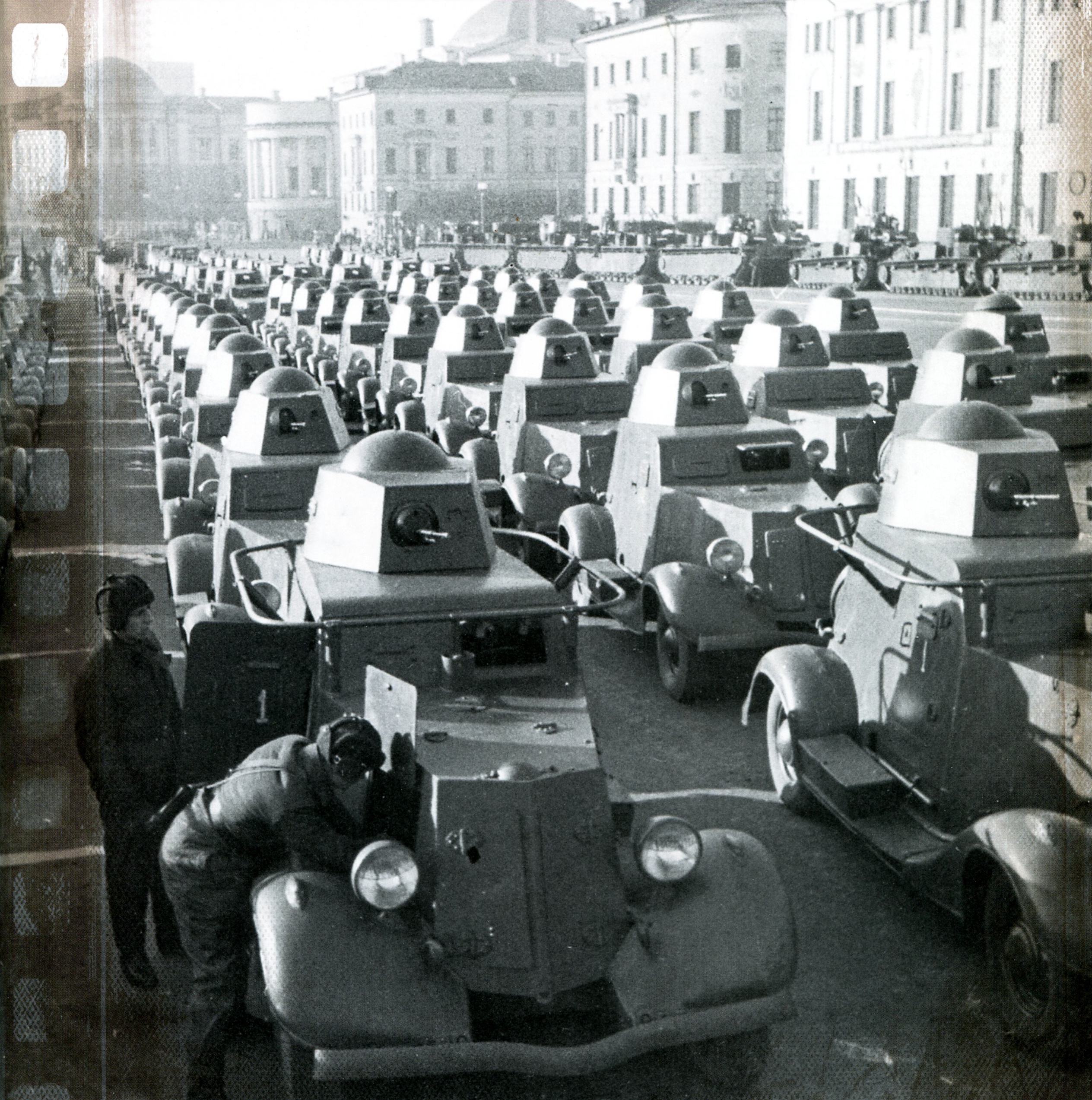
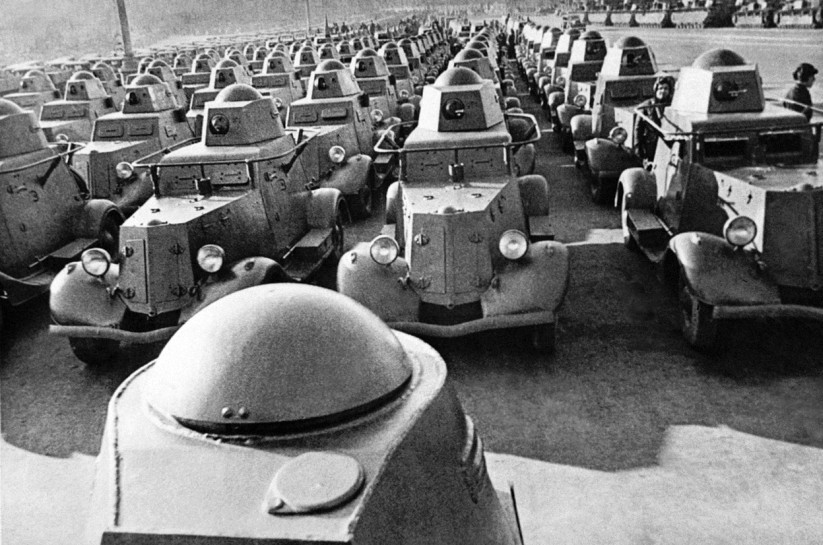
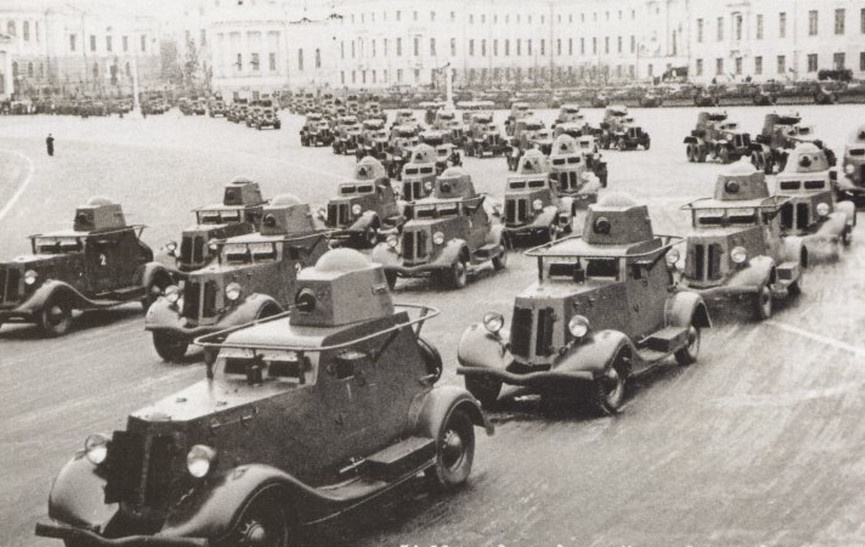
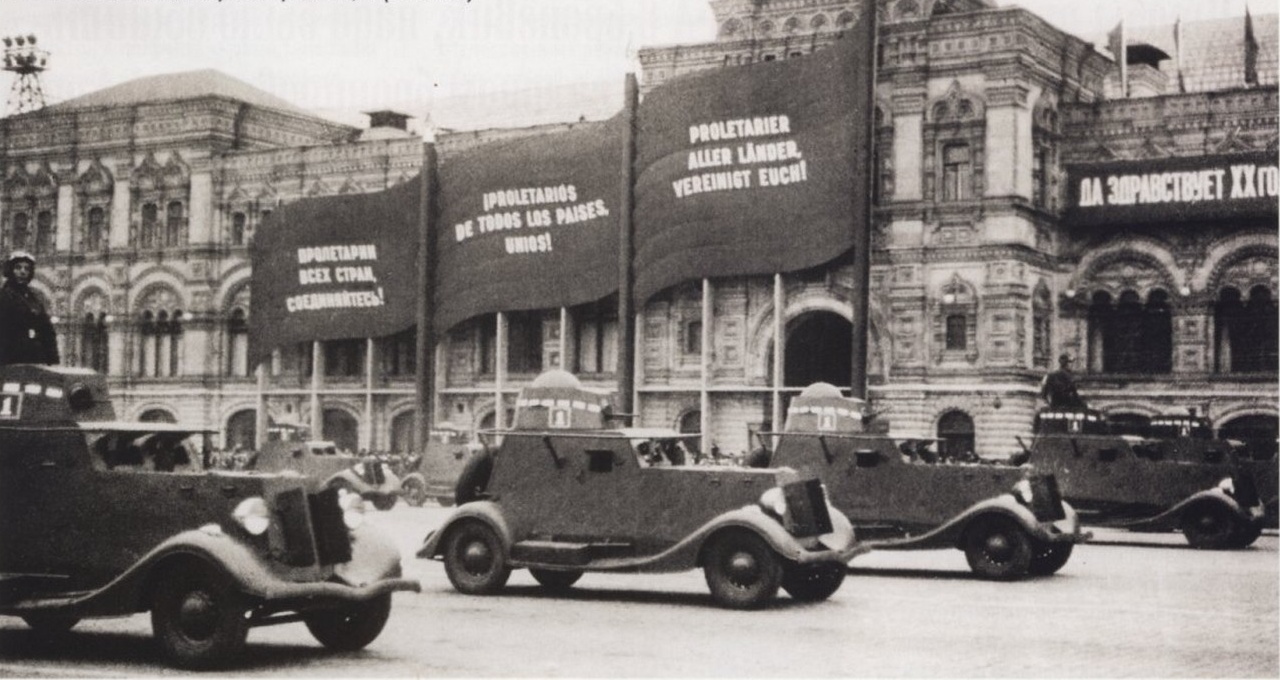
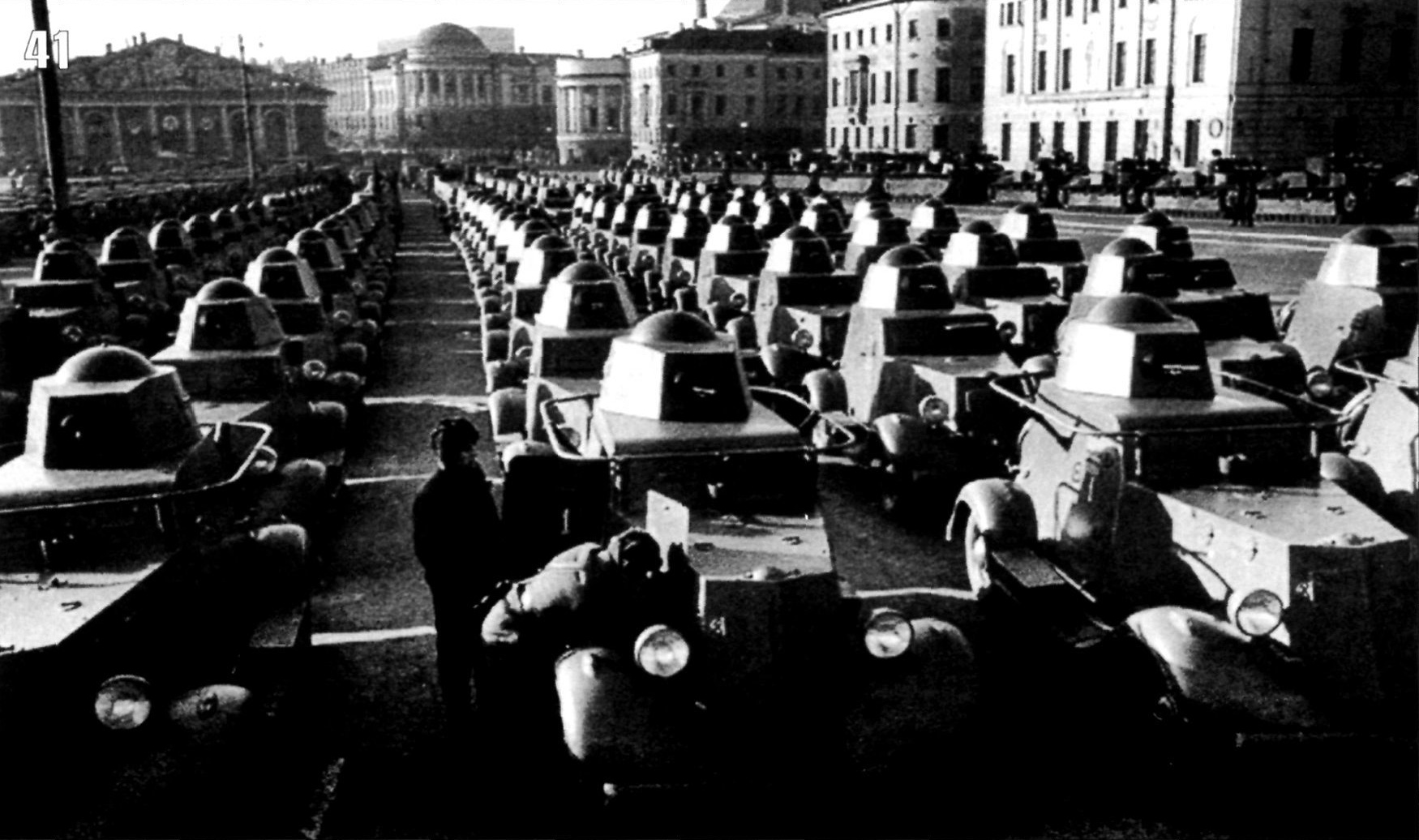
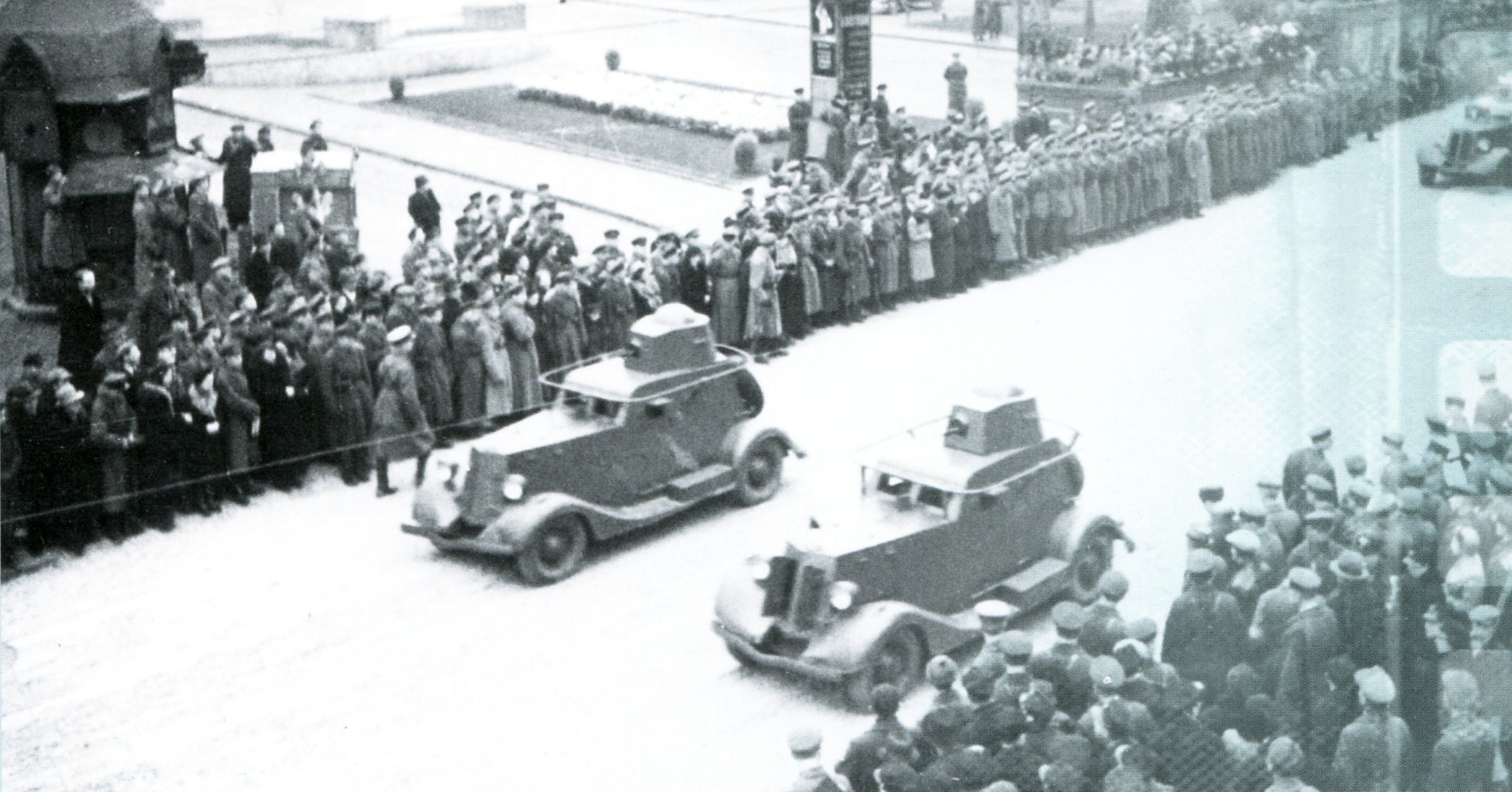
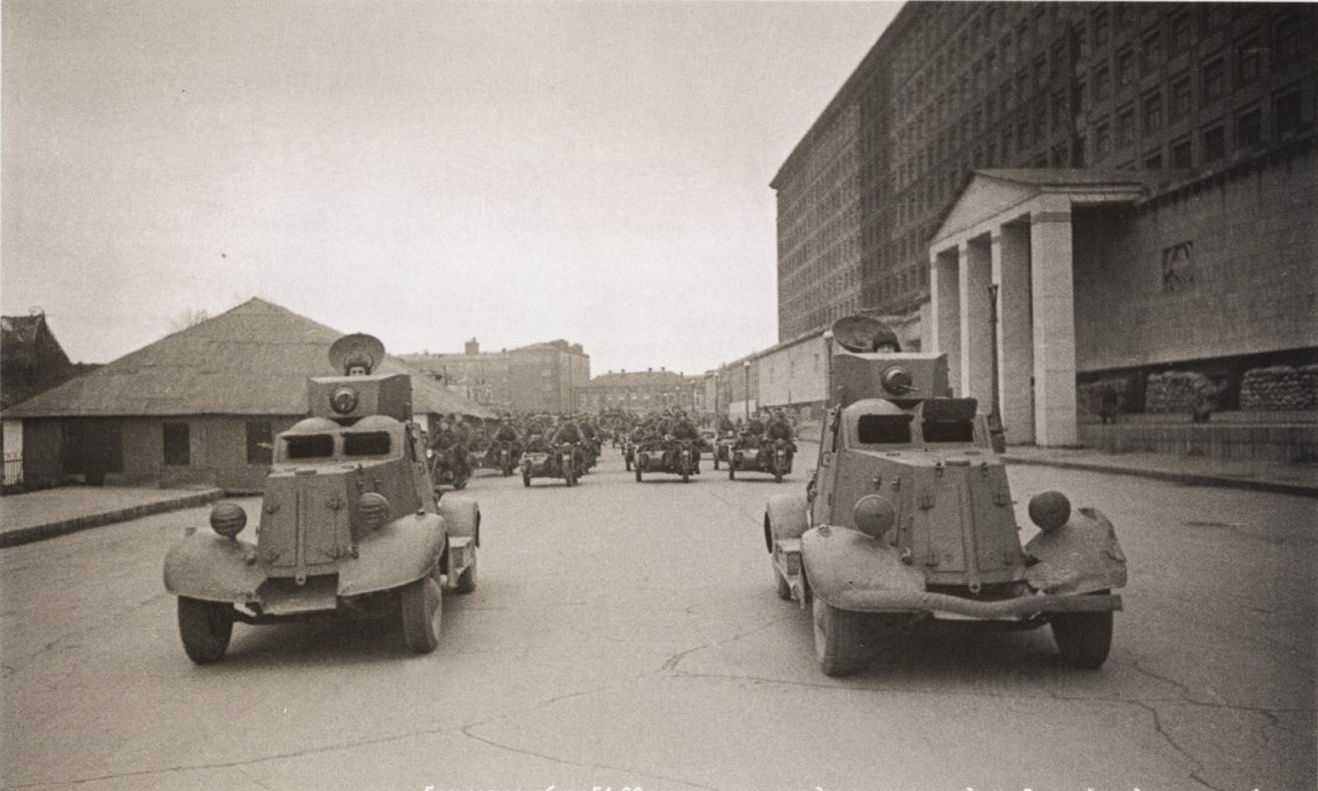
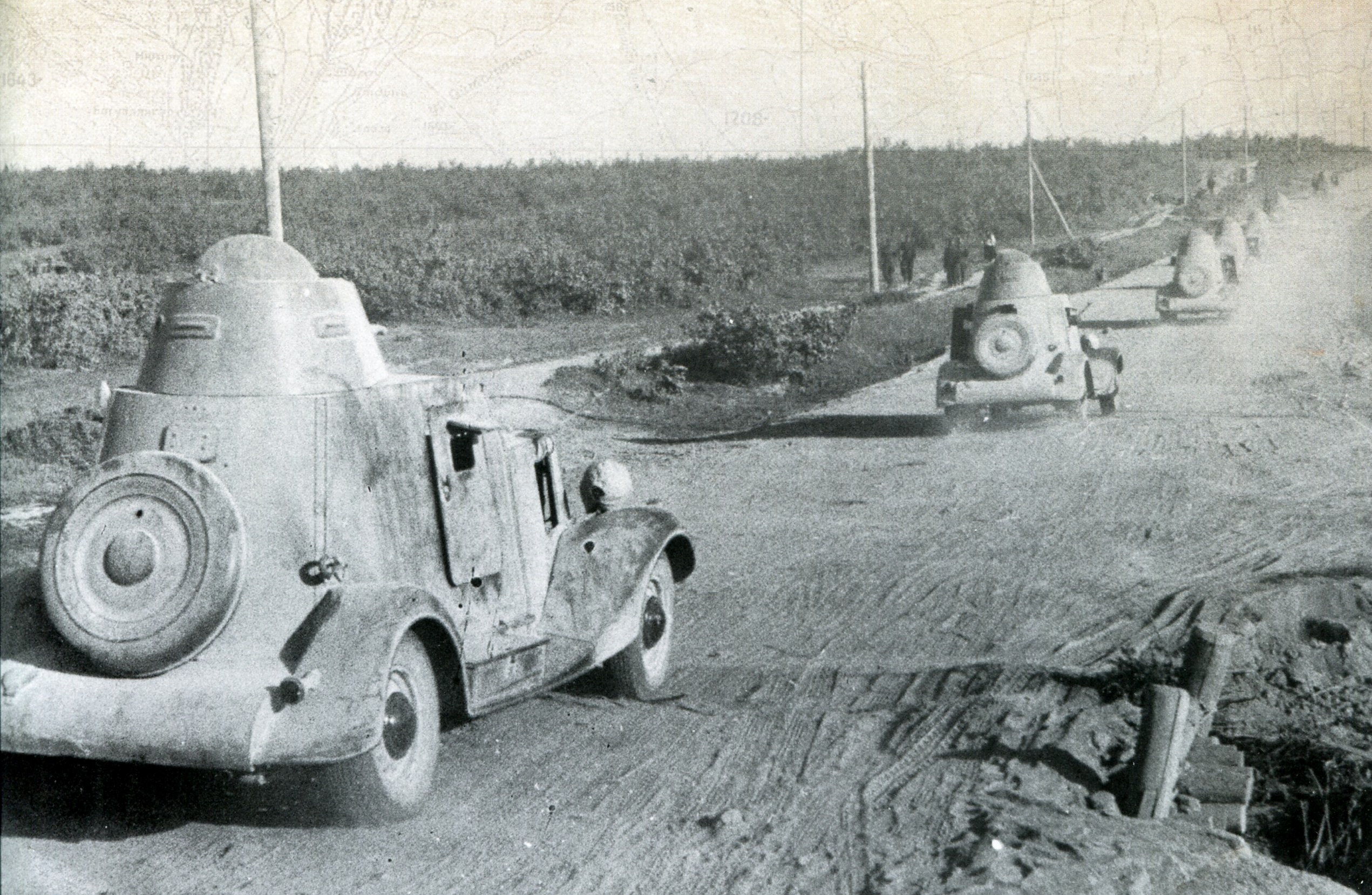
2 – Battles at the Khalkhin Gol river :
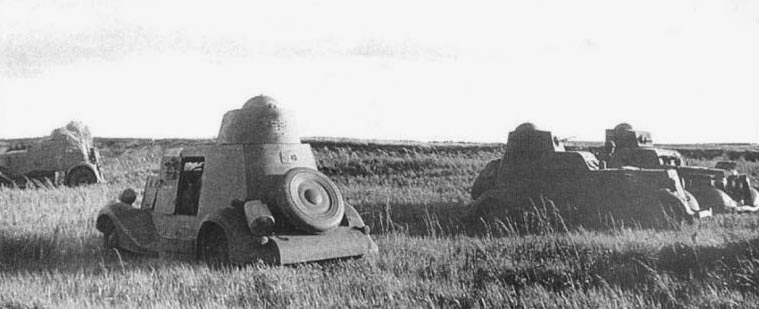
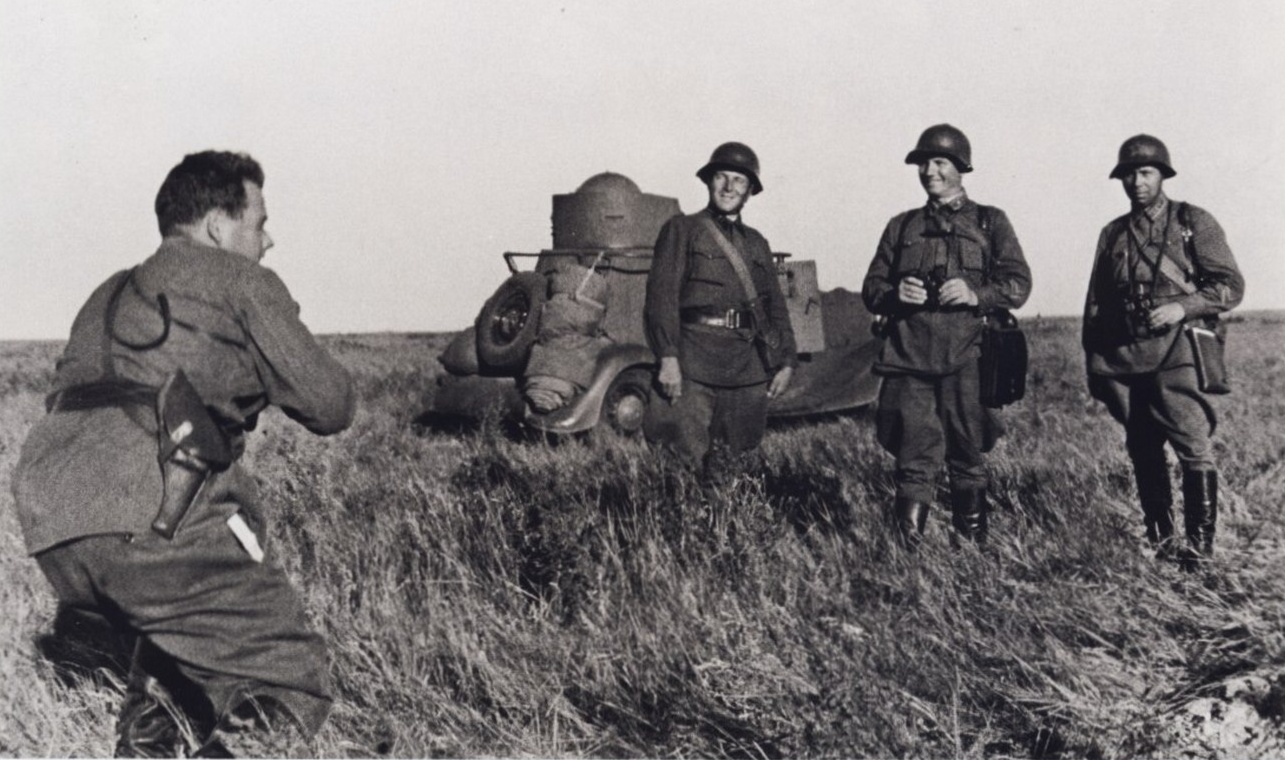
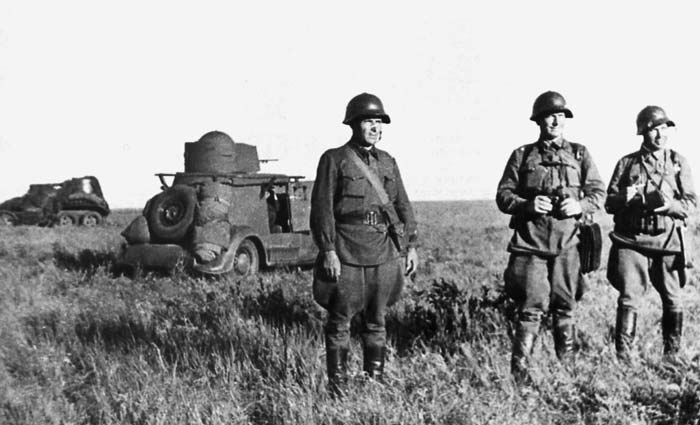
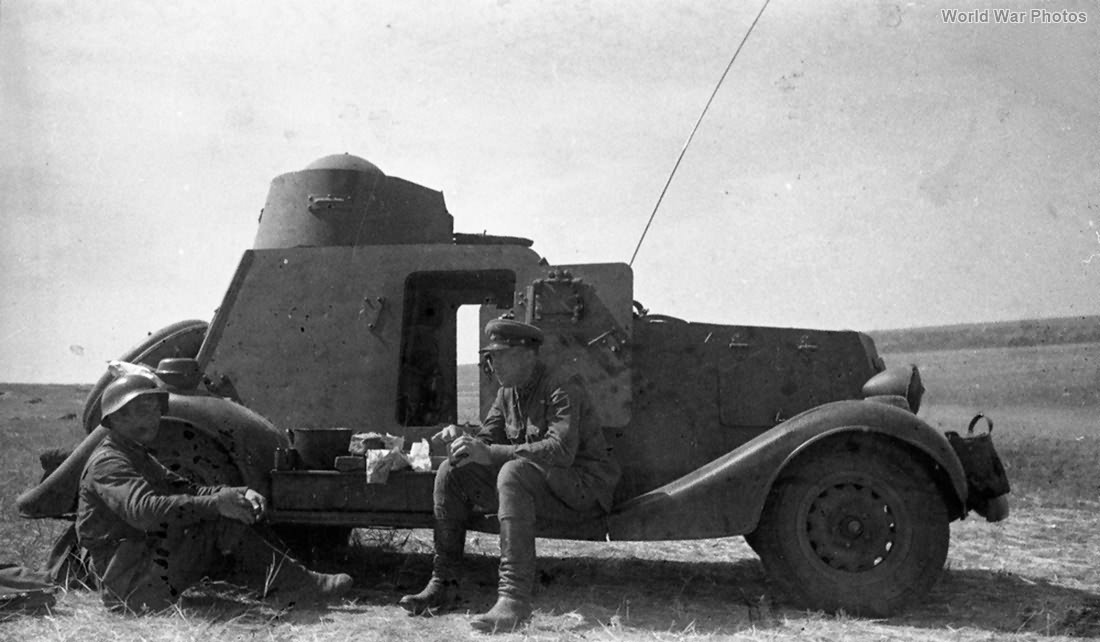
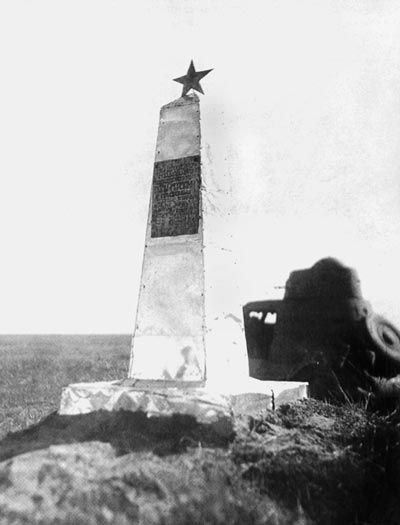
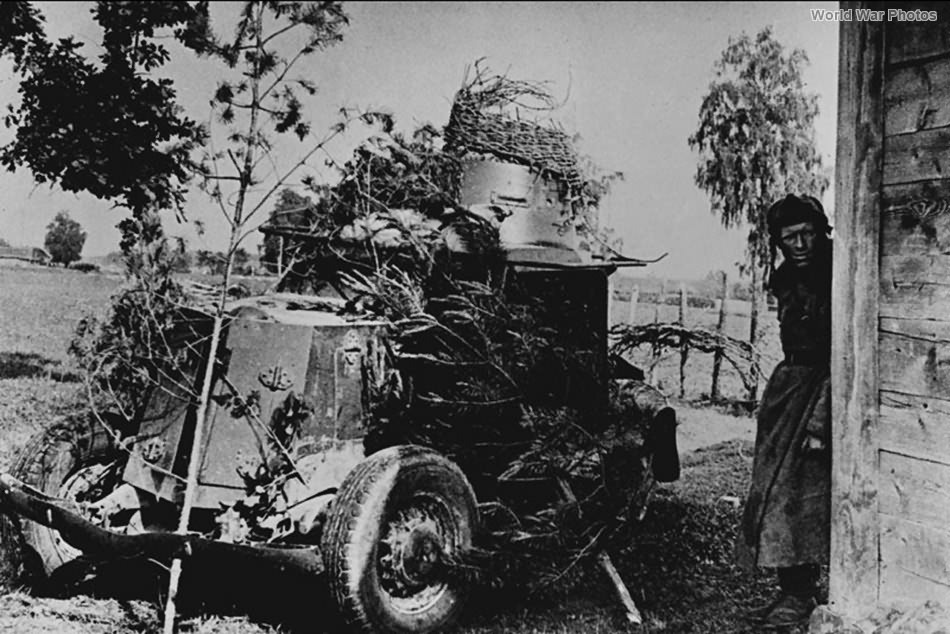
Between May and September1939, the BA-20s were first tested in combat conditions during the conflict on the Khalkhin Gol River. The 57th Special Corps, stationed in Mongolia was tasked with defending the border with Manchuria, As of February 1, 1939, three months before the fighting began, the units of the 57th Special Corps stationed in Mongolia possessed 284 tanks, 370 medium armored cars, and 167 light armored cars. The FAI and BA-20 models accounted for one-fifth of all armored units within this Red Army contingent. The majority of these armored cars were assigned to the 7th, 8th, and 9th Motorized Armored Brigades. During the course of the conflict, the proportion of light armored cars actually increased slightly; by July 20, 1939, they made up nearly 24% of the Soviet forces’ armored inventory, which at that time consisted of 409 tanks, 151 medium armored cars, and 173 light armored cars. Although they were intended to be used actively for short-range reconnaissance, liaison duties, and communications, they were in fact sometimes engaged in direct combat against enemy forces. For example, it happened on August 23, 1939 when two companies of BT-7 tanks from the 9th Motorized-Armored Brigade, supported by
armored cars, first destroyed a fuel and ammunition depot and subsequently routed a Japanese-Bargut cavalry regiment. To top it all off, three camouflaged BA-20s destroyed two Japanese aircraft that had, with extreme lack of foresight, landed in the vicinity of the Soviet vehicles.
Irretrievable losses of BA-20s during the fighting from May to September 1939 totaled 19 vehicles and were as follow :
7th Separate Motorized Armored Brigade – 2 (burned out)
8th Separate Motorized Armored Brigade – 7 (2 burned out, 5 left behind in enemy-held territory)
9th Separate Motorized Armored Brigade – 5 (2 burned down, 1 left behind in enemy-held territory, 2 destroyed)
5th Rifle and Machine-Gun Brigade – 1 (rendered completely inoperable due to an accident)
12th Separate Signals Battalion – 1 (destroyed by a shell)
36th Motorized Rifle Division – 3 (1 burned down, 2 left on the battlefield)
17 BA-20 required repairs : 14 needing intermediate-level repairs and 3 requiring major overhauls
General assessments of the performance of the BA-20 armored cars were as follows:
“The vehicles demonstrated good cross-country capability and endurance. Light armored vehicles were highly valued for their mobility and were used for a wide variety of purposes (by staff officers, commanders, liaison officers, medics, couriers, and scouts, as well as for delivering hot food in insulated containers to frontline positions under artillery fire, etc.). The armor of the BA-20 can be easily penetrated by armor-piercing bullets fired from a large-caliber 12 mm machine gun (this likely refers to 13.2 mm Hotchkiss machine guns, which were in service with the Japanese army). It cannot, however, be penetrated by standard or armor-piercing rifle-caliber bullets. The BA-20 armored cars are suitable only as liaison vehicles; they are too weak for combat.”
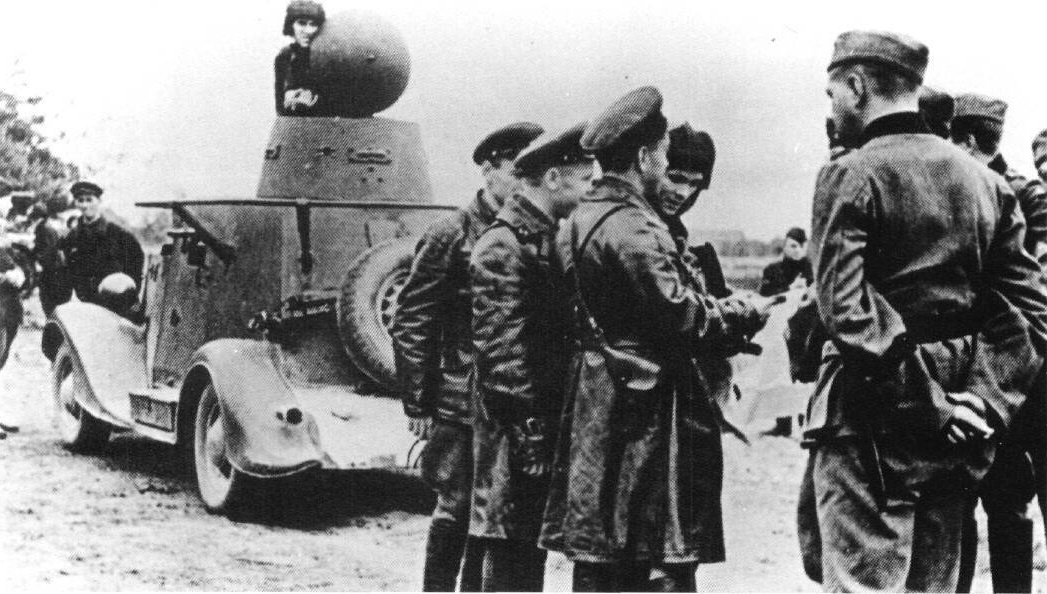
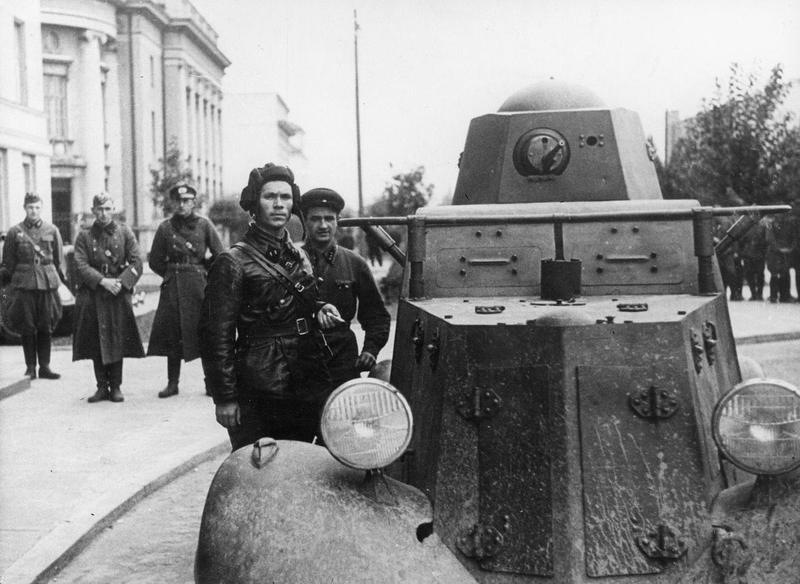
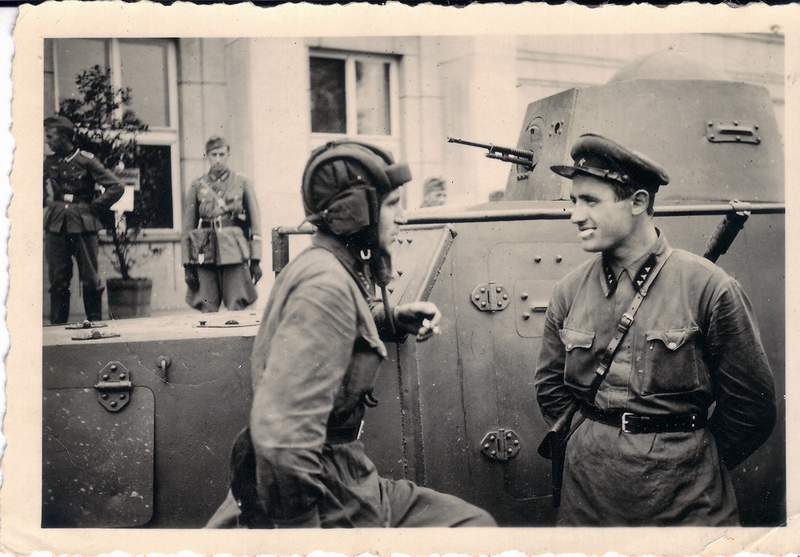
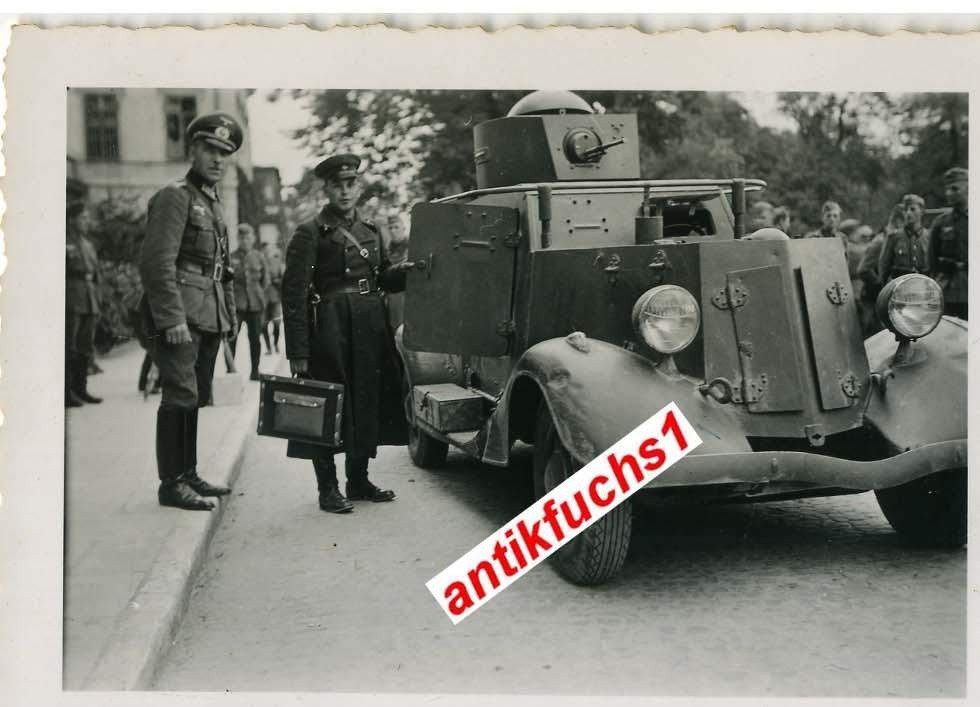
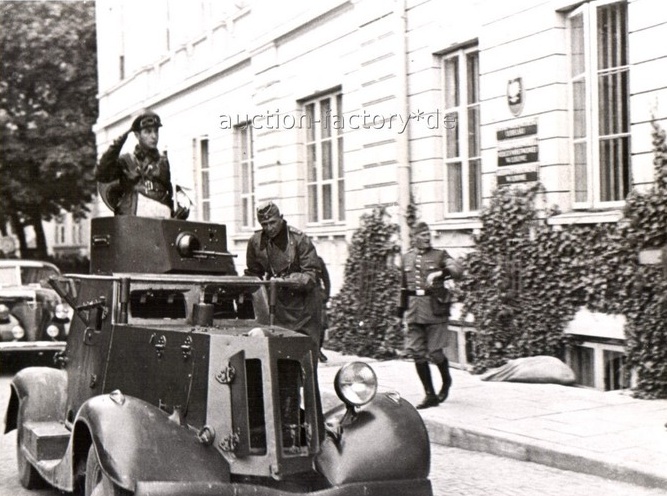
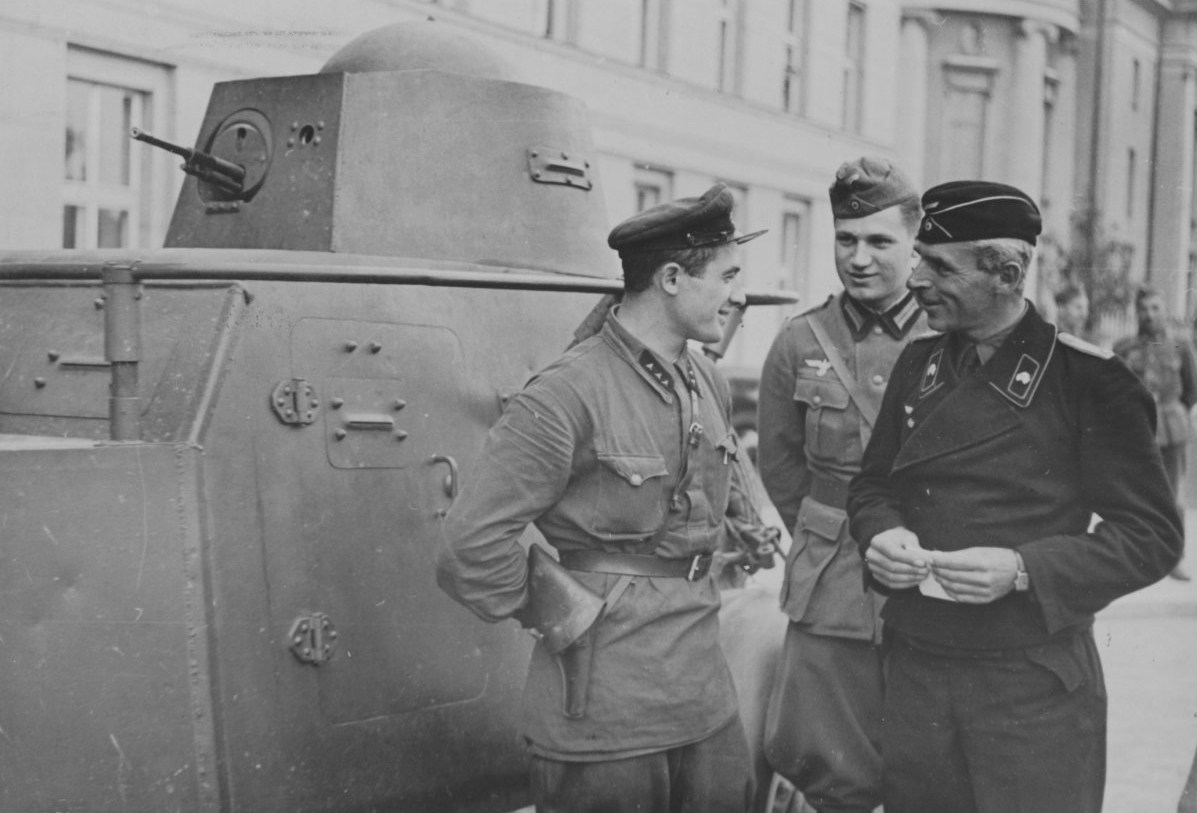
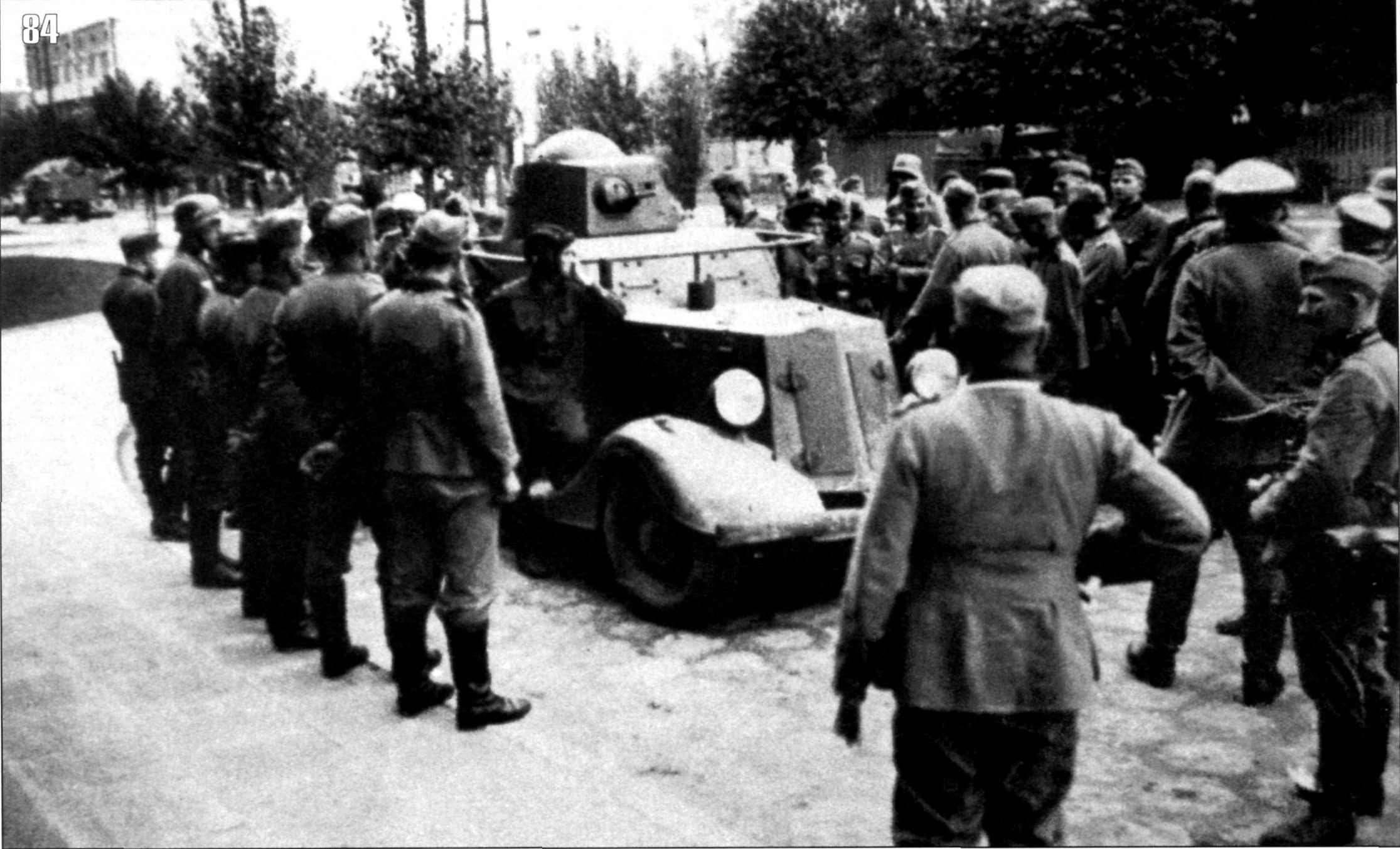
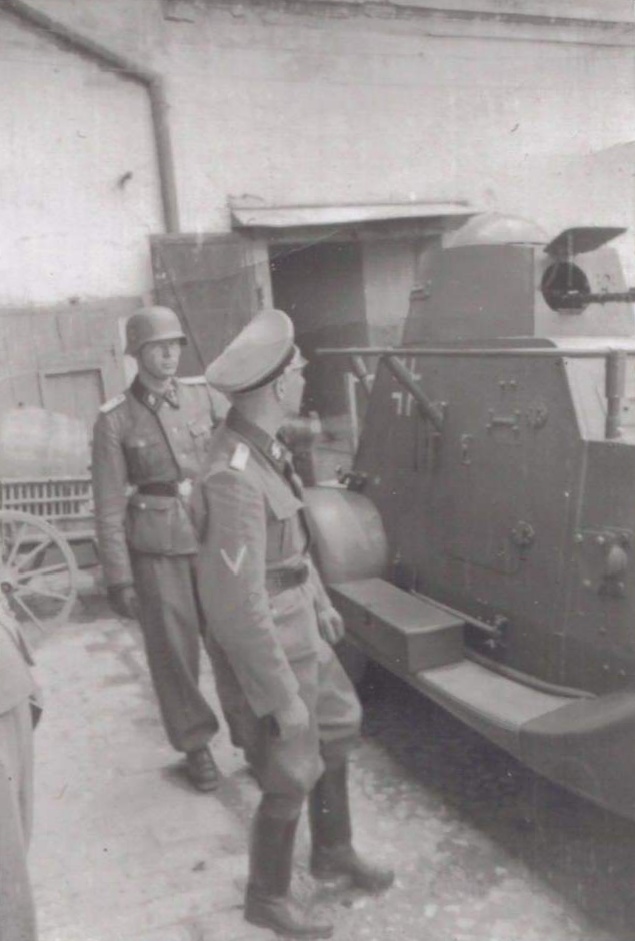
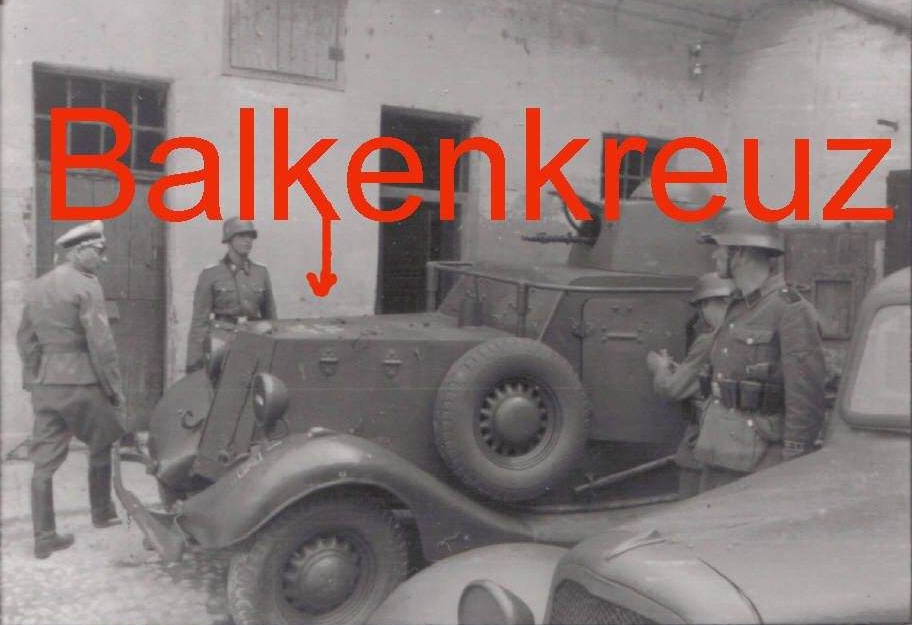
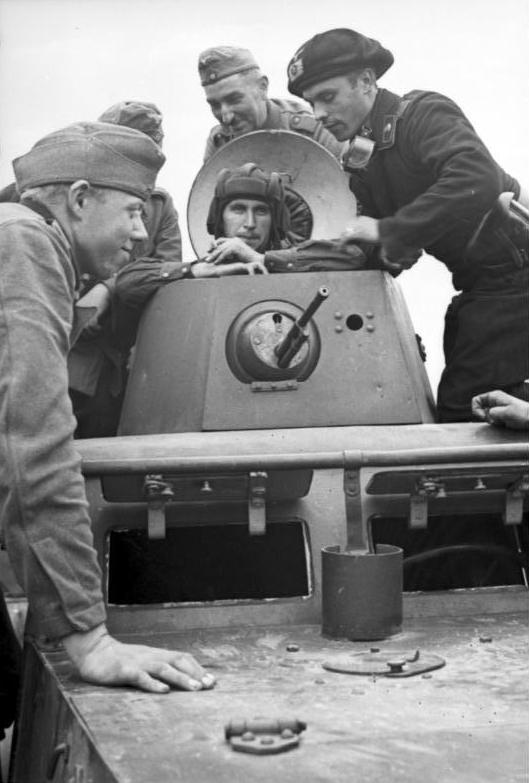
2 – The Polish campaign:
3 – The Soviet-Finnish war :
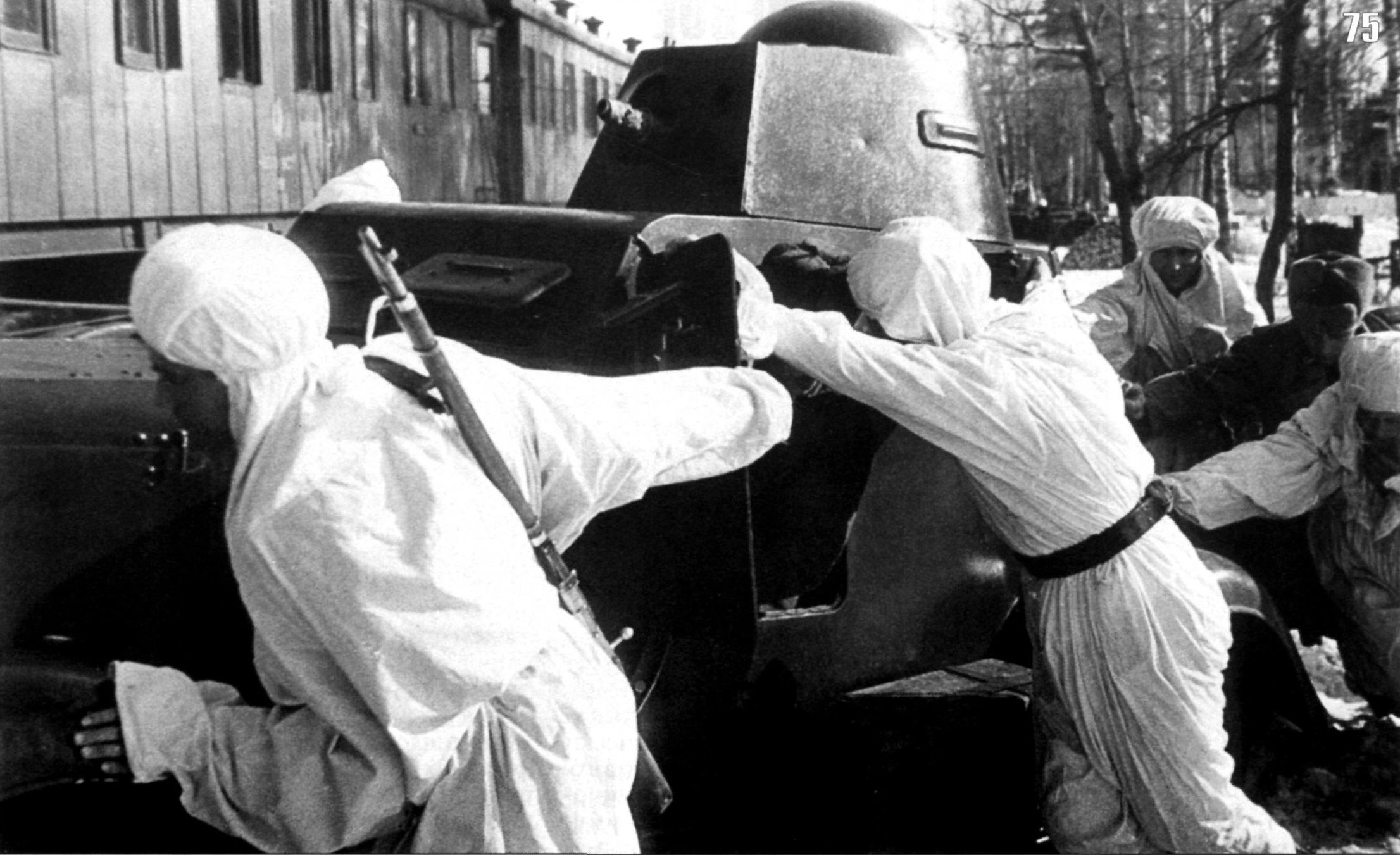
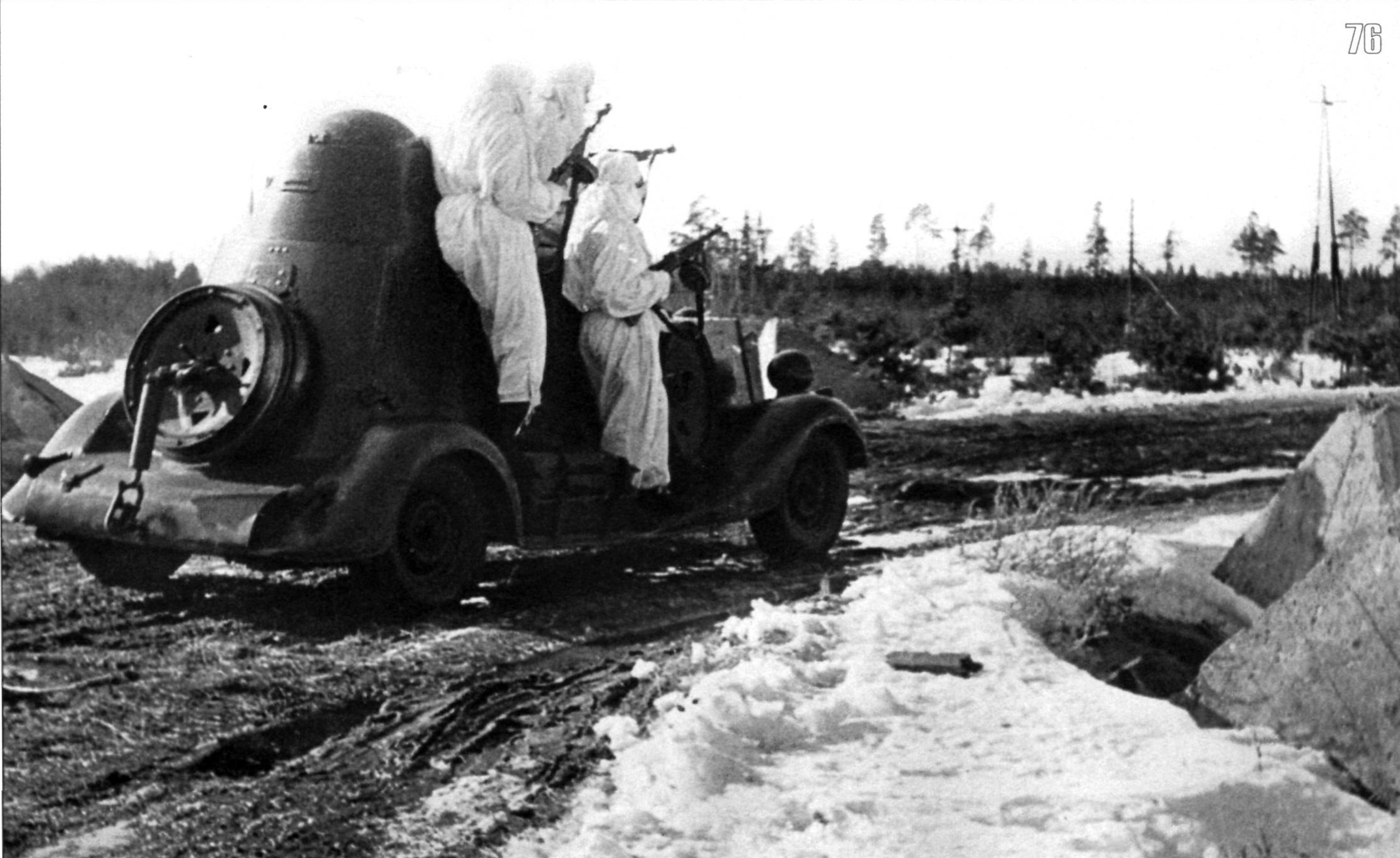
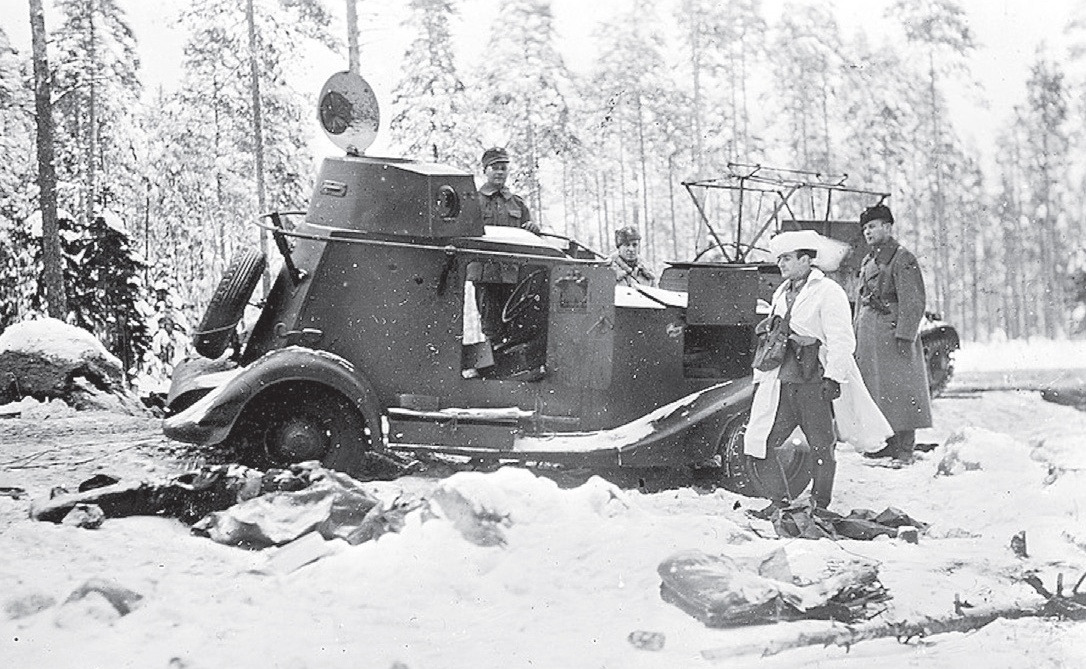
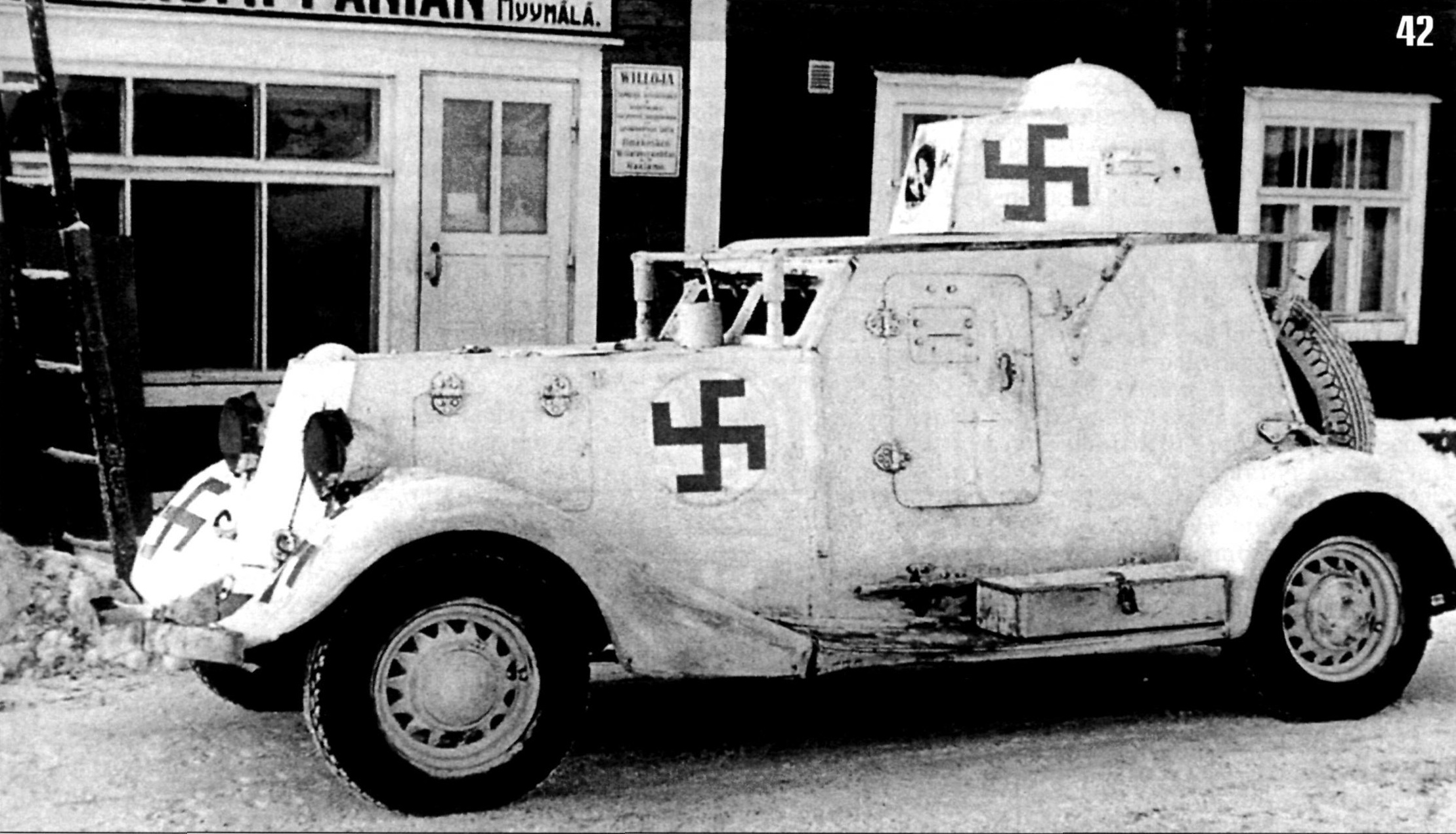
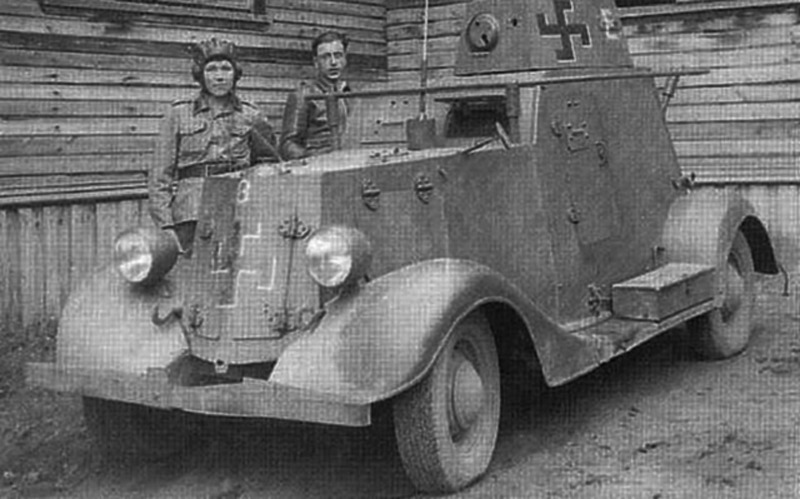
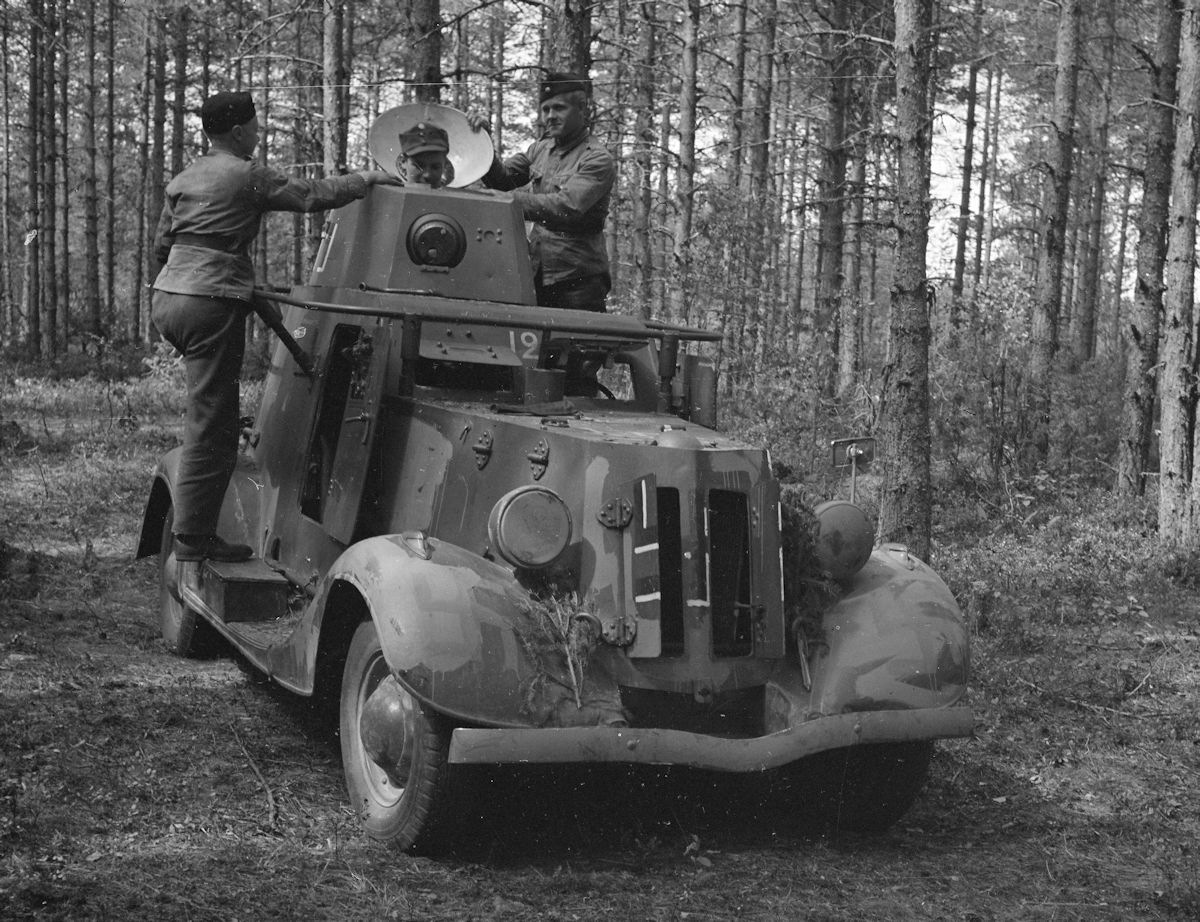
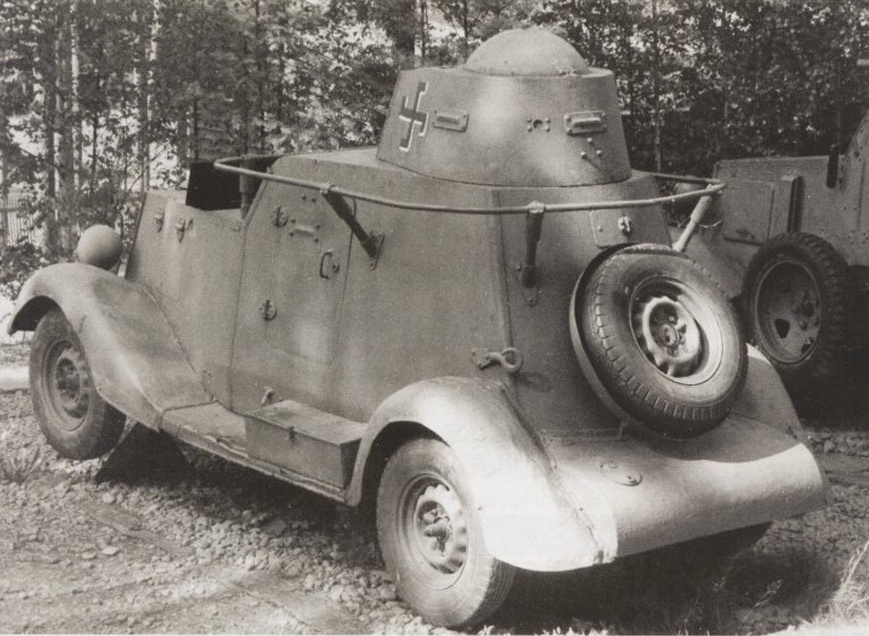
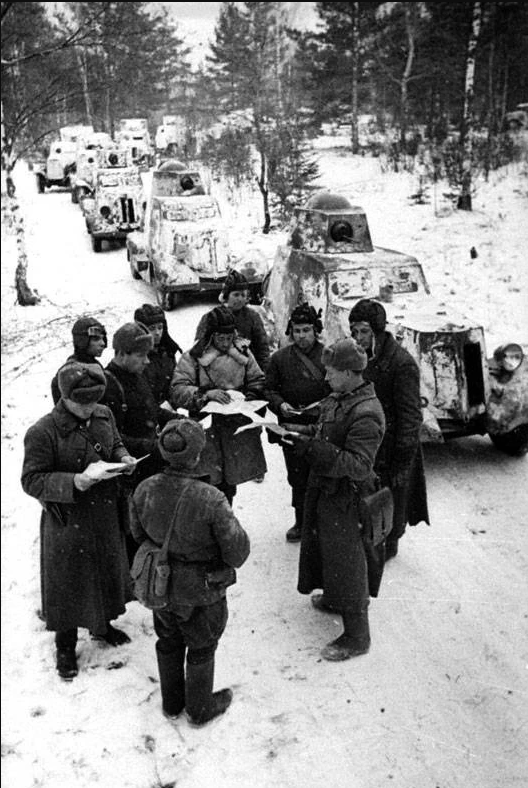
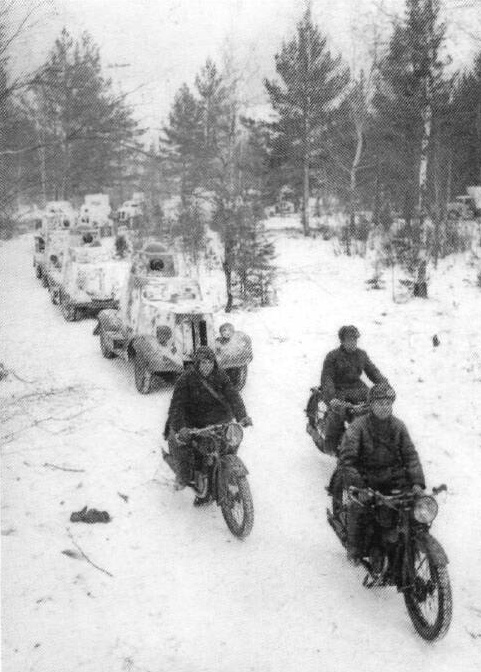
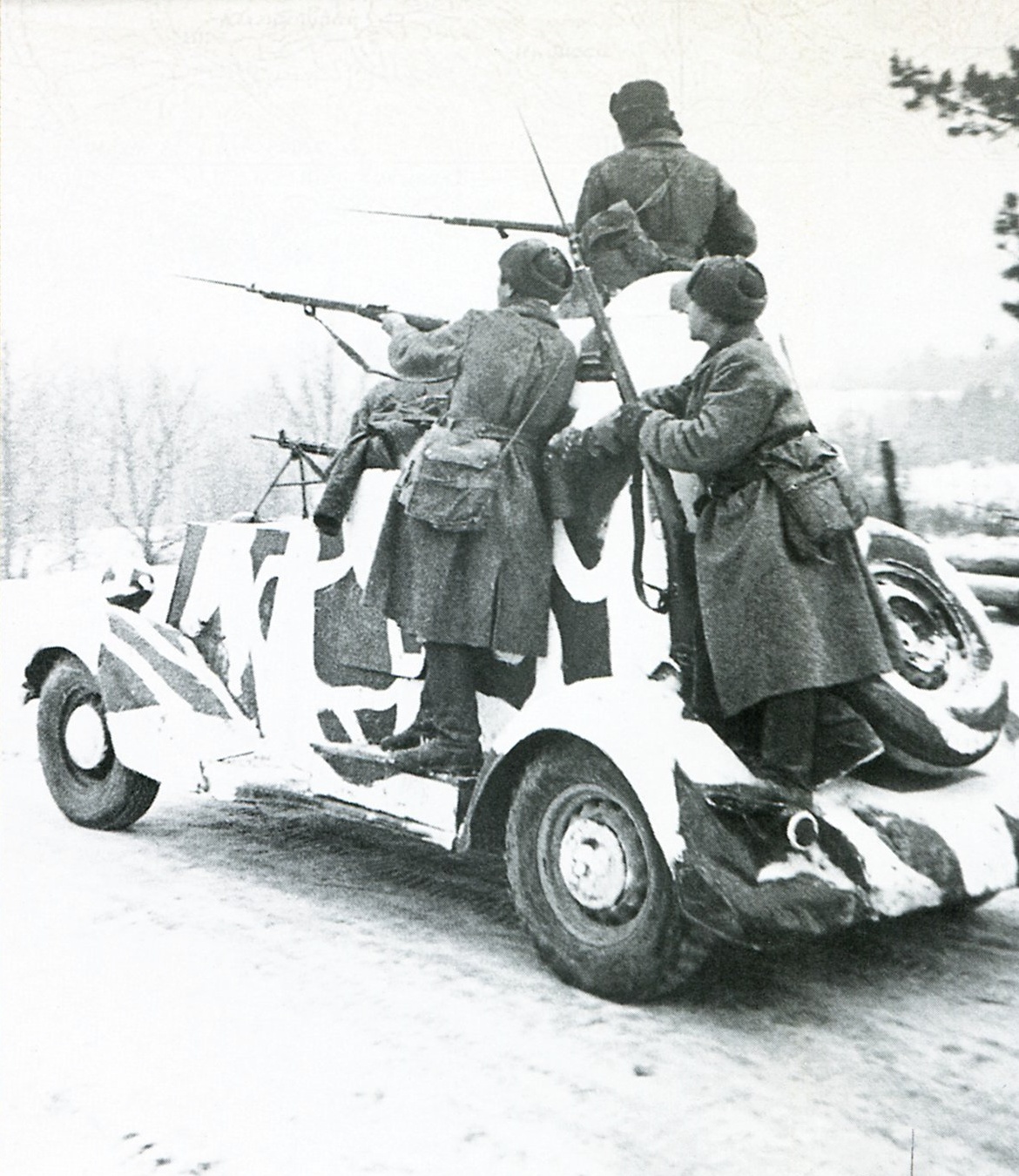
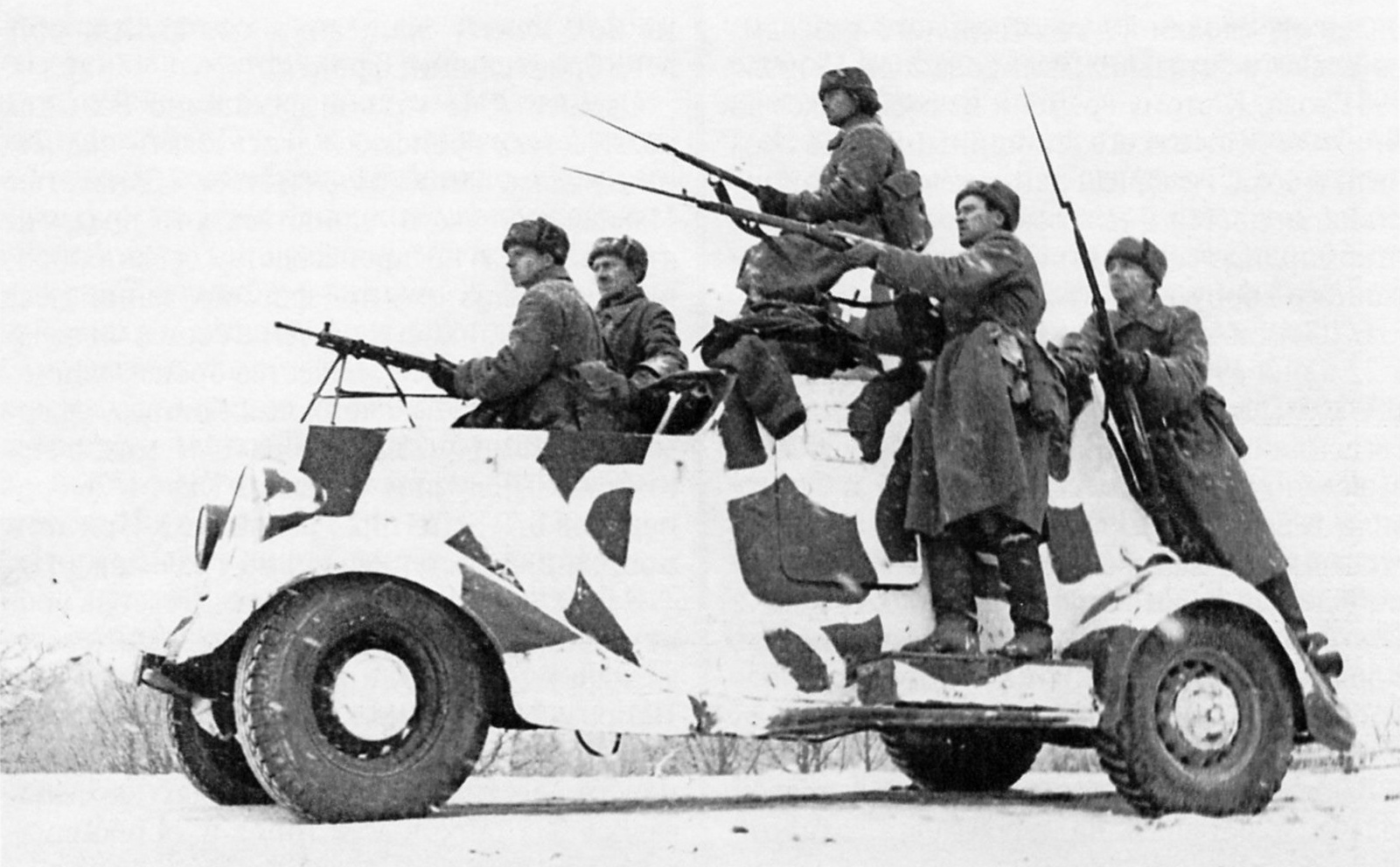
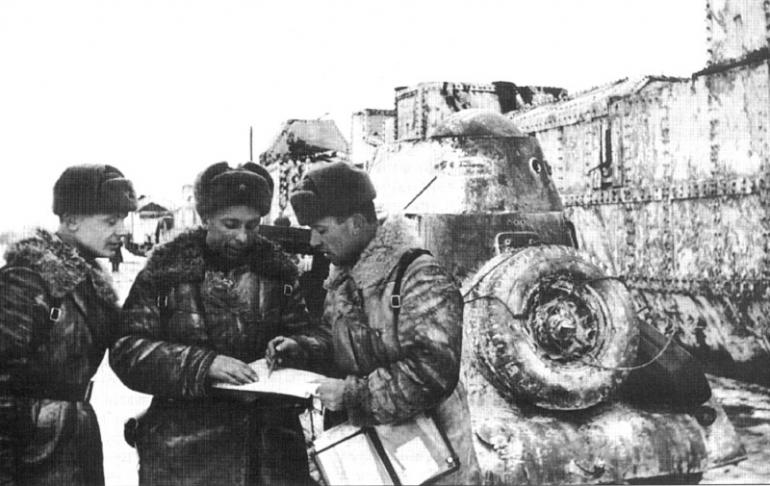
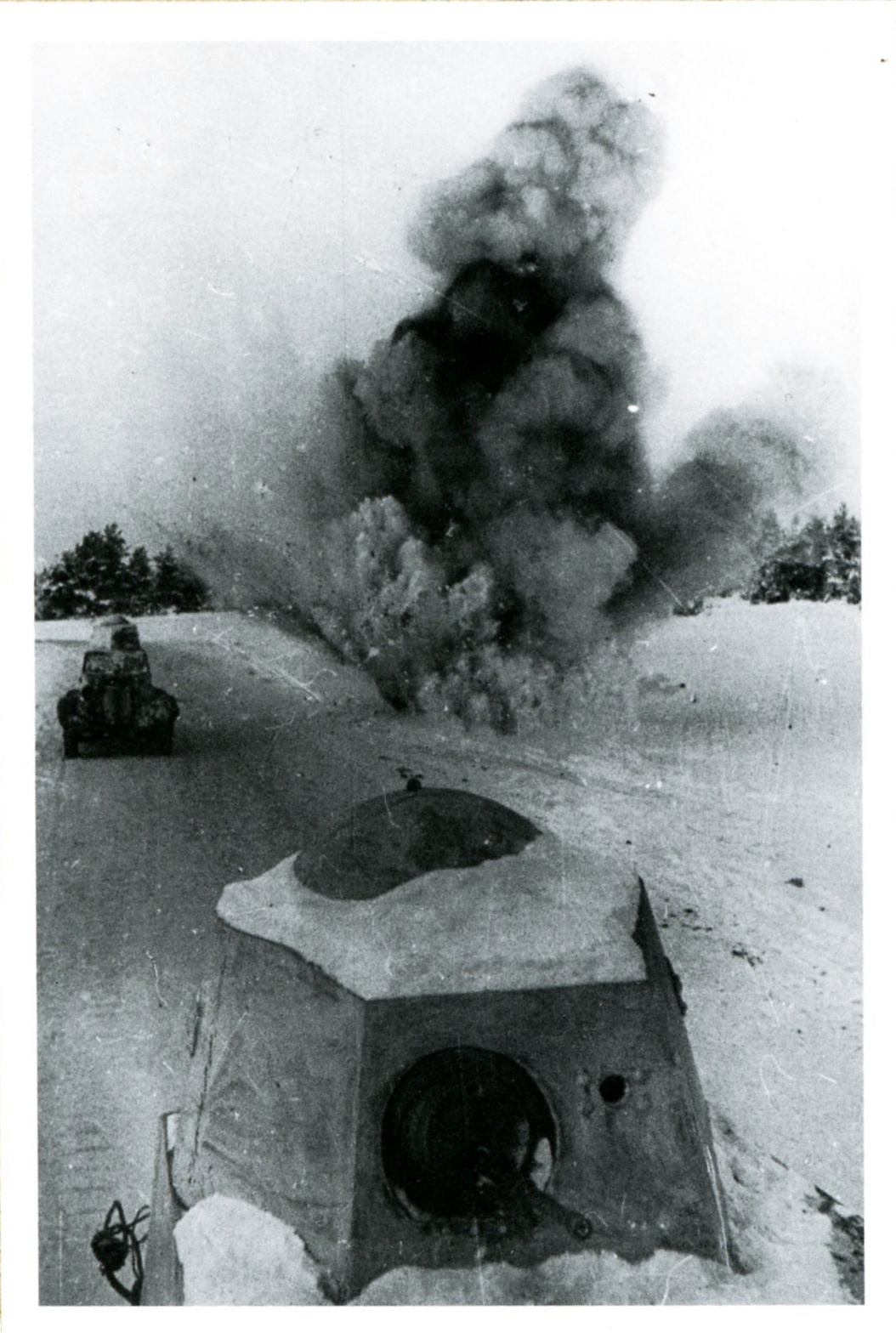
During the Winter war with Finland from November 30, 1939, to March 13, 1940, Red Army units employed over 200 light armored cars of various types. the role played by the BA-20 was quite modest. Due to the harsh, snow-heavy winter of 1939–1940 and the scarcity of roads, these vehicles were used primarily for patrolling roads and guarding command posts and other facilities. BA-20 armored cars were part of the inventory of tank and rifle-machine gun brigades, as well as certain independent reconnaissance battalions within rifle divisions.
At the start of the war, the tank and rifle-machine gun brigades of the 7th and 13th Armies possessed 53 BA-20s, with an additional 16 arriving as reinforcements during the conflict. Of this total, a certain number were lost…Only one armored car was destroyed by artillery fire.
A small number of light armored cars were deployed within the operational zones of the 8th, 15th, 9th, and 14th Armies. For instance, the 9th Army had 2 BA-20s at the start of the war, with an additional 5 BA-20s arriving later as reinforcements. During the retreat, one BA-20 was left behind on Finnish territory, while another 2 BA-20s were destroyed by anti-tank artillery fire. As of November 30, 1939, 32 BA-20s were present in the units of the 8th Army. In early December, 25 more BA-20s arrived with the 34th Tank Brigade, and another 50 BA-20s were received as reinforcements during the course of the fighting. Of this total, 3 BA-20s were destroyed by artillery fire, and 28 vehicles were left behind on Finnish territory following the defeat of encircled units from the 34th Tank Brigade and the 168th Rifle Division.
4 – The great patriotic war :
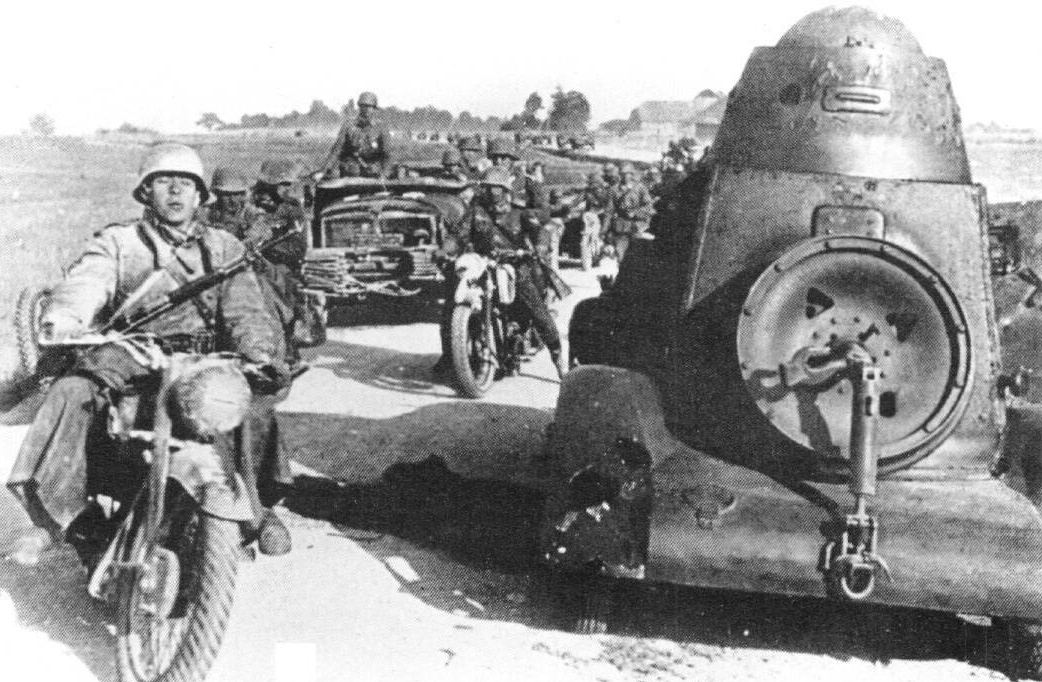
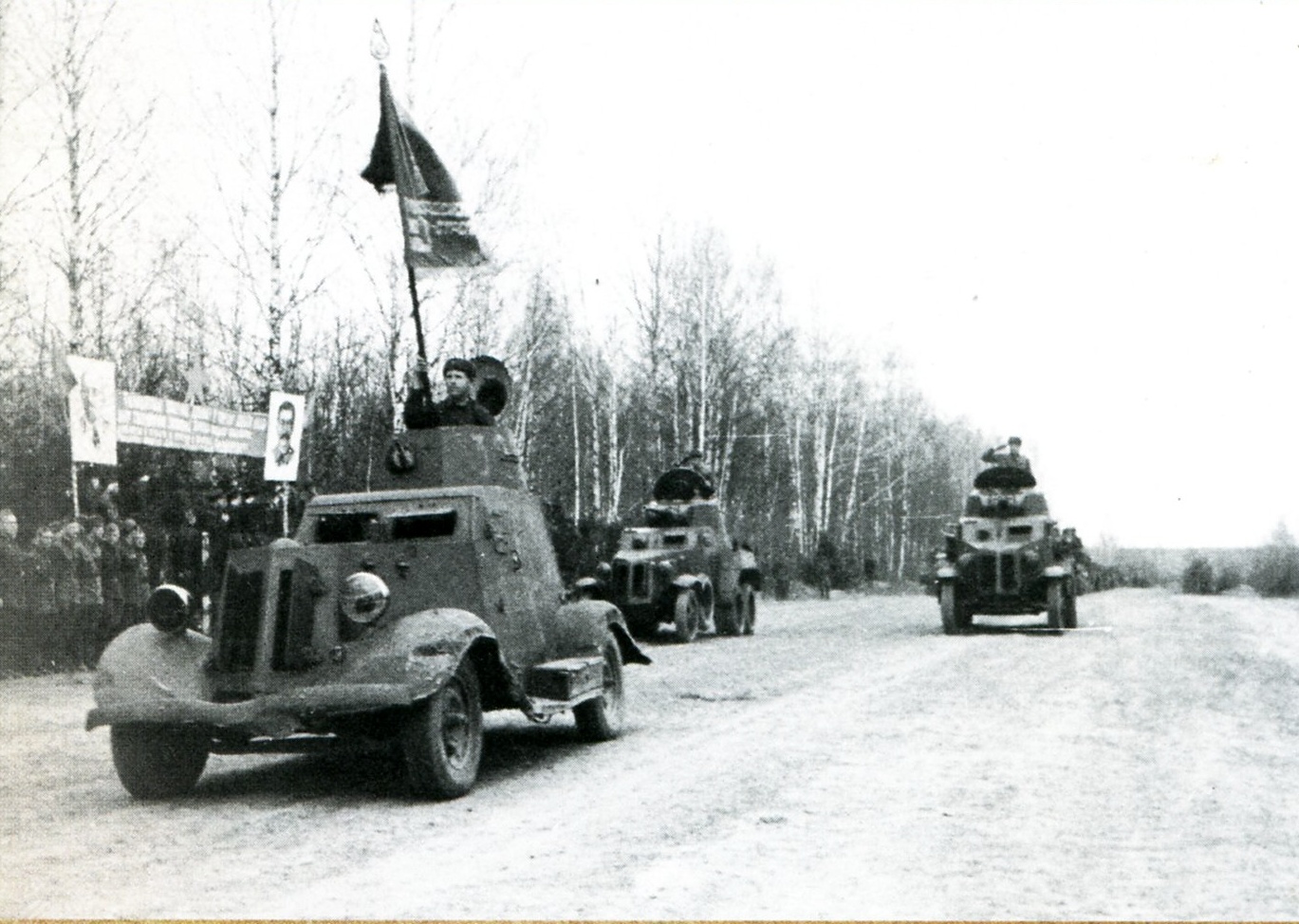
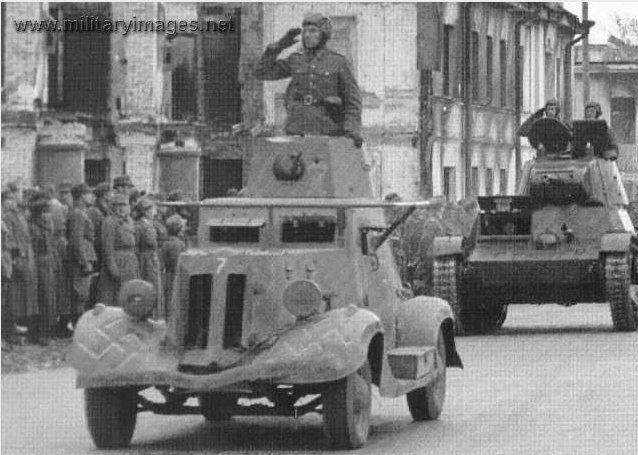
As of June 1, 1941, the Red Army had 1,897 light armored cars of all types in its inventory. The vast majority of these were BA-20s : 1,424 vehicles, or 75% of the total (of which 968, or 51%, were radio-equipped BA-20s). It should be noted that there were nearly twice as many medium armored cars (equipped with cannon armament).
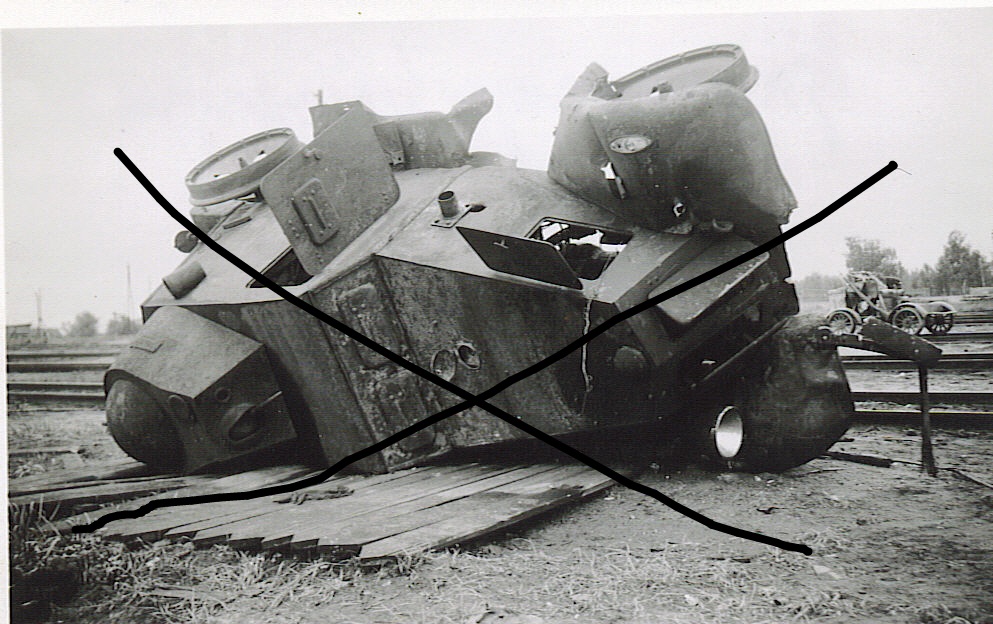
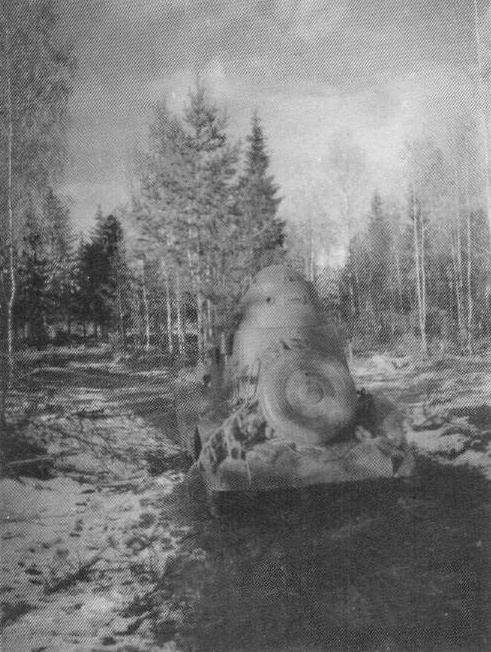
The majority of light armored cars were part of mechanized corps, for instance, in the Baltic Special Military District, 81 out of 93 light armored cars were assigned to the 3rd and 12th Mechanized Corps, while in the Kyiv Special Military District, 337 out of 383 such vehicles were held within mechanized corps. Most of these combat vehicles were lost during the fighting in the first months of the war. For example, the 13th Tank Division of the 5th Mechanized Corps, which entered combat on July 7, 1941, began with 10 BA-20 armored cars; by August 8, only 1 remained, 6 had been destroyed by artillery fire, and 3 had been left behind in enemy-held territory. During the same period, the 17th Tank Division of the same corps lost 23 of its 28 BA-20s. The 18th Tank Division of the 7th Mechanized Corps, which launched a counterattack alongside the 5th Mechanized Corps, had 31 BA-20s on July 7, but by July 27, 28 of them had been lost. Of these, 3 were transferred to other units, 4 were sent for repairs, 14 were destroyed by air attacks, 7 by artillery, and 3 were abandoned in enemy-held territory due to mechanical failures.
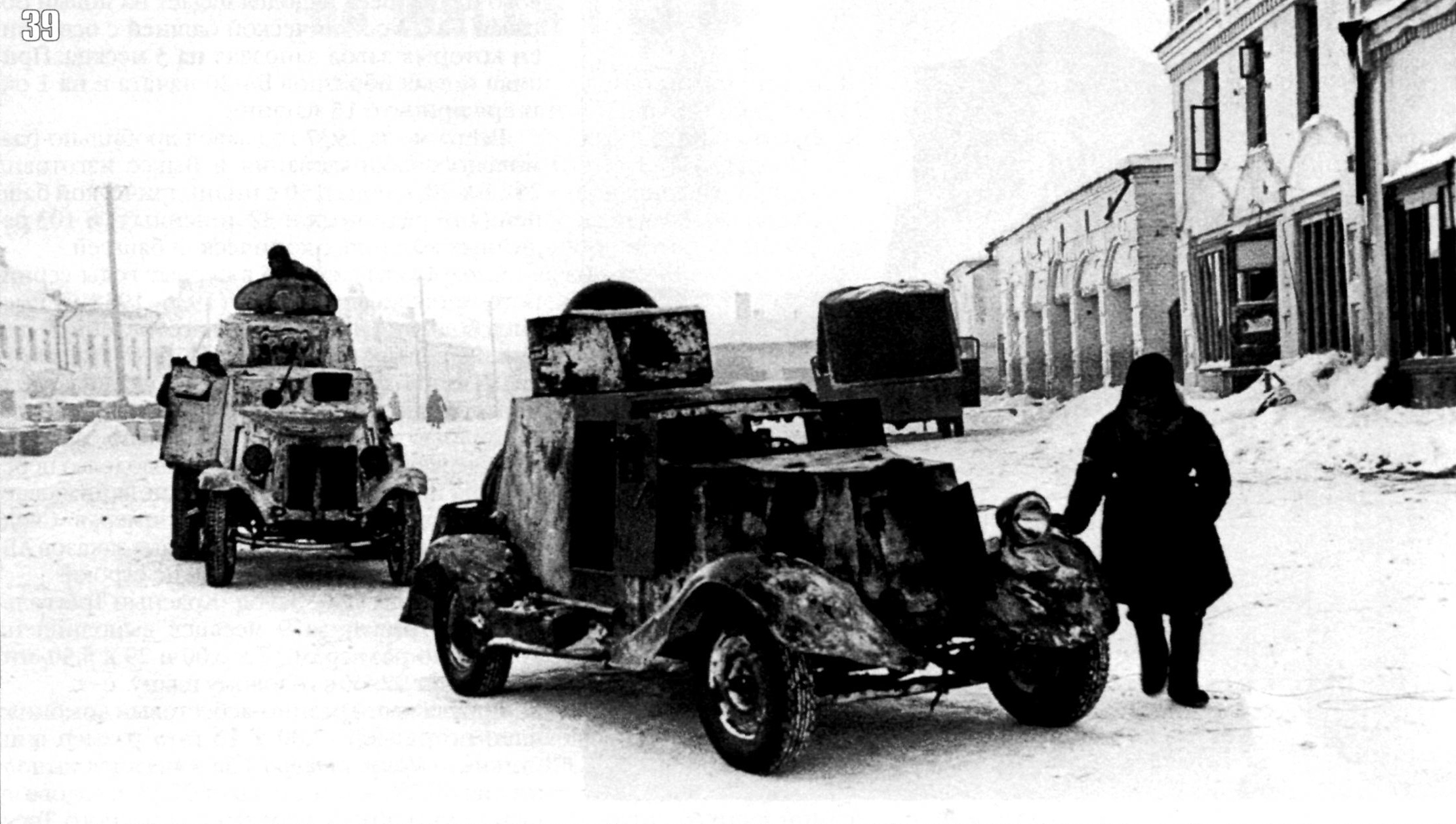
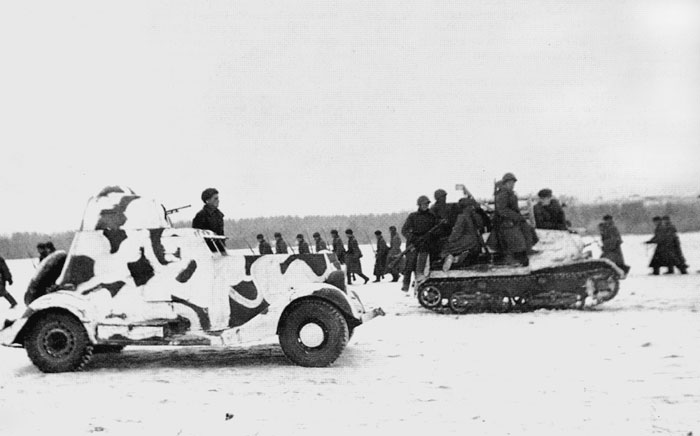
A small number of light armored cars were present in tank units during the fighting near Moscow. For instance, as of October 9, the 18th Tank Brigade had two BA-20s; by November 18, the 20th Tank Brigade had four BA-20s. Furthermore, as of March 30, 1942, the 5th Army of the Western Front had 26 BA-20 armored cars.
Individual light armored cars also saw action during the summer campaign of 1942. For instance, as of June 20, 1942, the 21st Army of the Southwestern Front had a total of 4 BA-20s: 1 in the headquarters security company, 1 in the 10th Motorized Rifle Brigade, and 2 in the 8th Motorized Rifle Division of the NKVD troops.
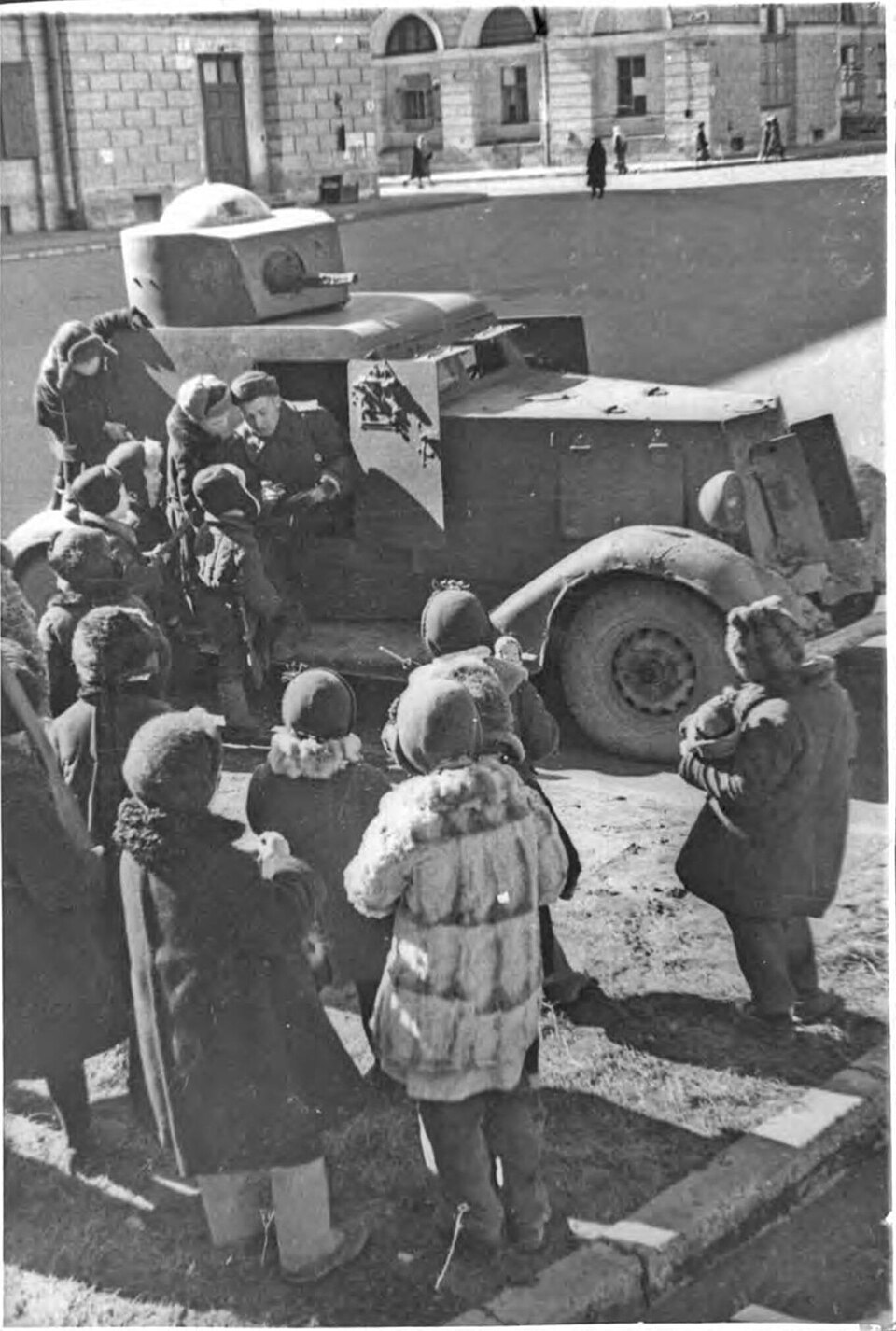
Light armored cars remained in service for quite some time on the Leningrad Front. For example, as of September 18, 1942, the 42nd Army of that front had 12 BA-20s (6 in the 21st Independent Army Headquarters Security Company, 2 in the 85th Signal Regiment, and 1 each in the 13th, 72nd, 109th, and 189th Rifle Divisions).
However, these light armored cars remained in service the longest within units of the Transbaikal and Far Eastern Fronts. For instance, as of September 20, 1942, units of the Transbaikal Front possessed 72 BA-20s (20 in the 67th Tank Division, 17 in the 111th Tank Division, 1 in the 35th Tank Battalion, 12 in the 7th Training Regiment, and 22 in the 9th Motorized Armored Brigade). Some of these vehicles saw action during the war against Japan; as of August 11, 1945, the 111th Tank Division had 17 BA-20s in its inventory.
As for the rail-capable variants, the BA-20-zhd, they remained in service with armored train units until 1946–1947, after which they were placed into storage following the disbandment of individual armored train battalions.
IN SOVIET USE
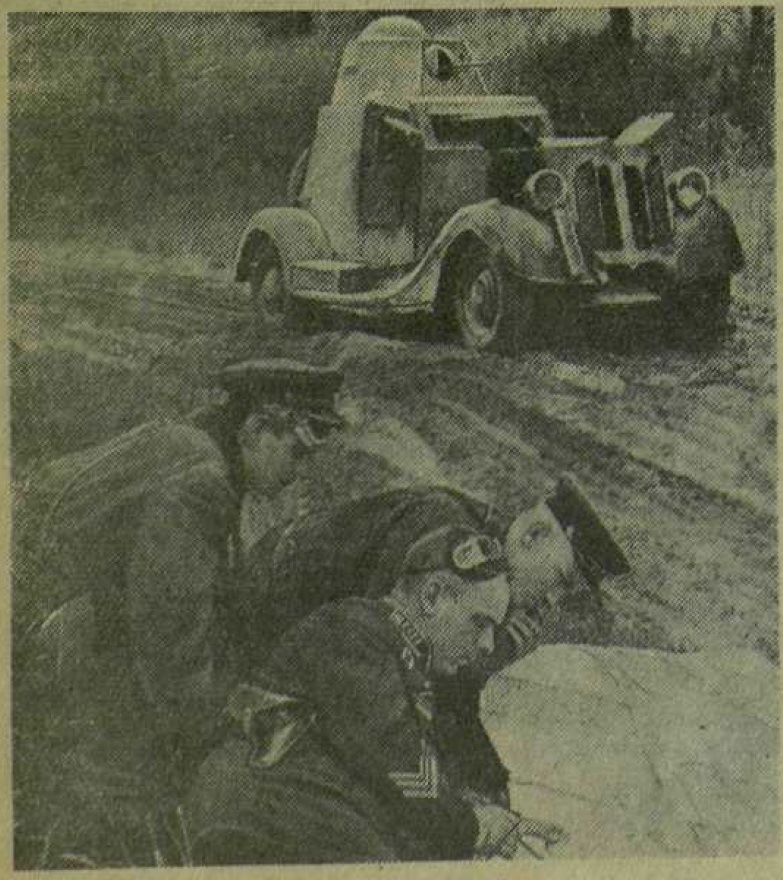
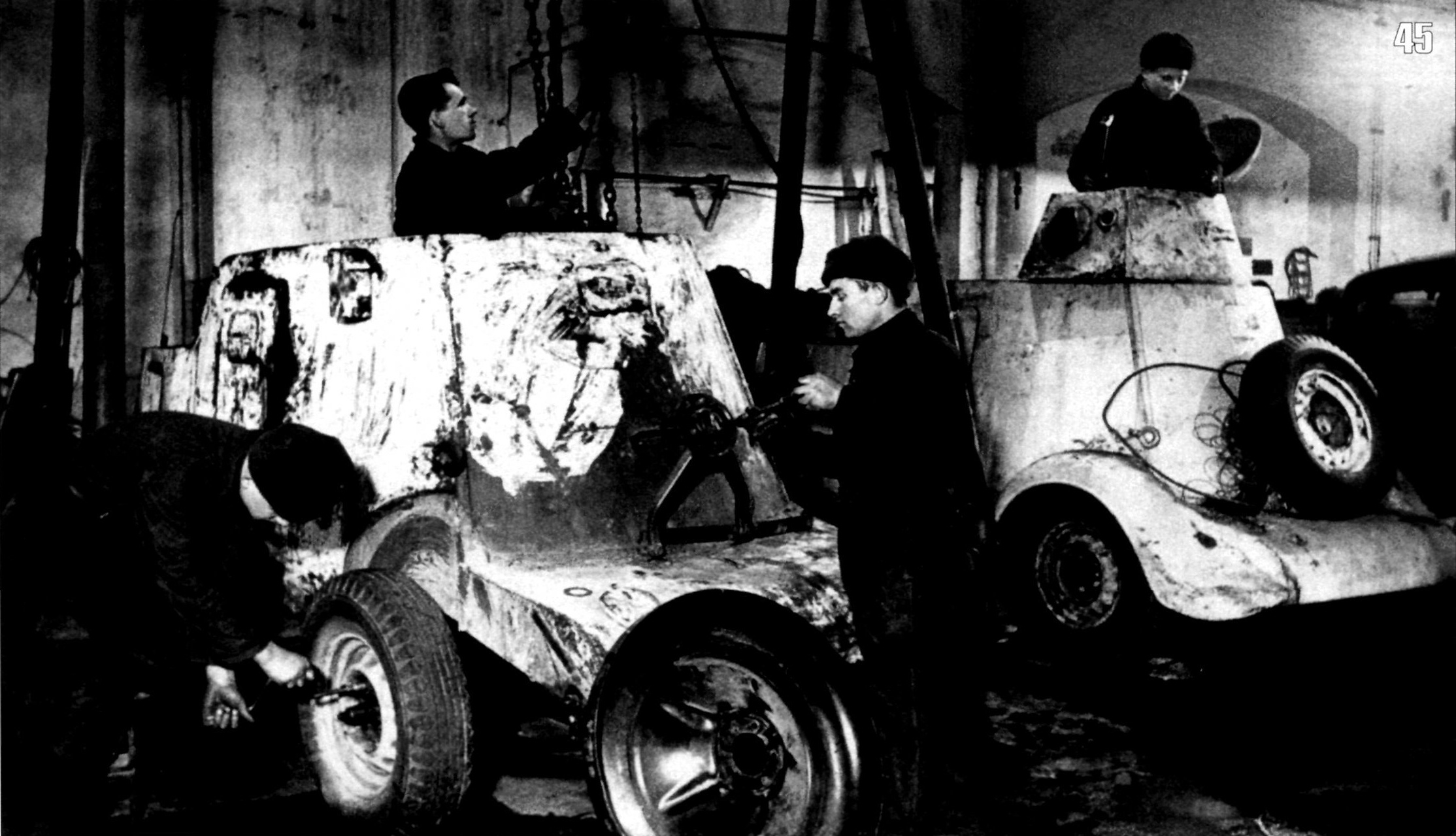
DESTROYED
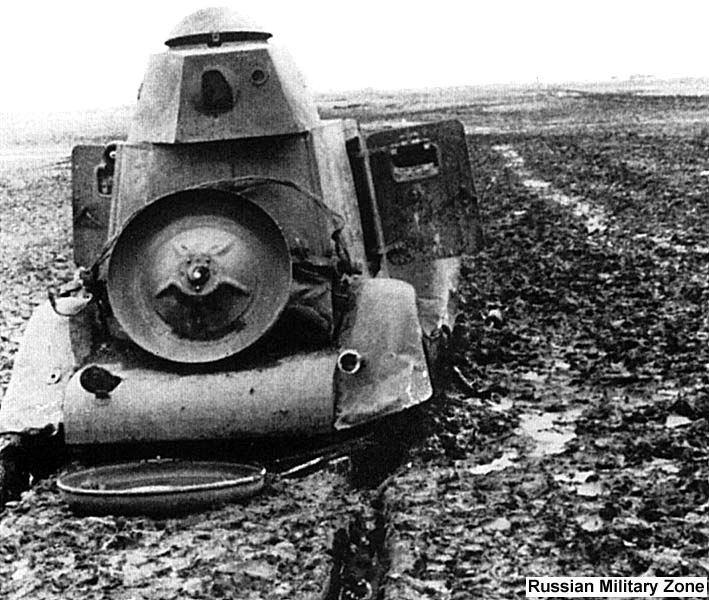
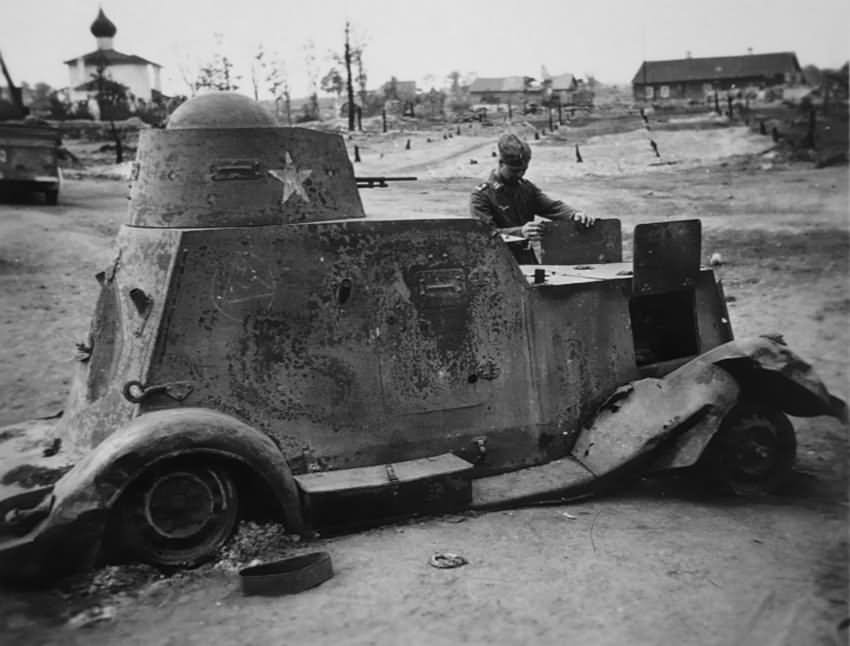
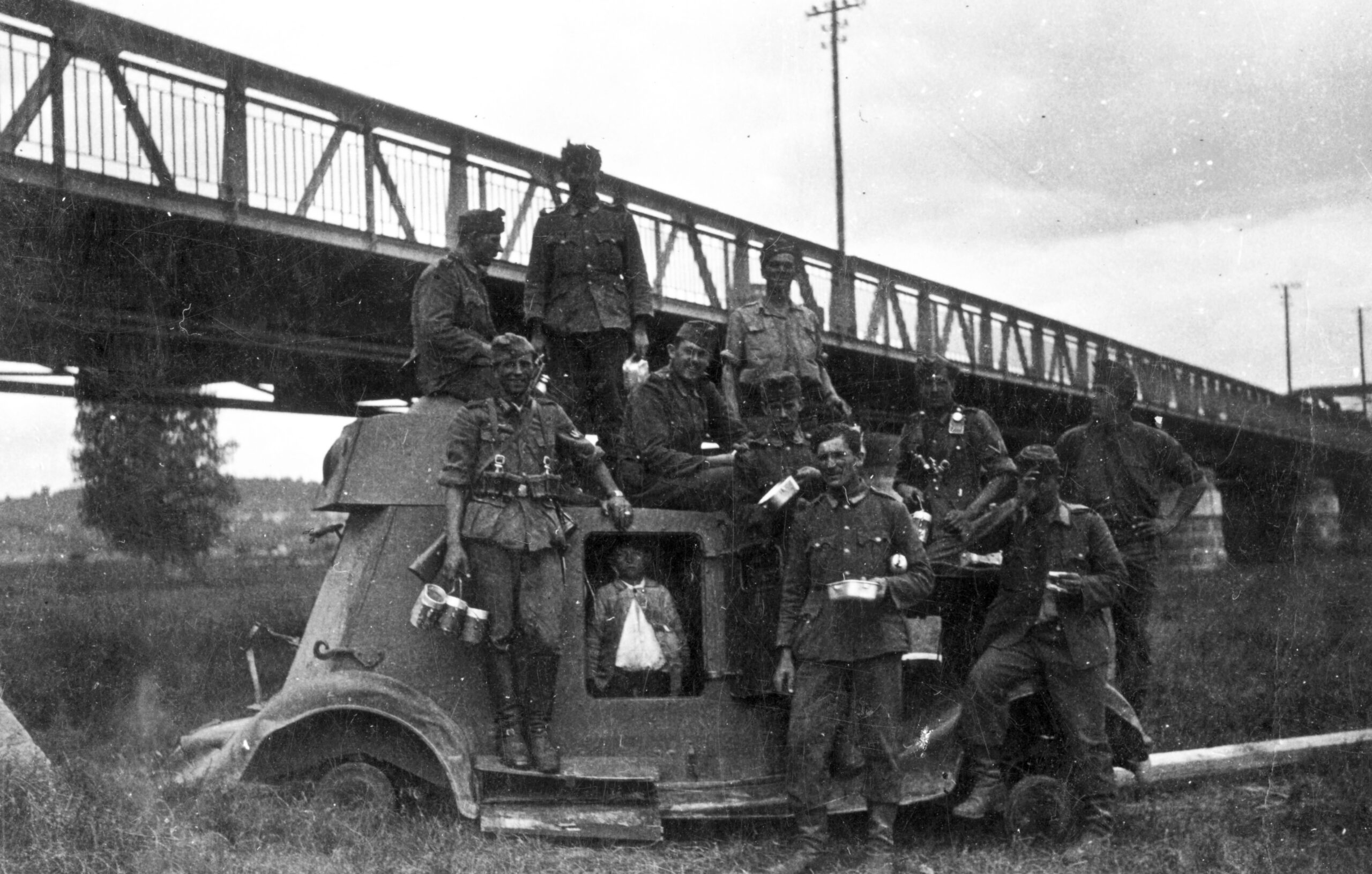
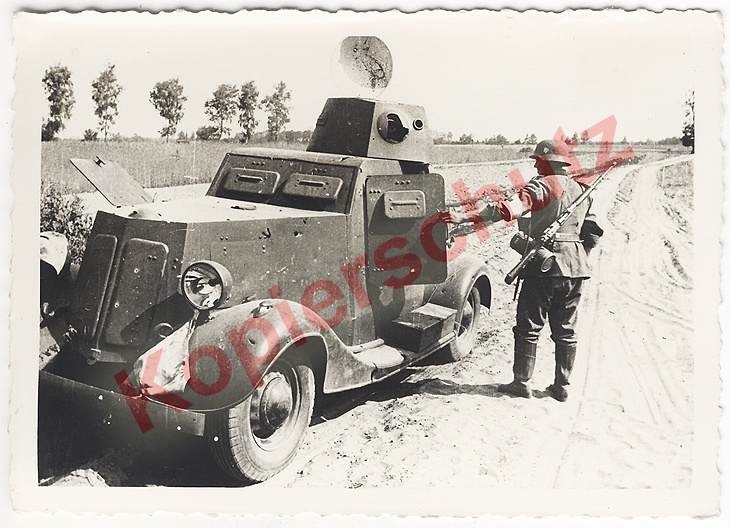
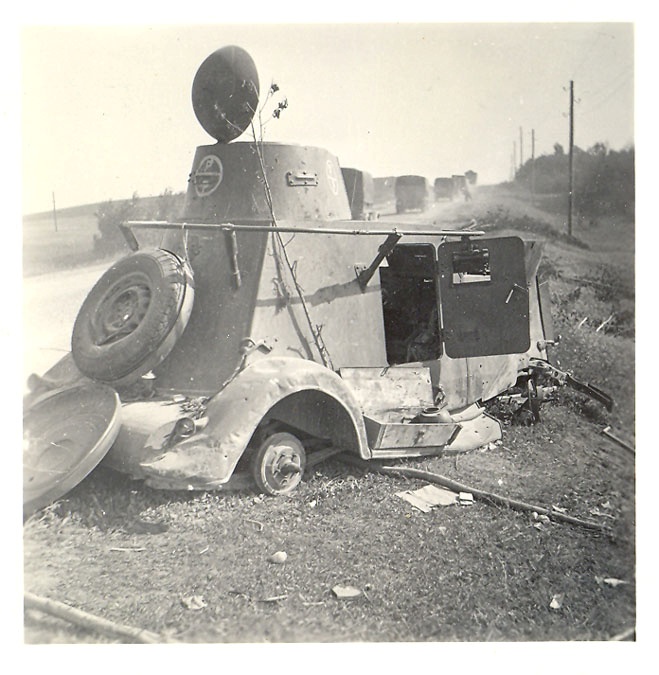
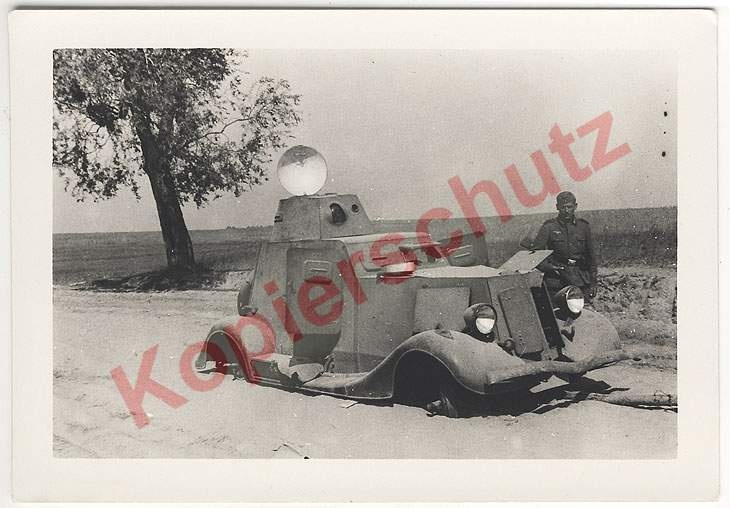
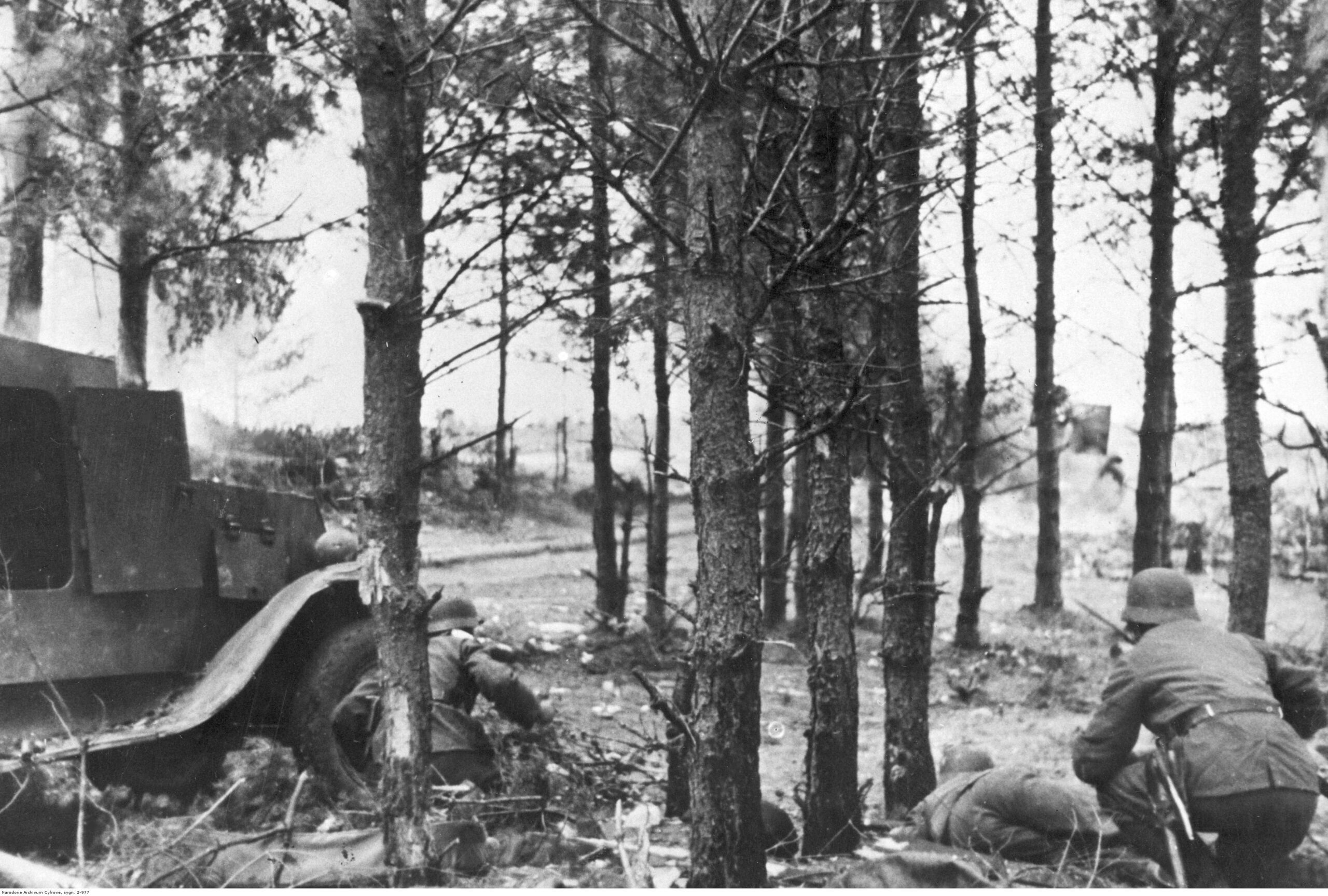
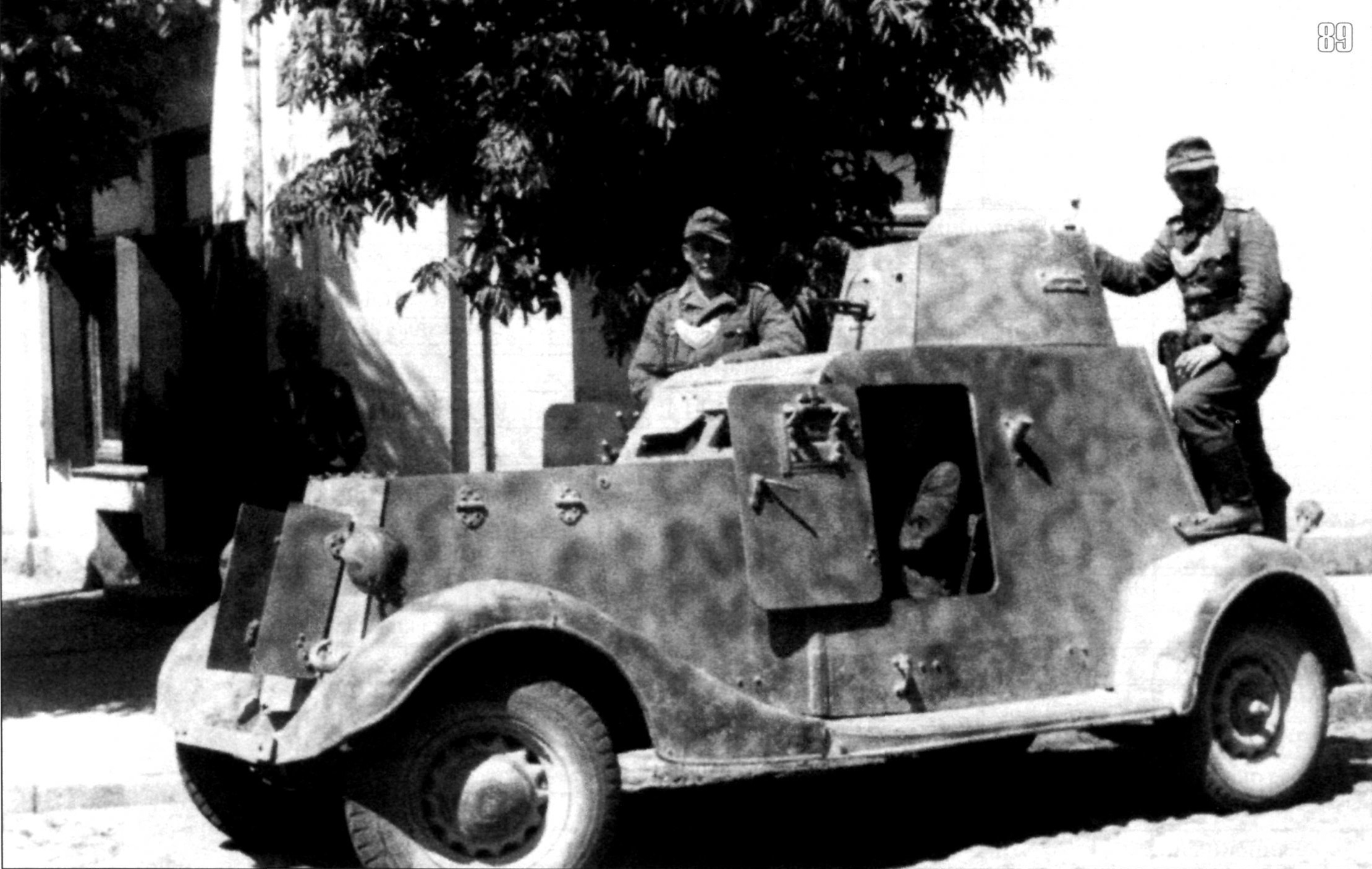
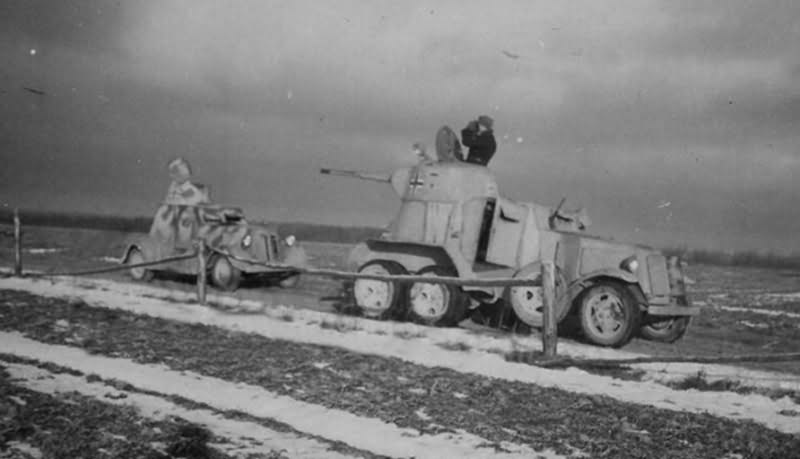
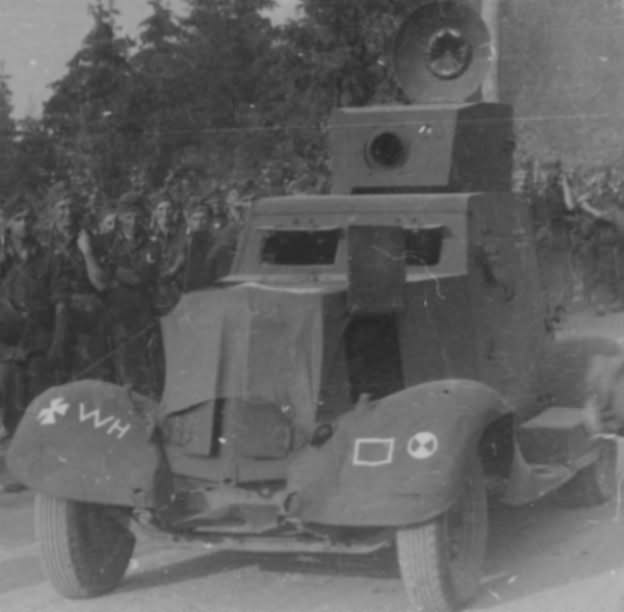
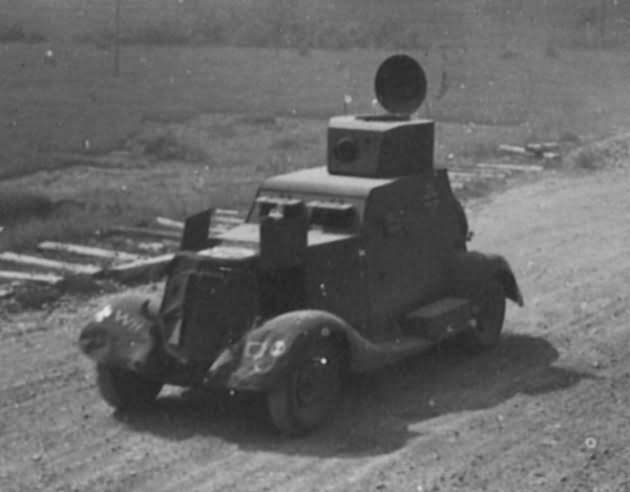
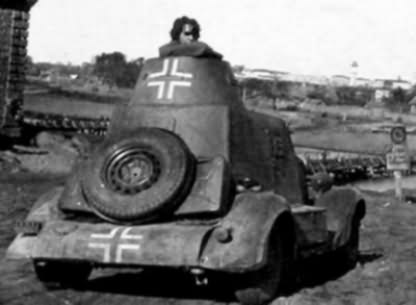
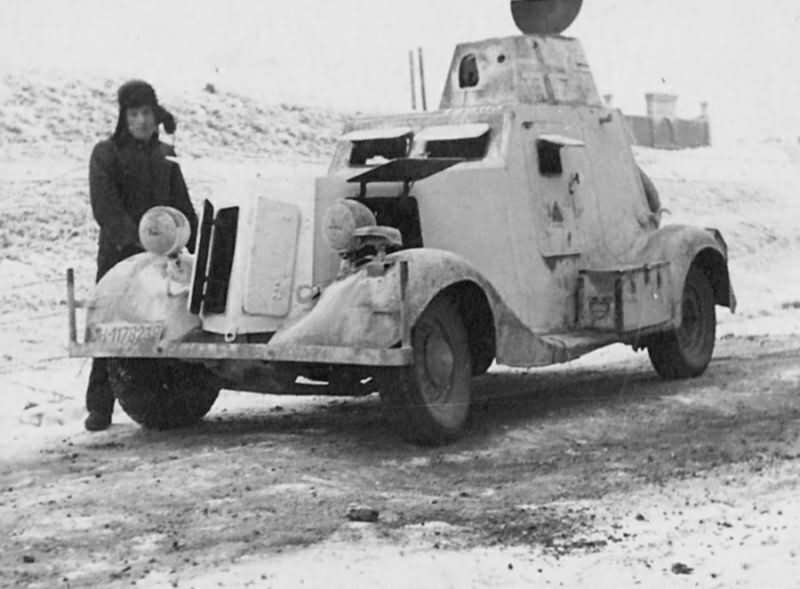
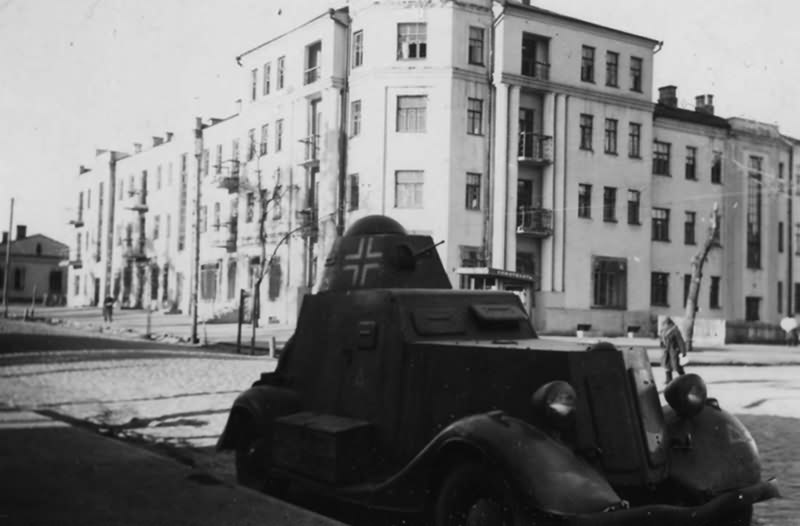
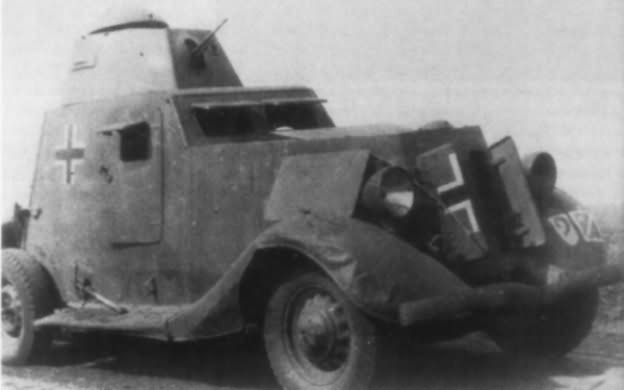
BEUTE
Sources :
– frontline illustration
– deagostini
– eksmo
– eaglemoss
– internet sites