The Beaverette MkII model is here
The Beaverette MkII on Warwheels.net is here
History :
After the evacuation of Dunkirk, the British Army was able to repatriate almost 340,000 soldiers but left almost all its armaments and vehicles in France. At this moment, the German invasion became a real threat and there was little in the way of effective defences. The rush was on to rearm and every usable arm and vehicle was pressed into service. The Standard Motor company Beaverette was one of these vehicles.
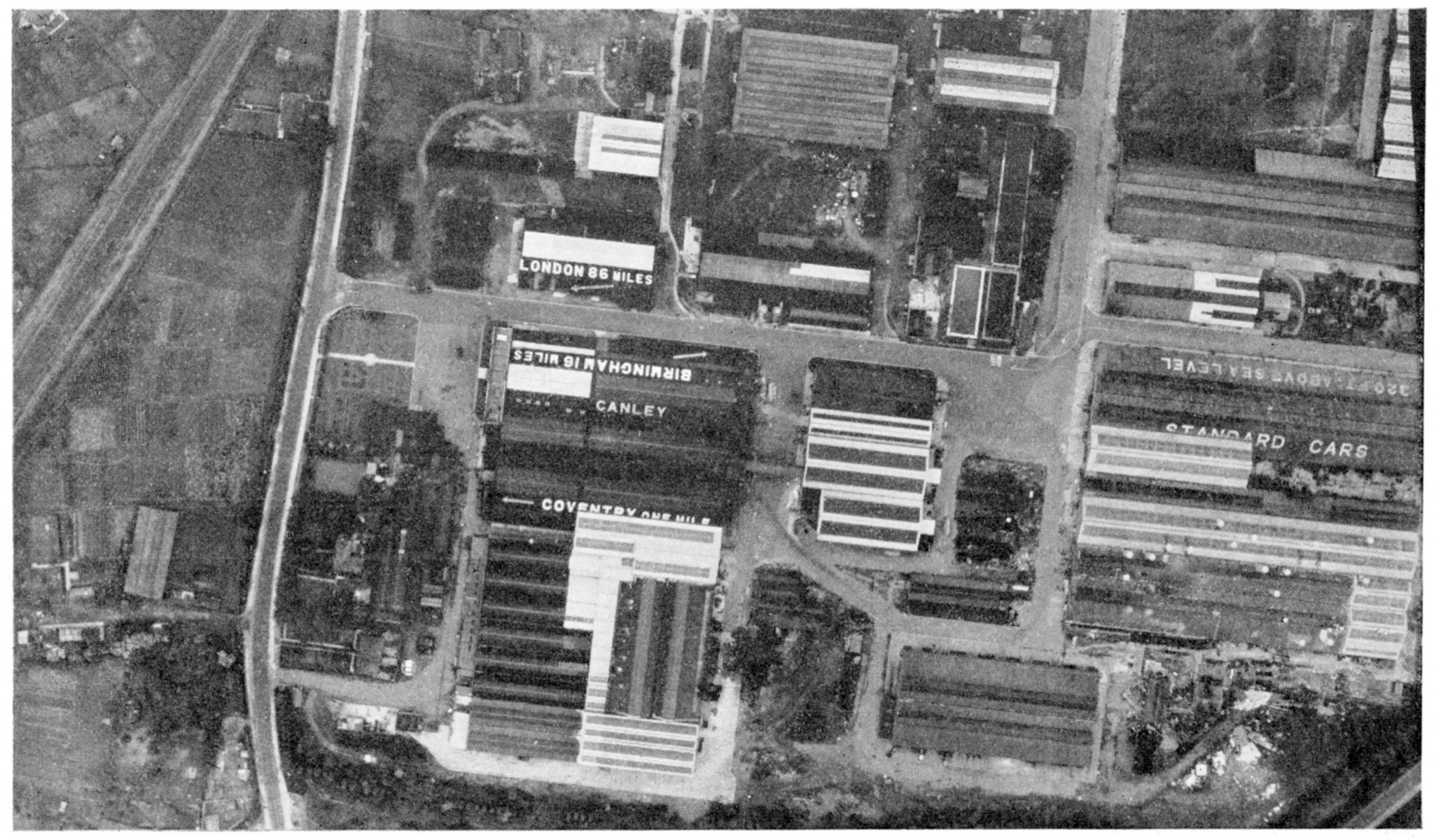
Standard Motor company was founded in 1903 in Coventry and initially produced engines and cars. During WWI, it produced war materials among them aircrafts. In 1939, it was included in the shadow factories program to produce aircraft equipment (among them the well known Mosquito). The company continued to produce its cars during the Second World War, but mainly fitted with utility bodies (“tillys”).
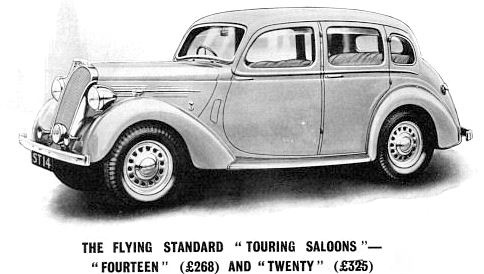
Adapted from a pre-war car, the Beaverette comprised the Standard Flying14 chassis and was powered by a 46hp engine. The idea came at the same time from an Air Ministry’s requirement for light armoured cars for the home guard and for the RAF to defend airfields, from a likely encounter between William Maxwell Aitken, 1st Baron Beaverbrook (generally known as Lord Beaverbrook, conservative MP and owner of the Daily Express and London Evening Standard) and Capt John Black ( Standard’s MD who had been appointed chairman of the Aero Engine Development committee), and from around 500 uncompleted chassis leftover from car production. The idea was to simply and quickly build a flat armor protection around the chassis.
Mk I:
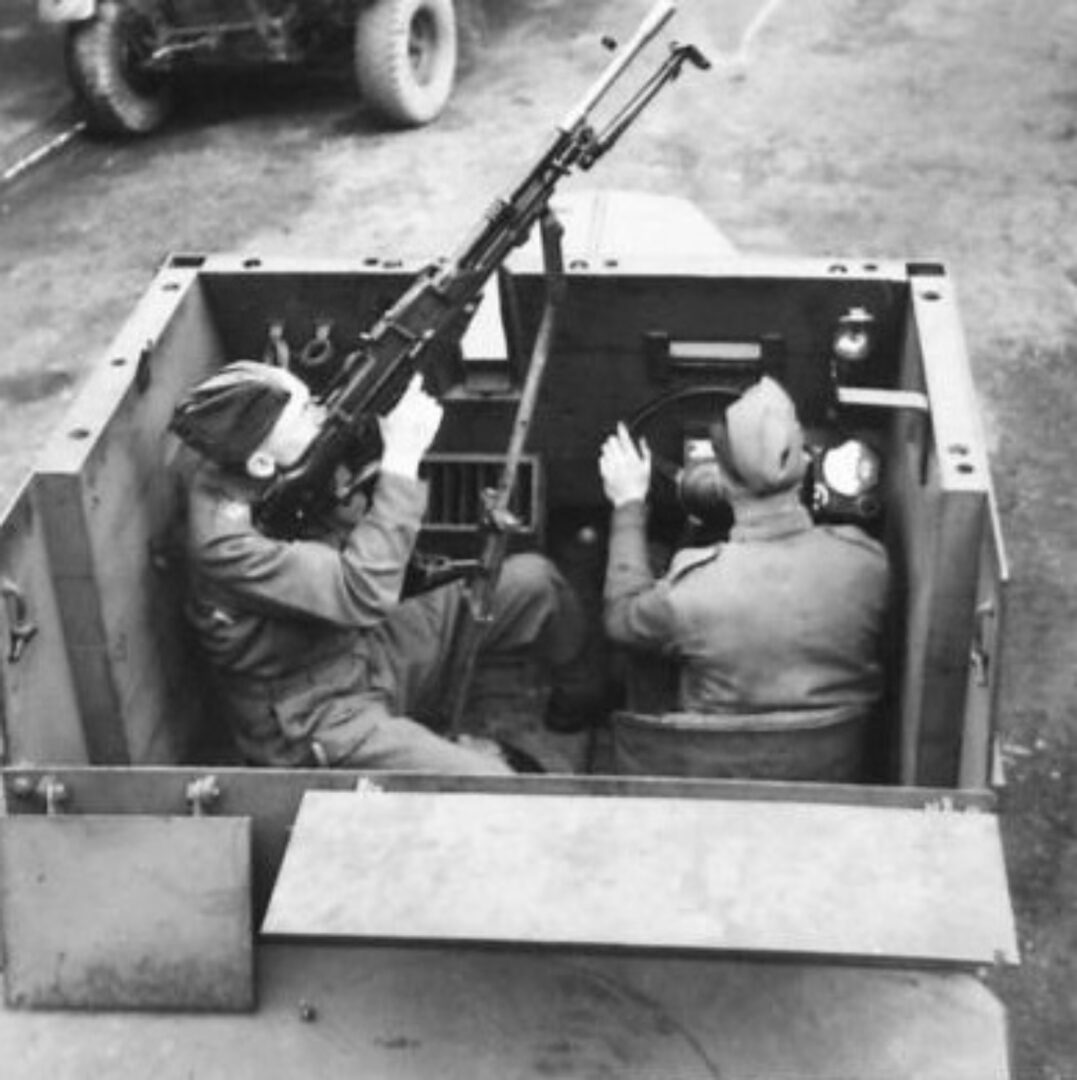
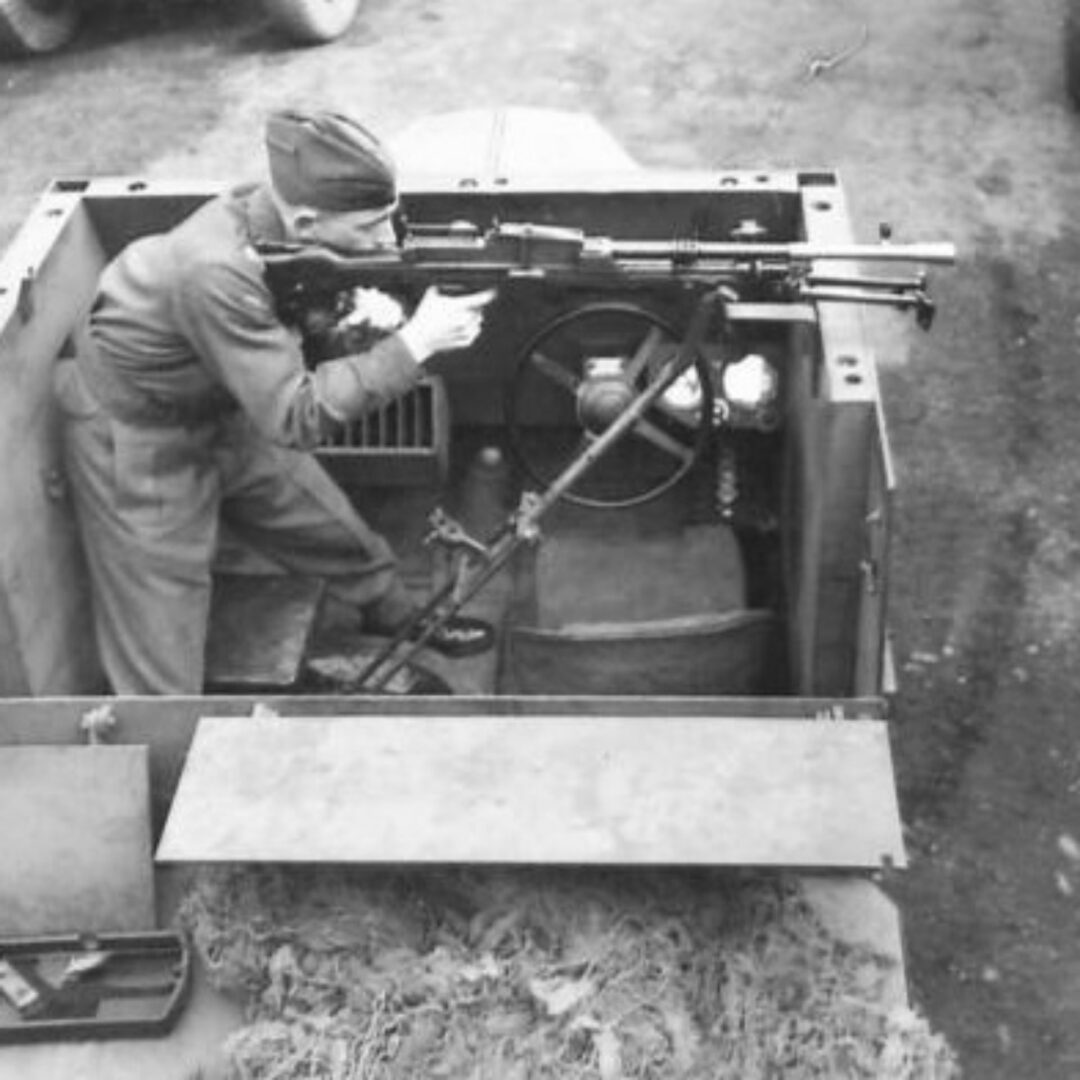
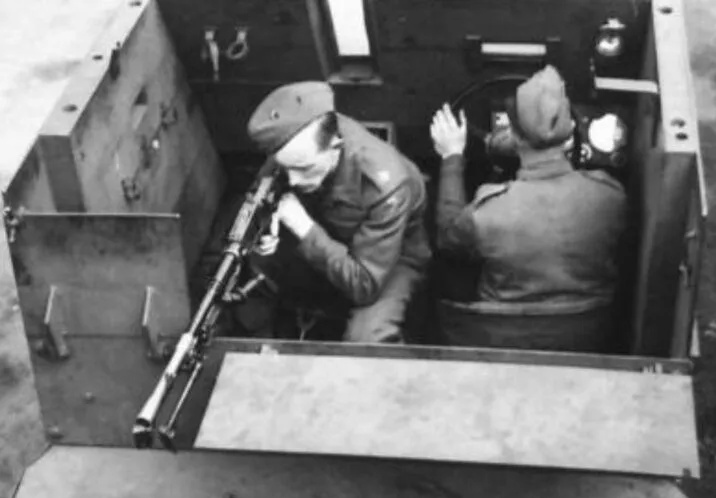
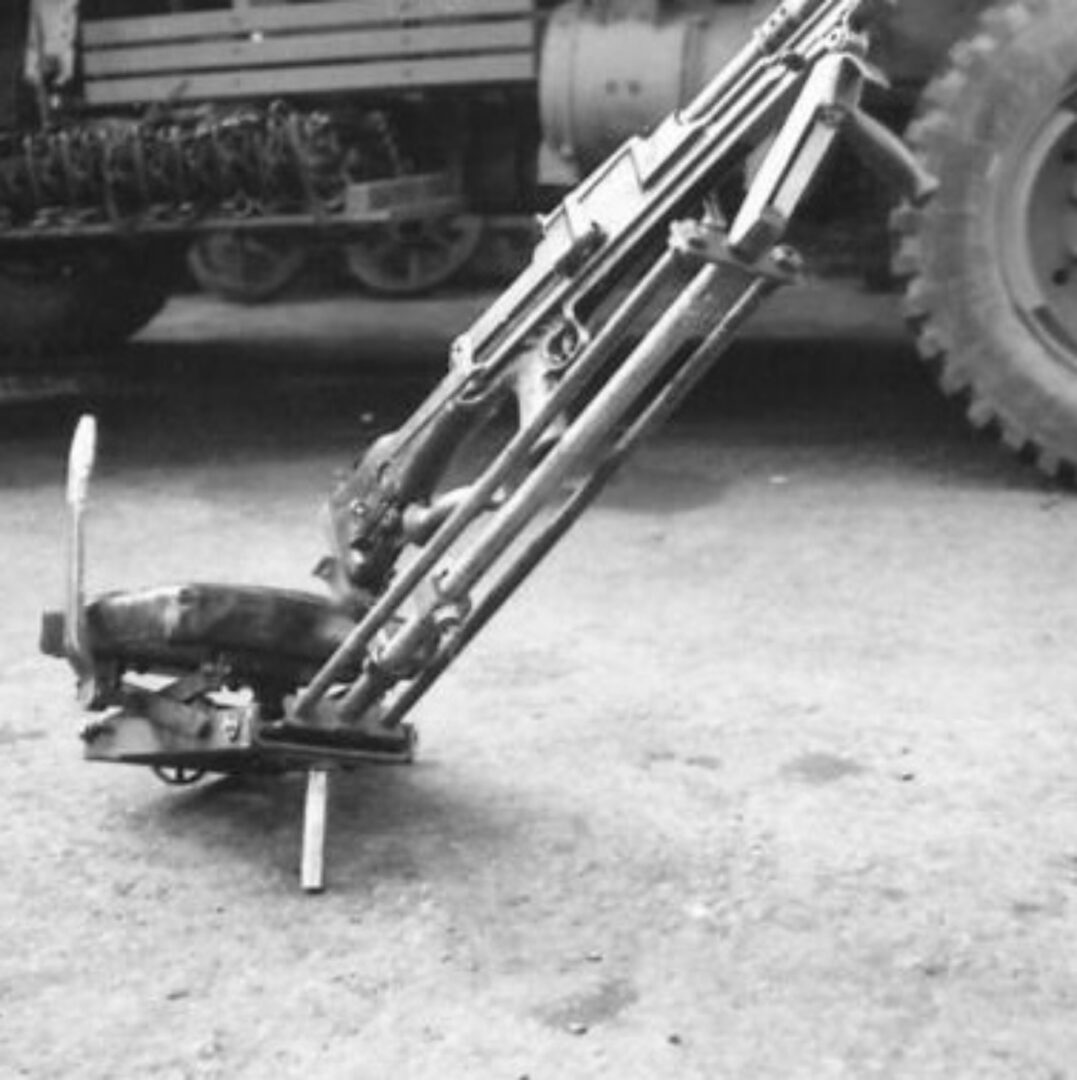
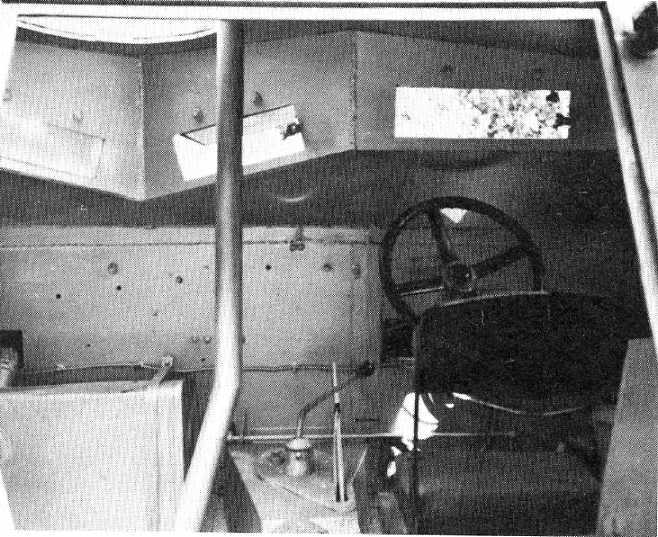
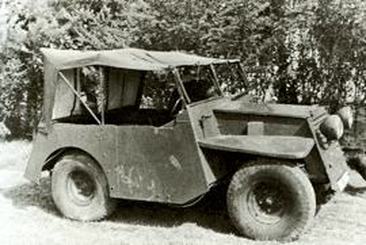
The first vehicles were very simple in design but went out of Canley factory quite quickly in late July 1940. The Standard flying fourteen 14hp chassis (and its four-cylinder side-valve engine, at 1,776cc and 46 HP) with a beam front axle and four semi-elliptical springs was supposed best appropriate. The 9 mm flat steel plates were welded at angles at the edges and backed by 3 inch thick oak planks at the front and sides with rivets. The hull was open at the top and at the rear . A solid floor added strength and more rigidity than just the usual C-channel chassis from the car that still lived underneath. The Beaverette only offered protection against small arms fire. The armament consisted of a bren light machine gun, which fired through a slot in the front armour and mounted on a swivel could also be used in the anti-aircraft role. The machine gun could also be easily swung rearward for firing. The driver and gunner sat in the open cockpit, which was completely exposed to the rear. The heavy offroad travel was of course impossible. The driver would probably have had a difficult task keeping all two-and-a-quarter tons on the road or stopping it using the Bendix cable braking system at his disposal. Moreover, the completely unbalanced vehicle led to a very dangerous drive with possible overturns. The crew was three (driver, gunner, the third probably assisting the driver because restricted vision through thre little slots only meant the Beaverette driver had to rely on an observer to relay information about other road traffic and also to consider situations well in advance, for example, when making a turn, the driver had to base his steering on « observations made something like 9.5 m back ». The radiator protection was vertically designed and weight was 1,855 t. Some also had a No.11 or No.19 radio set.


Mk II :
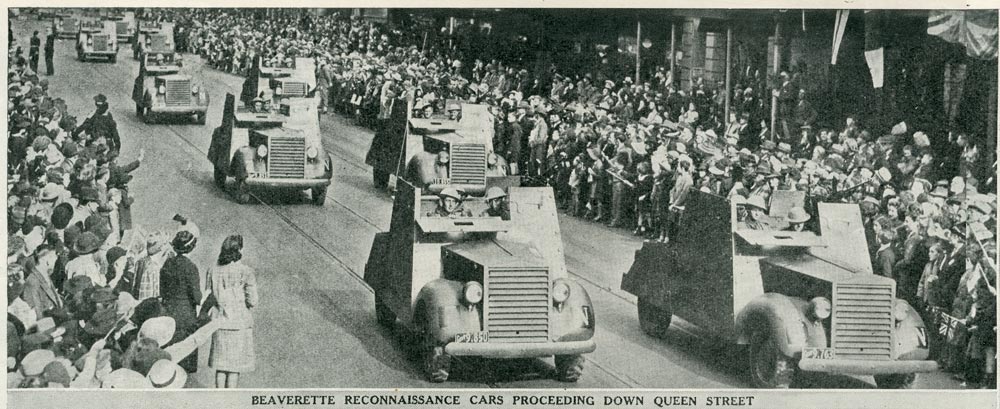
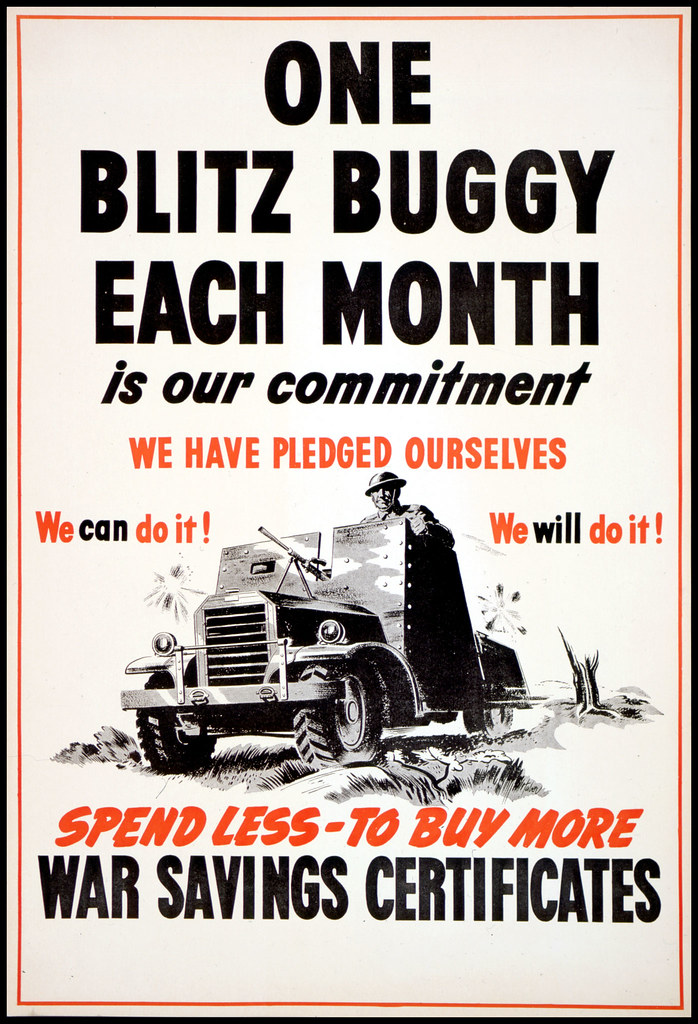
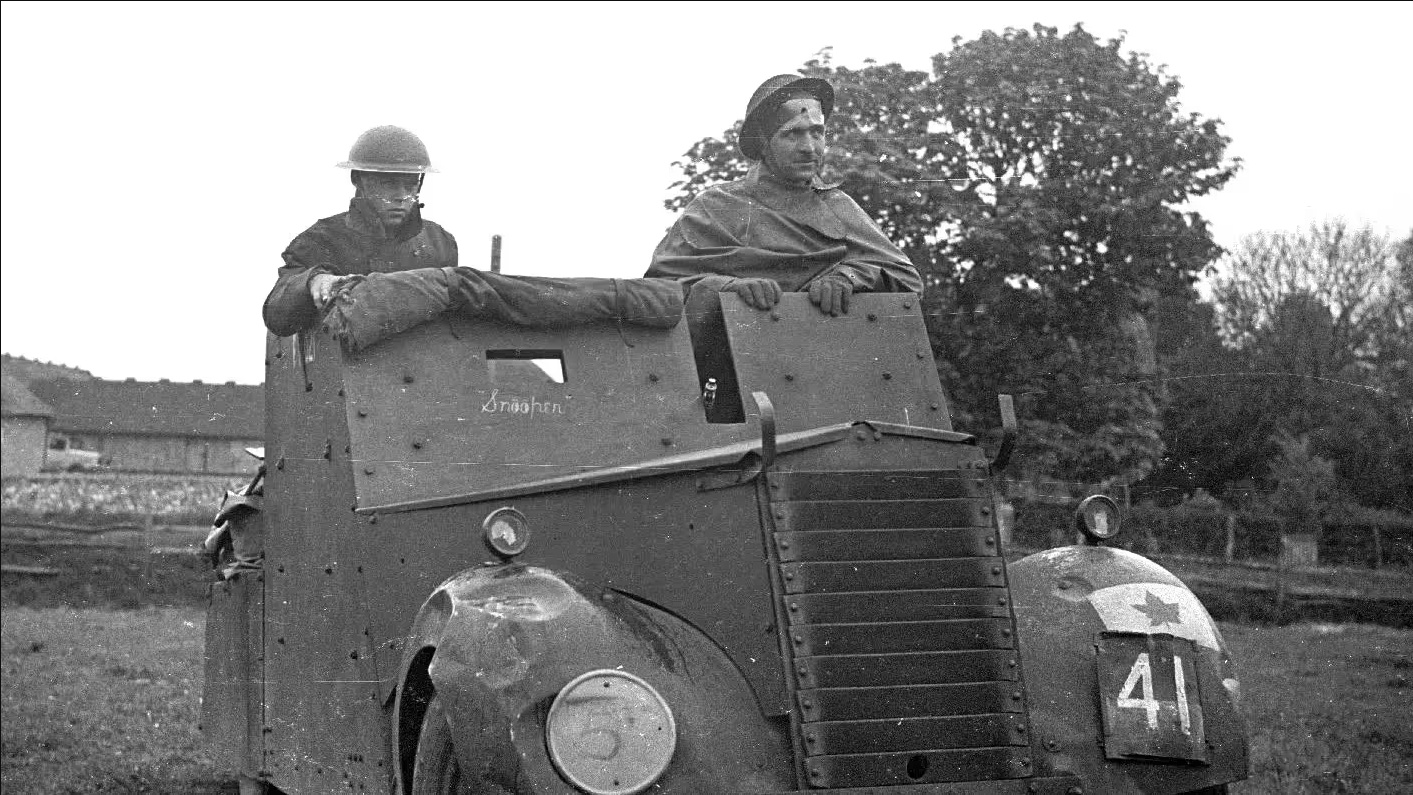
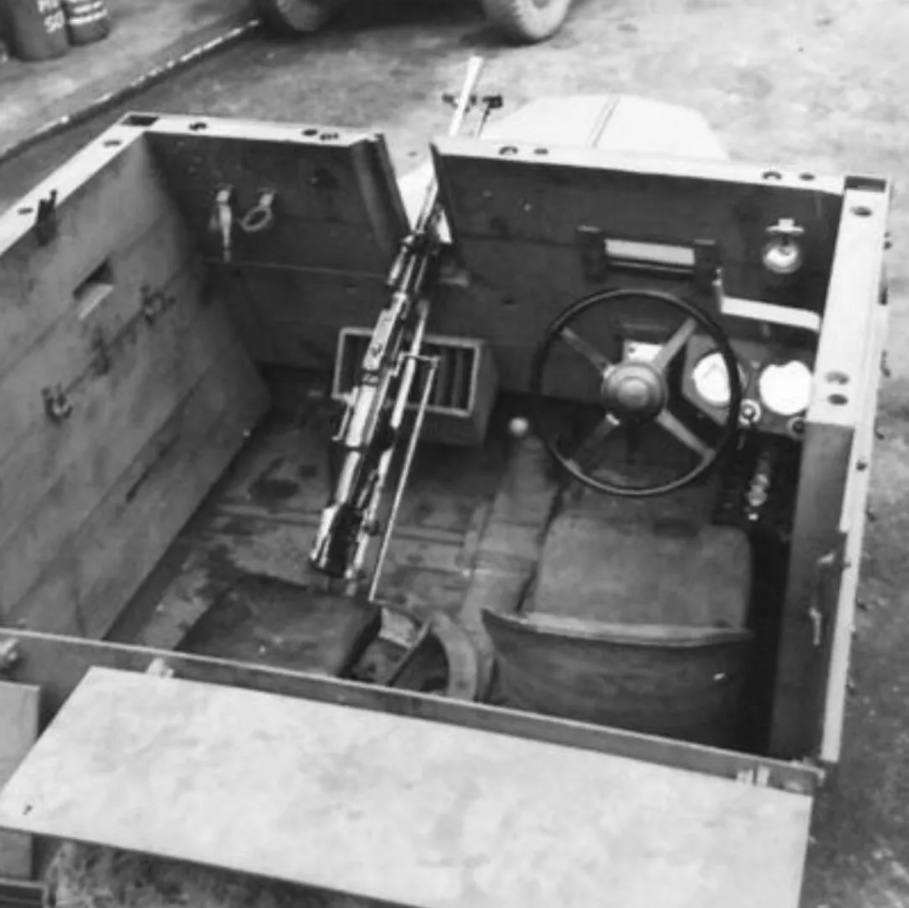
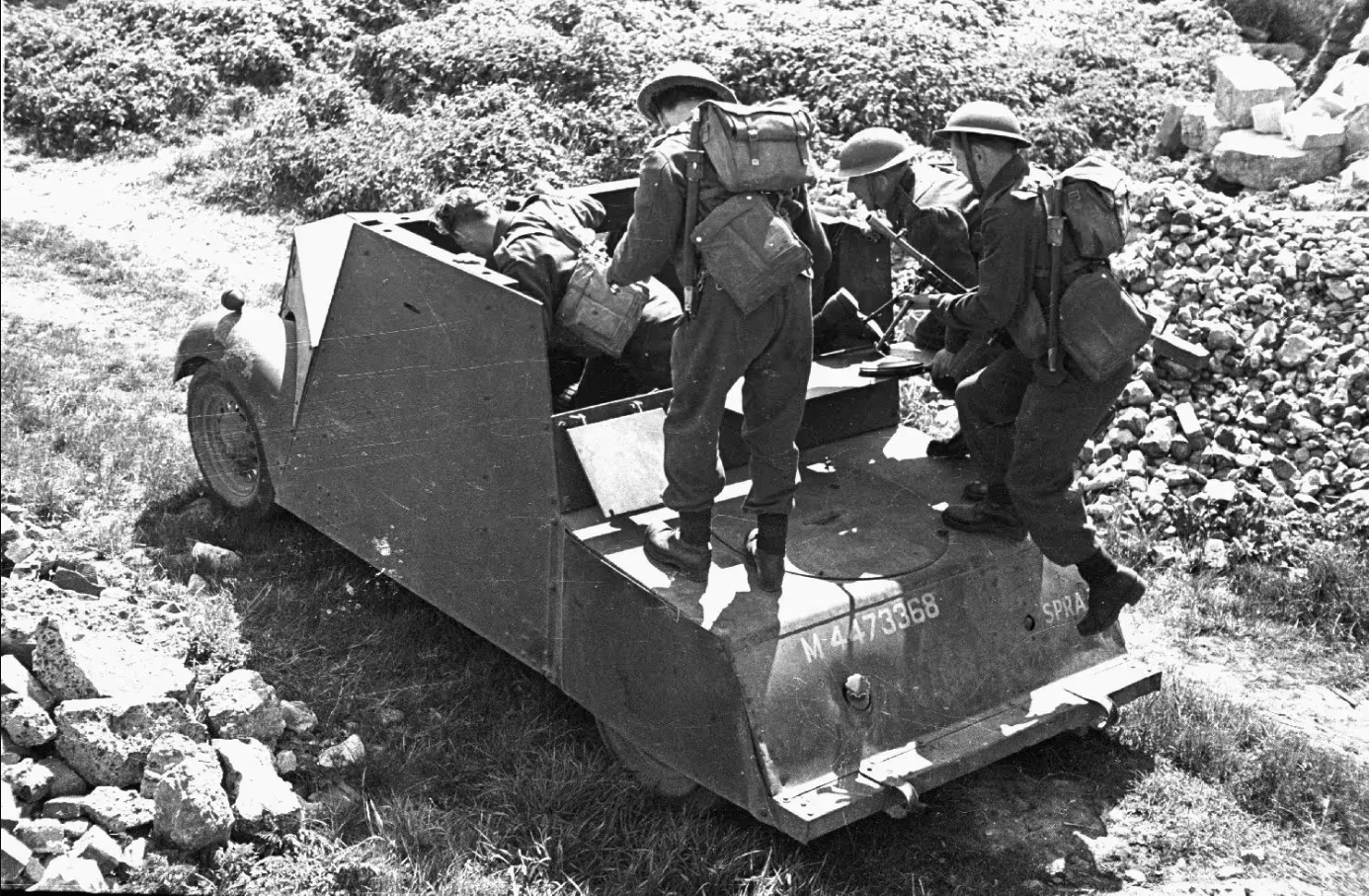
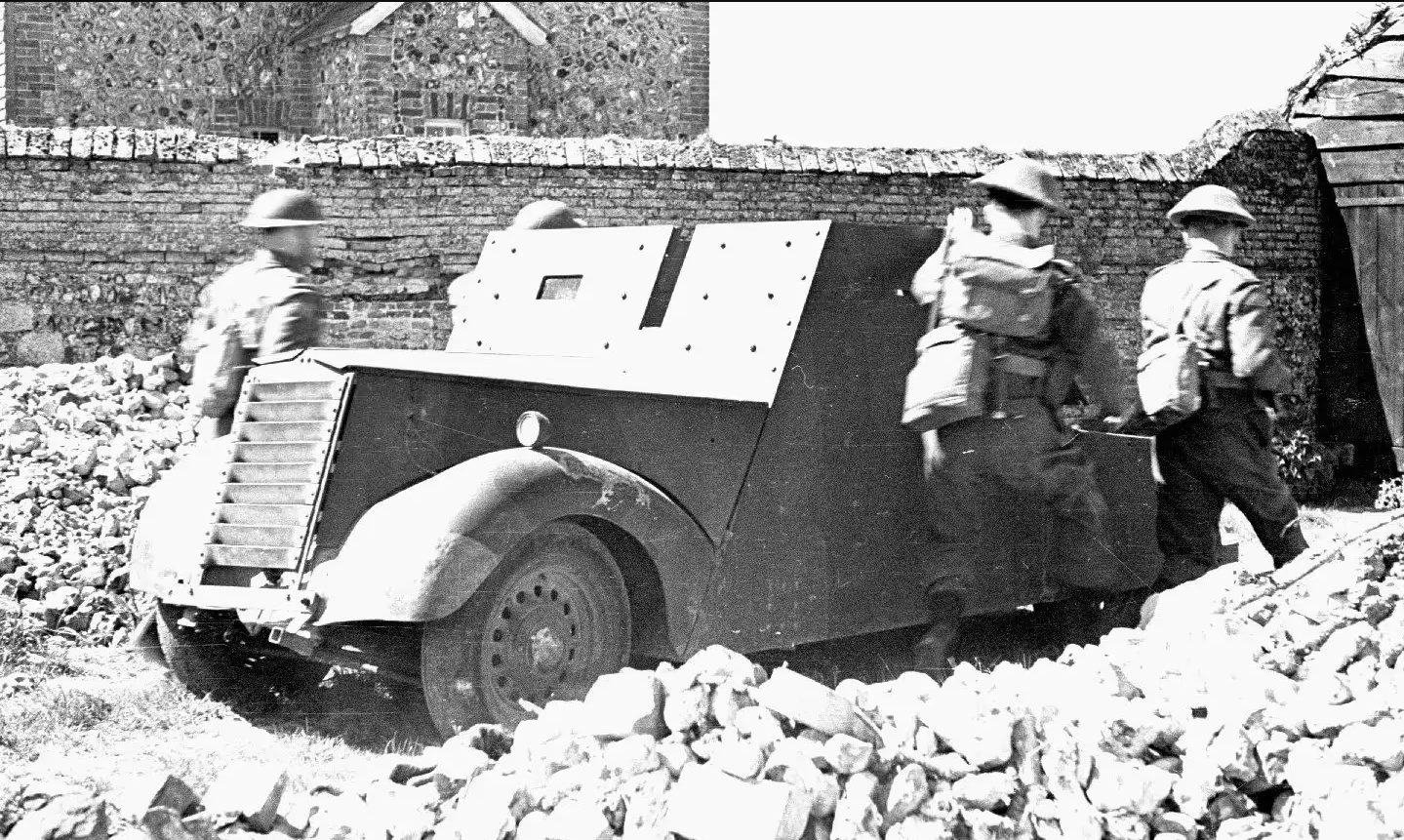
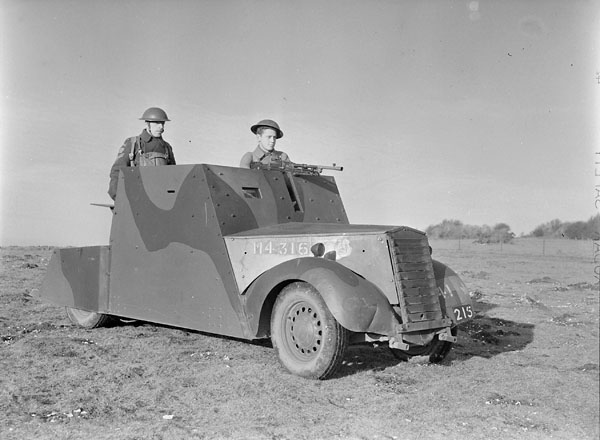
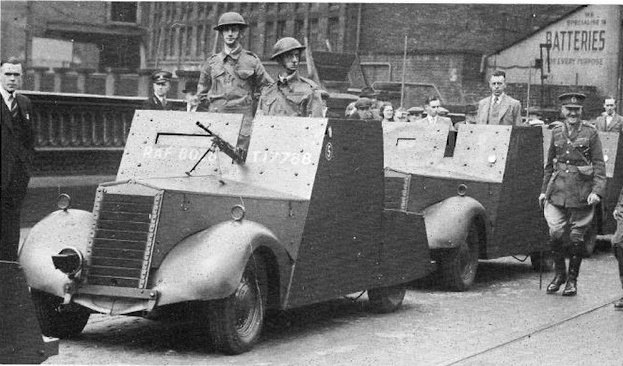
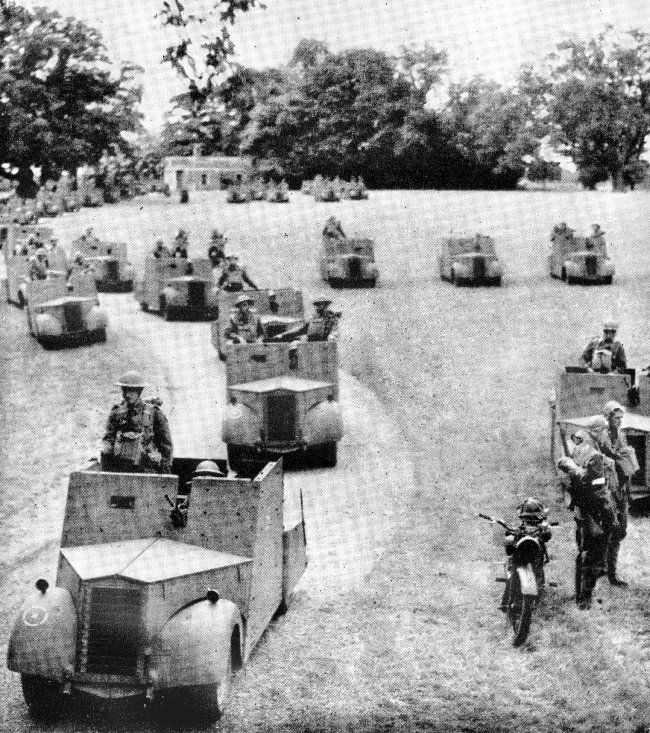
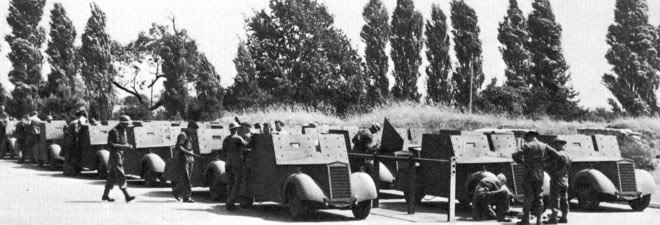
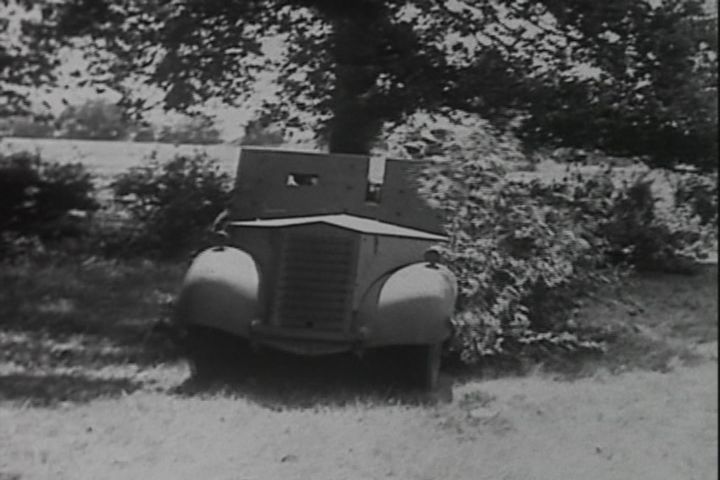
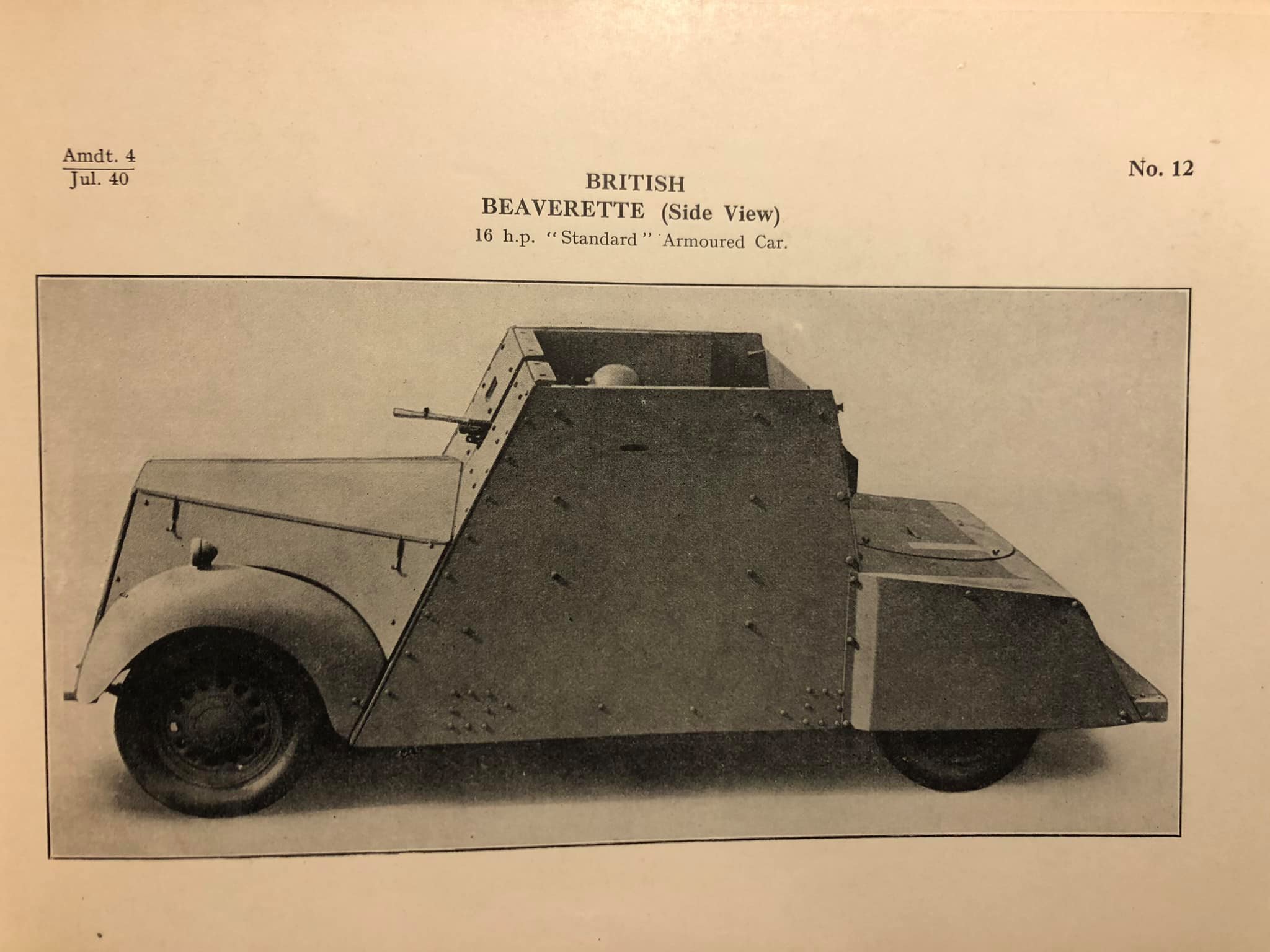
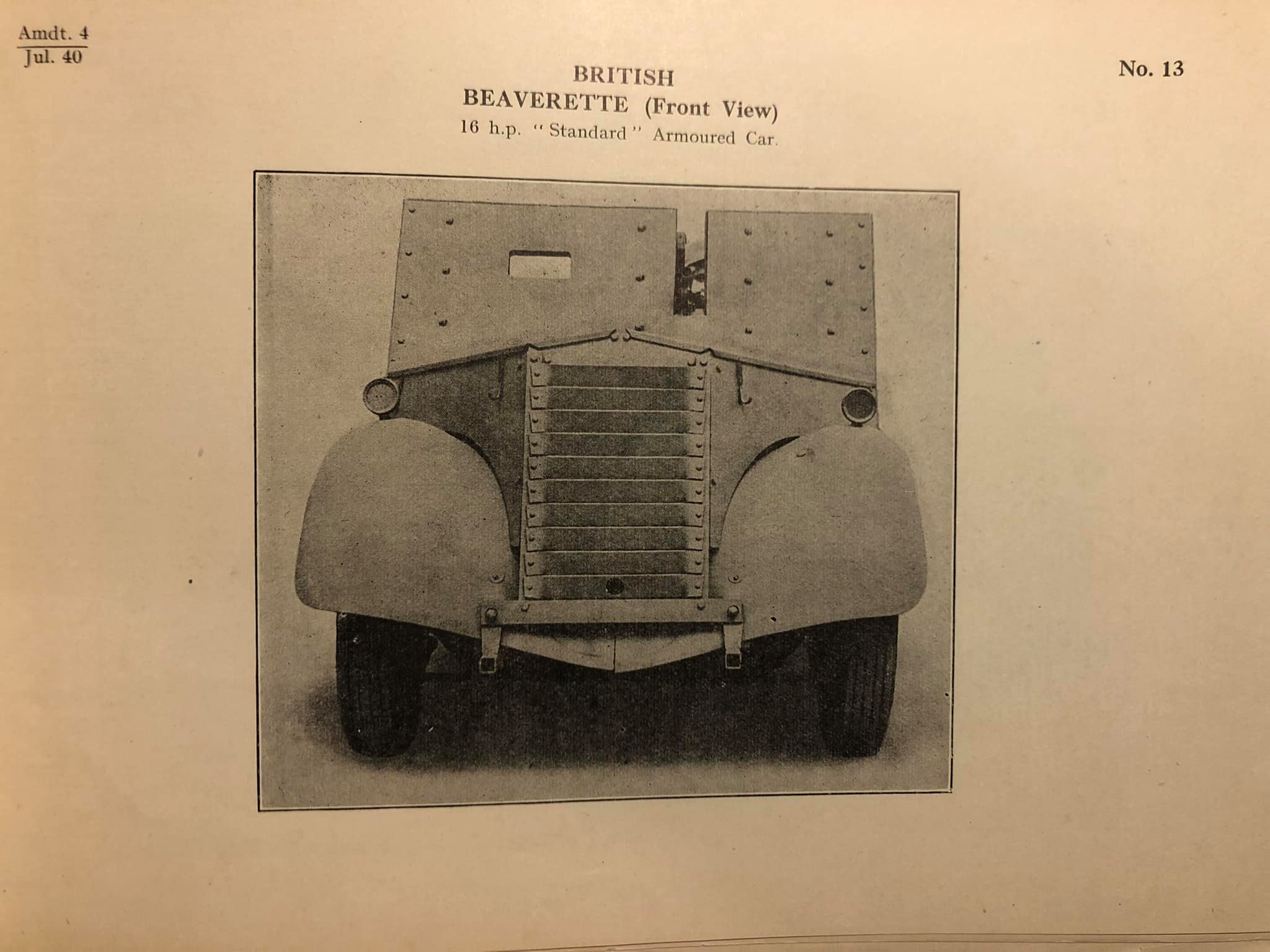
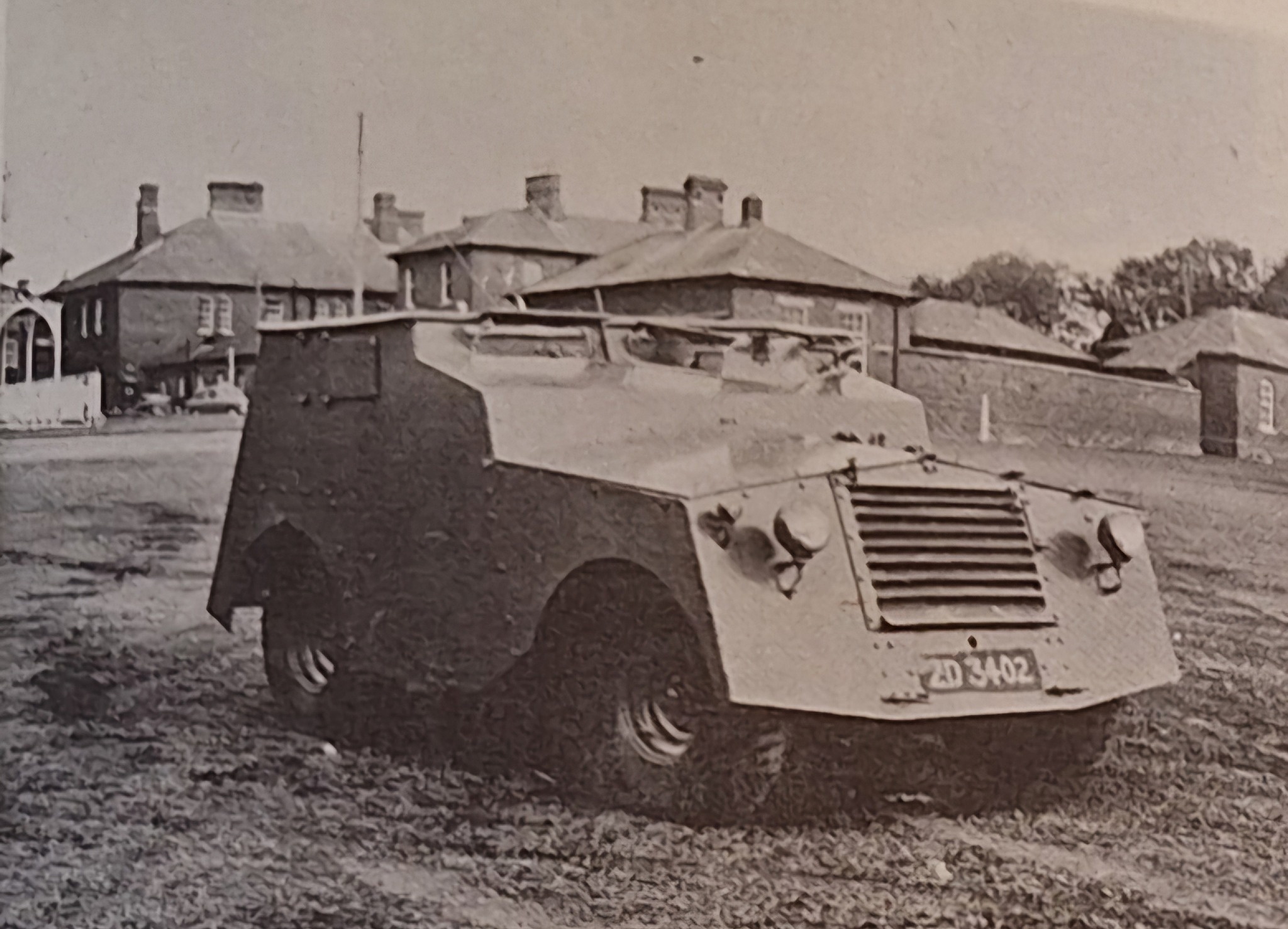
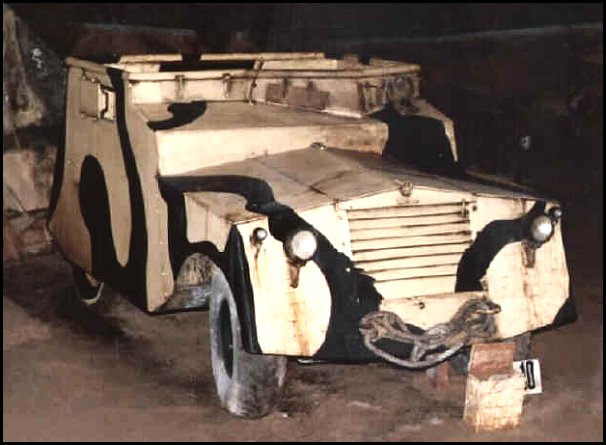
The Mk II version appeared in late 1940. Though still open topped, it incorporated an armor protection for the rear with two hinged steel plates that could be lowered. The armour plates were bigger so fewer rivets were used. The radiator grill was now horizontaly designed for better protection. The weight was now 2,2 t. The number of MkI and MkII produced is unknown but the Standard factory had approximately 500 standard flying Fourteen chassis which were all used. Jensen Motors also planned to produce Beaverettes on Ford chassis but its factory was bombed in november 1940 and the project was therefore cancelled.


Mk III :
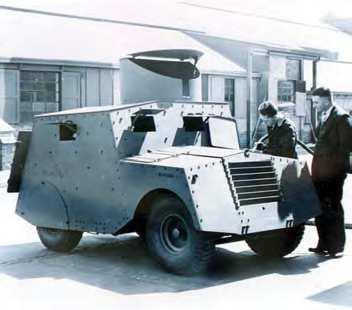
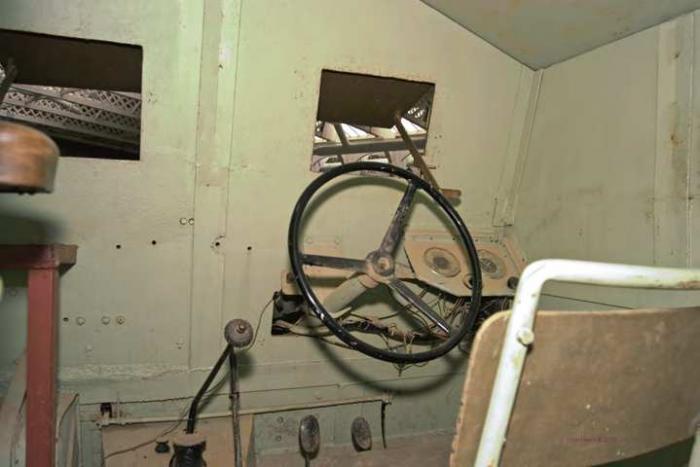
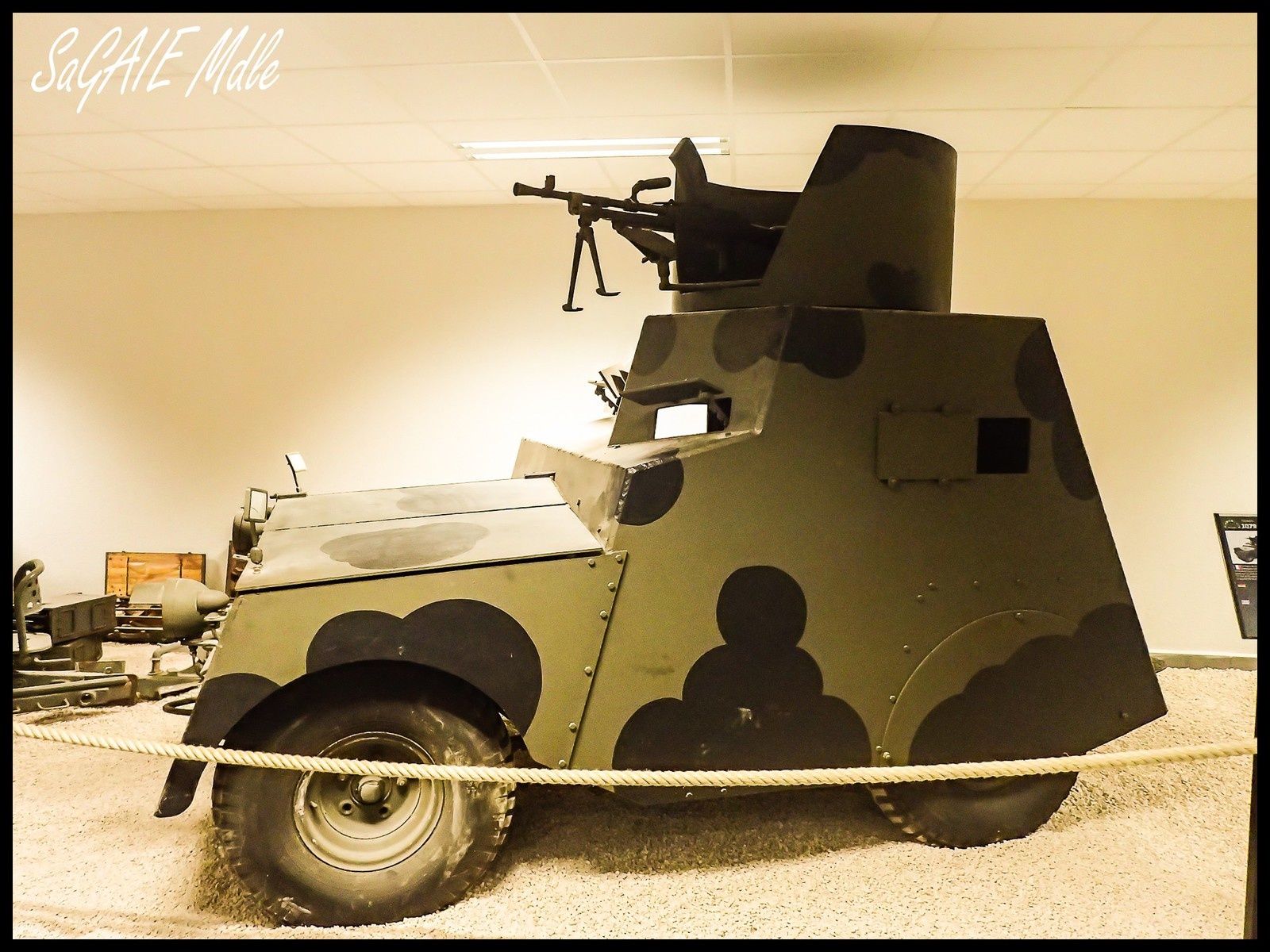
The Mk III version also known as the beaverbug MkI came after Standard had exhausted the supply of the car-type front rounded wings and chassis. This one was now purpose-built and shortened to remove the rear overhang and the curved front wings were now replaced with steel plates. The wheelbase was shortened from 2,743 to 1,880 mm, and the overall length of the vehicle was reduced from 4,115 to 3,099 mm. The vehicle was now completely armored with 9mm plates as well as a machine gun turret which increased the weight to 2,9 t. The vision was improved by hinged visors instead of slots. The turret was either closed with a Bren machine gun or open- topped with a twin Vickers machine gun. The braking and steering were as before, but with an increased weight, the drive must have been even more difficult. A prototype was also fitted with the boulton-Paul Defiant turret but not adopted.


Mk IV :
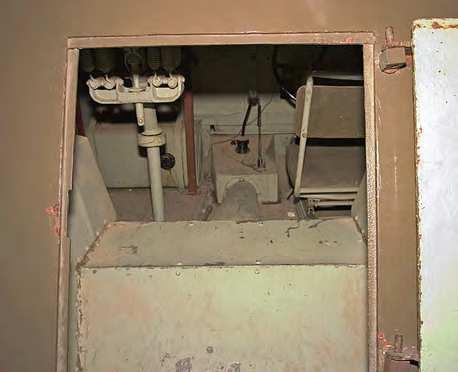
The MK IV had a modified glacis plate to improve vision for the driver, armor was increased to 12 mm thick. A cylindrical machine gun turret was still atop the wholly-enclosed hull roof with often two Vickers K machine guns. After the war, several Beaverettes found their way to the Eire Army, again for training purposes. these Mk IVs had their turrets and top half of the armour cut off.
Some 2800 vehicles of all types were built till 1942.
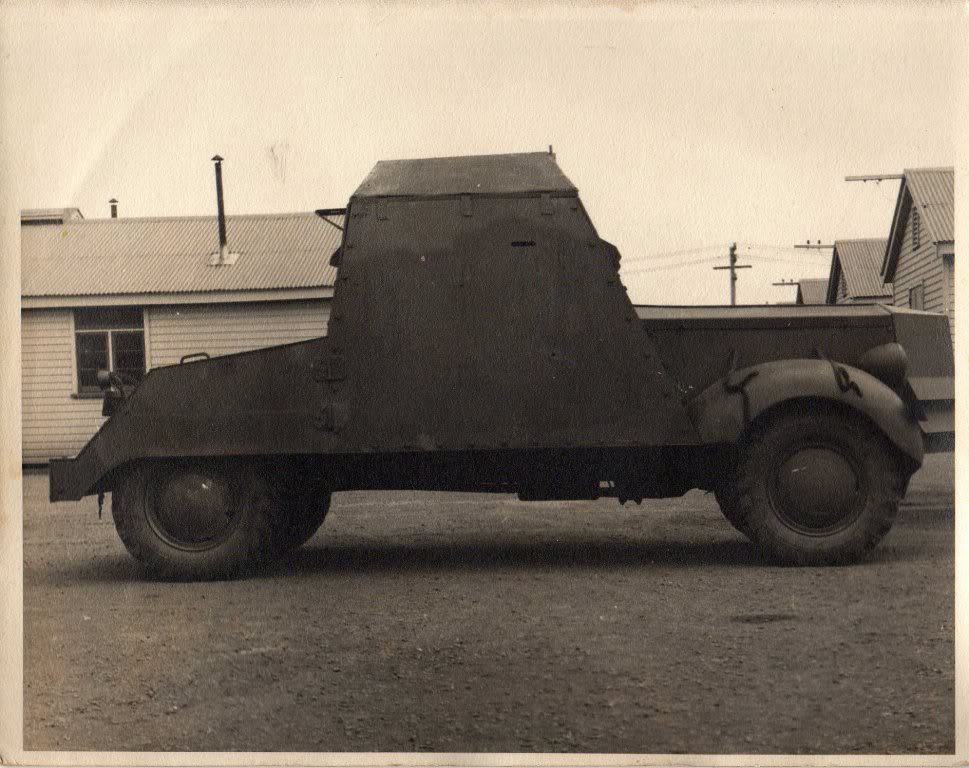
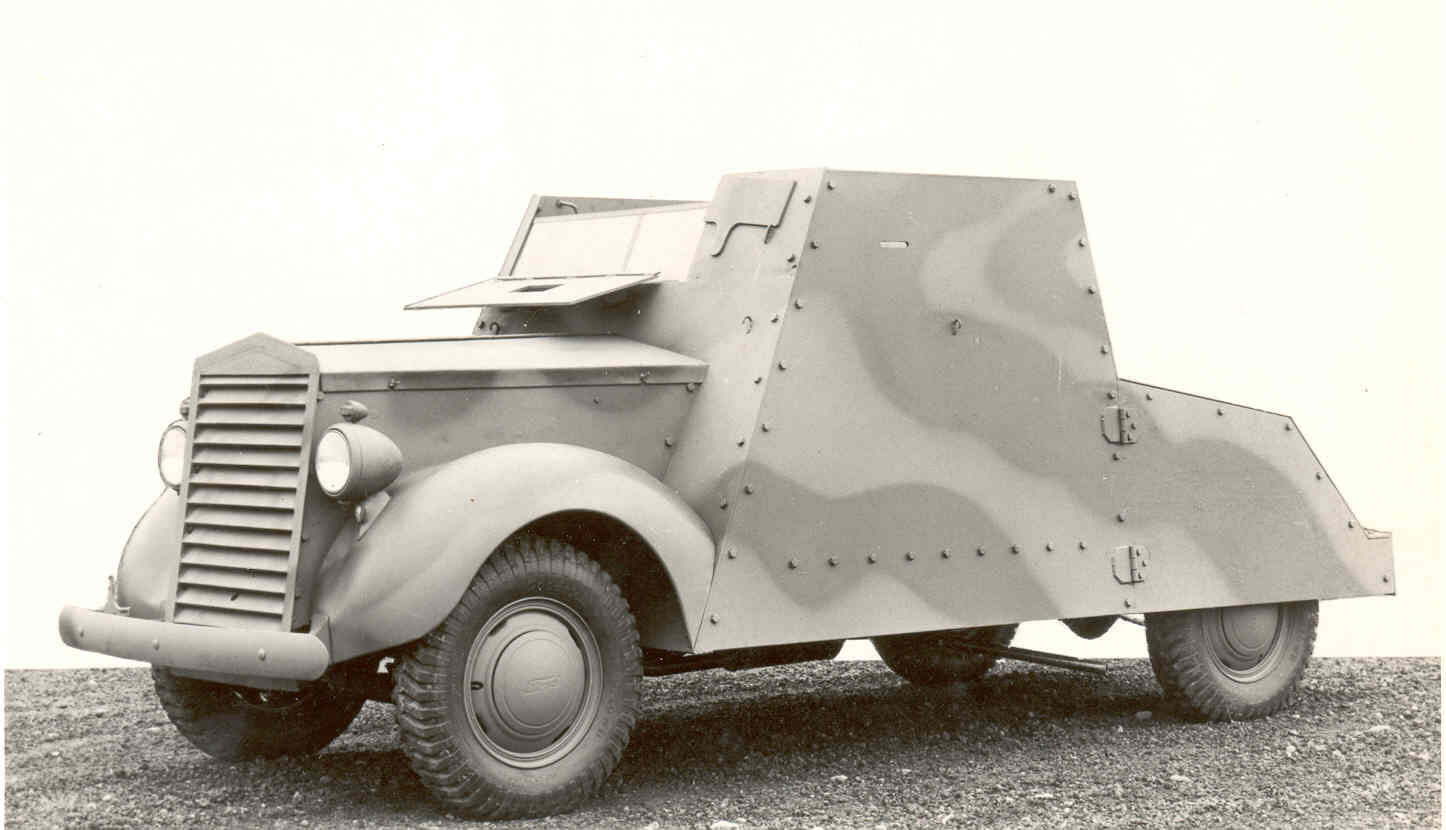
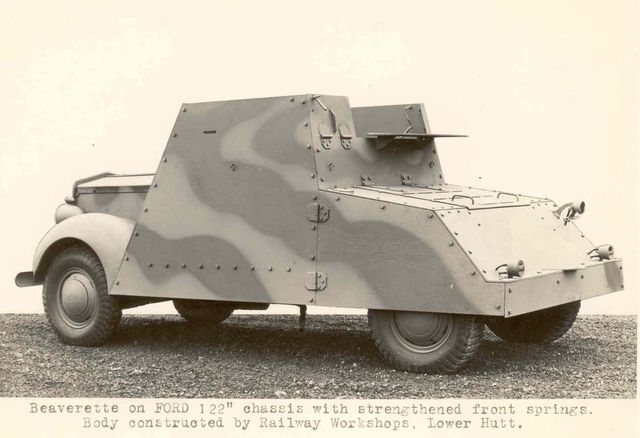
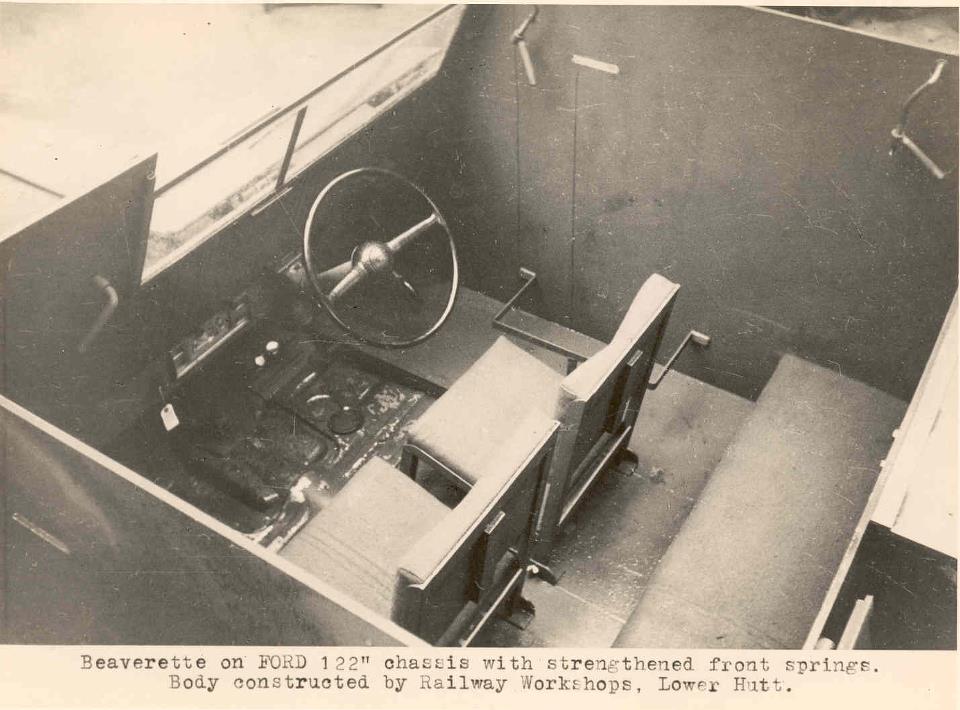
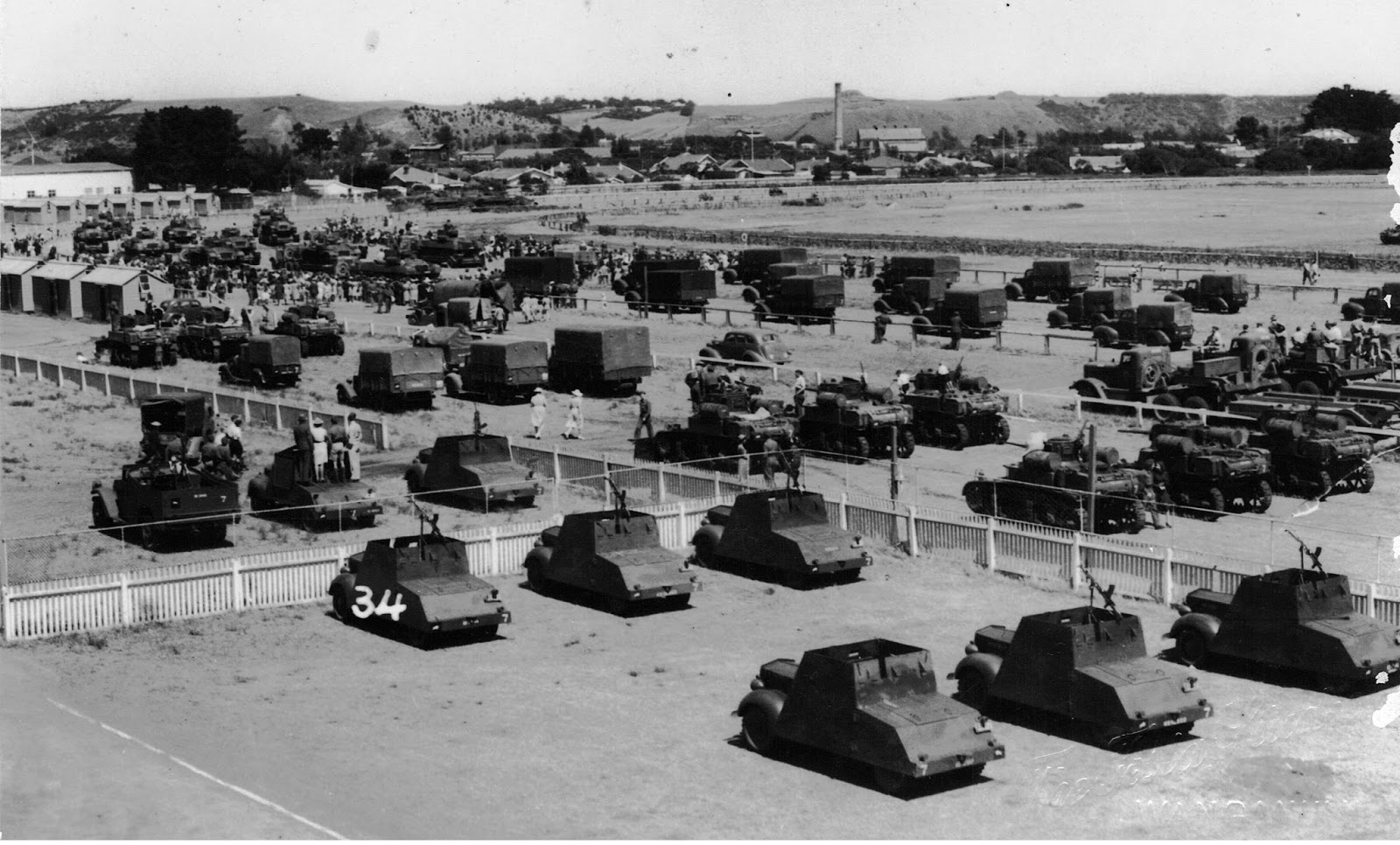
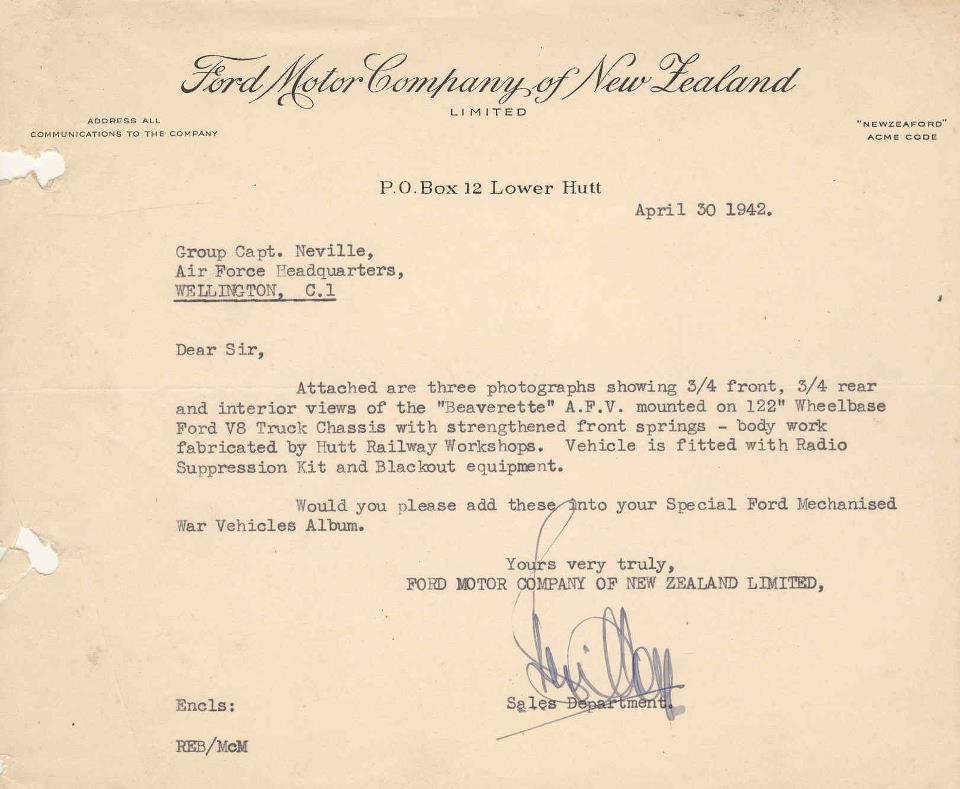
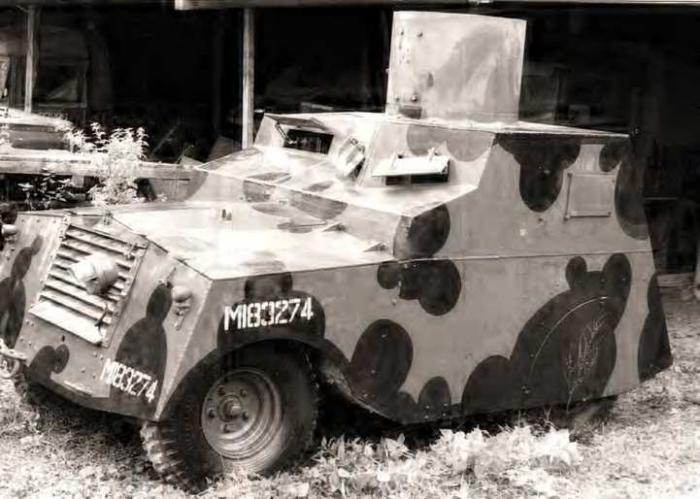
A similar vehicle, known as Beaverette (NZ), was produced in New Zealand Railways Department Hutt Workshops. The car used a Ford 3/4 or 1-ton truck chassis and plate salvaged from merchant ships for armour. They had a crew of four; 208 units were built.


Combat use :
The Beaverette was extensively used by the Home guard, British Army and RAF Regiment for home defence service and training. The vehicle is said to have suffered from excessive weight and to have been hard to handle. The beaverettes never saw any combat and this was better for their crews. The MkI and II were quickly retired from service for training purposes but many MkIII and IV survived to and after1945.
Specifications :
Lenght : Mk I, II : 4.11 m / Mk III : 3.10 m
Width : Mk I, II : 1,6 m / Mk III : 1,73 m
Height : Mk I, II : 1,52 m / Mk III : 2,16 m
Armor : Mk I, II, III : 9 mm / Mk VI : 12 mm
Armament : 7.7mm Bren MG or twin Vickers machine gun
Crew : 2 or 3
Engine : Standard four-cylinder side valve petrol engine, 46hp
Range : 300 km (MKIII)
Speed : 38 km/h (MKIII)
Sources : wikipedia, keymilitary.com, canadianarmsandarmour, wartimeni
New Zealand Beaverettes :
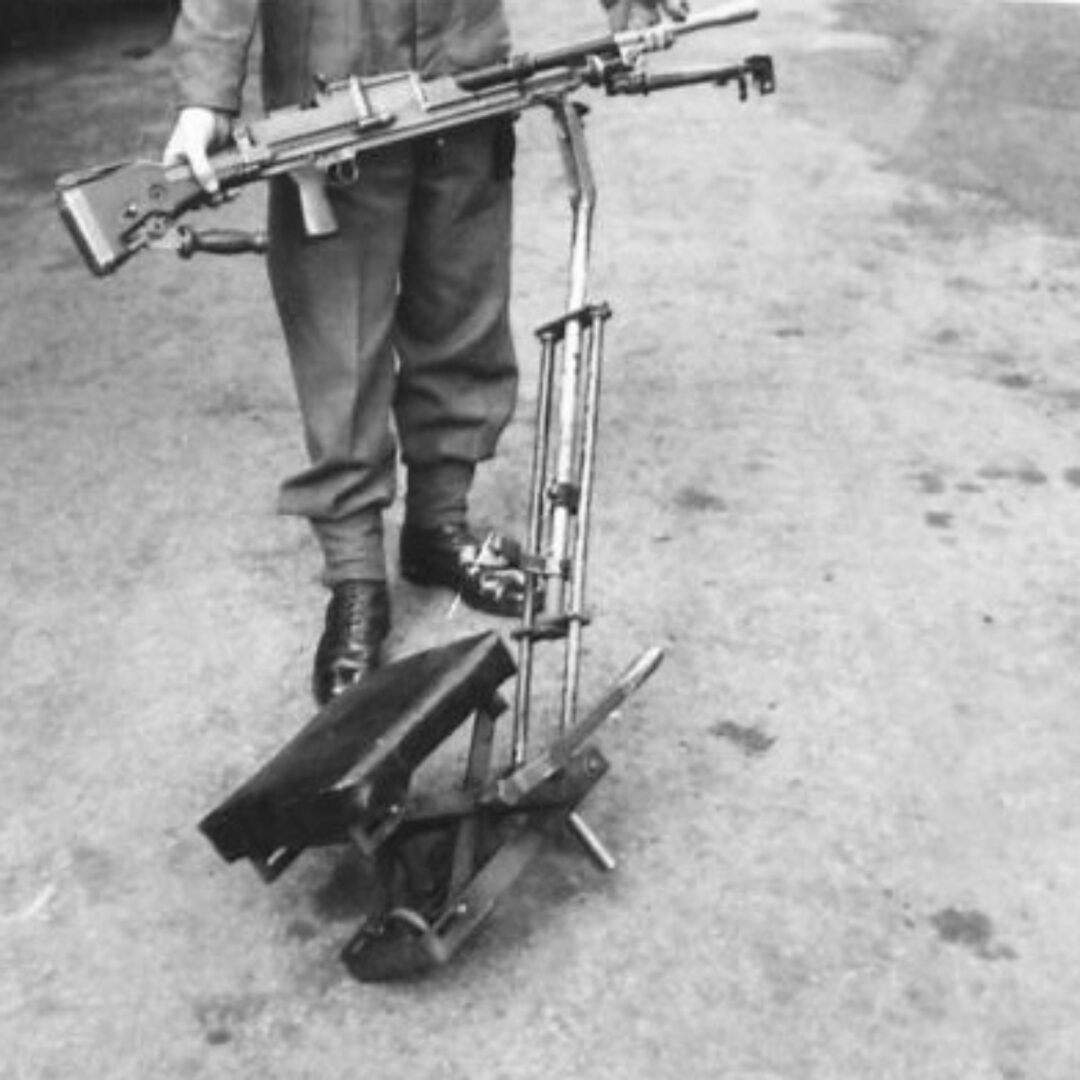
In 1941 General Sir Guy Williams visiting New Zealand supplied the specifications of the British version and a pilot model was commenced at the NZ Railway Workshops at Woburn in August. This was handed over to the Army in October and following tests approval was given for production to go ahead in November. The New Zealand Beverettes were built on a 1941 Ford 1 ton commercial truck chassis and initially it was planned to build them at the NZ Railways workshops in Lower Hutt with the chassis and motor being supplied by Ford NZ. An initial order of 187 was placed, later increased to 208. When it was found that the 7/16” steel plate was not initially available from Australia it was decided to use steel plate salvaged from the wreck Port Bowen on Wanganui beach, the Mokoia at Dunedin and also steel salvaged from the Waipouri pipeline. As a consequence 57 vehicles destined for South Island LAFV Regiments were manufactured at Hillside Railway Workshops in Dunedin. In 1942 a quantity of suitable plate arrived from Australia. As a result of the various sources of steel plate a number of variants of the Beaverette resulted: Class B-12 made from heavy new plates, Class C – 5 with side plates ex Port Bowen, Class D – 30 all Port Bowen except side plates, Class E – 20 all new plates but lighter than B. Production began at the end of February 1942 and a ceased in July. New Zealand Service The Beaverettes were intended for the nine LAFV Regiments, 19 per regiment in lieu of Stuarts. When these regiments were restructured as armoured and reconnaissance regiments at the end of 1942 they were retained as scout cars. Some vehicles were also supplied to the infantry brigade in Fiji. Following criticism of the vehicle in service a number of modifications were trialled in May 1942 at the NZAFV School. These comprised an additional 12 inches of plate sloping inwards at 30°on all four sides, external stowage of pioneer tools, Bren AA tripod and standard Carrier Bren mount in the front and radio on RHS, however they were never formally adopted in general service. The Bren AA mounting behind the driver and gunners seat became a common feature by 1943. In July 1943 they were withdrawn from service and put into storage, as the LAFV regiments had been reduced to training cadres and no longer need them. After the war they were sold off by the War Assets Realisation Board to various Government Departments and private individuals.
Crew: 2 (driver, gunner),
Weight: 2.0 tonnes, Length: 13 ft 6in. (4.1 m) Width: 5 ft 3 in. (1.6 m) Height: 5 ft 0 in. (1.52 m).
Guns: one .303 Bren Gun or Boys Anti Tank Rifle.
Engine: Ford V 8 32.5 hp, Speed: 24 mph (38 Km/h), Range: 190 miles (300 Km).
Source armsregister