
FROM AUGUST TO NOVEMBER 1914
The invention of self-propelled vehicles with an internal combustion engine at the end of the 19th century ushered in a new era of human development. At the turn of the 20th century, the automobile began to rapidly develop. Military experts quickly recognized the enormous potential of this new vehicle and began seriously considering how to utilize engines for military purposes. Simultaneously, designers and owners of automobile companies proposed using automobiles not only as an army transport vehicle but also as a combat vehicle—an armored one. Modest experiments with armored vehicles were conducted in many countries, and the French and Italians even used a few vehicles in military operations in North Africa. But until the start of World War I, no one was in a hurry to introduce this new type of weaponry to the military on a large scale. As a result, in August 1914, no army in the world possessed a sufficient number of armored vehicles. There was at least one Belgian armored car before the war – the Auto-Mixte produced in 1911 – but the Belgian army wasn’t interested in it and it wasn’t adopted. But « little » Belgium will be the first country to use them in combat.
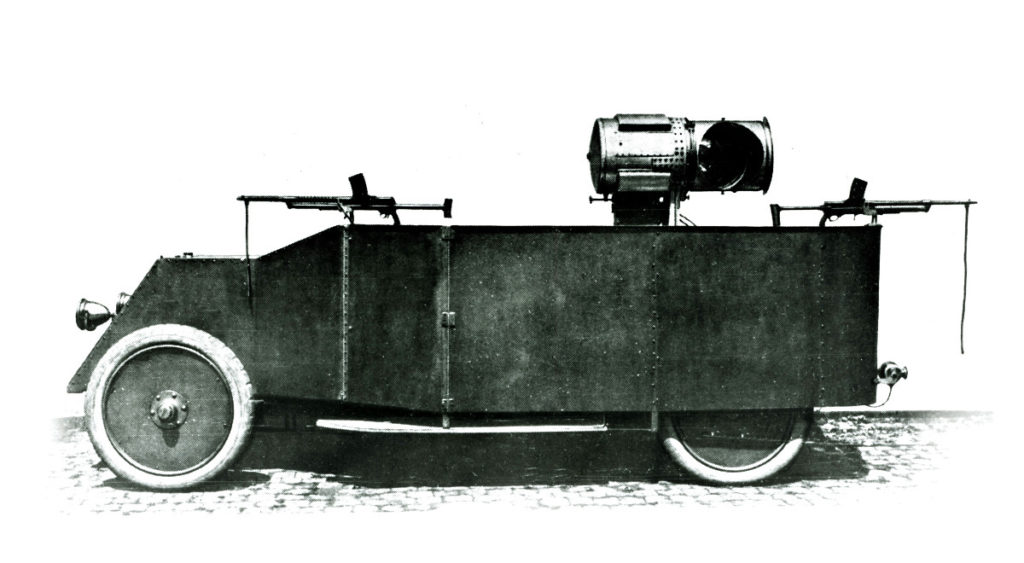
At the beginning of the 20th century, the Kingdom of Belgium enjoyed a very high level of motorization. The country boasted dozens of automobile factories renowned throughout Europe; Belgian cars were distinguished by their high quality and were exported to many countries around the world. Perhaps the most famous manufacturer was Minerva Motors (NV Minerva Motors) in Antwerp. Aware of the potential of the automobile, on August 1, 1914, King Albert signed the creation of a volunteer automobile corps (VAC) or CAV (Corps Automobile des Volontaires) in french, whose purpose was to provide service to automobile columns, drive automobiles assigned to headquarters, transmit orders and intelligence, provide certain reconnaissance services, provide postal services, facilitate the rapid transfer of combat troops, and carry out major construction projects. To be a full member, one had to own a car or motorcycle, possess the required practical and technical knowledge, have passed a military test that included map reading and a topography test, be at least 18 years old, be fit for military service, and possess a driving certificate. Members were then issued a uniform. As of August 1, 1914, the Belgian automobile fleet totaled 12,500 cars, trucks, and coaches. At first, the vehicles were supposed to be voluntarily made available to the army by their owners, but the Army quickly moved to requisition. From the beginning, the VAC showed its limits: driven by sometimes inexperienced drivers, the vehicles were mistreated, overloaded and therefore quickly out of use. Due to the lack of repair workshops, this situation worsened. This is why on 10/08/1914, it was decided to create the Reserve Automobile Park, the aim of which was to collect, store, manage and repair automotive equipment in the Antwerp area under the authority of Colonel Count de Hemricourt de Grunne, President of the Automobile Club of Belgium. From among some forty vehicle makes representing eight nations, around thirty passenger cars were selected for conversion into improvised armored cars. Hastily fitted with steel plating—sometimes repurposed from boiler manufacturing—these vehicles were armed with salvaged 8mm Hotchkiss or .303 Lewis machine guns.
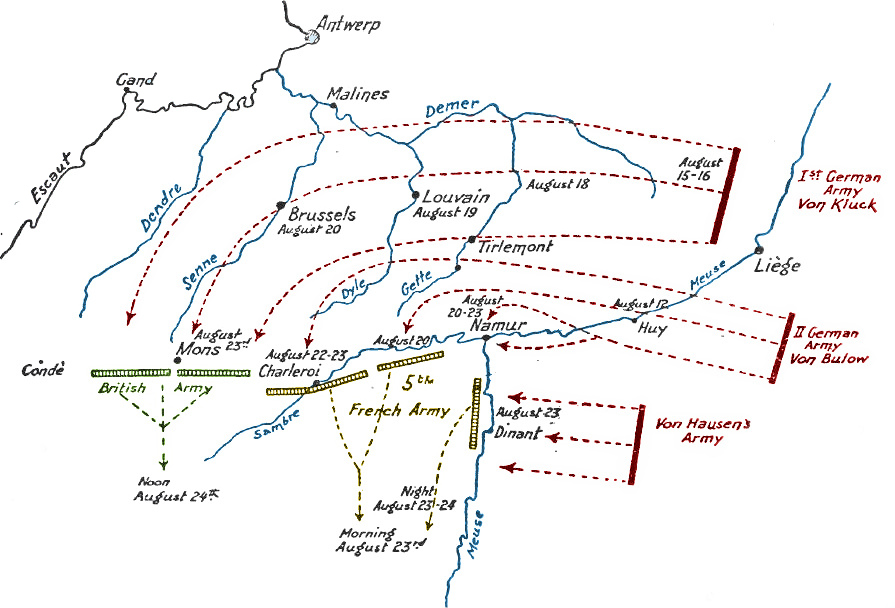
On August 4, 1914, German troops invaded Belgium and encountered fierce resistance. Following the fighting around Liège and Namur, King Albert—acting as Commander-in-Chief—kept the army positioned along the Gette River until it became apparent that the main body of the German army, pressing its offensive, threatened to cut off the link or the line of retreat to the fortified position of Antwerp before Allied armies could arrive. Consequently, on August 18, the army began its withdrawal to Antwerp, thereby escaping destruction by the German First Army. The entire army was required to defend Antwerp, which held the only source of supplies. The Belgian army held this position from August 20 to October 8, launching two sorties during the Battle of the Frontiers in France and the Battle of the Marne; in doing so, they tied down two German army corps that were sorely needed on the main front. The German IX Corps, en route to France, was forced to turn back due to the sorties from Antwerp and the threat posed to the right flank of Von Kluck’s army, while the German 6th Division also had to be redeployed toward Antwerp. Moreover, the Belgians, unexpectedly for the Germans, used a weapon that was unconventional at the time – armored cars. With the aim of protecting the line of communication from Antwerp to the west—both to safeguard Ghent and the secondary base at Ostend and to maintain contact with the Allies—a task force was established on August 24 under the command of General Henri Clooten, Inspector of Cavalry. He held the title of « Governor of territories not occupied by the Germans or the Allies, excluding the fortified position of Antwerp. » His mission was to restore order in the Ghent-Aalst-Ath-Oudenaarde region, drive out the Uhlans, and block passage across the Scheldt. The resources allocated to him consisted of Civic Guard units he could reorganize, the best war volunteers (grouped into five regiments), the non-divisional Gendarmerie (comprising three squadrons of 80 troopers), and finally, two armored cars, to be supplied as soon as they became available. In practice, after a few days of training, the crews and their vehicles were assigned in groups of two or three to Army divisions, which then distributed them to the regiments. During the retreat from Antwerp to the North Sea, these armored cars would serve as flank and vanguard units for the Army’s movement toward the Yser.
When the Belgian forces withdrew from Antwerp, what remained of the volunteer automobile corps moved to the Parc du Charroi in Calais with the mission of selecting and repairing the remaining chassis, and selecting and purchasing new vehicles required for the army’s needs (this task was later eliminated due to the scarcity of available vehicles). The CAV took the name ACRW (automobile campaign repair workshop) or ARCA (Atelier de Réparation de Campagne Automobile) in french and was distributed either in Calais or in the divisional campaign repair workshops.
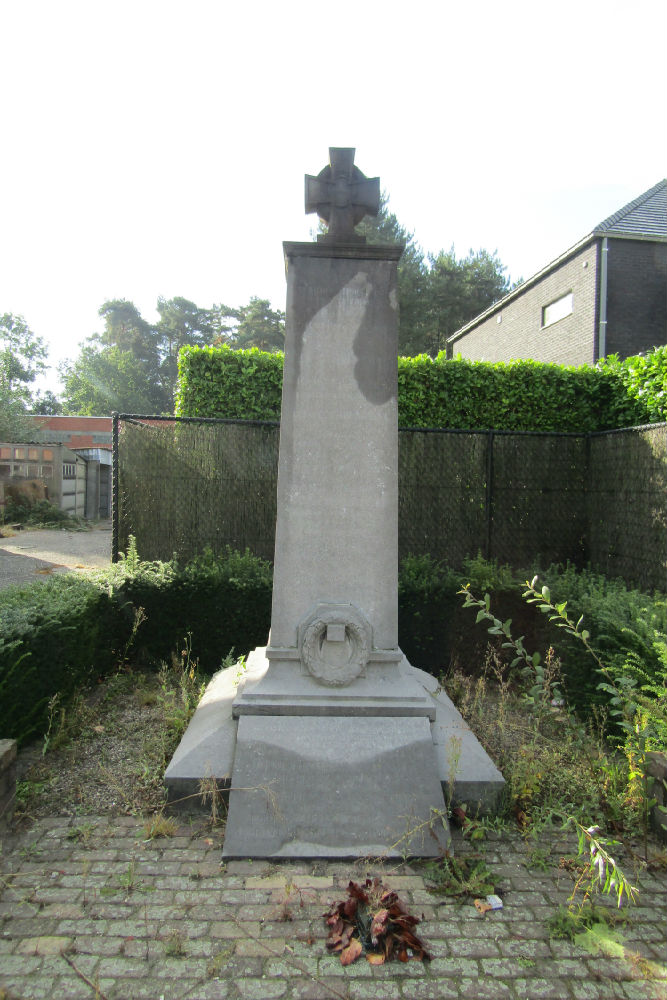
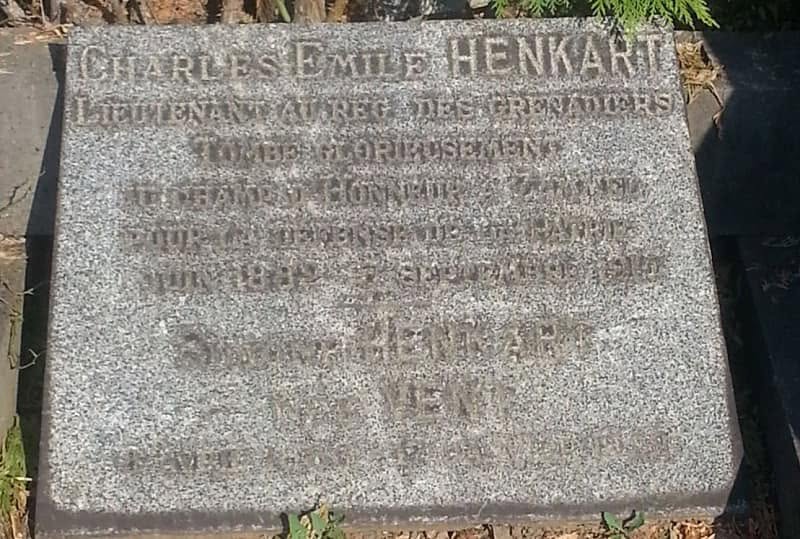
Charles Emile Georges Adolphe Henkart :
By mid-August, photographs of two armored cars, which the Belgians had successfully used in combat to support the cavalry, appeared in the European press. Quickly, Reserve Second Lieutenant Charles Henkart, drafted into the Grenadier Regiment (Régiment des Grenadiers), donated one of his personal vehicles to the army—a 80 HP « Pipe » (Compagnie Belge de Construction Automobile), the other one was a 40/100 HP « Opel ». The « Opel » was captured from the Germans at Boneffe (Eghezée) on August 18, 1914 during an attack on a bivouac of the 15th Hanoverian Hussars by a detachment comprising elements of the bicycle companies of the 10th and 13th Fortress Infantry Regiments and the 2nd and 3rd Squadrons of the 1st Lancers—commanded by Major Alfred Lemercier of the 1st Lancers—as well as a mobile field kitchen that would remain with the regiment throughout the war. The Opel is described as being protected by spaced armor plating and armed with a Lewis gun. However, the vehicle’s origin is unknown; only the Lewis gun is Belgian. The Pipe was quickly armed with a « Lewis » machine gun (manufactured in Belgium under American license by Armes Automatiques Lewis SA) and armored with naval steel plates and the two were engaged against the germans.
An article on the belgian newspaper « le soir » reported :
« However, the Opel soon became armored as well (in fact it already was !!). Continuing the series of daring expeditions he had undertaken since the beginning of the war, he departed the entrenched camp of Antwerp on Saturday, September 5. In the first car (Opel) were Lt Henkart, Sergeant of Guides Misson,Volunteer Baron Philippe Henri Léon de Zualart and Count Henri Marie Charles Joseph Ghislain Alphonse Eudart Hennequin de Villermont. In the second car (Pipe) were Volunteer soldiers Baron de ’t Serclaes, Prince Baudouin de Ligne, Croisier and Sergeant of Gendarmerie Litsch. In the third car (Sava) were Gendarme Ott, Corporal Strauss (Grenadiers, class of 1913), Sergeant of Gendarmerie Renard and Telegraphist soldier De Herdt. Around 11 a.m., in Herenthals, locals reported to Lieutenant Henkart the presence of German soldiers on the road to Gheel. The three armored cars sped off at full speed. At the hamlet of Het Punt, crossroads of the Diest road, the enemy was reported in the direction of Westerloo. At the Zammel crossing, the reports became precise: “Be careful — about 400 meters ahead, there are lots of Germans in the small woods.”. Lieutenant Henkart hesitated not for a second. He raised his arm: Forward!, The car advanced 150 meters, then stopped abruptly — the engine riddled with bullets. The driver, De Zualart, struck in the head, collapsed onto the body of the young officer — dead!, The German ambush was well prepared. A lookout in the windmill had given the signal for the massacre. The 2nd and 3rd armored cars opened fire. De Villermont, leaving the first car, was killed. Sergeant Misson charged at the enemy — he was never seen again. Rifles crackled; German bullets rattled on the armor like castanets. Our machine guns replied — the enemy fell back. From the third car, Sergeant Renard swept the edge of the woods, while his comrade Litsch raked the road. A brief silence…“Fire, damn it!” shouted Renard. From the second car — silence; the machine gun was still. All its occupants — ’t Serclaes, Prince de Ligne, Croisier, and Litsch — had been struck dead. The third armored car advanced. While the machine gun kept firing, the wounded and dead were lifted aboard. On the road to Diest, the Germans advanced again; a well-aimed burst mowed down their ranks — the enemy officer was killed. It was the end of this epic combat. By 2 p.m., all the dead and wounded were brought back to Herenthals; only the first car was abandoned — its damage too severe. On September 9, 1914, a terse line in the daily orders recorded the heroic deed.
The King awarded the Order of Leopold to Lieutenant Henkart and his brave companions. »
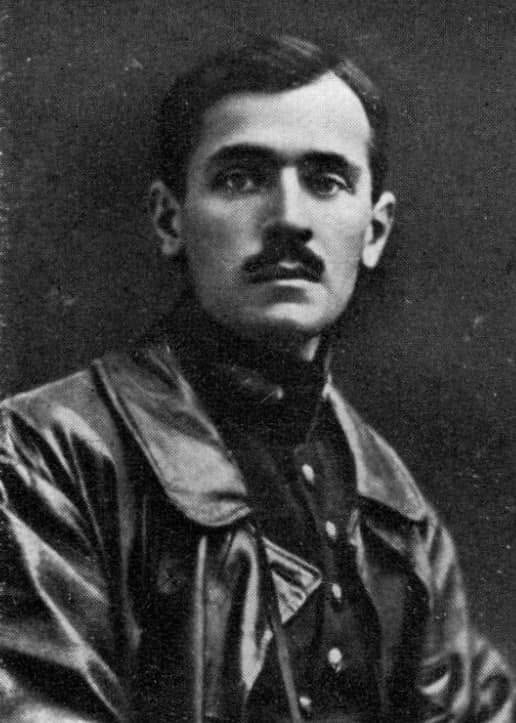
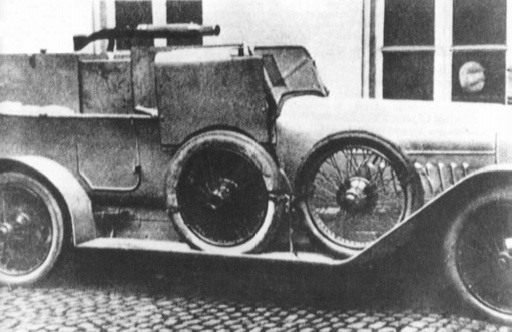
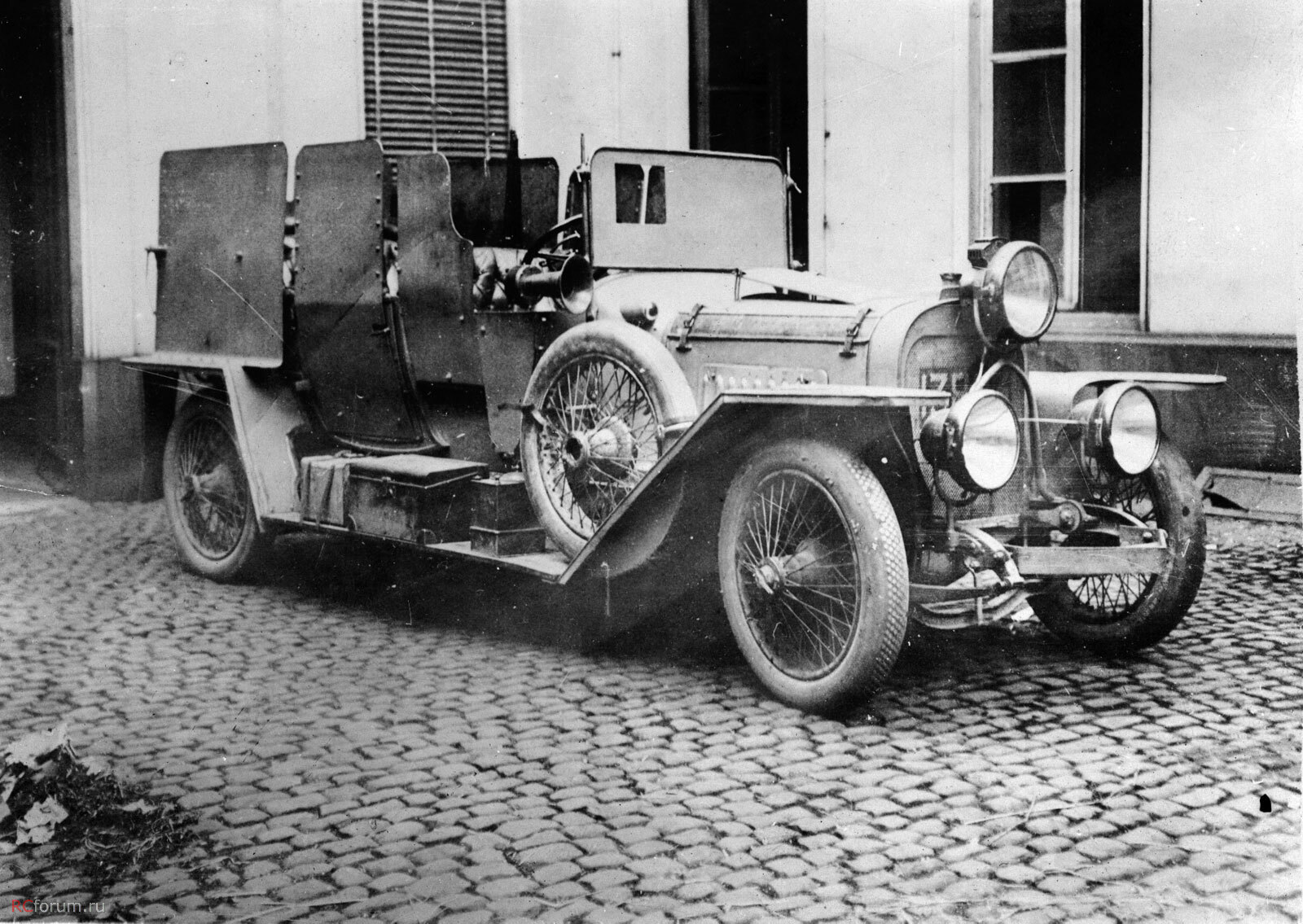
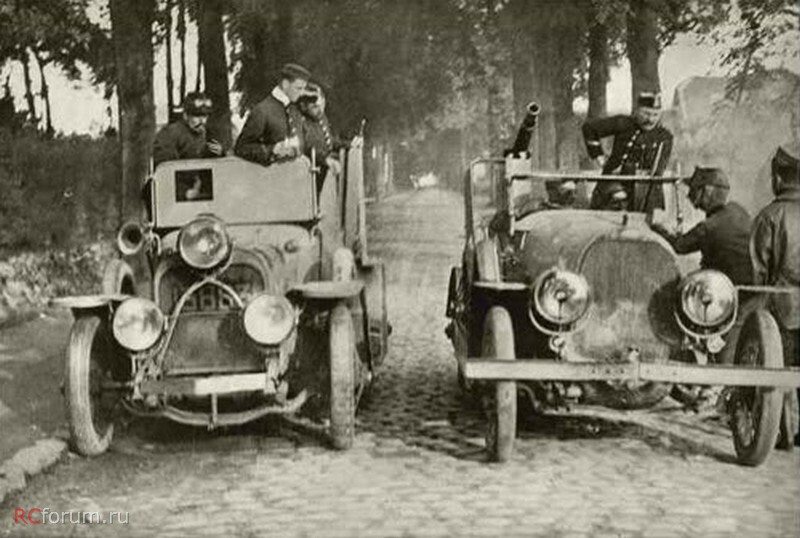
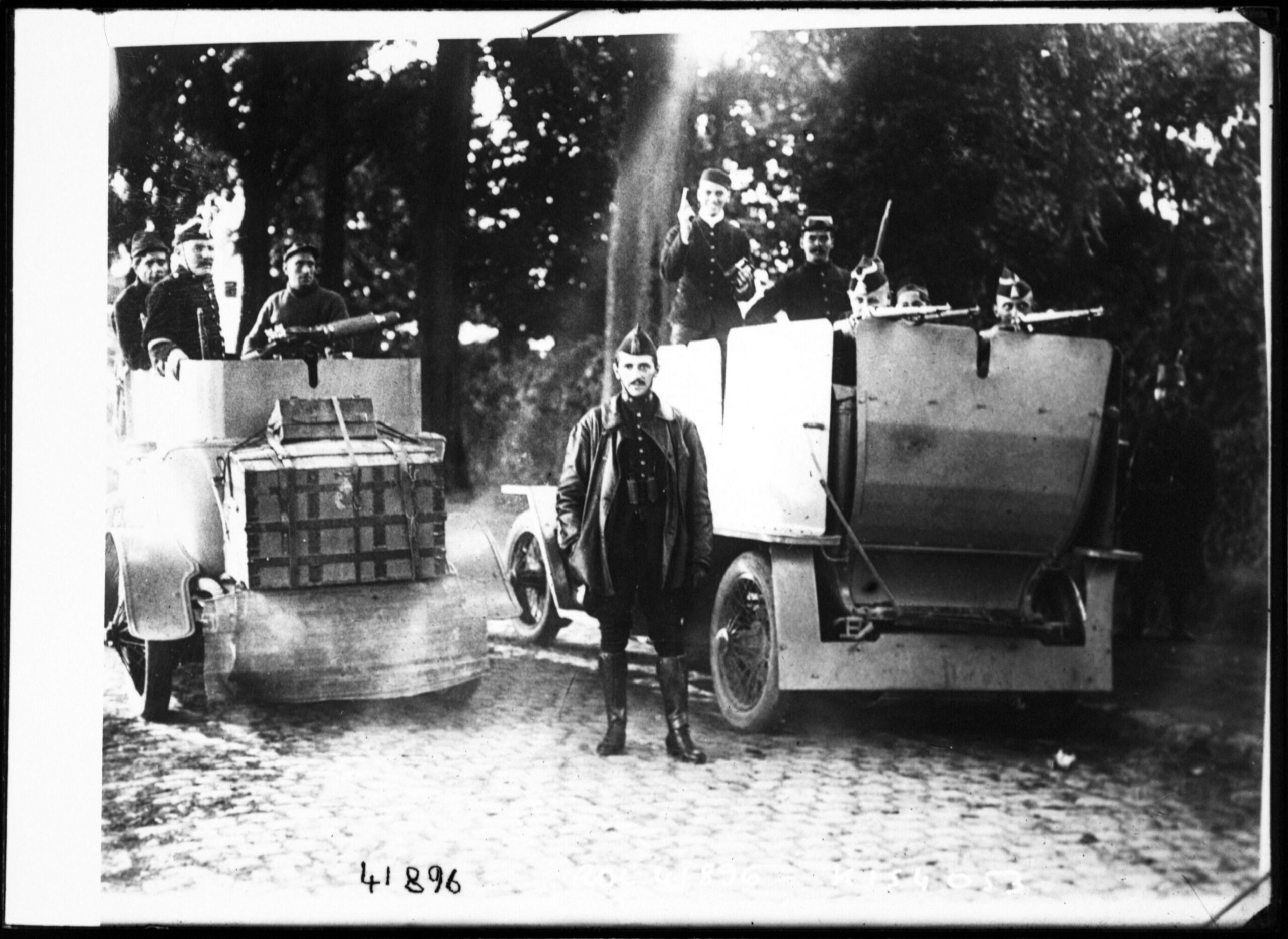
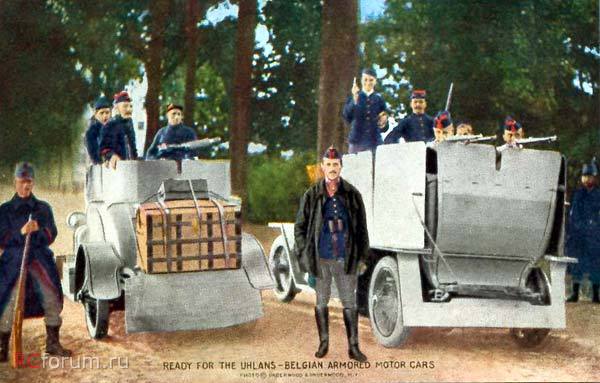
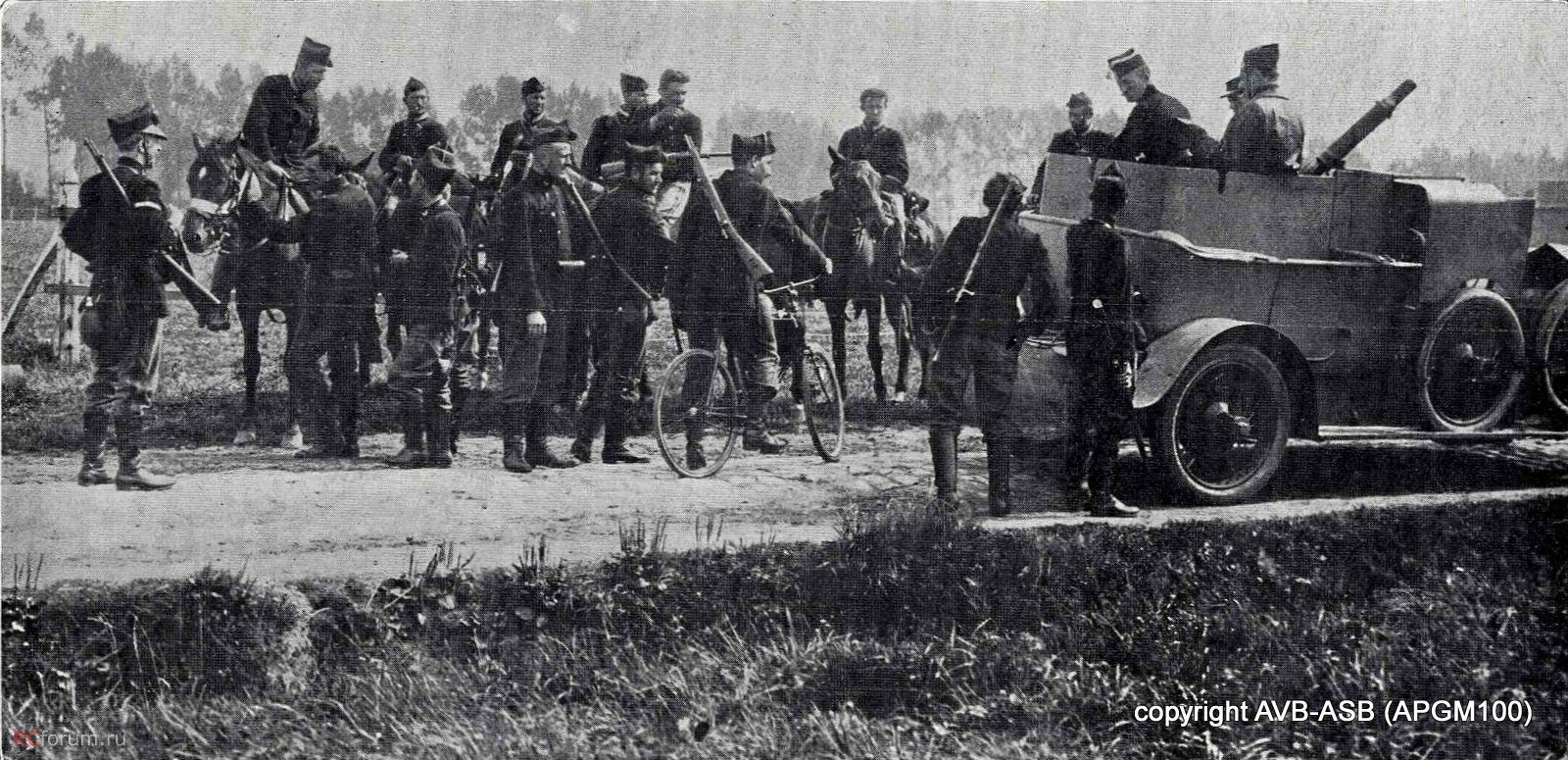
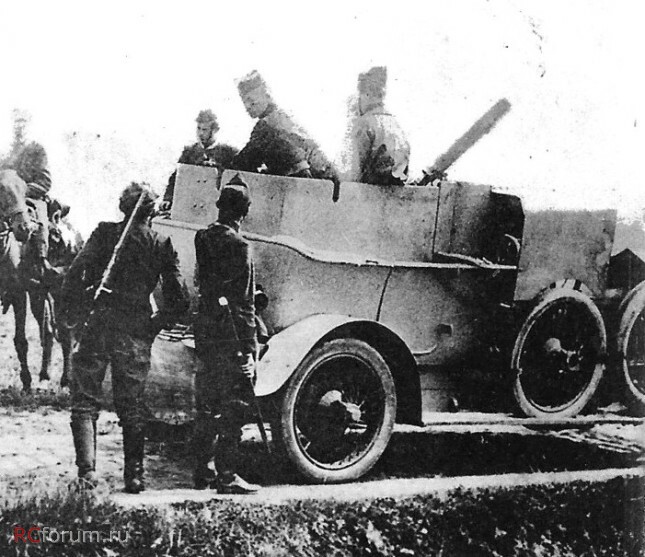
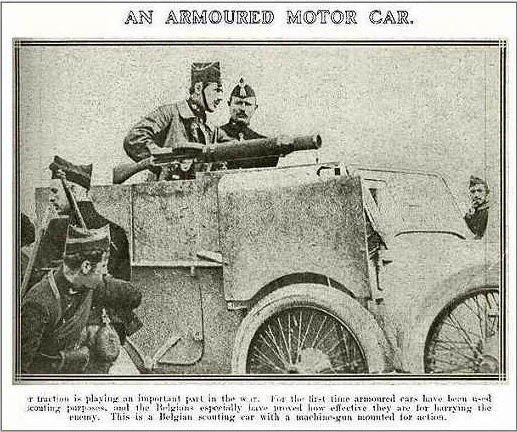
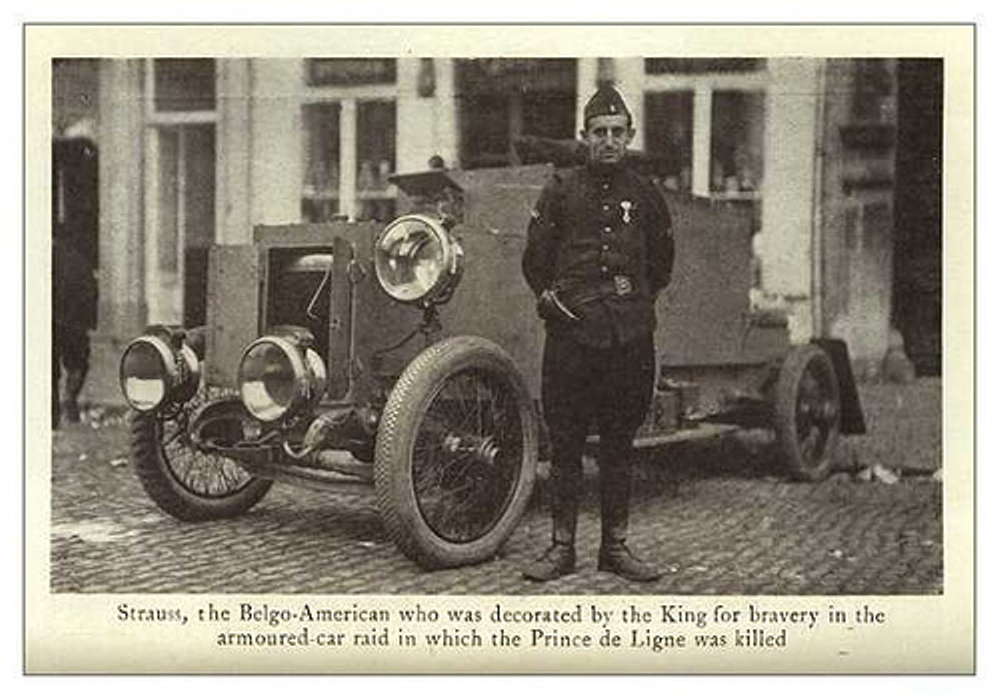
Henkart example quickly found imitators, and the Belgian army began to develop a variety of auxiliary armored vehicles, hastily constructed, generally primitive, and insufficiently armored. They operated according to the tactics adopted in many countries before the war – primarily as part of the cavalry, providing support during surprise attacks.
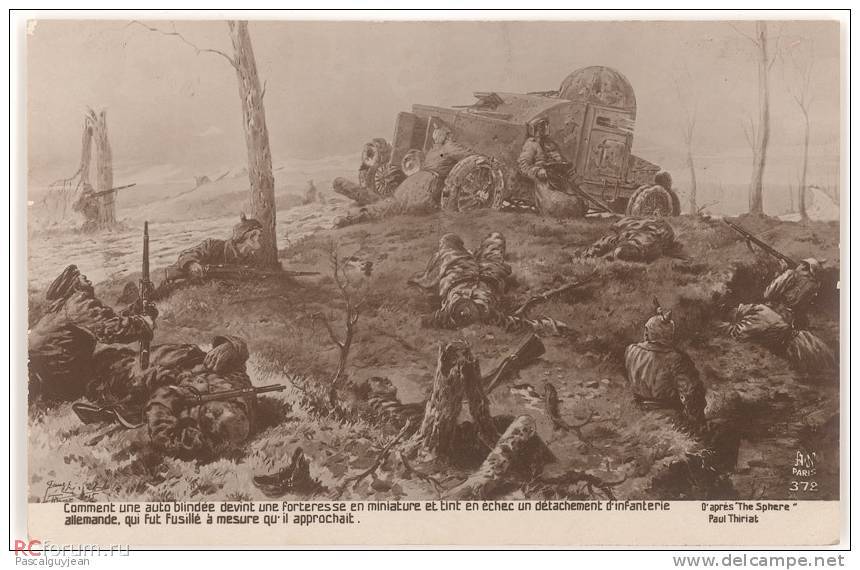
After passing through Belgium, the Germans rushed toward Paris, leaving reserve divisions and militia (Landwehr) in Flanders to suppress resistance. Artillery was in short supply, and the Belgian armored cars fought quite successfully on the roads of the almost completely occupied country. The very first captured armored car appeared in the hands of the Germans, probably on August 24, 1914. During a Belgian counterattack against the positions of the Prussian Army’s 8th Reserve Infantry Regiment, Corporal Loschman managed to neutralize the entire crew of a Belgian armored car. It was subsequently captured by the Germans. Loschman, awarded the Iron Cross 2nd Class for this battle, reported: « Near the dam, a Belgian was sitting behind a tree and signaling back with his hand. After my captain looked through his binoculars, I fired twice and the signals stopped. Immediately after that, the armored car attacked, firing its machine gun at our positions. I am a good marksman. After the machine gun fired about 25 rounds, the armored car’s crew ceased to exist. On my advice, we went on the attack. From that day on, our unit had an armored car…” The captured armored cars (German units at least captured two Minervas) often remained with the Germans units that captured them at the beginning of the war, or were sent to the rear vehicle depots of those armies whose soldiers had managed to capture them. They were repaired, modernized (they added some form of partial roof to their Minervas), rearmed, but, as a rule, after a short period of service, they were sent to reserve or their armor was removed. Only a few were later able to participate in subsequent battles as part of special units. In the summer and fall of 1914, the French, British, Russians, and Germans were also engaged in similar improvisation, but the Belgians were the first to do so. Terms such as « auxiliary, » « surrogate, » and « homemade » entered military lexicon for armored cars. They were built using recovery materials: shields from damaged guns, boiler and ship iron. The upper part was usually left open; the hood and radiator were also often unarmored. As a result, the combat effectiveness of such vehicles left much to be desired. Later, the construction of auxiliary armored vehicles began to be taken more seriously, combat losses forcing better armor studies. Such vehicles were built in various countries until the end of World War I, and in the territories of the former German, Austro-Hungarian, and Russian empires, where armed conflicts continued after 1918, the production of substitute armored cars even increased, especially in Germany. However, already in 1914, it became clear that armored car production should be factory-based. Priority in this task also belonged to the Belgians. On August 25, 1914, the French command decided to create one of the world’s first armored car units. The Captain Drouet Battery of Auto-cannons and Auto-Machine Guns in Le Havre, consisting of two machine gun and two cannon vehicles, was fully formed on September 7, i.e., in two weeks; it was reinforced by a platoon of scooter riders. Its combat equipment consisted of at least one Belgian Minerva semi-armored vehicle with a 37mm hotchkiss gun, quickly replaced by two Peugeot 37mm Hotchkiss naval guns (Hotchkiss Canon de 37 mm modèle 1885) auto-cannons. The other two were equipped with machine guns from the same company. However, the crew protection of these armored vehicles was insufficient.
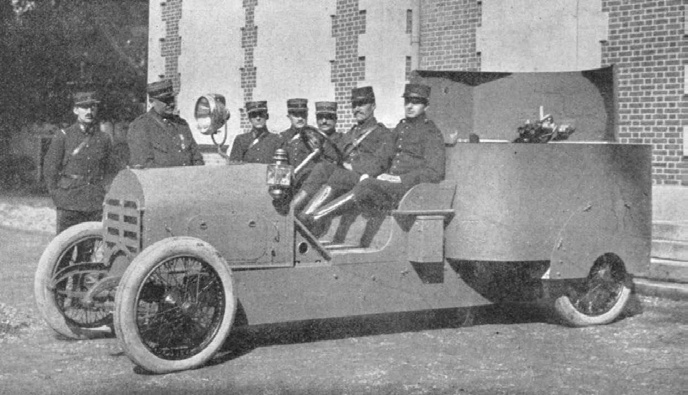
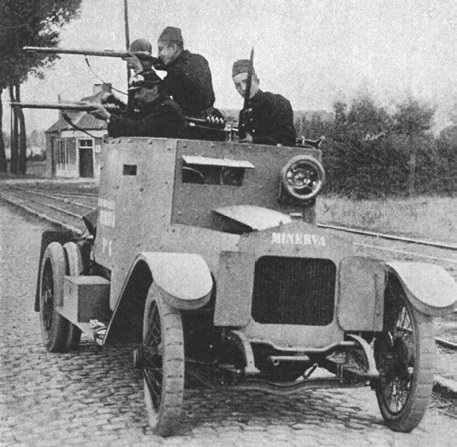
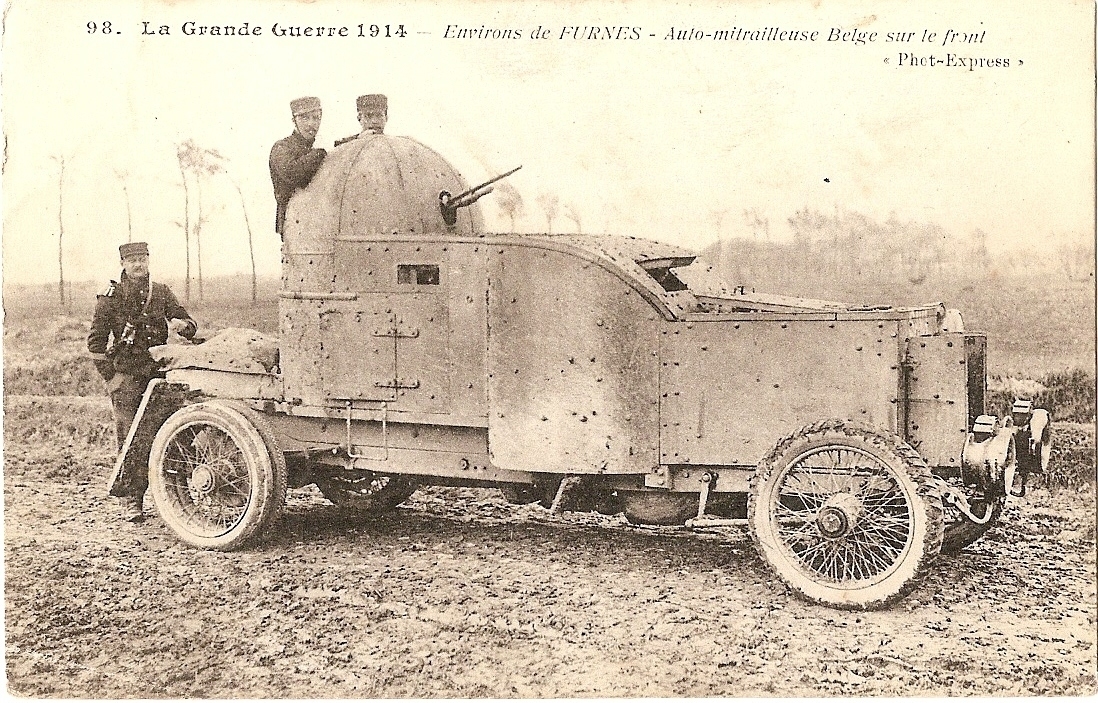
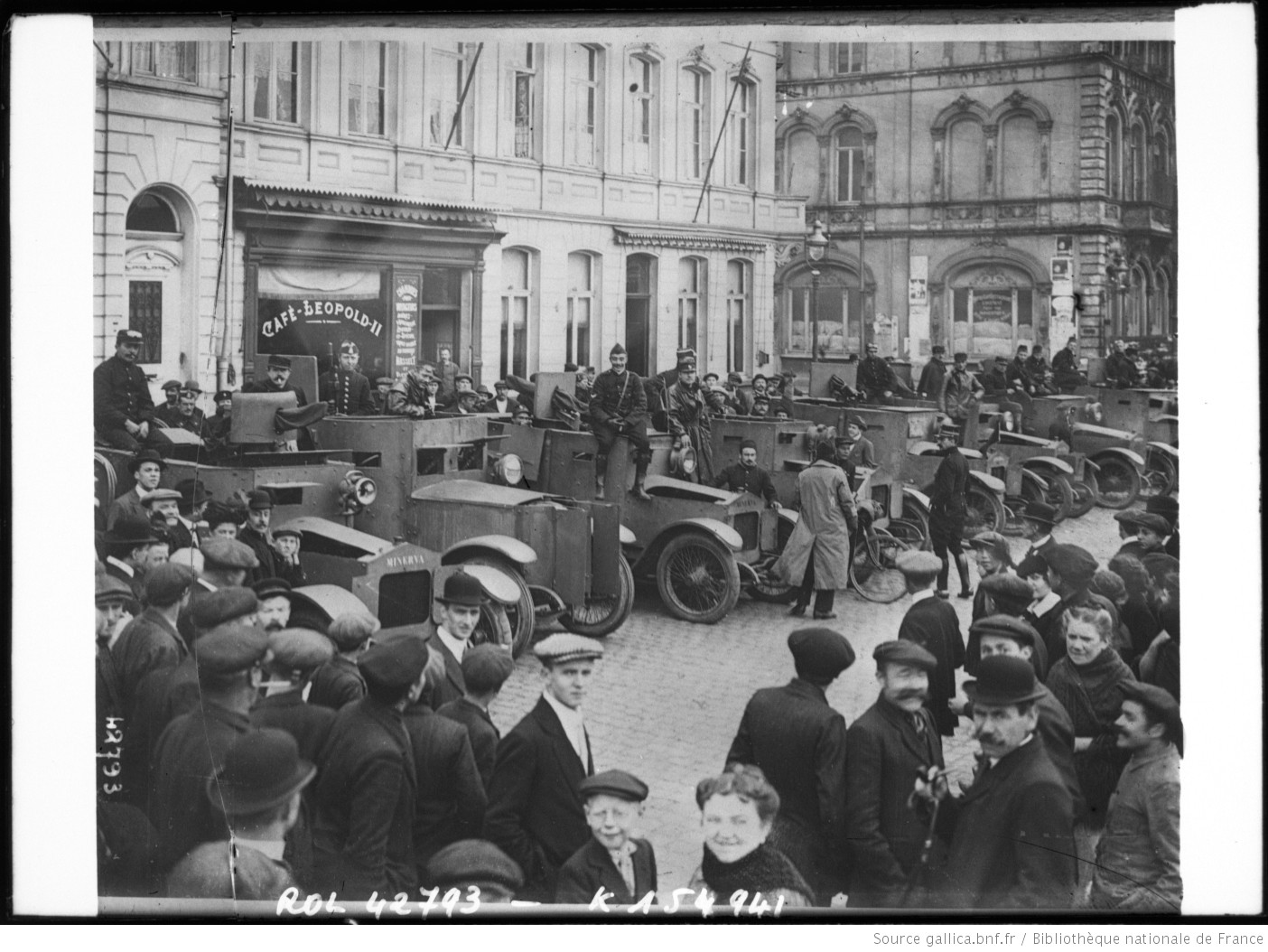
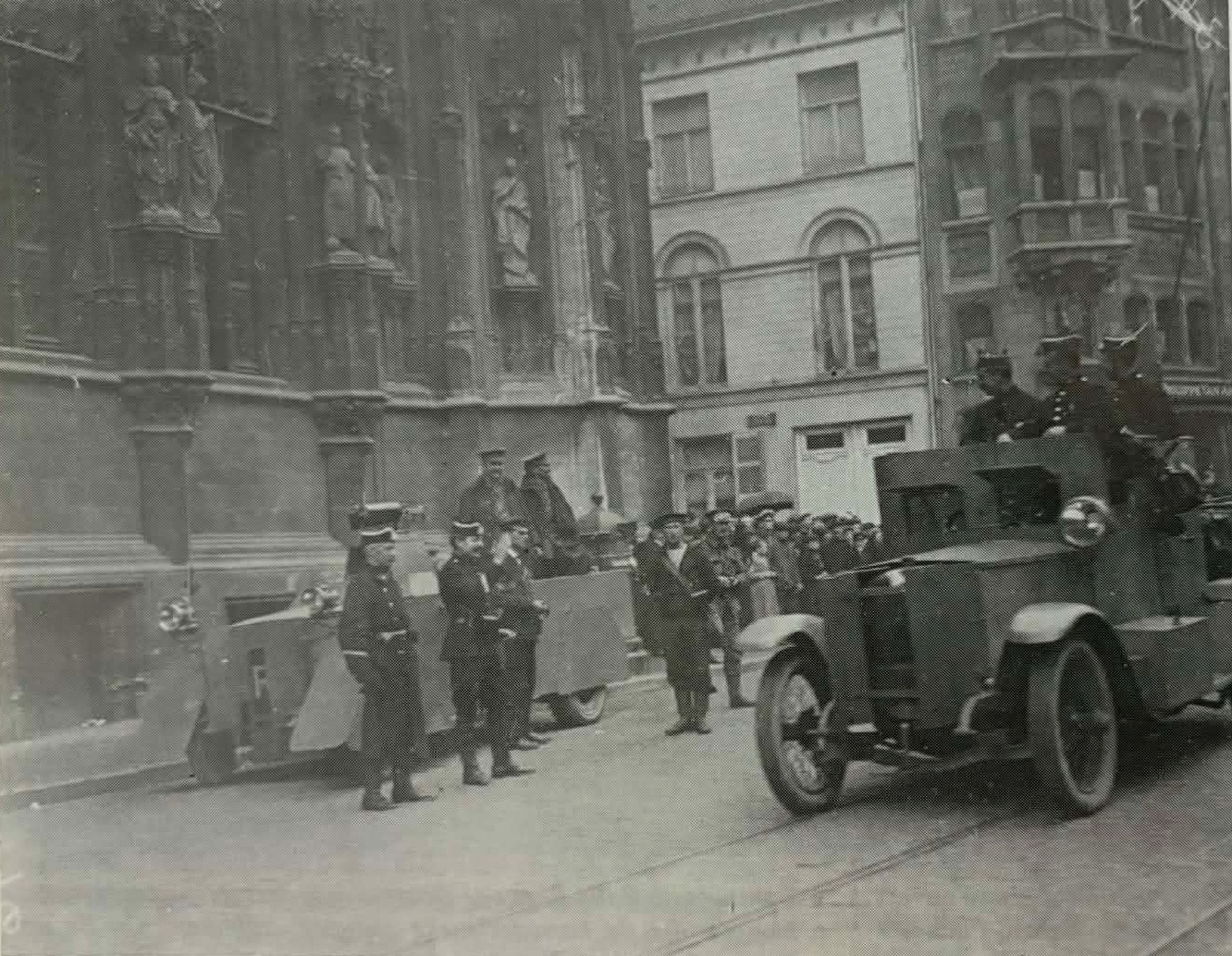
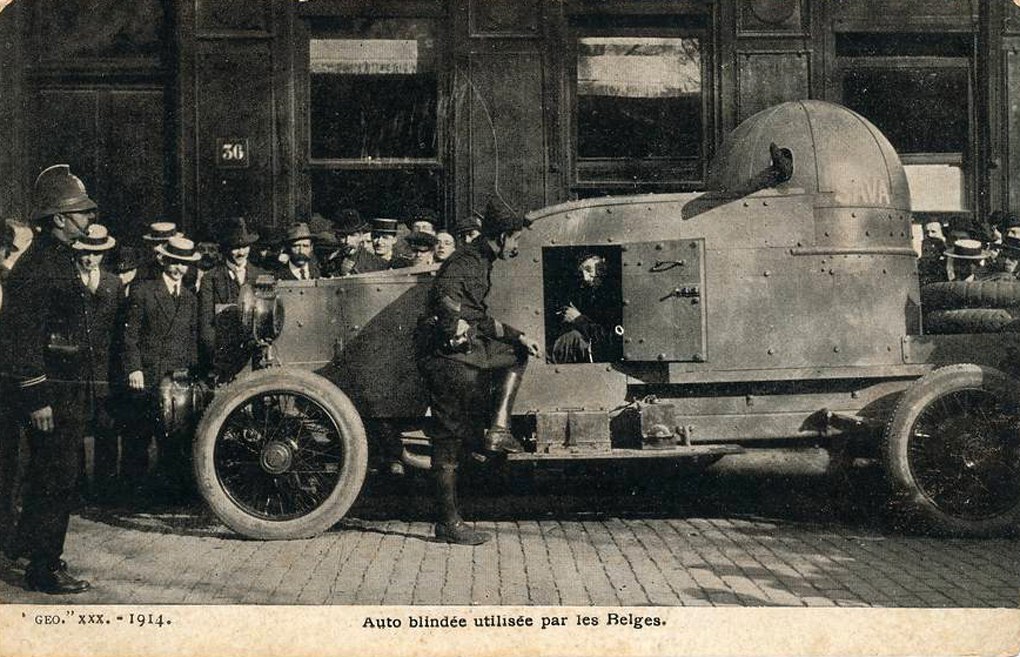
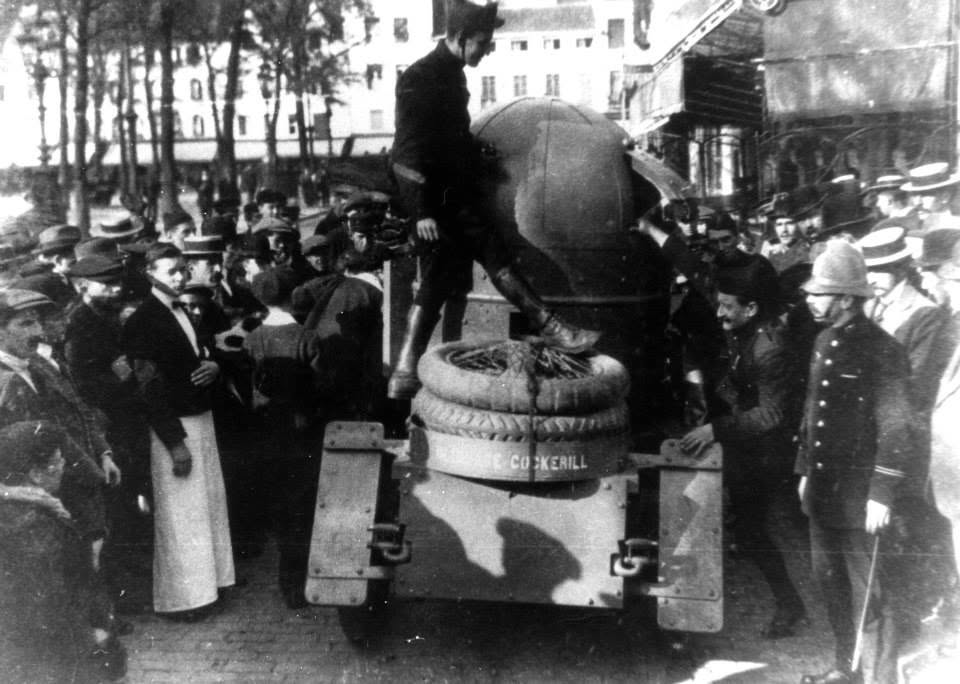
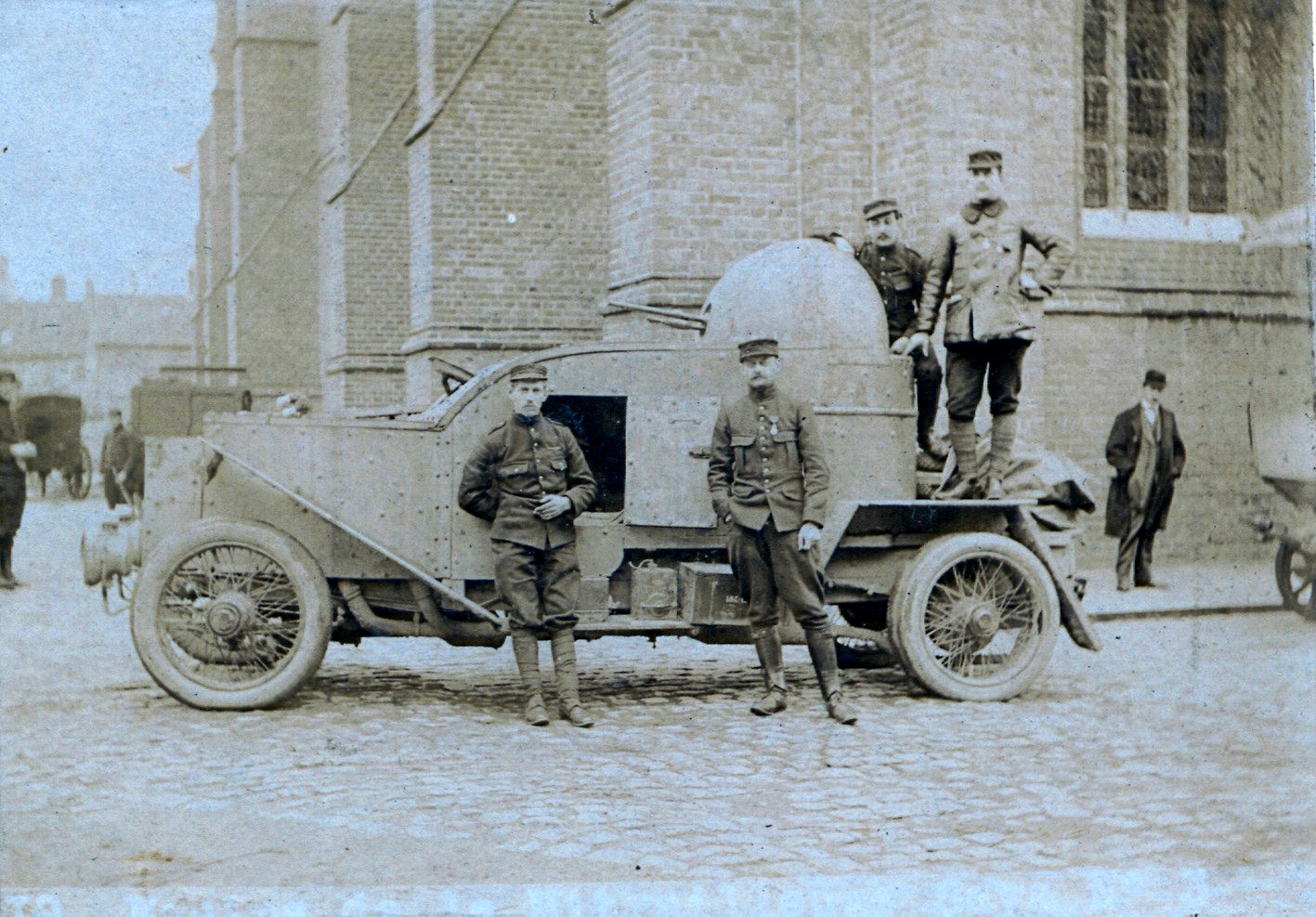
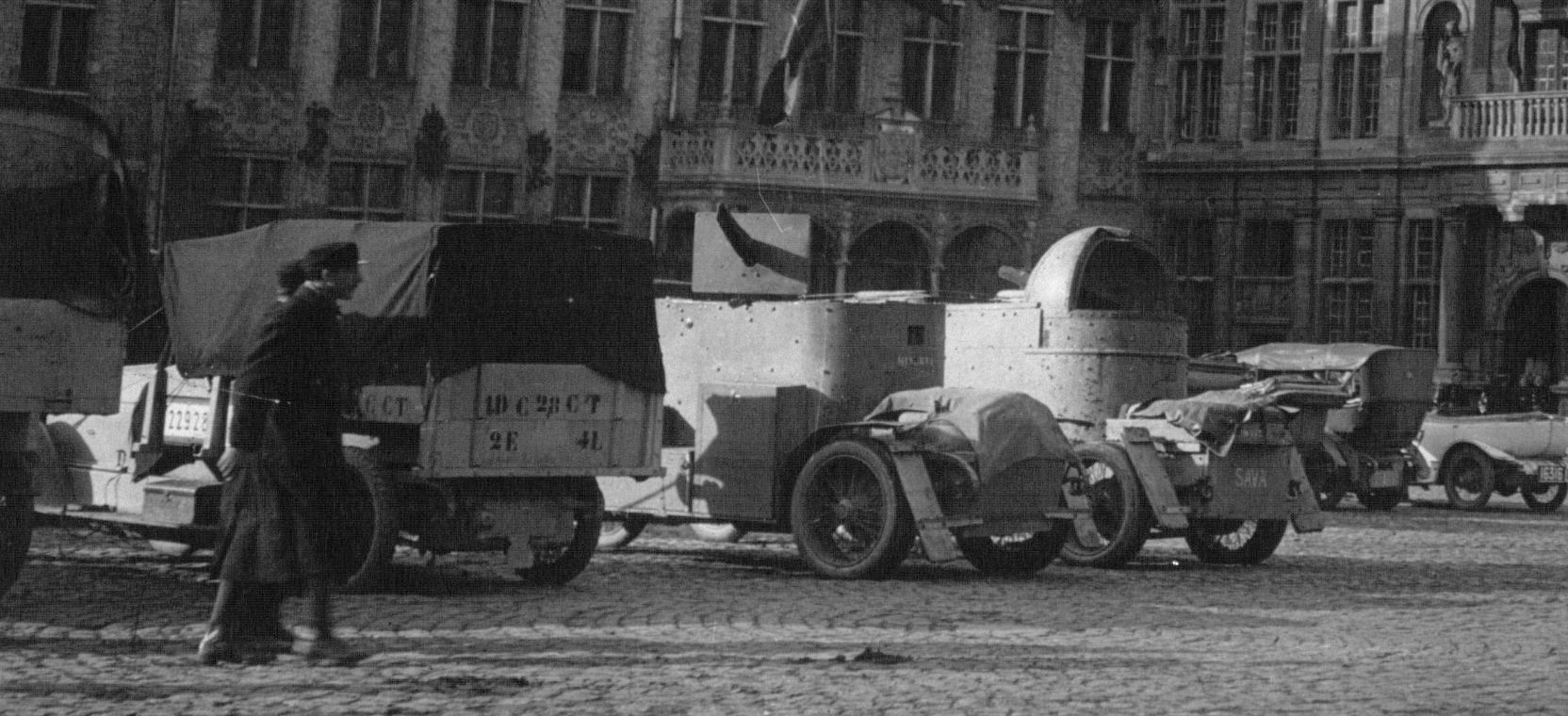
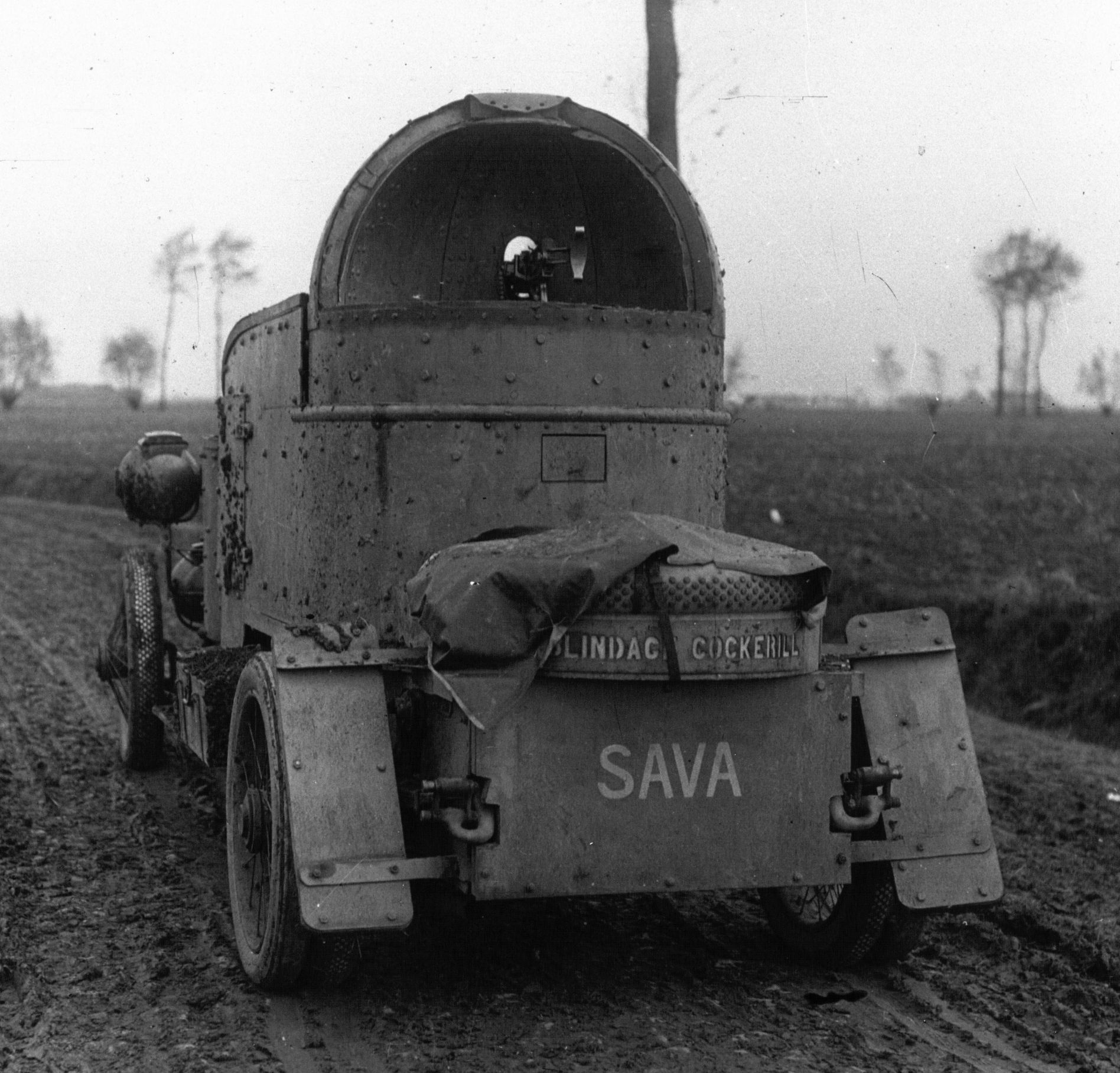
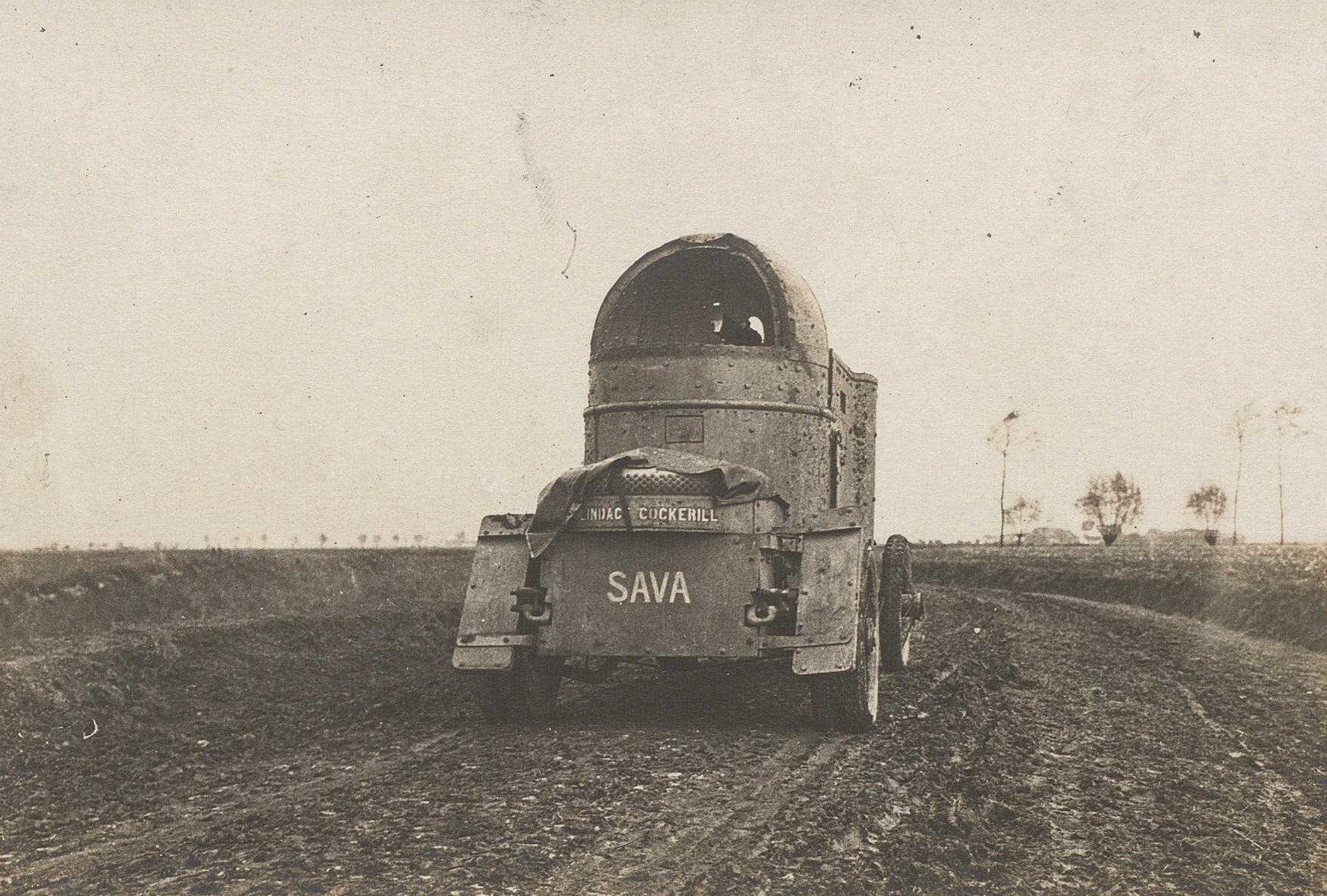
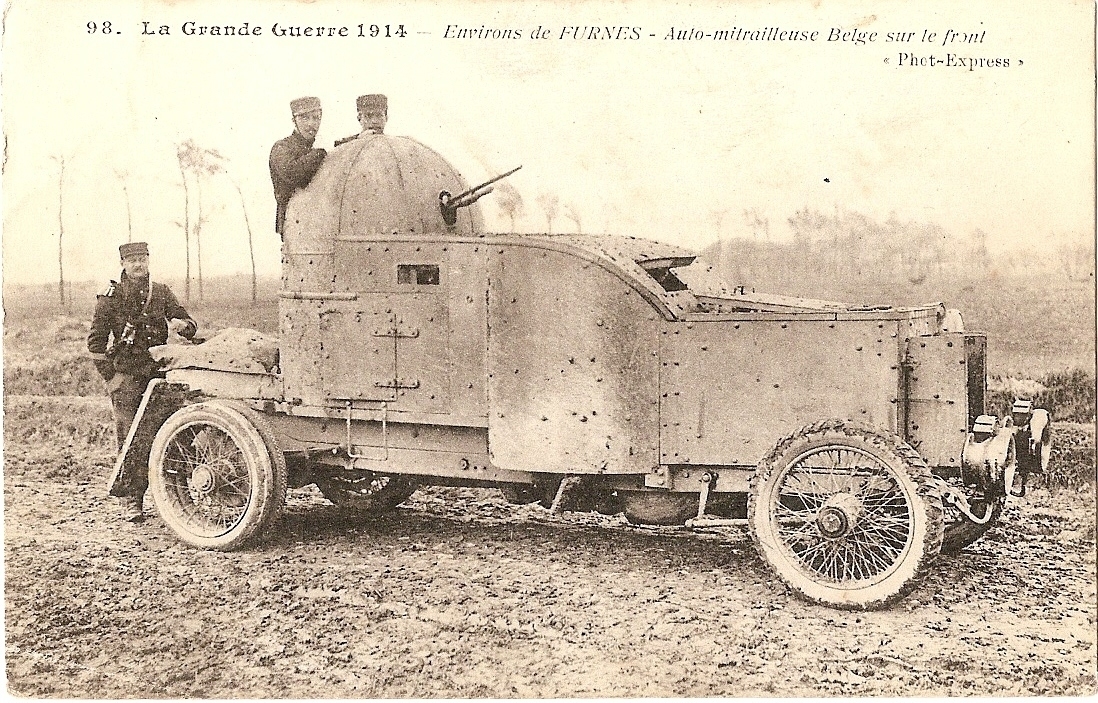
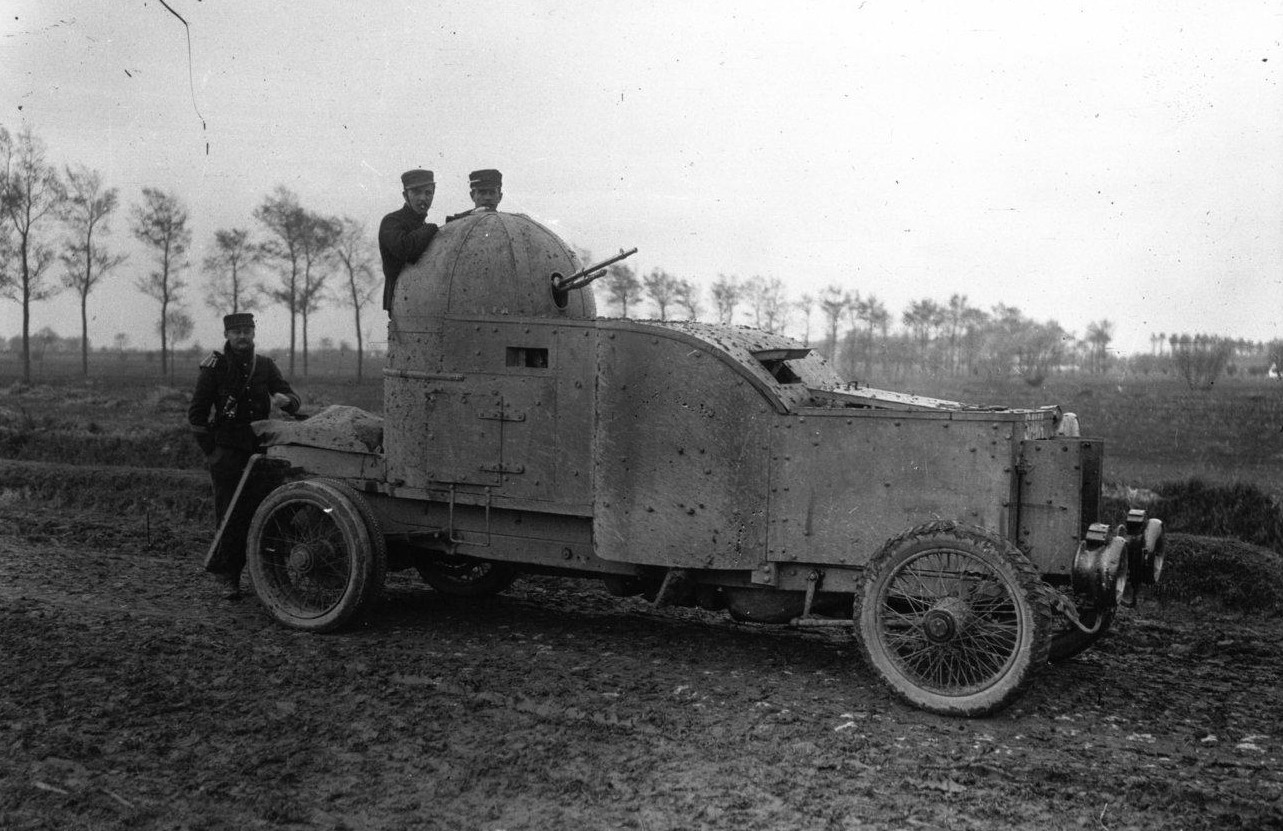
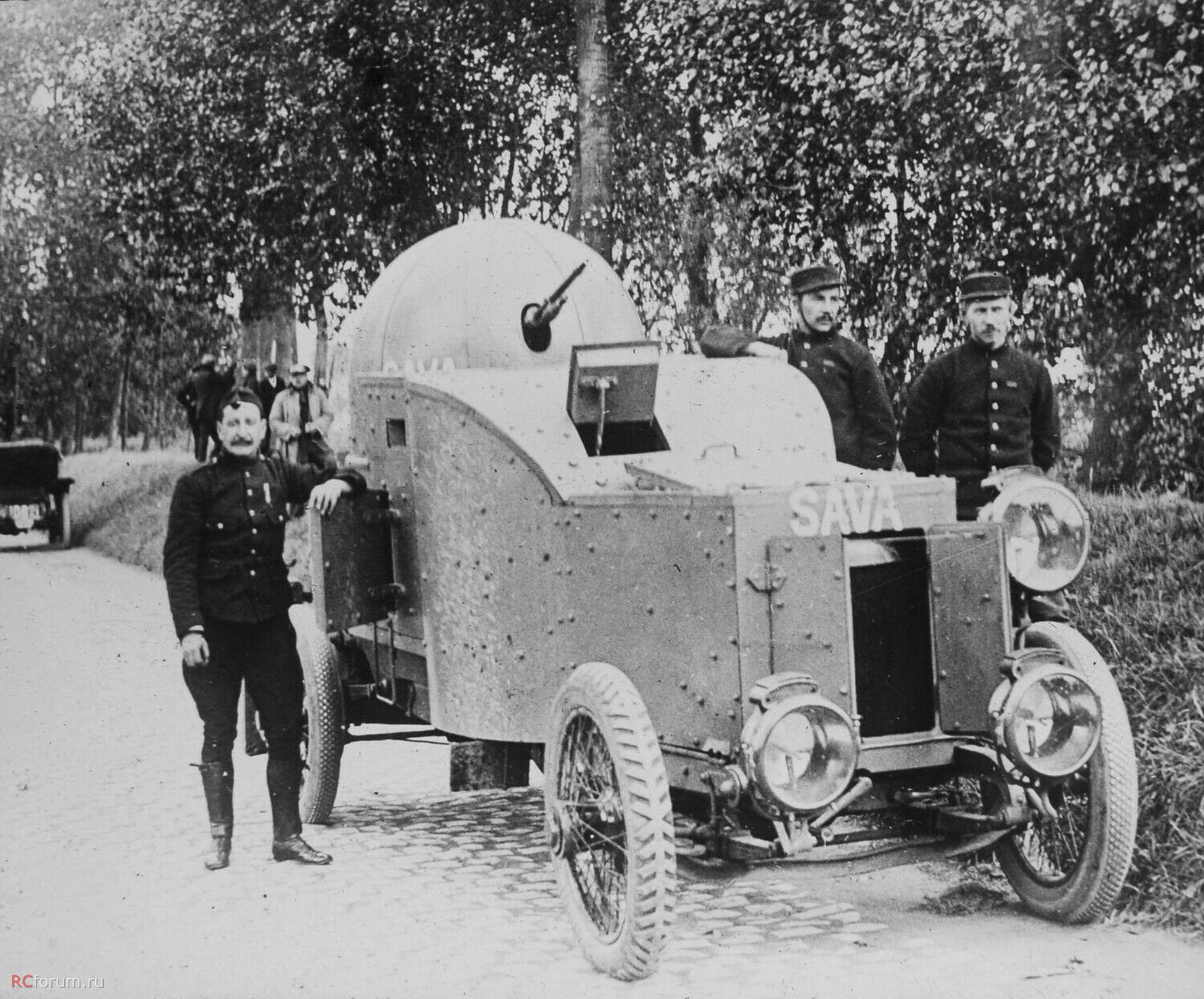
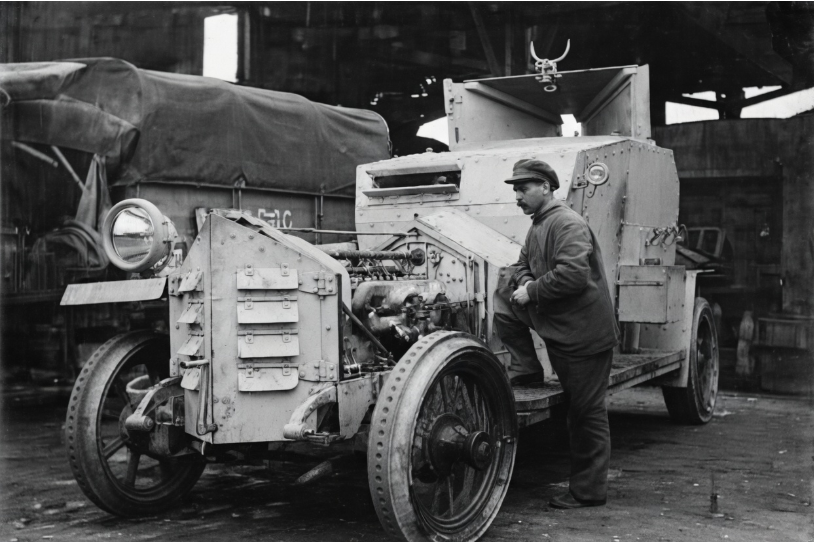
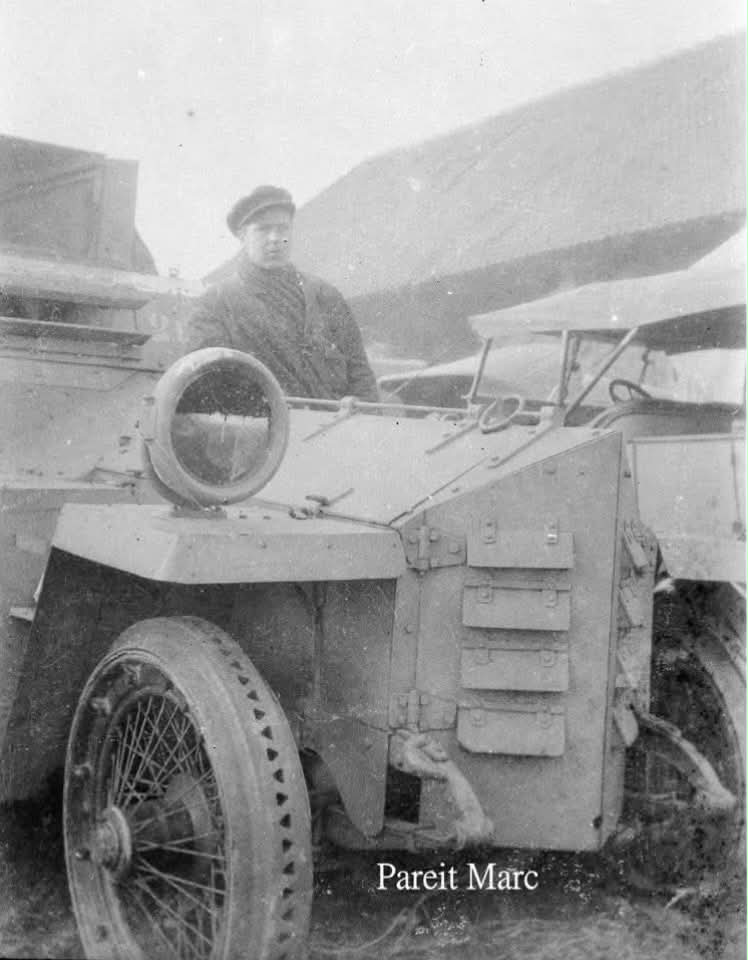
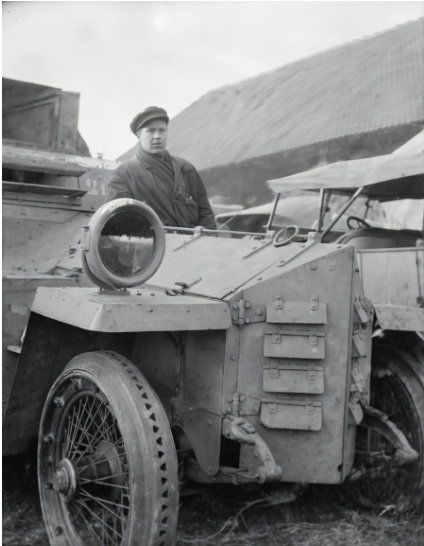
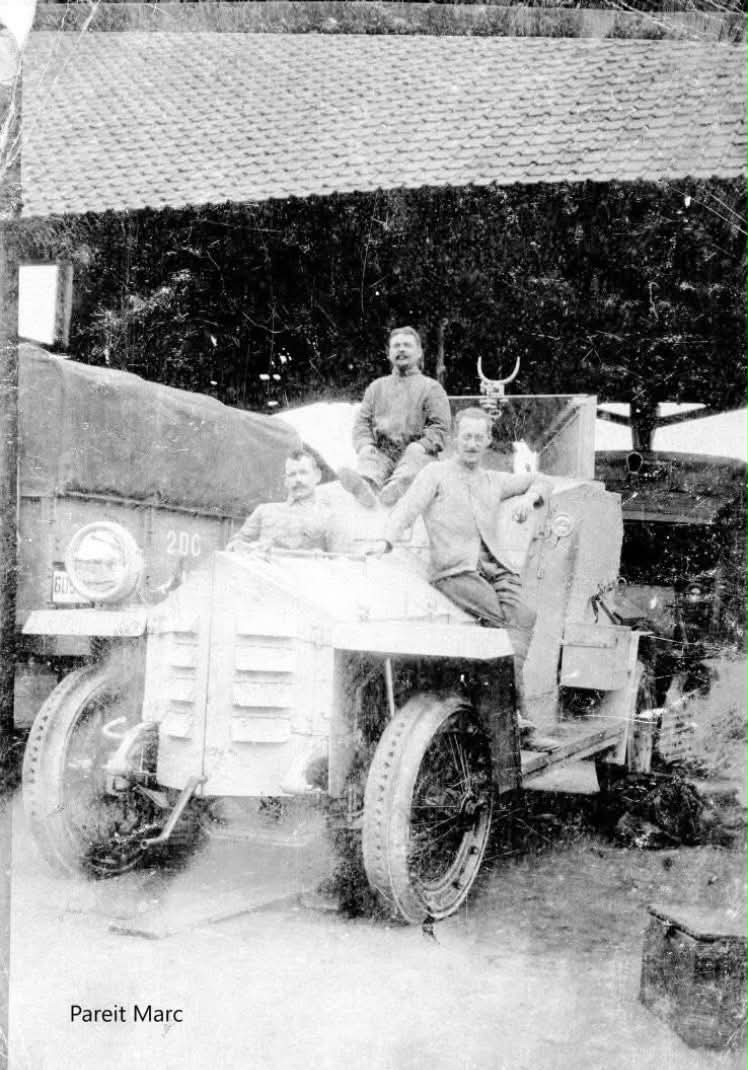
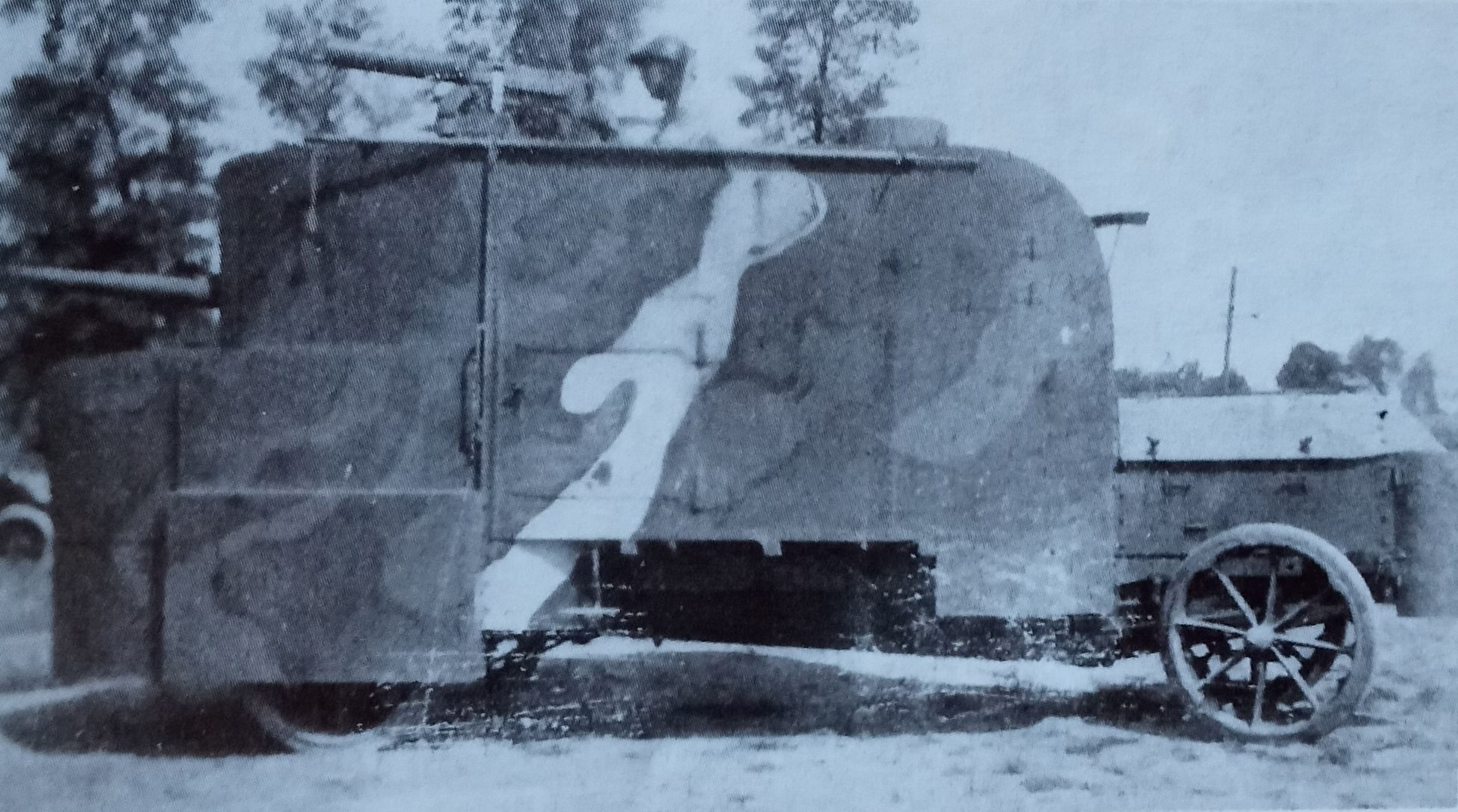
Soon, the Royal Belgian Army withdrew to Antwerp. In September, the activity of Belgian armored cars increased – their number increased significantly. About 30 identical Minerva combat vehicles (Auto-mitrailleuse Minerva Modèle 1914), armored in the Cockerill shipyard workshops (Cockerill Yards Hoboken), entered service (the first one on August 31, 1914 or September 1st. These relatively simple armored cars – turretless and open-topped – were equipped with 38 hp engines (chassis Minerva type MM) and 26 hp engines (chassis Minerva type LL) and, as a rule, Hotchkiss machine guns; armor thickness did not exceed 7 mm, and the crew consisted of three to six people. They were designed before the war but were built in Antwerp during the German invasion. The design of the vehicle’s armored hull was extremely simple. To save time and production costs, no doors were included: the crew climbed into the vehicle through the open top, using the rear fenders and storage boxes mounted on the running boards as steps. According to the designers, this concept had a positive effect on the armored body’s strength. The machine gunner was protected only by a simple shield; other crew members could fire their standard small arms, but were not protected at all. The open top of the vehicle allowed enemy gunners to engage an unwary armored vehicle driver, and if the enemy was on high ground, the entire crew was in mortal danger. Surprisingly, the Belgians, and subsequently the French, adopted this concept. Although most of these armored vehicles remained open, they performed quite well in combat. Their advantages included their relatively light weight, which meant they had high speed and good maneuverability. The same Cockerill plant manufactured a small number of fully armored vehicles with a rotating hemispherical machine-gun turret open at the rear. The massive armored bodies were mounted on chassis manufactured by SAVA (Société Anversoise pour la Fabrication de Voitures Automobiles), armed with a Hotchkiss machine gun. The vehicle, weighing approximately 5 tons and powered by a 35-37 hp engine, was equipped with armor 4-5 mm thick. A very small number of these armored cars were made, probably only one or two. The early SAVA armored car followed the layout of the « Minerva » vehicles, with the difference that the sides of the open body were even lower, and the machine gun was not even protected by a shield.
In the fall of 1914, the Belgians began to form special armored car units – platoons (batteries) of four vehicles. They operated in counterattacks jointly with cavalry and cyclists, but were more often used to cover retreating infantry. On September 20, 1914, a British marine brigade landed at Dunkirk to support the Belgians; in early October, the British entered Antwerp. They had a small number of crudely manufactured aircraft ordered by the Royal Naval Air Service (RNAS) of the British Admiralty, armored cars on the chassis of Rolls-Royce and Clément-Talbot passenger cars.
They were assembled at the Dunkirk branch of the French shipyard Forges et Chantiers, where several French Renault cars were also armored. The armored Rolls-Royce and Talbot cars with the armored chassis of the Forges et Chantiers plant were almost identical in appearance. At least one Rolls-Royce was captured by the Germans. Armored cars on other passenger car chassis were also produced at Dunkirk. It is possible that several semi-armored vehicles on the chassis of Peugeot light trucks, equipped with 37-mm Hotchkiss cannons, were also manufactured there. One battery of French marines with such autocannons defended Ypres. German reports and memoirs record instances of armored vehicles being captured during the siege of Antwerp in September–October 1914. For example, on September 26, on the highway north of Aarschot, an attack by a Belgian armored car on a column of the 52nd Reserve Infantry Regiment of the Prussian Army was recorded. Approaching at high speed, the vehicle opened fire with two machine guns. The Germans returned rifle fire, killing the driver, and the out-of-control vehicle collided with a horse-drawn cart and overturned. Two Belgians were killed, two wounded were captured, and the vehicle fell into the hands of the Prussians. The chronicle of the 1st Royal Bavarian Reserve Corps records combat encounters with enemy armored cars on October 1, 2, 11, and 19, 1914; the Bavarians captured two armored cars. Some trophies even took part in a parade held by the Germans in Brussels on January 1, 1915. The Germans made extensive use of captured armored cars. For example, in March 1916, the newly formed 1st Armored Car Machine Gun Platoon of the Prussian Army was reinforced with a light Belgian armored car, the Minerva, model 1914 (in German terminology, the Radpanzer Minerva M.1914), captured in battles in Flanders. Another identical Minerva arrived at the unit from the 5th Reserve Automobile Depot in May of that year. In 1918, two vehicles of this type served in The German 7th Armored Car Machine Gun Platoon. Interesting records remain in the history of the 24th Reserve Infantry Regiment of the Royal Prussian Army regarding the events during the capture of Antwerp and the pursuit of the Allies retreating from the city: « Contacts with the enemy were fleeting; they retreated to the west and south. The Belgian armored cars caused us many troubles and some delays. Our infantry found themselves completely helpless in the fight against these monsters; even machine gun fire did not hinder their operations. And when a field artillery platoon arrived to assist us, the vehicles quickly disappeared, only to repeat the game a short time later. We regretted that we could not respond to the Belgians in kind. Our men assembled a homemade armored car, but the contraption looked most archaic and was so clumsy that it posed more of a danger to the crew than to the enemy. » This passage marks the first mention of the Germans constructing a surrogate armored car, and this was done by a regular infantry unit. Similar initiatives also took place in other units, including the German Volunteer Automobile Corps, where volunteers served with their own vehicles, usually officers and non-commissioned officers from the reserve.
The Defence of Antwerp: October 1914 :
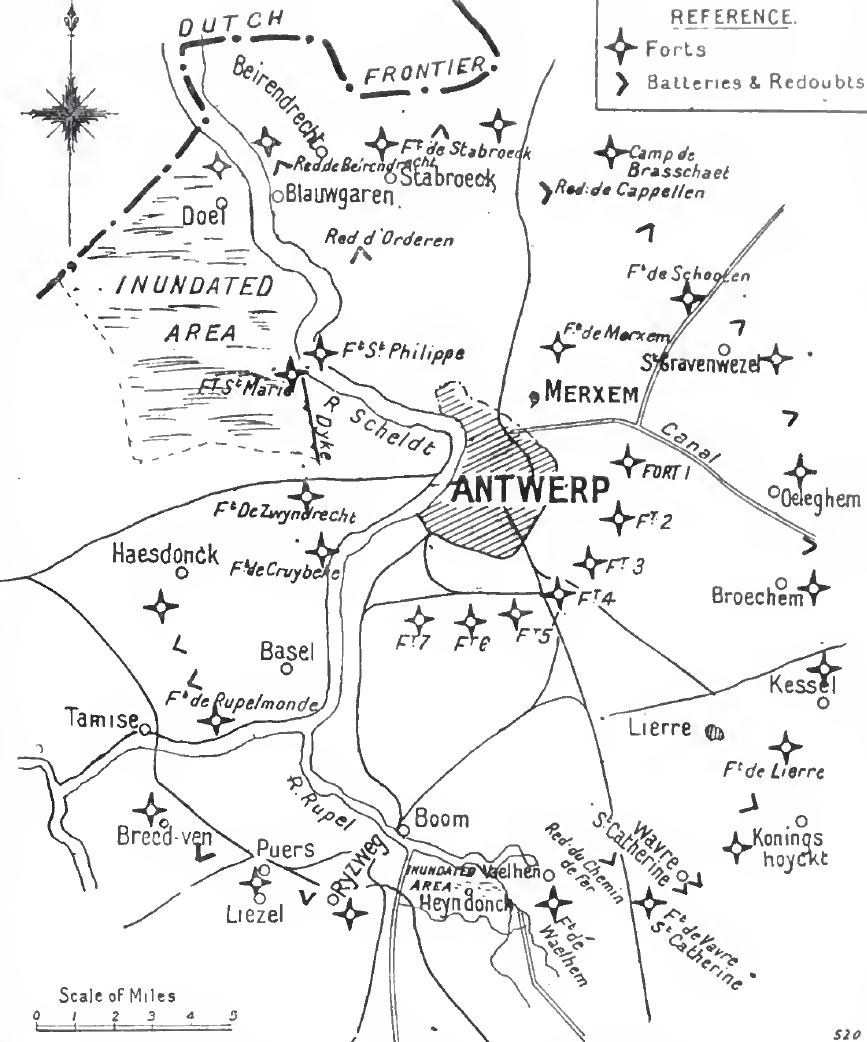
By October 1914, the Great War had already morphed into a brutal, grinding machine. While the primary British Expeditionary Force sat entrenched along the Aisne, a desperate side-plot was unfolding to the north. Antwerp—the crown jewel of the Low Countries’ strategic defense—was about to fall. The British effort to save it would go down in history as a textbook case of « too little, too late. » Antwerp’s geographic position at the head of the Scheldt estuary made it an indispensable military hub. On paper, it was a fortress. In reality, it was a time capsule. The inner defensive ring, designed by the engineer Brialmont in the 1860s, was built of outdated brick. Though a modern concrete outer ring had been approved in 1906, years of bureaucratic infighting and budget cuts meant that by the time the German juggernaut arrived in 1914, the defenses were highly incomplete. Gaps riddled the telephone networks, gun turrets lacked concrete foundations, and the forts were garrisoned by 65,000 undertrained, poorly equipped older reservists. Worse still, observations from the 1905 Russo-Japanese War had already proven that these early concrete structures could not withstand modern 6-inch shells—let alone the monstrous siege mortars the Germans were bringing to the front. Despite their limitations, the Belgians refused to be passive victims. Under the leadership of King Albert I, the Belgian field army pulled back into Antwerp and launched a series of aggressive « sorties » (counter-attacks) against the vulnerable German flank. The first sortie on August 25 caught the Germans off guard, forcing them to halt a potential breakthrough to the coast. In a dark fit of frustration, retreating German forces retaliated with horrific atrocities against the civilian population, entirely razing the town of Aarschot and burning the world-famous university library at Leuven. A second sortie on September 9 saw Belgian cavalry successfully hunt the Germans out of Aarschot, capturing hundreds of prisoners. While these aggressive maneuvers cost the Belgians thousands of casualties, they achieved a critical strategic goal: they pinned down over 125,000 German troops who otherwise would have smashed through the weak Allied lines near Lille. The turning point came when German General Von Beseler deployed his secret weapons: the terrifying 305mm and 420mm super-heavy mortars. Beginning on September 27, these weapons pulverized Antwerp’s outer defenses from well beyond the range of Belgian artillery. Concrete walls two meters thick were ripped open like paper. At Fort Walem, a direct hit exploded the magazine; of the 100 men inside, only ten survived. When nearby artillery shells ruptured the banks of a massive reservoir, Belgian soldiers were tragically drowned in their own trenches. The defensive perimeter was shattered. With the Belgian government fleeing to Ostend and the army facing total encirclement, a desperate message was sent to the Allies. The British Expeditionary Force couldn’t spare a single trained soldier. Instead, Winston Churchill, then First Lord of the Admiralty, personally intervened. Churchill arrived in Antwerp by special train on October 3, promising reinforcements. What he didn’t tell his desperate hosts was that the newly formed Royal Naval Division he deployed was largely made up of raw, 21-year-old volunteer reservists. Some had only a few days of service; many arrived with no training and, in some cases, no weapons at all. One platoon consisted entirely of aging « pensioner sergeants. » Despite their lack of preparation, these men fought bravely alongside the battered Belgian divisions, temporarily checking the German infantry advance along the Nethe River. By October 7, the situation was untenable. The Germans had successfully crossed the Scheldt to the west, threatening to lock the escape hatch. King Albert ordered a mass retreat. Under the cover of darkness, the main Belgian field army began a grueling, slow march along a narrow, 100-kilometer coastal corridor toward the Yser River. As they fled, British and Belgian rear-guards held the inner suburbs to buy time. At midnight, Von Beseler unleashed a merciless shrapnel bombardment on the city. The assault triggered a apocalyptic panic; over 500,000 civilian refugees choked the narrow roads, fleeing toward the Dutch border. In the chaos, communication lines collapsed. The British 1st Naval Brigade never received its retreat orders in time. Exhausted and cut off by the advancing enemy, 1,500 British sailors and 25,000 Belgian soldiers were forced to cross into the neutral Netherlands, where they were disarmed and interned for the rest of the war. On October 10, the final forts fell. Von Beseler marched triumphantly into the city, only to receive a bitter shock. There was no army left to surrender. The city’s keys were handed over by a quiet delegation of local council officials. The Belgian army had vanished into the mist, escaping down the coast to fight another day. As Von Beseler ruefully muttered to his officers: « Such a fortress, and no general. » Though Antwerp fell and the British suffered 2,600 casualties, the stubborn defense was a strategic victory. By delaying the German advance for an indispensable week, the defenders of Antwerp saved the Allied flank from total annihilation, setting the stage for the definitive stand at Ypres.
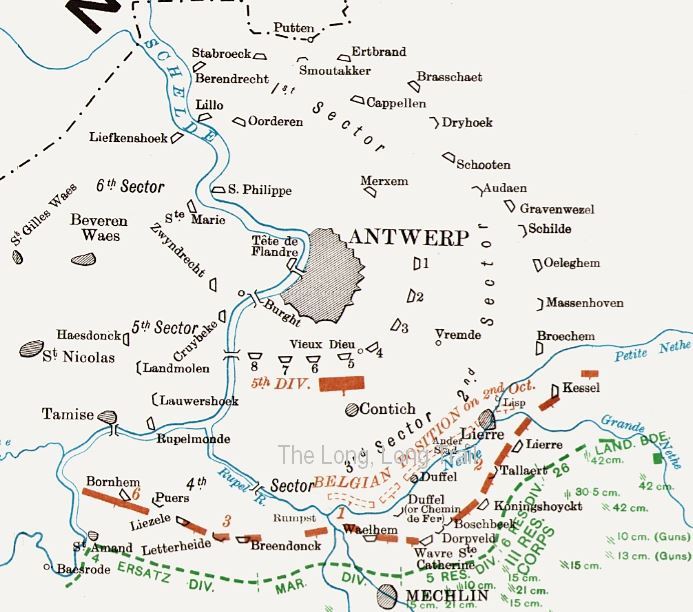
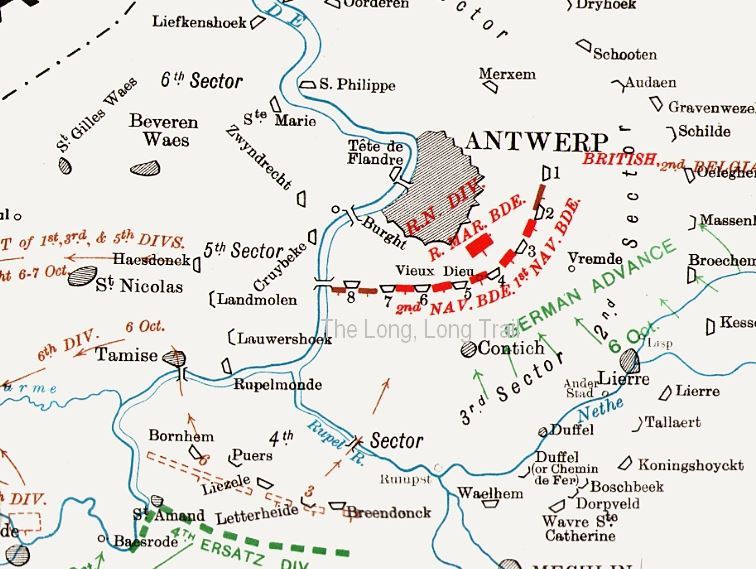
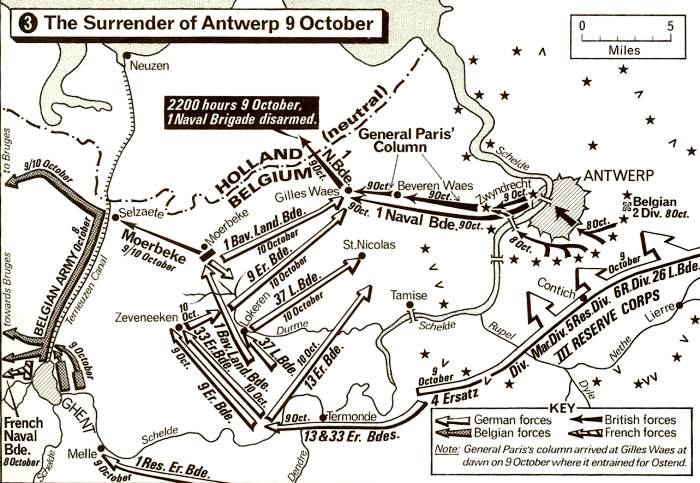
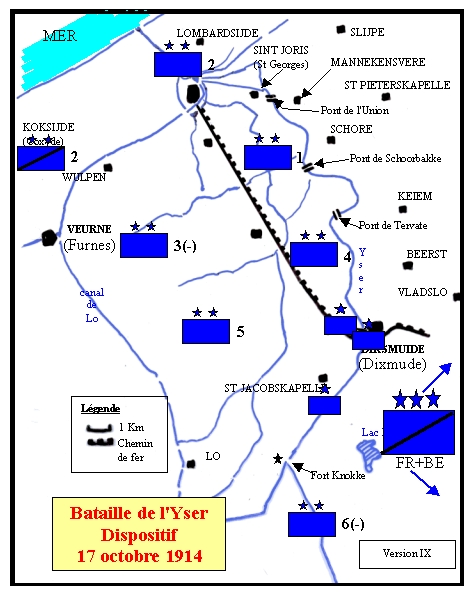
Belgian armored cars fought bravely. The Allied forces, who successfully retreated from Flanders in the fall of 1914, owed their salvation in no small part to them. They suffered losses, but performed their task of covering the retreating armies with excellence. The success of enemy armored cars in rearguard actions forced the German Supreme Command to consider building similar vehicles. On October 22, 1914, a telegram was sent to the General Inspectorate of Military Transport Communications with the following content: « According to reports received, the British have achieved good results with armored vehicles; it seems that these vehicles handle equally well in both forward and reverse motions. They are protected by armor from infantry fire and equipped with machine guns. We urge the Inspectorate to instruct domestic industry to build effective armored vehicles and to inform the High Command of the measures taken as soon as possible. » Apparently, it was difficult for the Germans to admit that « little » Belgium had resisted so long and so desperately, using equipment that Germany did not have. In their failures to combat unconventional weapons, they persistently blamed the British, although the armored cars that delayed their advance were mostly Belgian and French—at least ten of the latter participated in the fighting in Flanders. The measures demanded by the German command were not taken quickly. After the front in the Western European Theater of Operations (TEO) stabilized at the end of 1914, the need for them ceased to be acute. Combat operations in the West degenerated into so-called « positional » or « trench » warfare. The effectiveness of armored vehicles declined sharply; they proved powerless against fortified positions. Moreover, these vehicles could only operate on highways and dry dirt roads. The fighting in Belgium forced all warring parties to reconsider their pre-war doctrine: the use of armored vehicles to support cavalry attacks was deemed extremely unsuccessful. However, armored cars provided significant assistance to the infantry, especially in covering retreating troops on the roads. The Germans appreciated the Belgian tactics and took advantage of their experience. Beginning in mid-November 1914, the Belgian Command began gathering the scattered Belgian armored car units fighting in Flanders in the city of Calais where the battered Minerva armored cars were repaired (all Minerva armored cars will remain in the western front).
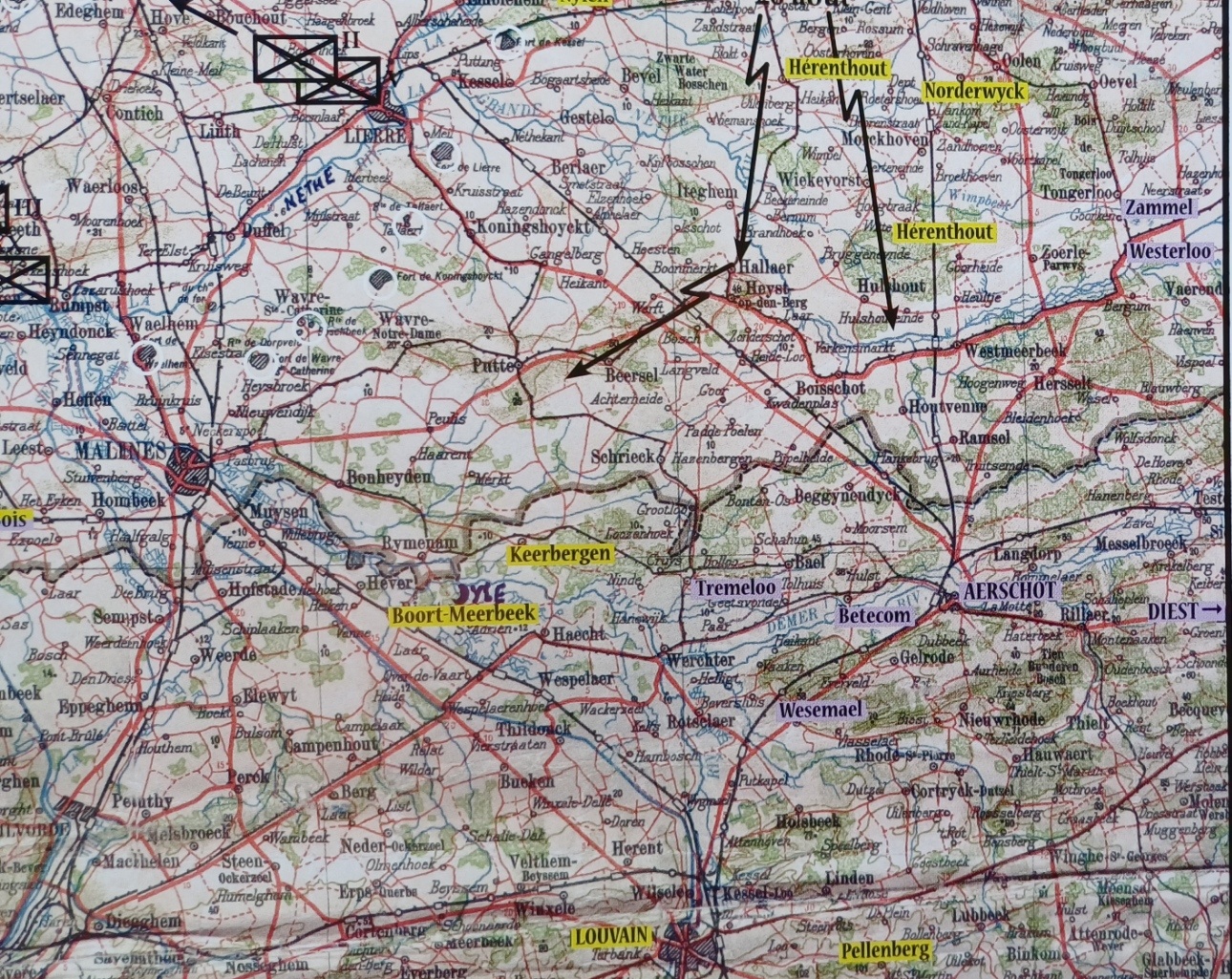
In purple, Belgian armored cars battles from August 25 to September 9, source tanmuseumnews
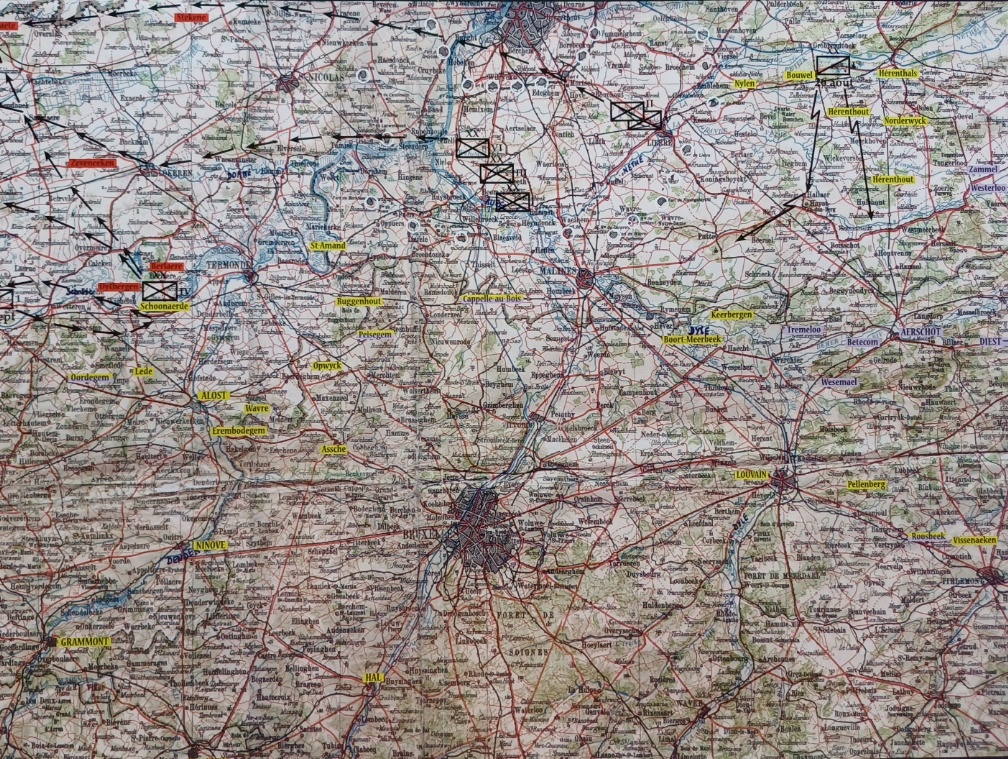
In yellow, Belgian armored cars battles from September 9 to September 30, source tanmuseumnews
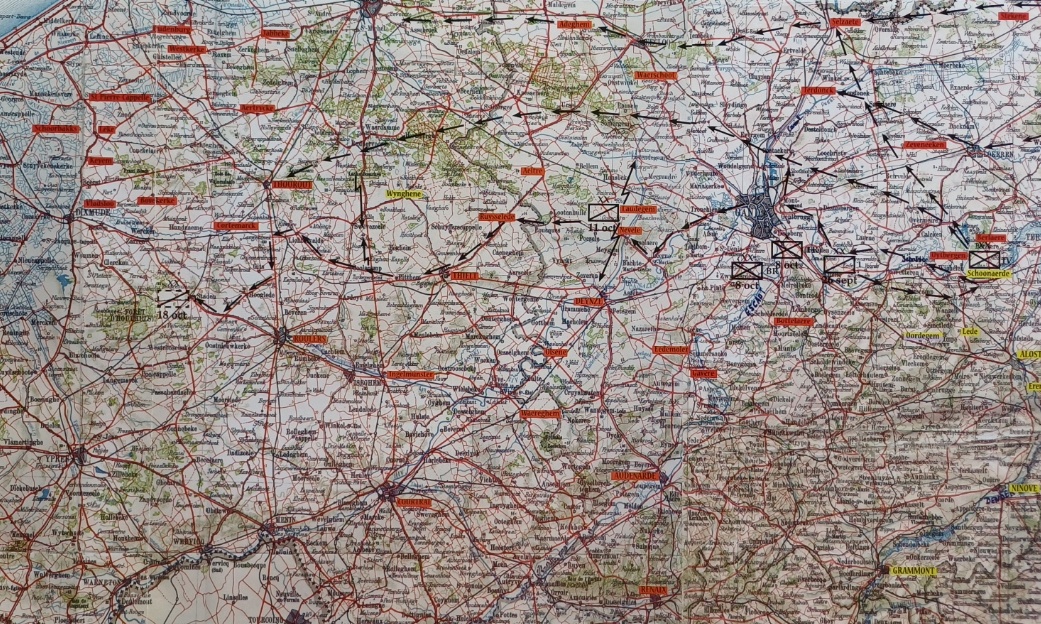
In red, Belgian armored cars battles from September 28 to October 18, source tanmuseumnews
THE LIBERATION BATTLES 1918
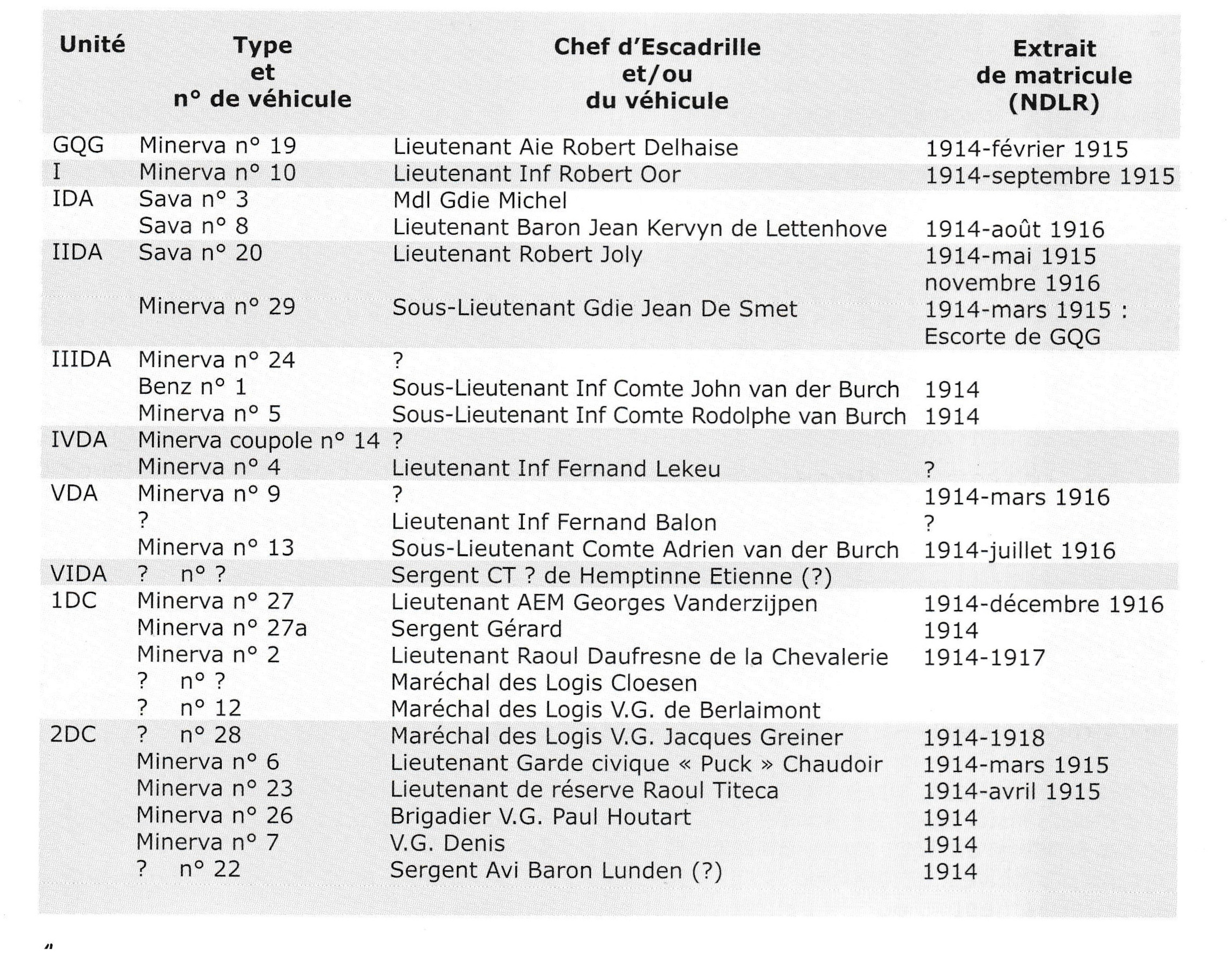
At the end of the war of movement, on November 2, 1914, two memoranda from the 3rd Section of General Headquarters (GQG) set out the allocation of the 27 ? (only 26 in the table) remaining armored cars to the various units. This list allowed at the maximum 22 Minervas.
source tankmuseumnews
The trench war (November 1914 – September 1918) :
With the end of the war of movement and the onset of trench warfare, the utility of armored cars diminished, and their crews were absorbed into mobile units for trench duty. The vehicles were employed in night combat or occasionally to secure key positions in the event of an enemy attack. On January 1, 1915, a bicycle squadron was established within each cavalry regiment.
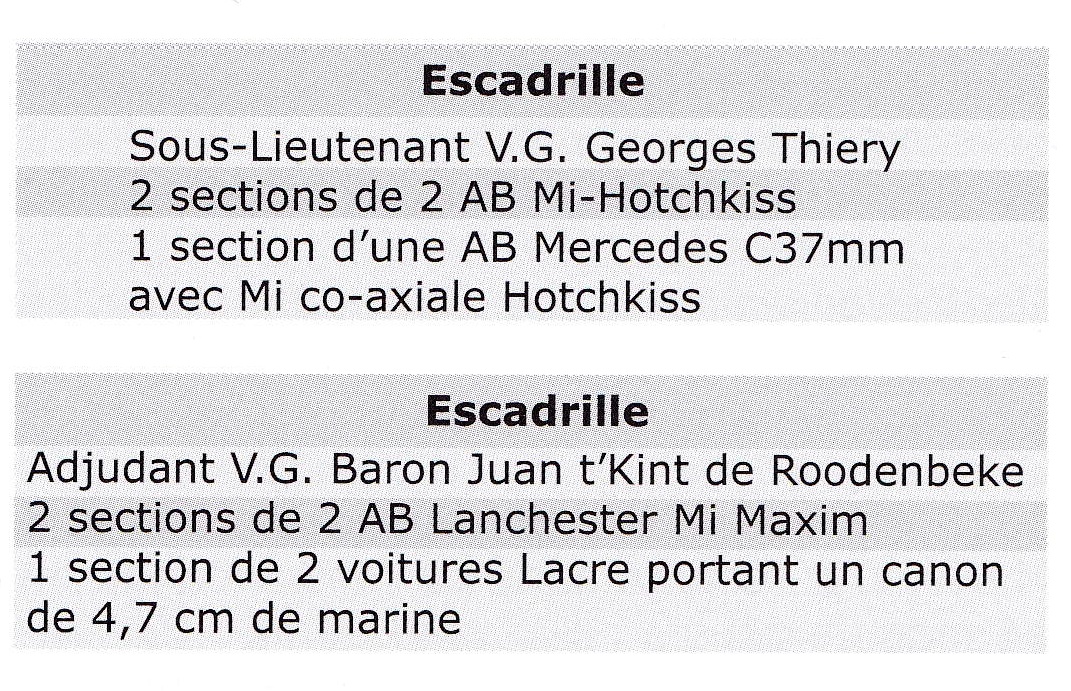
On December 7, 1915, an armored car and gun group—attached directly to Cavalry Division Headquarters—was formed by merging the armored cars from the two cavalry divisions. This group comprised two squadrons (escadrilles):
source tankmuseumnews
There is an exceptional serie of photos taken probably in 1916 on the North Sea coast, showing maneuvers of the armored car and gun group from the Cavalry Divisions headquarters. Here we can see the 1st Escadrille with its 4 Minervas and the armored Mercedes with its mixed Hotchkiss 37 mm gun and machine gun; and the 2nd Escadrille with its 4 Lanchesters and the 2 Lacre 47 mm gun-trucks ( one towed and one unarmored with the gun on the platform), the full armored Lacre truck is missing at that time, considering the tables of Escadrilles, it might have been delivered later.
The unit and its vehicles
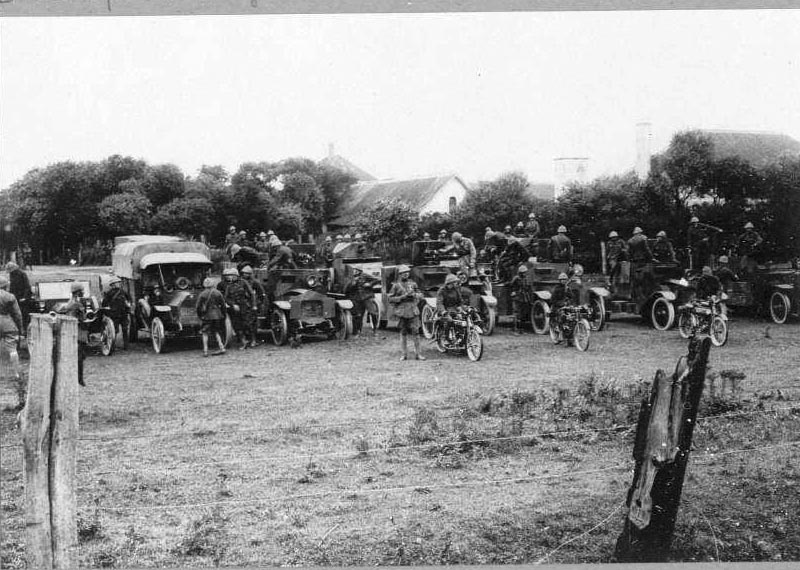
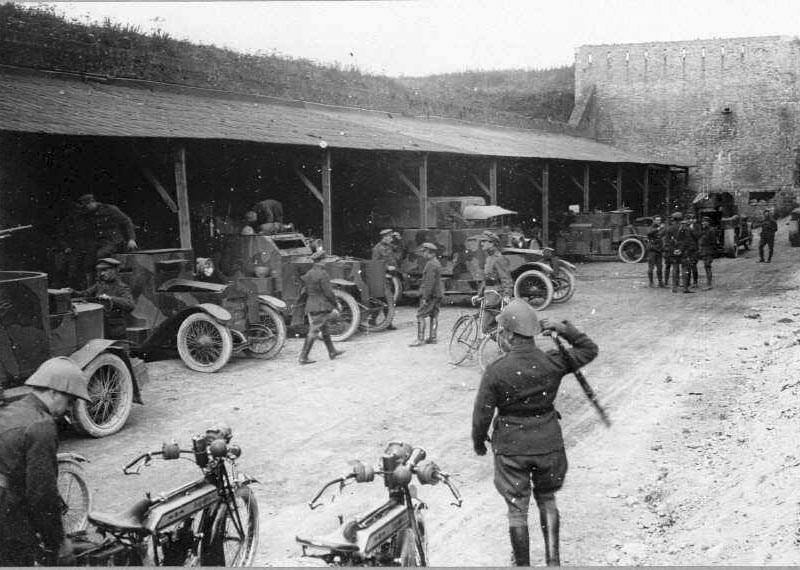
the 1st Escadrille two sections of two Minervas
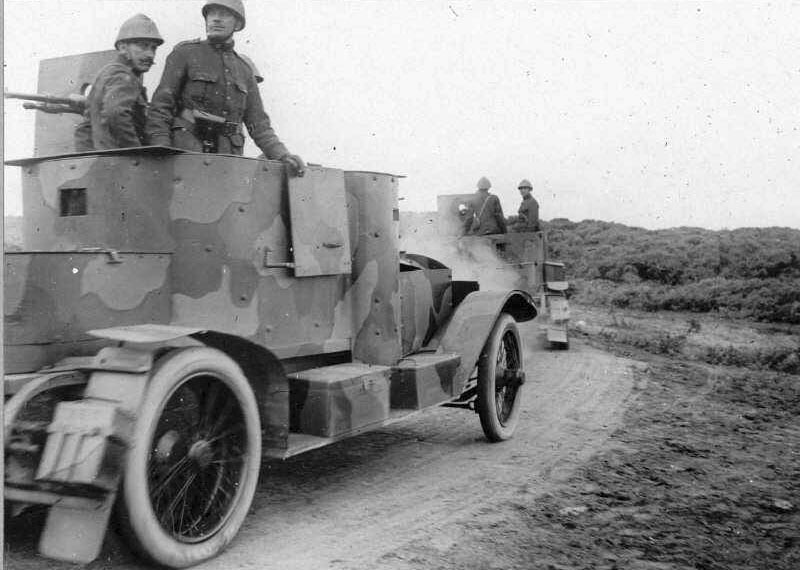
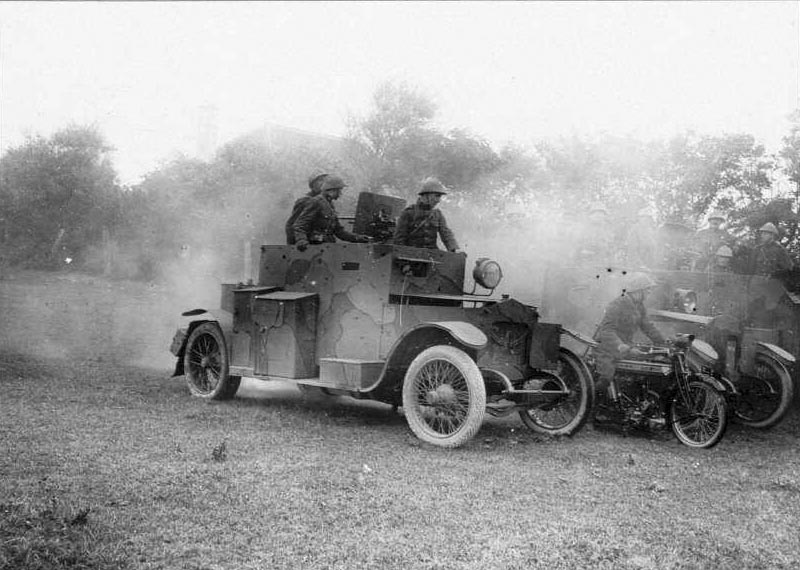
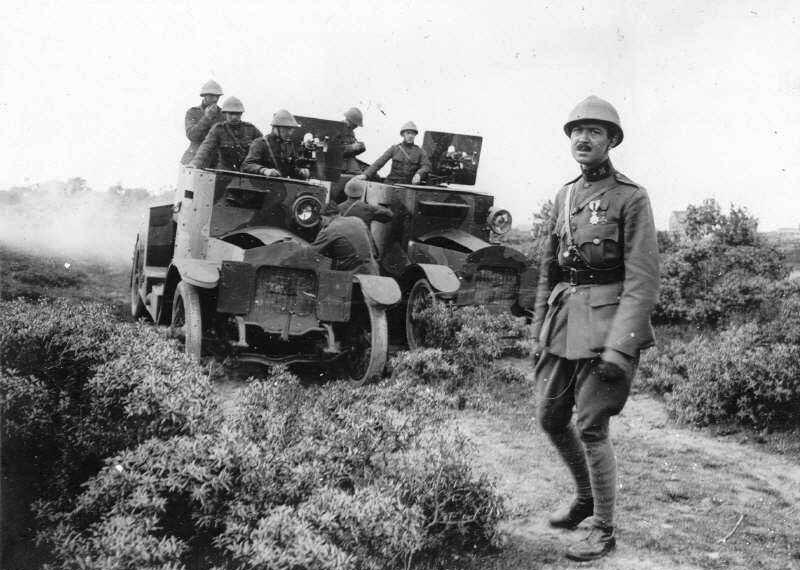
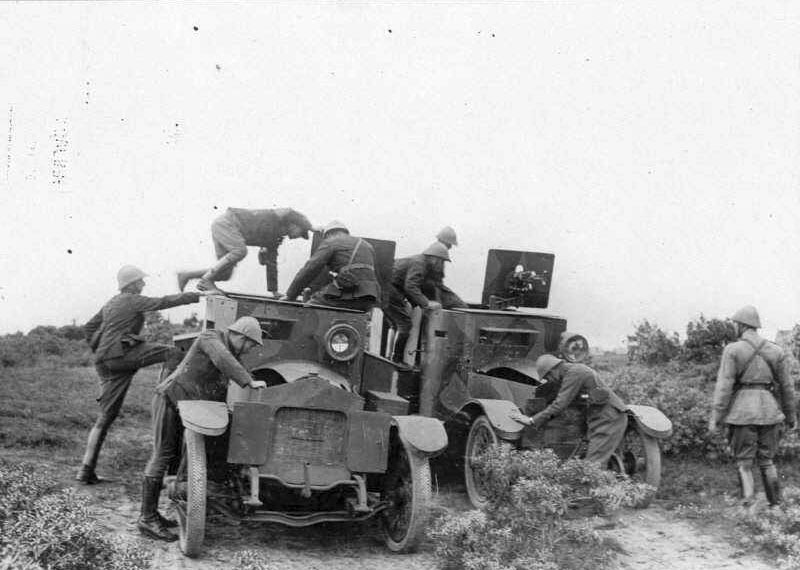
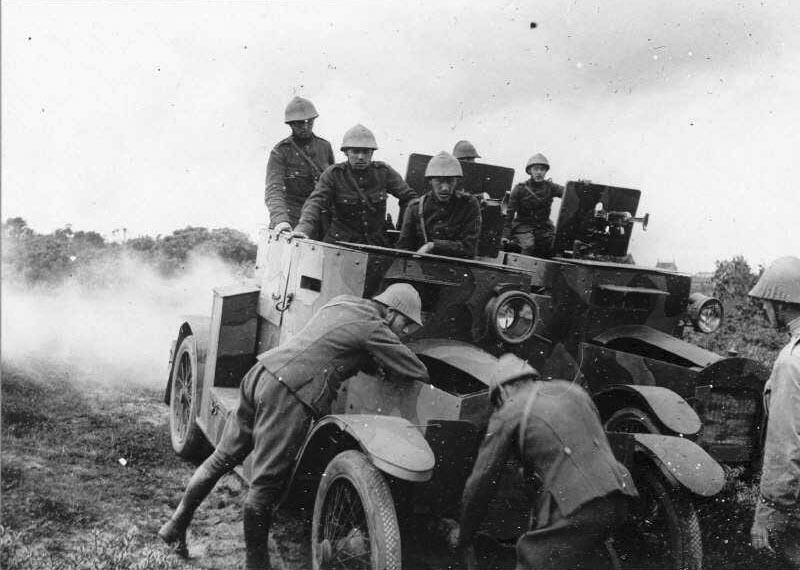
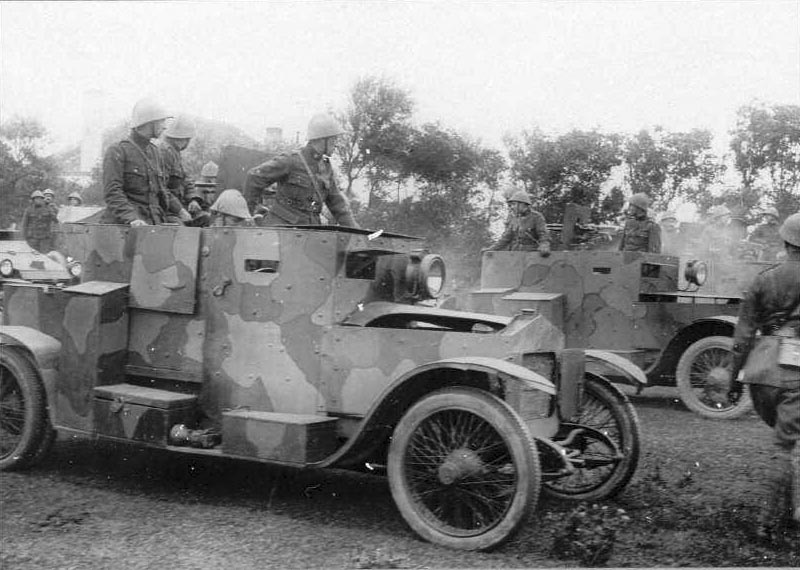
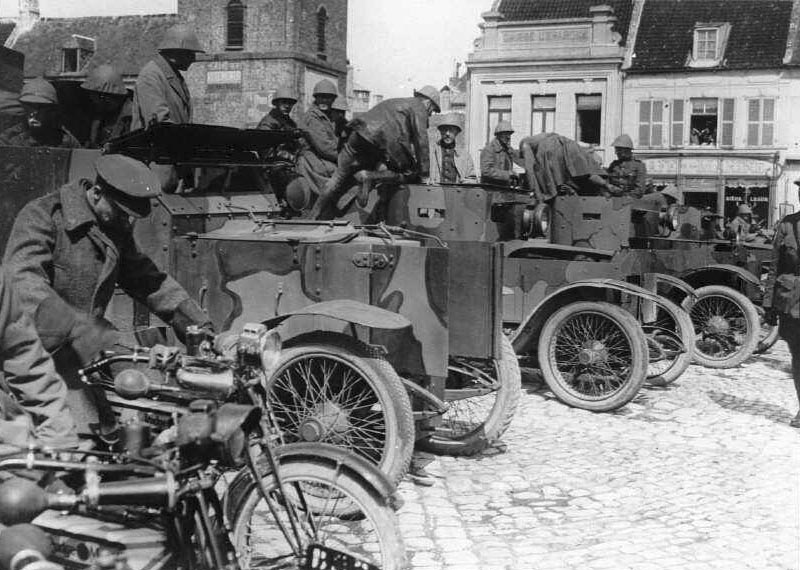
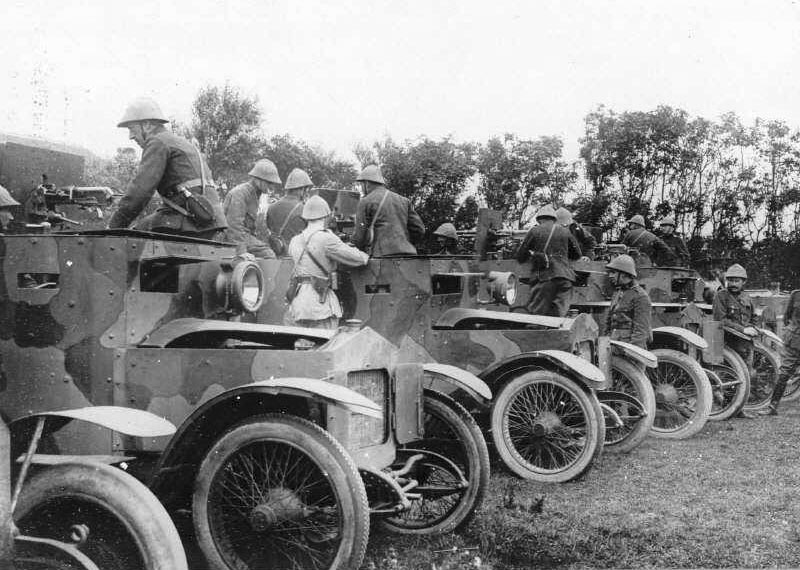
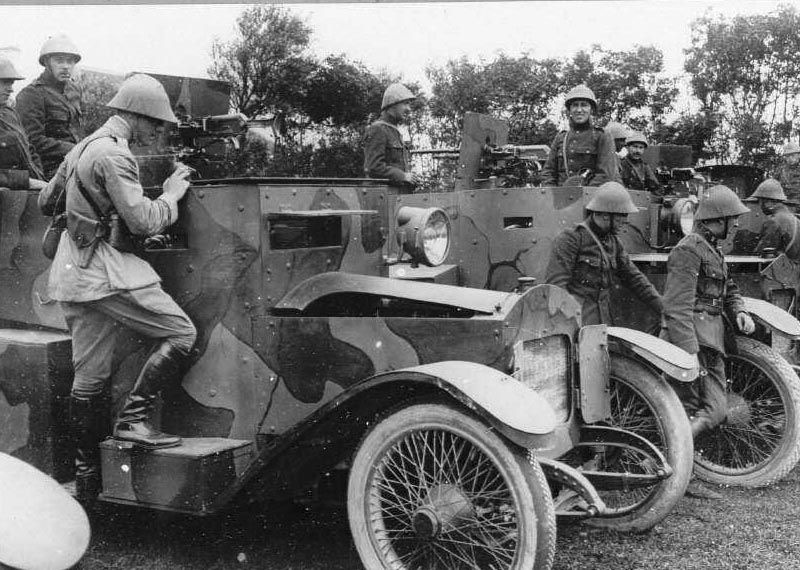
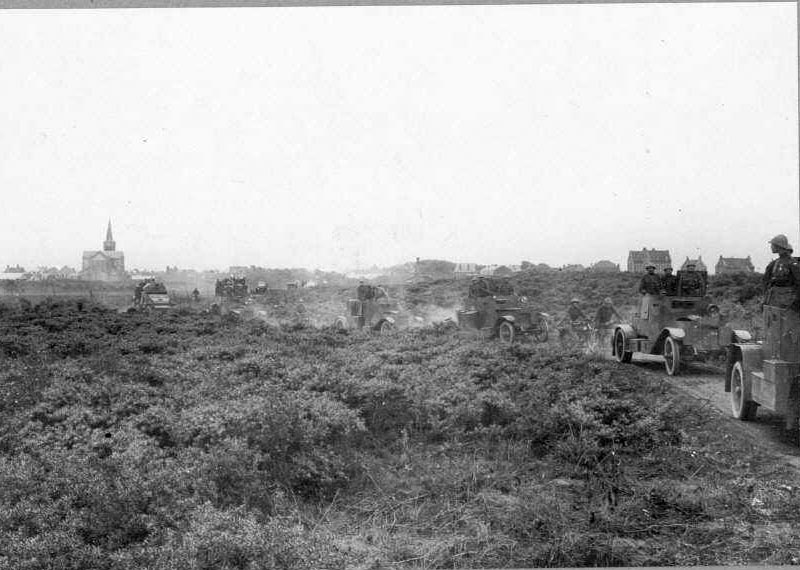
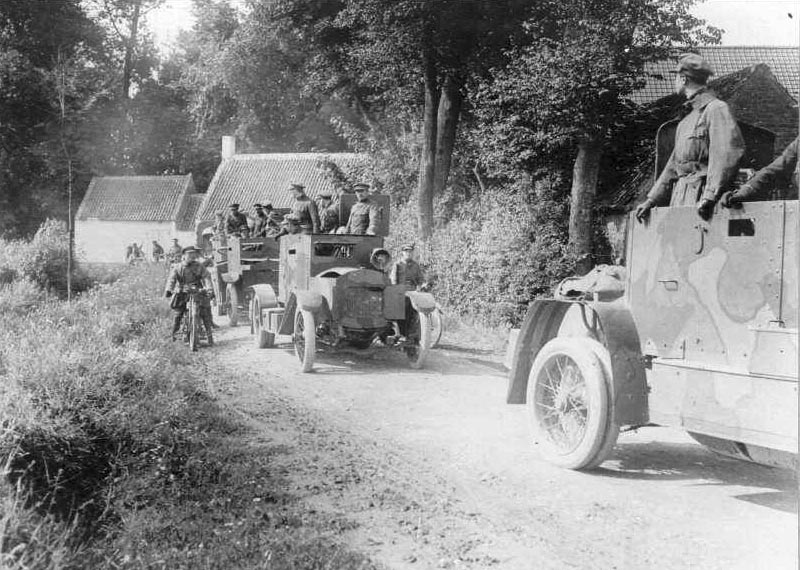
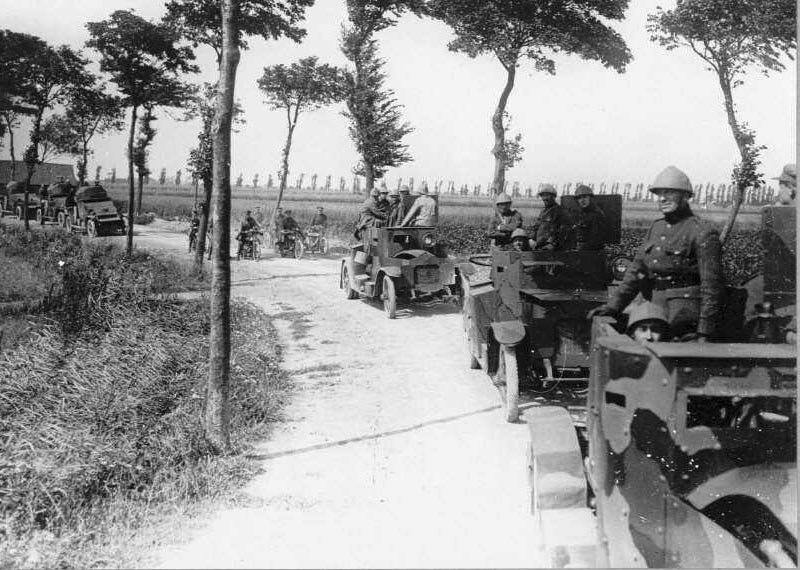
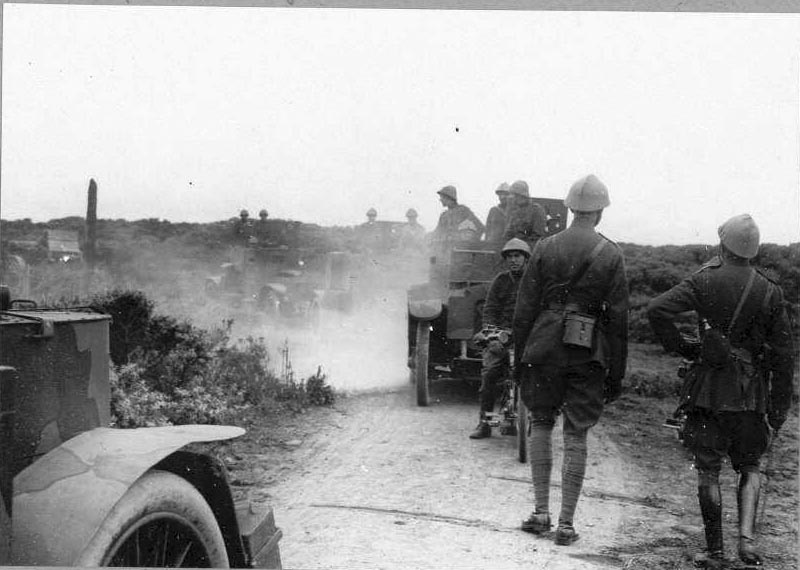
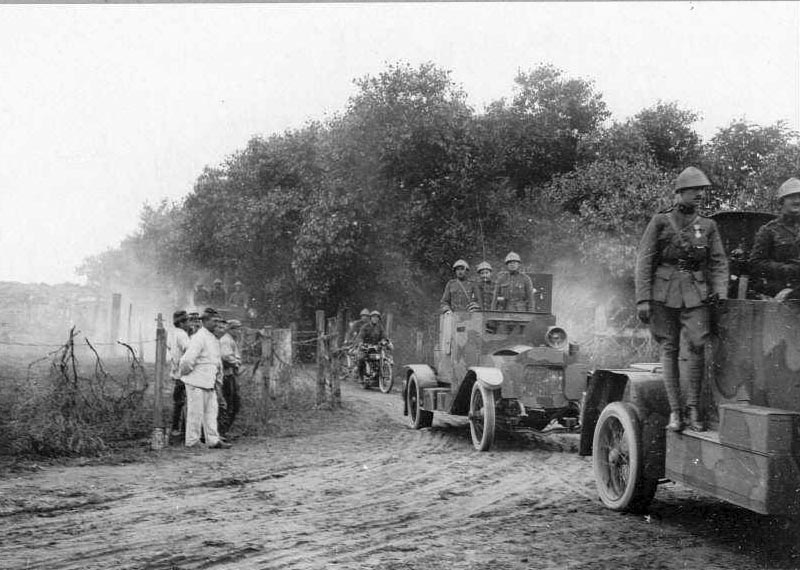
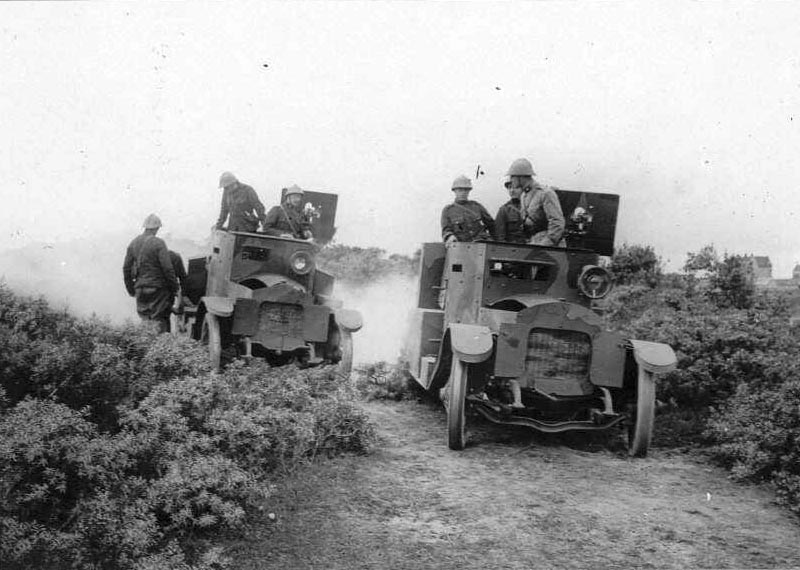
The 1st Escadrille second section with an armored Mercedes with mixed Hotchkiss 37 mm gun and machine gun
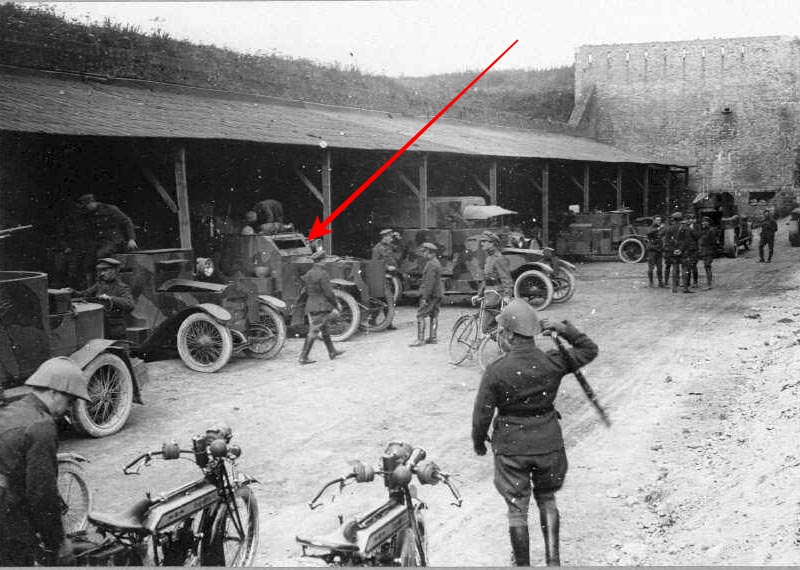
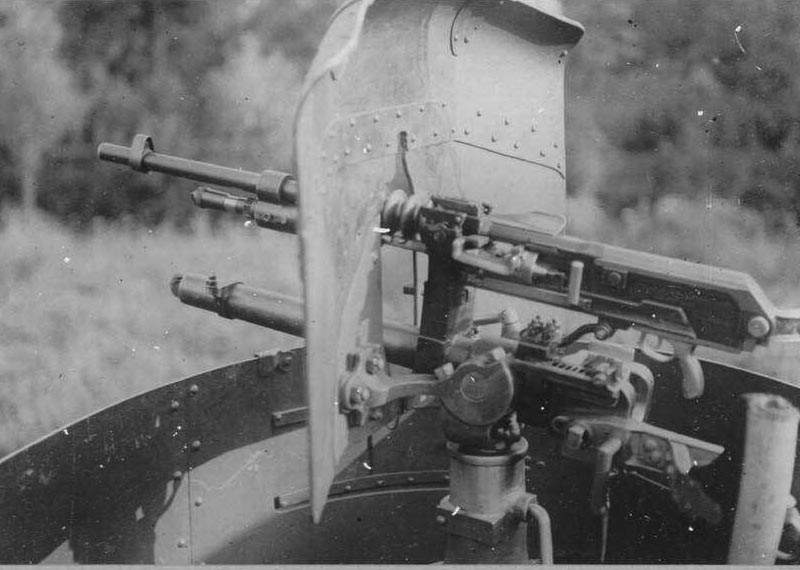
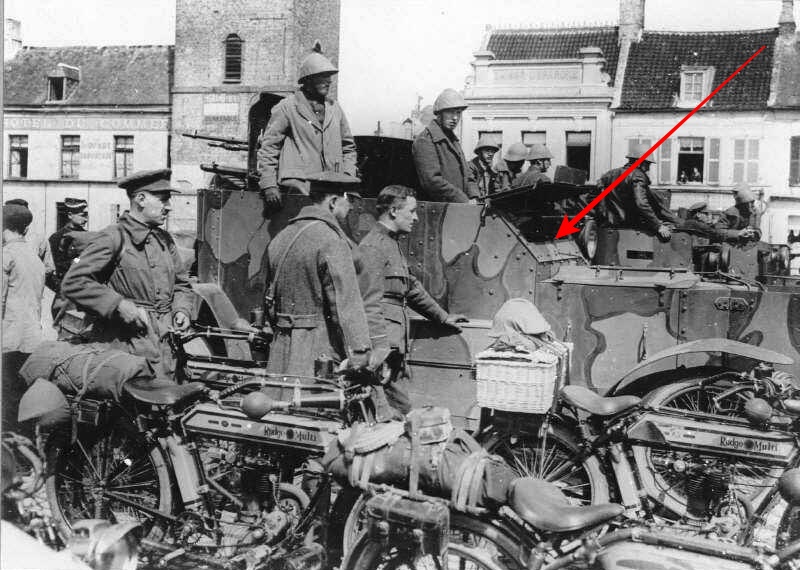
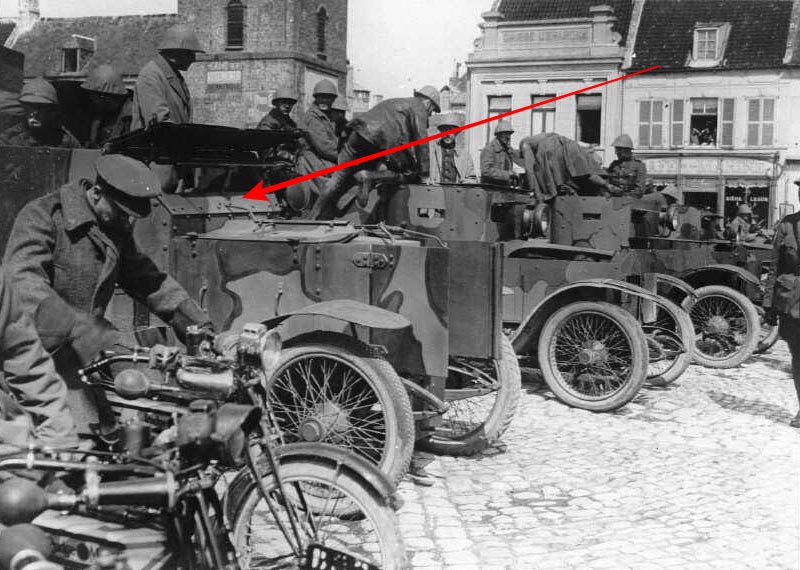
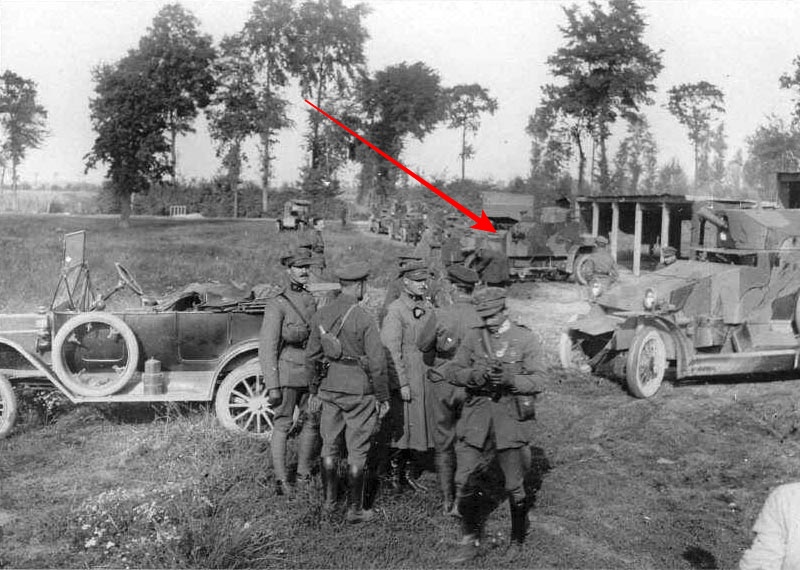
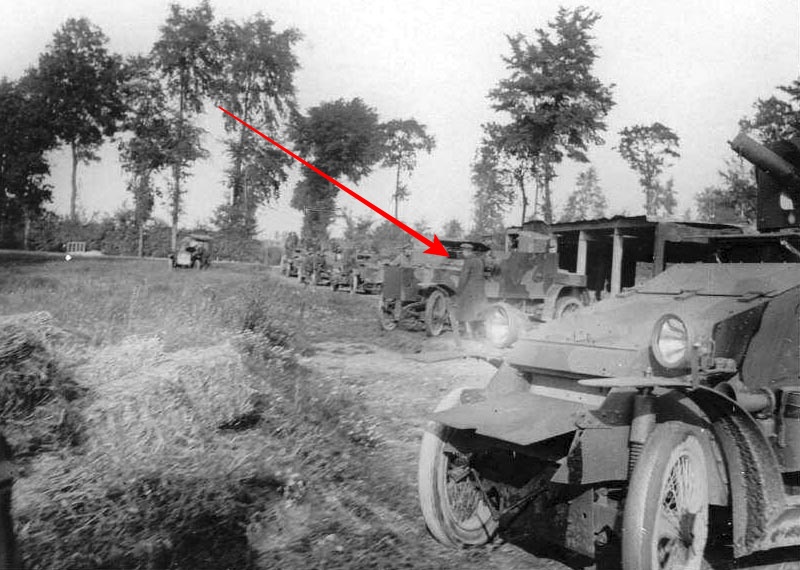
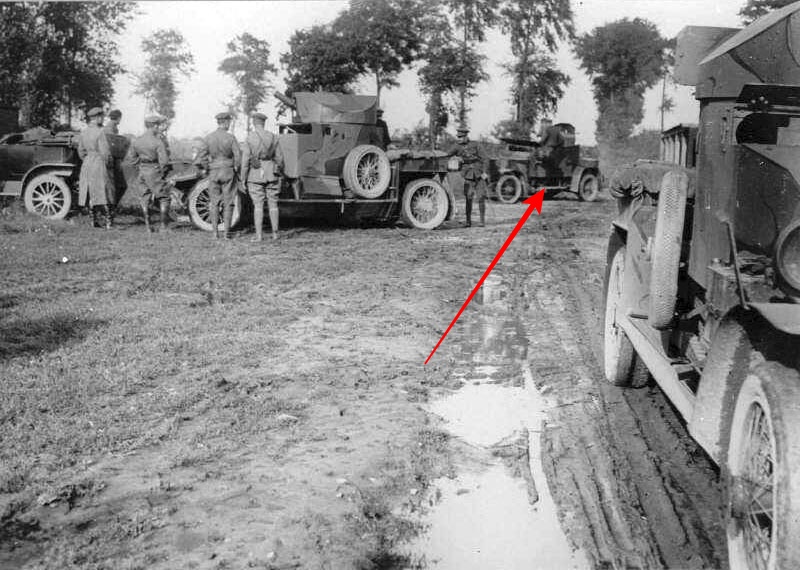
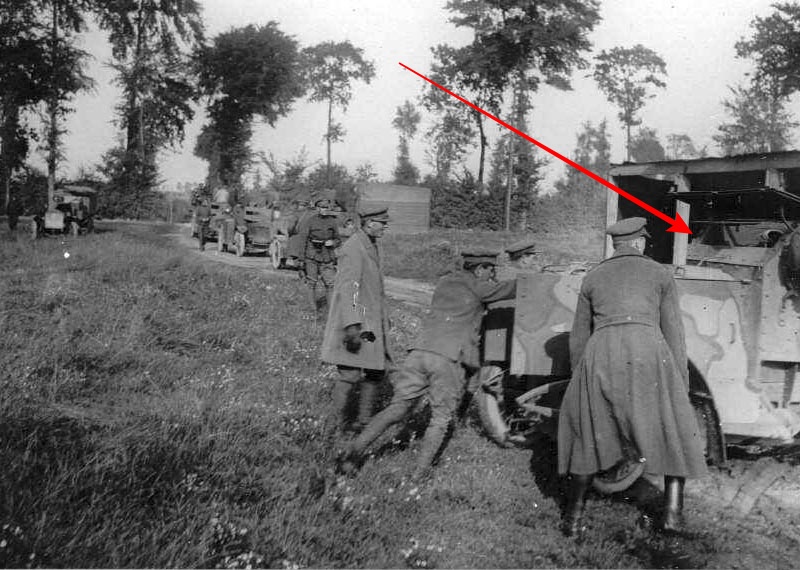
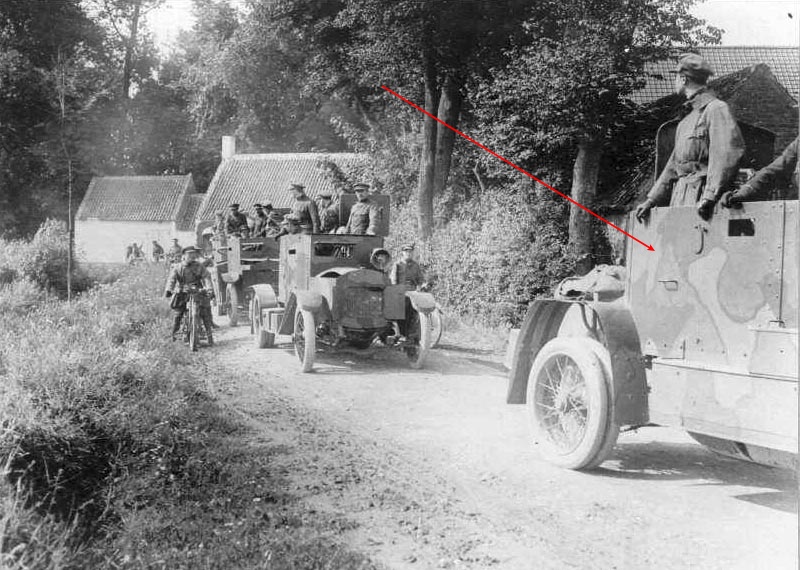
The second Escadrille two sections of two Lanchesters
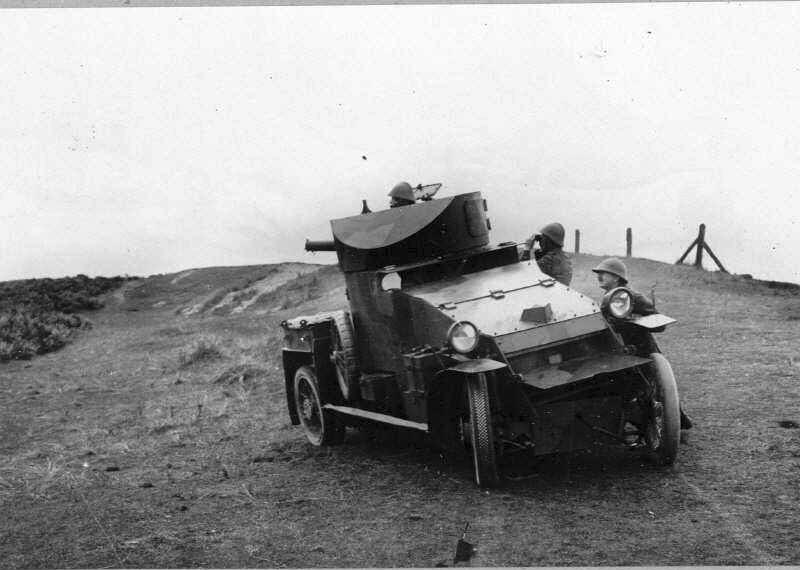
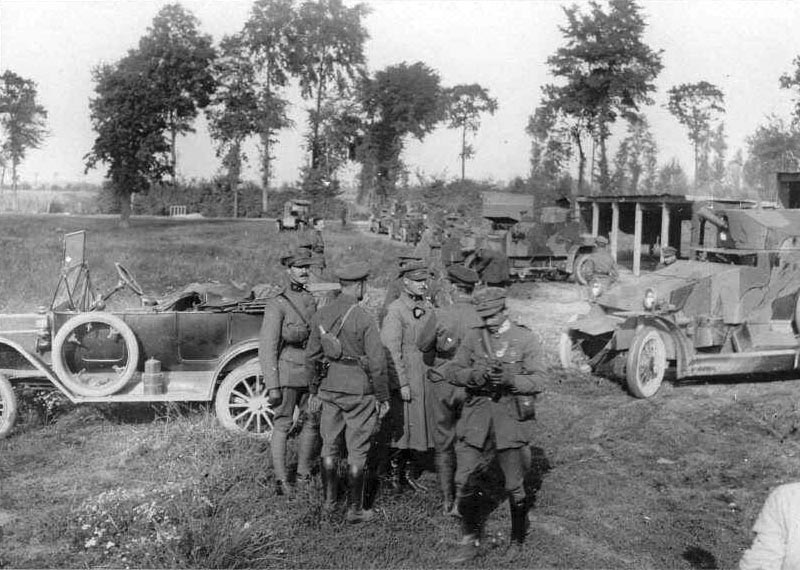
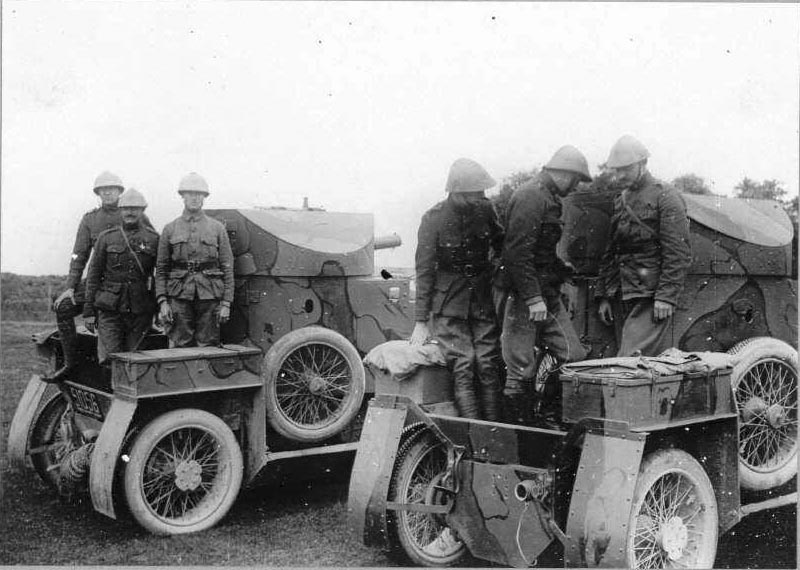
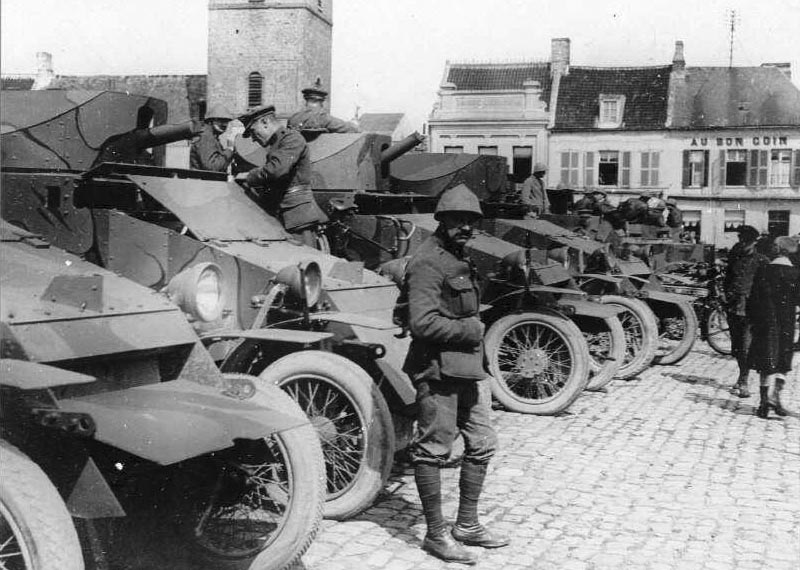
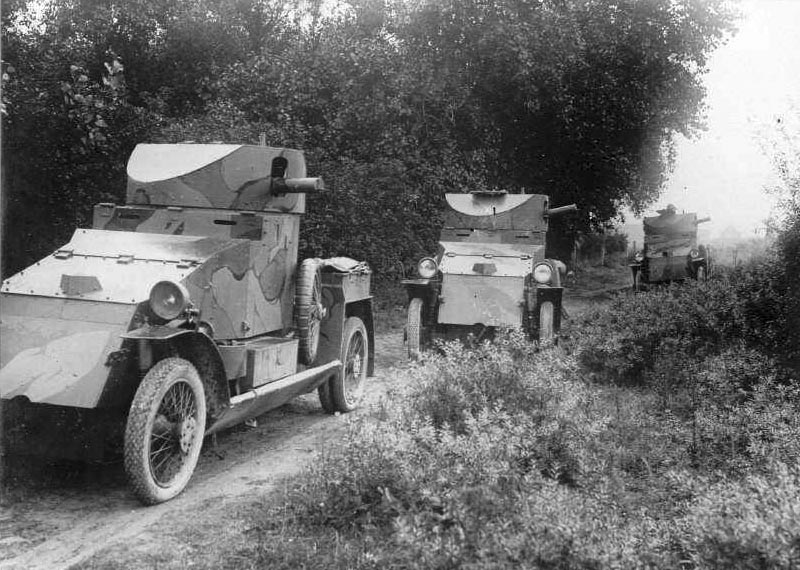
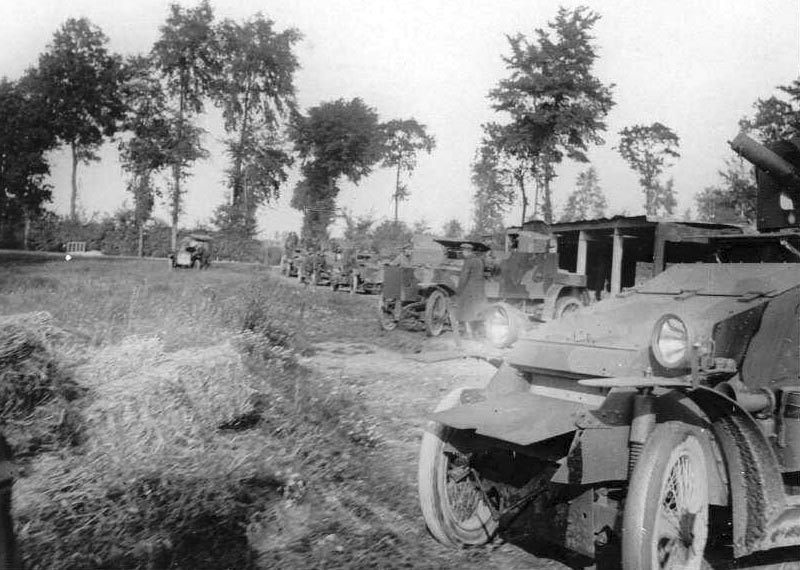
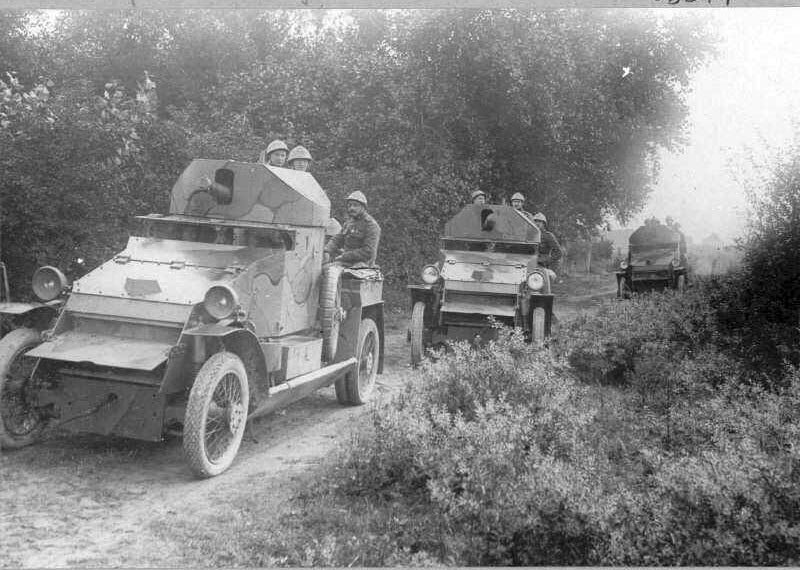
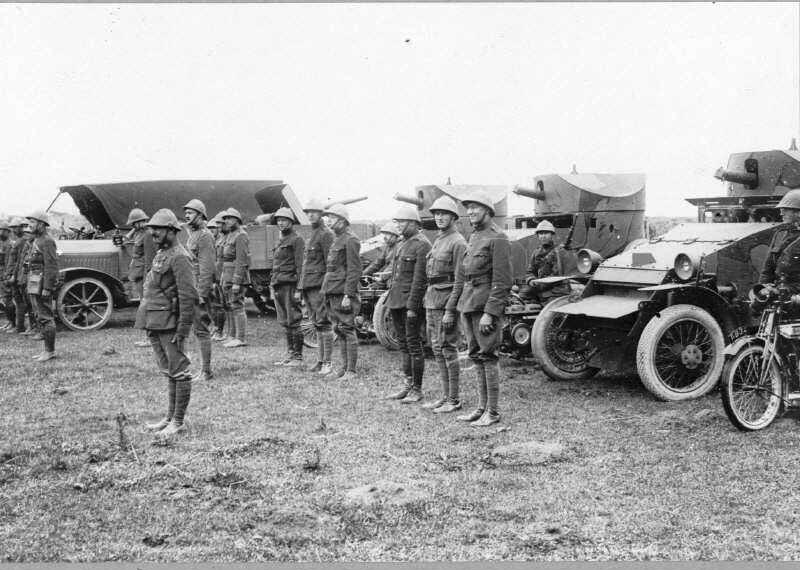
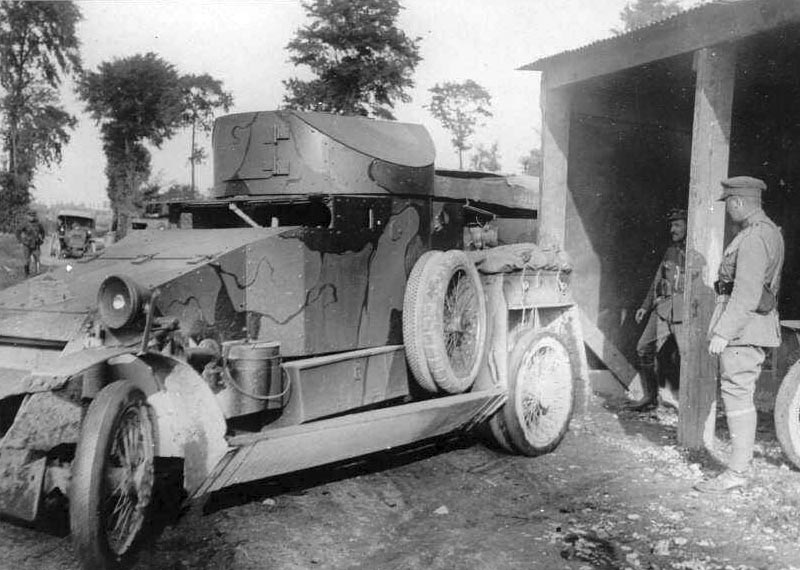
The second Escadrille 2nd section with 2 Lacre gun trucks
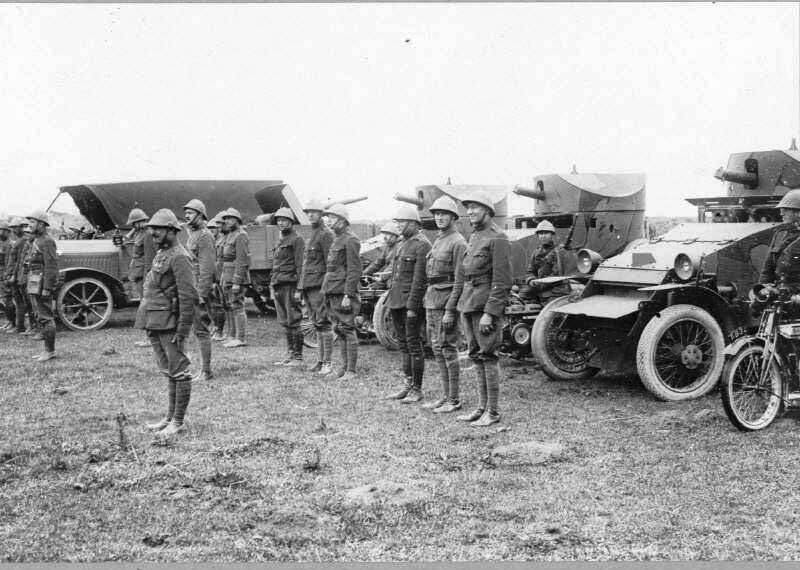
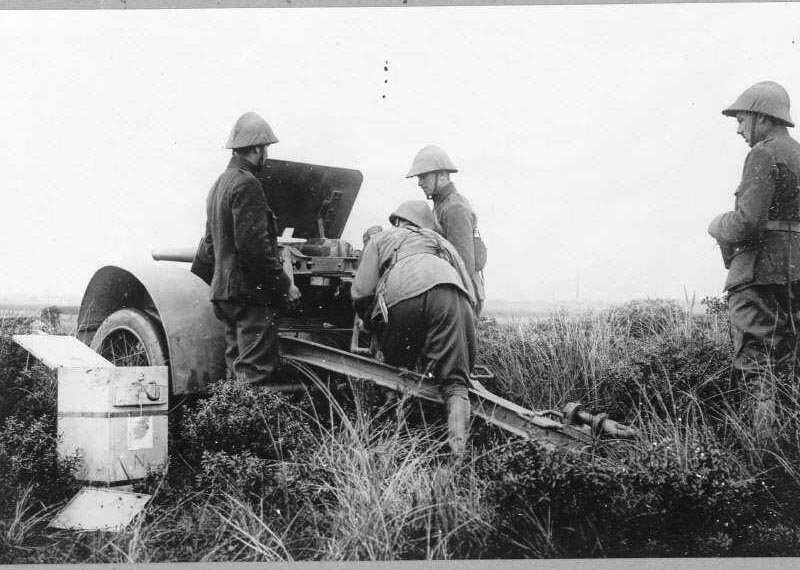
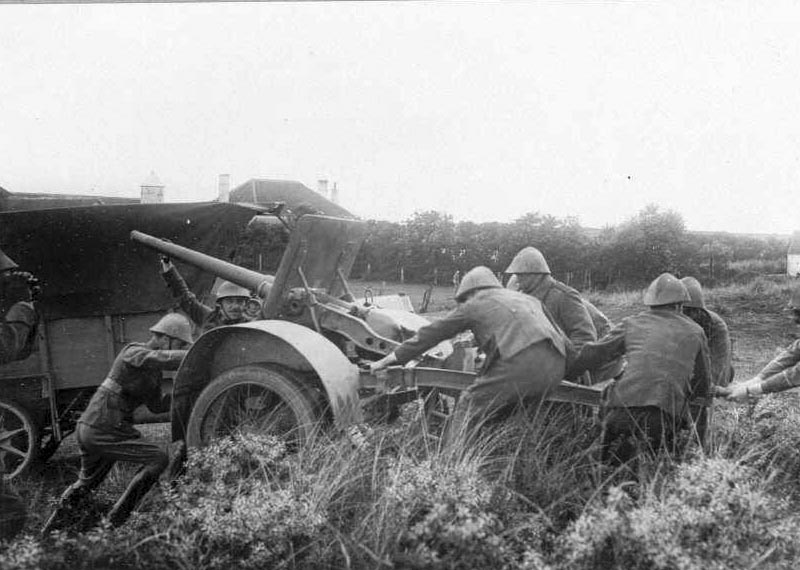
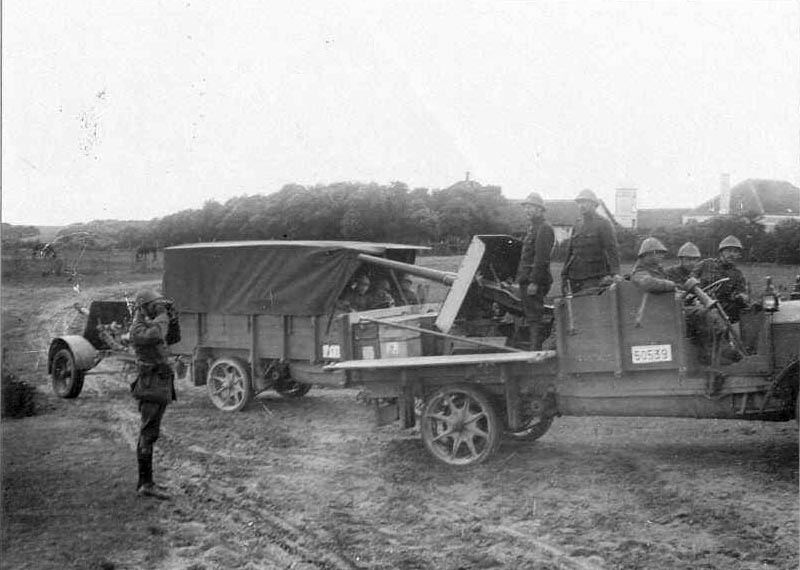
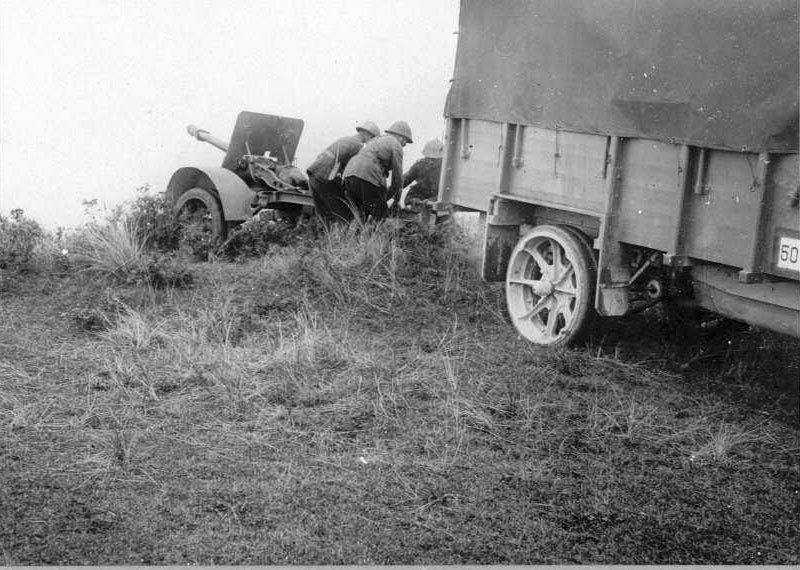
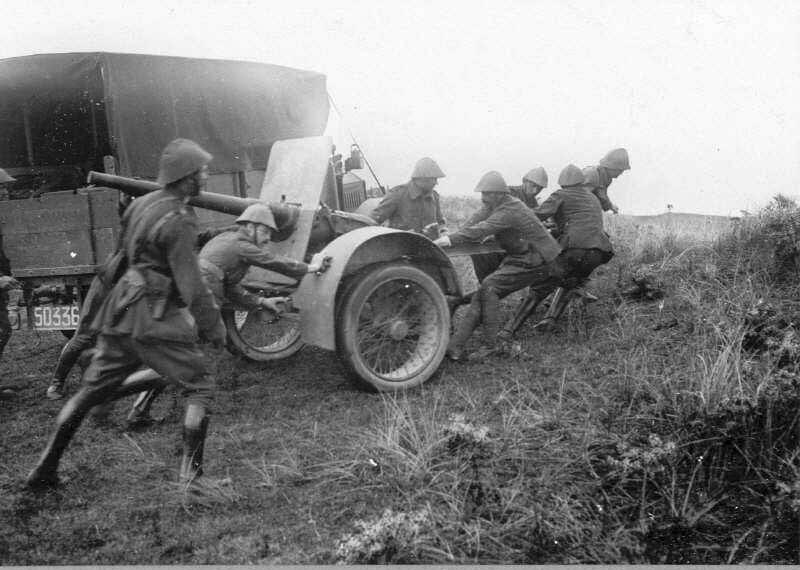
On January 24, 1918, a major reorganization of cavalry units took place. The 2nd Cavalry Division was disbanded due to a shortage of remounts and the growing needs of horse-drawn artillery; the 4th Chasseurs à Cheval, the Guide and Fortress Lancer groups, and the cyclist squadrons of the Cavalry Division regiments were also disbanded. The new—and sole—Cavalry Division now comprised three brigades:
1st Brigade: 1st and 2nd Guides
2nd Brigade: 4th and 5th Lancers
3rd Brigade: 1st and 2nd Chasseurs à Cheval
as well as the Armored Car Group, split into three field armored car squadrons (their new designation). The remaining regiments—the 1st, 2nd, and 3rd Lancers—were distributed among the six Army Divisions, while the armored car units were assigned to a light group (one squadron of three armored cars for each of the six Army Divisions).
Army Divisions and Cavalry Divisions before January 1918 modernization
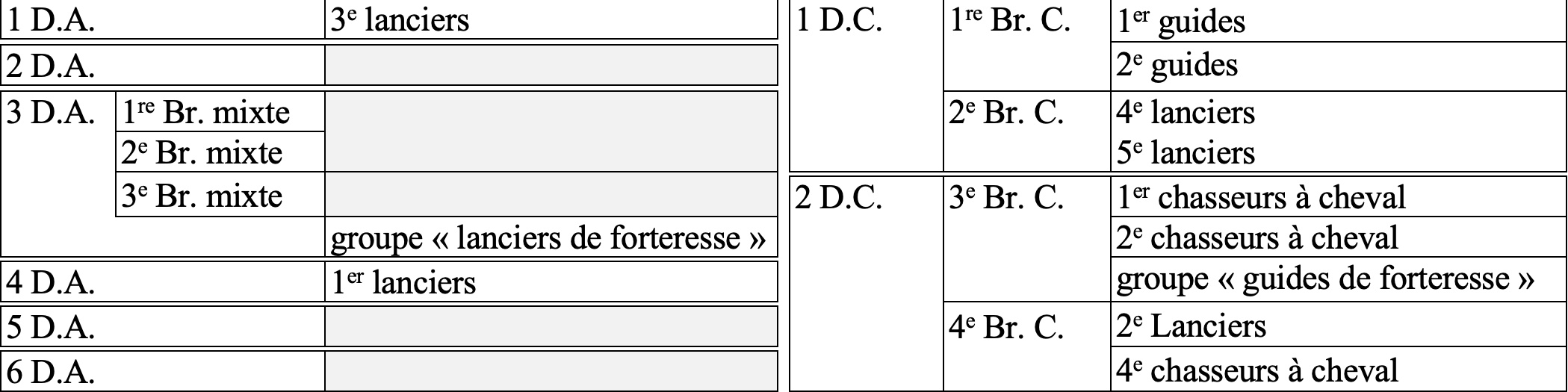
Army Divisions and Cavalry Divisions afterJanuary 1918 modernization
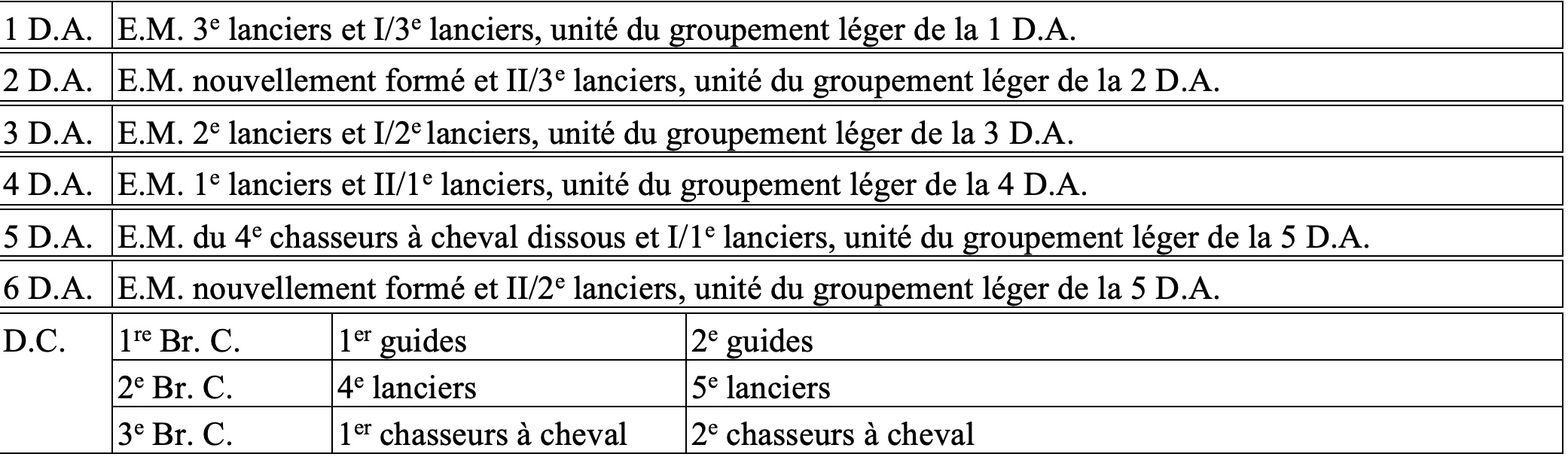
Army Divisions light groups
– 30 ? Minerva 26 and 38 HP vehicles, fitted out in Hoboken during August and September 1914 following a directive from the General Staff (3rd Section) dated August 28, 1914. This number is curious considering the 29 produced, the two lost to the Germans and at best the 22 remaining in the November 2, 1914 list. Interestingly, if we consider the three Minerva vehicles in each light group across the six army divisions, we arrive at a figure of 18; adding the four from the Cavalry Division’s armored car group brings us to the same total of 22 Minervas—the maximum number that can be accounted for based on the list from November 2, 1914.
– A number ? of SAVA vehicles equipped with Hotchkiss machine guns.
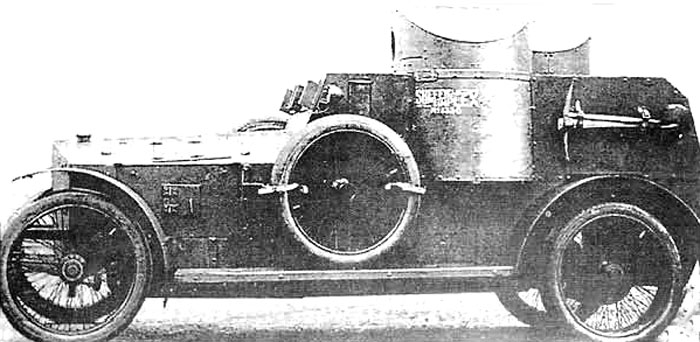
– 3 Sheffield-Simplex vehicles equipped with a 37mm gun and a Hotchkiss machine gun.
– 4 Lanchester vehicles equipped with a Vickers machine gun.
– 3 Lacre 4,7 cm naval gun trucks. It seems that the third fully armored Lacre has been received.
– A number of private cars (Mercedes, Opel, Pipe).
This equipment was refurbished at the transport depot—relocated to Calais—under the command of Colonel (Ret.) Count François de Hemricourt de Grunne (AEM), who had established the Antwerp motor pool at the outbreak of war and served as president of the Royal Automobile Club of Belgium. Routine maintenance was carried out by unit workshops behind the front lines. Personnel turnover was high due to recruitment for the Armored Car Corps (destined for Russia) and the return of soldiers to their original units to fill gaps left in infantry regiments following combat. Recruitment relied on calls for volunteers and transfers from other units. Officers were trained at the Auxiliary Cavalry Second Lieutenants’ Training Center (CISLAC) in Campagne-lès-Guines under Major Aimé Hageman, while machine gunners were trained at the Criel-sur-Mer Training Center.
During the Battle of the Yser, the two Cavalry Divisions were held in reserve behind the Furnes Canal at Loo to secure crossing points. In November, the 1st Cavalry Division held the coast between Coxyde and the French border. From January 1915 onwards, the units participated in trench duty on a rotational basis: half the unit would deploy with its machine guns to reinforce the infantry regiments, while the other half remained behind for maintenance. Sometimes they are sent on patrol, used for air defense, or hold checkpoints.
The 1918 war of movement
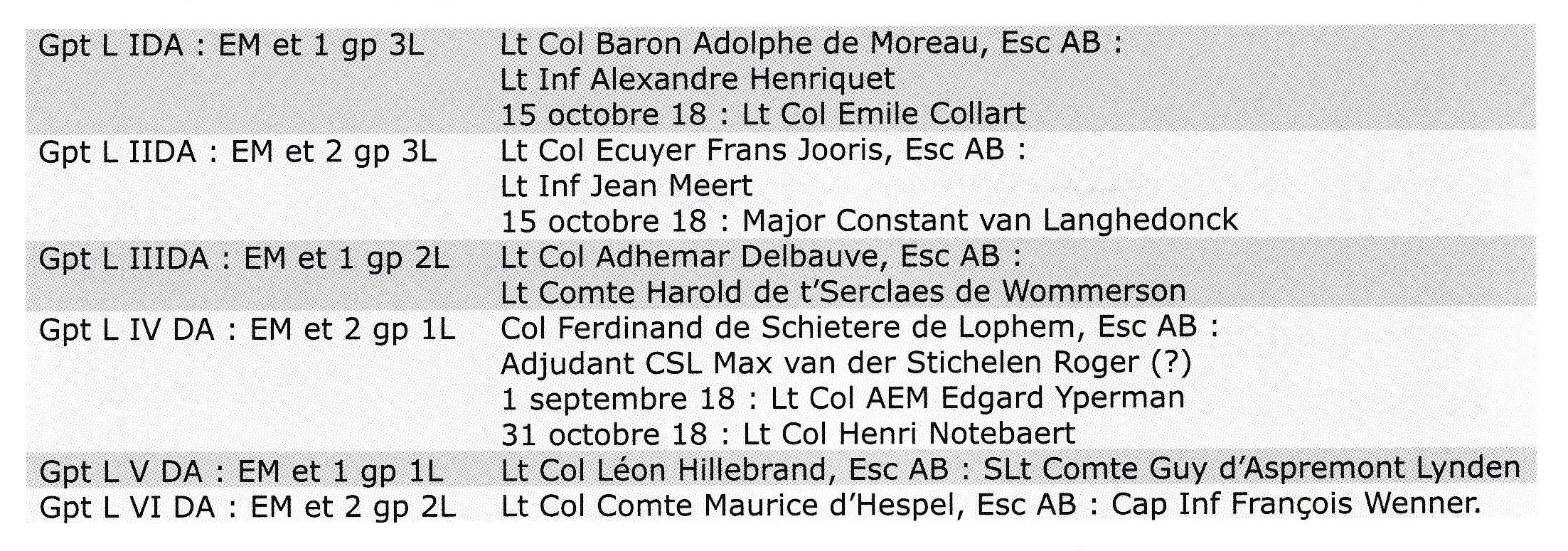
The « Groupement L » units of the Army Divisions are tasked with conducting reconnaissance and participating in the exploitation phase in the event of a breakthrough.
The Battle of the Flanders Ridge (September 28, 1918 – October 4, 1918):
Plan:
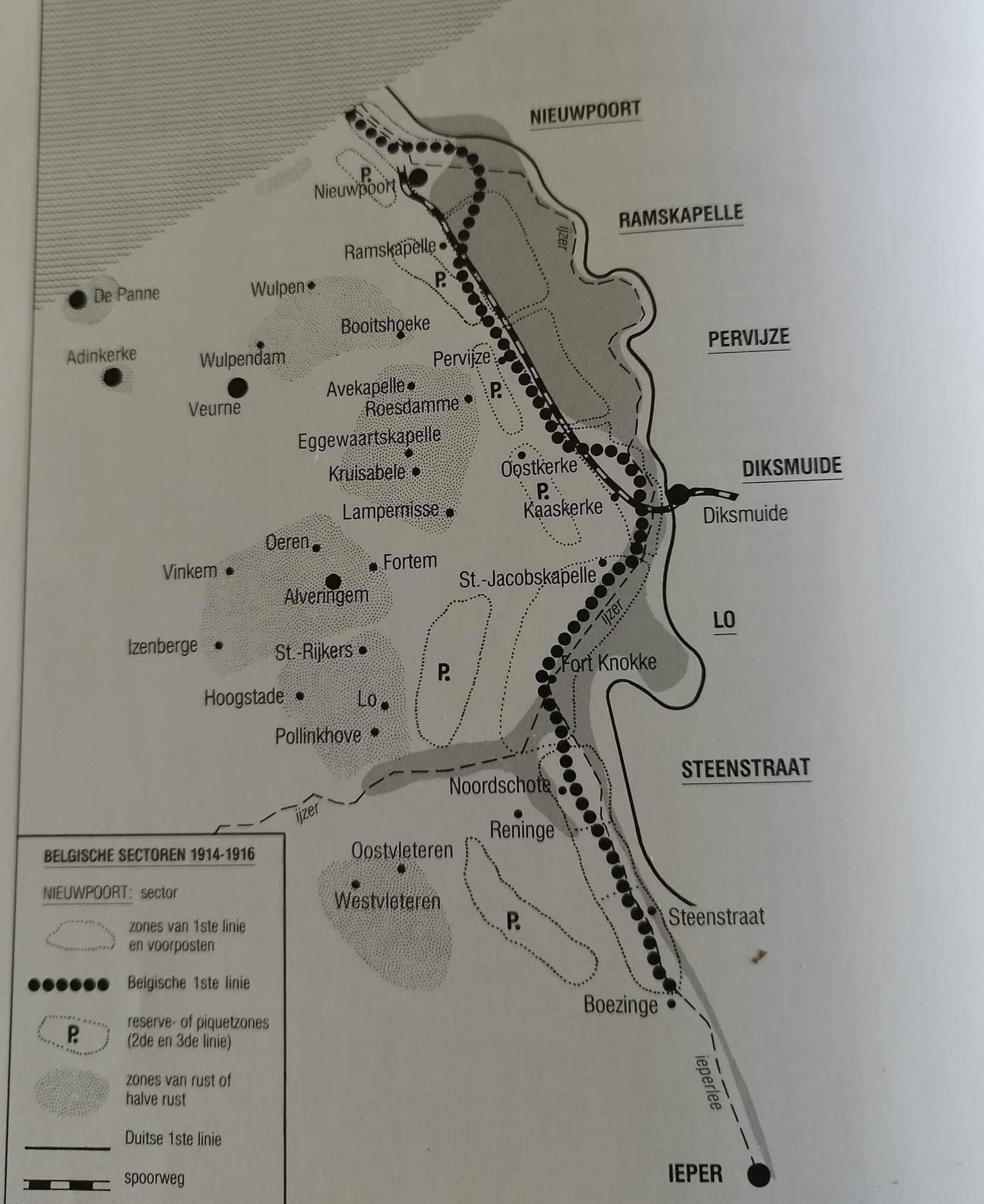
Hold the flooded zone between Nieuwpoort and Diksmuide with three infantry divisions; attack with nine Belgian and two French divisions between Diksmuide and Boesinghe to capture the Flanders Ridge (Clerken, Houthulst Forest, Passchendaele, Zonnebeke); then launch a breakout offensive towards Torhout, Bruges, Roeselare, and Tielt to clear German submarines from the ports of Zeebrugge and Ostend.
1st Army Division Groupement L: Fire support facing the trenches along the Diksmuide-Handzame railway line.
2nd Army Division Groupement L: Did not participate.
3rd Army Division Groupement L: Action at Oostnieuwkerke.
4th Army Division Groupement L: Captured the key position of Woumen Rille, then provided fire support along the Handzame Canal.
5th Army Division Groupement L: Occupation of the Nieuwpoort redoubt.
6th Army Division Groupement L: Did not participate.
Cavalry Division: Tasked with exploiting the breakthrough towards Torhout and the Wynendaale Plateau to cut communications with the coast and block the path of enemy troops attempting to escape along the Dutch border. Unfortunately, this exploitation phase—left to the discretion of the units’ immediate commanders—devolved into complete disarray, causing massive traffic jams on the logistical routes used by frontline units. The advance proceeded towards the Yperlée Canal, the Zuydschoote Canal, Bischoote, and Klerken; the unit was then held up by a traffic jam at the Kippe crossroads, bivouacked between Klerken and Zarren on September 30, and was subsequently moved back to the west of the Yperlée Canal.
The Battle of Torhout-Thielt (October 14, 1918 – October 30, 1918):
Plan:
The French 7th and 34th Army Corps were to attack on October 14 to encircle Roulers and wheel towards the north bank of the Roulers-Lys Canal.
The Southern Group (3 Infantry Divisions) was to provide cover towards the Lys and maintain liaison with the British Second Army.
The Northern Group (3 Infantry Divisions and the Cavalry Division) was to cover the left flank of the formation and advance towards Torhout and Bruges.
Group L (1st Army Division): Advanced towards Markhove-Kortemark, Engel, Waardamme, Oostkamp, Erkegem, and Aalter, but failed to take Merendree; subsequently conducted border surveillance patrols between the Bruges-Sluis Canal and Maldegem. Light Group, 2nd Army Division: advancing towards Vladsloo, Keyem, Leke, Coekelaere, Jabbeke, St Michel, Steenbrugge, Somergem, Eeklo, Ursel.
Light Group, 3rd Army Division: tasked with securing the French VII Corps as it advances towards Roulers, Thielt, and Deinze; the group loses two armored cars at Thielt, rejoins the 3rd Army Division, and subsequently provides support during the crossing of the diversion canal at Somergem.
Light Group, 4th Army Division: advancing towards the Handzame Canal; loses an armored car during a bombardment; advancing towards Wijnendaale, Aertrijcke, Jabbeke, Aeltre, Meerendre, Beervelde, Zwijnaarde.
Light Group, 5th Army Division: advancing towards Schoorbakke, Ghistelles, Steenbrugge, Sijsele, Moerkerke, Maldegem, Adegem, Balgerhoek.
Light Group, 6th Army Division: advancing towards Roulers, Iseghem, Hulst, Lendelede, Bruges, and Blankenberge-Knokke, conducting surveillance of the border and the coastline.
Cavalry Division: advancing in three columns (Brigades) from its positions between Noordschote, Houthulst, and Staden;
for the 1st Brigade: advancing towards Wijnendaale, Maagdeveld, Thorout, Staden (14 Oct. 1918);
for the 2nd and 3rd Brigades: same objective, operating on either side of the Yperlée Canal. On 15 Oct., the Cavalry Division assembles between Staden and Geite. On 16 Oct., the advance is halted due to the condition of the terrain. On October 18, the 1st and 3rd Brigades had Lophem as their objective (the 1st would reach the diversion canal at Steenbrugge), while the 2nd Brigade targeted Varssenaere but would push on to Jabbeke. On October 19, they advanced in two columns with the following objectives: Knesselaere, Ursel (reached on October 20), Sommergem, Lovendegem, and Evergem (southern column); and Oedelem, Maldegem (reached on October 20), and Eekloo (northern column). On October 22, the 1st Brigade was billeted at Burkel, the 2nd at Cleit, and the 3rd at Knesselaere.
The Battle of the Lys and the Diversion Canal (October 31 – November 10, 1918):
For this battle, the Cavalry Division was split into three groups (by brigade). October 31 saw no success, but following the withdrawal of German forces, the advance resumed toward Sommergem, Sleidinge (3rd Brigade), Ertevelde (2nd Brigade), and Bouchaute (1st Brigade). The Cavalry Division was subsequently deployed to monitor the Dutch border.
The Battle of the Scheldt and the Terneuzen Canal (November 11, 1918):
This battle, scheduled to begin during the night of November 10–11, did not take place due to ongoing negotiations and the Armistice.
On November 11, 1918, the Belgian armored vehicles have done their job,sometimes with succes as on October 15, when an armored car of the 4th Division took 35 prisonners. One armored car was also irretrievably lost on October 15 as a result of an artillery fire and air bombardment.The casualties among the crews of cars attached to the Cavalry Division amounted to 17 killed and 33 wounded (among 150 soldiers in total).
EQUIPMENT
Minerva :
See the Minerva special chapter
SAVA:
Some car brands are legendary; others are completely forgotten by time. Falling squarely into the second category is Sava, a manufacturer from Berchem, near Antwerp, Belgium. Though its lifespan was relatively short, Sava built top-tier luxury vehicles, dominated early European racing circuits, and even played a vital, armored role in World War I. Here is the story of a remarkable automotive pioneer that deserves to be remembered. The roots of Sava trace back to 1902, when a visionary named Mr. Dodelinger founded the Société de Constructions Mécaniques in the suburbs of Antwerp. The company didn’t start with cars, but with two wheels. Under the brand name Royal Star, they manufactured single-cylinder, air-cooled motorcycles pushing out a modest 2 to 3 horsepower. By 1904, they expanded into automobiles, offering 1, 2, and 4-cylinder engines under the same Royal Star name. These vehicles were incredibly well-built, prompting rapid growth. By 1906, Royal Star was producing massive 6-cylinder cars with dual-ignition engines producing up to 37 horsepower. Crucially, they abandoned old-fashioned chain drives in favor of modern shaft-driven systems. By 1907, the company had become a heavyweight, employing 300 workers and churning out 300 car chassis and 1,500 motorcycles a year. To fuel further expansion, they needed serious capital. They found it across the English Channel in David Brown—a British gear maker who would later become world-famous for his tractors and, most famously, his acquisition of Aston Martin (the « DB » in Aston Martin’s iconic models stands for his initials). With Brown’s financial backing and engineering expertise, the company was reorganized in 1910 and renamed Société Anversoise pour la fabrication de Voitures Automobiles—aptly abbreviated to S.A.V.A. Under the new Sava banner, the cars received immediate upgrades, utilizing David Brown’s proprietary constant-mesh gearboxes and worm-drive rear axles. Brown also became Sava’s distributor in England, alongside dealerships in Italy and Spain.
By 1912, Sava streamlined its lineup to three core 4-cylinder models:
The 10/12 HP: An entry model powered by a Fondu engine.
The 14/16 HP: A reliable side-valve option.
The 18/24 HP: A flagship 3-liter sporting model featuring a highly innovative engine with side inlet valves and overhead exhaust valves.
It was this sporting model—and a later 5-liter « 35/50 HP » beast—that put Sava on the map. They took the racing world by storm, winning the prestigious Coupe du Roi at Spa, dominating rallies from Brussels to San Sebastian, and setting a breathtaking paved-road speed record of 124 kph (77 mph). In 1914, they even entered the legendary British Tourist Trophy with a highly advanced 3.3-liter overhead-cam engine.
The Armor of Antwerp: Sava in World War I :
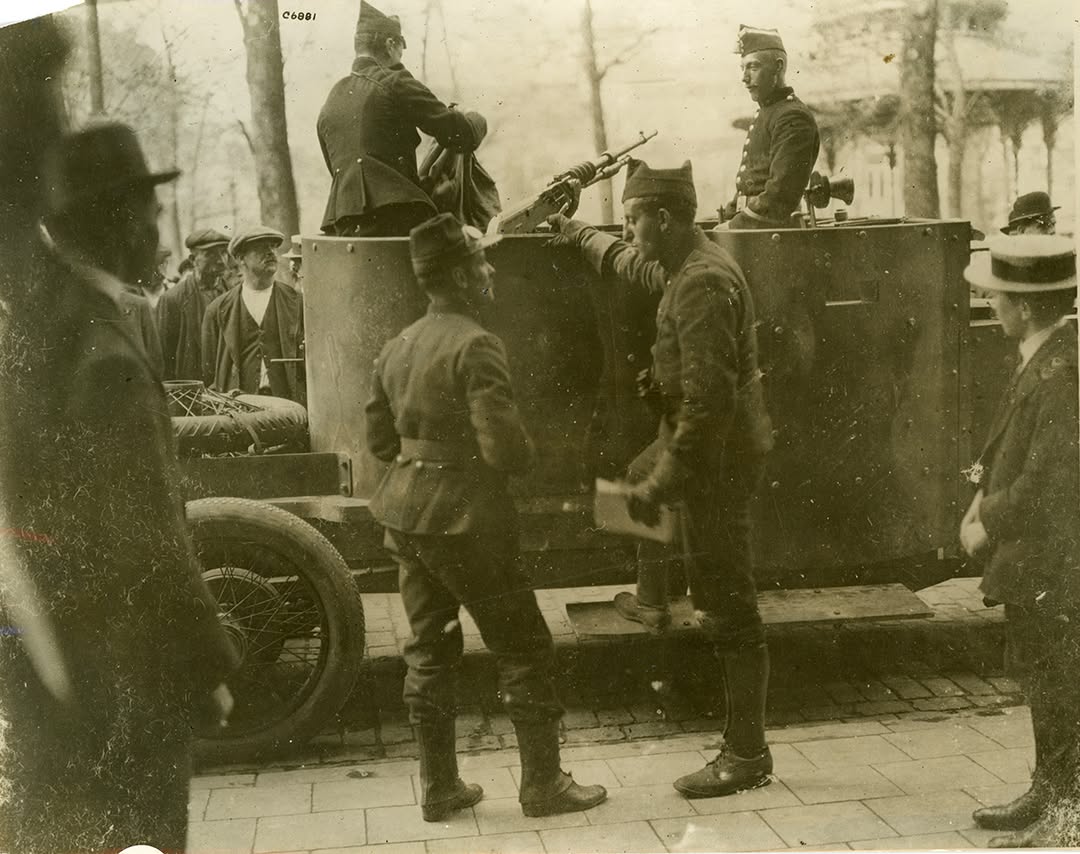
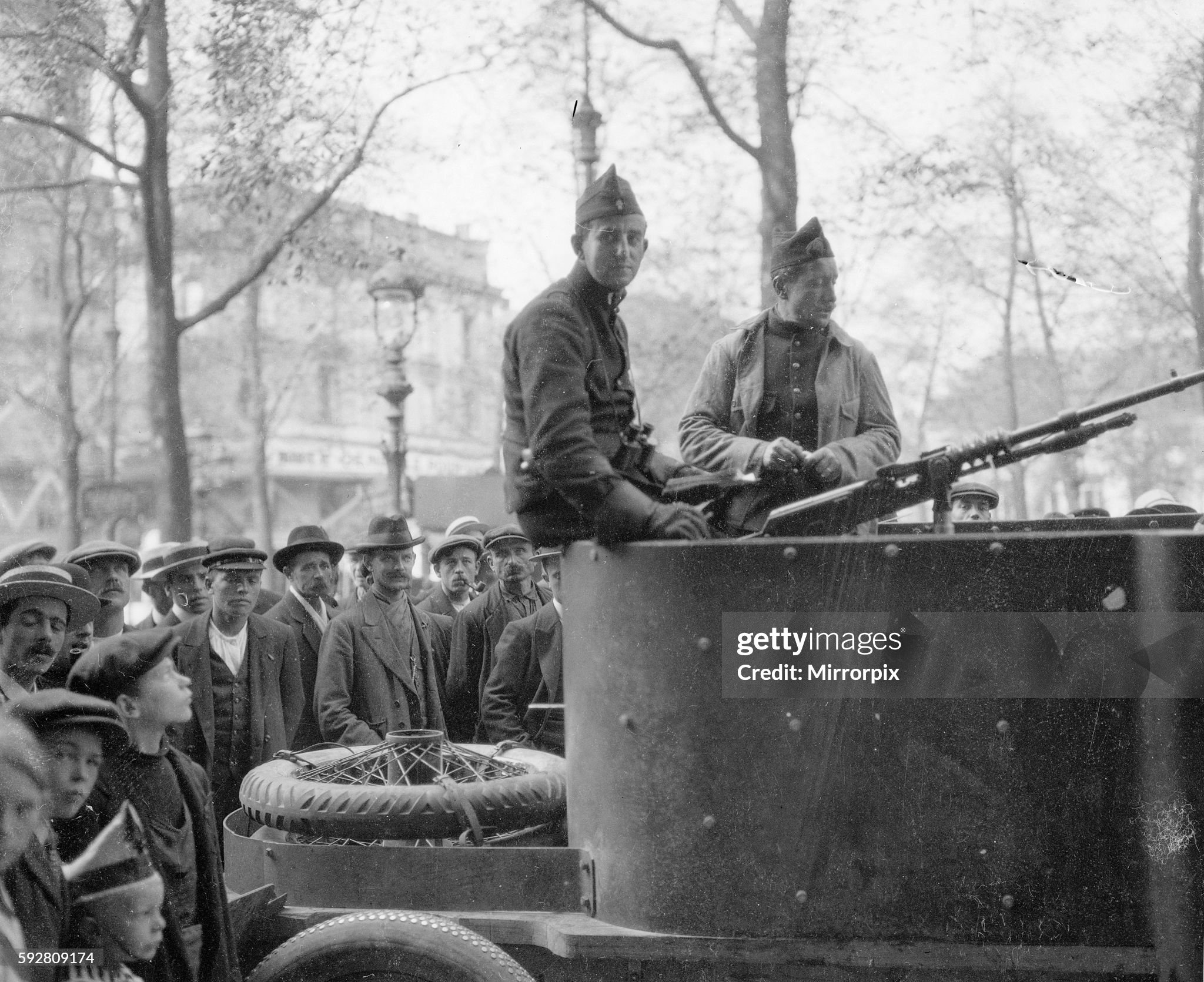
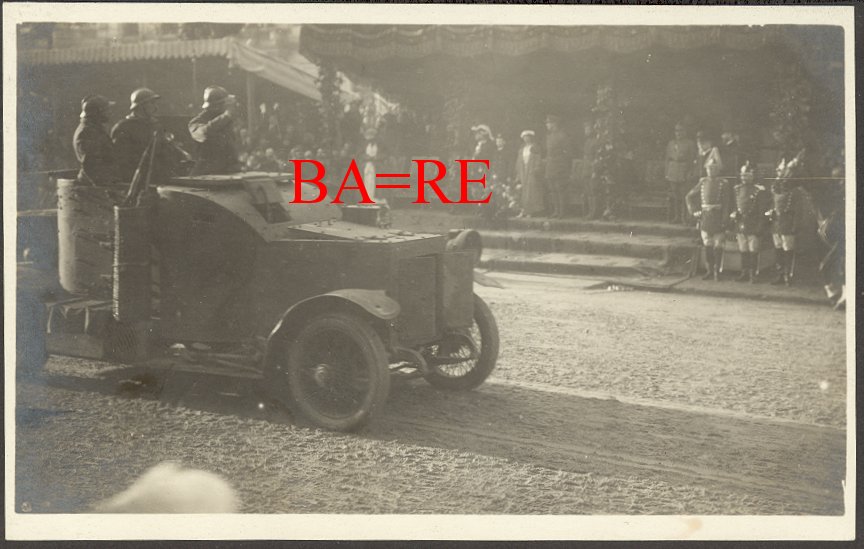
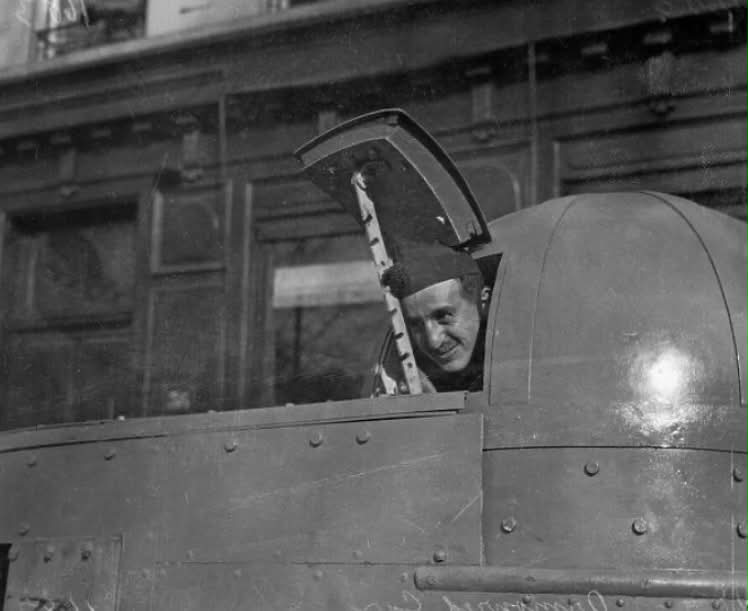
Sava’s trajectory changed forever in the summer of 1914 with the outbreak of the First World War. Production of luxury sports cars halted instantly as the Belgian Ministry of Defense called upon the factory to build armored cars. Manned by a crew of three (driver, commander, and gunner) and outfitted with a turret-mounted Hotchkiss machine gun, the Sava automitrailleuse became an invaluable asset. These rugged machines rapidly replaced horse-drawn units and saw their finest hour during the grueling Siege of Antwerp, fiercely defending the very city where they were born. The Sava armored car fought alongside similar builds from fellow Belgian manufacturer Minerva, forming some of the world’s earliest mechanized armored units. No one actually knows how many Sava armored cars were built, probably a few ones. The first one lacking a turret fought in September 1914 with the belgo-american Georges Strauss on board, he was decorated for bravery during the battle in which Lt Henkart and other died on September 05, 1914. Subsequently an armored version was built with an enclosed turret. Later, the turret was opened at the rear before finally being removed as it was deemed too heavy for the chassis.
Post-War Struggle and the Minerva Takeover :
The war brought glory, but it also brought devastation. The Sava factory was completely reduced to rubble. Against all odds, the company rebuilt and introduced a new 20 HP luxury car in 1918, which adapted their pre-war overhead valve tech and added innovative front-wheel brakes. However, the economic devastation of post-war Europe meant production was frustratingly limited. One final, valiant effort was made in 1922 with the modern 15 HP model, boasting a 2-liter engine and a 4-speed gearbox. It was a masterpiece of engineering, but the market for high-end boutique cars had dried up. In 1923, local rival Minerva bought out the struggling company. The Sava factory was converted into a mere parts depot and repair shop, and the Sava name quietly vanished into the history books.
Lanchester armored cars during WWI:
With the beginning of the First World War, in England, the government organized the production of war and distributed the tasks between the various industrialists. Among these, the Lanchester Motor Company was designated for the manufacture of shells. Disgruntled brothers Frederick and George Lanchester, their owners, used their political backers to persuade the government that their company would be more useful in the manufacture of military vehicles, thus winning a contract with the military to manufacture liaison cars, ambulances but also an armored car. In fact, at the same time, the Royal Naval Air Service (RNAS), encouraged by Charles Samson’s experience aboard improvised armored vehicles, was looking for more standardized armored vehicles to protect aerodromes and save downed pilots behind the lines, Pragmatic, the British naval armament specialists produced a hull and a turret (Admiralty type) which with some modifications could be adapted on frames supplied by the civil industry. For their part, the engineers of the Lanchester Motor Company were inspired by the chassis of a touring car (Lanchester sporting forty luxury tourer 38hp) reinforced and modified among other things by a twinning of the rear wheels and presented the first prototype in December 1914. The armored hull could be redesigned because the engine was deported towards the rear close to the driver’s feet), which allowed a greater inclination of the front armor and therefore better protection. The reinforced Chassis were produced at the Lanchester plant in Birmingham, the armored elements by William Beardmore and Co of Glasgow, and final assembly at the Vickers plant in Erith (Kent) or at the Talbot Works in Barlby road (North Kensington)
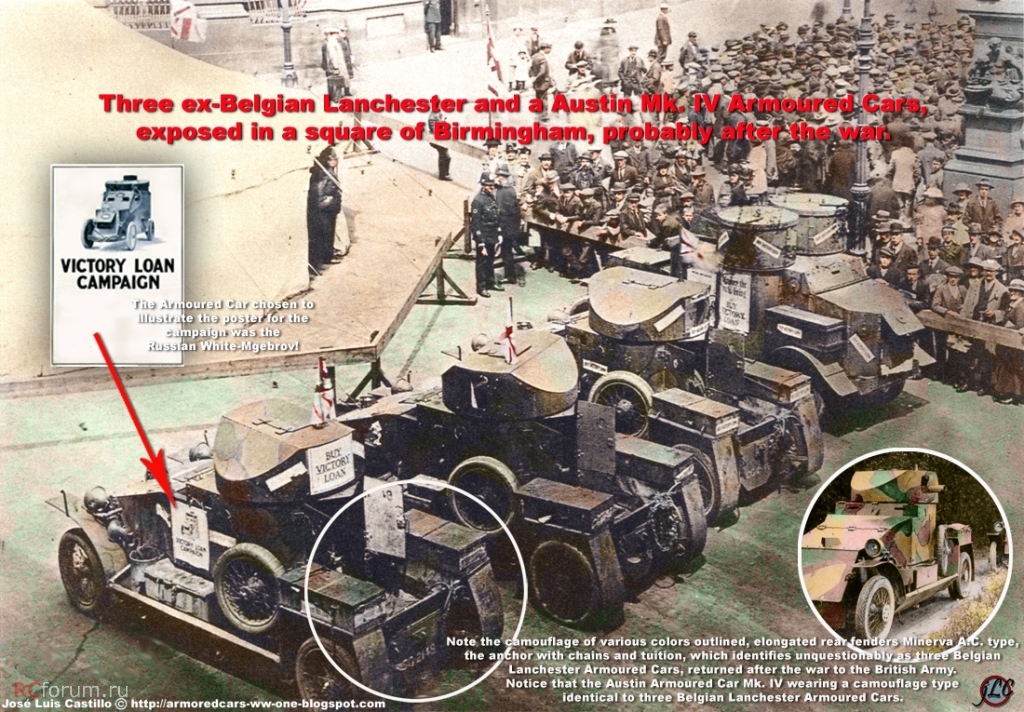
The RNAS ordered 36 vehicles for its Royal Naval Armored Car Division, production was rapid because, out of the three planned squadrons (5th, 6th, 15th), the 5th received its 12 vehicles in March 1915, the 6th received its 12 vehicles. in April 1915 both were sent to France, and the 15th to Belgium in June with its 12 vehicles (under the command of Oliver Locker-Lampson). Each squadron named its vehicles, the 5th with names beginning with F, the 6th with names beginning with G and the 15th with names beginning with U, V and W. Meanwhile, Locker-Lampson, a wealthy and ambitious politician who funded partly the purchase of the Lanchesters of his squadron believed himself authorized to rent four copies to the Belgian army until the end of the war (these are the four camouflaged vehicles that we see in all the photos of Belgian Lanchesters and three were found at the end of the war in a Birmingham square with an Austin). Unfortunately, with the trench warfare rendering them useless, in September 1915 the Royal Navy surrendered the Lanchesters to the British Army. This one, for reasons of standardization, chose to keep only the Rolls-Royces and the 32 Lanchesters returned to England. The four Lanchesters, ceded and delivered to the belgian Army, were integrated into the Auto-Machine Gun Group of the 1st Cavalry Division, together with the Belgian « Minerva » Armored Cars and fought under belgian colors until the end of the war and were then retroceded to the british Army. Among them, two were sold to the Italian Army and saw service in Tripolitania.
Sheffield-Simplex :
The origins of the Sheffield-Simplex armored car remain shrouded in mystery, but the history of the legendary brand beneath the armor is remarkably clear. Operating from 1907 to 1920, the British car and motorcycle manufacturer was backed by the wealthy aristocrat and coal magnate, Earl Fitzwilliam, with production split between Sheffield, Yorkshire, and Kingston upon Thames, Surrey.
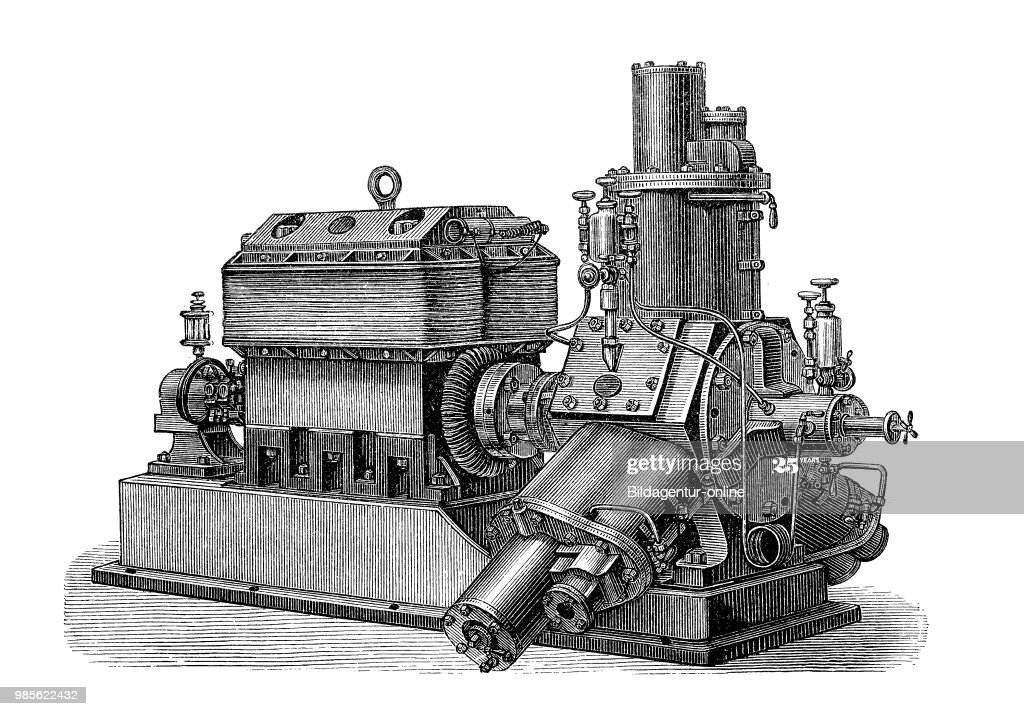
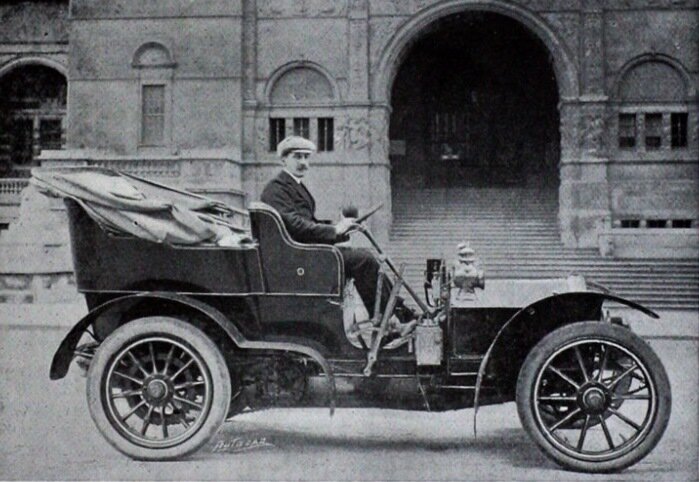
The company begins in 1867, when Peter Brotherhood, together with J.D. Kittoe, founded Kittoe and Brotherhood in London to manufacture industrial steam engines. Four years later, due to a change in partner, the company was renamed Brotherhood and Hardingham. And in 1873, it introduced its breakthrough product—a radial three-cylinder steam engine, the three cylinders of which were positioned at an angle of 120 degrees. The engine was a great success, but primarily as an auxiliary drive for generators and pumps. From 1878 onward, the company was known simply as Brotherhood. In October 1902, after the founder’s death, his son, Stanley Brohood, took over the company. He had gasoline in his veins instead of steam. Just a year later, he and investors founded Brotherhood-Crocker Motors on Hanover Street in London. The first car was designed by Percy Richardson, who had previously worked for Daimler Motor Co. for over six years. It wasn’t until 1905 that the first car built according to German automotive design principles was shown to the public. Although by this time, British Daimler was already operating independently, having shed its ties to Daimler-Motoren-Gesellschaft, Richardson was a great admirer of the German design style. In early 1905, a large Brotherhood-Crocker car, built according to the German brand’s standards, was unveiled at the London Motor Show. Its four-cylinder, 3.9-liter engine produced 20 hp at 900 rpm. The features that made the car stand out were two floor-mounted pedals – gas and combined brake and clutch, which was not at all standard for that time. When Stanley Brotherhood sold the London facility in 1905, he attempted to relocate to Peterborough near Fitzwilliam’s headquarters. After local authorities blocked construction of a new plant, the Earl stepped in and suggested Tinsley, Sheffield—safely close to the family estate at Wentworth Woodhouse. in 1908 they changed the brand name to Sheffield-Simplex, in honor of the city, adding the « Simplex »— »simple »—not in the sense of « simple in design, » but like the first Mercedes Simplex—easy to operate.
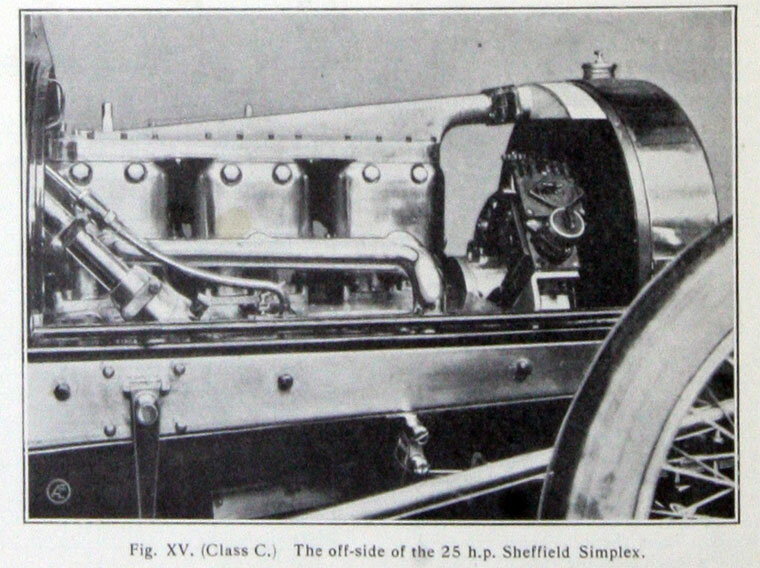
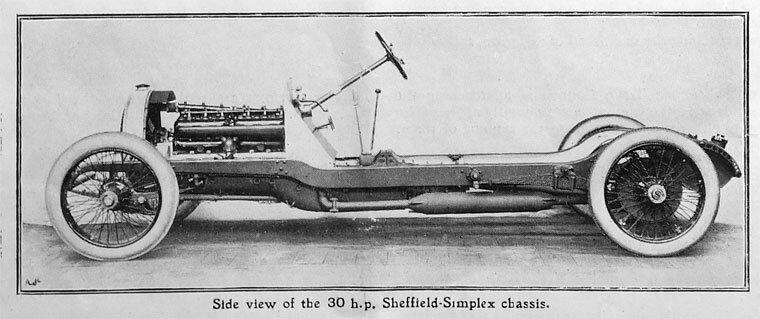
By November 1909, Sheffield-Simplex was making waves, offering four distinct models. Among them were the formidable 20-30 hp LA5 and LA6 (featuring a six-cylinder 4,324 cc engine), followed by the 25 hp LA7 in 1911. Boasting a London showroom just down the road from Rolls-Royce, Sheffield-Simplex quickly became its only true rival. In fact, by 1913, The Times hailed the company as representing the « highest point to which motor design has yet attained. » That same year, under the leadership of managing director Warwick Wright, the LA7 was upgraded to a 30 hp model equipped with an innovative electric starter and remained the only mosel in production. By the start of the war, the vehicle had been modernized. The LA7B 30HP received a four-speed gearbox mounted on the rear axle and a classic three-pedal steering system. It was in this configuration that the Sheffield Simplex chassis was delivered for armored car assembly.
When World War I broke out, the company pivoted to the war effort. Alongside munitions and ABC Wasp and Dragonfly aircraft engines, they ventured into armored vehicles. Because Sheffield-Simplex lacked experience with heavy plating, the conversion of their flagship LA7a chassis was outsourced to the Army Workshops for Motor Lorries & Waggon Co. Ltd. in Hayes, Middlesex. Beginning in 1915, these « Belgian Pattern » armored cars were at the origin built to satisfy the immediate demand of the Royal Naval Air Service and the Army for the Eastern Front.
Though the company attempted a postwar revival in 1919, it never recaptured its pre-war glory. They managed to build just a single massive 7,777 cc LA7b car in 1921 before ultimately declaring bankruptcy in 1925.
Armored cars :
While the resulting armored vehicle achieved a modest degree of success, it was ultimately short-lived. Sheffield-Simplex proposed an armored car prototype to the British Army but it was refused, the rigid demands of World War I meant that private factories were bound by state orders, and for Sheffield-Simplex, government priority shifted heavily toward aircraft production. As a result, the company only ever produced a handful of these unusual-looking armored vehicles. Alongside the LA7b variants, their wartime engineering included a specialized transport van built for the Russian Government—a development proudly highlighted by the Sheffield Daily Telegraph in its December 31, 1914 edition. The armored car was presumably built upon the 1913 version of the LA7b chassis, powered by a 30 hp engine under the 1913 specification (rated at 29.47 hp RAC). To build it, the company shipped bare 5-seat passenger car chassis directly to Army Motor Lorries & Waggon Co. to be fitted with steel armor.
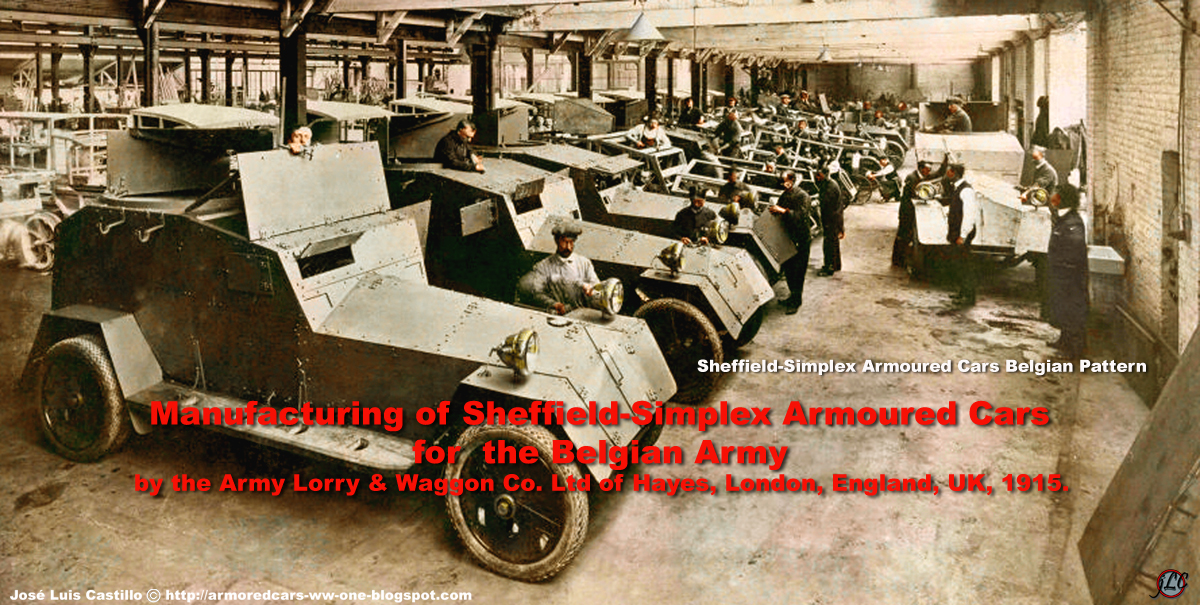
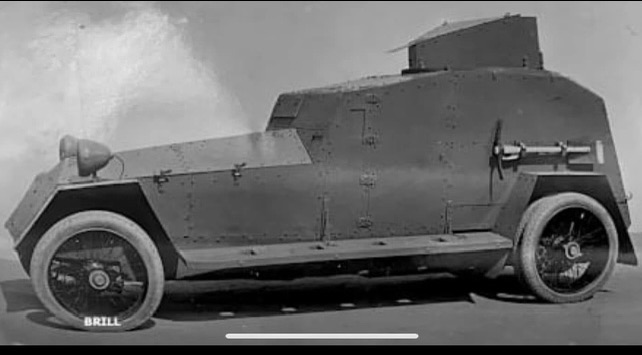
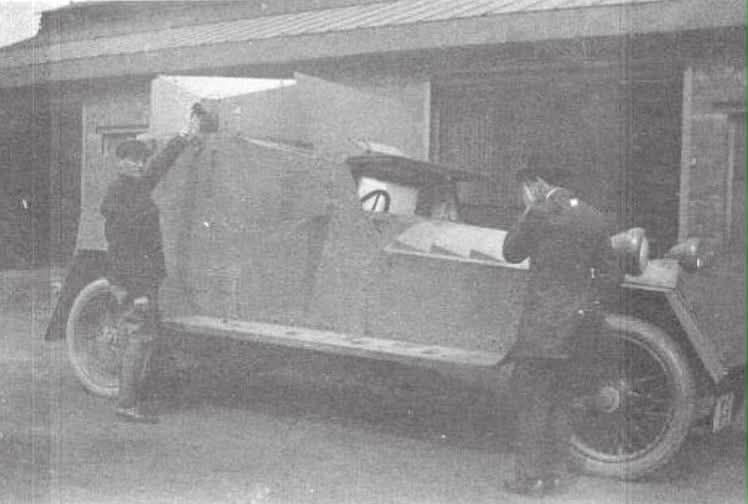
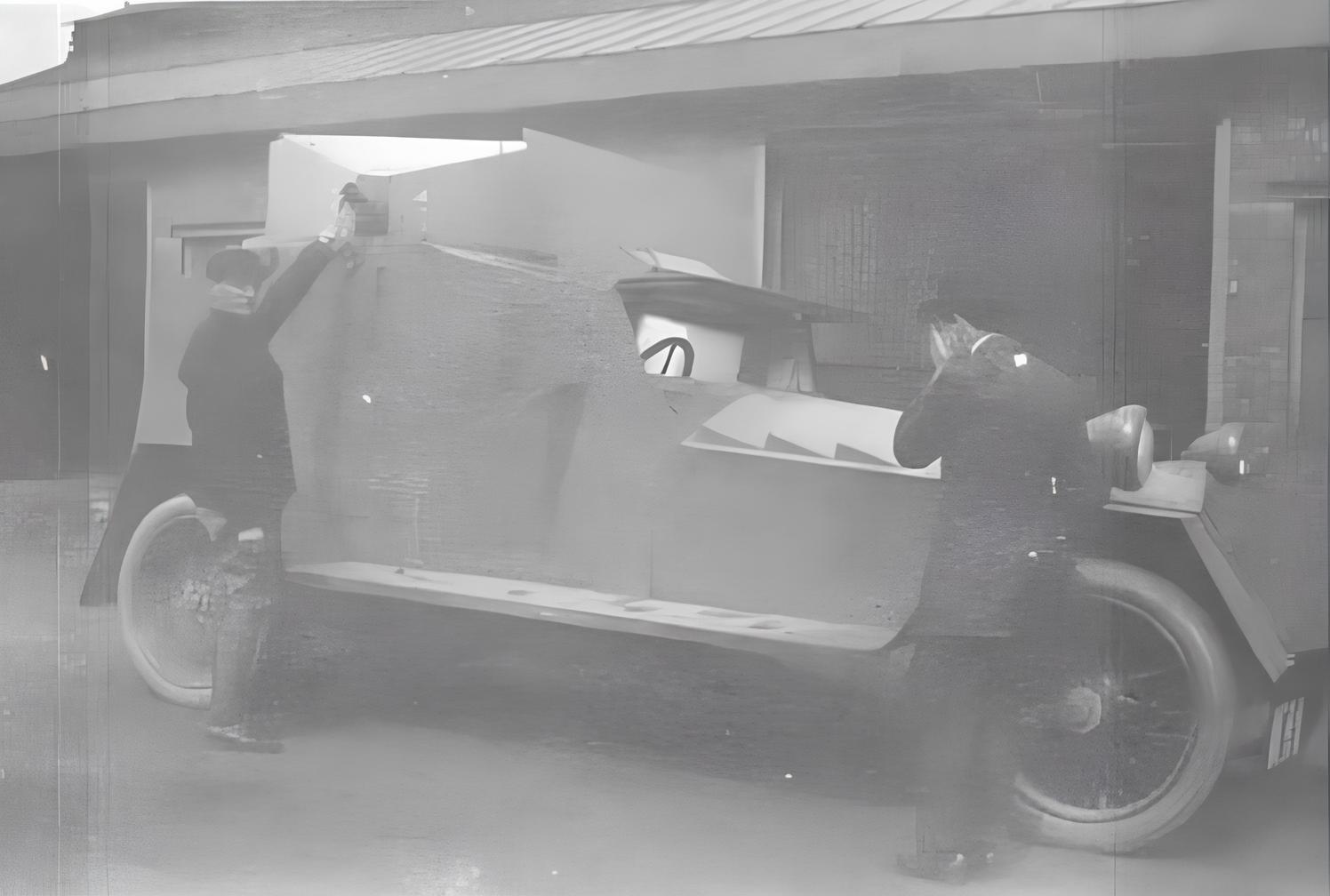
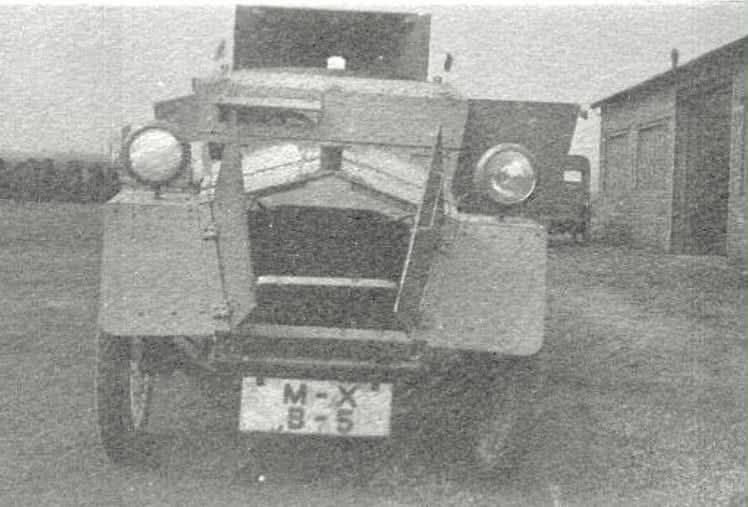
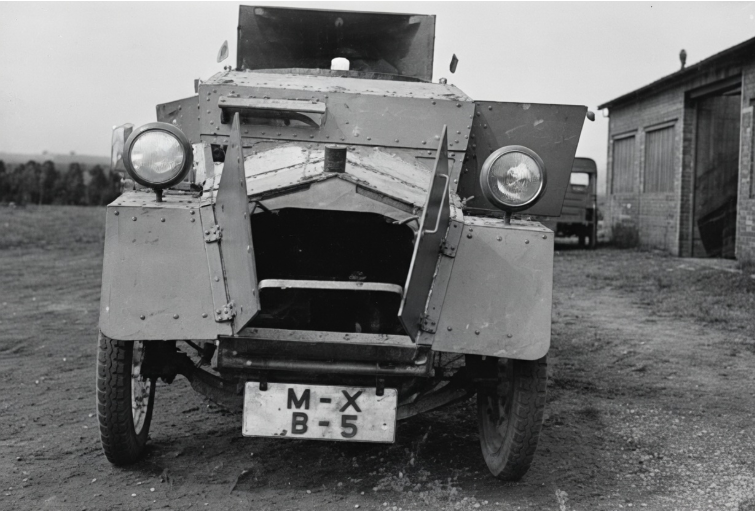
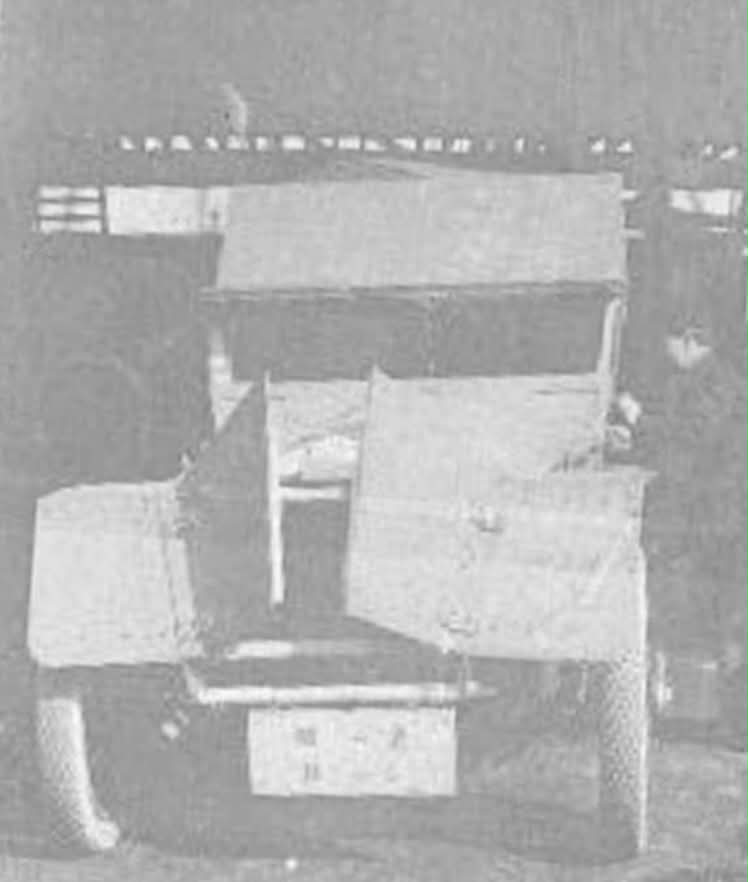
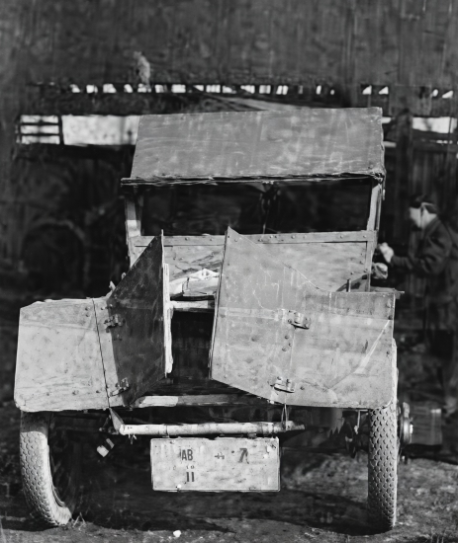
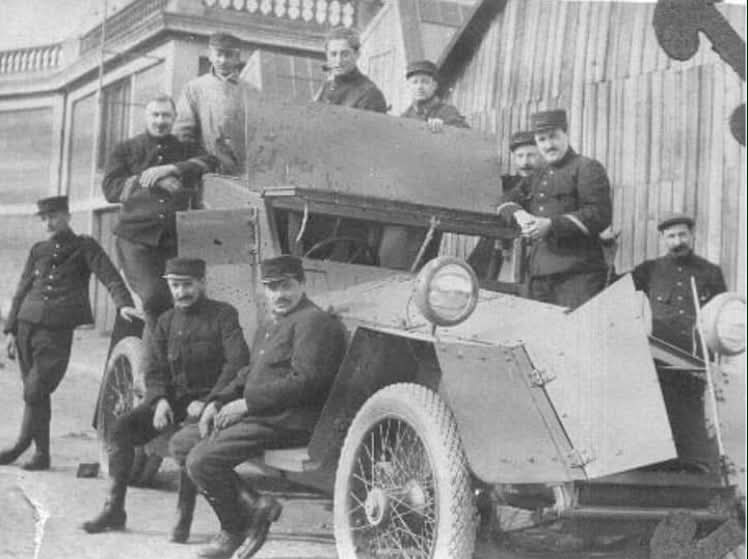
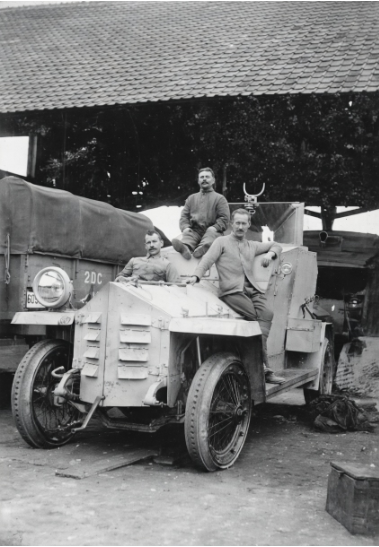
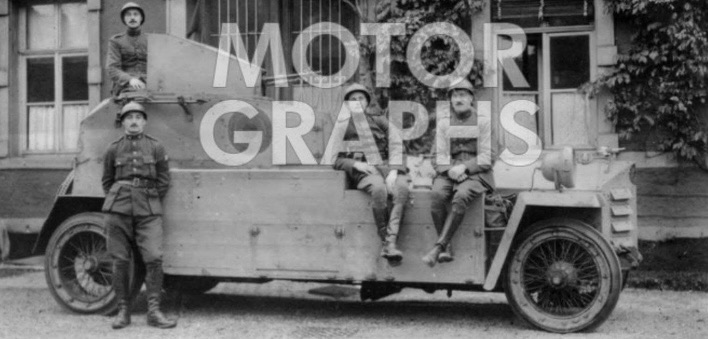
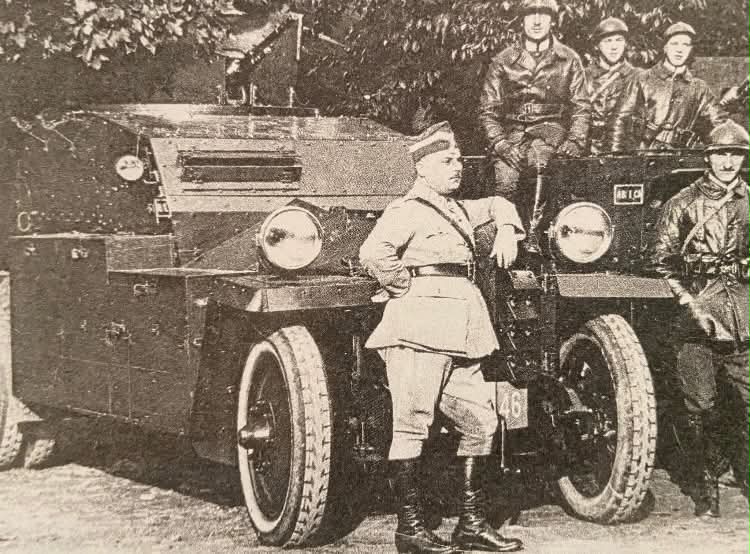
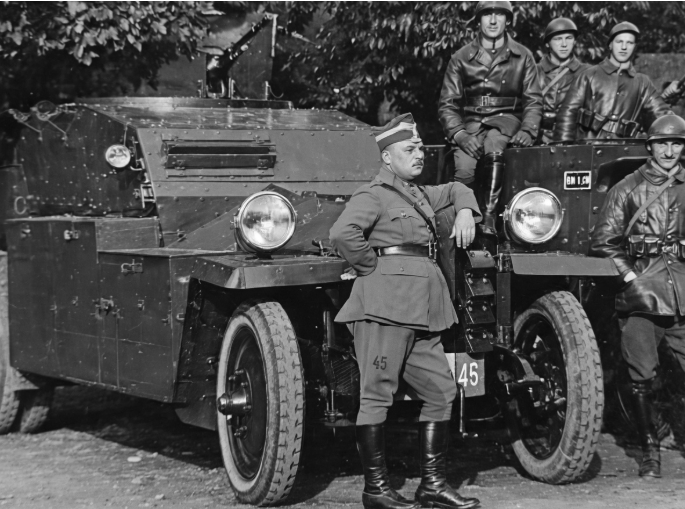
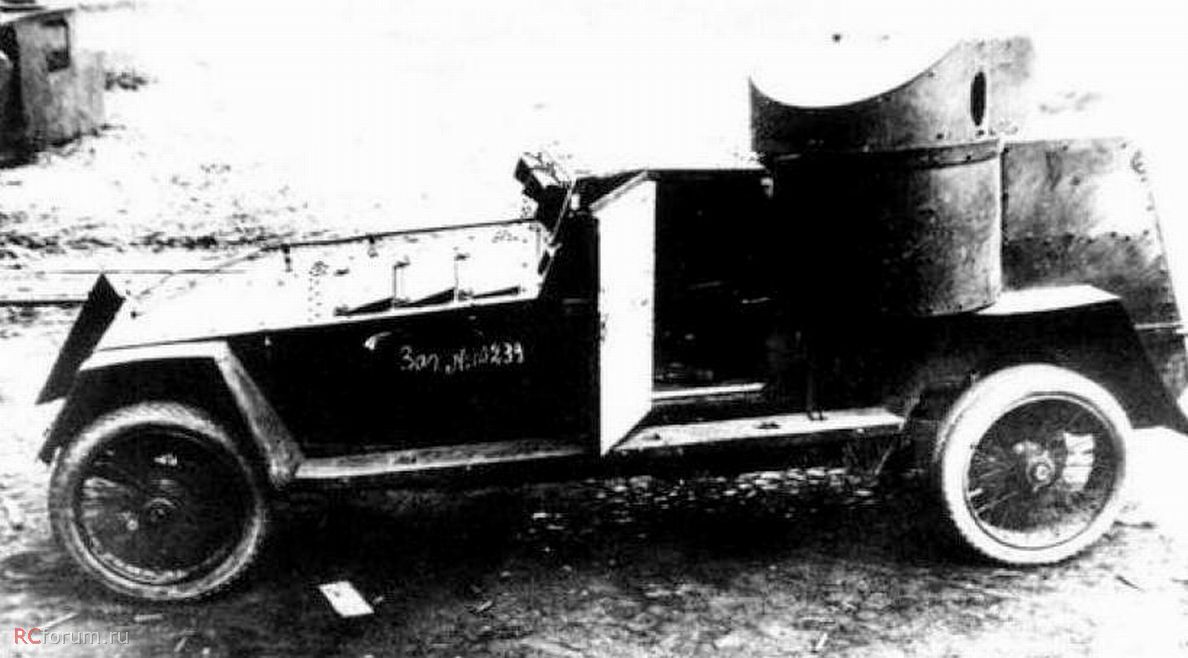
Records suggest two distinct armor configurations were developed. The first design was intended for a Belgian order of 50 copies with a single semi-open turret, quite unusual in design, particularly the roof of the fighting and driving compartments. A sloping roof plate over the driving compartment rose, providing ventilation for the crew and also providing additional protection for the turret gunner. The triangular turret was mounted on a circular ring and was open at the rear. Its armament is unknown, but it was likely intended to be equipped with a Hotchkiss Model 1914 machine gun, which was standard issue for the French and Belgian armies. The total number of these armored cars produced is unknown, but at least 10 were in production from a photo. but after rigorous testing, the Belgian Army flatly rejected the prototype. One or three armoured cars were however kept in Belgian service until around 1925.
A second and final armor design was subsequently engineered by Staff Captain Mironov of the Imperial Russian Army, as the focus shifted toward supplying the Eastern Front. In 1916, amidst a massive foreign procurement campaign, the Russian government finalized armored car contracts with several British firms, including Austin, Lanchester, Armstrong Whitworth, Jarrott, and Sheffield-Simplex.
Ultimately, however, the Sheffield-Simplex chassis proved far too luxurious for the brutal realities of the battlefield; it was noticeably weaker and less rugged than the iconic Rolls-Royce chassis. Despite these shortcomings, a production run of 25 vehicles was completed and successfully delivered to Russia later that year. The russian armored cars bore two turrets as required by the Russian Army, which overloaded a little more the vehicle. It is worth noting that a second order for 36 copies was concluded with Army Motor Lorries & Waggon Co. on August 11, 1915. The final 61 vehicles were delivered (total 61 copies) during the summer 1916 with little differences, the most distinctive is a sloped front armor for Army Motor Lorries & Waggon Co. and a straight front armor for Sheffield Simplex. However Russian Military Ministry recognised them not suitable for war and they were not sent at the front but this is another story. Finally, they were engaged in combat only during the 1917 revolution and the Civil war. There also were plans to adapt them for the railway service.
Sheffield Simplex civilian vehicles and prototype for the British Army
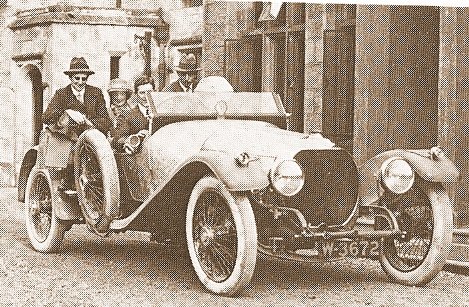
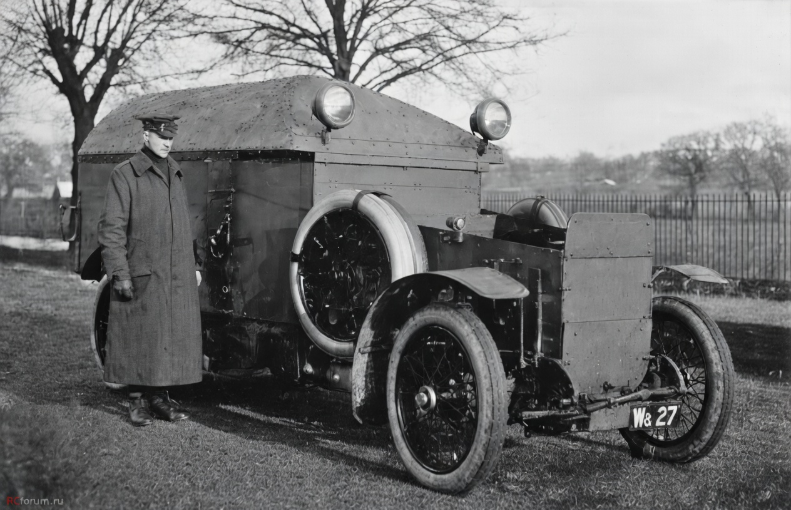
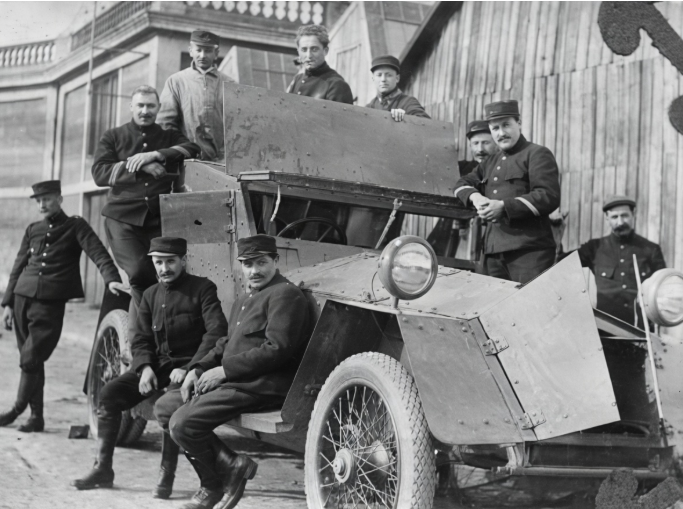
Sheffield Simplex/ AML Belgian armored cars during the war (some photos are enhanced by IA, original photos are also available)
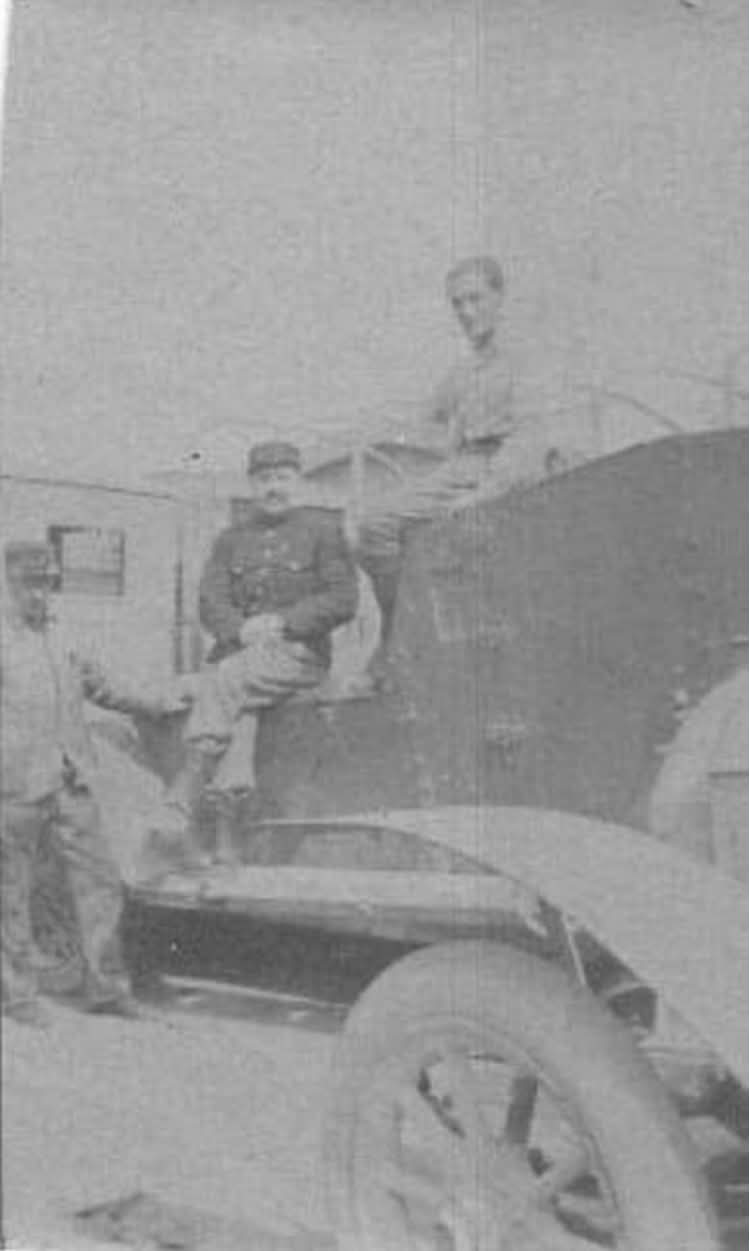
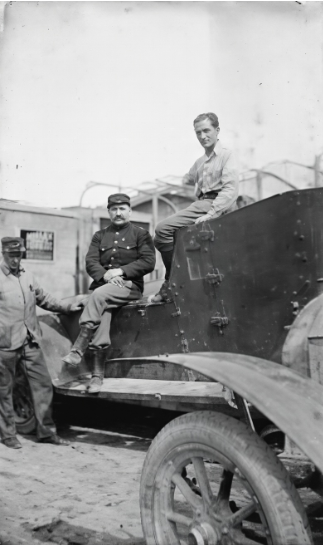
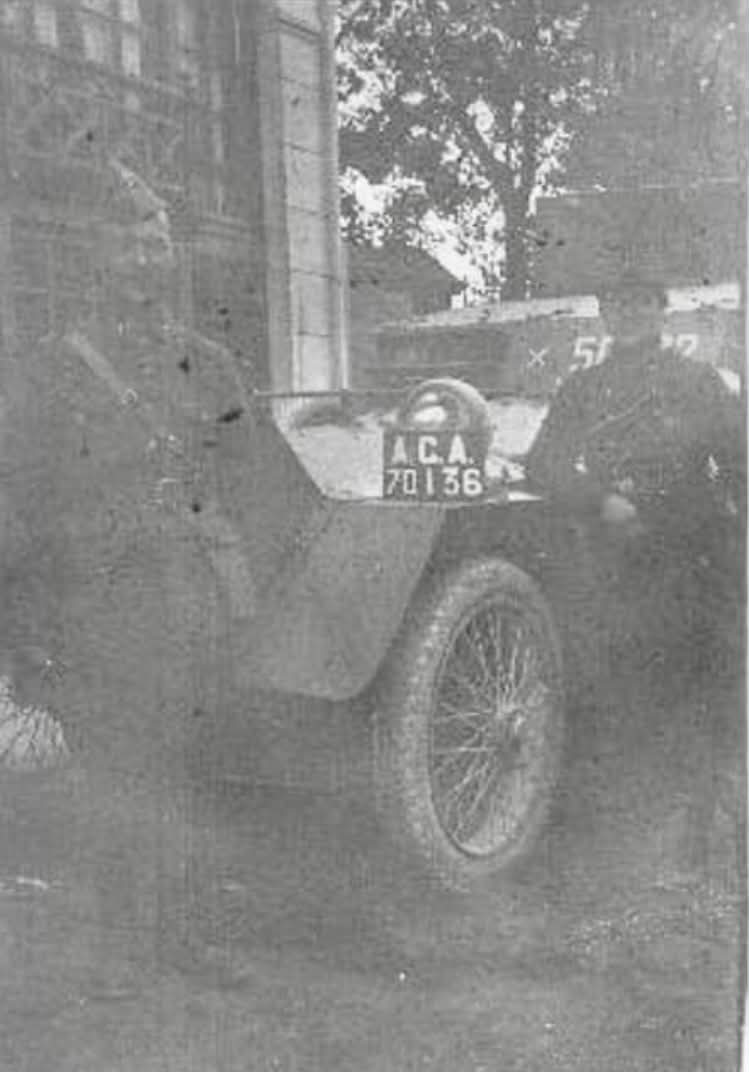
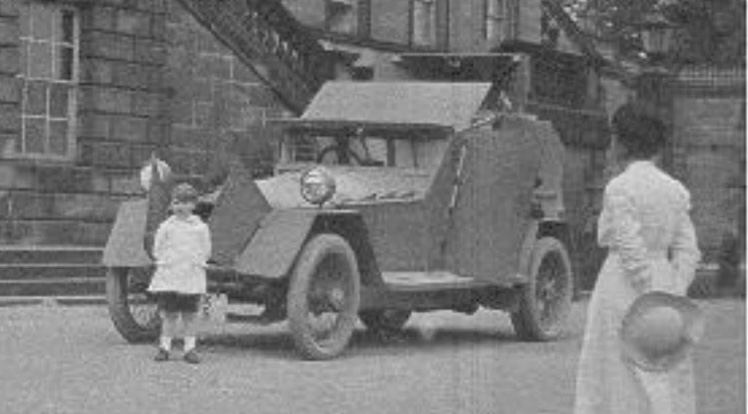
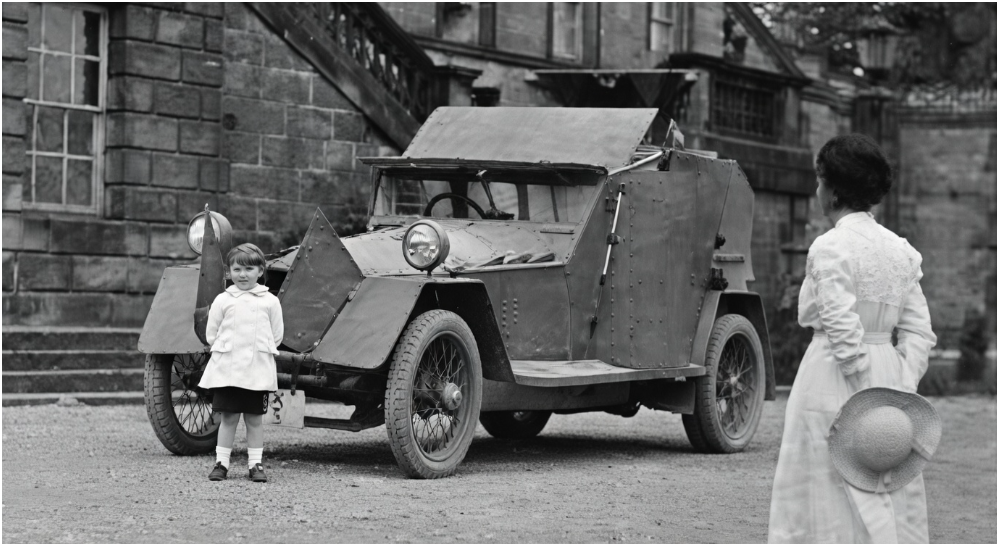
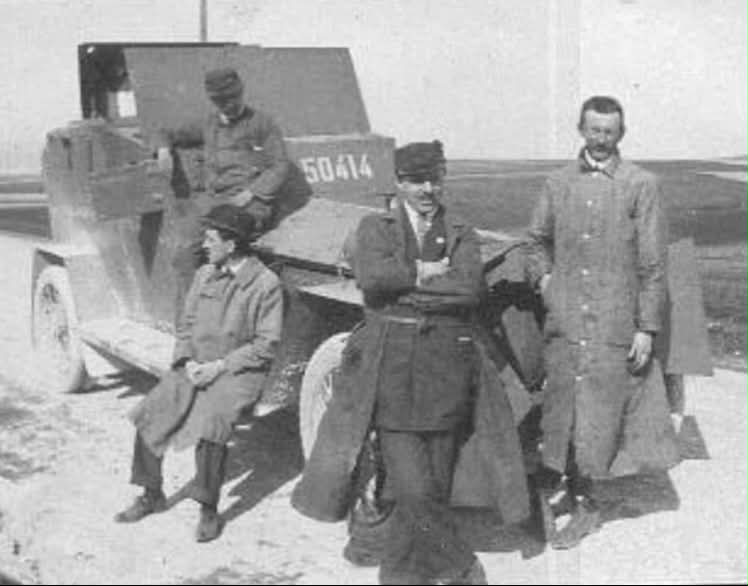
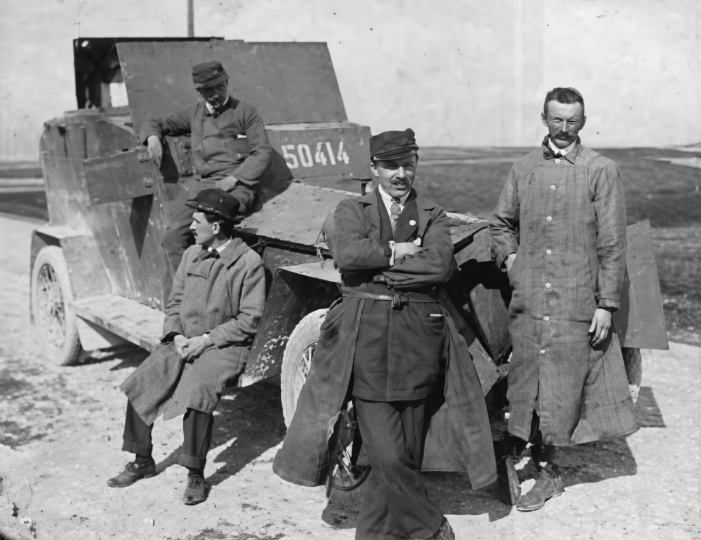
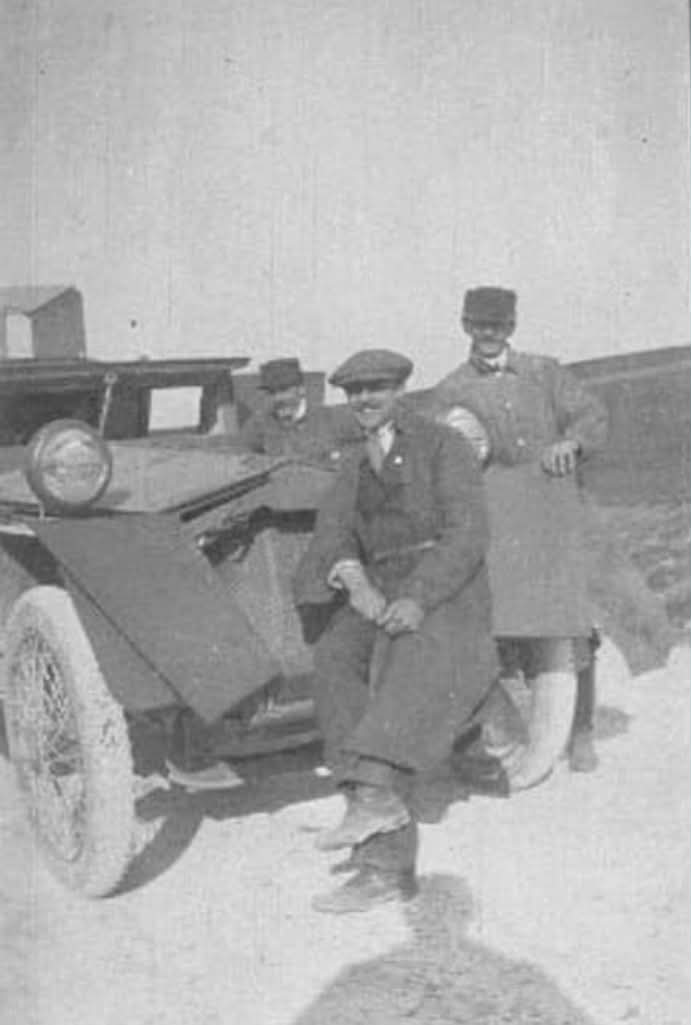
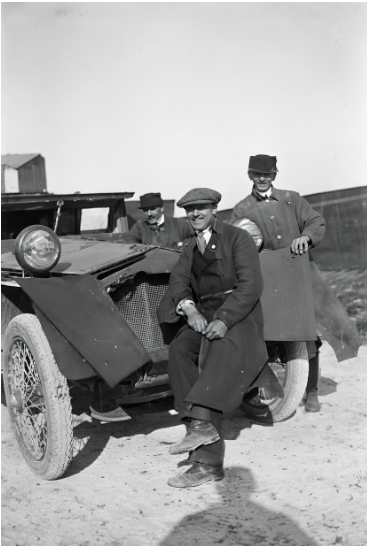
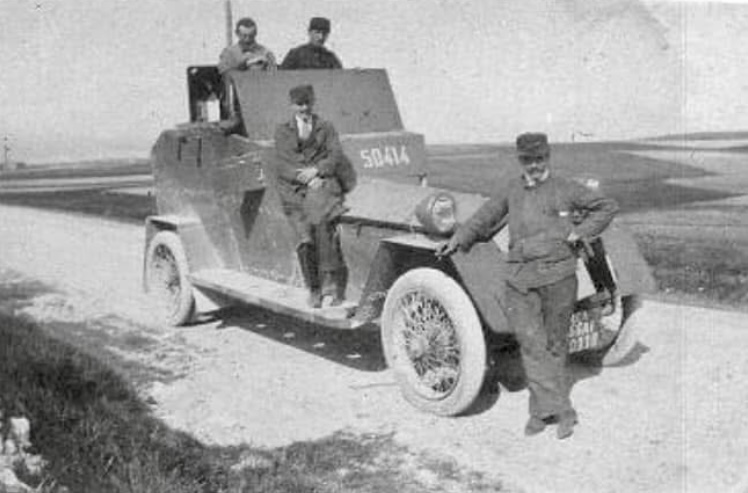
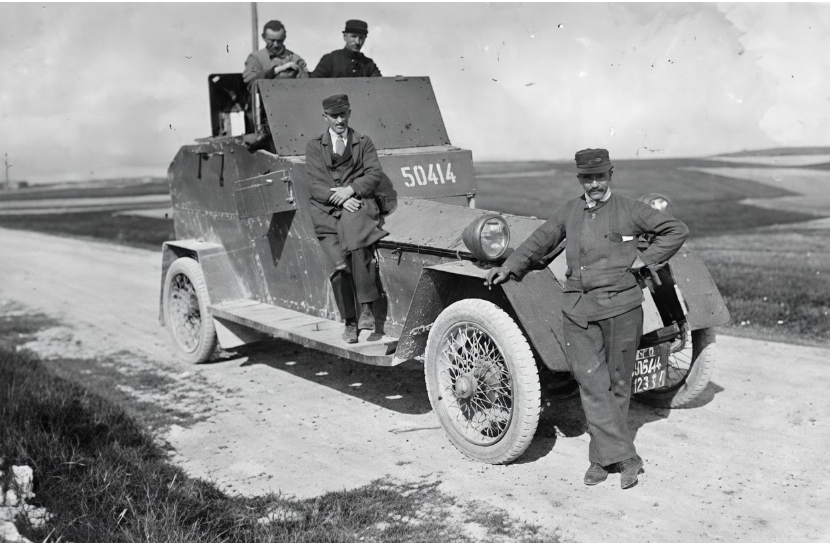
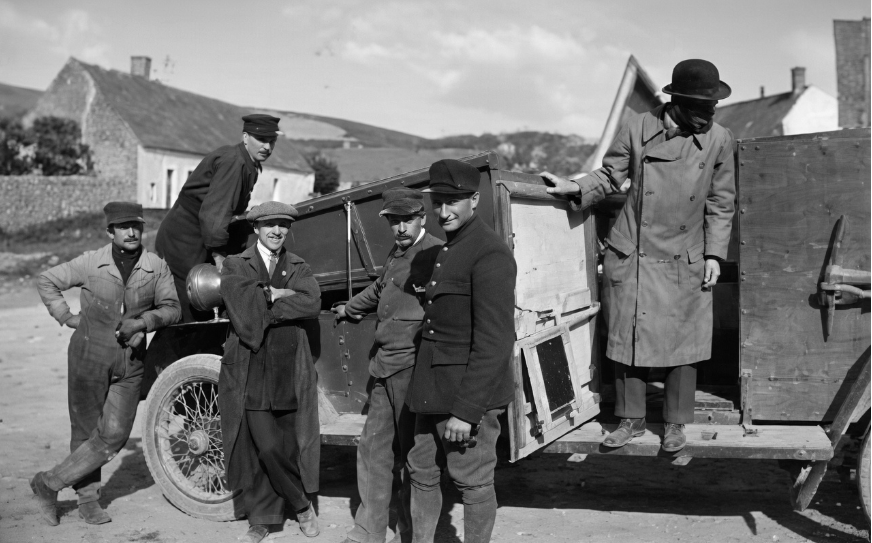
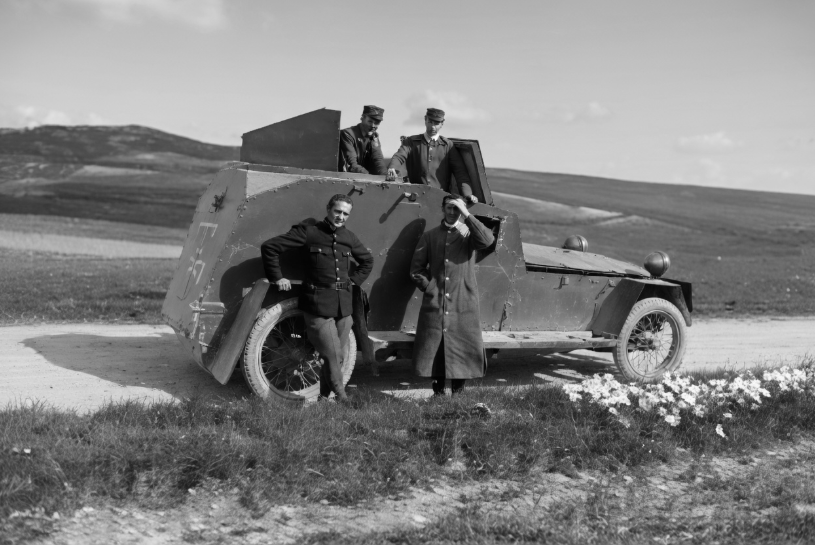
modified post war Sheffield Simplex (some photos are enhanced by IA, original photos are also available)
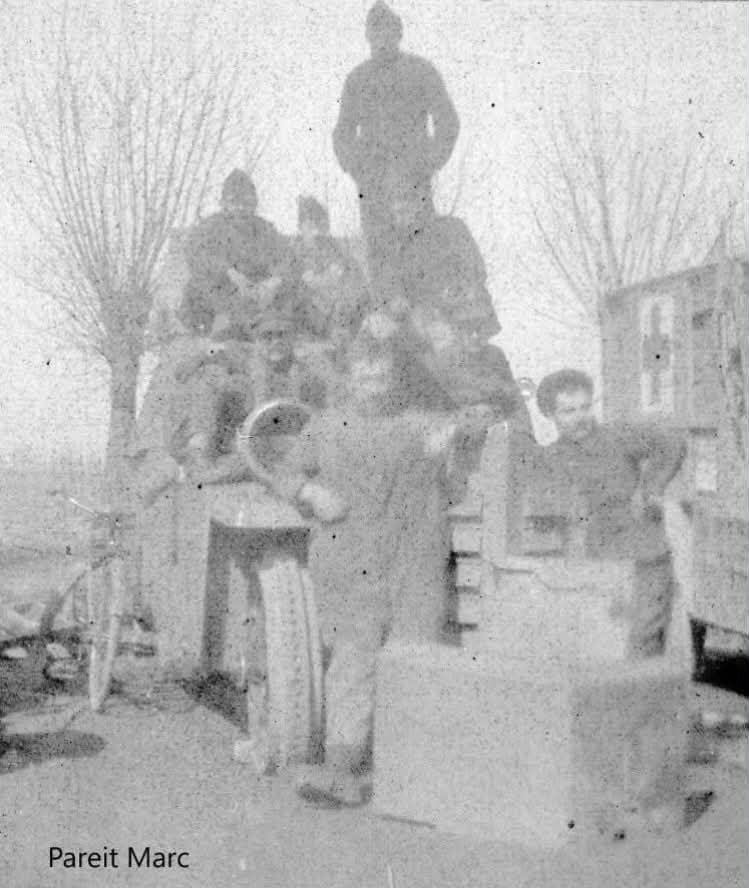
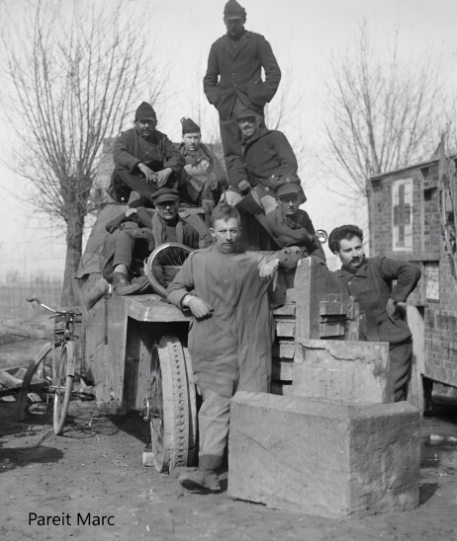
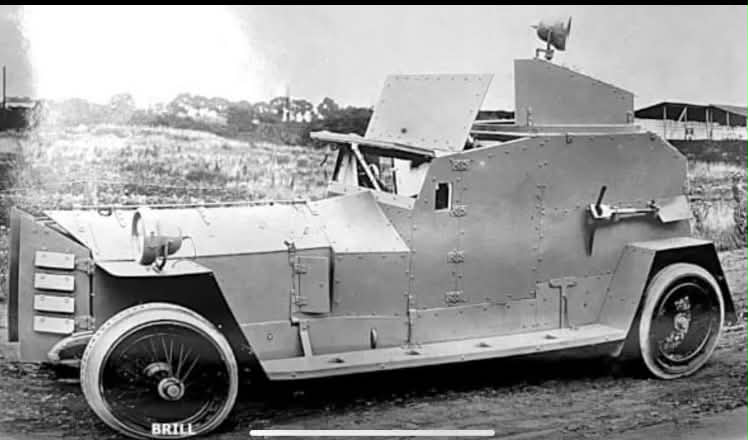
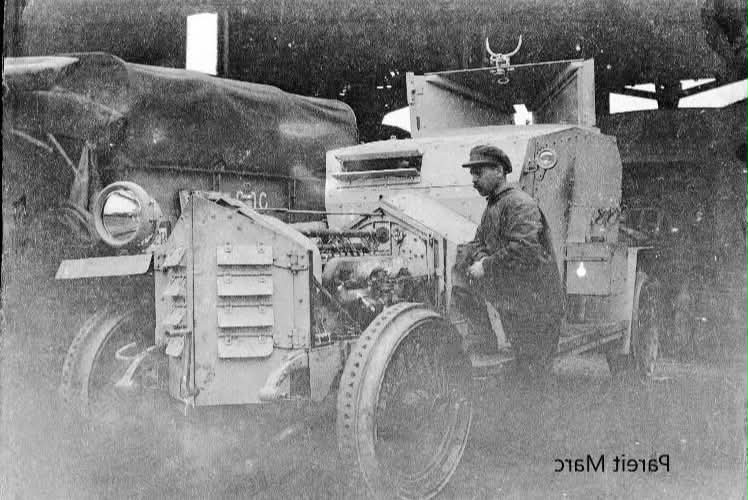
Sheffield Simplex/AML for the Russian Army
Lacre motor car company :
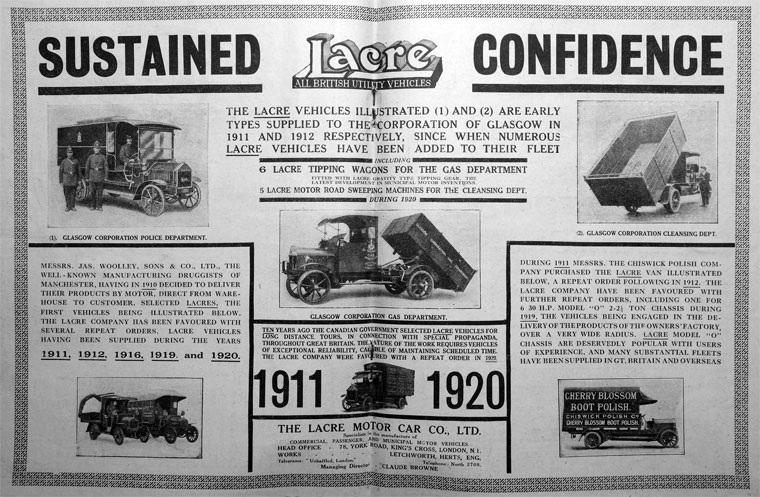
The company was founded in 1902 in Long Acre, Covent Garden , as the Long Acre Motor Company. The company name is a contraction of Long Acre. The company initially focused on accessories and maintained departments for coachbuilding, convertible top manufacturing, and automotive (dustproof) clothing and chauffeur uniforms. It also included a repair shop, a car rental business, a used car dealership, and a photography shop. From 1905 onwards, it is documented as the regional representative for Albion , Lanchester , and Wolseley , and the first automobile bodies are known to have been produced. Motor vehicle production began in 1904. By this time, the company had already moved its headquarters to Poland Street in Soho and was operating as Lacre Motor Co. Ltd. Some vans on Albion chassis were sold as Lacres. Some electric cars were also produced between 1904 and 1905. In 1907, J & B Lacre introduced forward-control trucks with a 2.2-ton payload capacity, which were not manufactured by Lacre itself but by James & Browne and temporarily extended the product range upwards. In 1909, a new generation of Lacre vehicles followed , now manufactured entirely in-house. The company’s own engines were two-cylinder units with 15 or 18 hp and four-cylinder units with 20, 30, or 38 hp. The two most powerful engines were reserved for the Lacre Model O truck , which, as the company’s longest-running product, remained in production in numerous versions until 1928 or even 1935. In 1910, the company moved to Letchworth Garden City ( Hertfordshire ). Here, commercial vehicles for loads from 0.5 to 10 tons and buses were produced . Early customers included the department stores Schoolbred’s and Harrods.
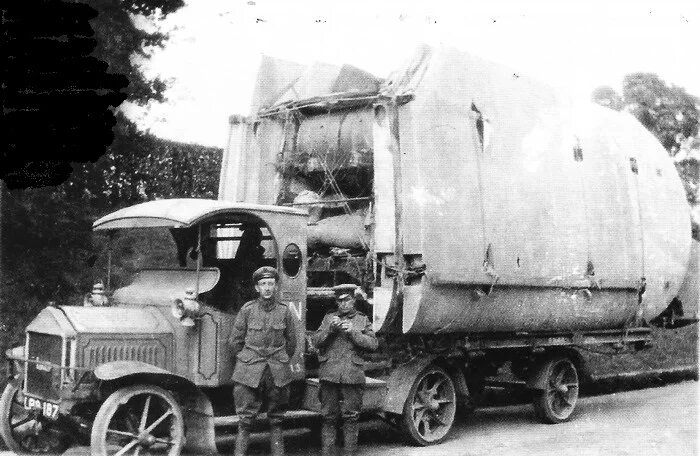
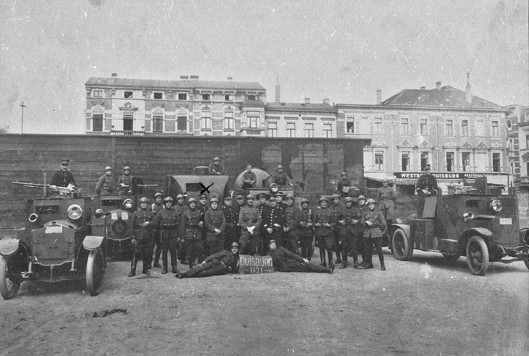
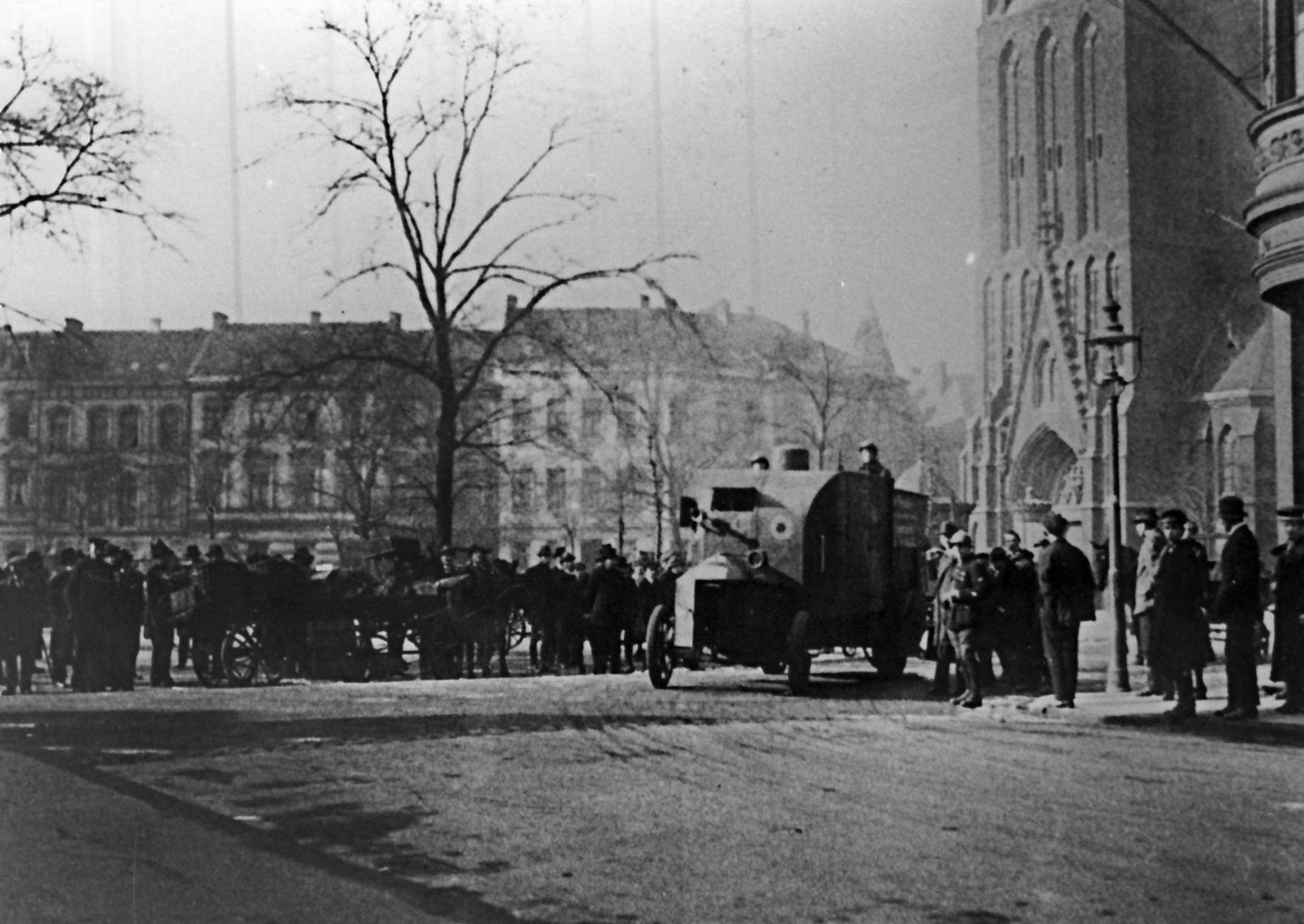
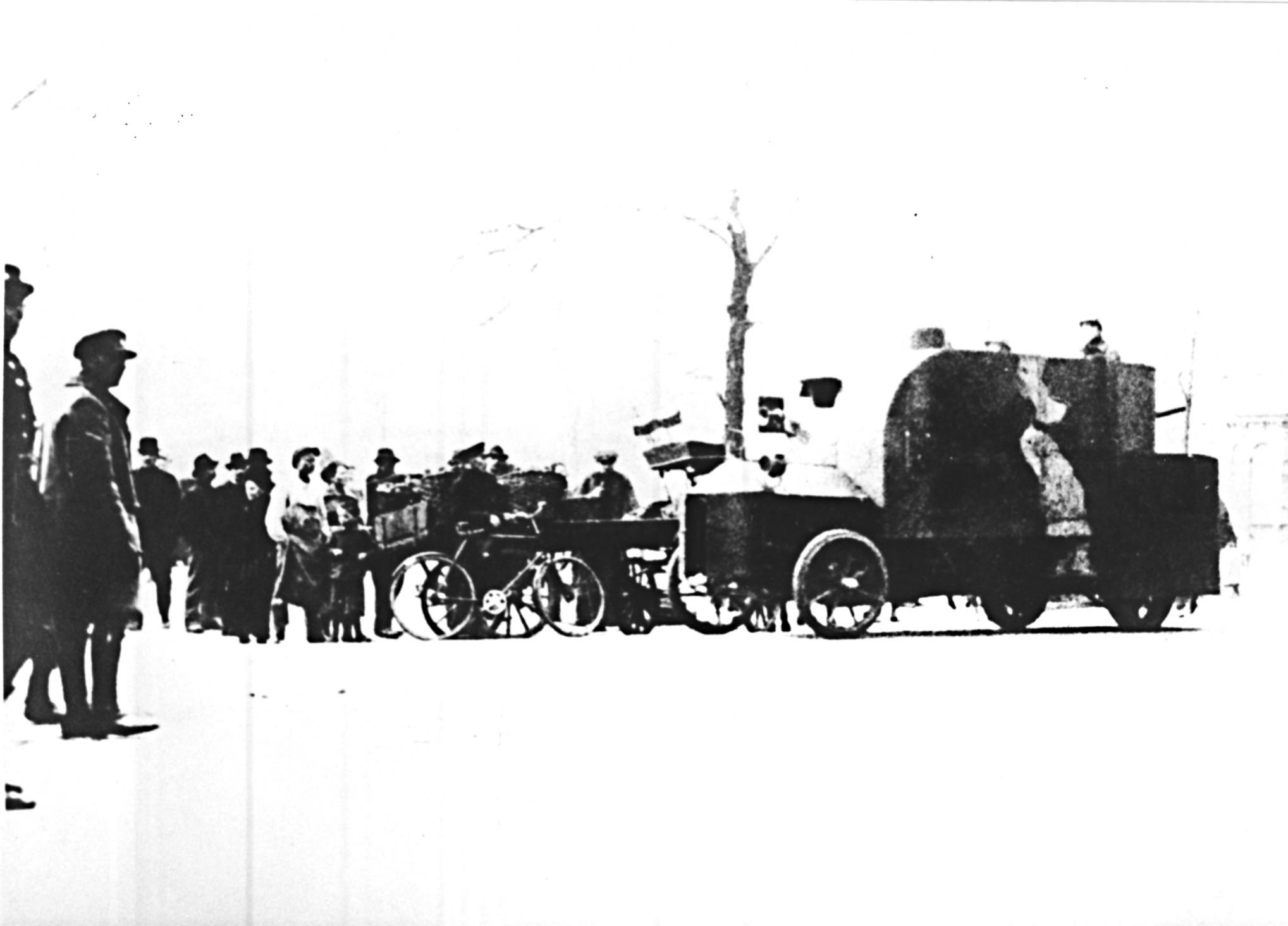
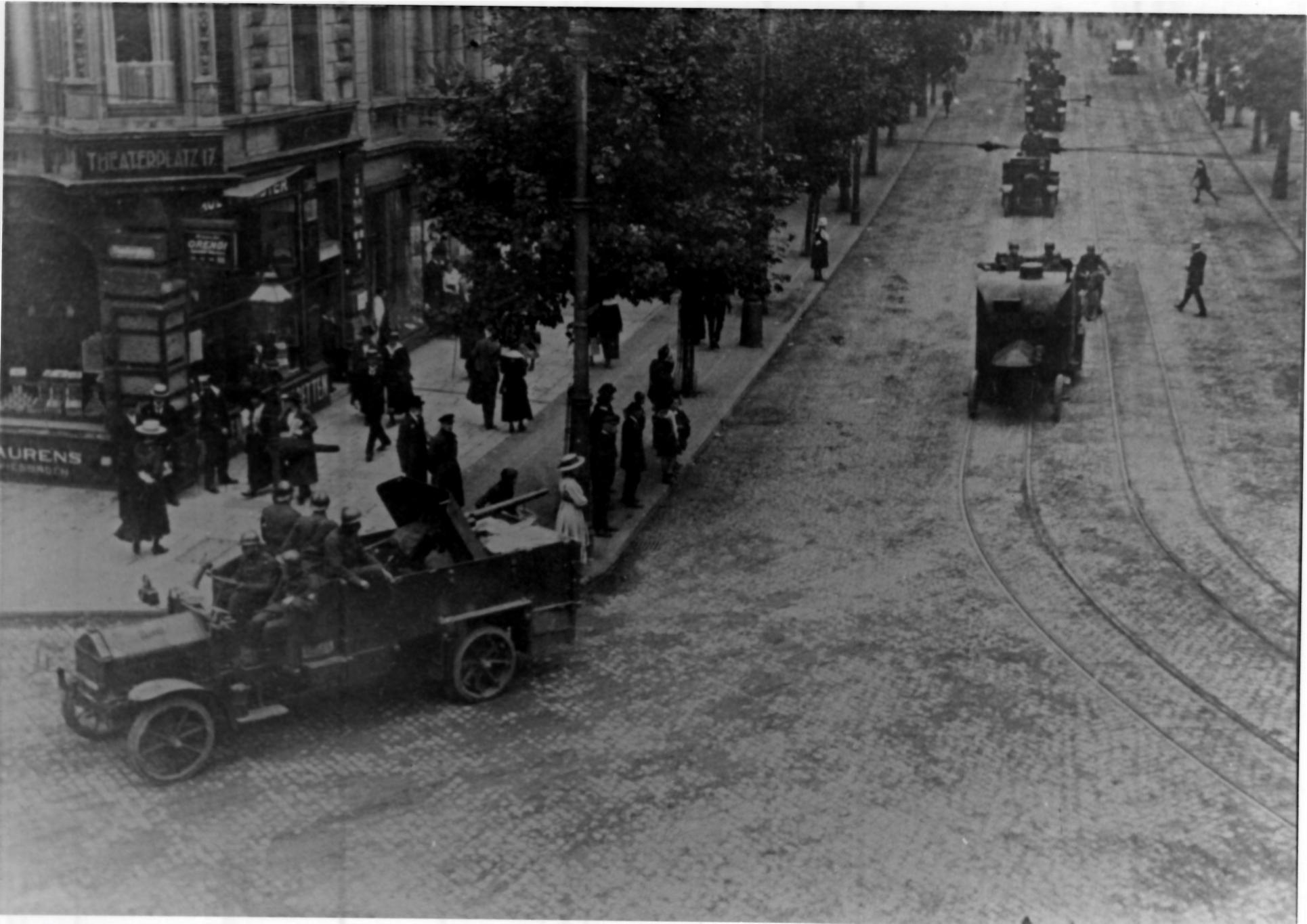
During the First World War, The Belgian Army used the lacre trucks in WW1 taking all production from the Lacre factory for two years following the outbreak of war. Three belgian Lacre truck were armed with 4,7 cm gun, one with an armored body, another with only the gun on the platform, the last one with the gun towed. A mention of two of these armored gun trucks was made in the inventory on December 1915 on the 2nd Escadrille (see table above). The serie of photos taken during maneuvers in 1916 showed these two trucks, one with the gun towed, the second unarmored with the gun on the platform. The fully armored gun truck seen in Germany after the end of the war is not mentionned, so it was probably delivered later (before or after the war ?).
A street-cleaning truck introduced in 1917 became the company’s standard product after the war, soon followed by a three-wheeled version , the Lacre Model L. In 1922, the company switched to shaft drive . That same year, two executives, chief engineer Harry Shelvoke and James Sidney Drewry, left the company to found the commercial vehicle manufacturer Shelvoke and Drewry in the same town. In the 1920s, Lacre primarily sold its street sweepers. An interesting forward-control vehicle, the Lacre Model E , was introduced in 1926. This two-and-a-half-ton truck had its engine, transmission, and fuel tank mounted on a subframe that could be pulled out from the front of the vehicle for maintenance. In 1928, the company ran into financial difficulties and was reorganized as Lacre Lorries Ltd. The facilities in Letchworth were sold, and the company used its depot in Kings Cross as its new headquarters. At this time, Lacre was also a distributor of low loader municipal vehicles . In 1934, the commercial vehicle manufacturer HG Burford & Co. Ltd. in North Kensington was acquired. After a final move to Welwyn Garden City (Hertfordshire) in 1936, the company continued production there. Trucks remained available, but their output was modest, and the main product was street sweepers. During the Second World War, the facilities were repurposed for aircraft production. In 1946, the company resumed production, now focusing entirely on street cleaning equipment. The last complete vehicles were assembled in 1952. They were based on the Opperman Motocart. For a time afterward, Lacre built street sweeper bodies for Bedford. The date of the company’s closure is unknown.
Sources:
Georges Mazy articles
Witold J. Lawrynowicz, Albert Rokozs: Samochody pancerne I wojny światowej
Wikipedia
facebook the belgian soldier 1914-18
tank museum news
dzen
vk