
I – History:
The development of a light armored car with a rotating turret began in the Soviet Union concurrently with work on the wheeled tankettes. The project was led by A. Rozhkov—the designer behind the BA-27 and the armored Ford-A. Notably, he conducted the vehicle’s development independently, without having tactical-technical requirements approved by the Red Army’s Directorate of Mechanization and Motorization (UMM RKKA). Preliminary design work was completed in June 1930, after which Rozhkov submitted the project for review by the Scientific-Technical Committee of the UMM RKKA. On July 8, 1930, I. Khalepsky, the head of the UMM RKKA, signed Directorate Order No. 62, which stated:
« Comrade A.V. Rozhkov, a member of the Scientific-Technical Committee, has reported that, as an unscheduled project undertaken outside of regular working hours, he has completed the design of a new type of combat vehicle, which he intends to present as a gift to the 21st Congress of the All-Union Communist Party (Bolsheviks)…. The Chairman of the Scientific-Technical Committee is to ensure the urgent review of the project proposed by Comrade Rozhkov and report the results to me. »
Rozhkov’s project was reviewed in mid-July and approved; unlike the wheeled tankettes, the new vehicle featured a rotating turret, allowing for greater flexibility in fire engagement. During the discussion, a decision was made to produce blueprints and manufacture a prototype. Initially, the task was to be assigned to the Izhora Plant’s design bureau, but due to the plant’s heavy workload, the order was transferred in late August to Dyrenkov’s experimental design and testing bureau. The project was first called Ford-A armored car with a turret as indicated on September 15, 1930, by a representative of the UMM RKKA (Directorate of Motorization and Mechanization of the Red Army) at the Mozherez plant who reported on the design bureau’s work:
« Ford-A armored car with a turret. The design was executed based on a proposal by the NTK UMM RKKA (Scientific and Technical Committee). Working drawings will be completed by October 25. Manufacturing two prototypes requires 3 – 3.5 months, i.e., completion by February 15, 1931, providing a team of workers organized for the experimental task of armoring the vehicle. »
The work was completed on schedule; in a report on the status of work at Comrade Dyrenkov’s facility as of February 18, 1931, the UMM RKKA representative stated: « Rozhkov’s Ford-A
(UMM RKKA project) ready. »
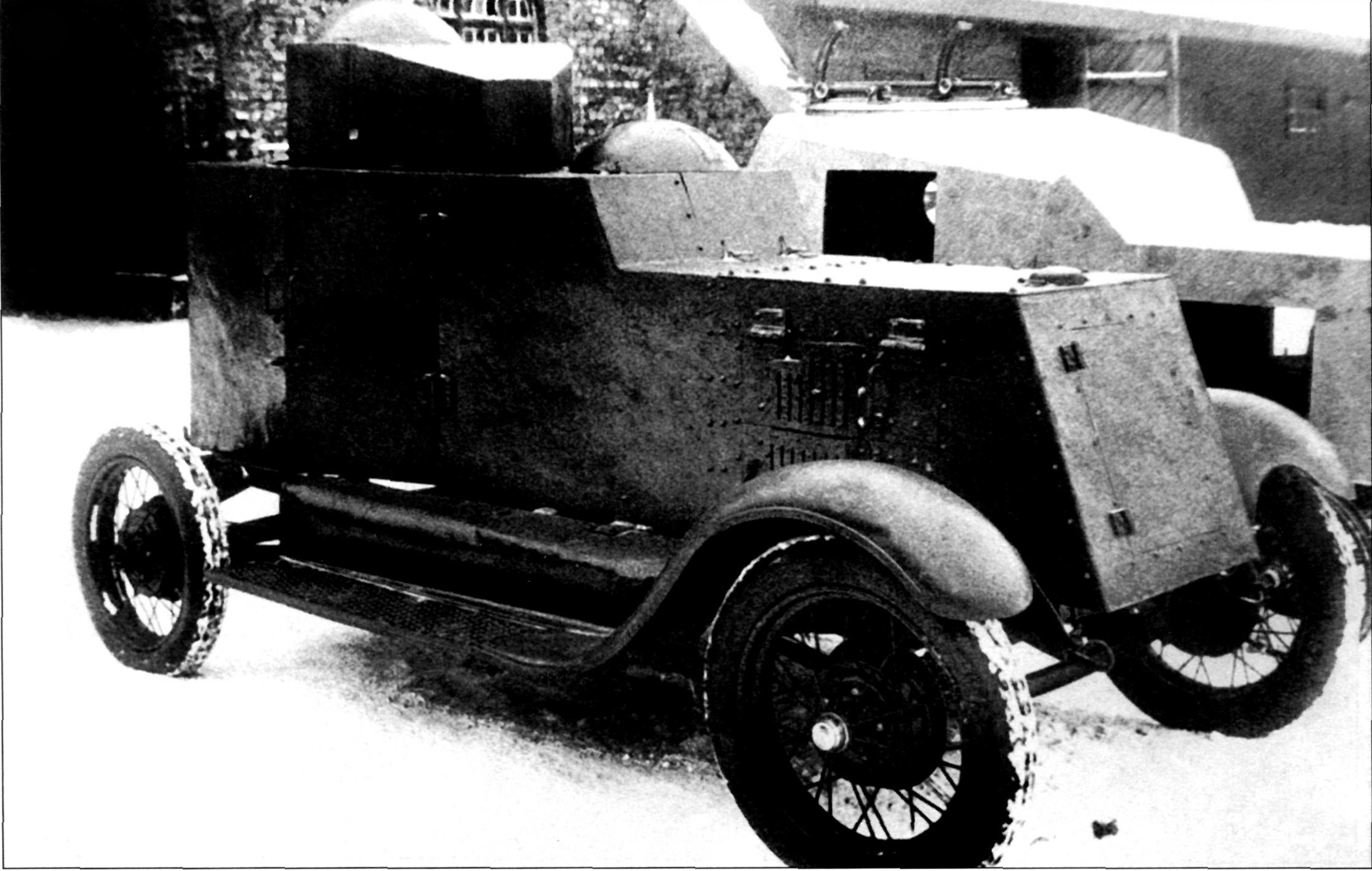
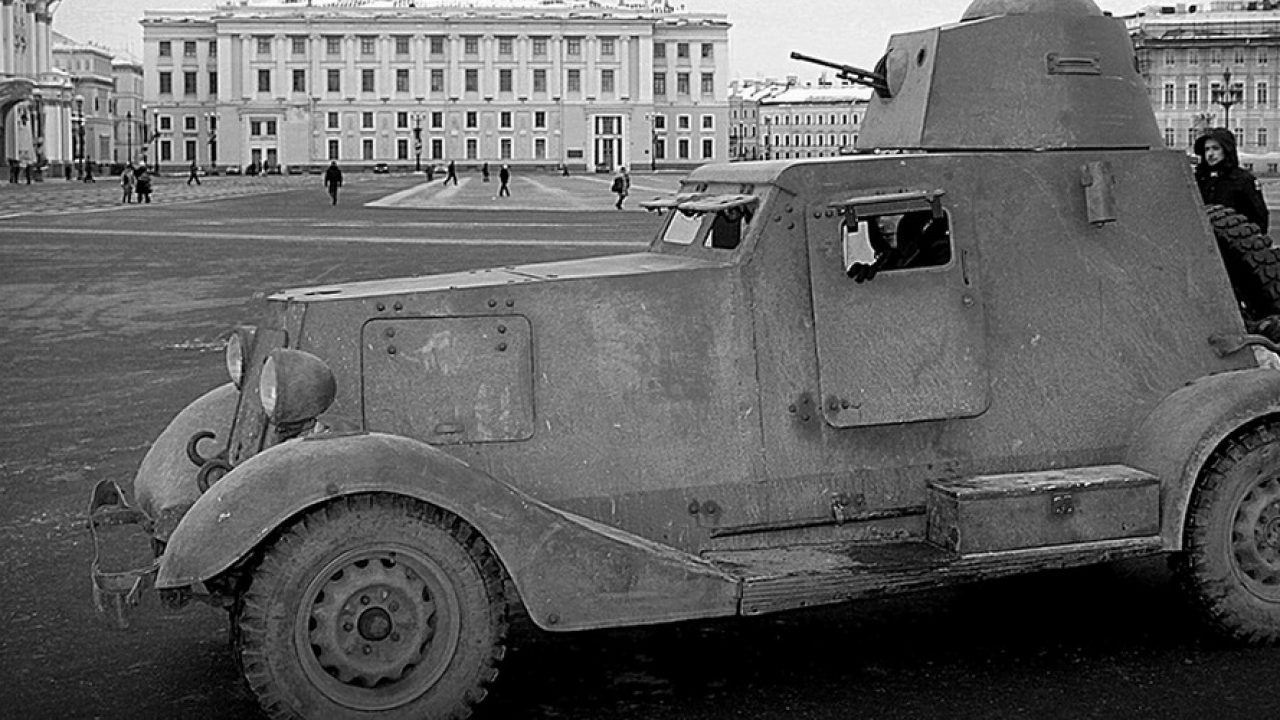
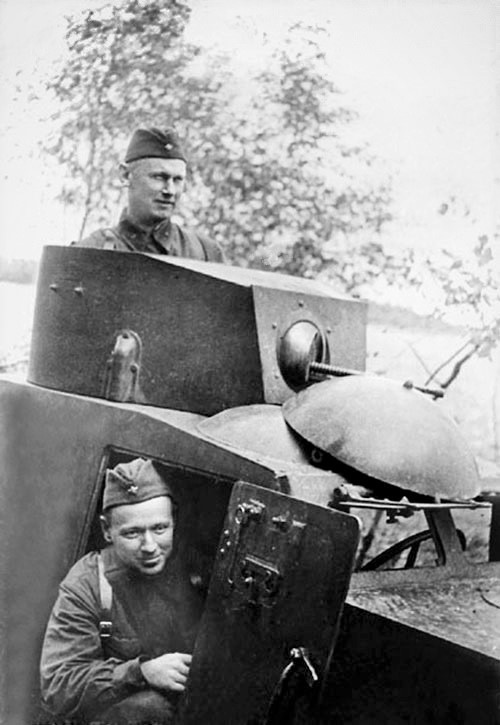
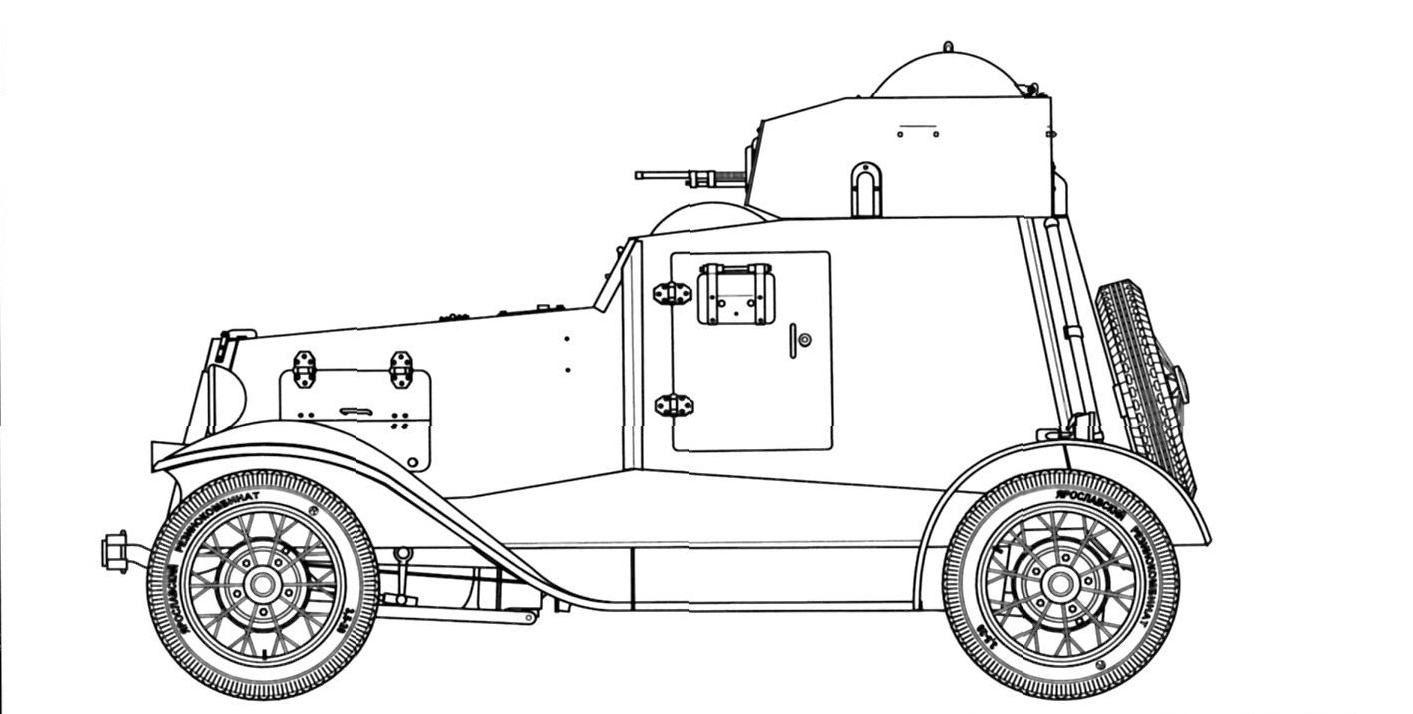
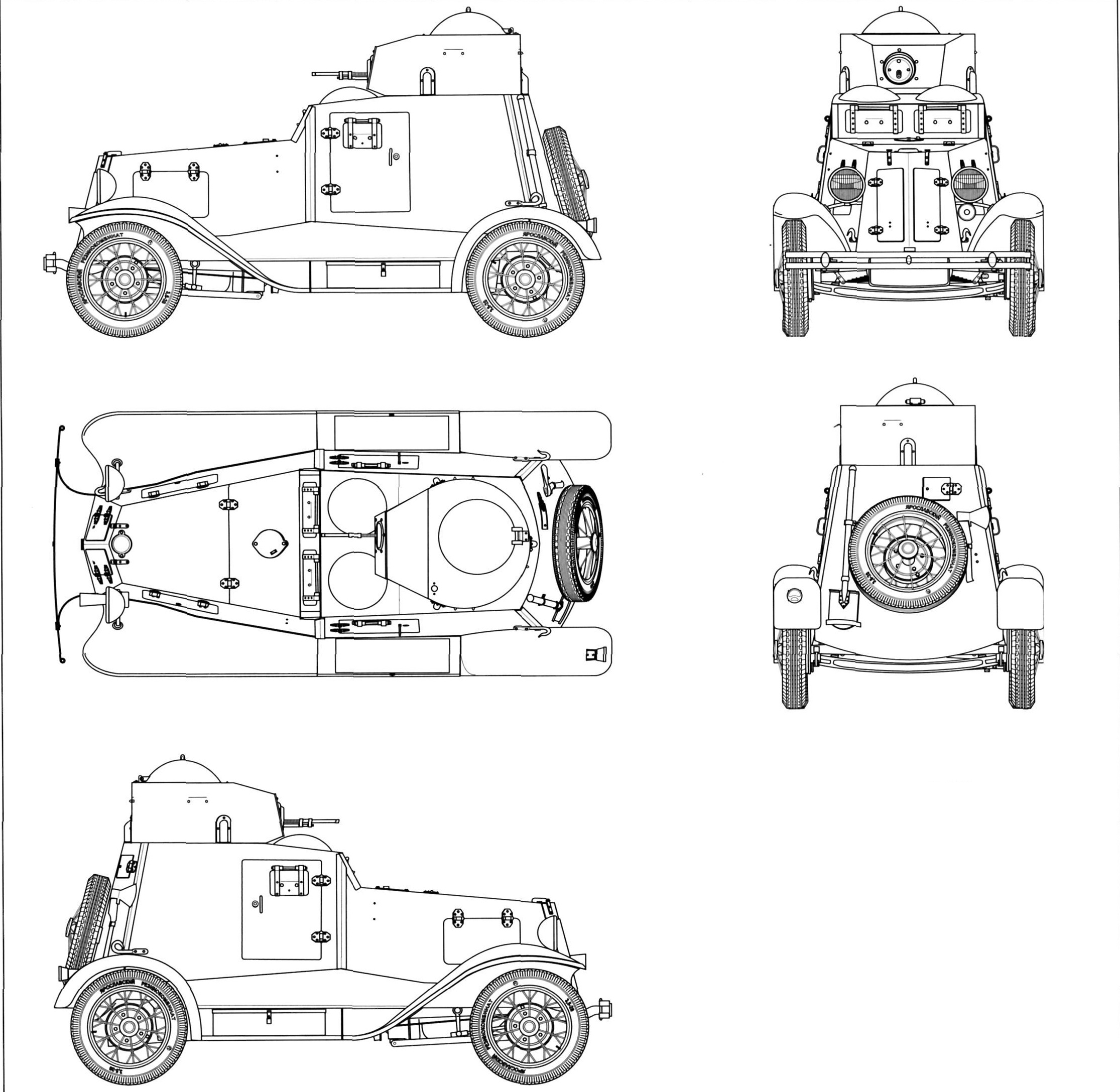
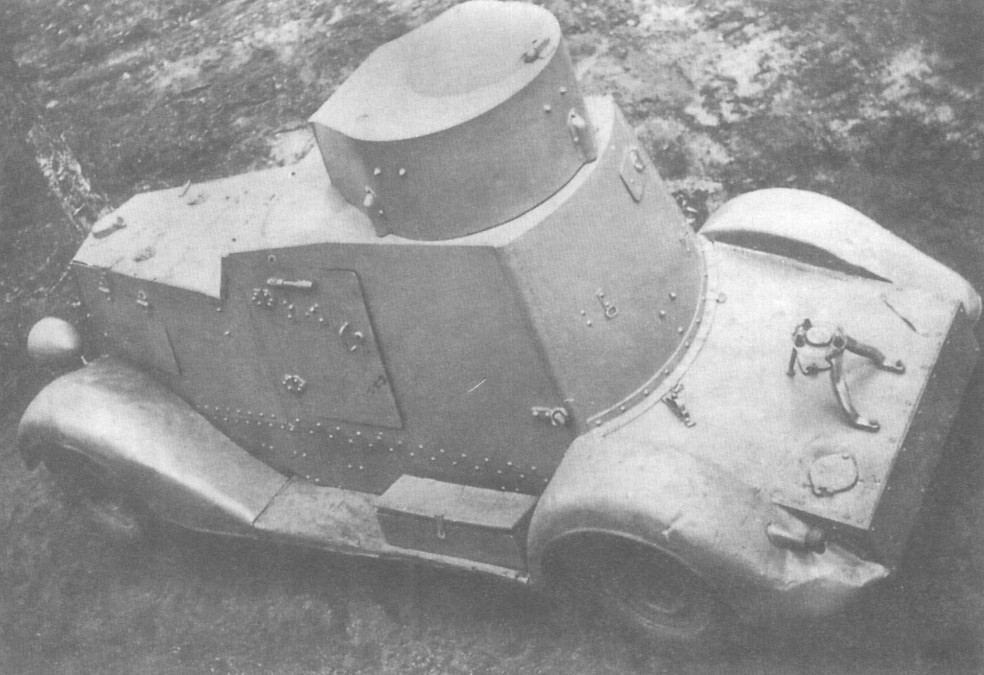
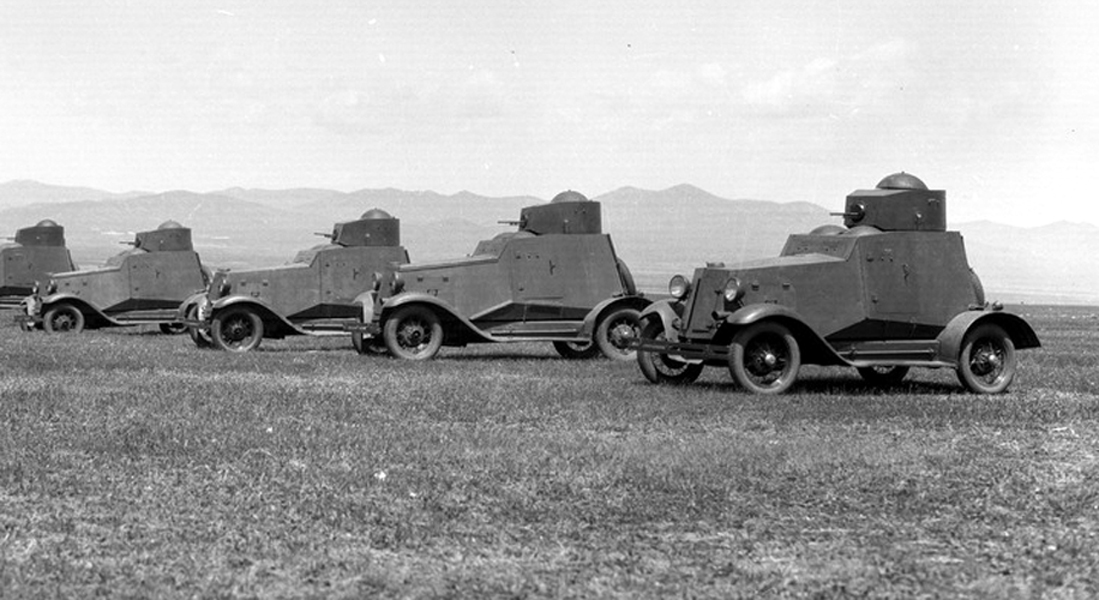
The new armored car (referred to in documents of the time as the « Ford-A with a turret »or »Rozhkov’s Ford-A ») resembled a wheeled tankette with a turret mounted on the roof of the hull. The vehicle’s hull was constructed from welded armor plates 4 – 6 mm thick. To provide headroom for the driver, the roof section above him featured a hemispherical stamping. The two-man crew entered and exited through doors in the sides of the hull. The vehicle’s armament consisted of a single DT machine gun mounted in a turret capable of 360-degree traverse. Short-term trials revealed a number of design issues with the armored car, most notably the cramped interior of the armored hull, inadequate engine cooling, and awkward weapon operation. At the same time, the new vehicle held an advantage over the D-8 and D-12 in terms of armament, as it featured a turret capable of all-round fire. Nevertheless, Rozhkov’s Ford-A required design refinements before entering mass production. In April 1931, the task of refining the armored car was assigned to Dyrenkov. However, the designer showed no interest in perfecting a vehicle designed by someone else; instead, he vigorously pushed for the production of his own armored cars, the D-8 and D-12, as well as other projects of his own. Consequently, no work was done to improve the turret-equipped Ford-A until the spring of 1932. In May 1932, the task of refining Rozhkov’s Ford-A was reassigned to the design bureau of the Izhora Plant. Drawing on design data from wheeled tankettes and the D-8/D-12 models, the bureau used Rozhkov’s vehicle as a base to design what was essentially a new armored car, initially designated in documents as the « Izhora Plant Armored Ford-A. » The vehicle featured a newly designed armored hull and a different turret.
The design for the new light armored car was submitted to the UMM RKKA (Red Army Motorization and Mechanization Directorate) in August 1932; the military was impressed, and following minor adjustments, the vehicle was recommended for mass production and adoption into service. Around this time, the armored vehicle began to be designated in documents as the FAI (FAI stands for « Ford-A Izhorsky), the Ford-A from the Izhora Plant. The spelling FA-I is also occasionally encountered, and in documents from the Red Army’s Directorate of Mechanization and Motorization (UMM RKKA), this armored car was sometimes referred to as the RB-2, a reconnaissance armored car. In the autumn of 1930, at the Odessa Polytechnic Institute, engineers I. Zhabotinsky and D. Skoblo began designing a cross-country passenger vehicle with a 6×4 wheel arrangement. The designers used the chassis of the mass-produced Ford-A as the base; the January Uprising Plant in Odessa handled the necessary components for the conversion and the final assembly. In the summer of 1931, following brief trials and the rectification of defects, the vehicle was delivered to Moscow, where it was demonstrated to representatives of the Revolutionary Military Council and the Red Army’s Directorate of Mechanization and Motorization. The new vehicle made a favorable impression, and the USSR Revolutionary Military Council decided to organize mass production of these vehicles.
On October 16, 1931, even before the FAI prototype had been built, the Izhora Plant’s design bureau received an assignment to « design and manufacture an experimental armored car based on the chassis of a three-axle Ford-A vehicle. » The plan was to use the mass-produced version of the three-axle vehicle developed in Odessa as the base. On December 8, 1931, the head of the Izhora Plant’s design bureau sent a letter to the Red Army’s Directorate of Mechanization and Motorization stating the following:
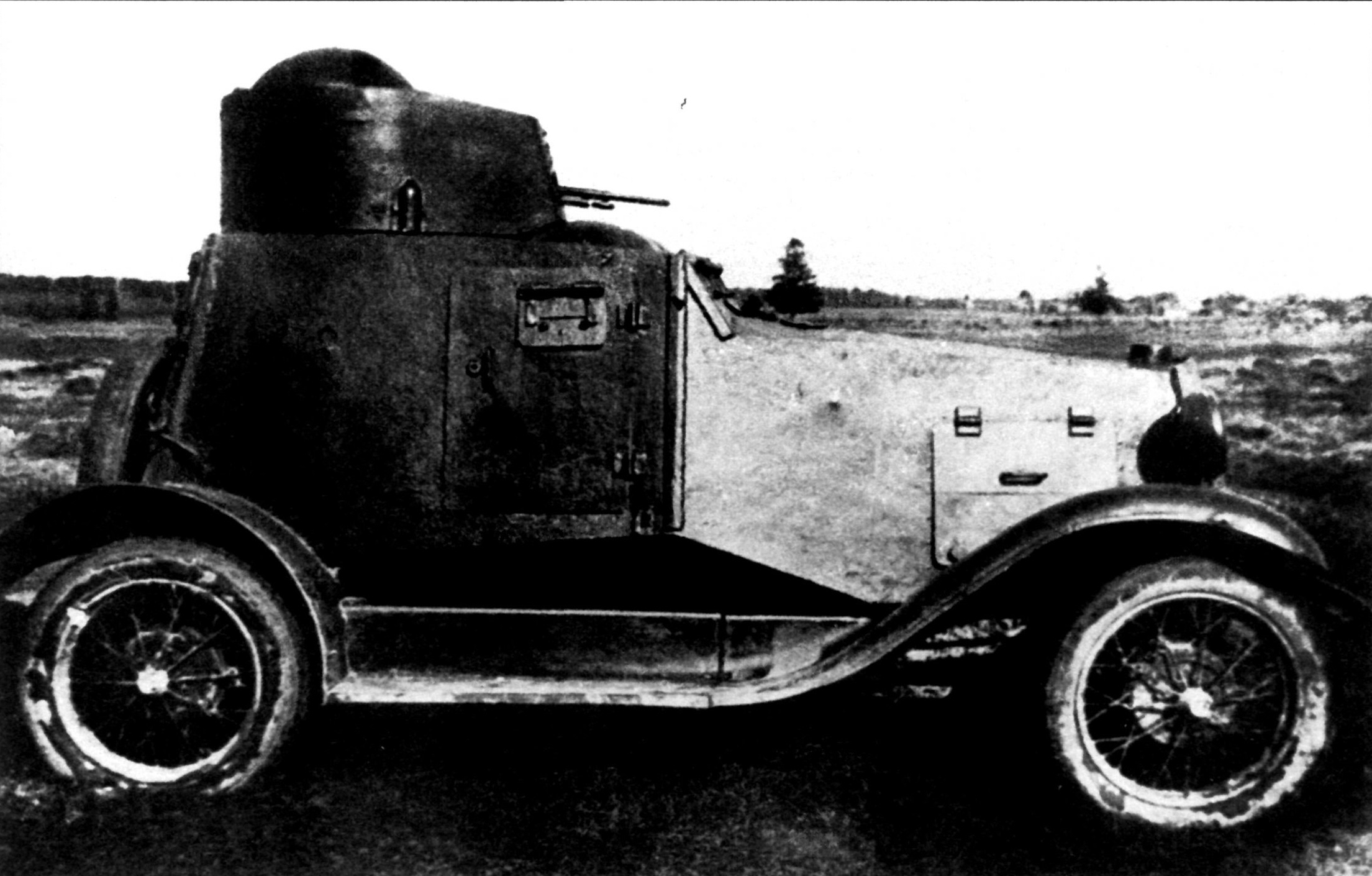
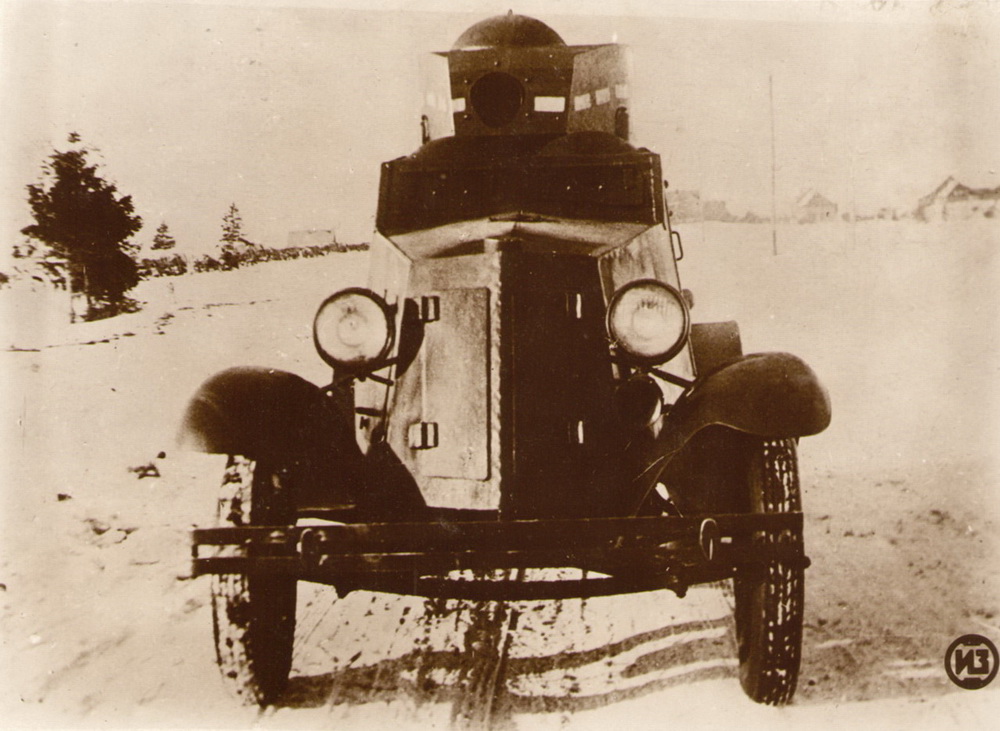
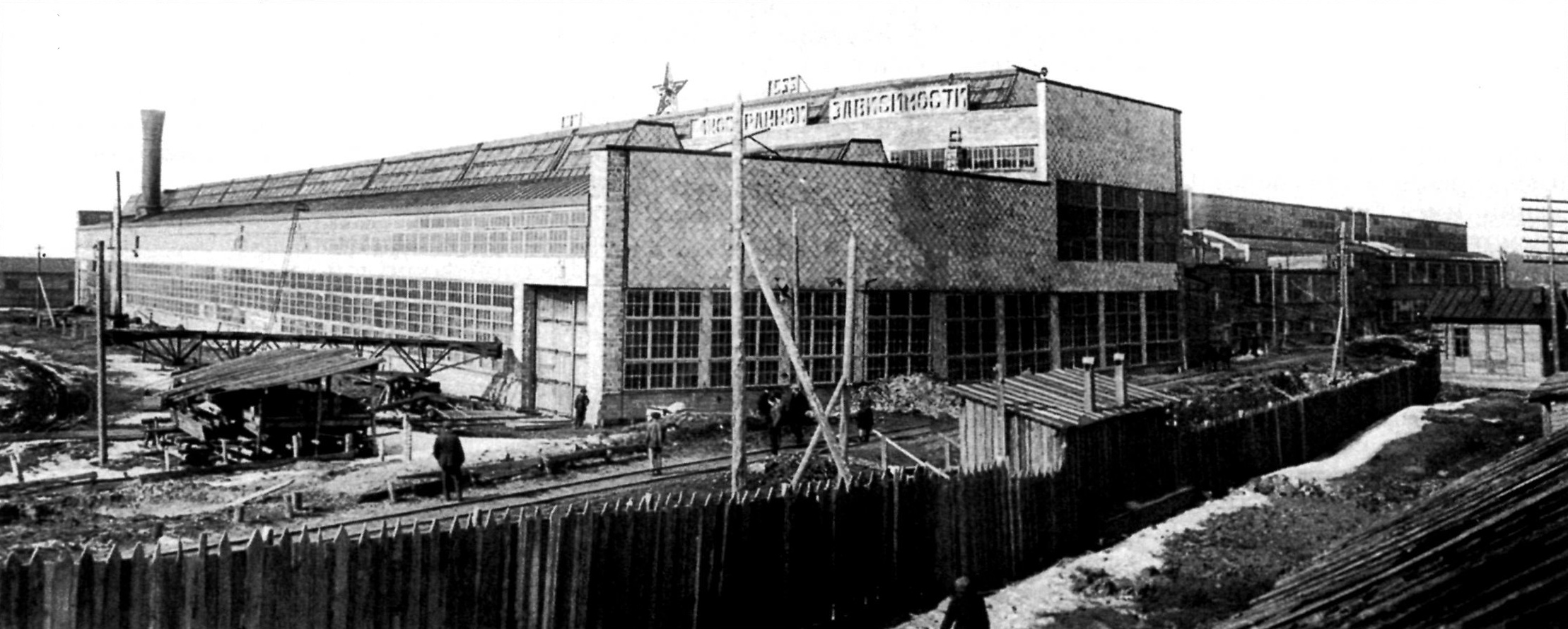
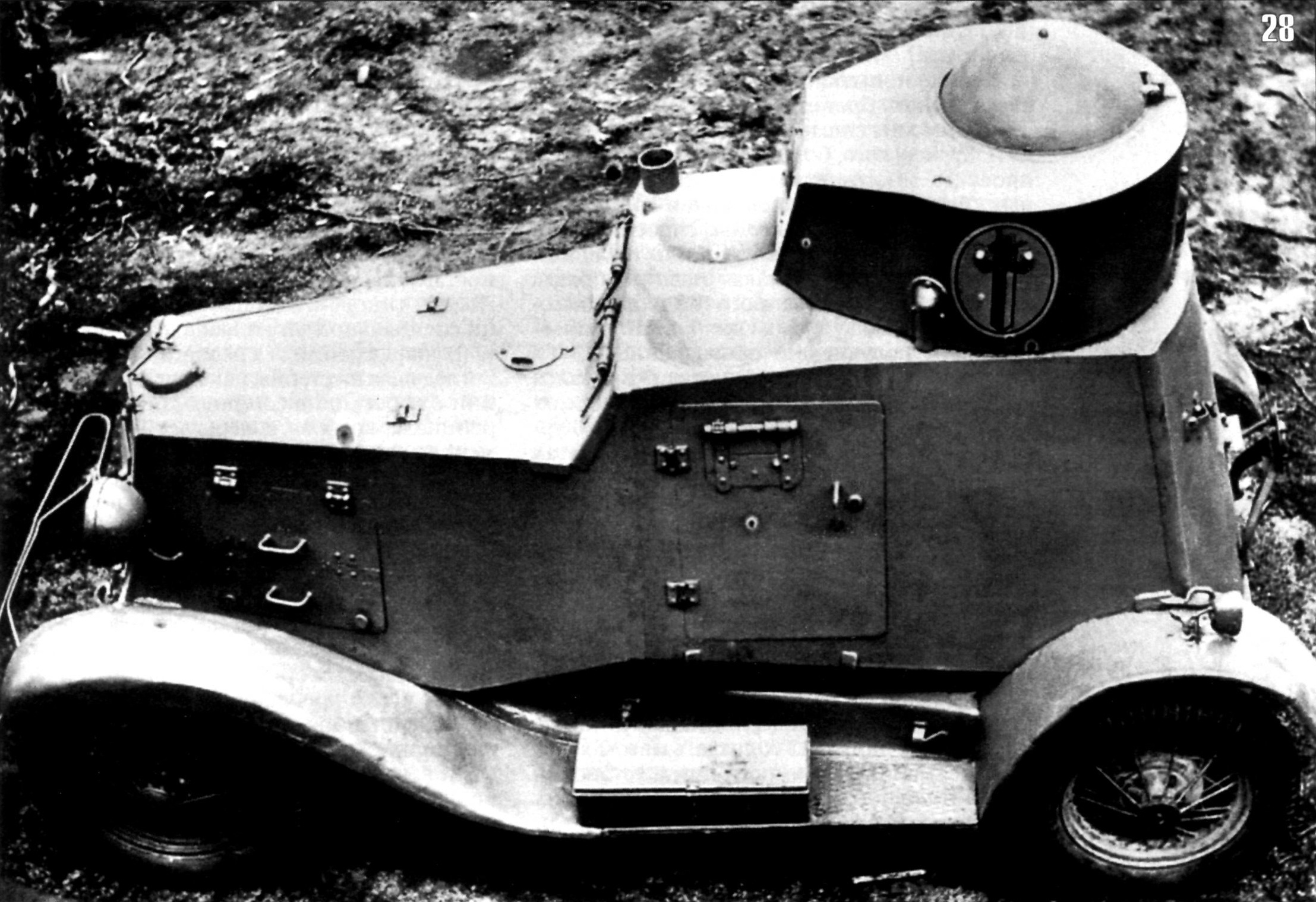
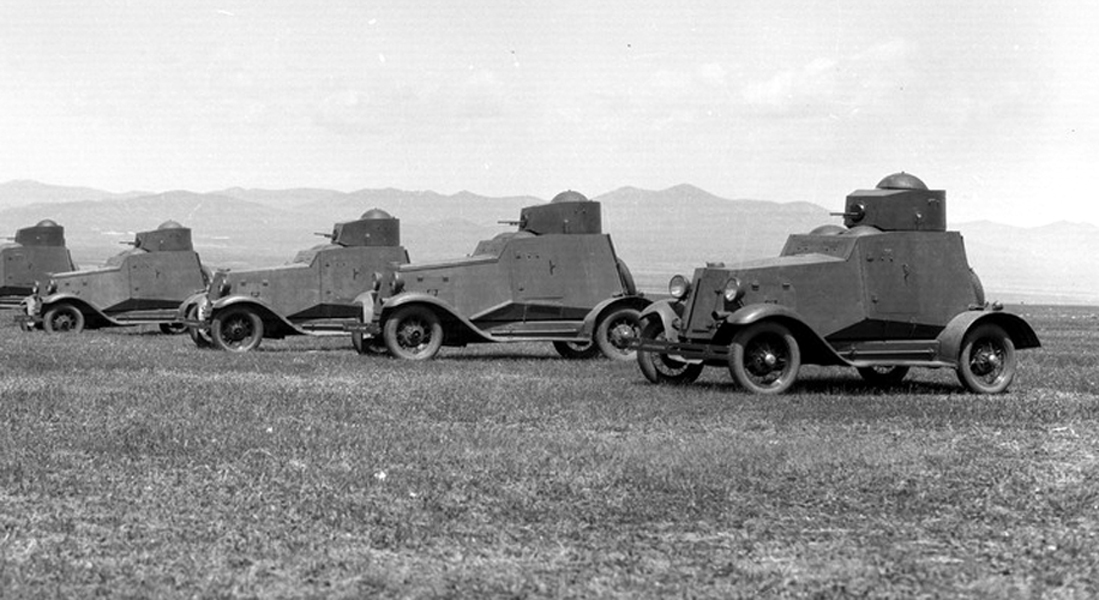
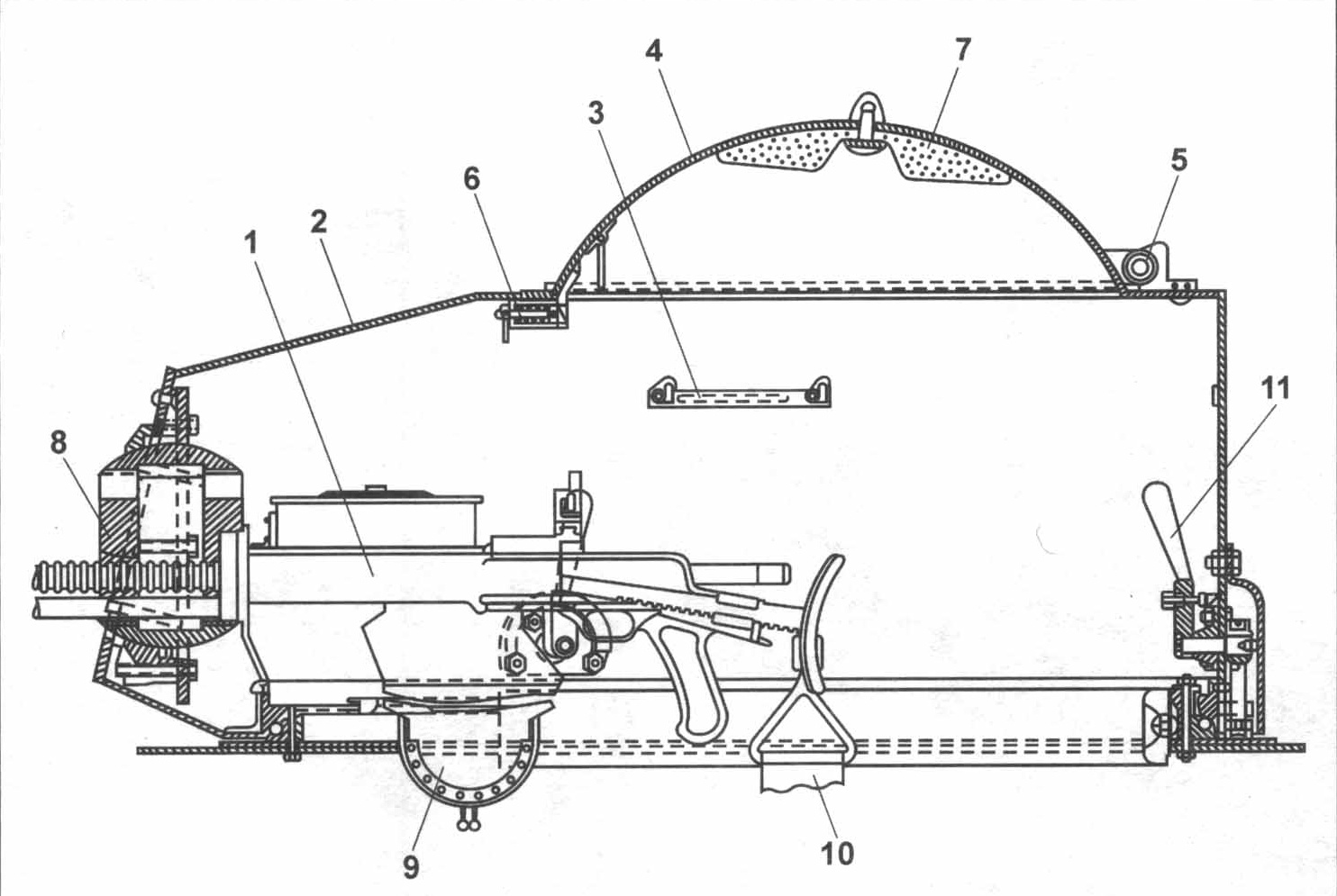
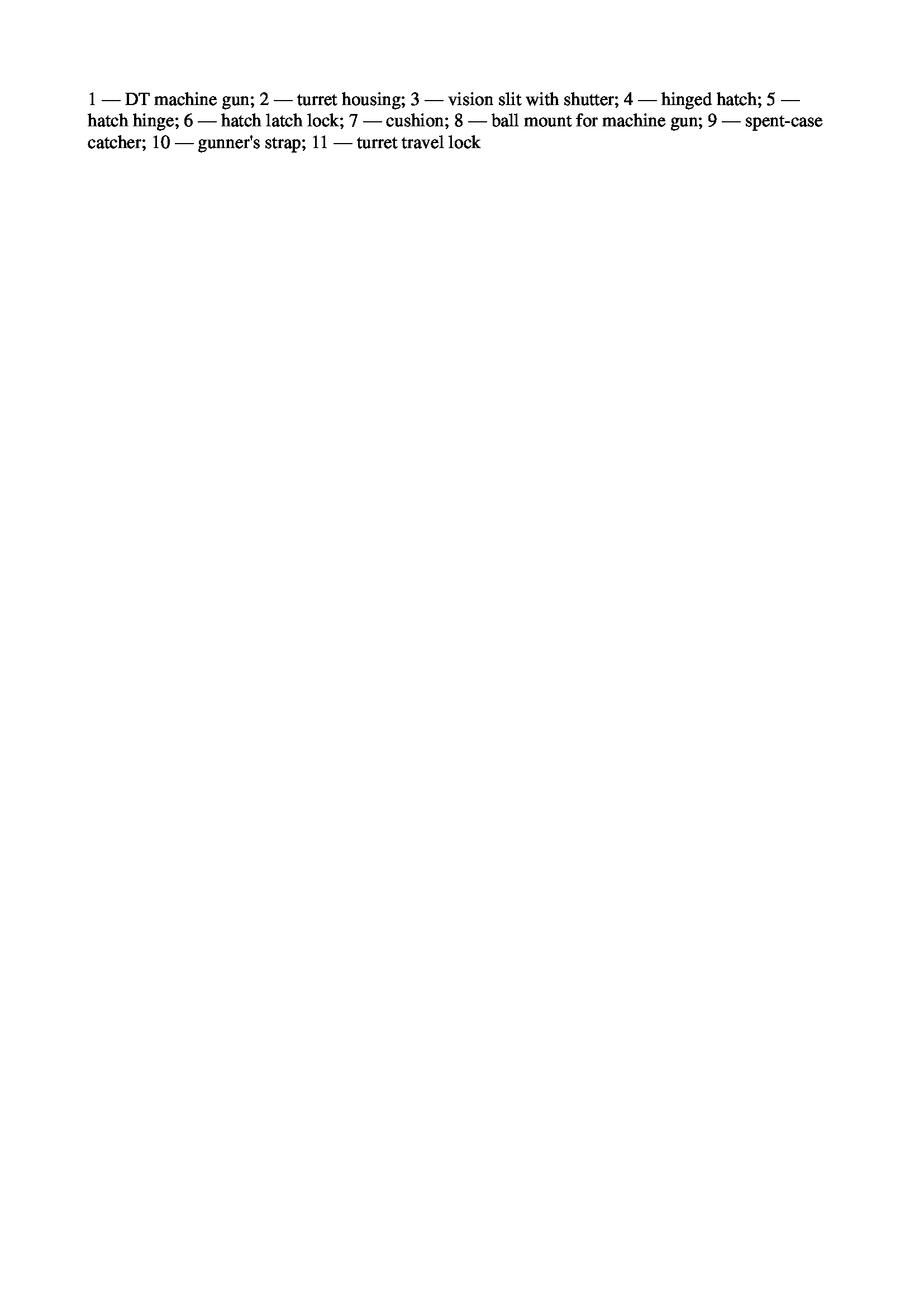
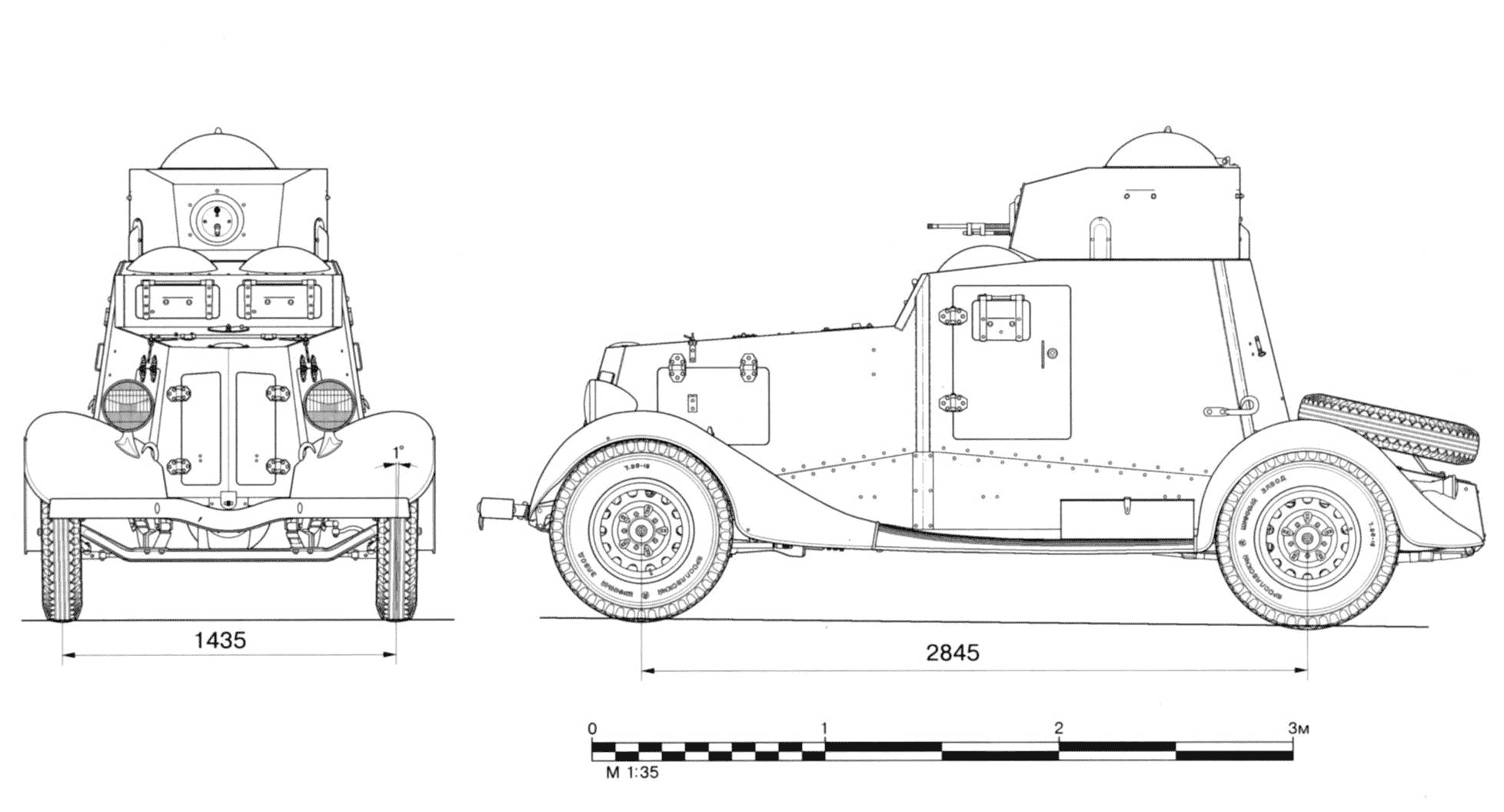
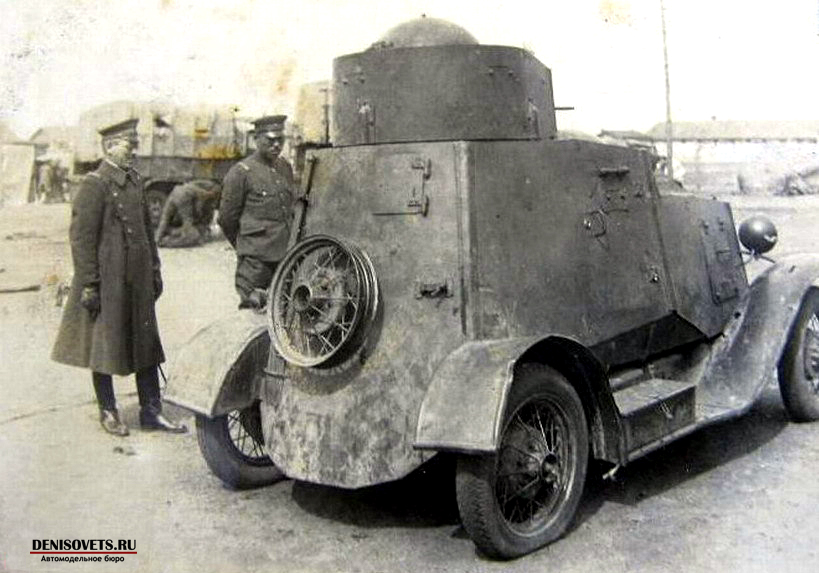
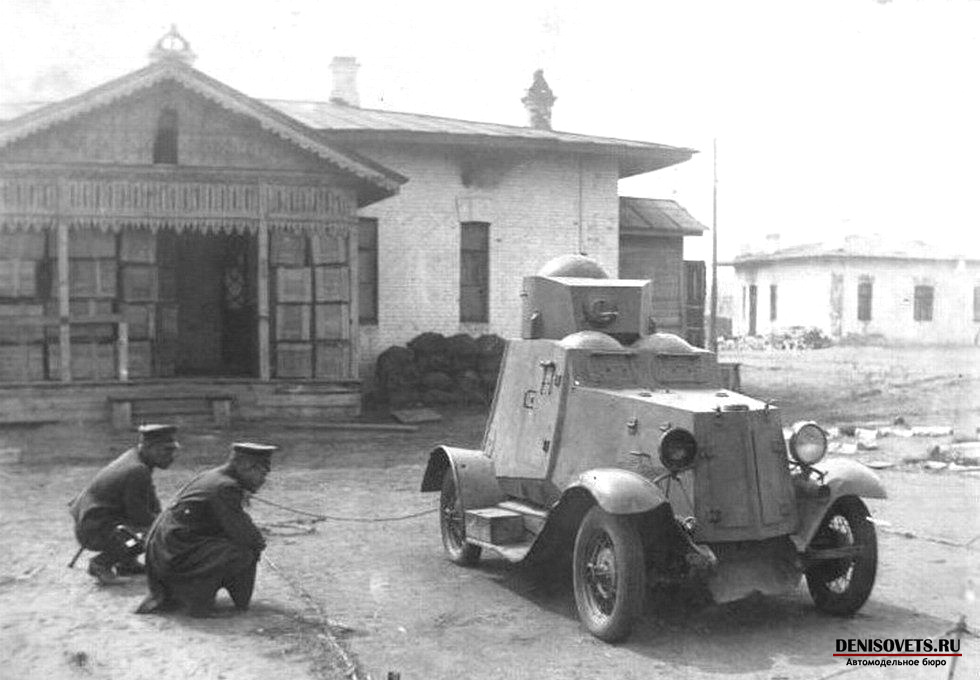
In accordance with specifications from the NTK UMM RKKA (Technical Committee of the Red Army Motorization and Mechanization Directorate), the Izhora Plant design bureau developed the FAI-2 armored car based on a three-axle Ford-A chassis. The estimated weight of the armor was approximately 500 kg, with a thickness of 4–6 mm. It was armed with two DT machine guns and had a crew of three. The hull was lengthened by 500 mm compared to the standard FAI… However, production of the three-axle Ford-A never materialized, and the FAI-2 project remained only on paper. Plans initially called for the production of FAI armored cars on the Ford-A chassis to begin at the Izhora Plant in January 1932. However, the plant, already heavily burdened with the tank program (producing hulls and turrets for the T-26, BT, and T-27), was unable to launch armored car production. Consequently, a government decision on August 3, 1932, designated the Vyksa Crushing and Grinding Equipment Plant (known as the DRO Plant, located in Vyksa, Gorky Oblast) for the organization of armored car production. The chassis were to be supplied by the Nizhny Novgorod Automobile Plant (renamed GAZ in 1934). The initial plan required the DRO Plant to manufacture 100 FAI units by the end of 1932, but this target was not met; the facility was still under construction, and there was a shortage of machine tools, equipment, workers, and engineers. Furthermore, the project was significantly complicated by the absence of a FAI prototype; the Izhora Plant’s design bureau had handed over to Vyksa only a set of working drawings that required refinement and numerous modifications. The first FAI prototype was manufactured at the Izhora Plant in February 1933. A Ford-A chassis served as the base, used without any structural alterations, after the body and rear seat had been removed. The vehicle featured a welded armored hull ranging from 3 to 6.75 mm in thickness, with certain structural elements adopted from the D-12. Two side doors provided access for the three-man crew. To allow for greater headroom, two domed indentations were stamped into the hull roof above the commander and driver. A small rectangular observation hatch was located on the right side of the rear hull plate to facilitate reversing. The FAI’s armament consisted of a DT machine gun mounted in a turret capable of 360-degree traverse. The machine gunner did not have a seat but was positioned in a canvas sling. The turret roof featured a hinged armored hatch, while vision slits in the sides allowed for battlefield observation. The ammunition load, 21 magazines, was stored in a single rack against the rear hull plate. The FAI’s combat weight was 1.75 tonnes. On March 5, 1933, the armored car arrived at the NIBT Proving Ground, where it underwent testing until the end of July. The results were promising: the FAI achieved a top speed of 85 km/h and a range of 210 km on highways (up to 120 km on dirt roads), demonstrating reliable performance on both unpaved and snow-covered surfaces. Based on the test results, a list of design modifications was drawn up for implementation during mass production. The 1933 production target for the DRO plant was 100 FAI vehicles; however, only 10 were actually assembled, two in October and eight in November. Notably, these armored cars were never formally accepted by military inspectors, as they lacked armament and several other components. On December 12, the military representative from the Red Army’s Motorization and Mechanization Directorate (UMM RKKA) stationed at the DRO plant reported: « FAI, nothing has been handed over. The delivery of the 100 units now depends on the Government releasing Ford-A vehicles for up-armoring. » The production situation for the FAI light armored car began to improve only in 1934, when the Vyksa DRO plant delivered 135 armored cars (including 10 units manufactured in 1932); of these, 115 FAIs were transferred to the Red Army and 20 to the OGPU Border Troops Main Directorate. Notably, from the spring of 1934, FAIs were manufactured using the chassis of the domestic GAZ-A passenger car, which was a counterpart to the Ford. Peak FAI production occurred in 1935, when the Vyksa DRO plant delivered 452 armored cars (442 for the Red Army and 10 for the OGPU). The following year, the Red Army received another 110 FAIs, after which production ceased. Thus, over the entire production period, the DRO plant manufactured 697 FAI armored cars; of these, 667 went to the Red Army and 30 to OGPU units.
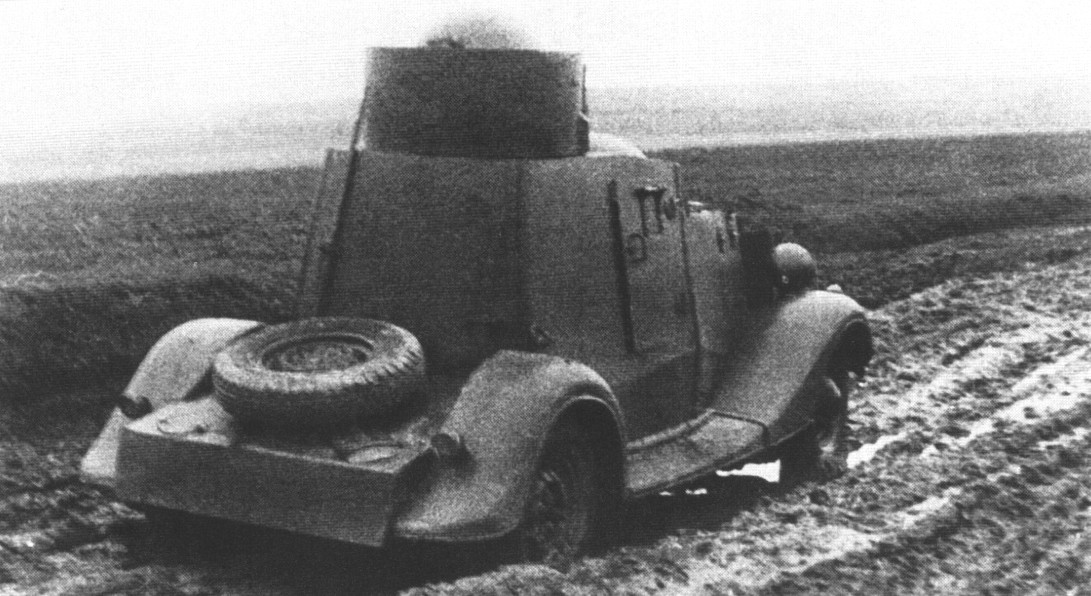
Service use of the FAI revealed a number of serious flaws in the armored car. For example, on February 17, 1935, Olshansky, the head of the 1st Directorate of the UMM RKKA, sent the following memorandum to I. Khalepsky: « Currently, the FAI (RB-2) light armored car is in service with RKKA mechanized units and is being mass-produced. According to data from a series of exercises conducted by the 1st Directorate of the UMM, this armored car, due to its rearward weight distribution (with the turret at the back), demonstrated extremely poor cross-country capability, even on soft ground (such as softened clay). Under these conditions, the vehicle struggled to negotiate even the slightest incline and could not traverse deep road ruts that a Ford-A or a D-8 armored car could pass through with ease.. I request your order to halt serial production of the FAI light armored car and to conduct trials with a view to putting a different model of light armored car, featuring a centrally mounted turret, into serial production instead. A few days later, the chief of the Red Army’s Motor-Mechanized Directorate (UMM RKKA) wrote a resolution in red pencil: « We cannot abandon the existing type without first obtaining a new, superior one. We must hasten the development of the new type. » However, the creation of a new type of light armored car was stymied by the lack of a suitable chassis; at the time, the GAZ-A was the only passenger car being manufactured in the Soviet Union.
II – The modernization of the FAI:
By 1939, the majority of FAI armored cars in service had become heavily worn due to prolonged use. Repairs carried out at People’s Commissariat of Defense repair depots and within military units could not fully resolve this issue. A solution was found by transferring the FAI armored hull onto the chassis of the GAZ-M1 passenger car, which had been in production at the Gorky Automobile Plant since 1936. This type of work was first performed at Armored Vehicle Repair Depot No. 6 in Bryansk in September 1938. The armored hull was moved from the GAZ-A chassis to the M-1 chassis, which featured a front axle reinforced with plating. Since the length of the M-1 frame significantly exceeded that of the FAI armored hull, the rear section of the frame and the fuel tank were protected by additional armor plates welded to the hull’s rear armor plate. Between November 1938 and January 1939, this armored car, designated the FAI-M (modernized), underwent trials at the NIBT Proving Ground in Kubinka, near Moscow. In total, the FAI-M covered 3,180 kilometers on highways and country roads during testing. Although the vehicle’s combat weight had increased to 2,280 kg, its dynamic performance remained unchanged thanks to a more powerful engine; for instance, its maximum speed on an asphalt highway was 83.1 km/h. The report by the commission that tested the armored car stated: « Upgrading the FAI by mounting its hull onto the M-1 chassis makes it equivalent to the BA-20 in terms of dynamic performance. However, the operational use of the FAI-M will be limited due to its inadequate armor protection; the hull is inferior to that of the BA-20 in both design and quality. For mass-scale modernization, the following changes must be implemented:
1. Reinforce the front axle;
2. Seal the hull (against liquid chemical warfare agents, etc.);
3. Increase the operational range by installing an additional fuel tank.
All the listed modifications must be carried out during the mass modernization process; only then can the FAI-M armored car be accepted for service in the Red Army as a supplementary type to the primary BA-20. » It is not known whether all the aforementioned modifications were actually implemented; however, starting in the second half of 1939, work on upgrading the FAI began at Armored Vehicle Repair Base No. 2 of the People’s Commissariat for Defense (this facility already had experience with similar projects, such as transferring the hulls of BA-27, BAI, and BA-3 armored cars onto GAZ-AAA chassis).
To date, the exact number of FAI vehicles upgraded in this manner has not been determined.
Nevertheless, it can be stated with certainty that by the outbreak of the Great Patriotic War, far from all armored cars of this type had been transferred to the GAZ M-1 chassis. This was primarily due to the greater labor intensity of the work (compared, for instance, to the modernization of medium armored cars), as it required the fabrication of additional armor for the fuel tank and the lower hull. Military unit records did not distinguish between the FAI and the FAI-M.
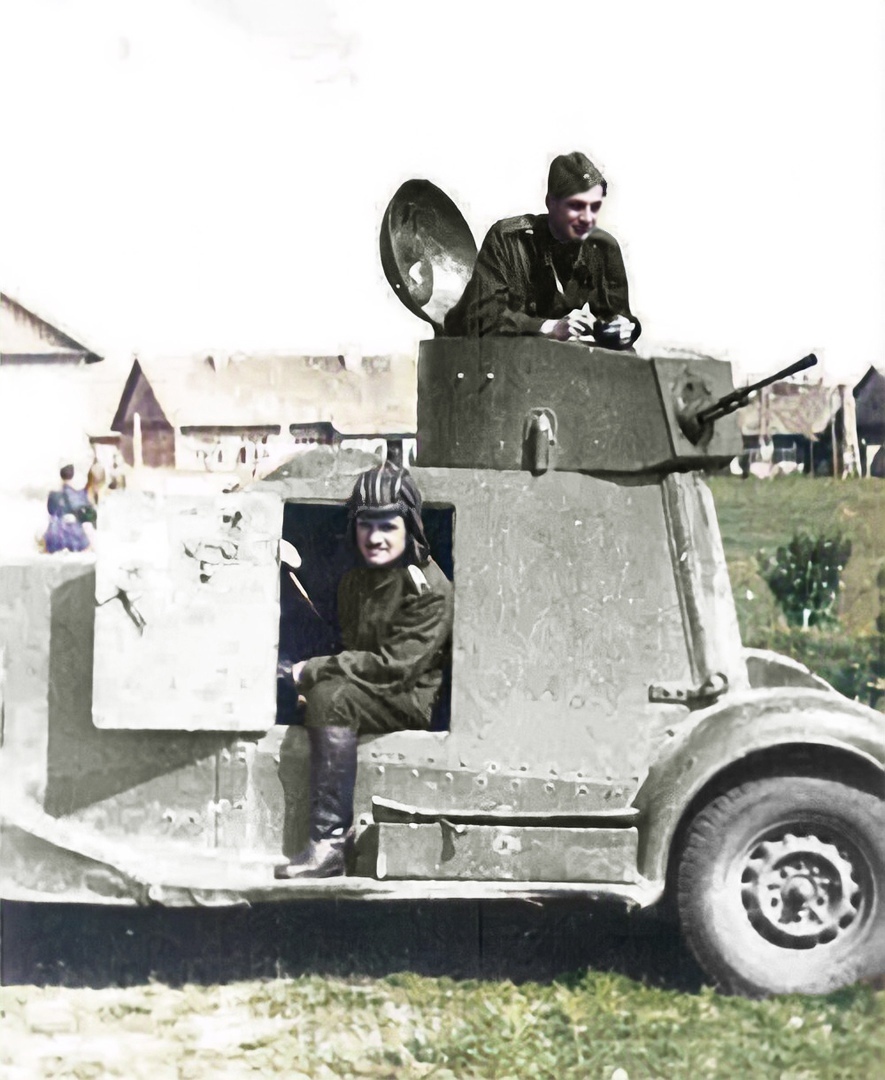
III – Combat use :
By 1941 and the outbreak of war with Germany, many were already converted to FAI-M standard, they tried to do their best but most were quickly destroyed in combat. As of June 22, 1941, the largest numbers of vehicles of this type were held by the 34th Tank Division (8th Mechanized Corps), 24th Tank Division (10th Mechanized Corps), 17th Tank Division (5th Mechanized Corps), and certain other units.
The FAI was the standard light armored car in Russian Army service until the introduction of the BA20 series in 1936. Light armored cars were primarily issued to equip the independent signal companies of tank and cavalry units. For instance, as of January 1, 1935, the organizational structure for mechanized brigades equipped with T-26 and BT tanks called for a platoon of three FAI armored cars within the independent signal company. An identical number of light armored cars was included in the mechanized regiments of cavalry divisions. Rifle units did not possess light armored cars, with the exception of « shock » rifle divisions. The latter featured an augmented structure, comprising four rifle battalions and one tankette battalion per regiment, alongside separate tank and tankette (T-27) battalions. According to the table of organization, their signal battalions included a « mobile assets » company equipped with five FAI armored cars. The initial plan envisioned the Red Army fielding 30 such divisions by 1937, yet only four were actually formed.
In 1933, when mechanized corps were established, their peacetime establishment included 71 light armored cars, a figure that rose to 101 under wartime establishment. In reality, however, the number of armored cars actually present fell far short of these authorized levels. As of June 1, 1934, the four established mechanized corps possessed the following numbers of light armored cars: the 5th had 22; the 45th, 27; and the 7th and 11th had one each.
By January 1, 1938, the situation had improved somewhat: the 5th Corps had 60 (29 FAI, 17 standard BA-20, and 14 D-8/12); the 7th had 50 (49 FAI and 1 D-8/12); the 11th had 92 (88 FAI and 3 D-8/12); and the 45th had 57 (56 FAI and 1 D-8/12).
In 1938, during the reorganization of mechanized brigades into tank brigades, light armored cars were retained within independent signals companies, with their numbers increased to five.
Around the same time, the mechanized regiments of cavalry divisions were reorganized into tank regiments, with the number of light armored cars set at nine per unit.
Light armored cars were also included in the airborne forces, which began to be formed in the early 1930s. Notably, during the Kyiv maneuvers in September 1935, a D-8 armored car suspended beneath a TB-3 aircraft was successfully landed as part of an airborne operation. In late 1936, the organizational structure for a Red Army Air Force airborne brigade was approved; it included a motorized-mechanized battalion comprising 189 personnel, six 45mm guns, eighteen 82mm mortars, twenty-four T-37A tanks, nine D-8 armored cars, 32 motor vehicles, and six motorcycles. Regarding the formation of one such brigade, Brigade Commander Ignatov, Chief of Armored Forces for the Kyiv Military District, reported to Division Commander Bokis, Chief of the Red Army Armored Directorate (ABTU), on January 7, 1937:
« Pursuant to General Staff Directive No. 4/1/35935, the 13th Airborne Brigade is to be fully expanded to its authorized strength of 15,690 personnel between January 1 and April 1, 1937. Under this organizational structure, it is allocated twenty-four T-37 tanks and nine D-8 armored cars. At present, twelve T-37 tanks and six D-8 armored cars have been allocated to the brigade from district units for personnel training. »
Between 1936 and 1937, the Red Army formed three motorized-armored brigades, the 7th, 8th, and 9th, equipped with armored cars. According to the organizational structure, a motorized-armored brigade was to comprise: 17 FAI and BA-20 armored cars (including three radio-equipped versions), 57 medium armored cars, 163 passenger cars, trucks, and special-purpose vehicles, 5 tractors, and 250 motorcycles. All the brigades were incorporated into the 57th Special Corps, stationed in Mongolia, and distinguished themselves in the fighting against the Japanese at the Khalkhin Gol River. In the summer of 1940, light armored cars were also part of the mechanized corps that began forming in the Red Army. They were present in the following units:
– the mechanized corps’ independent signal battalion (Table of Organization No. 10/20) 5 vehicles
– the tank division (two per corps), tank regiment (two per division) 6 vehicles
– the motorized rifle regiment 12 vehicles
– the reconnaissance battalion 6 vehicles
– the signal battalion 5 vehicles
– the motorized division, motorized rifle regiment (two per division) 6 vehicles
– the tank regiment 9 vehicles
– the reconnaissance battalion 7 vehicles
– the traffic control company 3 vehicles
Thus, a mechanized corps possessed 106 light armored cars.
It was intended that the mechanized corps would receive BA-20 and BA-20M models, though in reality, vehicles of various types might be issued.
With the formation of tank brigades in the Red Army, light armored cars were included in their composition as well. For example, under the wartime tank brigade Table of Organization No. 010/75, approved on August 23, 1941, the brigade headquarters included an armored car platoon with 5 vehicles, 2 of which were BA-20s. Subsequently, light armored cars produced between 1932 and 1942 were no longer included in Red Army unit tables of organization, although they remained in use by certain formations until the end of World War II.
1 – In Spain:
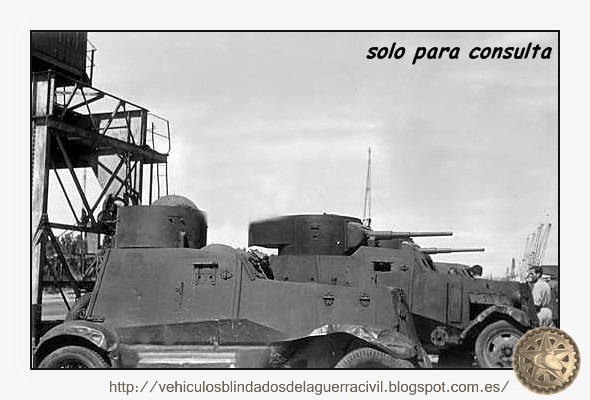
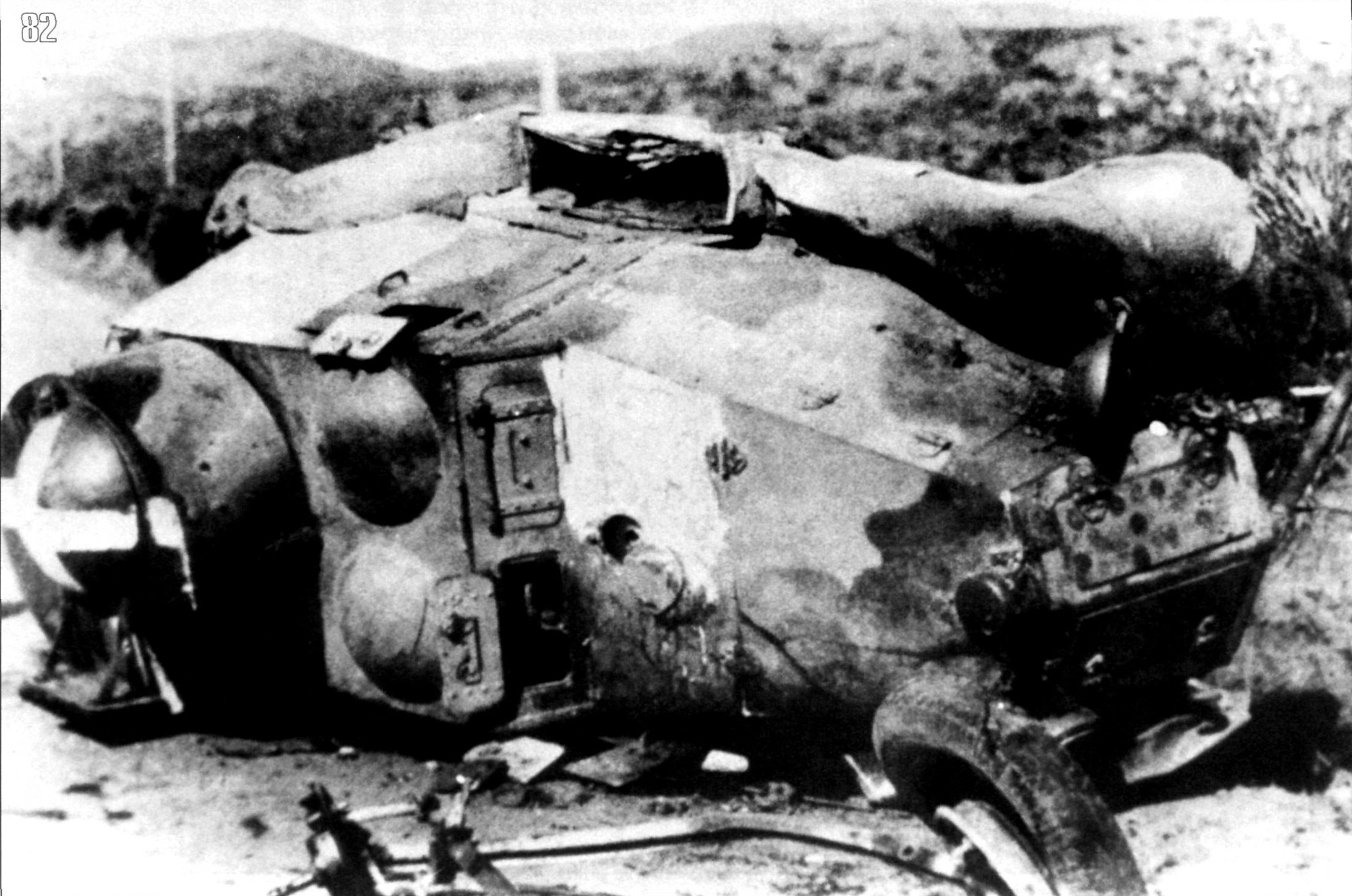
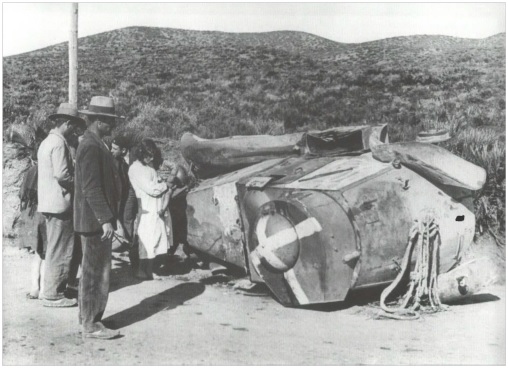
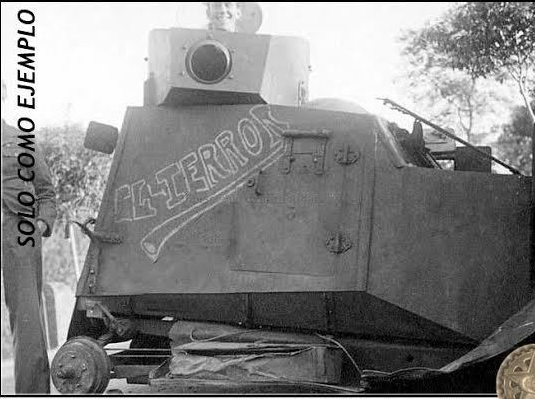
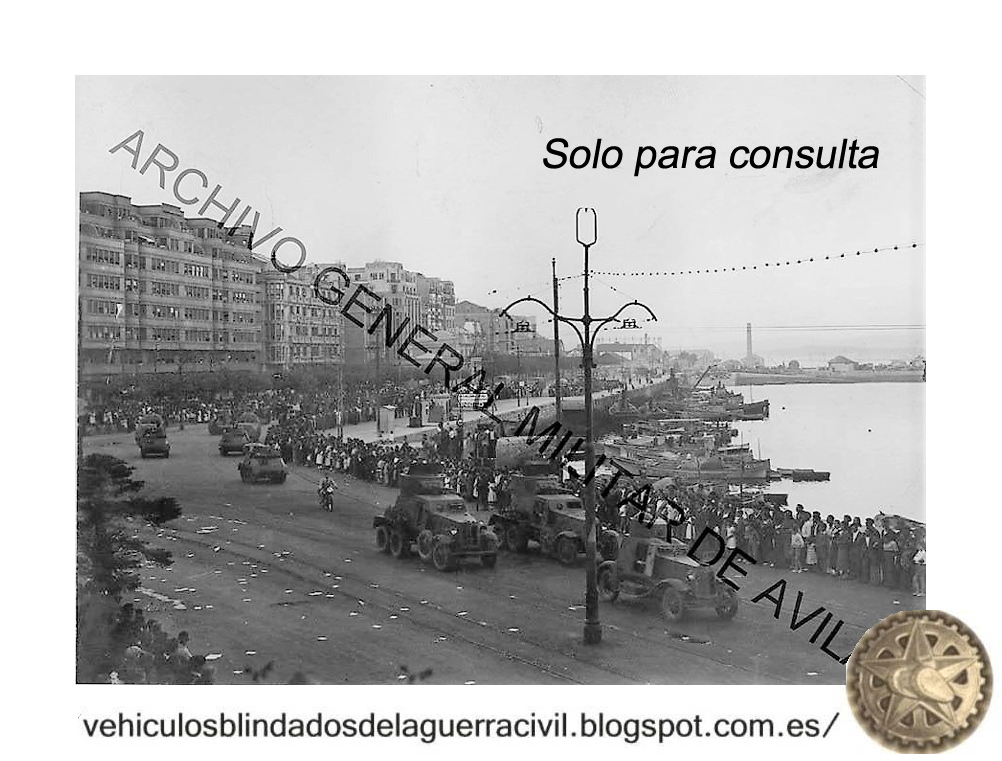
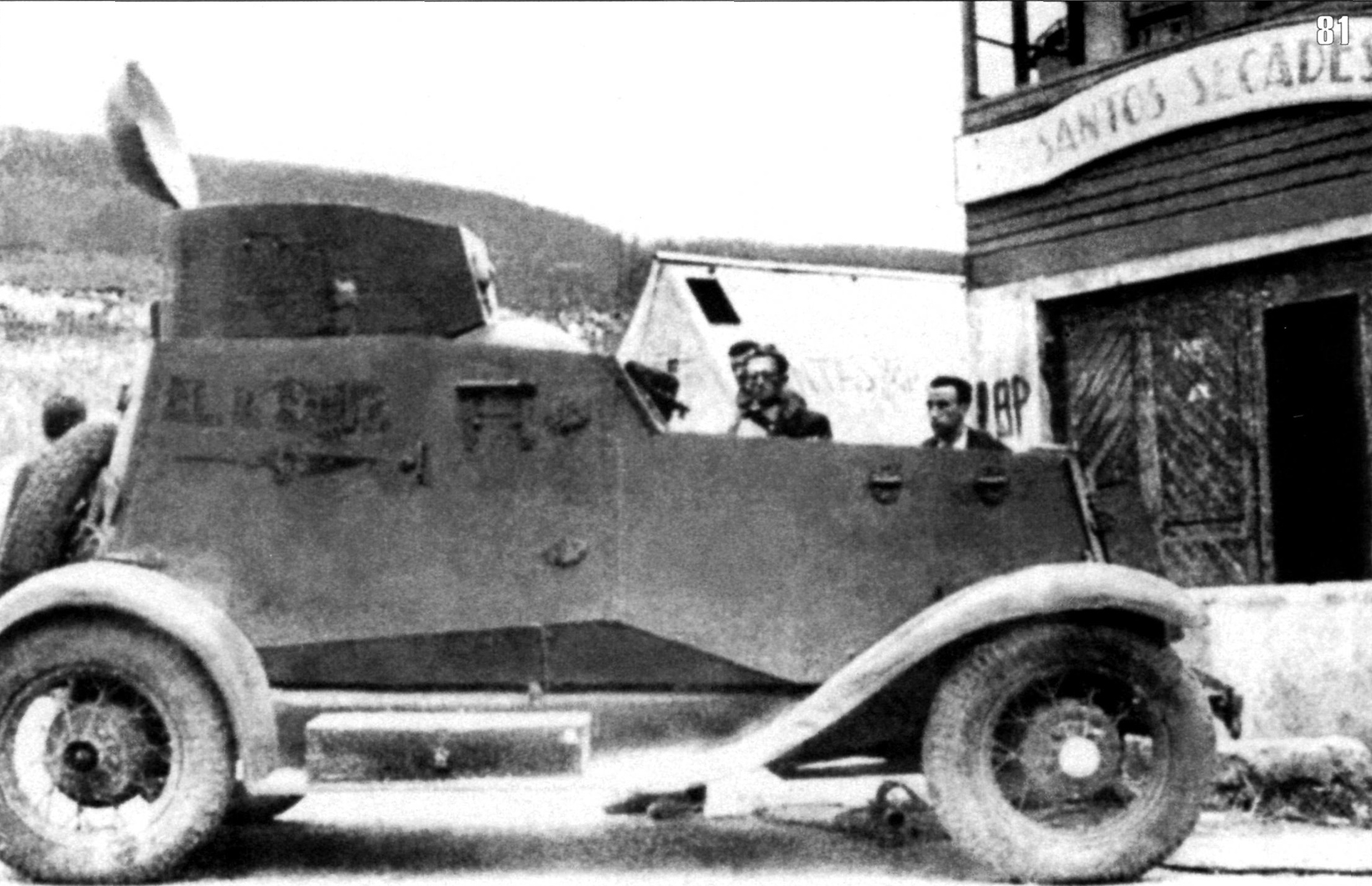
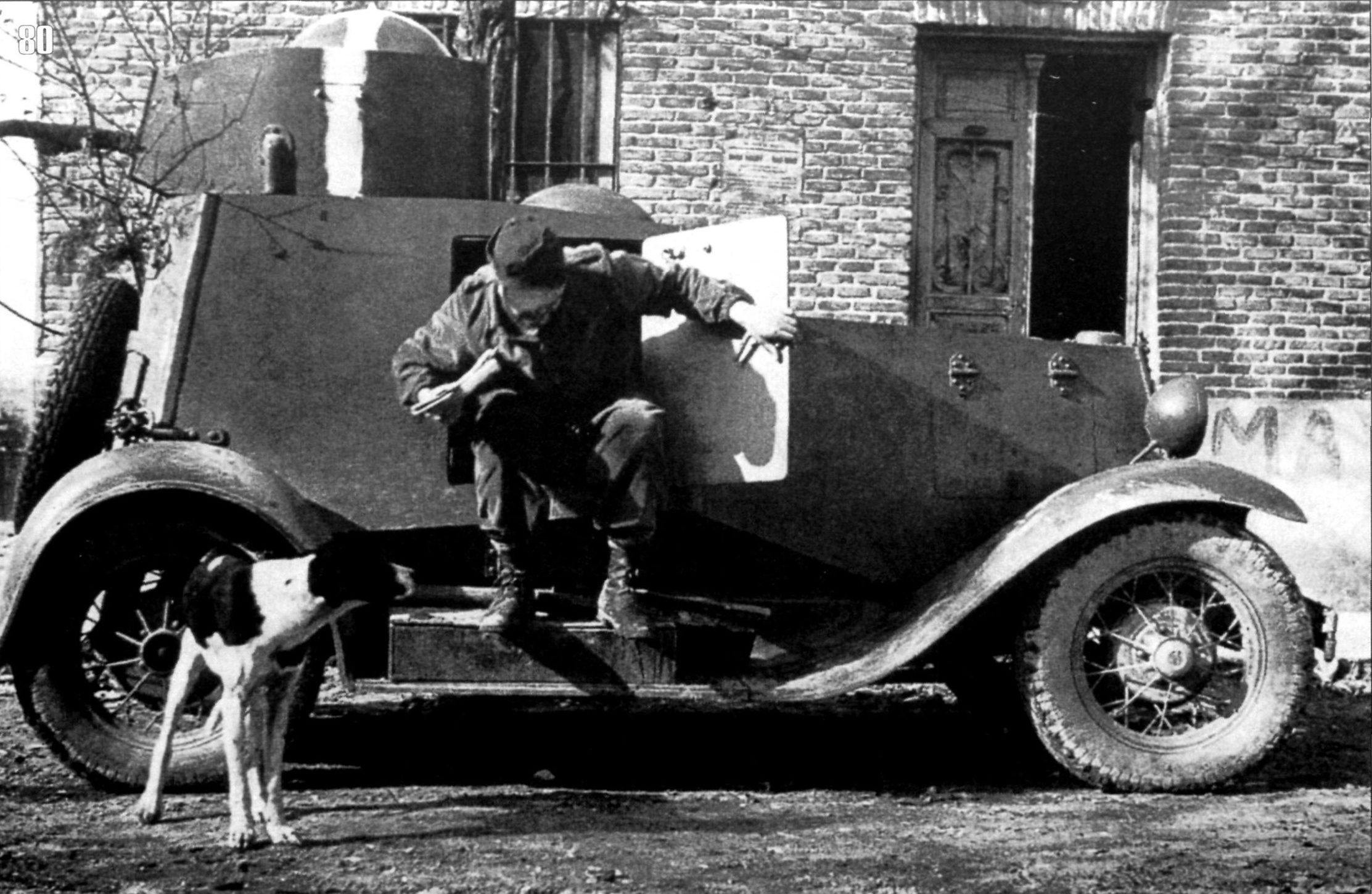
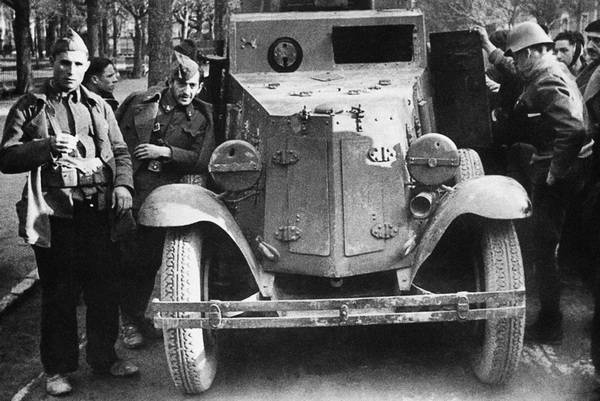
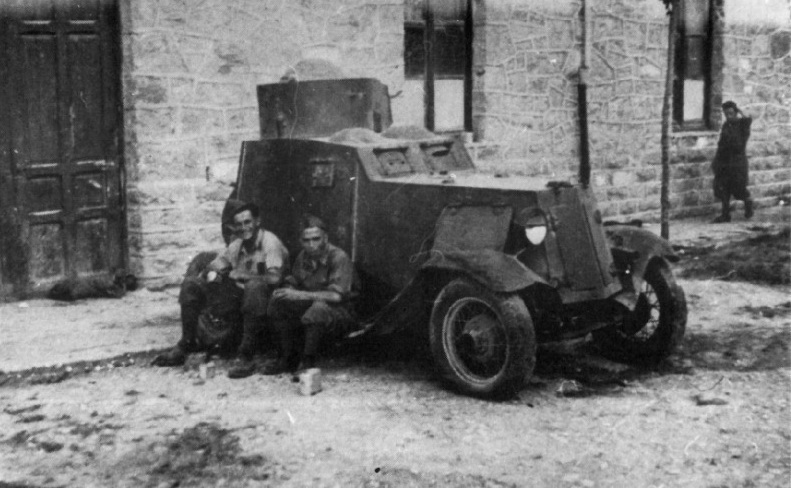
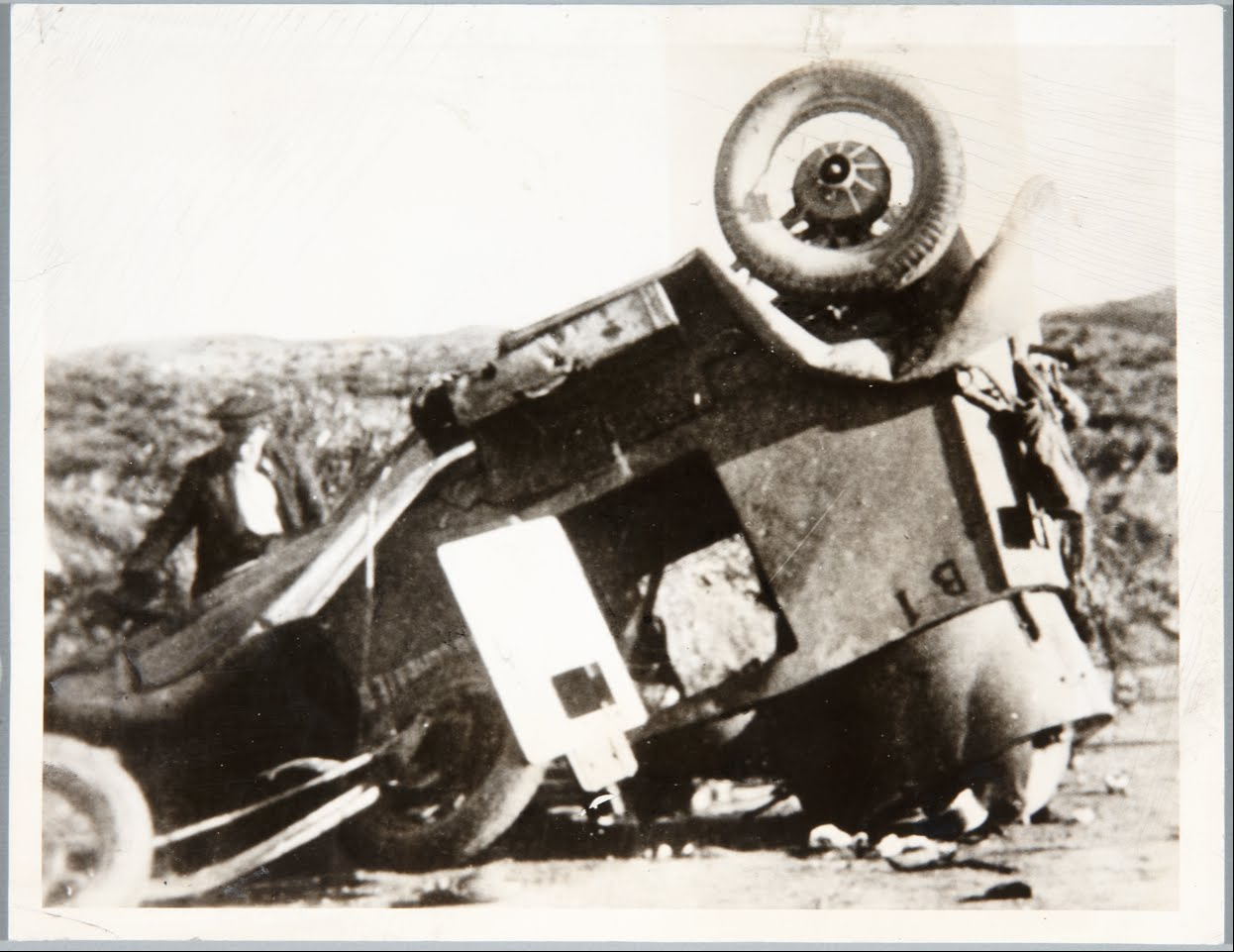
Soviet-built light armored cars received their baptism of fire outside the USSR, during the Spanish Civil War. In October 1936, a single batch of 20 FAI armored cars was delivered to aid the Spanish Republicans (with around 10 deployed on the Northern Front), alongside other weaponry. Later that same month, they took part in battles to repel General Franco’s offensive against Madrid. The FAI vehicles operated within independent detachments and groups; for instance, near Valdemoro, Colonel Krivoshein’s tank group—comprising 23 T-26 tanks, 6 BA-6s, and 3 FAIs—halted the rebel advance with a counterattack. During a meeting held on April 7, 1937, at the Red Army’s Armored Directorate (ABTU) to review the initial combat operations in Spain, attended by Soviet tank crew volunteers who had returned from the Madrid front, the performance of the light armored cars was assessed as follows:
« Armored cars. The FAI is the best vehicle. It is small, fast, and maneuverable. As a reconnaissance asset, it is an excellent vehicle; it is almost trouble-free. The BA-6 performs less effectively. Its engine is weak, and the reduction gear gears frequently fail, though the tires hold up well. The armored cars covered over 500 km. During marches, the FAI vehicles were initially placed at the front, followed by the BA-6s; however, because the BA-6 was heavy and moved more slowly, the column became excessively stretched out. Later, the order was reversed, and the column length was reduced. »
FAI armored cars remained in use until the end of the Spanish Civil War by both the Republicans and the Nationalists (the latter operated captured vehicles). However, their numbers within the armed forces were limited. For example, as of October 10, 1937, the tank brigade of the Spanish Republican Army comprised 237 tanks of all types (on the Central, Eastern, and Southern fronts) and only three FAI armored cars, stationed at Alcalá at the disposal of the brigade headquarters.
2 – At the Khalkhin Gol river:
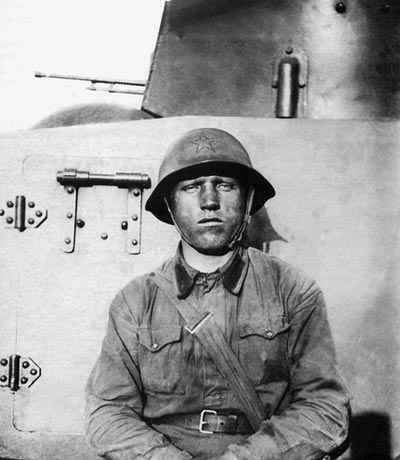
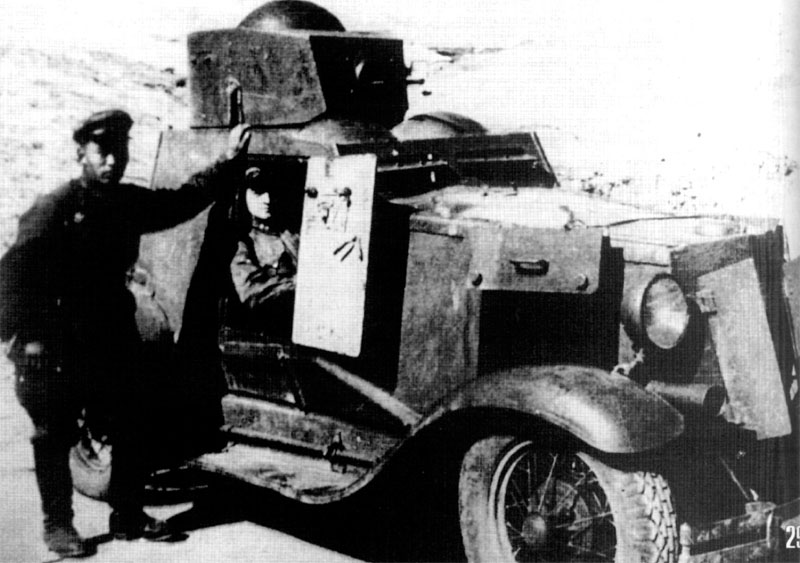
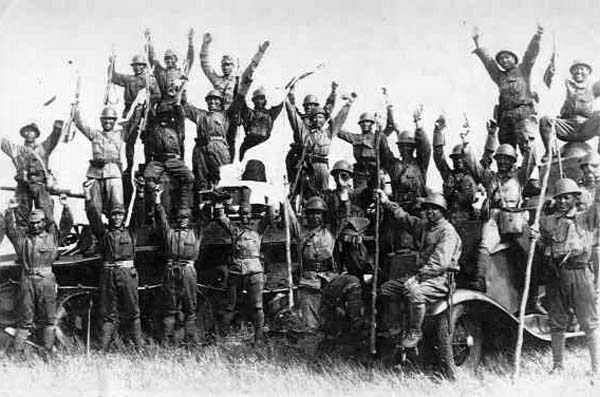
Light armored cars saw active use in combat against Japanese-Manchurian forces near the Khalkhin Gol River between May and September 1939. Their operations were highly dynamic, with the vehicles frequently engaging in direct combat with enemy troops. As of February 1, 1939 (three months before the fighting began), the units of the 57th Special Corps stationed in Mongolia possessed 284 tanks, 370 medium armored cars, and 167 light armored cars; the FAI and BA-20 models accounted for one-fifth of all armored vehicles in the Red Army force grouping. The majority of these armored cars were assigned to the 7th, 8th, and 9th Motorized Armored Brigades. (such as the 57th Special Corps-Mongolian 6th Cavalry Division with 9 FAI , the 9th Separate Motorized Armored Brigade with 5 FAI, and motorized/rifle regiments like the 149th rifle regiment with 8 FAI)During the fighting, the proportion of light armored cars actually increased slightly, by July 20, 1939, they constituted nearly 24% of the Soviet forces armored inventory; by that time, the Soviet contingent comprised 409 tanks, 151 medium armored cars, and 173 light armored cars. Although BA-20 and FAI armored cars were used extensively during the Khalkhin Gol conflict, their service history is not rich in specific combat incidents. These vehicles were primarily employed for communications, liaison duties, and reconnaissance. Nevertheless, no notable combat episodes involving these machine-gun-armed vehicles have been identified. For instance, on August 23, the 9th Motor-Armored Brigade, supported by two companies of BT tanks, operated along the withdrawal routes of the Japanese force located east of the Khalkhin Gol River. First, a Japanese fuel depot was discovered, followed shortly by an ammunition dump. At this same location, a Japanese-Bargut cavalry regiment, which was advancing toward the front in a column lacking security measures, was destroyed by fire from the tanks and armored cars lying in ambush. Soon after, two Japanese aircraft landed near three camouflaged BA-20 armored cars belonging to the 9th Motor-Armored Brigade; the planes were promptly set ablaze by the armored cars’ fire. It should be noted that armored cars and tanks did not typically engage in firing at night during the battles at Khalkhin Gol. Over the entire course of the hostilities at the Khalkhin Gol River, a total of 31 FAI and BA-20 armored cars were irretrievably lost.
According to the « Consolidated Statement of Materiel Put Out of Action from the Start of Fighting to September 16, 1939, » losses of light armored cars were as follows (this statement
primarily listed vehicles subject to repair):
« FAI Armored Car:
11th Tank Brigade – 9 (2 burned out, 7 sent to the factory)
5th Rifle-Machine Gun Brigade – 3 (1 burned out, 2 destroyed)
9th Separate Motorized Armored Brigade – 4 (3 burned out, 1 abandoned in enemy territory)
12th Separate Signals Battalion – 1 (burned out)
36th Motorized Rifle Division – 4 (destroyed by shellfire).
General assessments of the performance of the BA-20 and FAI armored cars were as follows:
“The vehicles demonstrated good cross-country capability and endurance. Light armored cars were highly prized for their mobility and were used for a wide variety of purposes (by staff officers, commanders, liaison officers, medics, couriers, and scouts; for delivering hot food in thermal containers to frontline positions under artillery fire, etc.)… The armor of the BA-20 and FAI is easily penetrated by a large-caliber 12mm machine gun firing armor-piercing rounds (This likely refers to the 13.2mm Hotchkiss machine guns used by the Japanese army). It is impervious only to standard and armor-piercing rifle/machine-gun bullets… The BA-20 and FAI armored cars are merely liaison vehicles; they are too weak for combat. »
3 – During the Winter War against finland:
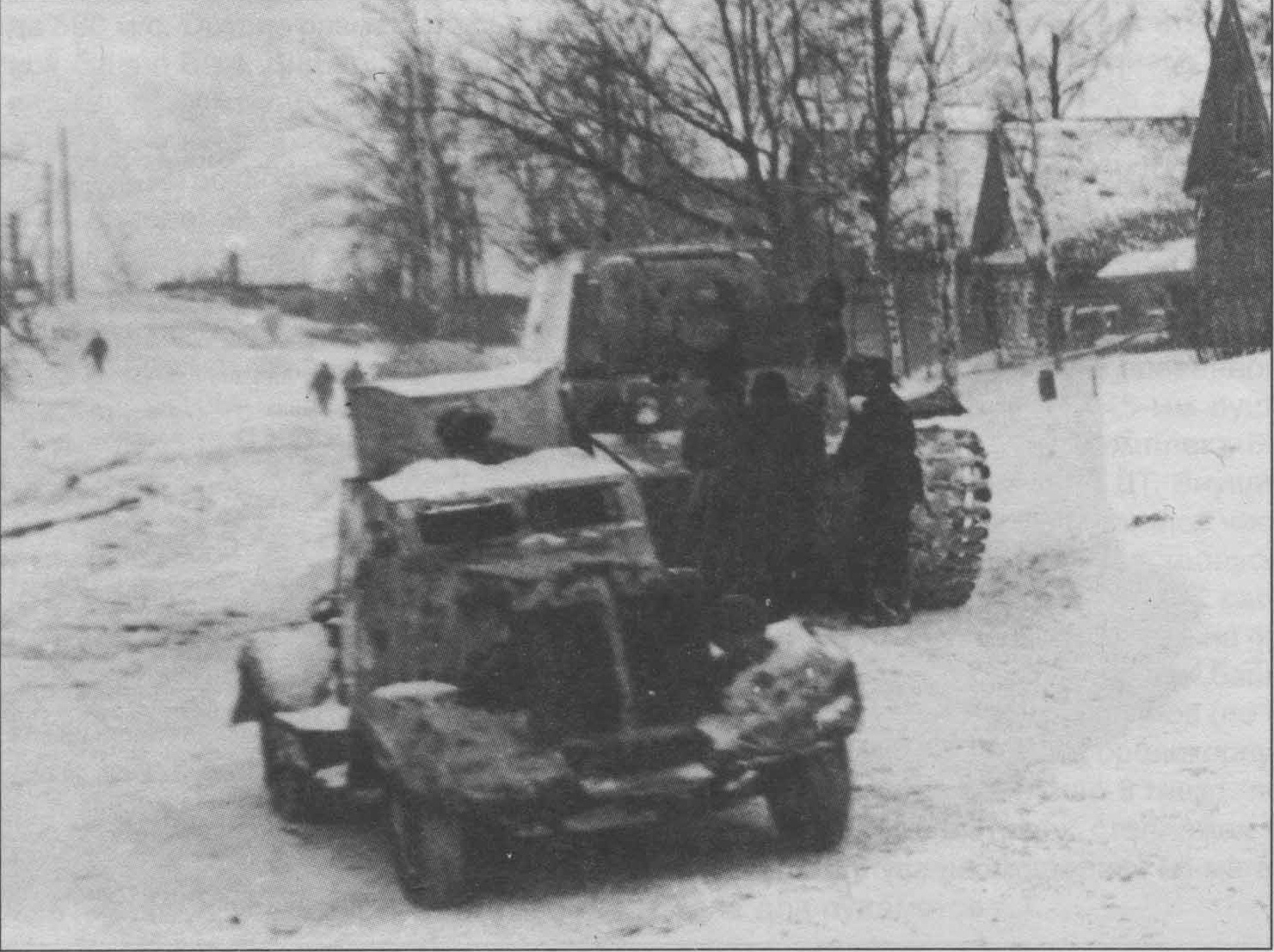
During the hostilities from November 30, 1939, to March 13, 1940, Red Army units employed over 200 light armored cars of various types. However, due to the harsh, snow-heavy winter of 1939–1940 and the scarcity of roads where they proved to be a complete tactical failure, these vehicles were used primarily for road patrols and guarding headquarters and other installations. Light armored cars were part of tank and rifle-machine-gun brigades, as well as certain independent reconnaissance battalions within rifle divisions. During the Winter War (Nov 1939 – March 1940) Finnish Army captured 21 Soviet armoured cars, this seems to have included all models of Soviet armoured cars. The Finnish Army was the first to use captured light armored cars. The Finnish Army knew FAI armored car as BAB A armored car and FAI-M as BAB B armored car. following the Soviet-Finnish War, they put 11 vehicles into service: one D-8, one FAI-M, and nine BA-20s. Several more vehicles were added during the fighting in 1941, and as of July 1, 1943, the Finnish army possessed one D-8, three FAIs, and 18 BA-20s and FAI-Ms. Fifteen BA-20s remained in service until early 1951, and the last of them was not retired until 1957!
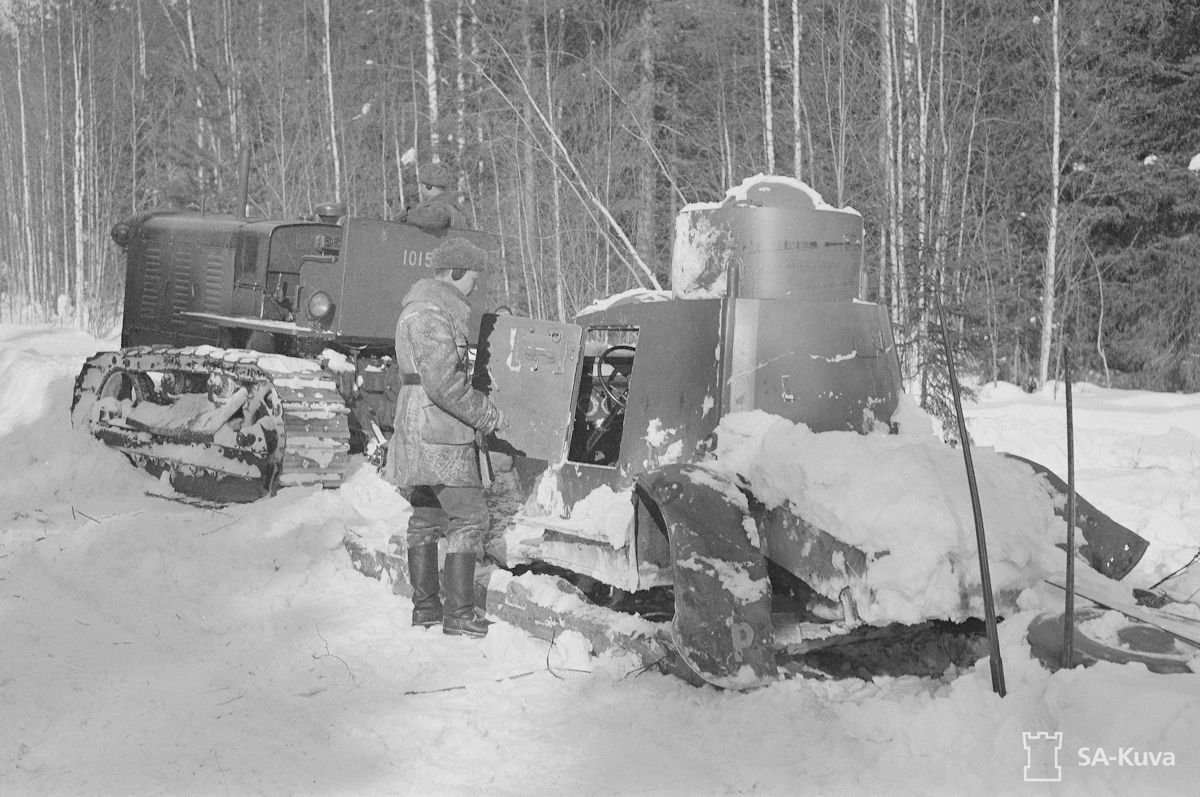
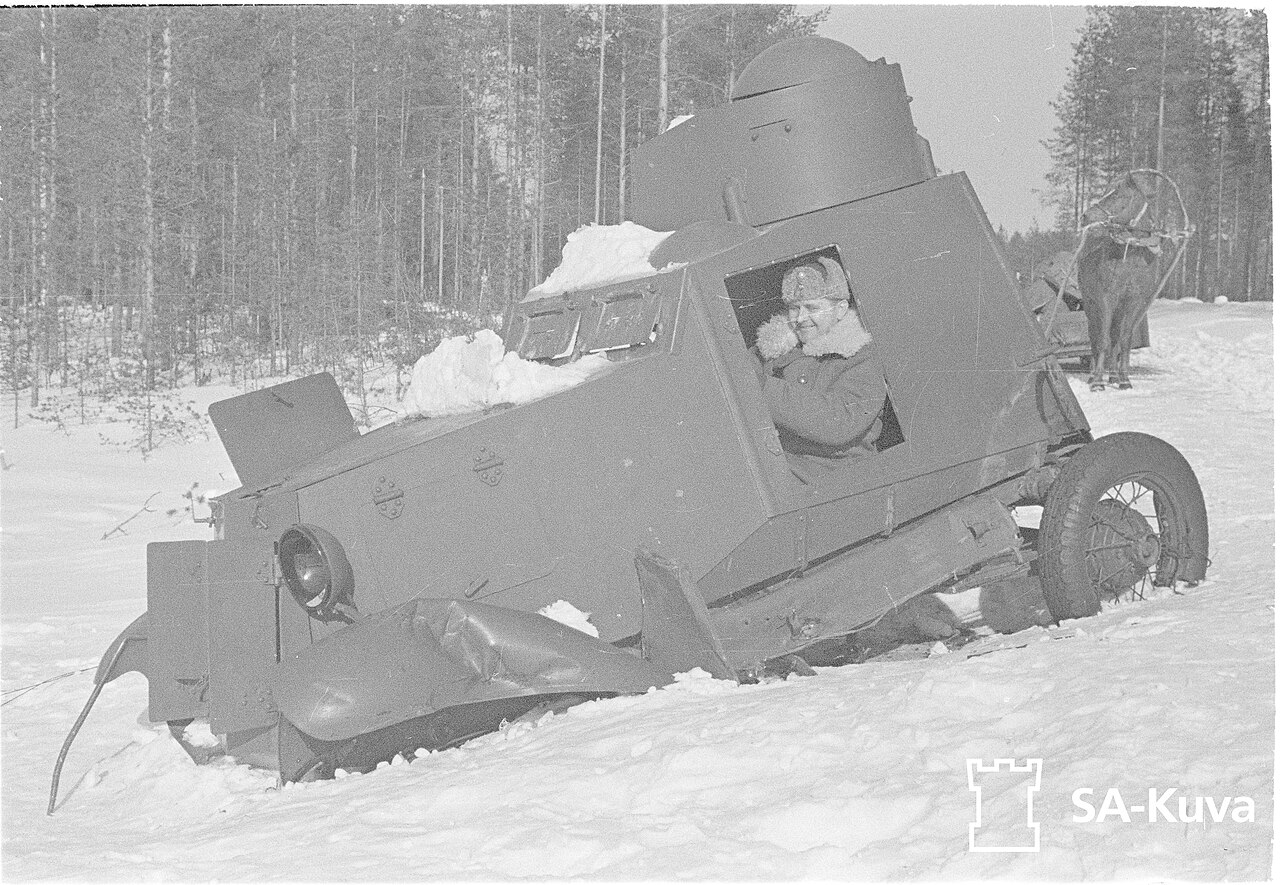
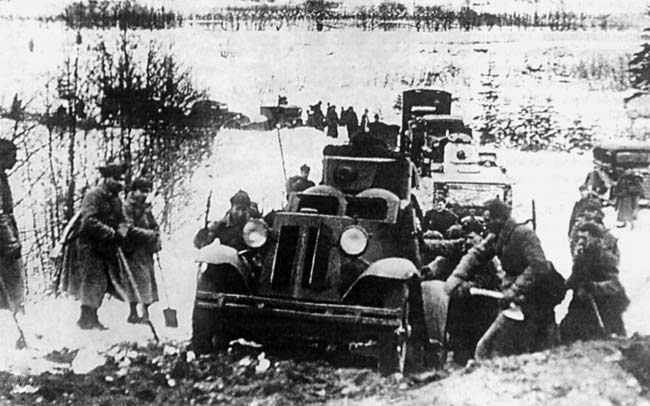
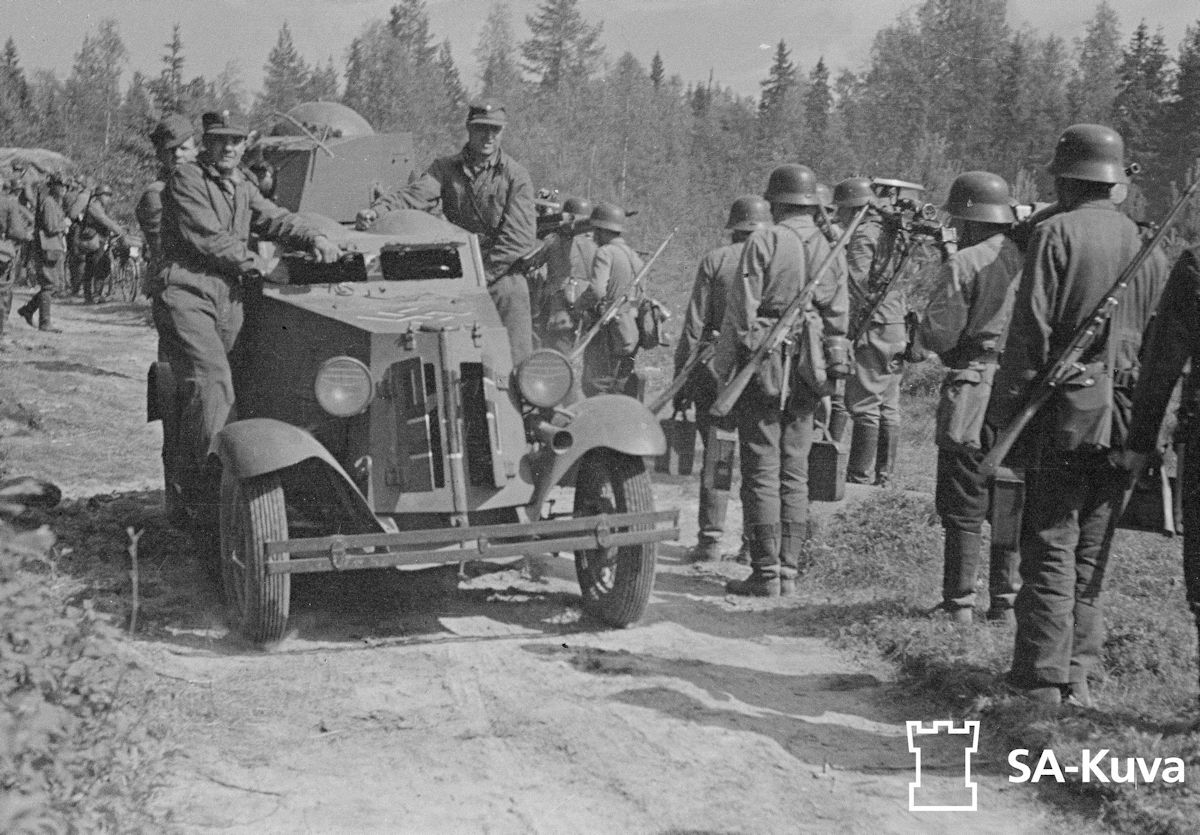
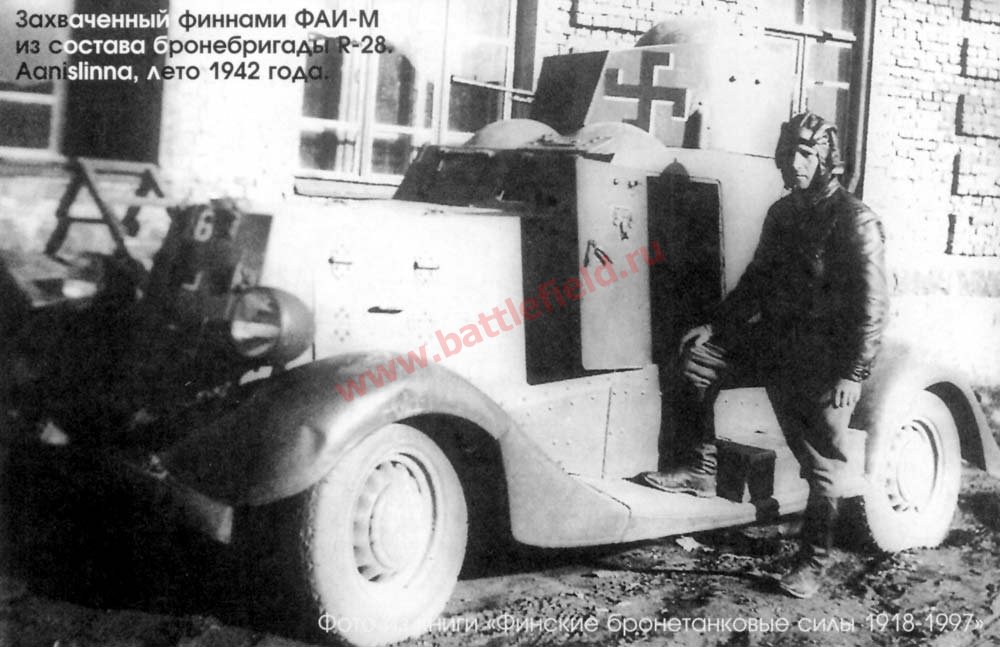
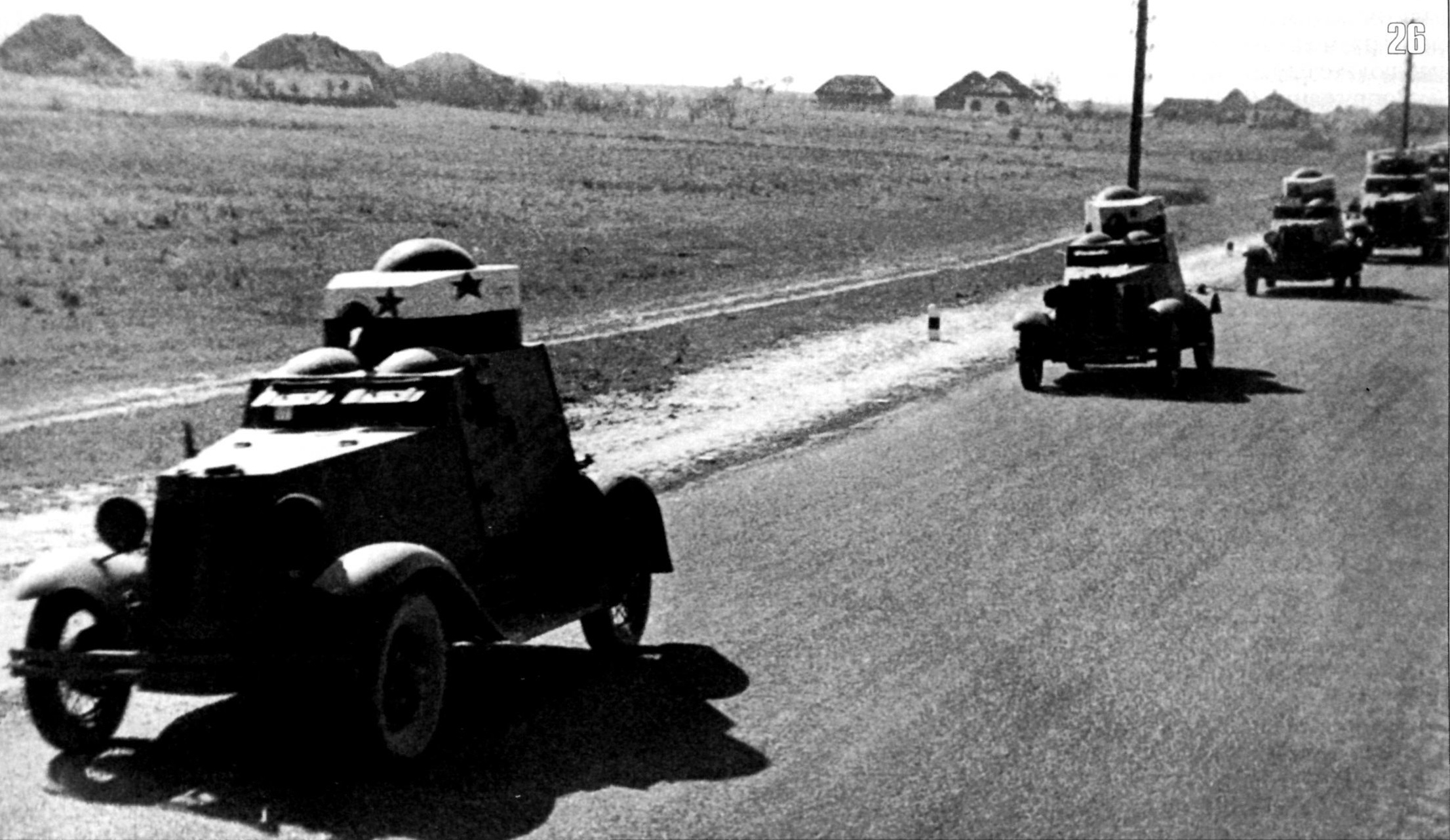
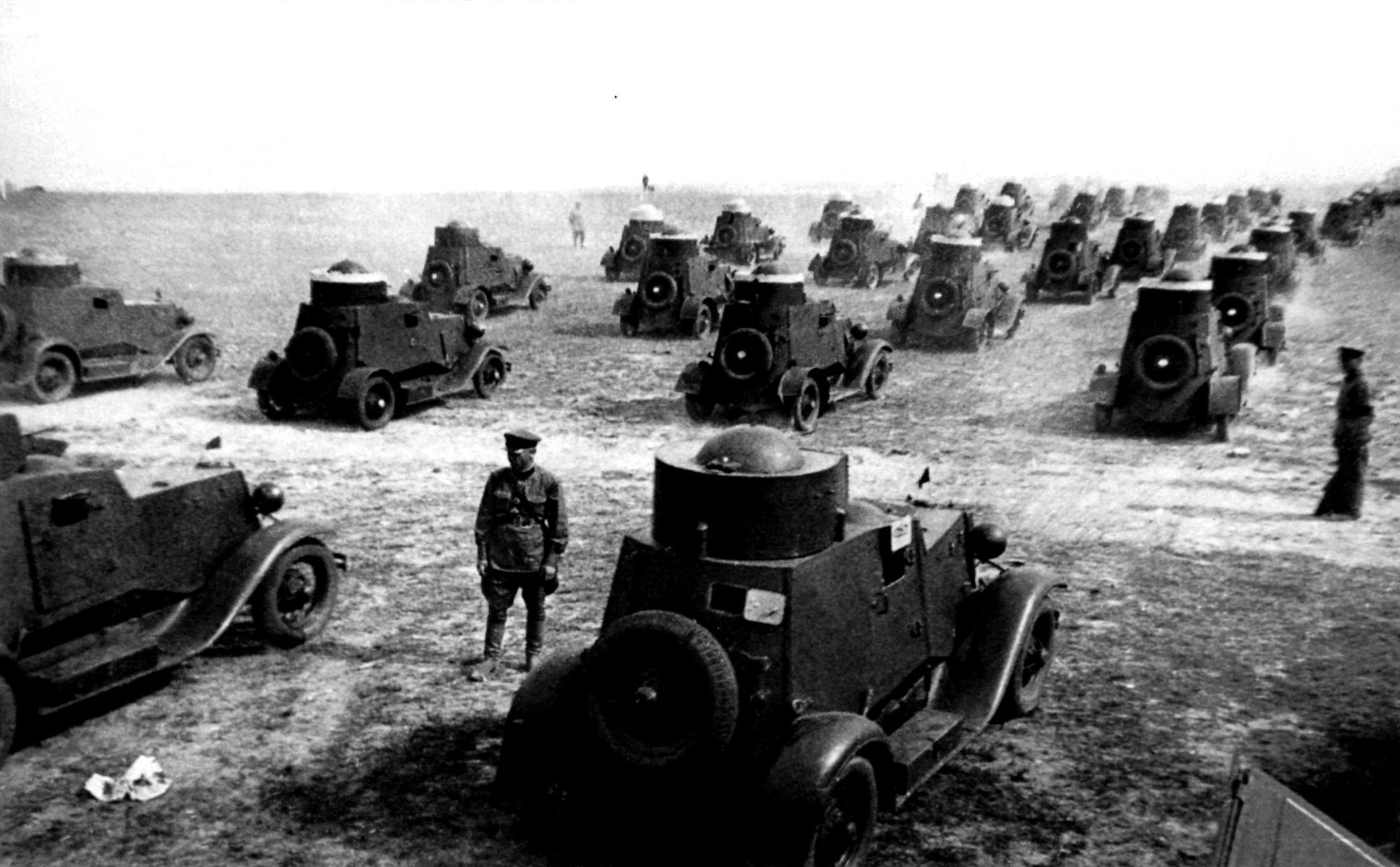
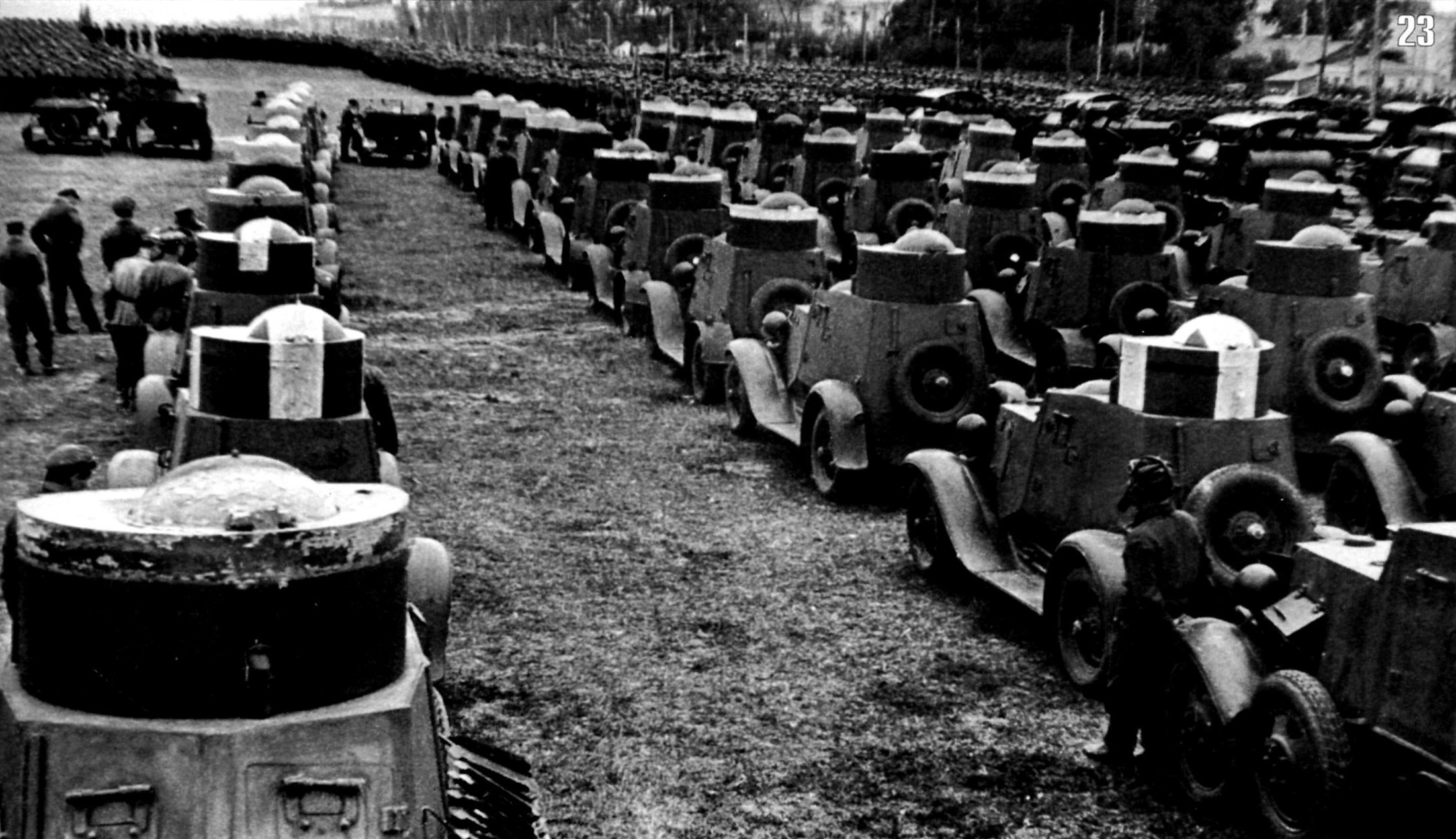
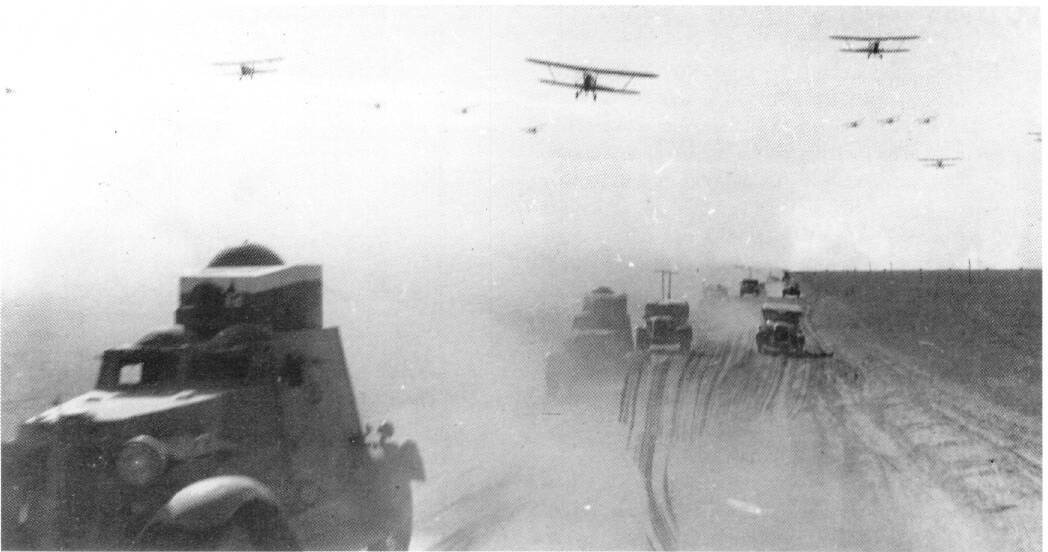
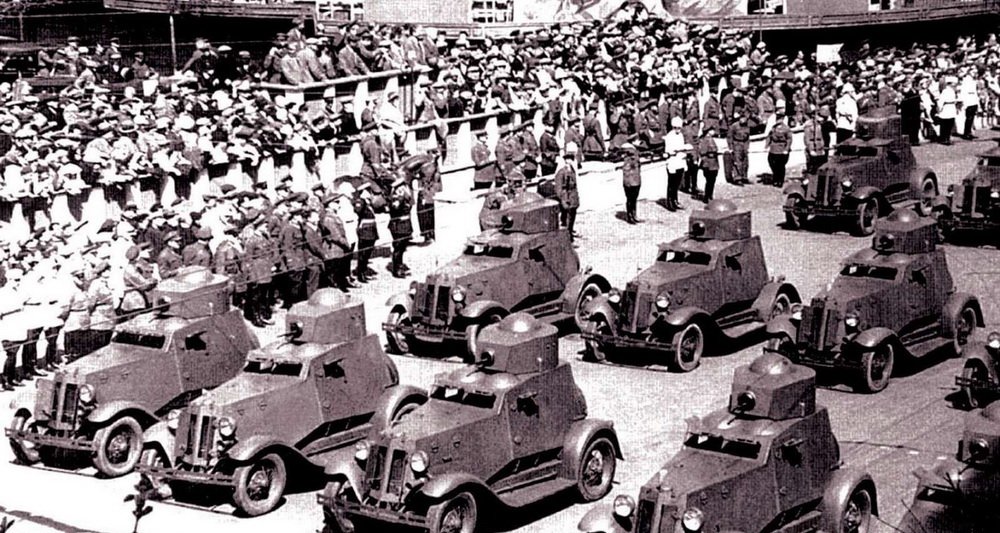
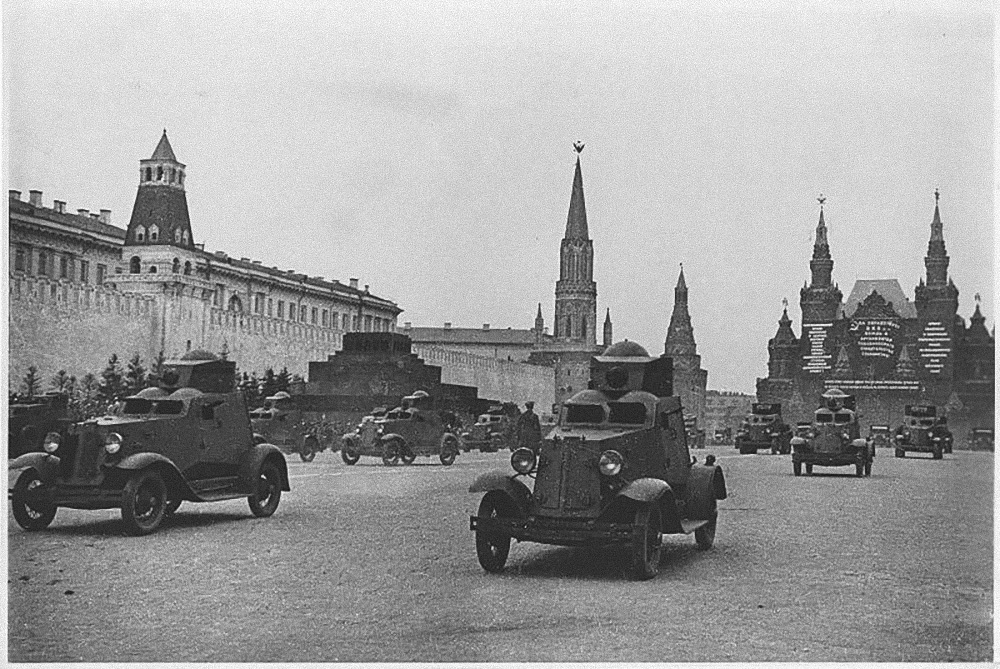
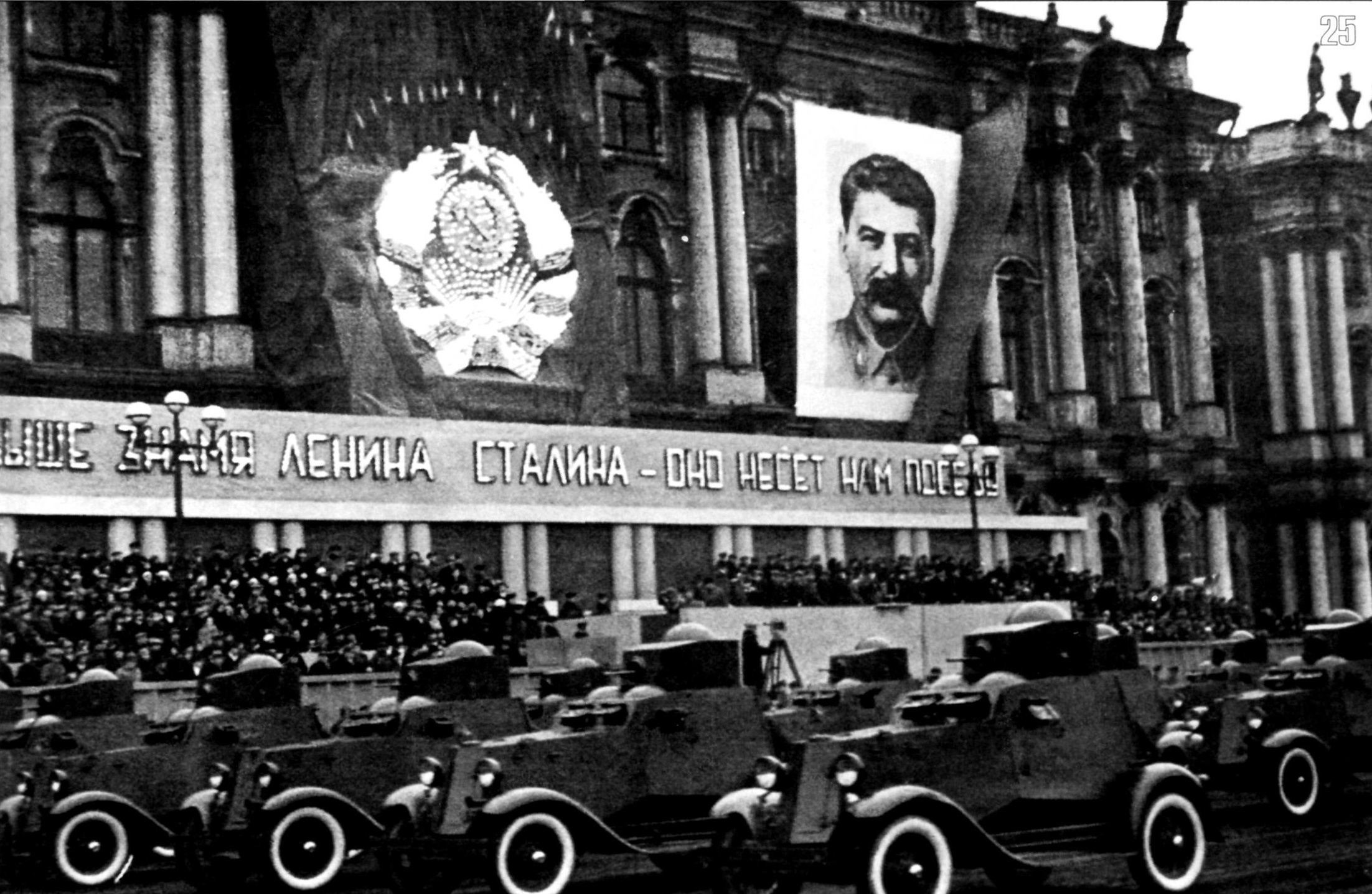
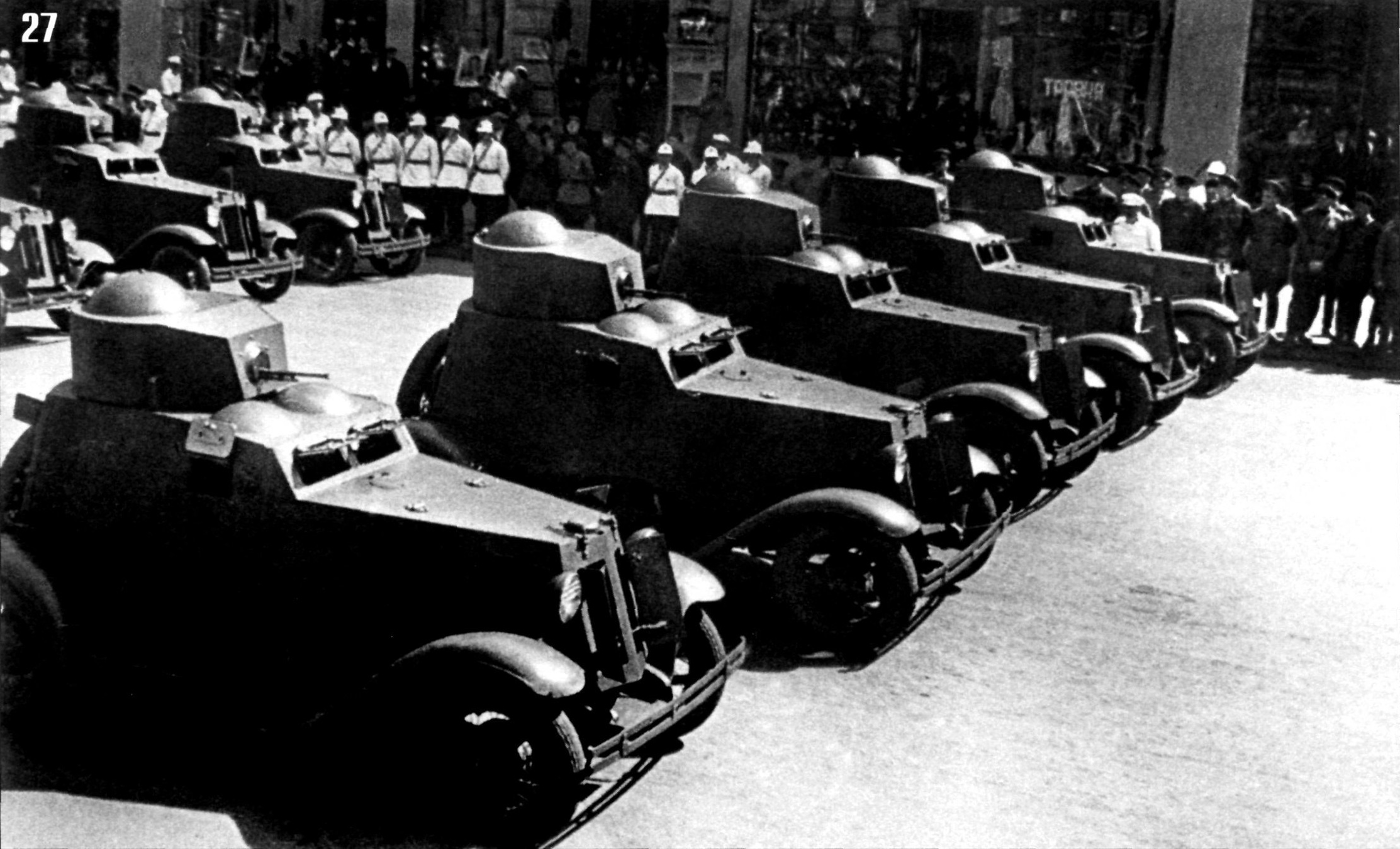
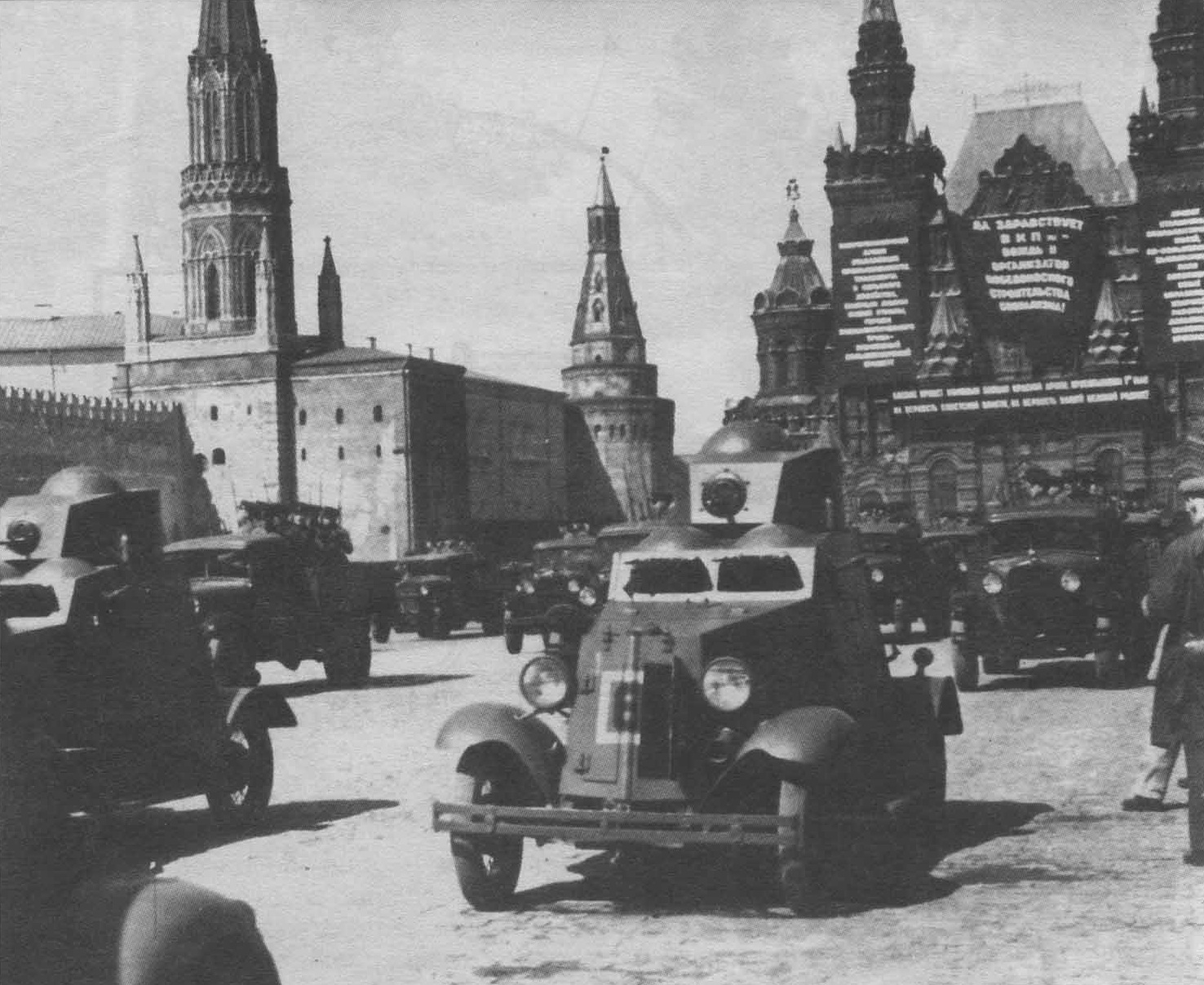
In Soviet Union, the FAI as other armored cars were often photographed during maneuvers or parades
Maneuvers
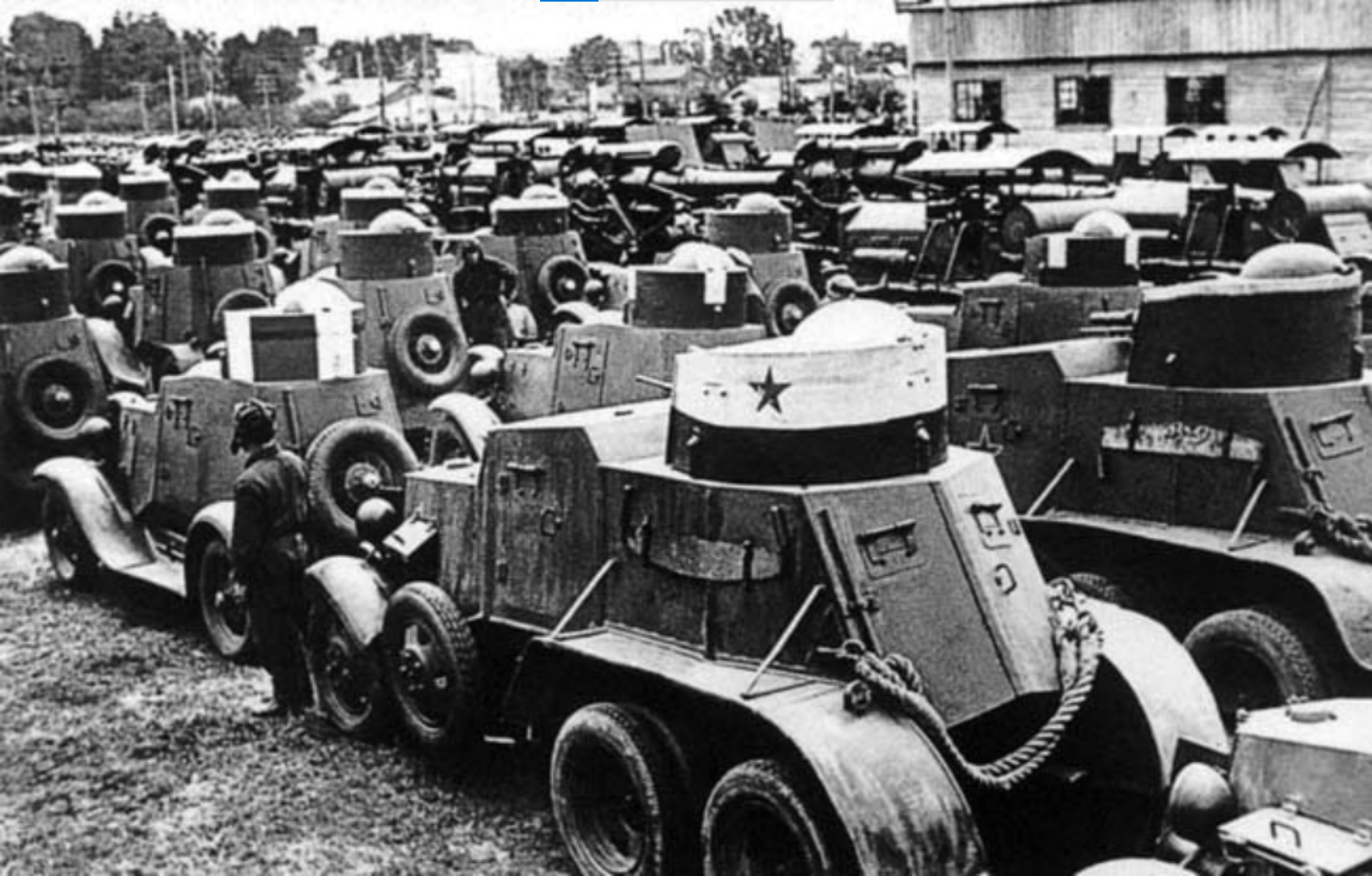
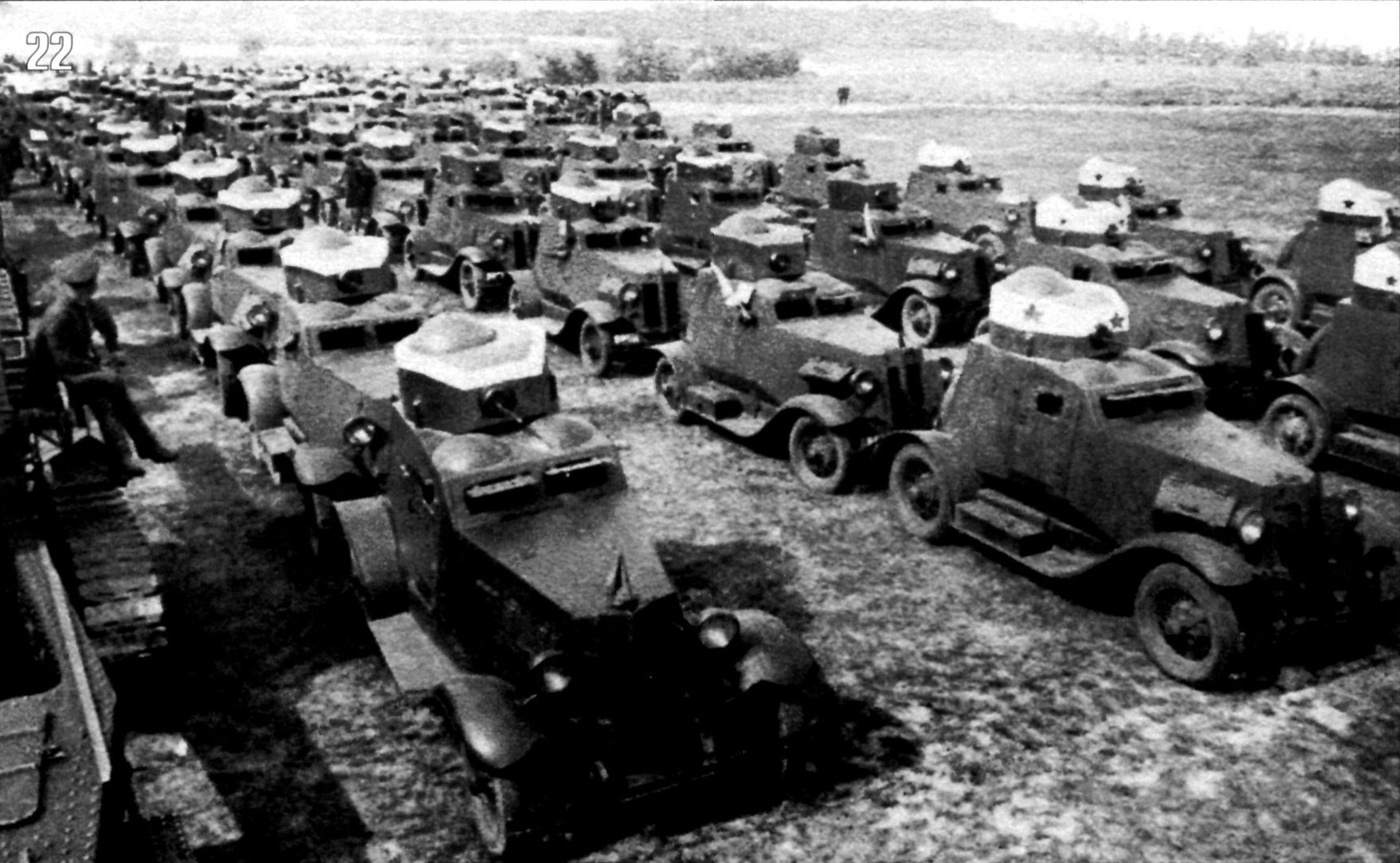
Parades
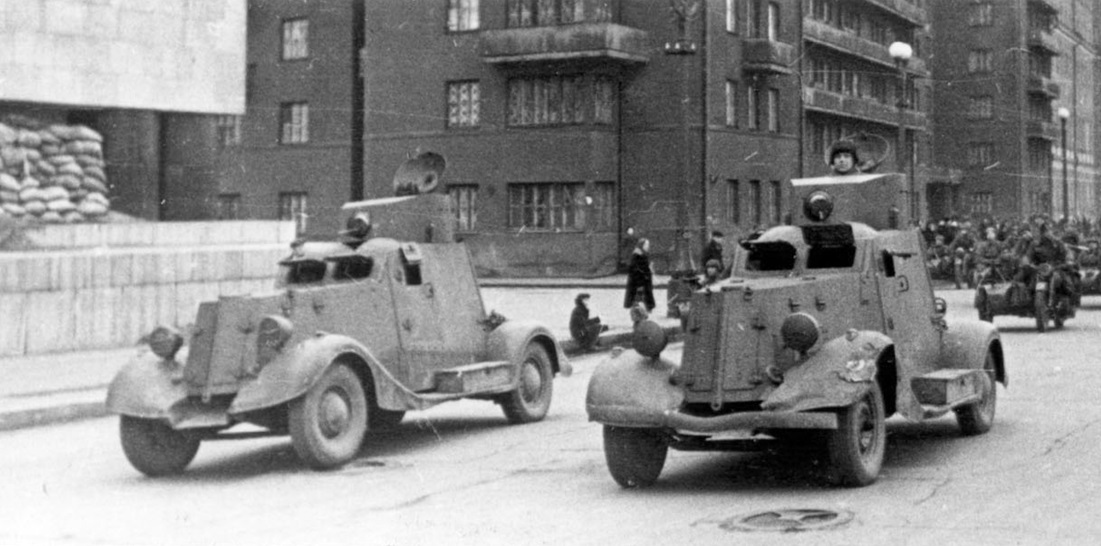
4 – During the great Patriotic War:
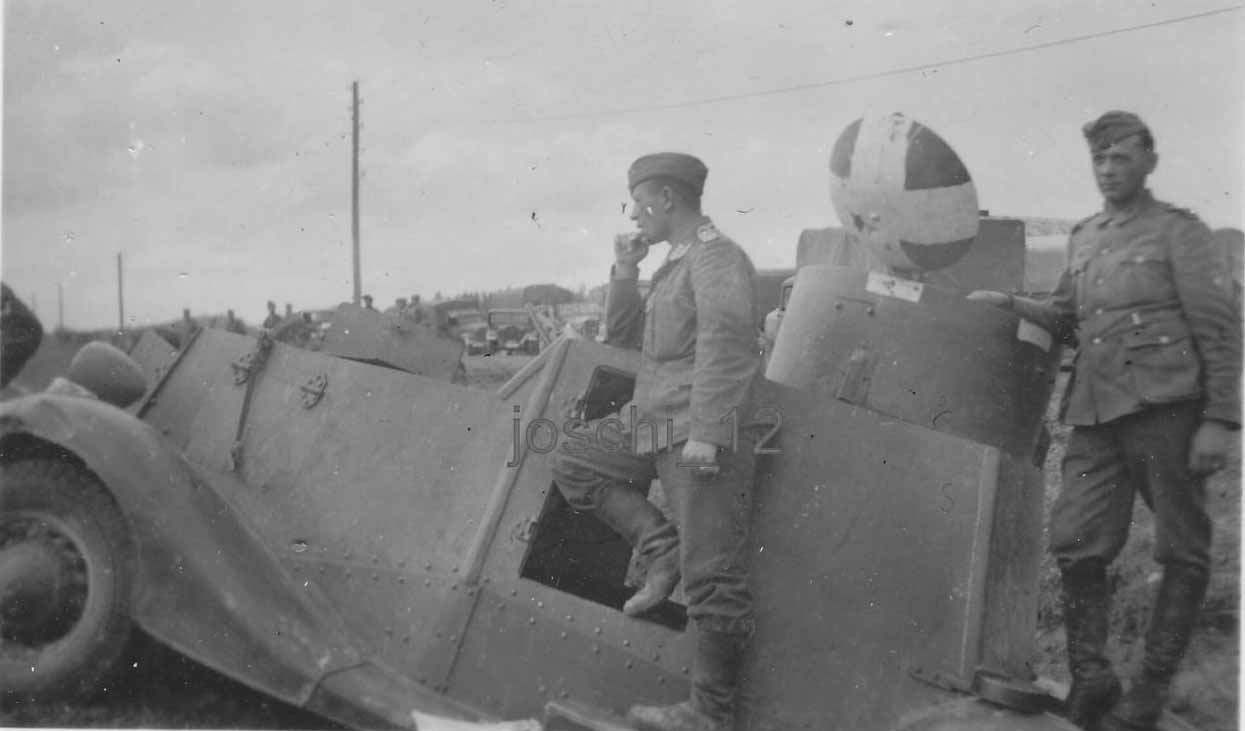
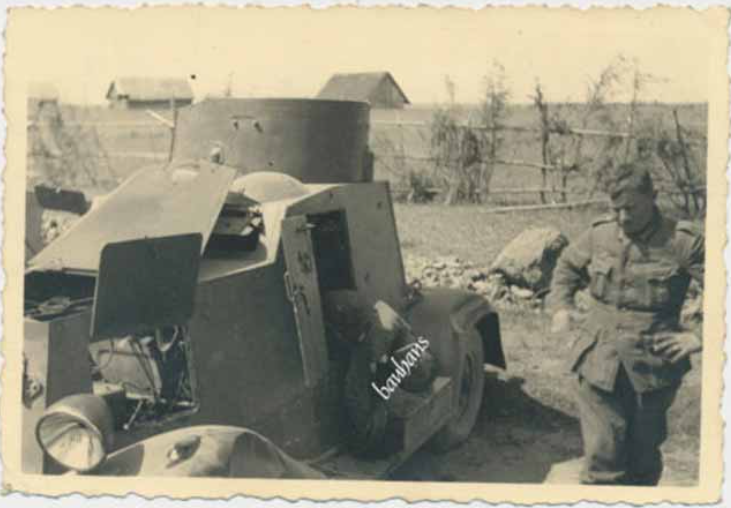
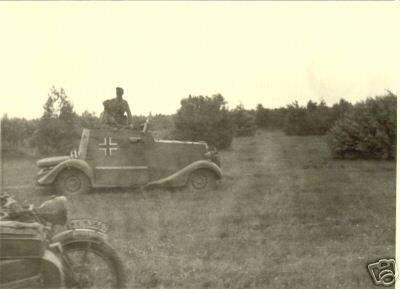
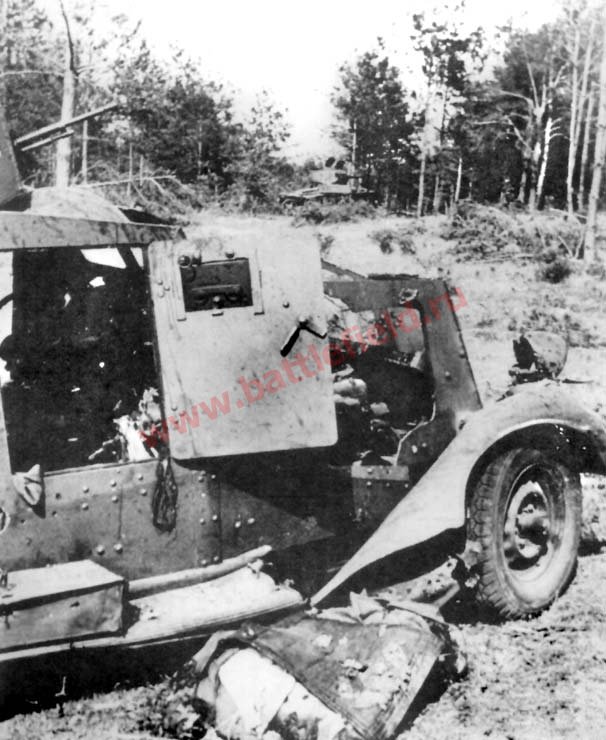
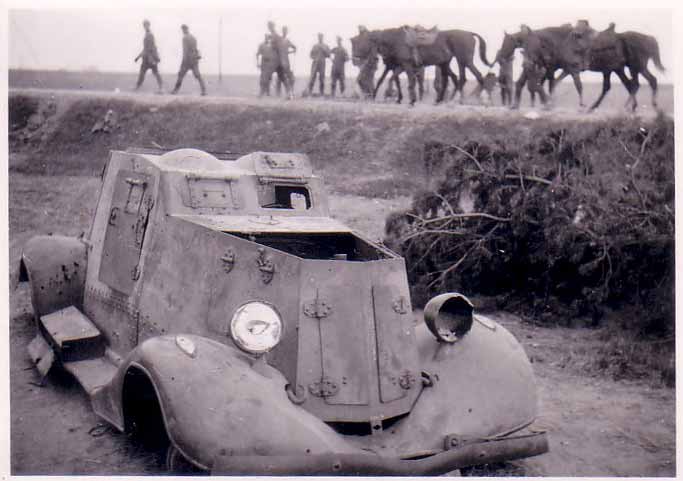
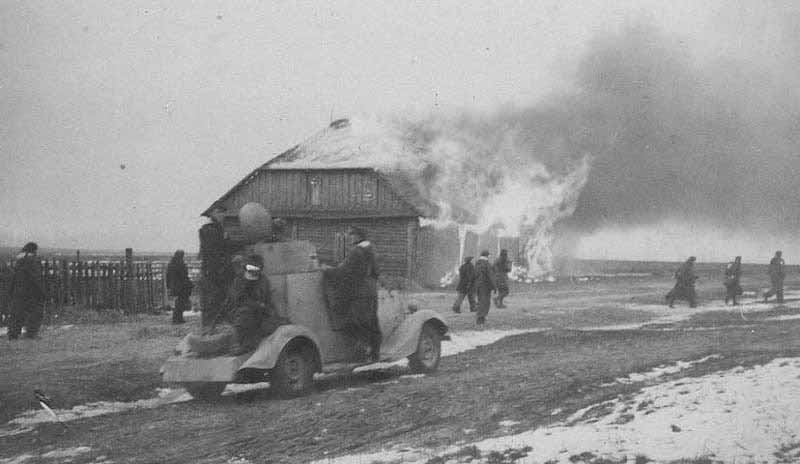
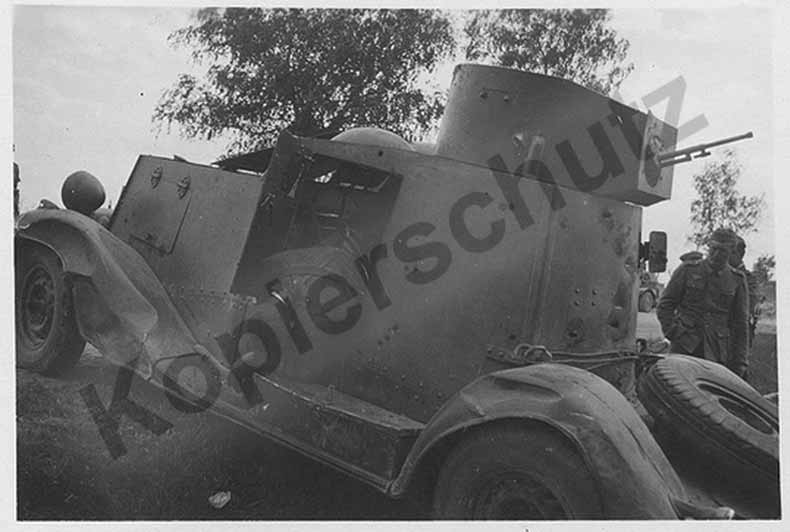
As of June 1, 1941, the Red Army had 1,897 light armored cars of all types on its roster; among them 1,424 BA-20. It should be noted that there were nearly twice as many medium armored cars (equipped with cannon armament). The majority of light armored cars were assigned to mechanized corps; for instance, in the Baltic Special Military District, out of 93 light armored cars, 81 belonged to the 3rd and 12th Mechanized Corps, while in the Kyiv Special Military District, 337 out of 383 vehicles were part of mechanized corps. Most of these combat vehicles were lost in the fighting during the war’s initial months. However, light armored cars remained in service longest with units of the Transbaikal and Far Eastern Fronts. For instance, as of September 20, 1942, units of the Transbaikal Front had 14 FAI armored cars on their rolls (2 in the 67th Tank Division, 4 in the 7th Training Regiment, and 8 in the 9th Motorized Armored Brigade). During the initial battles within the USSR, Wehrmacht units captured a large number of Soviet-made light armored vehicles, many of which were in perfect working order. The use of these captured vehicles began almost immediately during the opening engagements. However, it is quite difficult to say exactly how many light armored cars the Germans used. Captured FAI and BA-20 vehicles were primarily employed by police and security units, as well as within infantry divisions. It must be noted that By October 1941, during engagements with Soviet forces, the Romanian army had captured 103 armored cars, of which up to 40 were light models. No information regarding their subsequent use has been found to date.
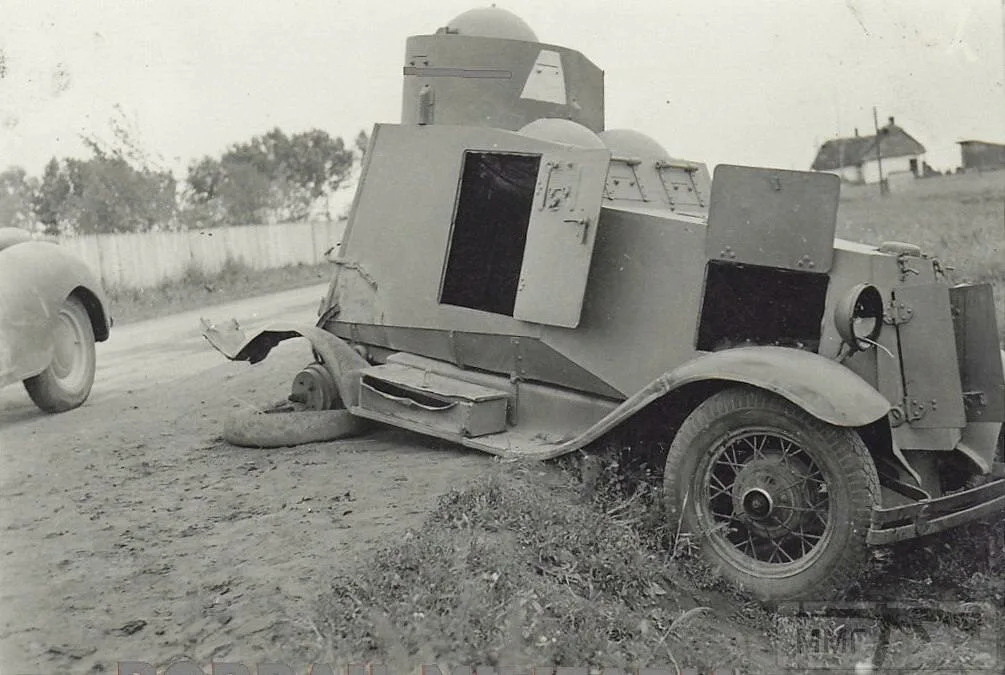
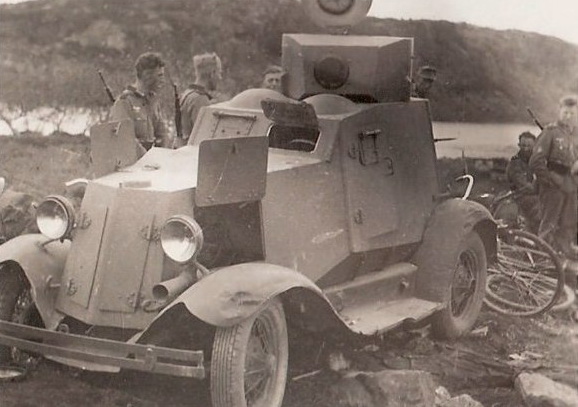
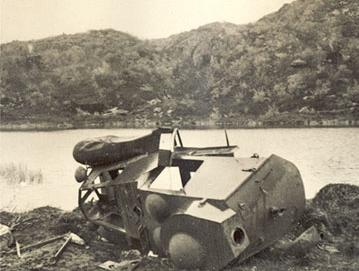
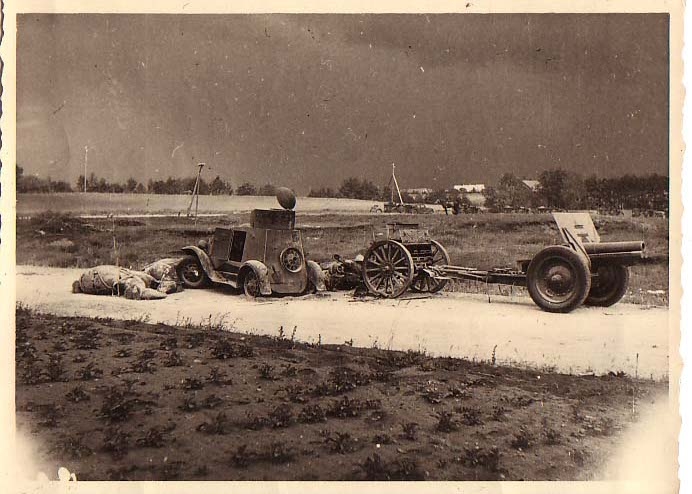
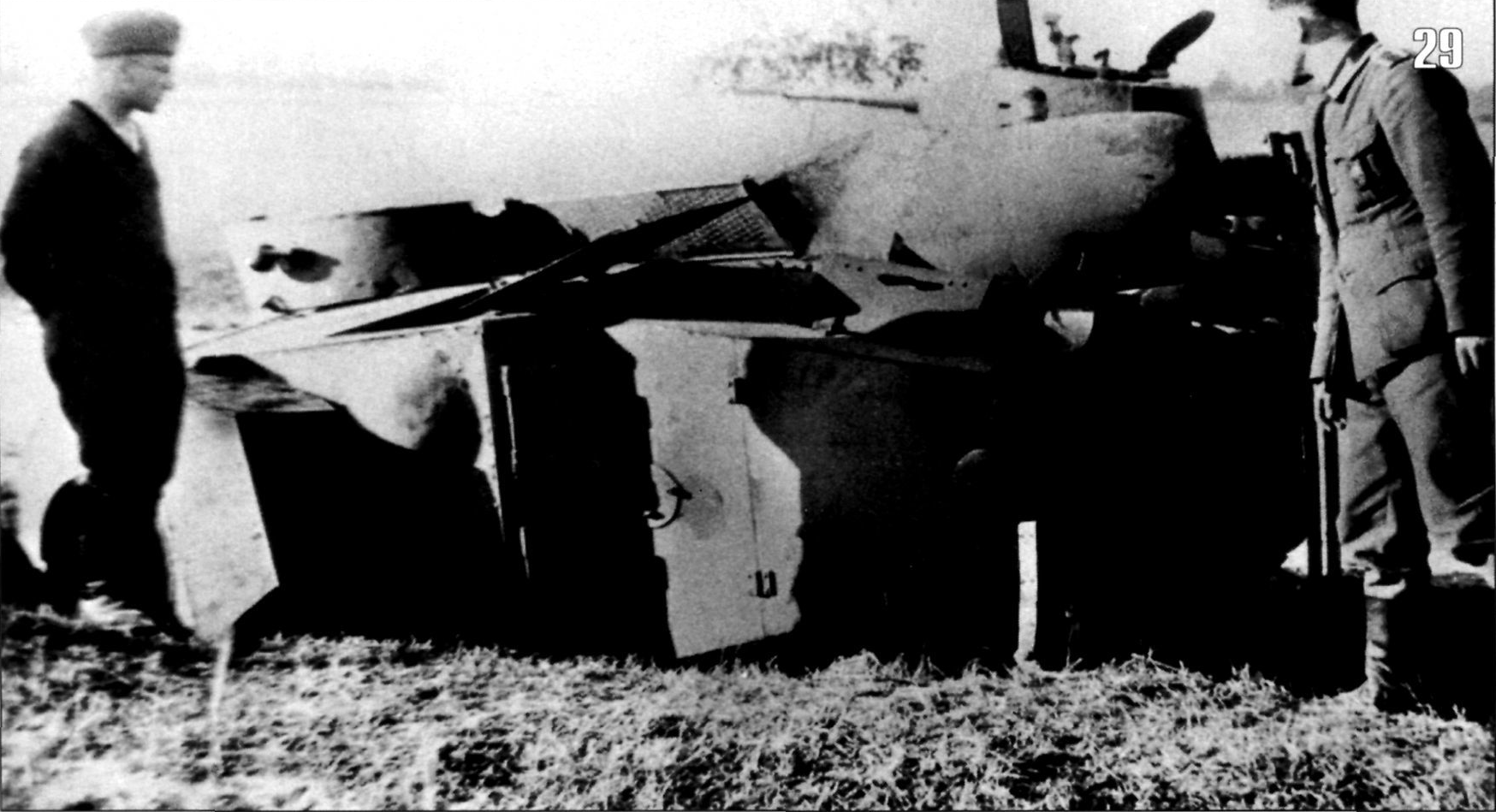
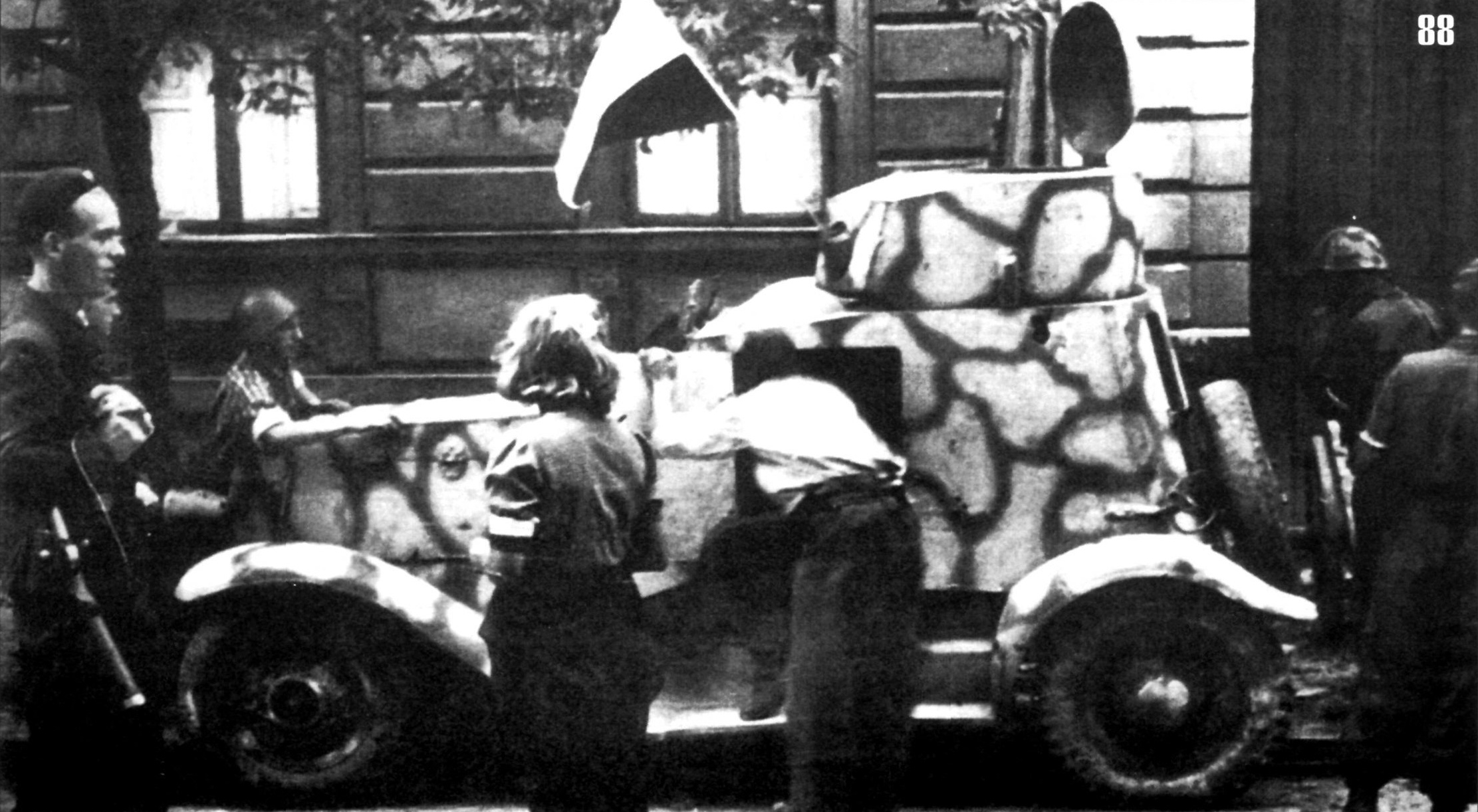
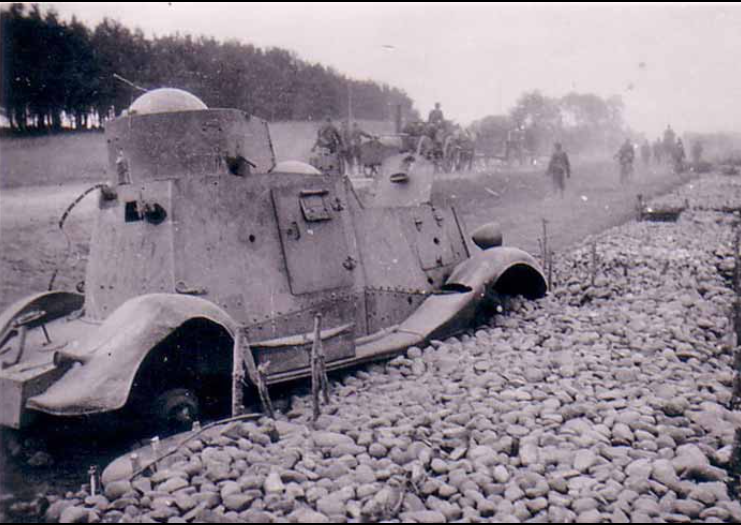
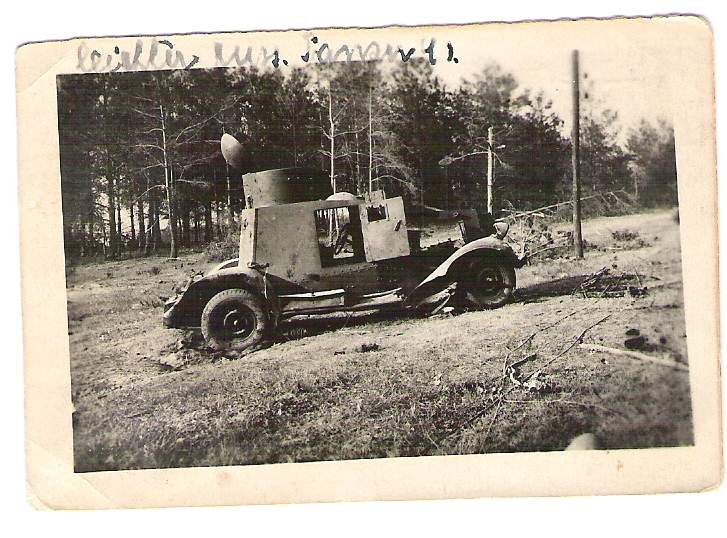
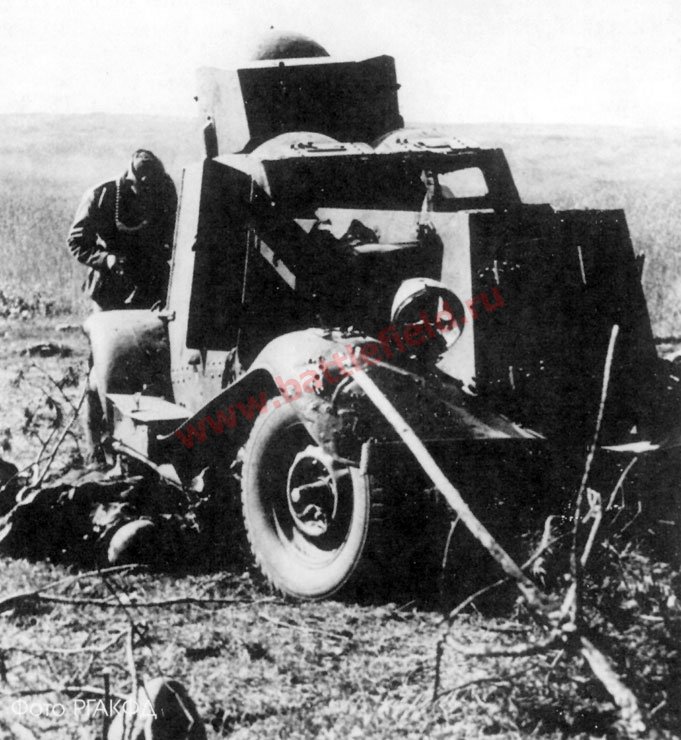
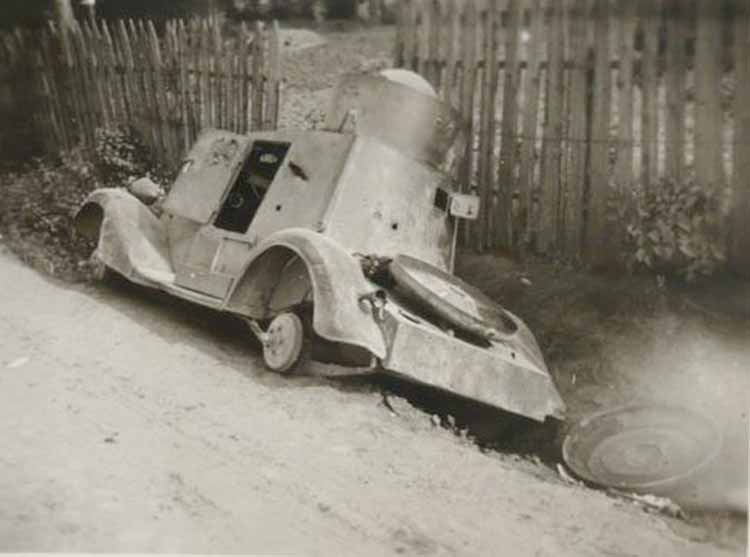
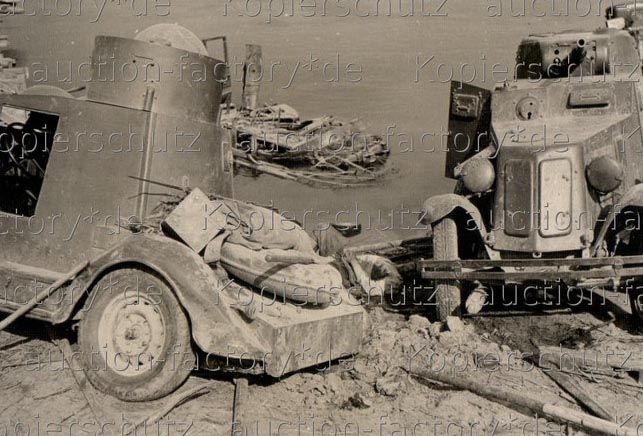
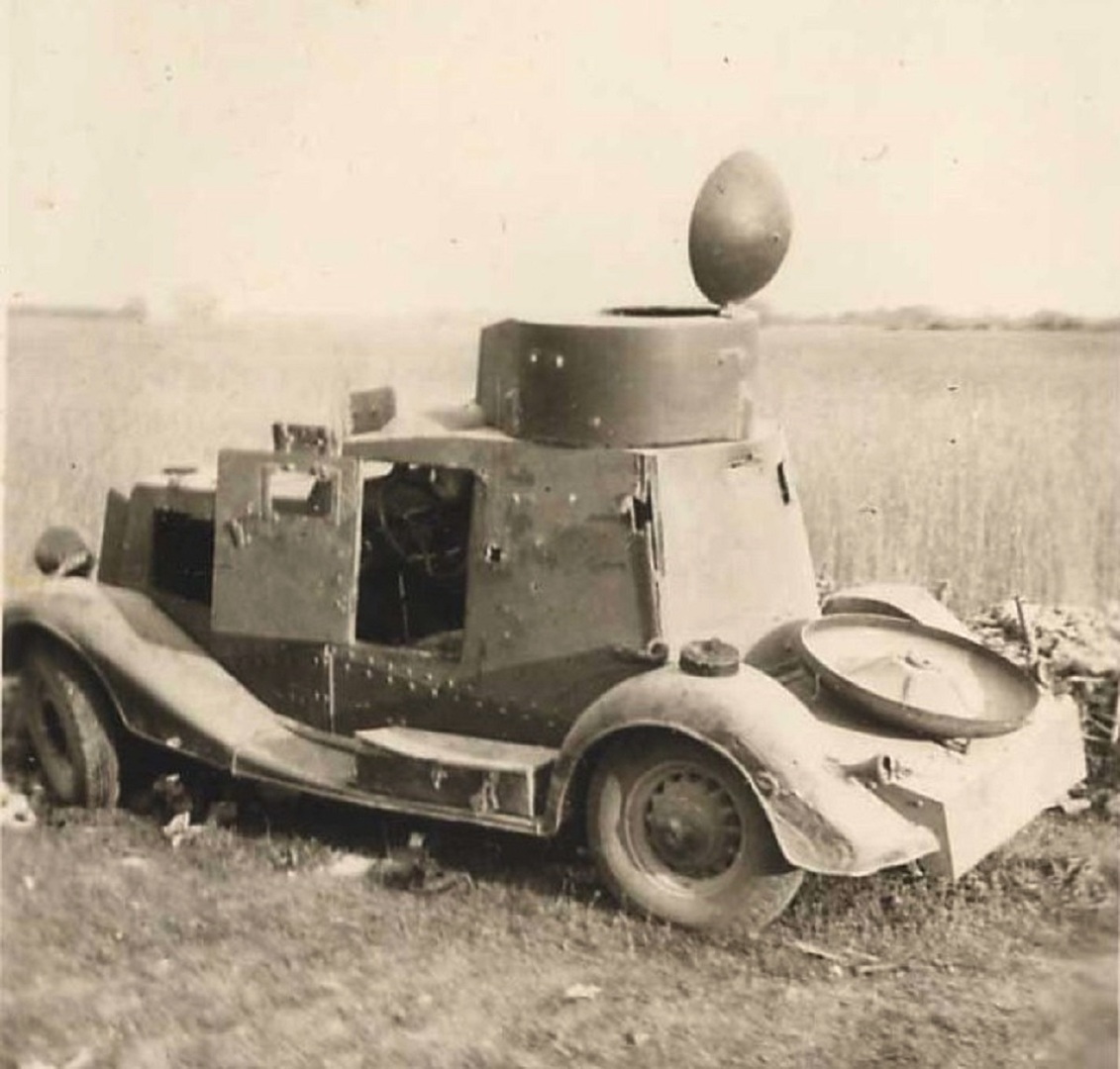
Destroyed FAI-M
5 – Under foreign flag:
Soviet-made light armored cars were used not only by the Red Army but also in other countries, either through exports or as captured equipment. The Mongolian People’s Republic was the first country to adopt light Soviet armored cars. As early as the summer of 1936, before any were sent to Spain, Mongolia received 15 FAI armored cars. By all accounts, this was the only shipment of this type of vehicle sent to the MPR. The FAI units were assigned to the armored squadrons of cavalry divisions; the standard complement for each squadron was nine BA-6s and nine FAIs. By the spring of 1939, the Mongolian People’s Revolutionary Army included eight cavalry divisions, though the author does not know exactly which of them fielded the FAI vehicles.
IV – FAI ZhD :
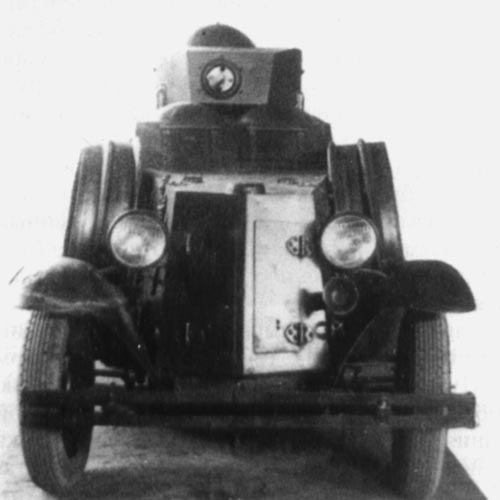
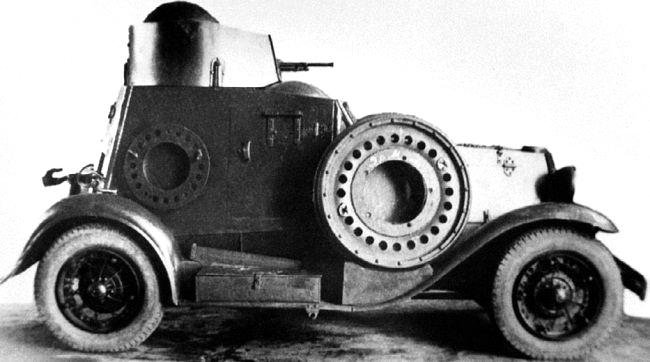
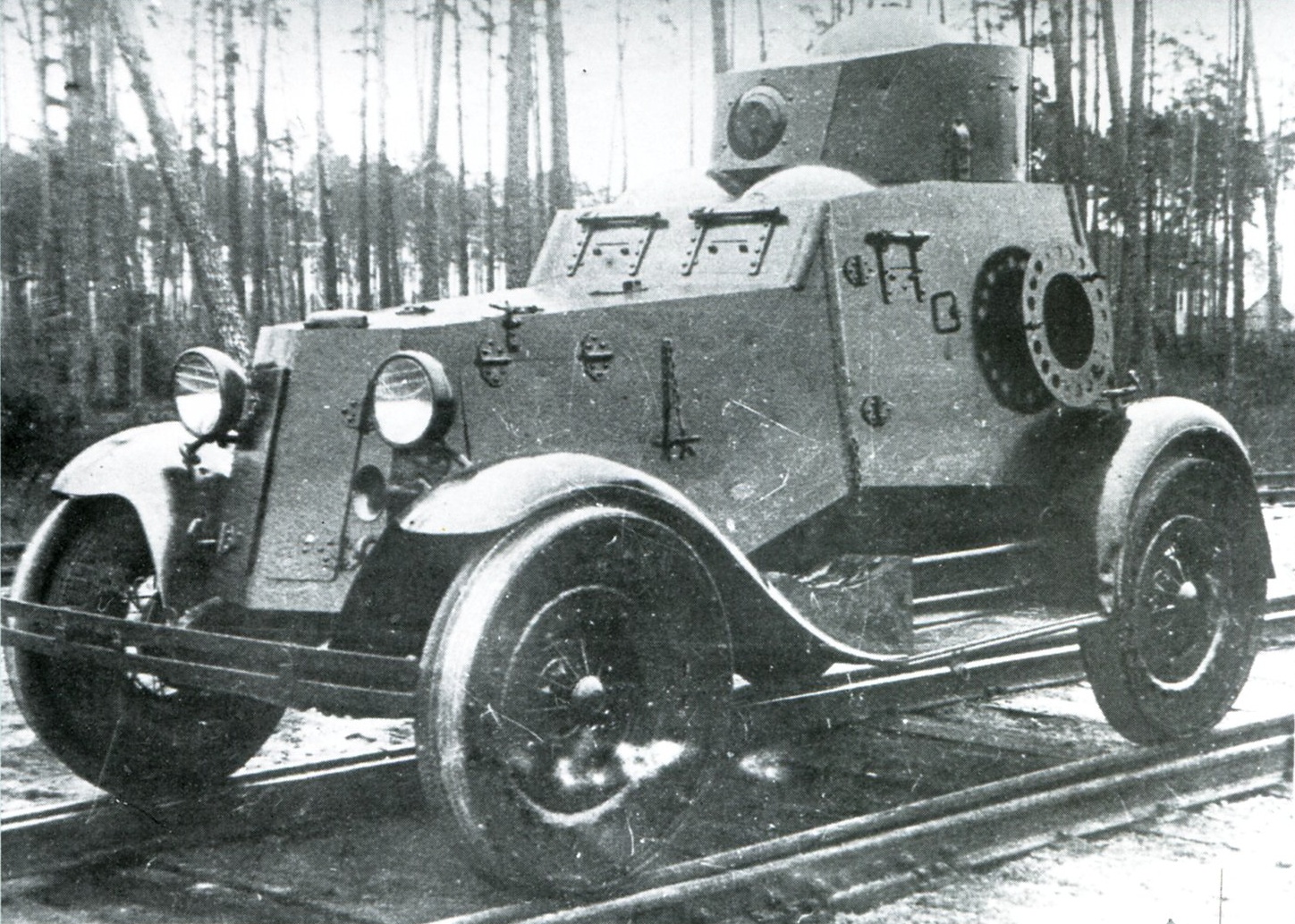
The first armored car adapted for travel on railway tracks appeared in Russia in 1913 Benz-Gaggenau armored-railcar). This vehicle was used by the administration responsible for constructing the eastern section of the Amur Railway to protect construction sites from khunhuz (bandit) gangs. During World War I, an armored railway platoon consisting of five armored cars was formed. There were also plans to convert all armored cars unsuitable for frontline service due to chassis overloading for railway use, but for known reasons, this was never realized. In the Soviet Union, work on creating rail-capable armored cars arose again in 1932 at the Mozherez plant. There, a D-8 armored car was adapted for rail travel. and following some modifications, it was transferred to the 2nd Armored Train Regiment. A similar vehicle, based on the FAI armored car, was produced in the workshops of Military Depot No. 60 in the summer of 1936. Like the D-8, it featured a jack and metal rims designed to fit over the wheels. When traveling on roads, the rims were secured to the sides of the hull using special screws. Generally referred to as the FAI-ZhD Bronedrezina, the vehicle could achieve 85km/hour on rails and a moderate 24km/hour in reverse; a major disadvantage for a railbound vehicle. On roads the vehicle could travel at speeds up to 40km/hour, half that of the standard FAI, due mainly to the additional weight of the stowed ZhD wheel rims. The rail wheels on the FAI-ZhD were actually flanged steel rings which were slipped over the standard wheels when required. The vehicle was driven onto railway lines and then a standard tank jack was used to lift first the front and then the rear of the vehicle while the bands were attached over the main road wheels. When not in use, the FAI-ZhD’s wheels were stowed on either side of the vehicle, mounted on stub axles ahead of the vehicle doors. The FAI-ZhD rail variant carried more ammunition than the standard variant (2,520 rounds of 7.62mm) and had a combat weight of 1,900kg. Length was 3.69m and overall width 1.73m with ZhD wheels fitted. Following trials, the FAI-ZhD (railway) variant was approved for service with the Red Army’s armored train units, and by the end of the year, workshops had converted another eight FAI vehicles. All these armored cars were issued to the 5th Independent Armored Draisine Battalion, where they remained in service until 1944–1945.
Availability of FAI armored cars in the Red Army as of June 1, 1941
MODEL | FAI – FAI-M | FAI ZhD | TOTAL | |||
Category | 1 | 2 | 3 | 4 | ||
LVO | 37 | 1 | 3 | 41 | ||
POVO | 2 | 4 | 6 | |||
CALL | 18 | 2 | 1 | 21 | ||
KOVO | 46 | 12 | 11 | 69 | ||
OdVO | 15 | 2 | 1 | 18 | ||
ArchVO | 1 | 1 | ||||
MVO | 2 | 7 | 9 | |||
HVO | 2 | 2 | ||||
SKVO | 4 | 4 | ||||
OrVO | 2 | 2 | ||||
PriVO | 3 | 2 | 5 | |||
UrVO | 1 | 2 | 3 | |||
ZakVO | 1 | 2 | 3 | |||
ZabVO | 4 | 49 | 17 | 34 | 104 | |
DVF | 114 | 8 | 9* | 131 | ||
Warehouses | 2 | 2 | ||||
Rembases | 16 | 16 | ||||
TOTAL | 4 | 297 | 51 | 76 | 9 | 437 |
See the different soviet military districts in the BA-27 article
Category 1: service ready
Category 2: daily maintenance in light repair units
Category 3: general maintenance in heavy repair units
Category 4: factory repair, vehicle heavily damaged
* All 9 FAI railways were part of the 5th separate armored railcar battalion.
A certain number of FAI armored vehicles (about 150) were written off or were in the custody of OSOAVIAKhIM organizations
Sources:
frontline illustration
Yauza
Bronekollektsiya
vk
dzen