The Fiat Tripoli Spaag 1940 model is here
The Fiat Tripoli Spaag 1940 on Warwheels.net is here
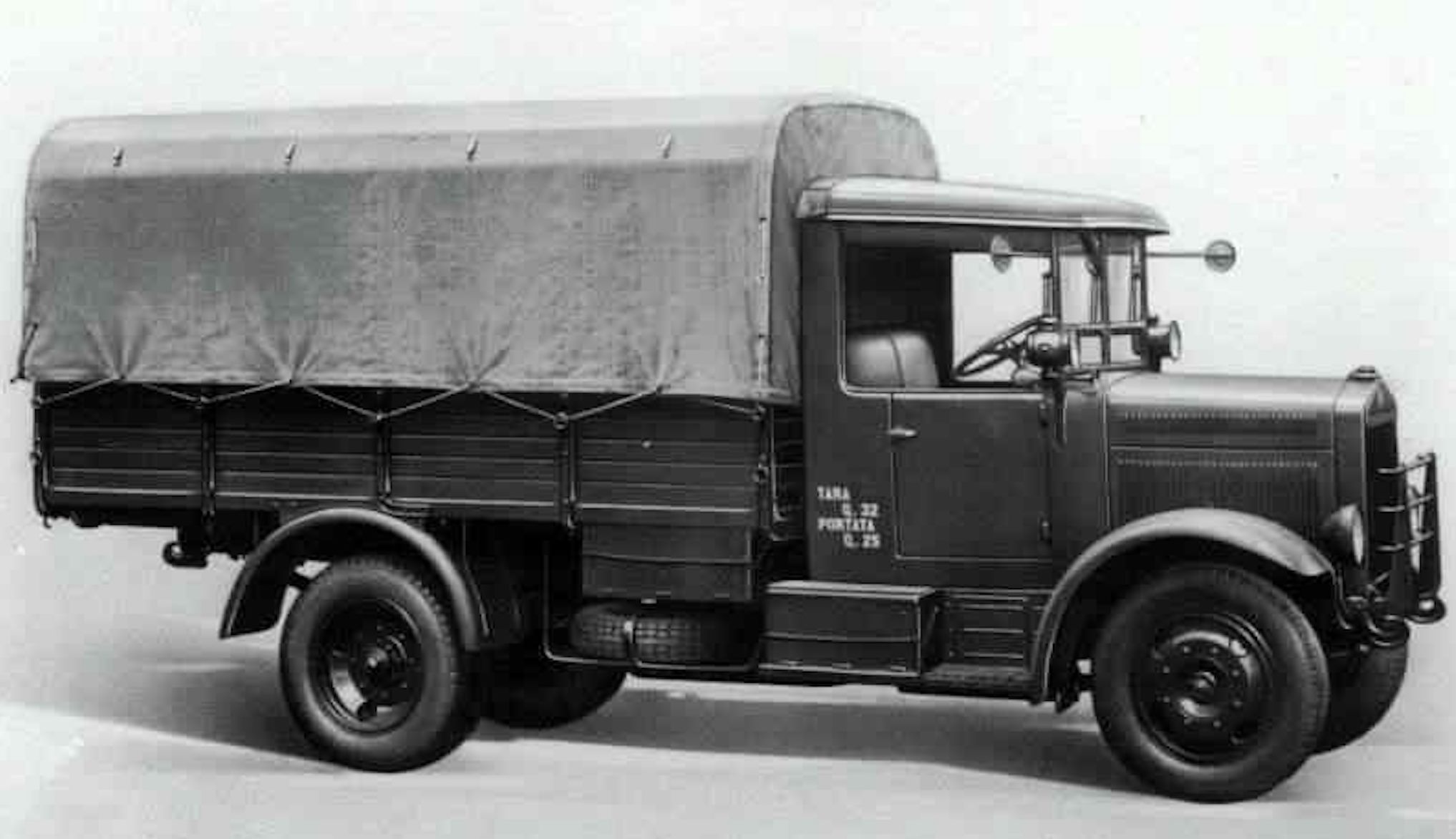
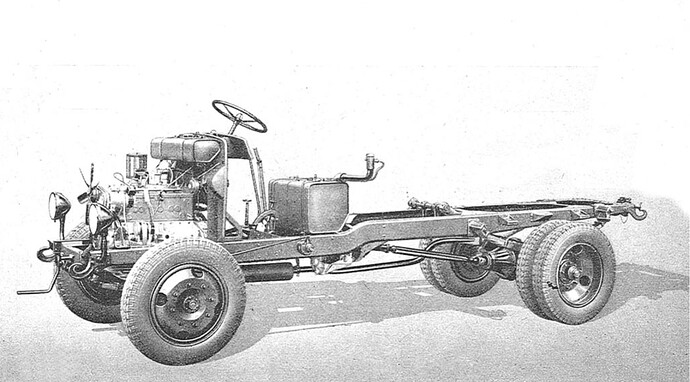
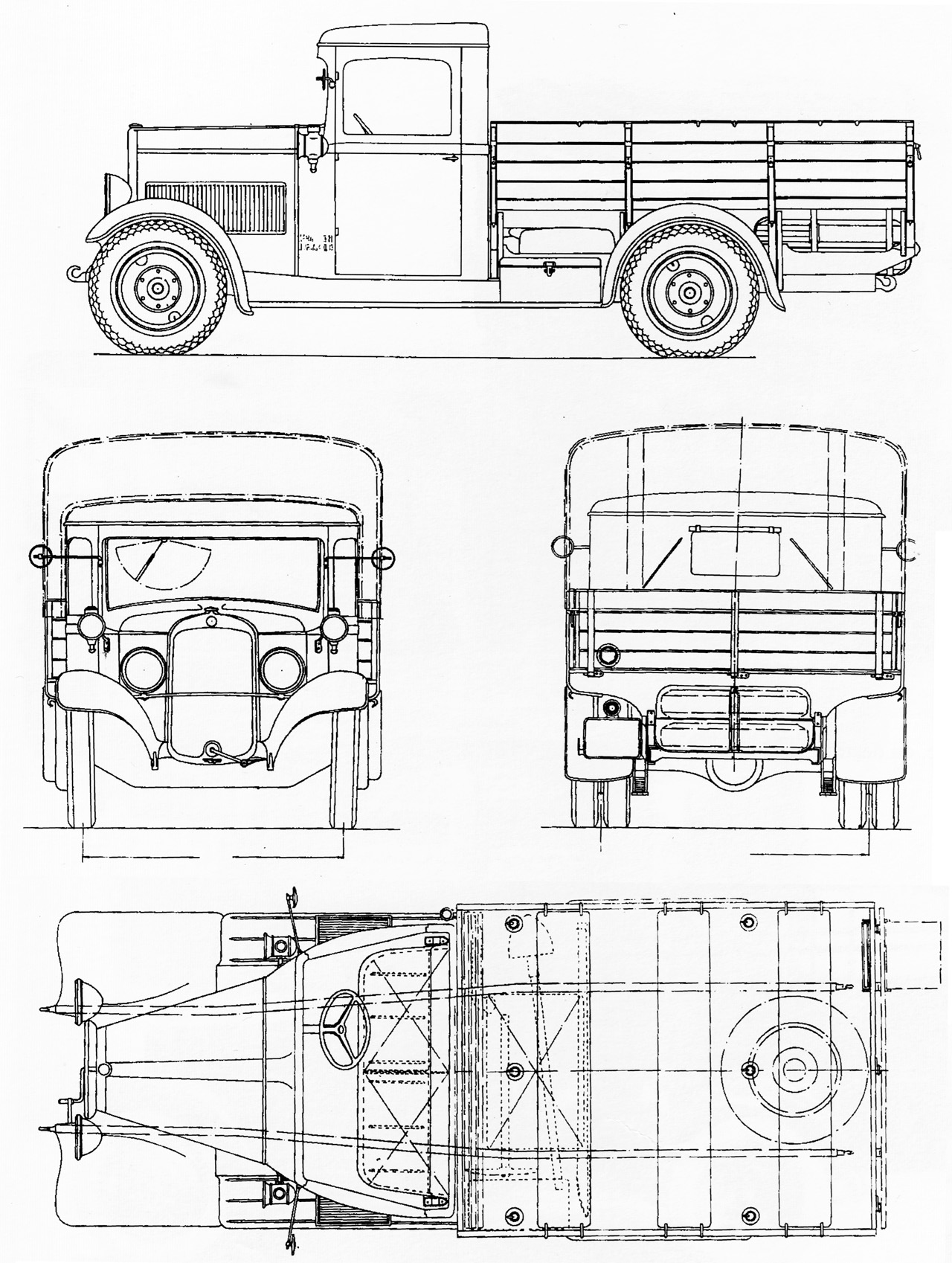
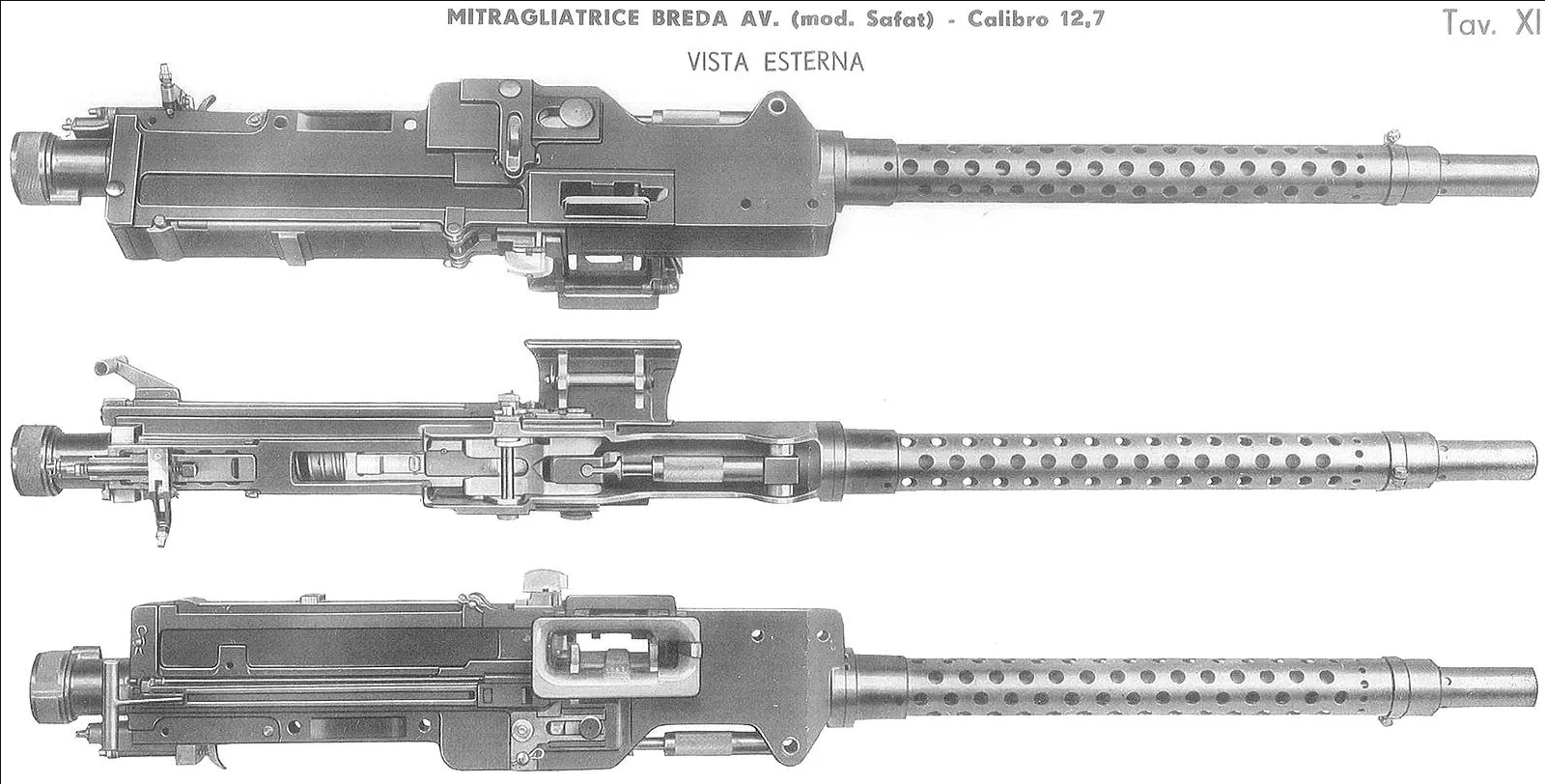
It was with the approach of the second world war and the inevitable confrontation with the English troops of Egypt that the Italian army urgently called back all the available vehicles including the Fiat Terni. All armored vehicles available in warehouses were removed from storage, repaired and sent to combat units. With armored cars Fiat-Terni Tripoli, it was not so easy to turn them into combat units. Although the FIAT 15 ter was a well-deserved car, already in 1919 its chassis was obsolete, and in 1940 it was also completely worn out. At the same time, the armored hulls, perfectly preserved in a hot, dry climate, seemed still capable of being used. All that was left was to move them and rearm them. The few models still usable (6 to8) were modified, The 2.5-ton standard army truck FIAT-SPA 38R Coloniale being chosen as the chassis. The machine was developed in the early 30s to replace the SPA 25 truck, which in turn was produced as a replacement for the FIAT 15. The SPA 38 R became the standard light truck of the Italian army during World War II, including in the African theater of operations. The colonial version of the SPA 38 R differed from the standard model by the addition of an oil bath air filter, the use of a 12 V electrical circuit, and the replacement of the tank located under the driver’s seat with a 100 liter tank at the rear of the chassis. To adapt to the longer chassis, the aft compartment was enlarged, which was also necessary for the transportation of ammunition, which became significantly heavier. The roof of the turret was cut off to accomodate the new 12.7 mm Breda Safat heavy machine gun for increased firepower.
Combat use :
In total, 6 or 8 FIAT Terni vehicles were upgraded and transferred to the Babini Special Tank Brigade. As part of the brigade, it was planned to use the vehicles for air defense of tank formations. The presence of a heavy machine gun and an open turret made it possible to do this.
They took part in the first actions against the English troops during the Graziani offensive (or Operazionz E) from the 09 September 1940 to the 16th September 1940. On November 25, 1940, the Italian Royal Army Headquarters established the Brigata Corazzata Speciale (BCS) at Marsa Luch under General Alighiero Miele. While the brigade boasted a mix of two L3 light tanks Battalions, and two M11/39 medium tanks Battalions and two M13/40 medium tanks Battalions, most of its units were already battle-worn and under-trained. Their trial by fire came on December 11, just days after the Allies launched Operation Compass—a massive counter-offensive aimed at reclaiming Egypt and pushing into Libya.
The Western Desert Force, led by General Sir Archibald Wavell, swiftly dismantled Italian defenses, inflicting nearly 40,000 casualties at the cost of fewer than 1,000 British troops. Amidst this collapse, General Valentino Babini took command of the BCS, identifying a critical lack of reconnaissance vehicles. Consequently, the brigade was reinforced with six FIAT-Terni Tripoli armored cars. On 23rd January 1941, the 12,7 mm Breda Safat were installed on the Fiats in a a workshop at Shebib el Ghezze. By late January 1941, as the Italians retreated toward Benghazi, the BCS (then with four remaining Fiat) attempted a desperate breakout at Beda Fomm. Though a small portion of the force managed to breach the British blockade, the two remaining FIAT-Terni were towed by tanks to provide a small anti-aircraft defense and ultimately abandoned in Benghazi. The arrival of the German Afrika Korps in February 1941 – and in Benghazi on the 04th April 1941 where they found the two abandonned Fiat – eventually turned the tide, but by then, the BCS had been effectively decimated.
Characteristics :
Qty: 6-8
Armor: 6 mm
Armament: 1 X 12.7 mm mitragliatrici Breda-SAFAT
Crew: 4
Weight: 2 t
Lenght : 5,63 m
Width : 1,82 m
Height : 1,75 m
Chassis/Engine: FIAT-SPA 38R Coloniale / FIAT 18T, 4053 cm³, 55 HP
Speed : 50 km/h