
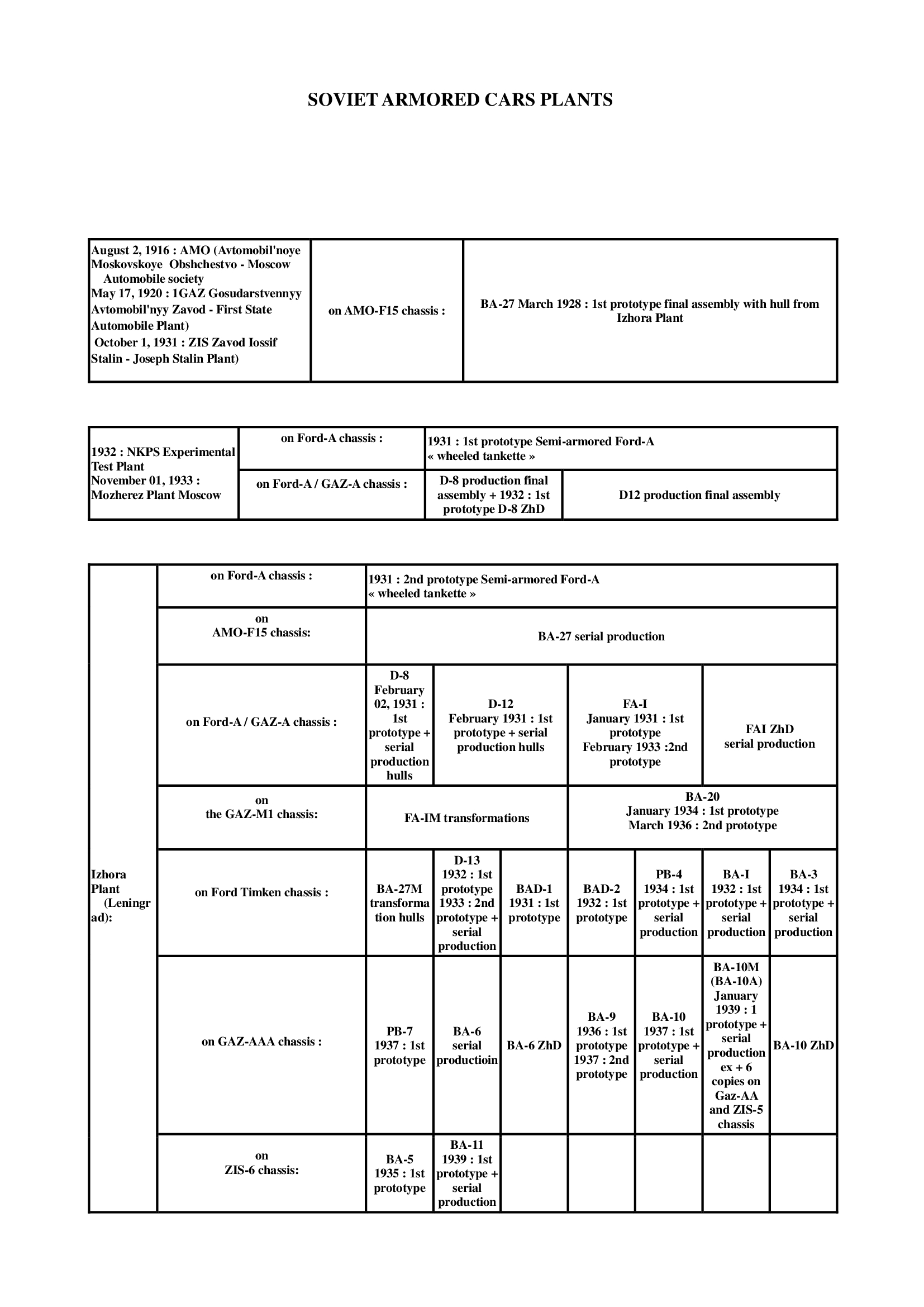
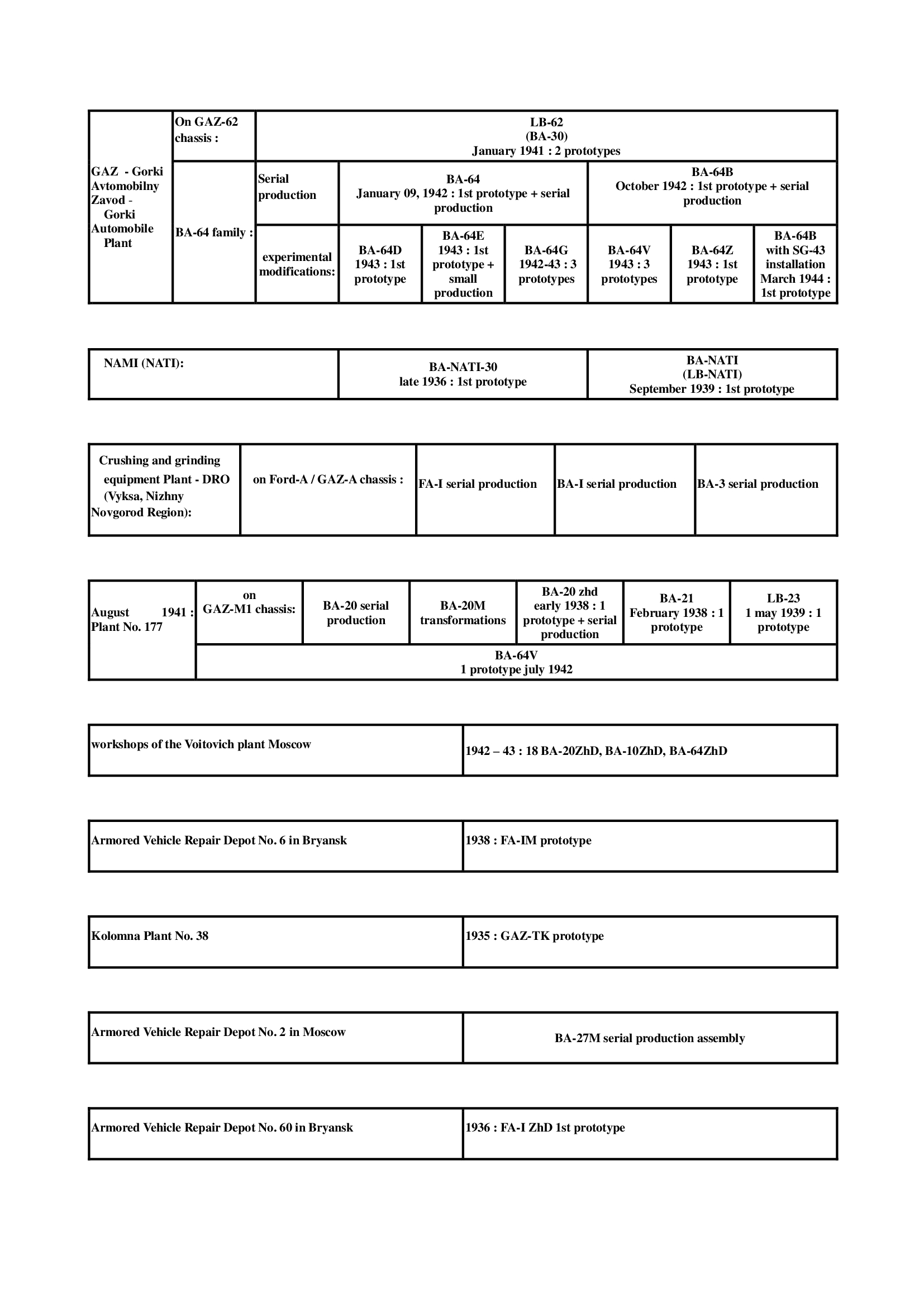
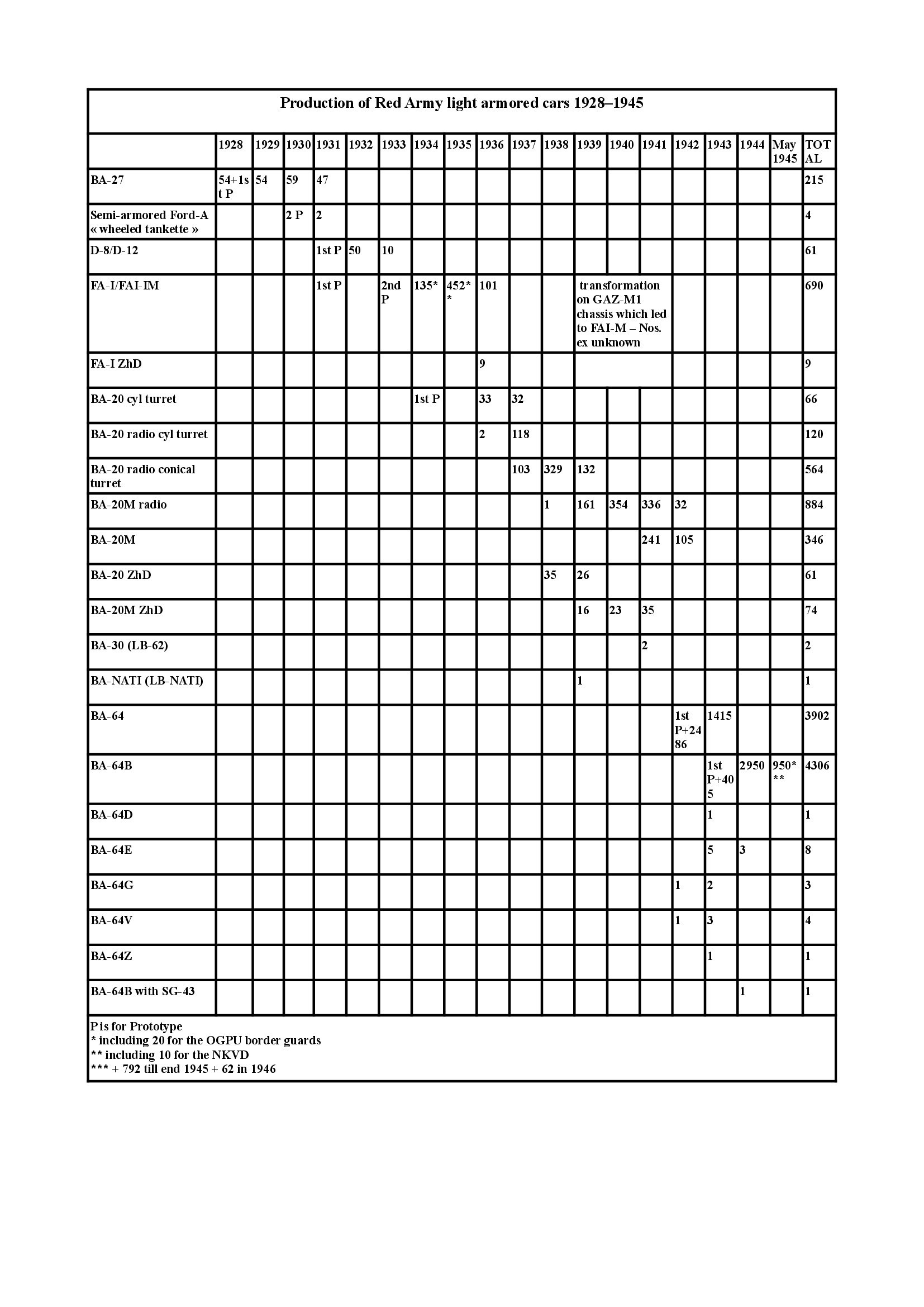
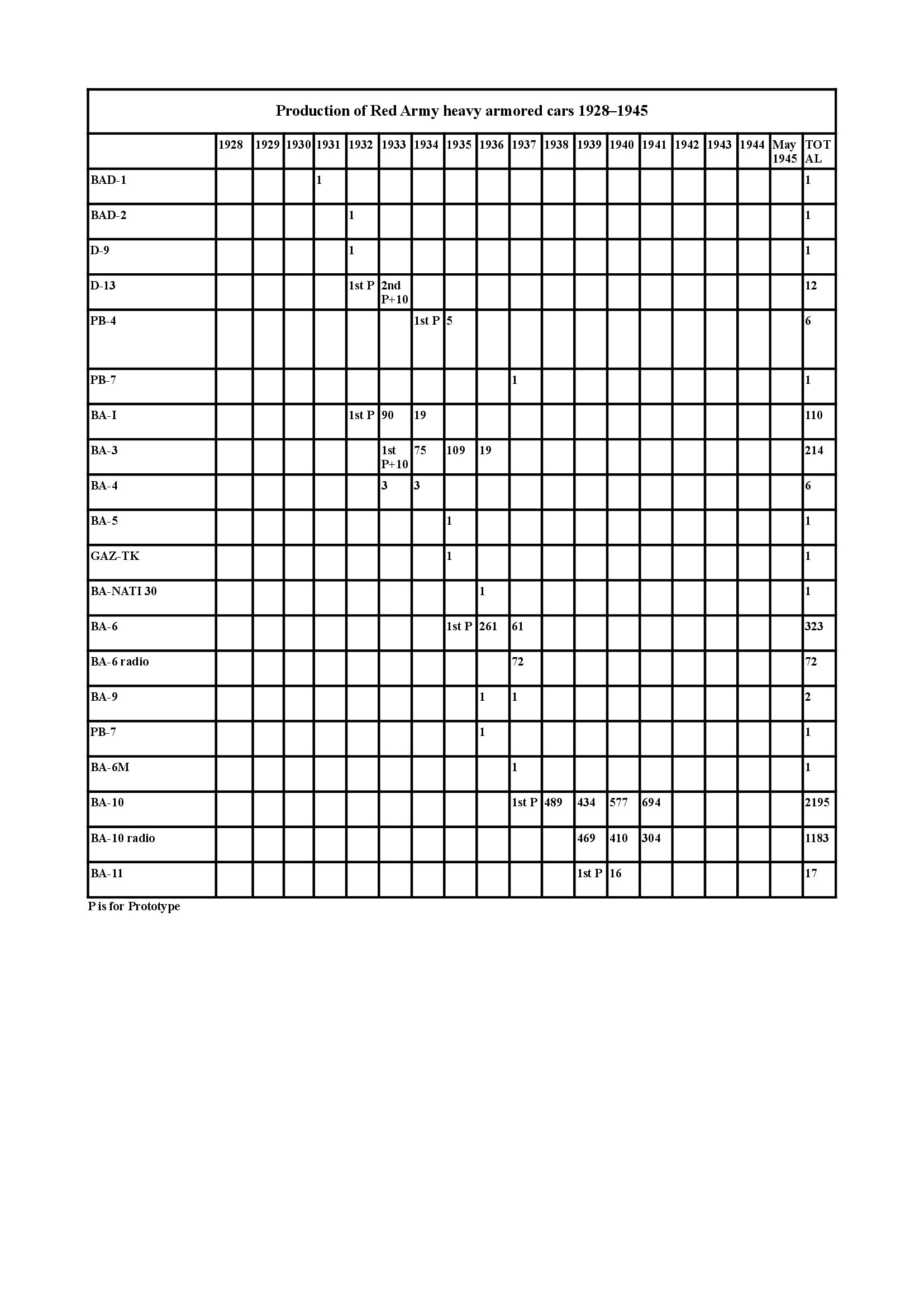
In 1914, Imperial Russia lacked a domestic automotive industry, with the sole exception of the Russo-Baltic firm in Riga—originally a railway carriage manufacturer. Consequently, Russia’s experience with armored vehicles during World War I was characterized by a succession of foreign purchases and attempts—ranging from makeshift to semi-professional—to build prototypes or small batches of armored cars. Foreign acquisitions were managed by the Sekretev Commission and took two forms: the direct purchase of complete vehicles (primarily from Great Britain and France), which were then modified to meet Russian specifications; or the purchase of chassis that were fitted with Russian-made armored bodies (as was the case with Italian imports). At the time, the primary facility for Russian armored vehicle production was the Izhora (or Izhorski) plant in Kolpino, a suburb of St. Petersburg. The war was quickly followed by the Russian Civil War, making it impossible to develop a high-performance industrial infrastructure. Once peace returned, the new Soviet government strove to close the industrial gap with other European nations at any cost—a drive that had devastating consequences for the population. Shunned by the international community, the country had to rely on purchasing industrial equipment in exchange for commodities—particularly agricultural produce—since no foreign investors were willing to establish operations in the USSR. The only model rolling off Soviet production lines during this period was the AMO F15; this vehicle, produced by the Moscow-based AMO plant starting in 1924, was based on the licensed assembly of Fiat 15ter trucks. The initial agreement had been signed in 1915, but the Civil War and a change of government delayed its implementation. The situation changed in 1929 with the signing of a major agreement between the Soviet government and Ford for the import of civilian vehicle kits for assembly. Ford subsequently sold certain licenses, enabling the USSR to manufacture civilian vehicles entirely in-house at the massive NAZ—later GAZ—plant in Nizhny Novgorod (renamed Gorky in 1933). Naturally, the arrival of chassis—even civilian ones—attracted the interest of military authorities, who immediately sought to adapt them for military use. Consequently, the first Soviet armored cars were built on Fiat and Ford chassis. Production gradually increased alongside the training of new engineers and the establishment of new factories. Soviet military doctrine advocated mass production under the Five-Year Plans, and armored car manufacturing was no exception. Thus, when the Second World War broke out, the USSR was already well-prepared for mass production, which proved to be a significant advantage. Curiously, the USSR fought the entire war using armored cars designed before the conflict on chassis derived from Ford designs; the only model designed during the war itself was the BA-64 light armored car.
sources:
denisovets
frontline productions