
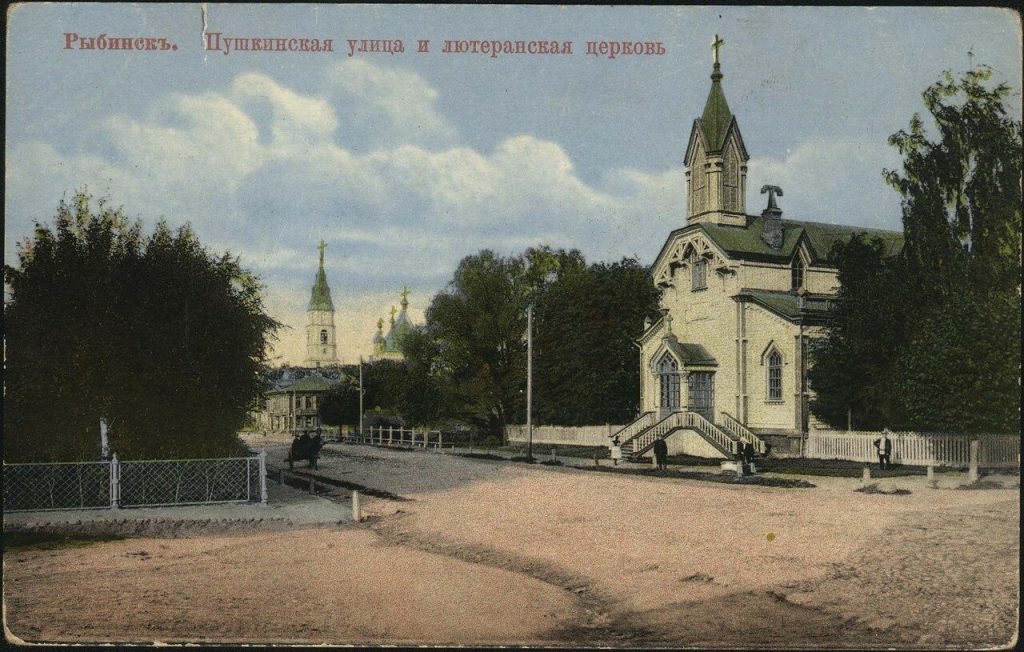
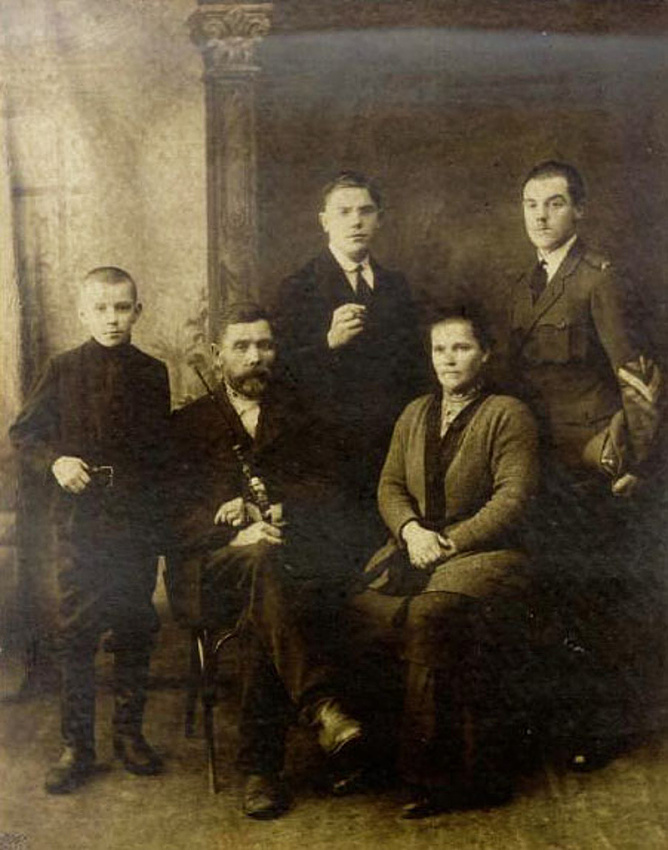
Nikolai Ivanovich Dyrenkov, a key figure in the early days of armored vehicle production in Russia in the 1930s, was born on April 12, 1893, into a modest family in the village of Malaya Rezha, in the parish of Shumorovsky, Vereteyskaya Volost, Mologa District, Yaroslavl Province. This village is now located at the foot of the Rybinsk Reservoir. His father, Ivan Alexeyevich Dyrenkov, was a humble man who worked at the Aksionov merchant’s factory in Pesochnoye as a clay smelter, potter, and later as a worker in a railway repair shop. His mother, Marfa Maksimovna, was a homemaker. However, after ten years of work, he had to stop working for health reasons and found employment as a caretaker at a German Lutheran church in Rybinsk. This move also allowed his two sons to receive a quality education. In 1904, the Dyrenkov family settled in Rybinsk. During the ten years he lived in an apartment, he managed to complete his schooling in 1908 at Rybinsk Primary School No. 2, then graduated in 1910 from the Karyakinsky School, and finally in 1914 from the vocational school of the M.E. Komarov Technical and Mechanical School. He then went to St. Petersburg to pursue higher education.
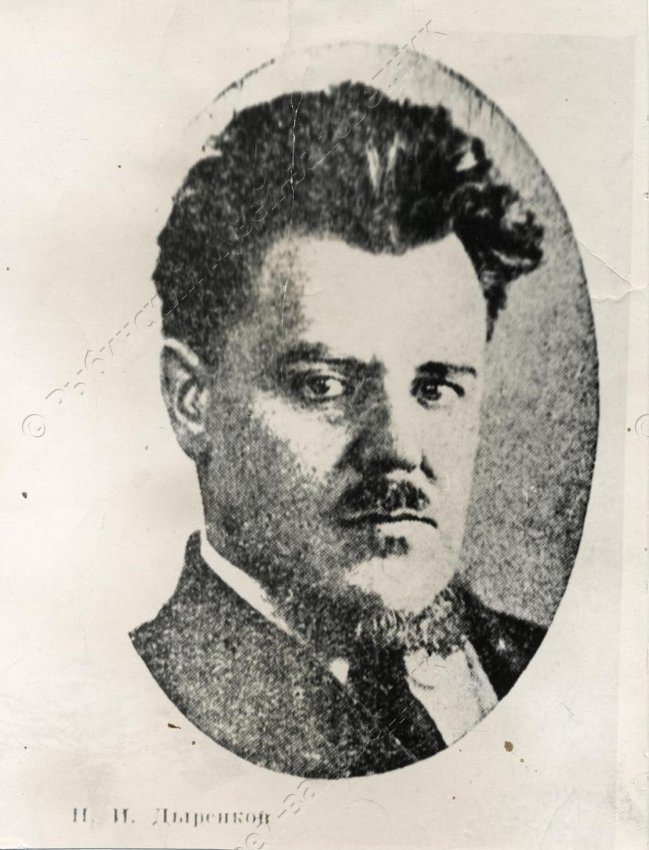
It was there that the revolution found him. Although not a party member, he actively participated in the revolutionary process, being appointed acting head of Petrograd’s air defenses. He later returned to Rybinsk and attempted to launch airship production, but managing automobile repair shops was a higher priority for the national economy. Under his leadership, these shops began to operate efficiently. He was also appointed director of the Rybinsk Council of National Economy by the municipal executive committee. In April 1918, he went to Moscow to present a report on his activities to the Supreme Council of the National Economy at the Metropol Hotel. Lenin was present at his speech on April 15, 1918, and, intrigued by the young man, met with him privately twice, on April 18 and 20, and gave him a letter of recommendation.
“Comrade Dyrenkov’s account of the measures he took in Rybinsk to improve work discipline and the support the workers gave them showed me that the comrades in Rybinsk are correctly addressing the most important and urgent tasks of our time,” Lenin wrote. It was also in Rybinsk, shortly before his departure, that he married Nadezhda Nikolaevna Ivanova on September 21, 1918. At the end of 1918, Nikolai Ivanovich abruptly changed his residence and profession, perhaps having fallen out of favor in Rybinsk. He eventually settled with his family in Samara. In Samara, he worked as an engineer at the Zhigulevsky factory. There, he managed mechanical workshops where tractors and other machines and mechanisms were repaired. It seems these workshops were located within the Zhigulevsky factory premises. In 1919, a year of famine, their first child, Vadim, was born, but he died shortly afterward. In 1921, a daughter, Irina, was born in Samara, and in 1923, a son, Nikolai, was born.
Around the same time, N.I. Dyrenkov helped Fridtjof Nansen, the « citizen of the world, » who had come to Samara on a humanitarian mission, to distribute food to the starving people of the Volga region. During one of these missions, he took in two exhausted and starving street children, who stayed with him for a long time, also in need. However, despite his admirable actions, N.I. Dyrenkov nearly faced a revolutionary tribunal in 1923 when a commercial dispute between him, as a workshop manager, and his workers over wages escalated into a political conflict. Fortunately for him, the matter was resolved at the time. In 1926, Dyrenkov was appointed chief engineer of the Odessa bus factory, which had just been built under license from Fiat. In 1928, he designed and built a railway carriage with an internal combustion engine for the People’s Commissariat of Health of Ukraine. Within a year, this ambulance-vehicle had successfully covered 6,500 kilometers. Encouraged by the success of his invention, Dyrenkov wrote to the Revolutionary Military Council of the USSR on October 5, 1929, proposing the construction of a twin-turret tank (D-4) of his own design. On November 18, he presented a report on the project to the military representatives. The military command approved his project and decided to build the vehicle in Leningrad, at the Izhora factory. Draftsmen and engineers were assigned to his project. However, it stalled due to a lack of equipment and materials necessary for the tank’s construction. But the tireless inventor could not remain idle and began working on the production of welded armored hulls for tanks, while also proposing armor plating designs for Kommunar and Caterpillar tractors (D-10, D-11, D-14). Subsequently, starting in 1929, he settled with his family in Moscow. The Directorate of Motorization and Mechanization of the Red Workers’ and Peasants’ Army (UMM) valued Dyrenkov’s engineering and organizational skills, and on October 29, 1930, the Experimental Design and Testing Bureau of the Red Army’s Directorate of Mechanization and Motorization was established under his leadership. I.A. Khalepsky, head of the Red Army’s Directorate of Mechanization, entrusted Nikolai Dyrenkov with the design of armored vehicles and also offered him the opportunity to supervise the armor plating of all prototypes and production armored vehicles at the Izhora plant. This bureau developed armored cars, armored tractors, chemical warfare vehicles, motorized armored wagons, welded and stamped tank hulls, all-terrain vehicles, and transmissions—more than 50 different models in total. All these products bore the letter D for Dyrenkov. In the summer of 1931, the design and testing bureau, headed by Dyrenkov, moved from the Izhora factory in Leningrad to the premises of the Moscow Railway Repair Plant in Liublino, near Moscow (Mozherez). On November 1, 1932, the Red Army’s Directorate of Motorization and Mechanization ordered the dissolution of Dyrenkov’s design bureau. At that time, the Gorky automobile factory began producing higher-performance chassis of its own design, and the design bureau of the Izhora factory in Leningrad began submitting models of improved armored vehicles for testing almost annually. In December 1932, he was appointed deputy director and head of the mechanization and motorization department of The National Institute of Technical Studies (NATI). On January 3, 1933, N.I. Dyrenkov was appointed deputy director of the Moscow Railway Repair Plant (« Mozherez »), and on March 17 of the same year, he was appointed authorized representative of the People’s Commissariat for Railways for the design and construction of mechanically driven diesel locomotives and gas-powered diesel locomotives.
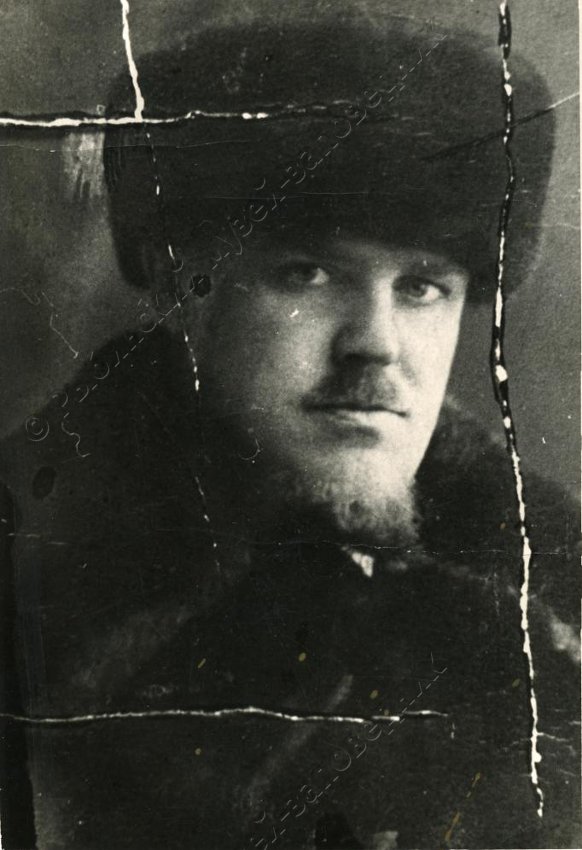
Dyrenkov had always been protected by Marshal Tukhachevsky, even in his most outlandish projects, but after Tukhachevsky’s execution in June 1937, he found himself without protection. On October 13, 1937, Dyrenkov, who lived at 51 Metrostroevskaya Street in Moscow, was arrested for belonging to a sabotage and terrorism organization. On December 9, 1937, he was sentenced to death by the Military College of the Supreme Court of the USSR and executed the same day at the Kommunarka firing range. He was buried on the very site of his execution. His wife, Nadezhda Nikolaevna, was charged on January 4, 1938, as a member of the family of a traitor to the motherland, and sentenced to eight years of hard labor. The Dyrenkov family was not rehabilitated until December 1956 by the Supreme Soviet of the USSR.
Among the models produced were:
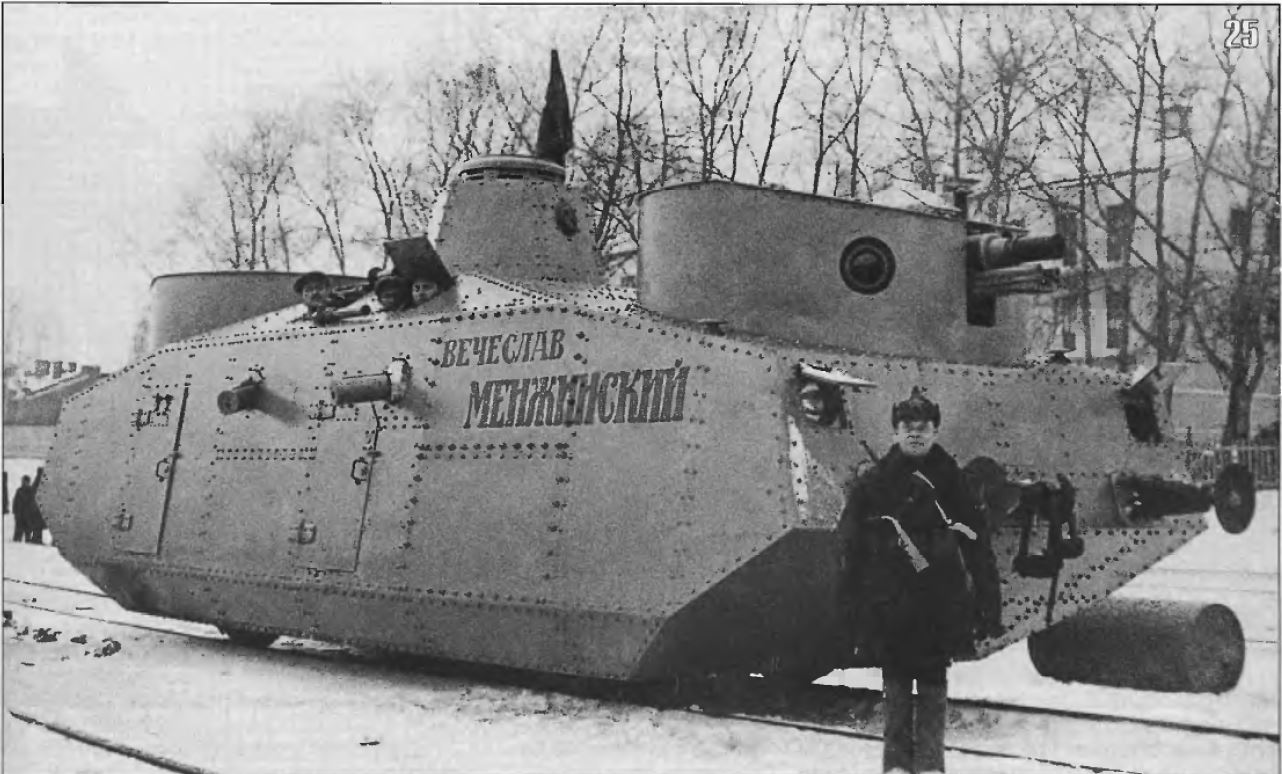
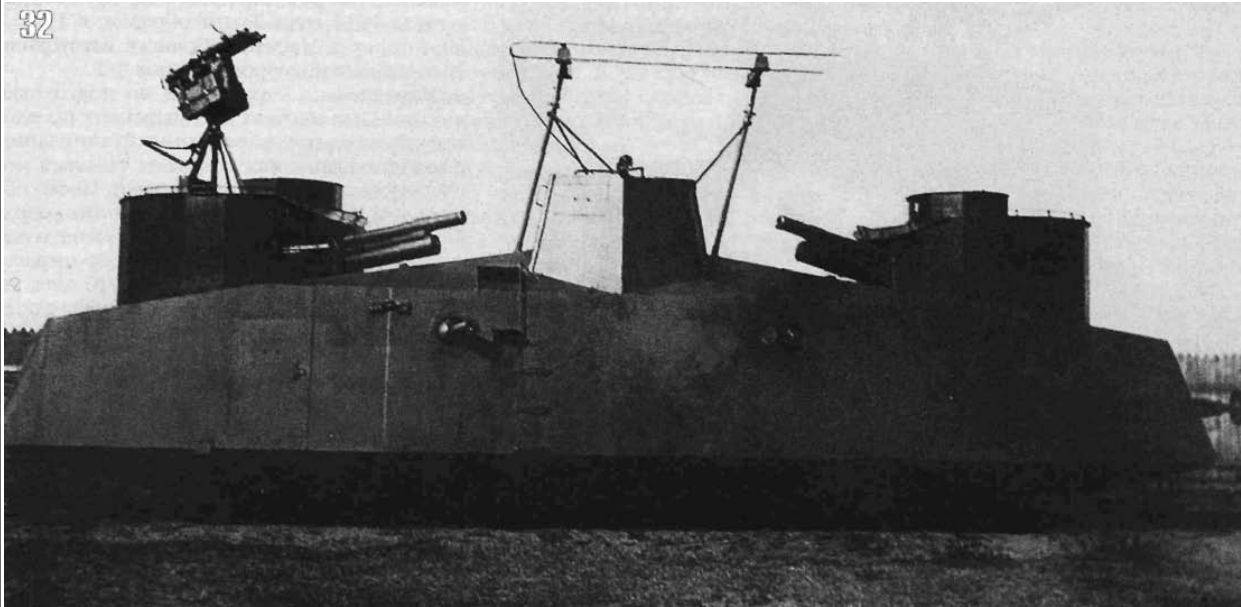
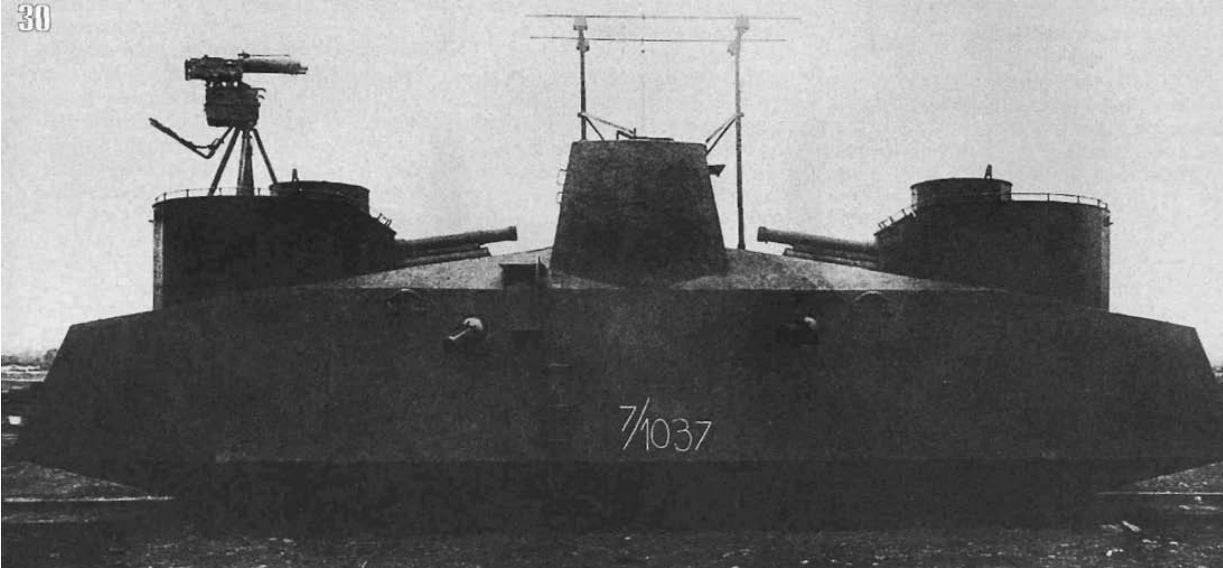
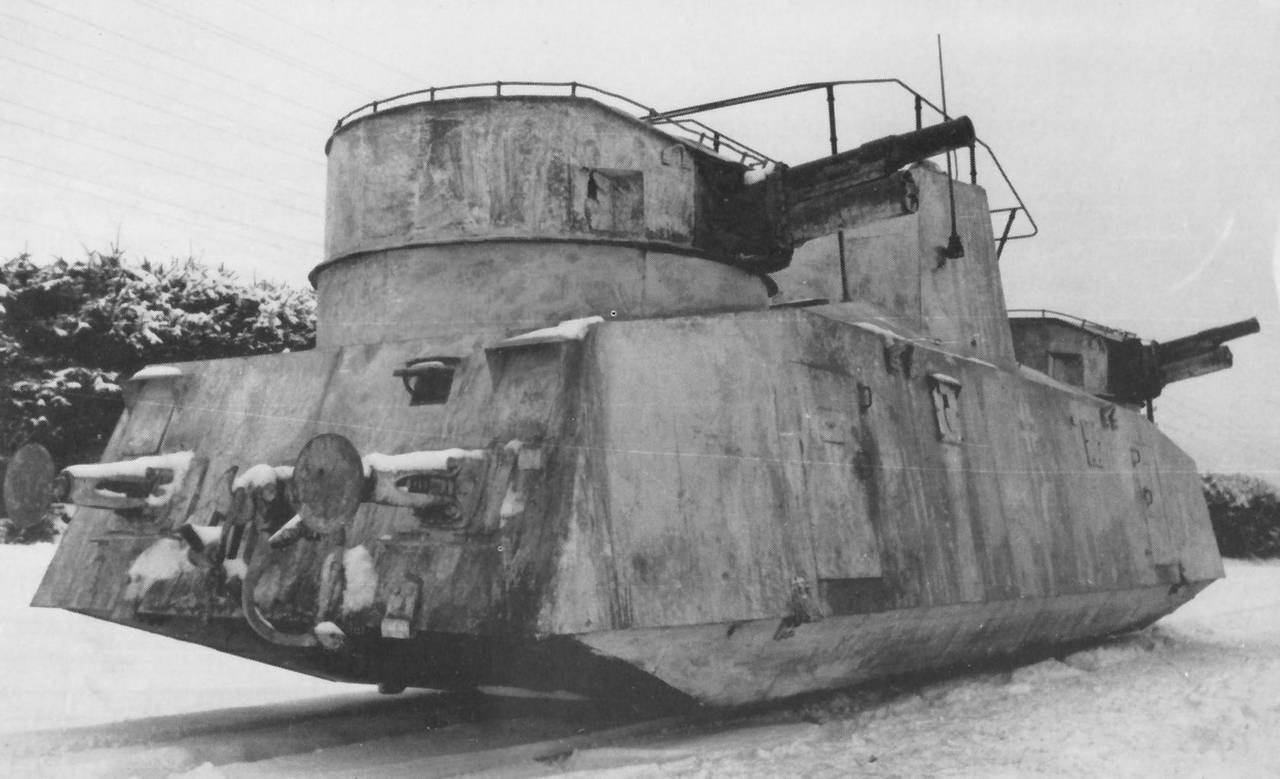
– D-2: his greatest success, an armored railcar, which went into mass production.
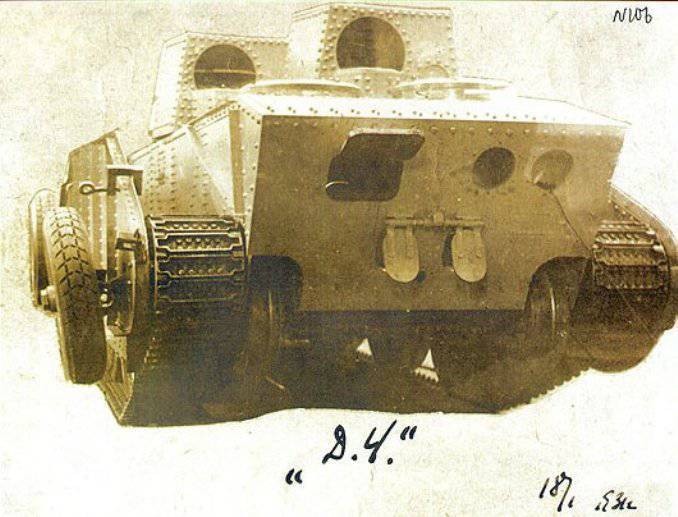
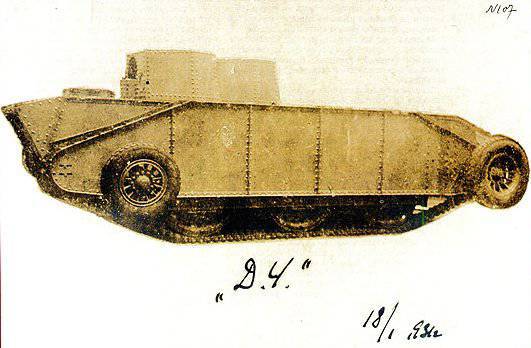
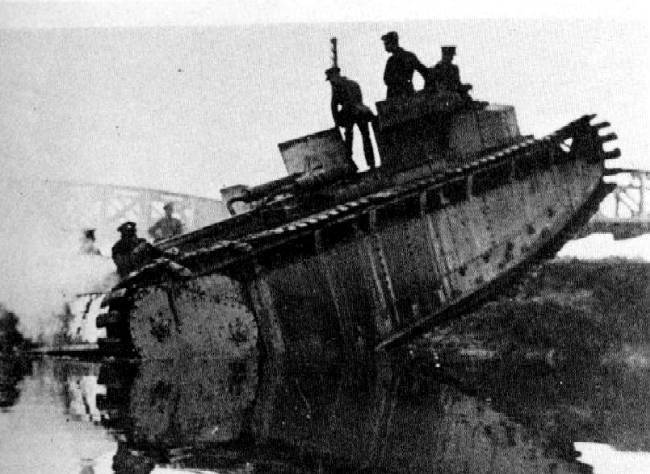
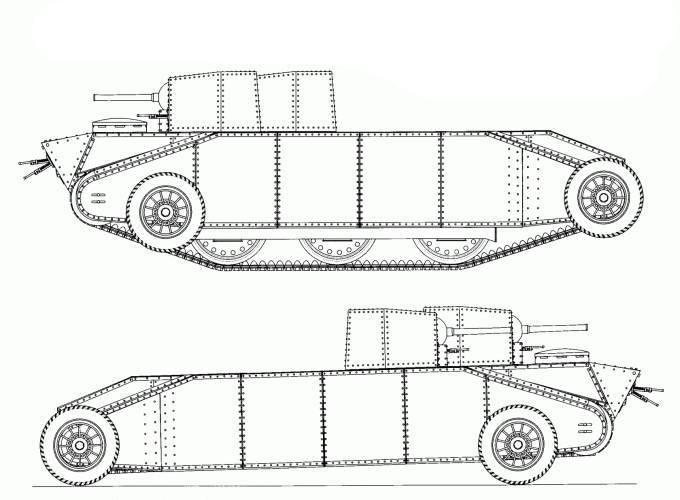
– D-4: his first all-terrain tank model (tracks/wheels) capable of running on railways and equipped for underwater travel. Trials took place in March 1931, but it became clear that the new tank was so bulky, complex, and unreliable that mass production was impossible. The D-4 tank model was considered a failure, and all work on it was abandoned.
– D-5: Following the failure of the D-4, the development of a new tank, the D-5, was authorized. However, work on this model dragged on for so long that, on December 1, 1932, the Experimental Design and Testing Bureau was finally dissolved, and N.I. Dyrenkov was transferred to the Scientific Research Tractor Institute.
– D-6: Improved version of the D-2
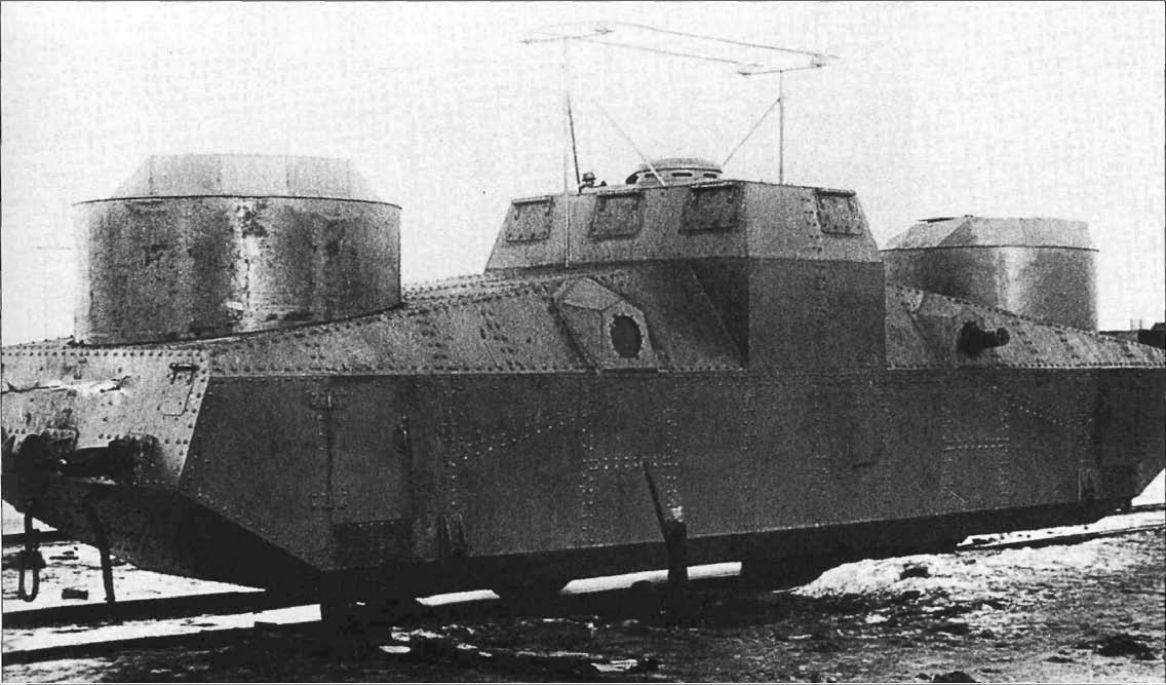
– D-7: Light tank
– D-8: Armored car based on the Ford-A chassis, mass-produced
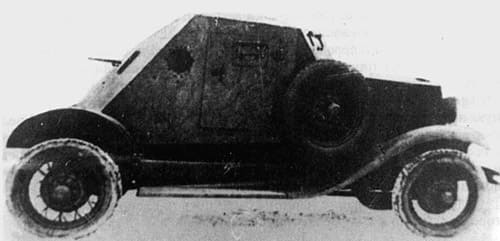
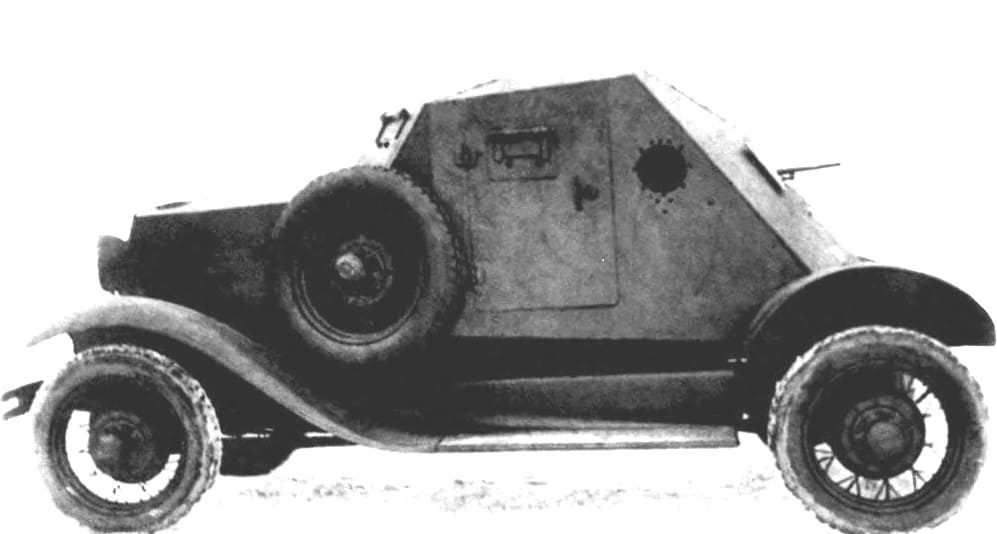
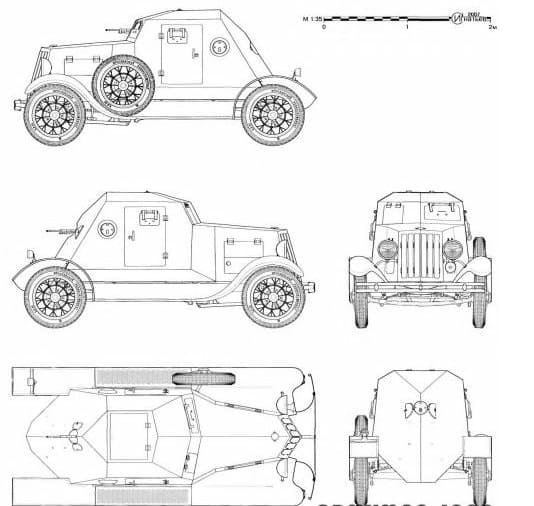
– D-9: Medium armored car on a Moreland chassis. In late 1930, Dyrenkov recommended using the chassis of the American Moreland and Ford-Timken vehicles as the basis for prototypes of medium armored cars. Shortly afterward, Nikolai Ivanovich presented prototypes of two medium armored vehicles to the Scientific and Technical Committee of the Directorate of Mechanization. The directorate rejected one of them, deeming the heavy and cumbersome Moreland chassis unsuitable for the armor. They also noted numerous flaws in another vehicle built on the Ford-Timken chassis, but, considering the modifications made, they proposed producing a small series; this would become the D-13.
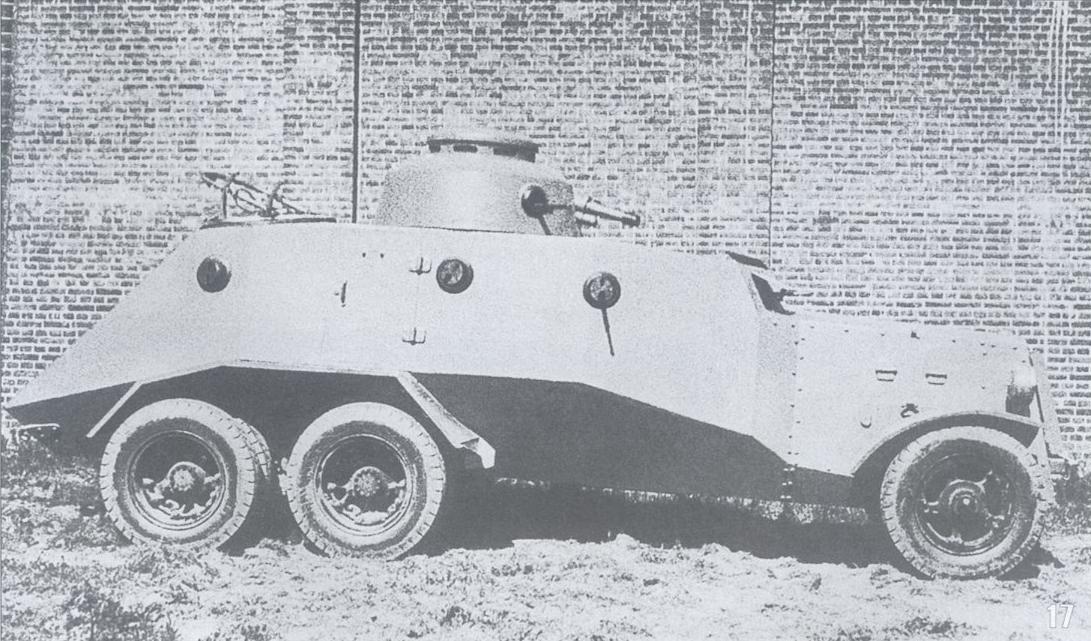
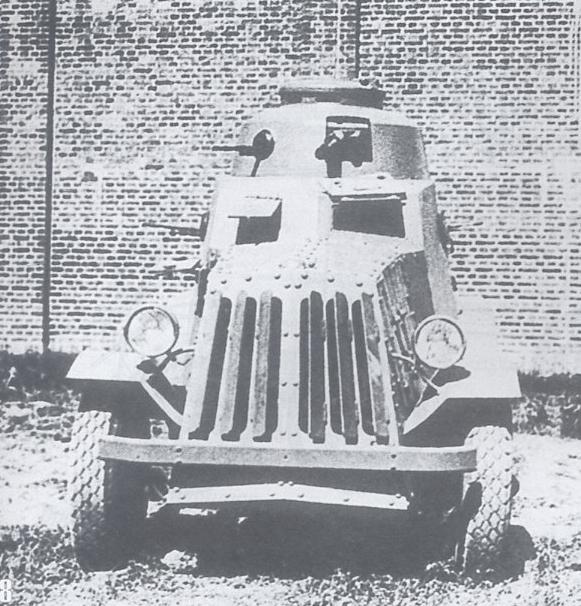
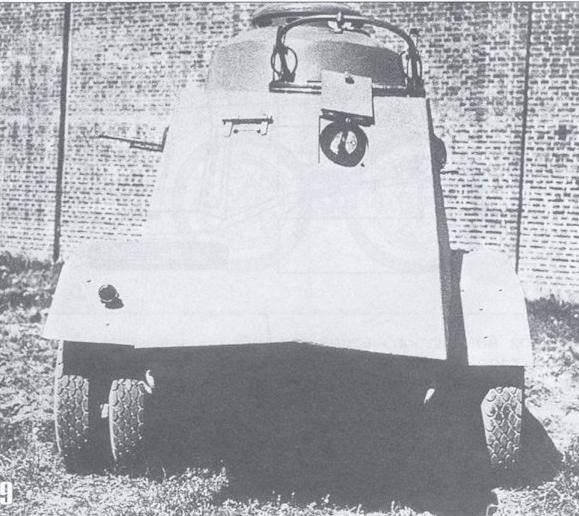
– D-10: Armored vehicle based on a Kommunar 9GU tractor (licensed version of the German Hanomag WD50 tractor), one prototype produced
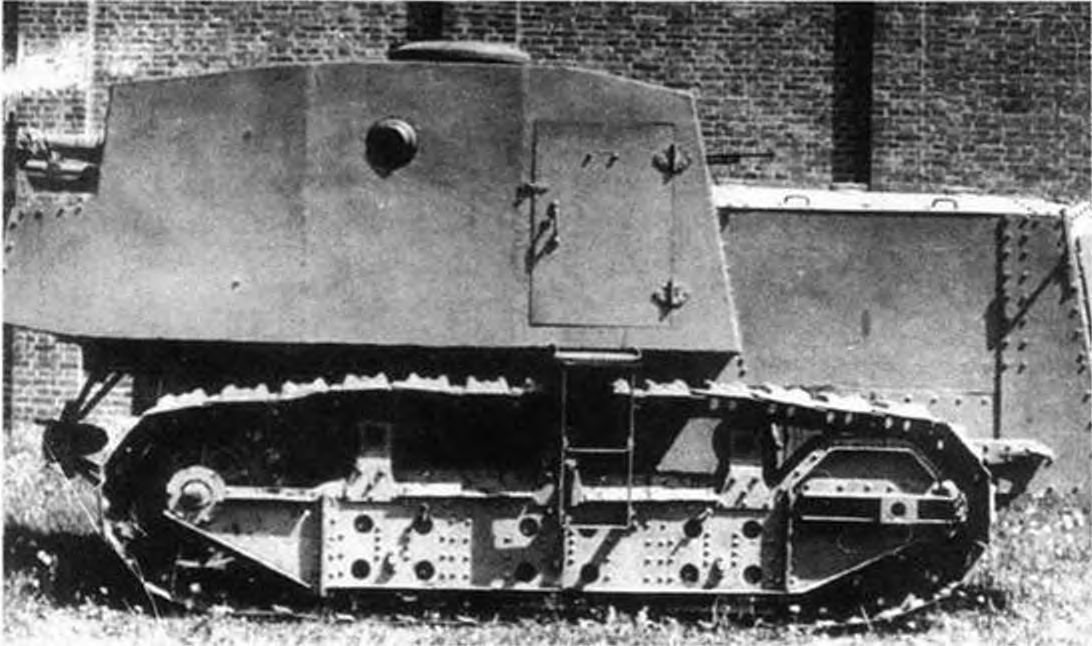
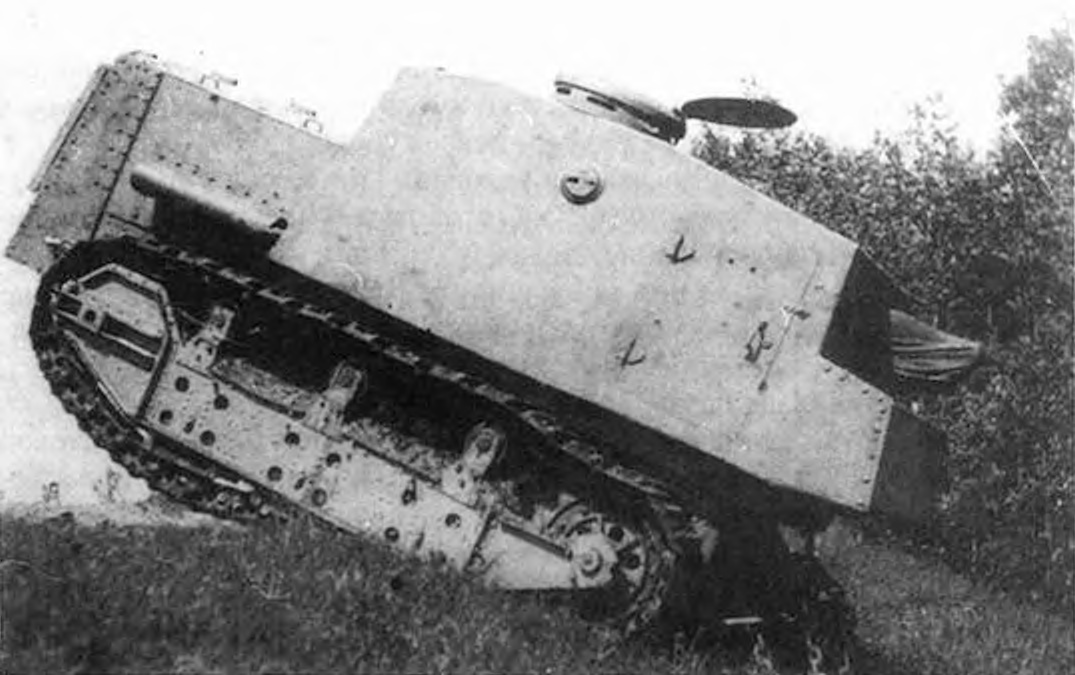
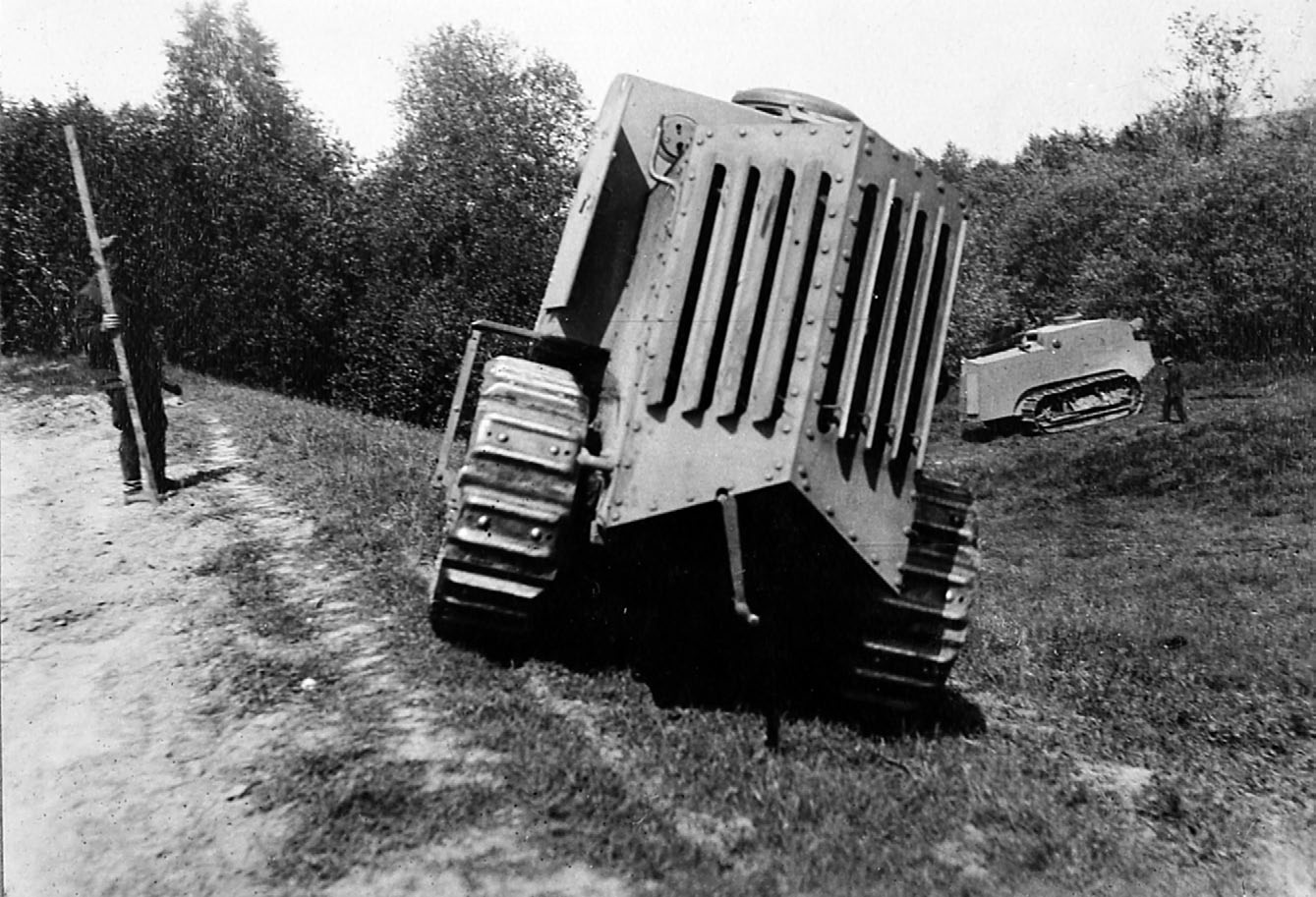
– D-11: Armored vehicle based on a Caterpillar 60 tractor, one prototype produced
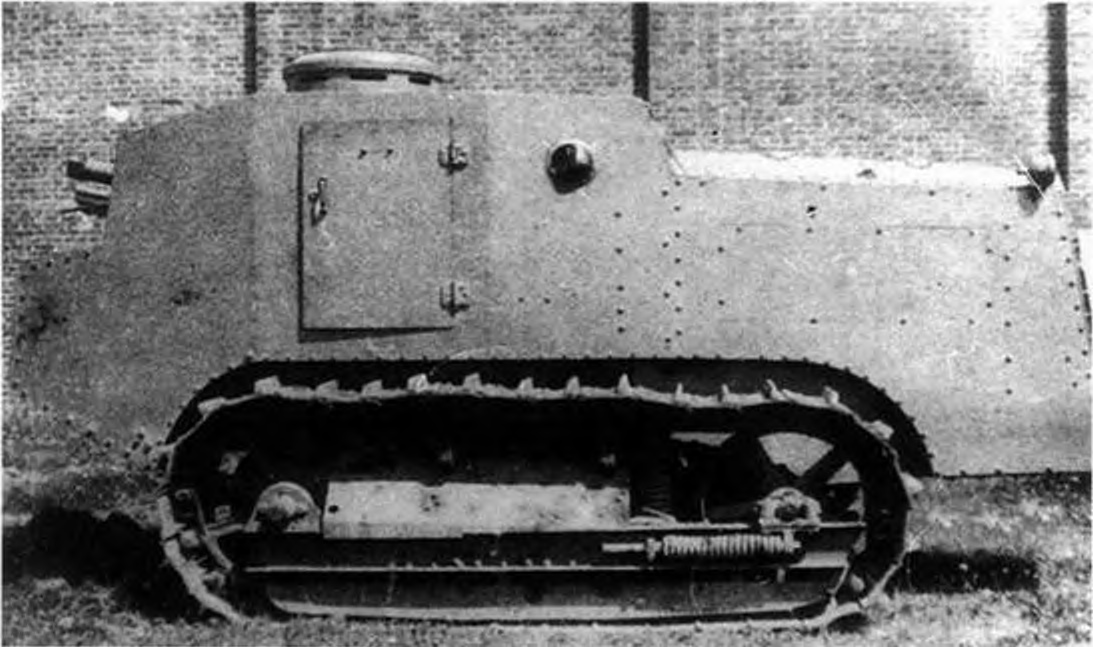
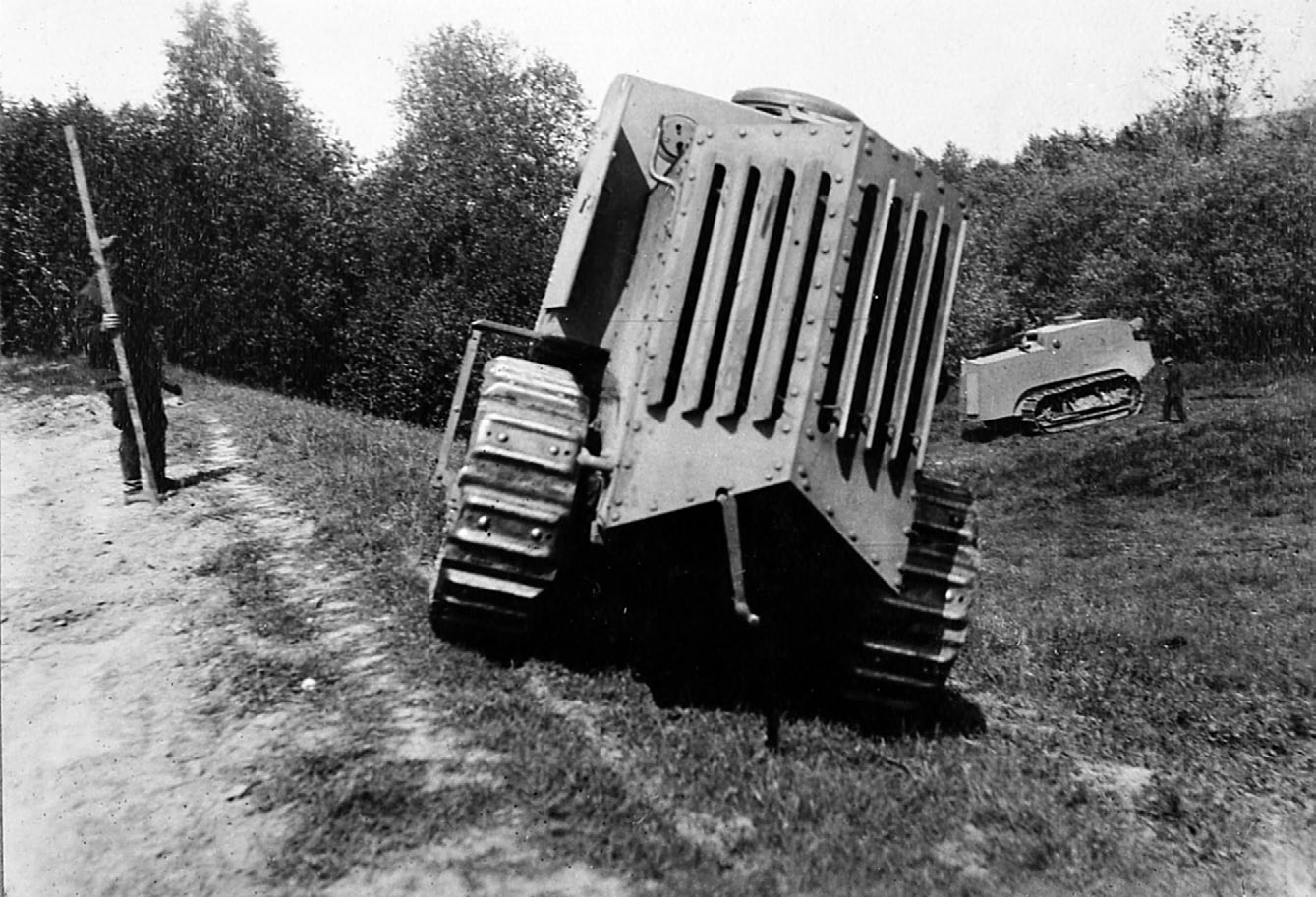
– D-12: Variant of the D-8 with an anti-aircraft machine gun, mass production
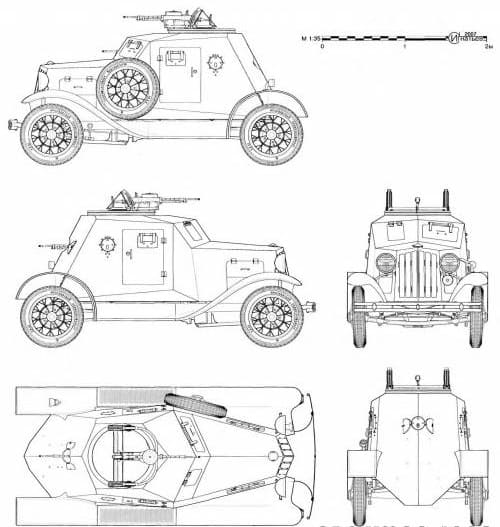
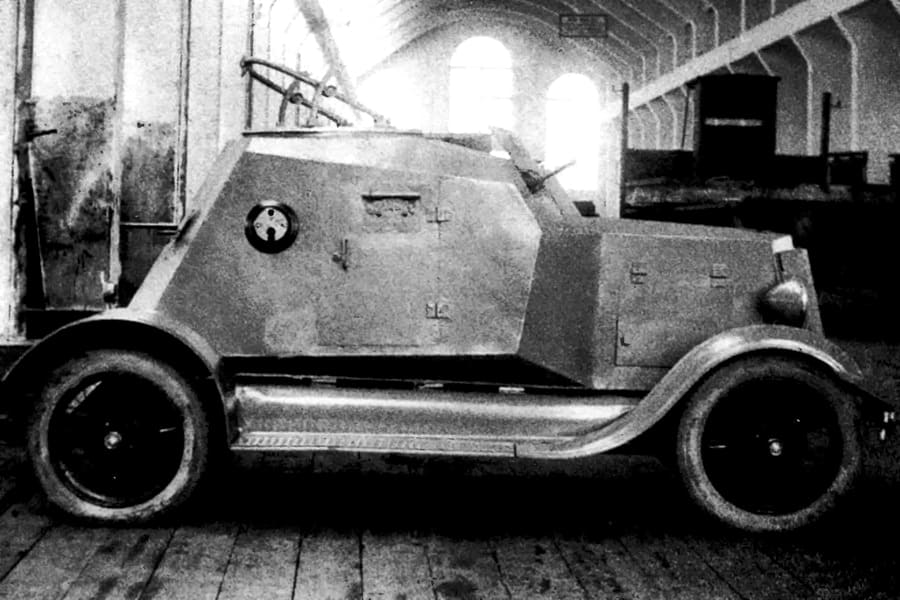
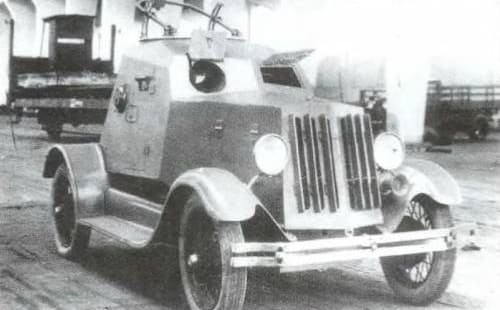
– D-13: Medium armored car on a Ford Timken chassis
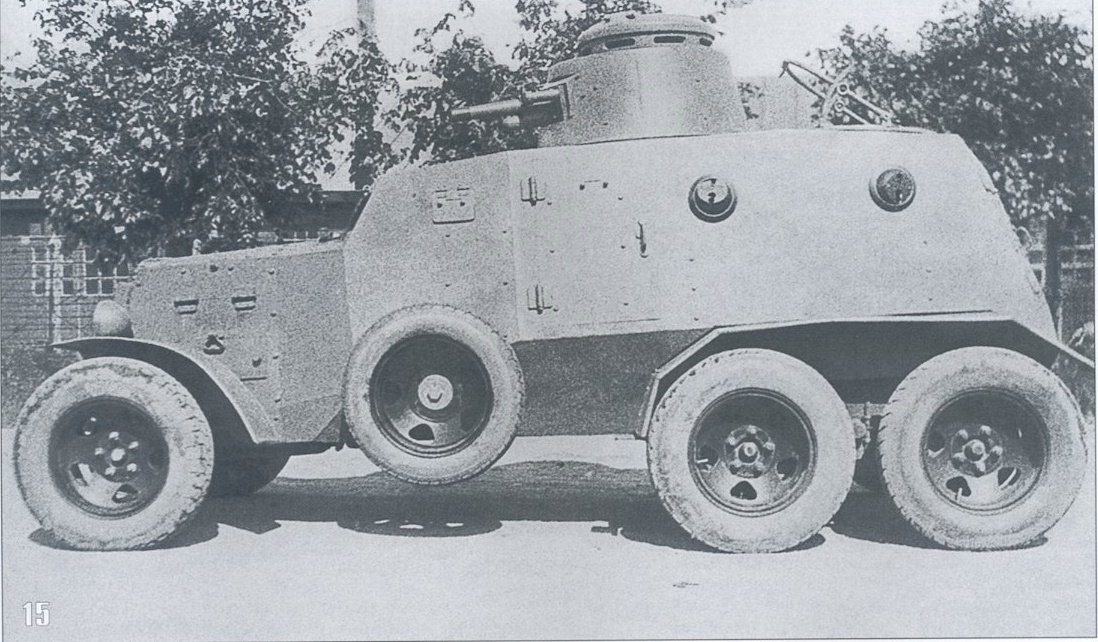
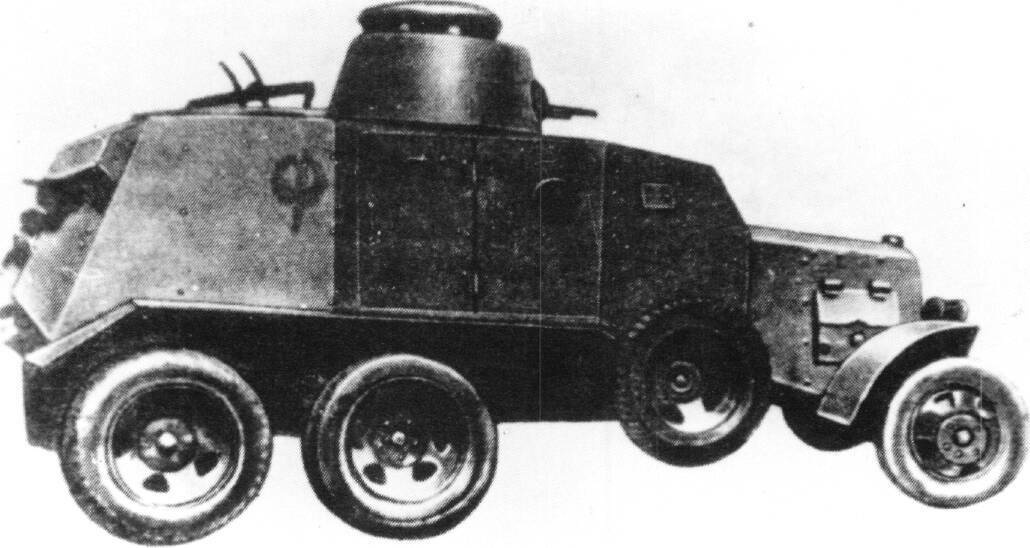
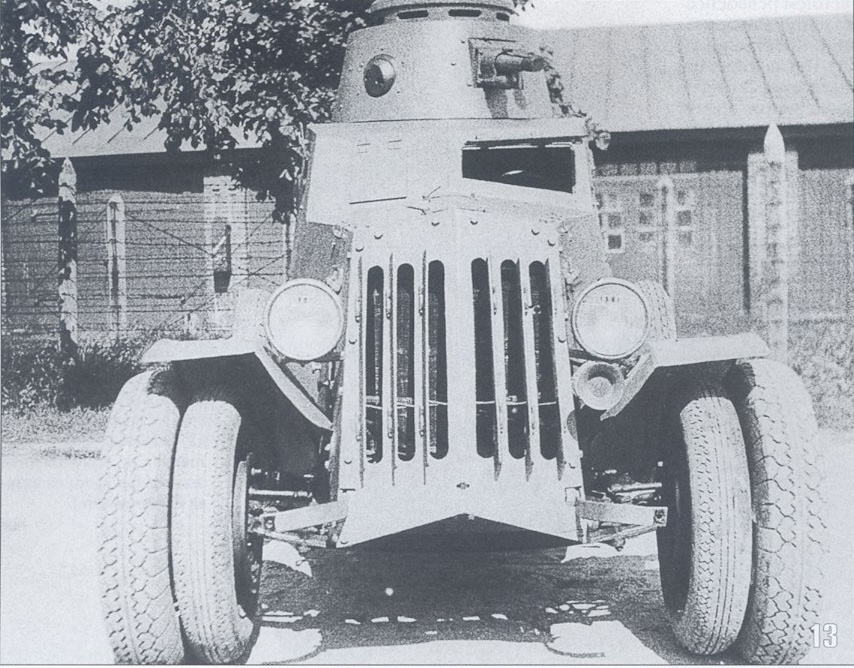
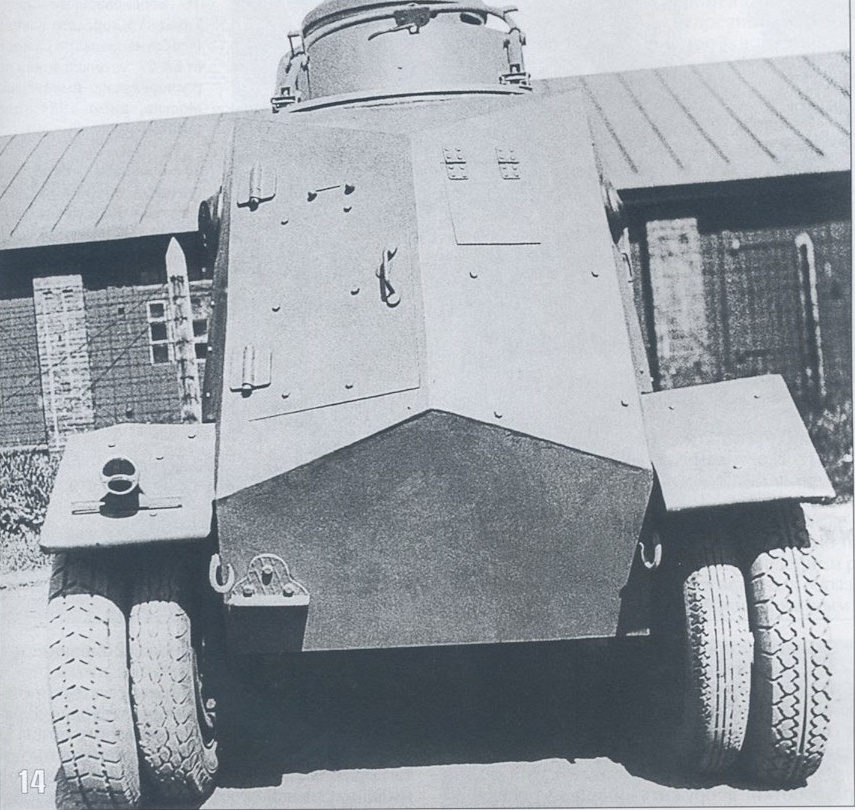
– D-14: Armored landing vehicle based on a Kommunar 9GU tractor, one prototype produced
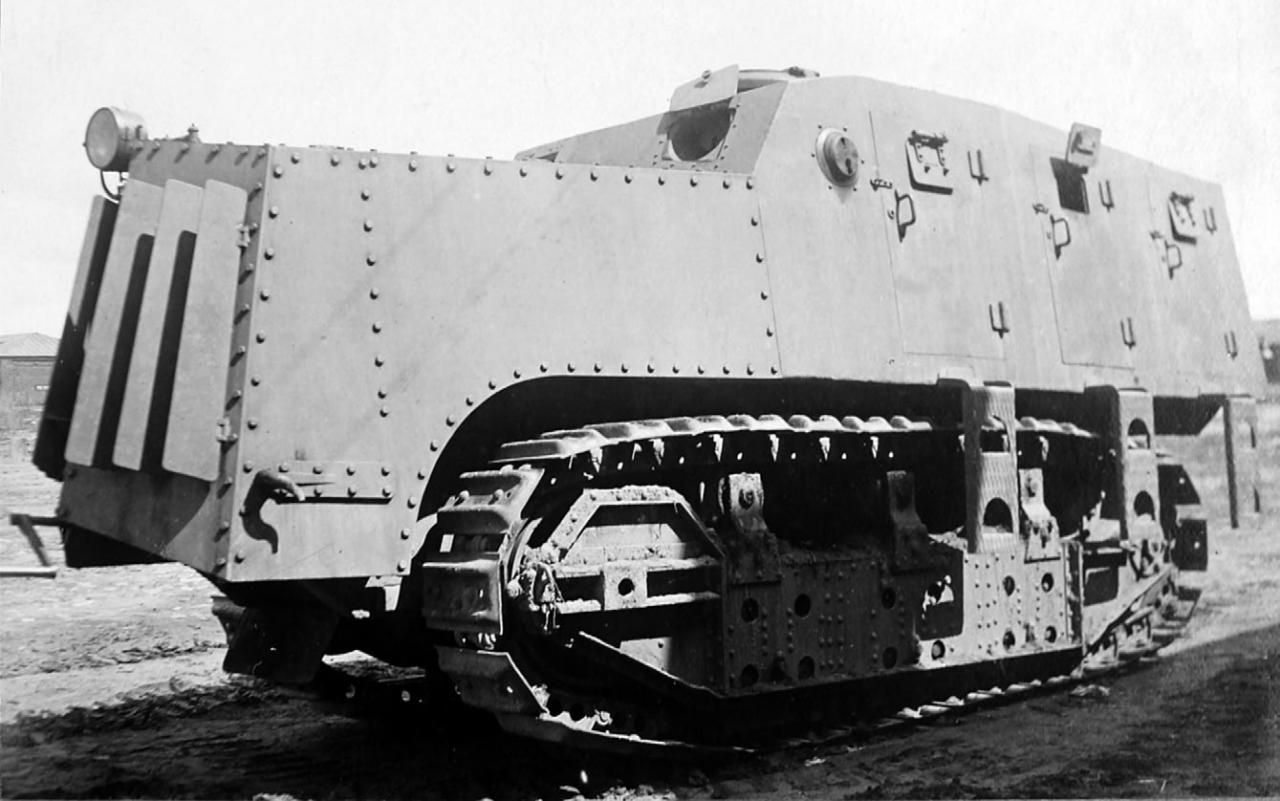
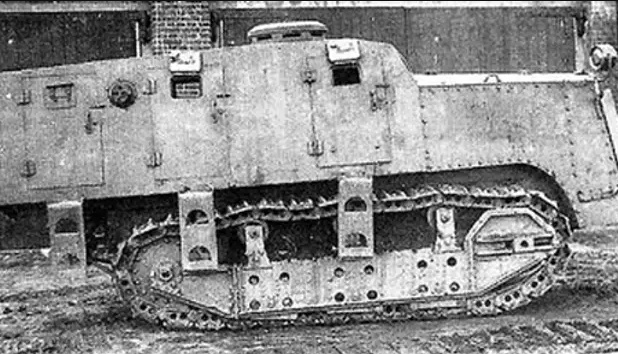
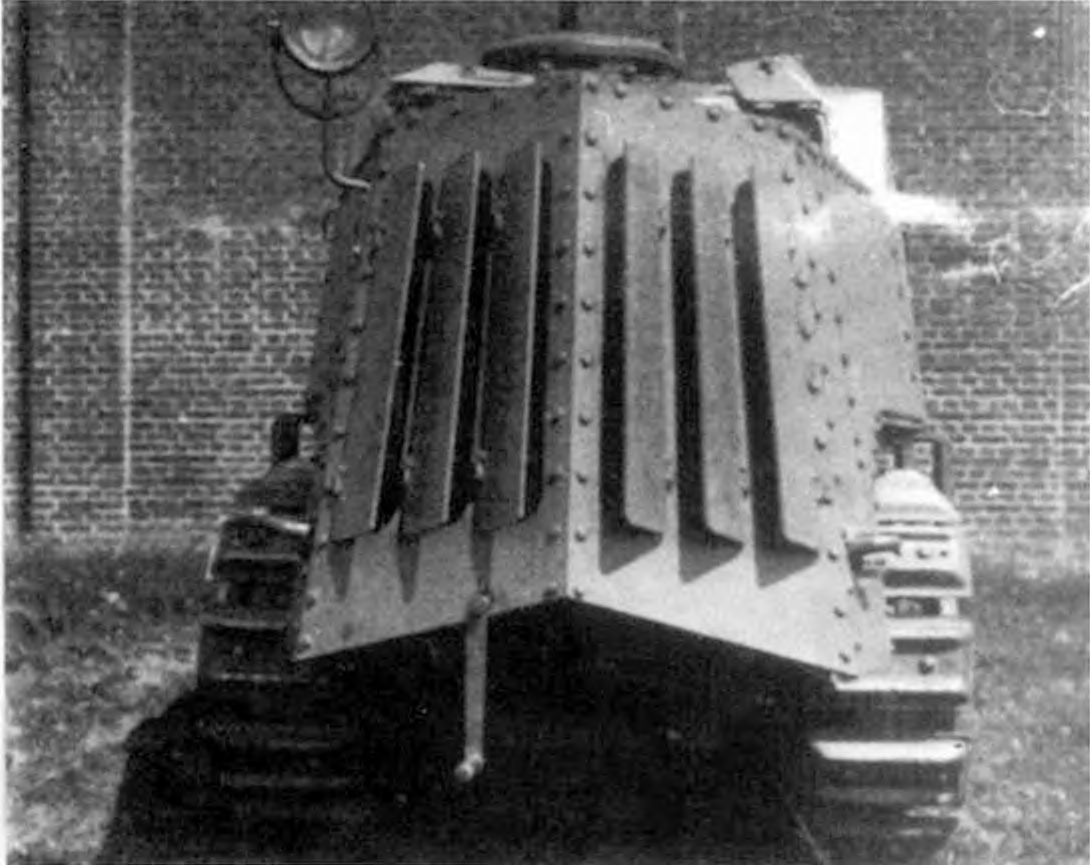
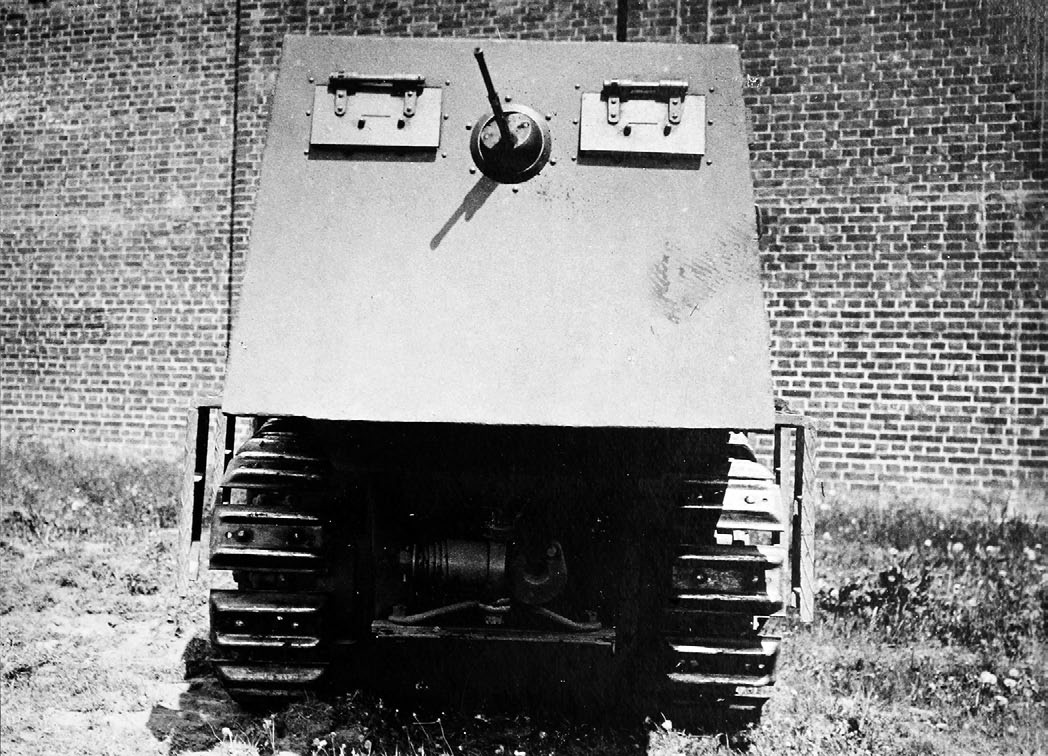
– D-15: Chemical attack tank, one prototype produced
– D-18: Wheeled chemical combat vehicle on a Moreland chassis
– D-35: Double-decker civilian railcar
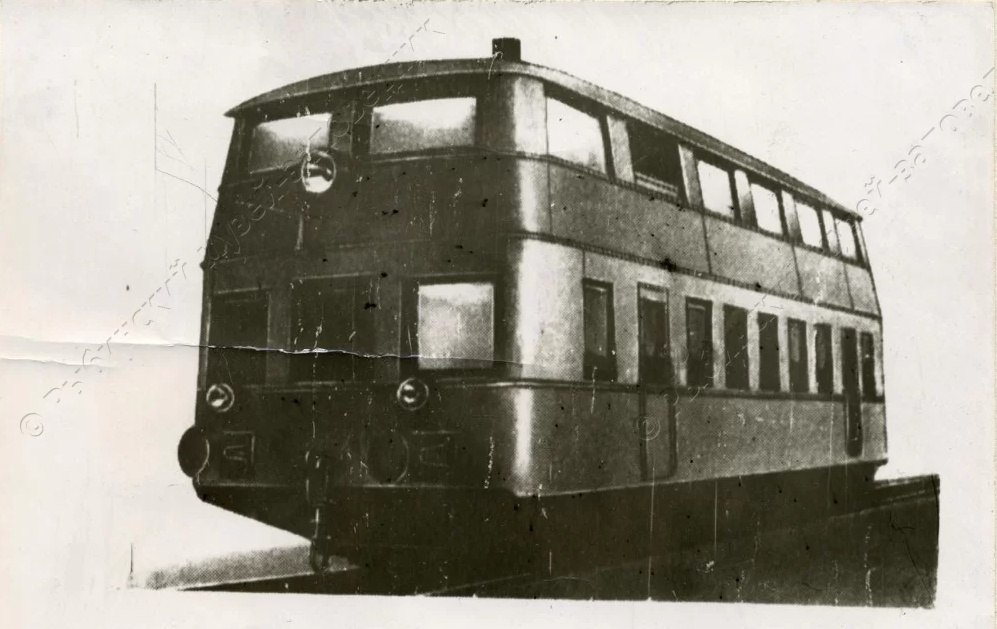
– D-37: Armored railcar
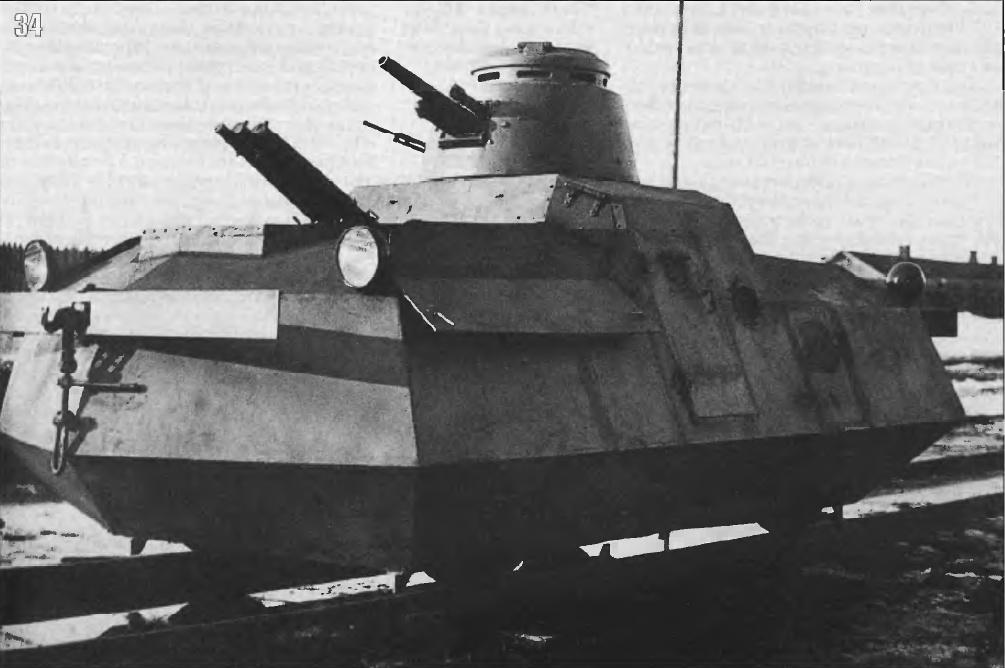
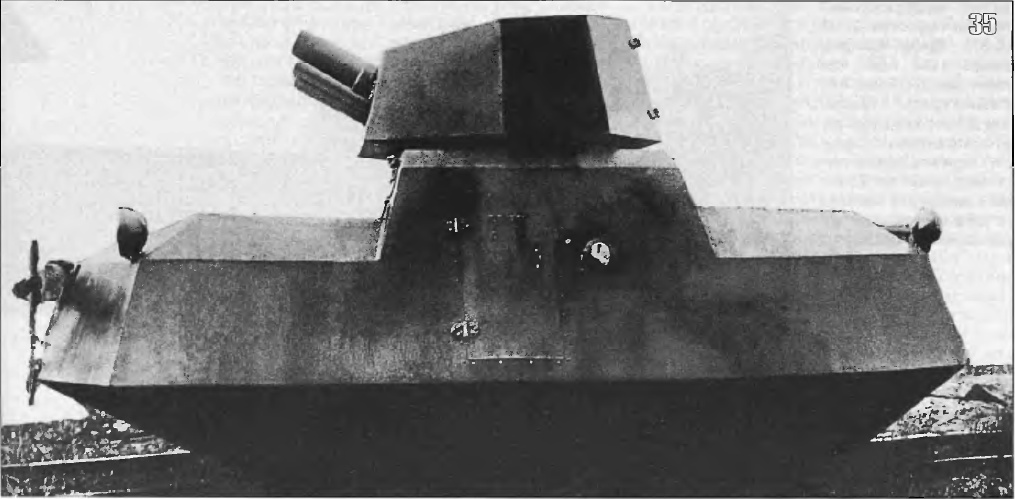
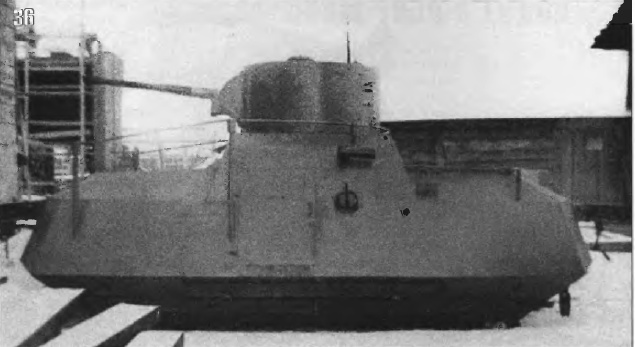
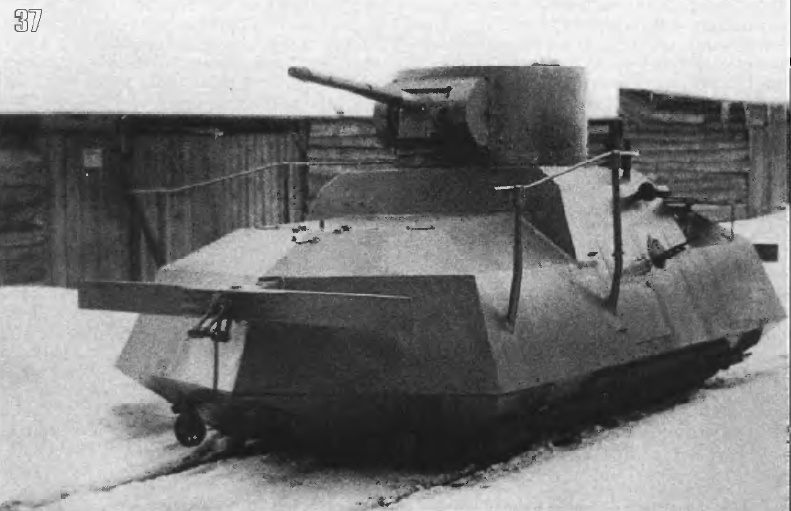
– D-38: Modernized version of the BT tank
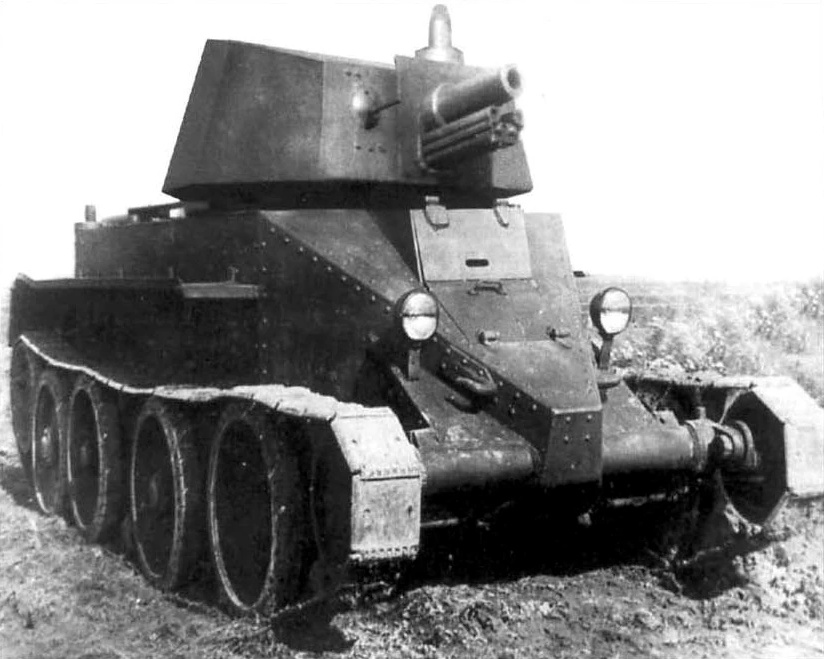
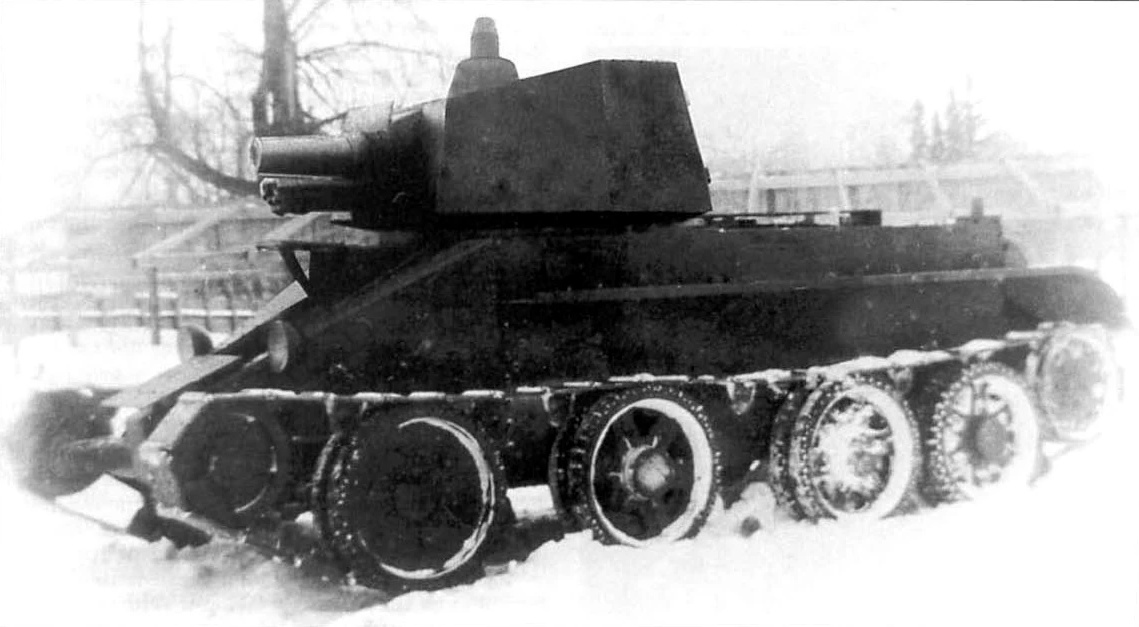
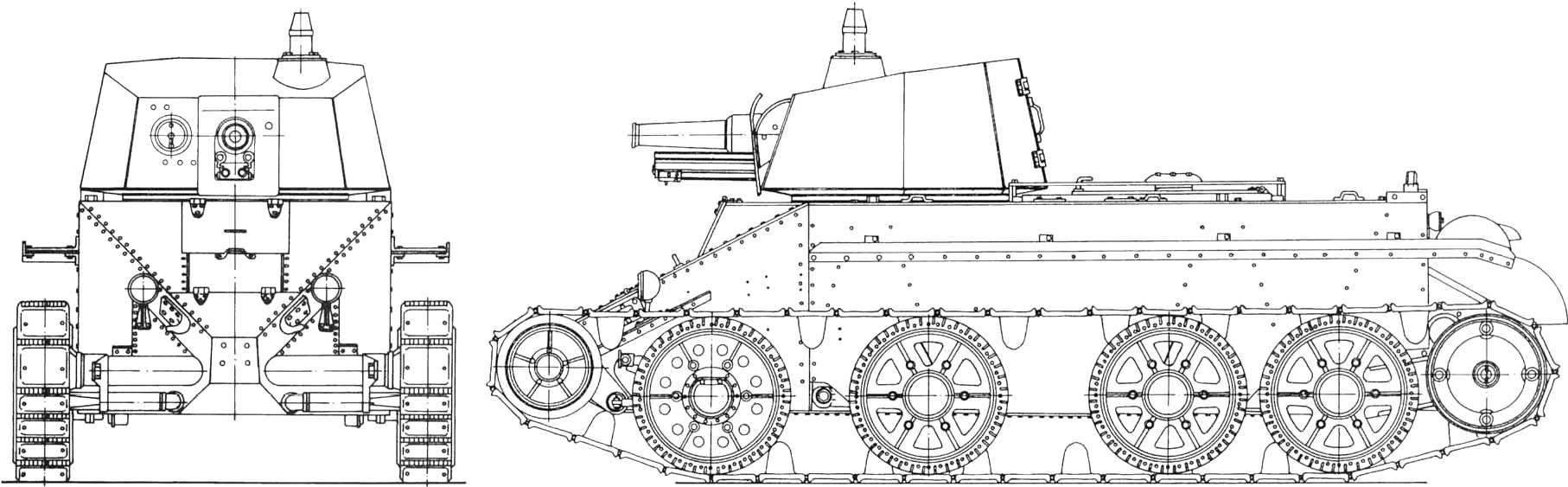
– D-39: Wheeled chemical combat vehicle on a Ford Timken chassis
– D-44: Light tank
– DT-45: Armored railcar, upgrade of the D-37 railcar
sources:
Stihi.ru
demetra.rlib.yar.ru
http://iss.rybmuseum.ru/
alternathistory.ru
sovsojuz.mirtesen.ru
counterpoint.ru