
The Minerva on warwheels.net is here
I – Minerva before the war :
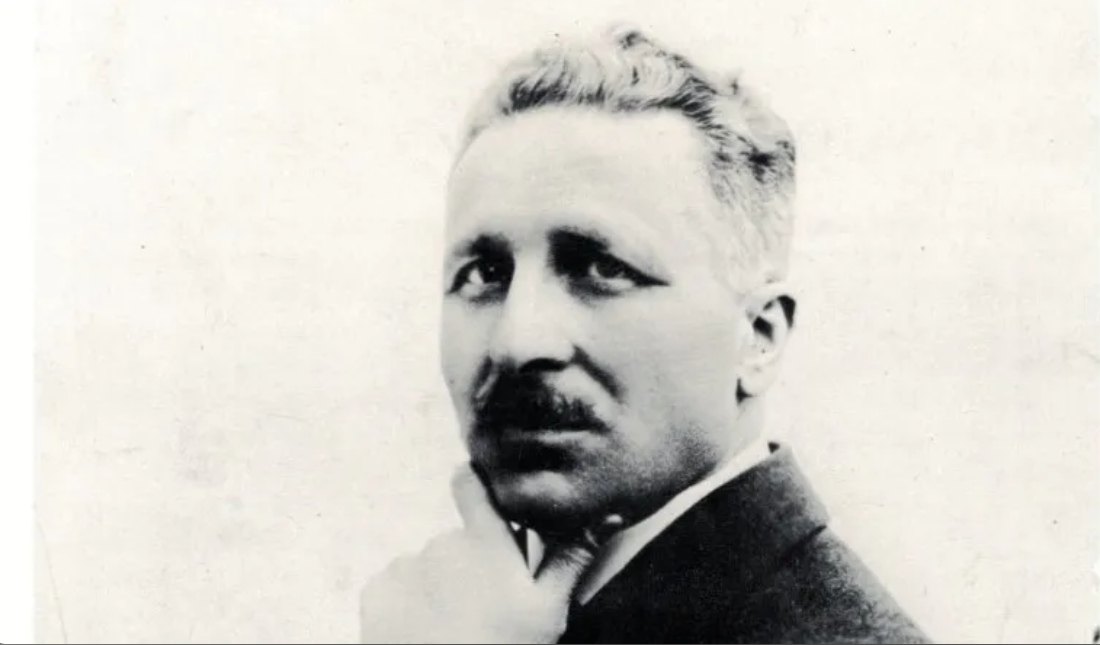
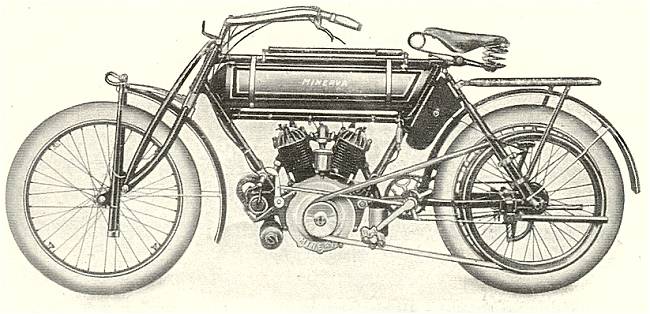
Minerva was a Belgian brand of bicycles, motorcycles, and automobiles founded in 1897 by Sylvain de Jong (1868–1928). Highly renowned until the mid-1930s, the brand had gradually specialized in the production of luxury cars.
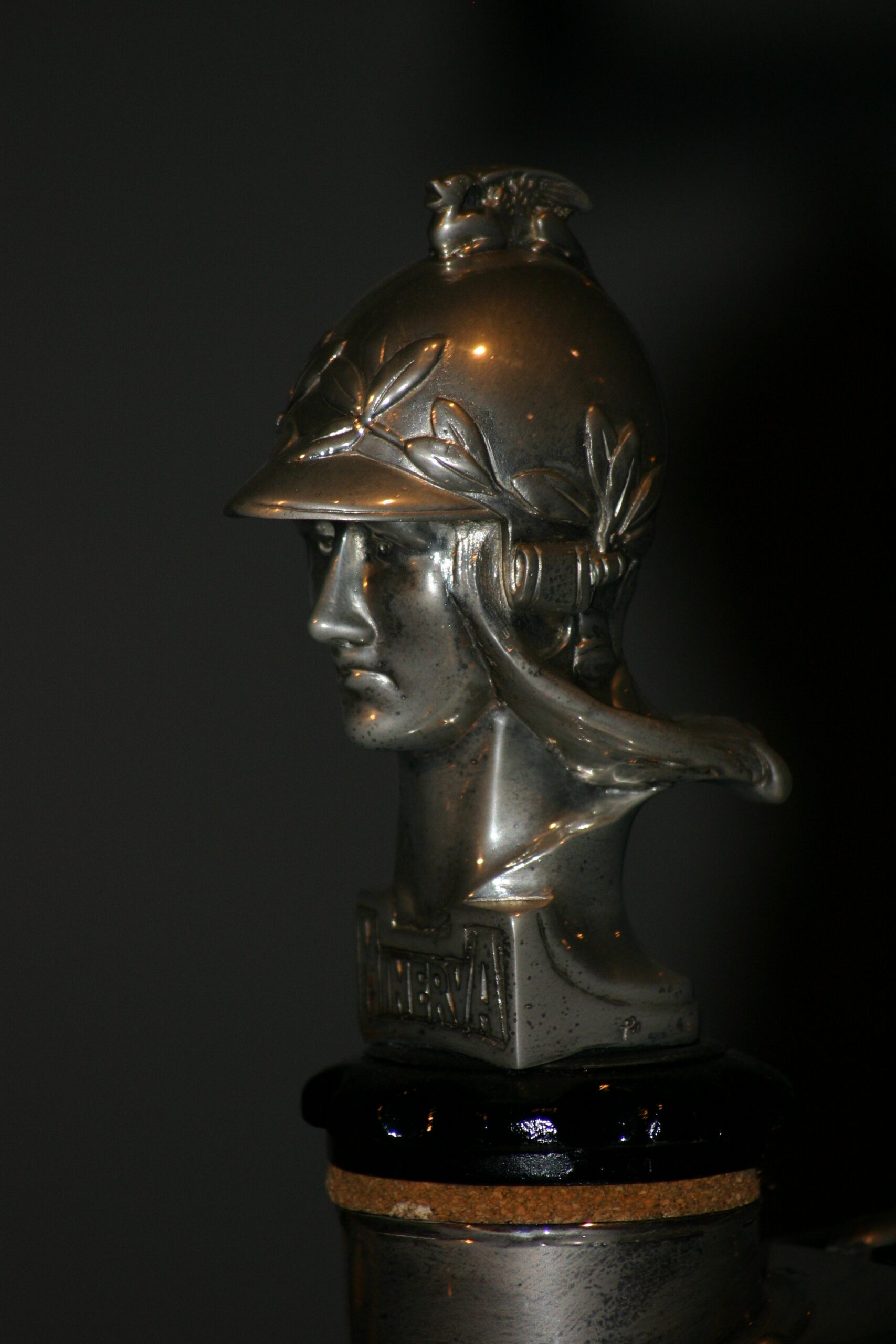
The brand’s emblem was the helmeted head of a woman, representing the Roman goddess Minerva.
In 1881, the de Jong family from the Netherlands settled in Antwerp , one of the three sons, Sylvain , was only 13 years old. When Sylvain grew up, he went to work as a journalist for a local newspaper. At the age of 21, he went to England to study the construction of bicycles . Returning from England in 1889, he began to sell them, importing them from Britain, and finally, in 1895, he decided to build a factory to produce them himself with his two brothers Henri and Jacques and two merchants from Antwerp, under the name Mercury Cycle Co, in honor of the Roman god. Two years later, he left the factory to his partners. Then, in 1897, De Jong founded his own company, S. de Jong & Co., and changed the brand name to Minerva—after Minerva, the Roman goddess of wisdom, whose name echoes that of the Nervii, an ancient people of Belgic Gaul. The firm was located on Karel Oomsstraat in Antwerp and soon began producing 200 bicycles a week.
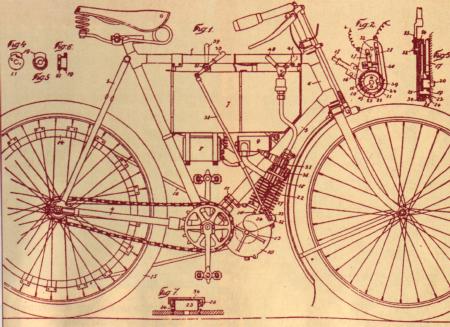
In February 1899, the company began manufacturing motorcycle engines; their success would eventually make it the largest supplier in Europe. In 1902, De Jong acquired the manufacturing license for a complete motorcycle designed by the Swiss engineers Ernest Zürcher and Hermann Lüthi, marketed under the brand name Zedel (initially Z.L., based on the manufacturers’ initials).
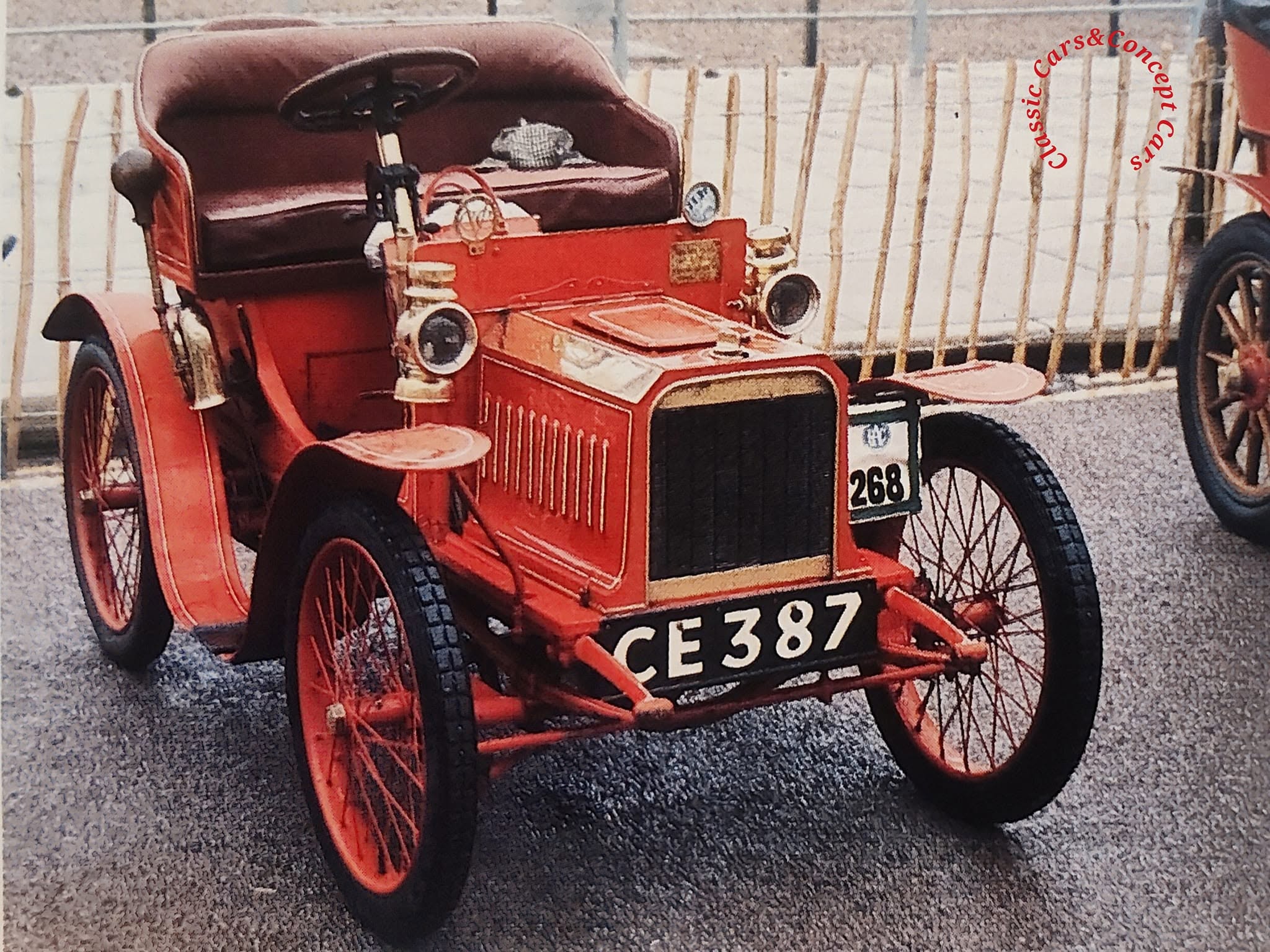
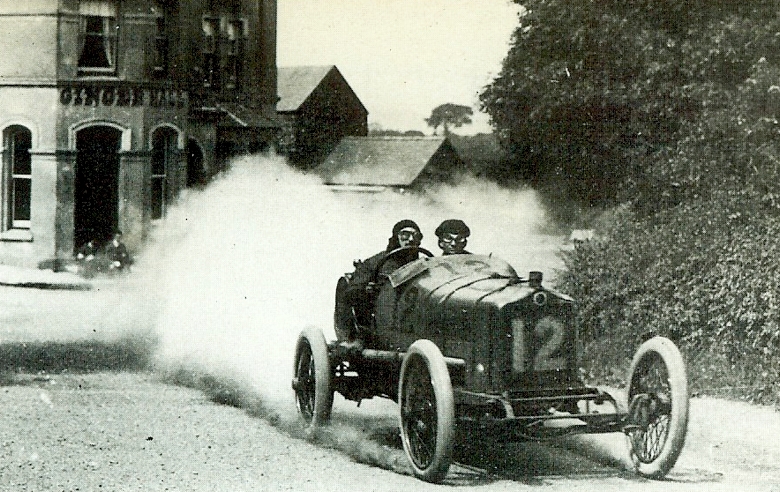
In 1902, De Jong & Co. added a 6 hp car model—featuring a 4-cylinder engine—to its product line. In 1903, he dissolved his original company and founded Minerva Motors Limited in London as a public limited company, with Dorus David Citroen (a cousin of André Citroen)—a Dutchman who had been the company’s importer for Great Britain—serving as co-director. Dorus David Citroën was an importer of Minerva motorcycles and automobiles in London starting in 1901, but he was so enthusiastic that he set up a workshop at the Holborn Viaduct where Minervas were assembled. In 1903, when Minerva Motors Ltd was founded, he became co-director of Minerva alongside founder Sylvain de Jong. However, the London operation was wound up on December 31, 1904. Following the construction of a new factory in Antwerp (Berchem), car production began in earnest in 1904 with models featuring two-, three-, and four-cylinder engines, side-chain drive, and reinforced wooden chassis. By the end of 1904, de Jong lured a young French engineer , Julien Pierre, from the French company Gladiator, to the company. Pierre took on the development of a small, cheap car – Belgium was not a wealthy country, so there was no demand for expensive cars. In 1905, a single-cylinder car, the Minervette, with a 636 cm 3 engine , developing 5 hp, was presented to the public, its transmission was two-stage, also with a chain drive. Unlike its larger counterparts, this car received a metal frame. Dorus David Citroën began exporting this car to Great Britain, where it turned out to be the cheapest car on the market (it cost only 105 pounds sterling). At the same time, the firm entered the world of racing. In 1907, Minerva cars took the top three places in the Belgian Circuit des Ardennes race—run under Kaiserpreis regulations—with Baron John Moore-Brabazon winning the event.
A certain Charles Rolls—later a co-founder of Rolls-Royce—served as the exclusive seller and subsequently the sales director for Minerva in England on behalf of Dorus David Citroën, selling first motorcycles and then the luxurious « 2.9-liter 14 hp » model. England remained the manufacturer’s most important market—where the small, single-cylinder 636 cc « Minervette » was the cheapest car available—followed by the Netherlands and France.
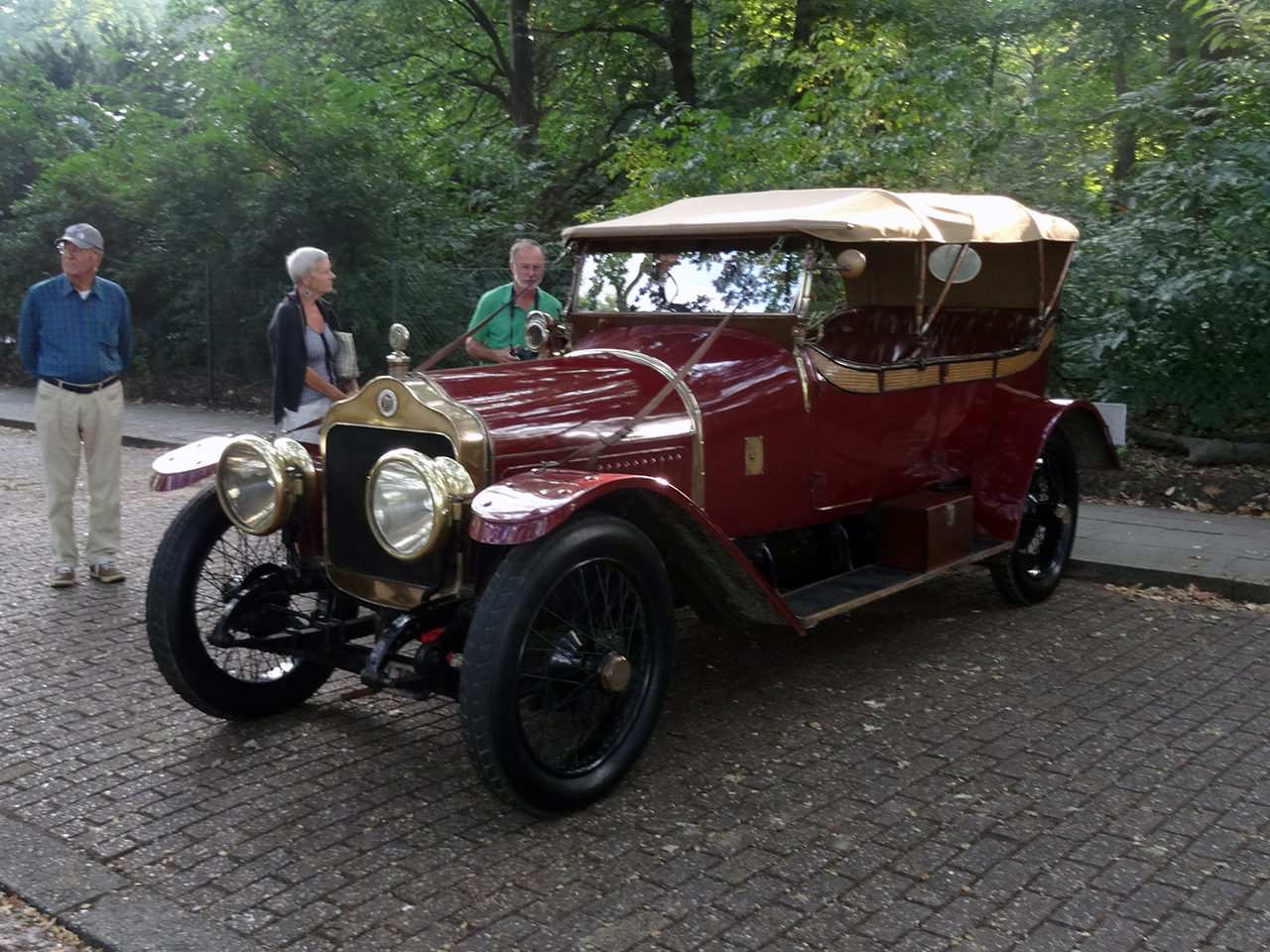
In 1908, Minerva secured the exclusive European license for Knight engines (alongside Daimler). The Knight double-sleeve-valve engine, developed in the United States by Charles Yale Knight, was exceptionally quiet; from that date onward, all future Minerva models would use these engines. Notably, André Citroën—who had been hired by the French firm Mors to turn around its sales—discovered the Minerva (Knight) engines while visiting his cousin Dorus and decided to equip all Mors models exclusively with them starting in 1913.
Minerva’s clientele included royalty—such as the kings of Belgium, Sweden, and Norway—as well as celebrities like Henry Ford and the Belgian artist Anna Boch. By 1911, Minerva was the largest factory in Belgium, employing 1,600 people.
During World War I, Sylvain de Jong and his engineers relocated to Amsterdam in the Netherlands, where they continued developing their cars while Belgium was under German occupation and the Minerva factory was being looted.
II – The Knight valveless engine:
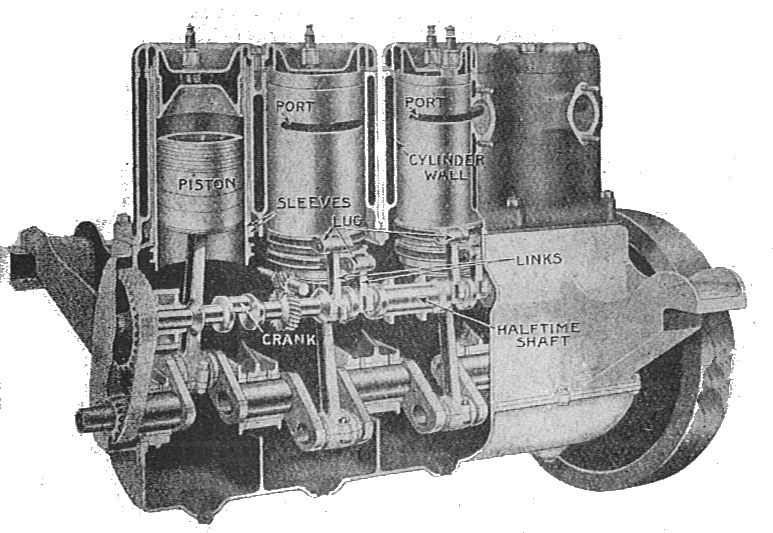
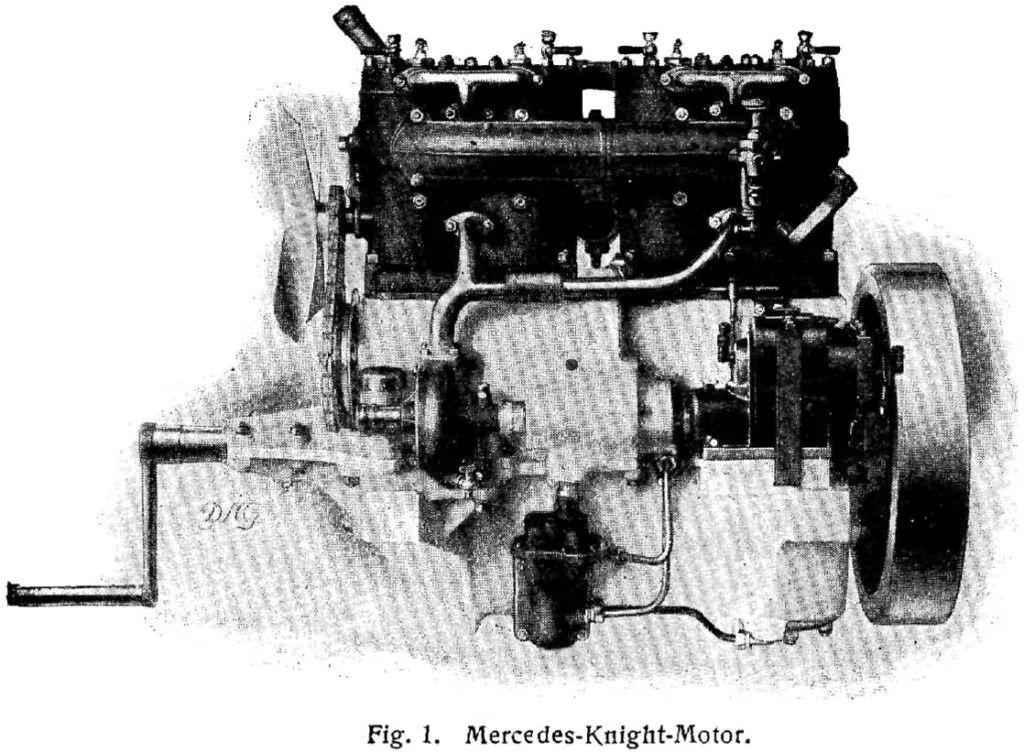
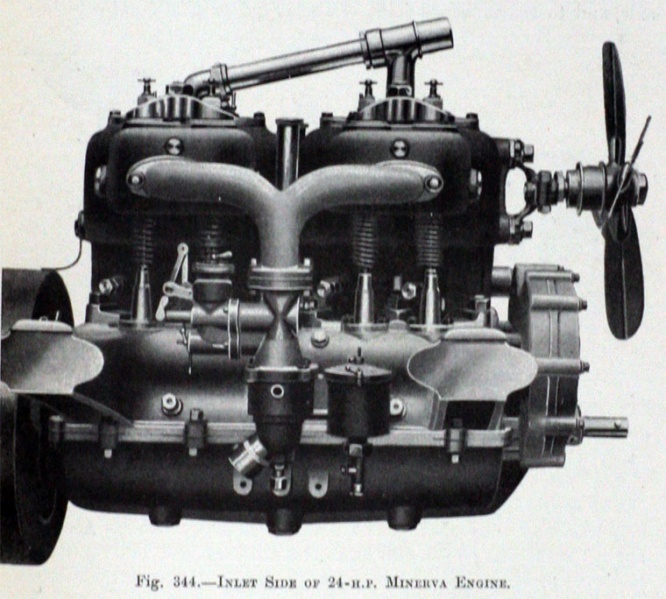
It utilizes sliding sleeves that act as moving cylinder liners; the design is based on a US patent held by Knight. Developed by the American company Knight (Charles Yale Knight) in the early 20th century and adopted by Argyll, this type of valvetrain was used by manufacturers such as Daimler, Lanchester, Mercedes, Minerva, Panhard, Peugeot, and Voisin.
This valvetrain system saw widespread use in the 1920s but was ultimately abandoned in the 1930s in favor of the poppet-valve system. The sleeve-valve design employs one or two sleeves positioned coaxially with the cylinder (interposed between the cylinder walls and the piston). The translation (or combined translation and rotation) of these sleeves opens and closes the gas ports. Both the sleeves and the cylinder walls feature openings (ports) to allow for the intake of the air-fuel mixture and the exhaust of burnt gases.
The system’s primary advantages were the absence of mechanical shock and quiet operation; its drawbacks included higher inertia (compared to poppet-valve systems), inadequate sealing, and lubrication difficulties—leading to excessive oil consumption and deformation of the sleeves near the intake and exhaust ports. Many engine failures were attributed to this lack of lubrication and to piston issues associated with these distinctive valve sleeves. Furthermore, the manufacturing process was complex and labor-intensive, resulting in higher production costs compared to poppet-valve engines.
III – WWI :
1 – The war of movement : August – November 1914 :
When the German Empire violated Belgium’s neutrality on August 4, 1914, the Belgian army found itself vastly outmatched. Yet, facing German infantry columns and cavalry patrols (the famous Uhlans), the Belgians deployed a modern, bold weapon that completely took the invaders by surprise: the armored car. Born of urgency and ingenuity, these vehicles became the first armored fighting vehicles to see significant action in the First World War. At the outbreak of hostilities, the Belgian army possessed no official armored vehicles. Aware of the potential of the automobile, on August 1, 1914, King Albert signed the creation of a volunteer automobile corps whose purpose was to provide service to automobile columns, drive automobiles assigned to headquarters, transmit orders and intelligence, provide certain reconnaissance services, provide postal services, facilitate the rapid transfer of combat troops, and carry out major construction projects. To be a full member, one had to own a car or motorcycle, possess the required practical and technical knowledge, have passed a military test that included map reading and a topography test, be at least 18 years old, be fit for military service, and possess a driving certificate. Members were then issued a uniform. As of August 1, 1914, the Belgian automobile fleet totaled 12,500 cars, trucks, and coaches. At first, the vehicles were supposed to be voluntarily made available to the army by their owners, but the Army quickly moved to requisition. From the beginning, the CAV showed its limits: driven by sometimes inexperienced drivers, the vehicles were mistreated, overloaded and therefore quickly out of use. Due to the lack of repair workshops, this situation worsened. This is why on 10/08/1914, it was decided to create the Reserve Automobile Park, the aim of which was to collect, store, manage and repair automotive equipment in the Antwerp area under the authority of Colonel Count de Hemricourt de Grunne, President of the Automobile Club of Belgium.
At the same time, alongside these improvisations, the Belgian army sought by all means to industrialize the production of armored vehicles. That’s why, following the invasion, a Belgian army delegation visited the Minerva factory to commission the design and construction of armored vehicles. A memo from Commander Cumont indicates that 40 Minervas were ordered, with 29 delivered by November 7, 1914 (according to Mr Georges E. Mazy, probably because the maximal number for the Minervas on the November 2, 1914 list was No. 29). An agreement was reached as early as August 20 between the Minerva company and the Royal Cannon Foundry in Liège to provide the armored plates; however, as the Liège region was rapidly occupied, the engineers relocated to Antwerp to bolster the General Staff’s technical departments. The very latest car models—Type LL (26 hp, 4,396 cc engines) and Type MM (38 hp engines, with displacement recently increased to 7,242 cc)—were used. Armor plating was supplied by the Hoboken steelworks, consisting of 3 mm steel sheets separated by a 50 mm wooden plank. This initial protection proved ineffective when ballistic resistance tests failed as the firing range was reduced from 800 m to 15 m using the S-bullet; it was at this point that the armor was changed to a single 7 mm steel plate. This simple armor plating will be visible because the new Minervas will have hulls with right-angled corners. It should also be noted that many modifications were made as construction progressed—possibly in light of operational feedback—such as overhead protection, redesigned engine cowlings to facilitate maintenance without disassembly, radiator protection, machine-gun shield, and so on.
An initial batch of 10 vehicles was to be delivered in September, with the very first one scheduled for August 31. Based on the numbering system of Belgian armored cars—and assuming the numbers were assigned according to the order of delivery—this first group of 10 vehicles comprised one armored car on a Benz chassis, one Sava, and eight standard Minervas.
An order dated 28/08/1914 from GHQ Section 3 stated: « The War Department has arranged for the armoring of 10 automobiles, which will be fitted with machine guns. The first of these vehicles will be ready tomorrow at the Minerva factories. One armored car will subsequently be completed each day. The 1st, 2nd, and 6th Army Divisions, as well as the Cavalry Division, will each receive two of these vehicles; the 3rd and 5th Divisions will each receive one. These vehicles will be sent to the divisional headquarters as they are delivered. The divisions will provide the crews to man these vehicles (currently comprising a driver, an assistant, and a gendarmerie NCO acting as gunner). »
Combat actions :
Regarding the use of these vehicles during the 1914 war of movement around Antwerp and during the retreat to the Yser, see : https://warcars.net/belgian-armored-cars-during-wwi/
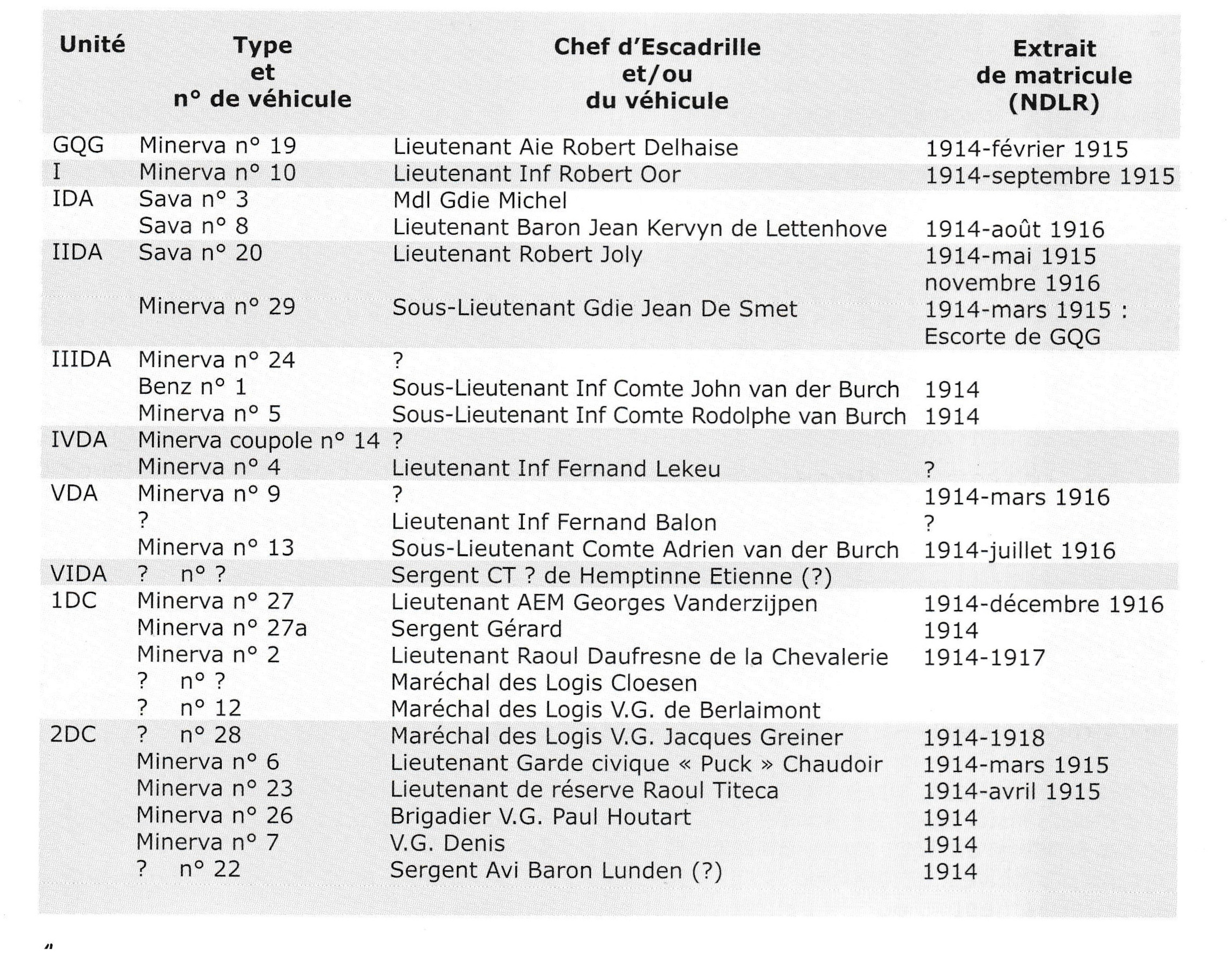
At the end of the war of movement, on November 2, 1914, two memoranda from the 3rd Section of General Headquarters (GQG) set out the allocation of the 27 ? (only 26 in the table) remaining armored cars to the various units. This list allowed at the maximum 22 Minervas.
2 – The trench war (November 1914 – September 1918) :
The Minerva’s success was spectacular but short-lived. In late October 1914, following the Battle of the Yser, the front line stagnated. Trench warfare began. With the end of the war of movement and the onset of trench warfare, the utility of armored cars diminished, and their crews were absorbed into mobile units for trench duty. Moreover, these vehicles could only operate on highways and dry dirt roads. The vehicles were thus employed in night combat or occasionally to secure key positions in the event of an enemy attack. Routine maintenance was carried out by unit workshops behind the front lines. Stalled by mud, barbed-wire networks, and shell craters, the armored cars lost their greatest asset: road mobility. Their light 7 mm armor and open-top design also made the Minervas extremely vulnerable to the heavy artillery fire that came to dominate the front. Personnel turnover was high due to recruitment for the Armored Car Corps (destined for Russia) and the return of soldiers to their original units to fill gaps left in infantry regiments following combat. Recruitment relied on calls for volunteers and transfers from other units. Officers were trained at the Auxiliary Cavalry Second Lieutenants’ Training Center (CISLAC) in Campagne-lès-Guines under Major Aimé Hageman, while machine gunners were trained at the Criel-sur-Mer Training Center. The Minerva armored cars would prove useful again when the war of movement resumed in September 1918, leading to the liberation of Belgium.
On January 1, 1915, a bicycle squadron was established within each cavalry regiment.
On December 7, 1915, an armored car and gun group—attached directly to Cavalry Division Headquarters—was formed by merging the armored cars from the two cavalry divisions. This group comprised two squadrons:
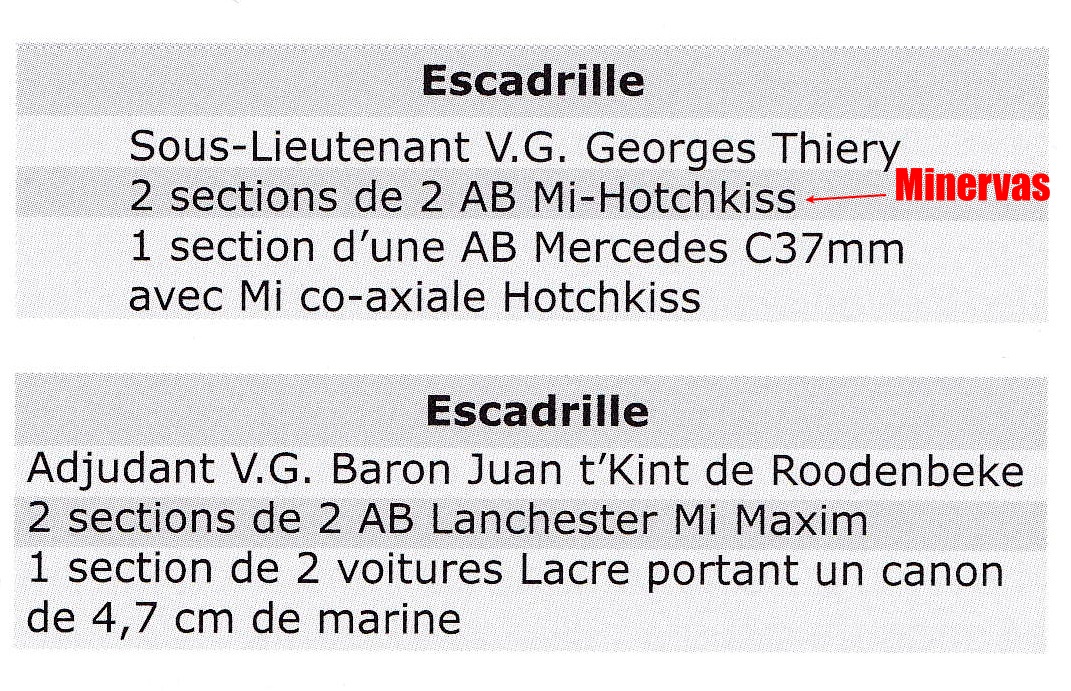
On January 24, 1918, a major reorganization of cavalry units took place. The 2nd Cavalry Division was disbanded due to a shortage of remounts and the growing needs of horse-drawn artillery; the 4th Chasseurs à Cheval, the Guide and Fortress Lancer groups, and the cyclist squadrons of the Cavalry Division regiments were also disbanded. The new—and sole—Cavalry Division now comprised three brigades: 1st Brigade: 1st and 2nd Guides 2nd Brigade: 4th and 5th Lancers 3rd Brigade: 1st and 2nd Chasseurs à Cheval as well as the Armored Car Group, split into three field armored car squadrons (their new designation). The remaining regiments—the 1st, 2nd, and 3rd Lancers—were distributed among the six Army Divisions, while the armored car units were assigned to a light group (one squadron of three armored cars (mostly Minervas) for each of the six Army Divisions)
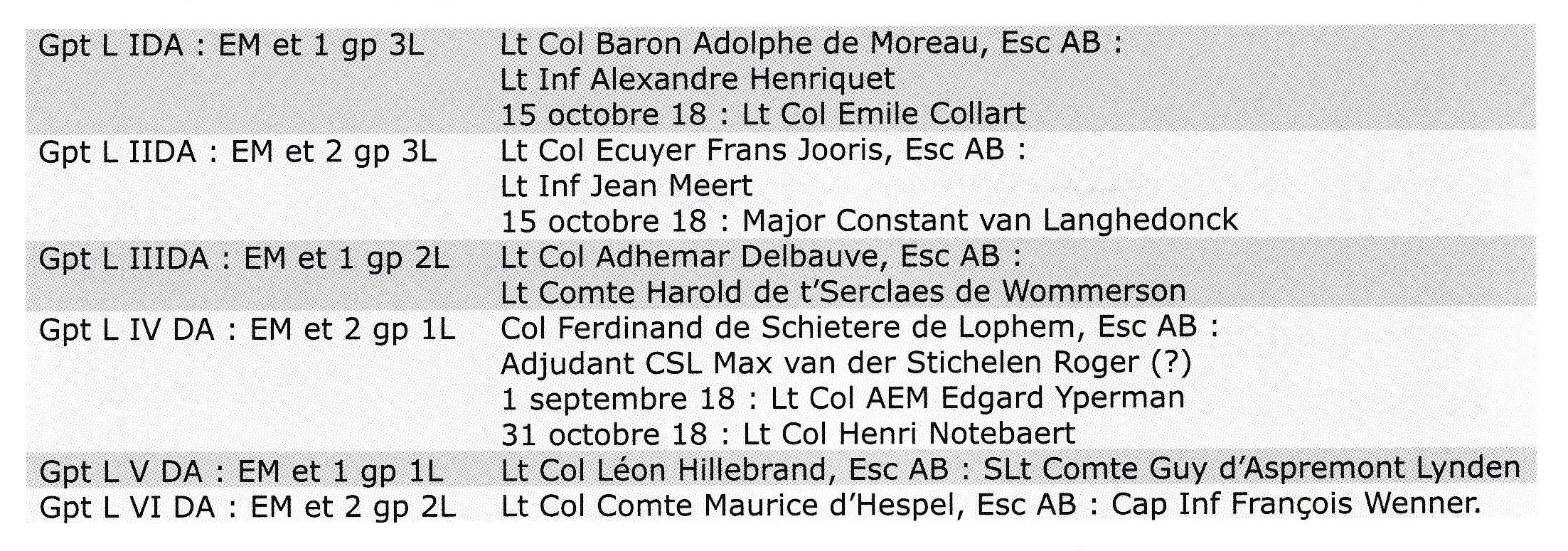
At that time there were (according to tank museum news):
– 30 ? Minerva 26 and 38 HP vehicles, fitted out in Hoboken during August and September 1914 following a directive from the General Staff (3rd Section) dated August 28, 1914. This number is curious considering the 29 produced (according to Mr Georges E. Mazy), the two lost to the Germans and at best the 22 remaining in the November 2, 1914 list. Interestingly, if we consider the three Minerva vehicles in each light group across the six army divisions, we arrive at a figure of 18; adding the four from the Cavalry Division’s armored car group brings us to the same total of 22 Minervas—the maximum number that can be accounted for based on the list from November 2, 1914.
– A number ? of SAVA vehicles equipped with Hotchkiss machine guns.
– 3 ? Sheffield-Simplex vehicles equipped with a 37mm gun and a Hotchkiss machine gun.
– 4 Lanchester vehicles equipped with a Vickers machine gun.
– 3 Lacre 4,7 cm Hotchkiss naval gun trucks. It seems that the third fully armored Lacre has been received.
– A number of private cars (Mercedes, Opel, Pipe).
This equipment was refurbished at the transport depot—relocated to Calais—under the command of Colonel (Ret.) Count François de Hemricourt de Grunne (AEM), who had established the Antwerp motor pool at the outbreak of war and served as president of the Royal Automobile Club of Belgium. Routine maintenance was carried out by unit workshops behind the front lines. Personnel turnover was high due to recruitment for the Armored Car Corps (destined for Russia) and the return of soldiers to their original units to fill gaps left in infantry regiments following combat. Recruitment relied on calls for volunteers and transfers from other units. Officers were trained at the Auxiliary Cavalry Second Lieutenants’ Training Center (CISLAC) in Campagne-lès-Guines under Major Aimé Hageman, while machine gunners were trained at the Criel-sur-Mer Training Center.
During the Battle of the Yser, the two Cavalry Divisions were held in reserve behind the Furnes Canal at Loo to secure crossing points. In November, the 1st Cavalry Division held the coast between Coxyde and the French border. From January 1915 onwards, the units participated in trench duty on a rotational basis: half the unit would deploy with its machine guns to reinforce the infantry regiments, while the other half remained behind for maintenance. Sometimes they are sent on patrol, used for air defense, or hold checkpoints.
Regarding the use of these vehicles during the 1918 war of liberation, see : https://warcars.net/belgian-armored-cars-during-wwi/
IV – The Minerva technical Design, Armament, and Combat Operations:
The Belgian-built Minerva was one of the earliest and most successful armored cars of World War I. Combining rugged industrial design with improvised military engineering, its development represents a fascinating chapter in early mechanized warfare. As for other combat vehicles, modifications were made all along the production in light of operational feedbacks, that can be seen on the photos.
1-Armor and Protection :
While many historical sources state the Minerva carried 4 mm to 5 mm of armor, research by historian G.E. Mazy reveals a much more complex development history:
The Armor Evolution:
Initial Design: To make the metal easier to bend and shape, early models used a « sandwich » design: two 3 mm steel plates separated by a 50 mm wooden core.
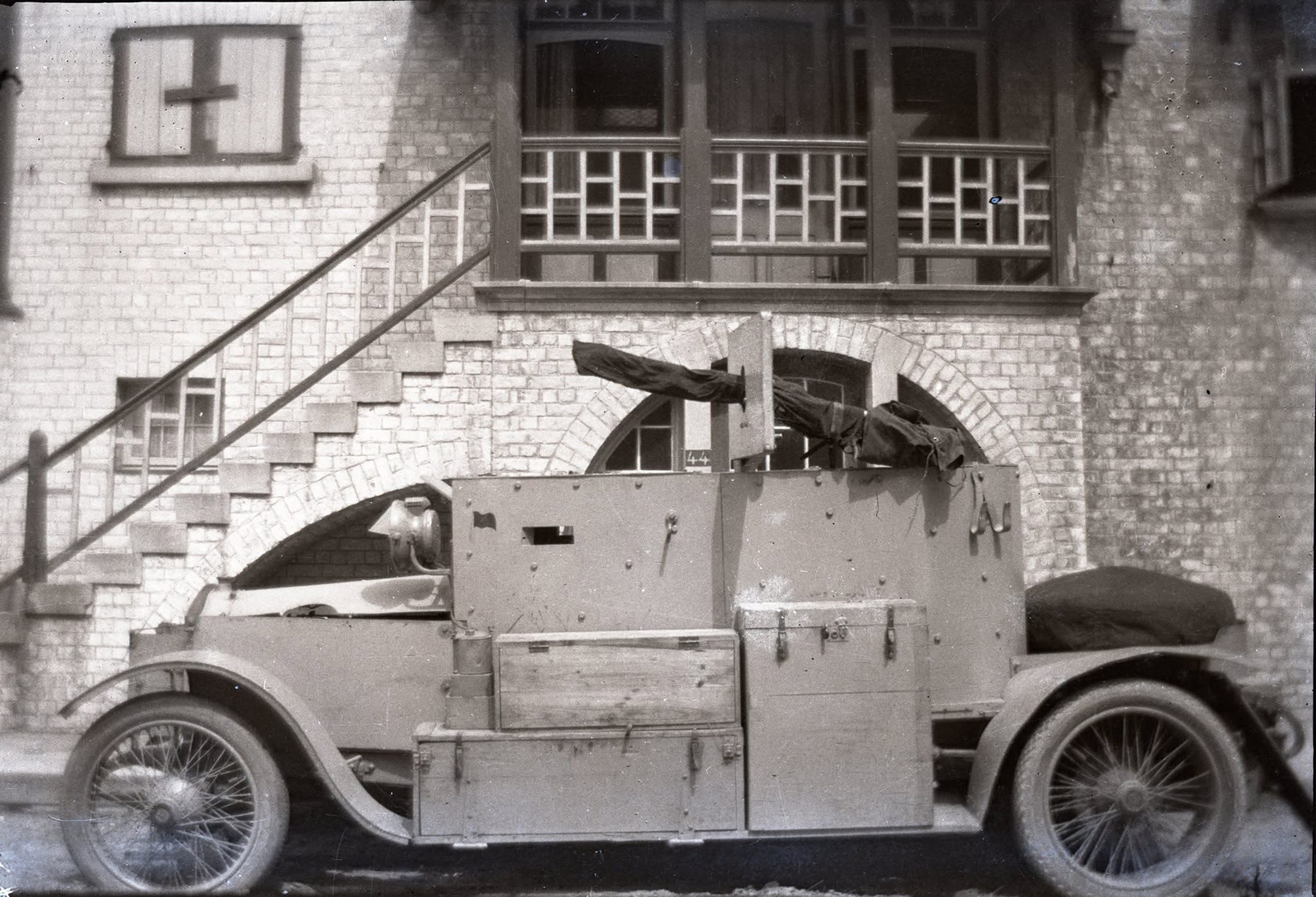
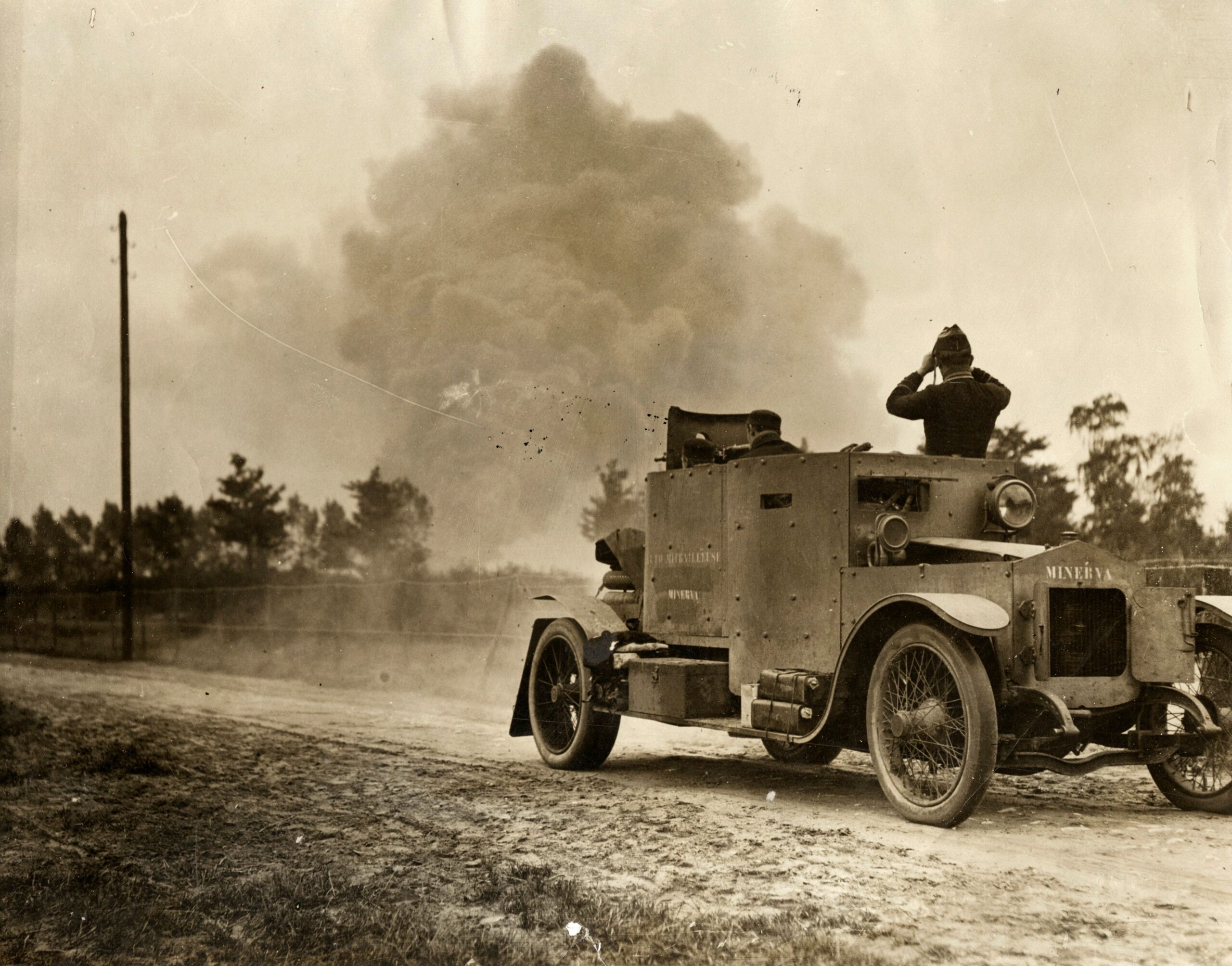
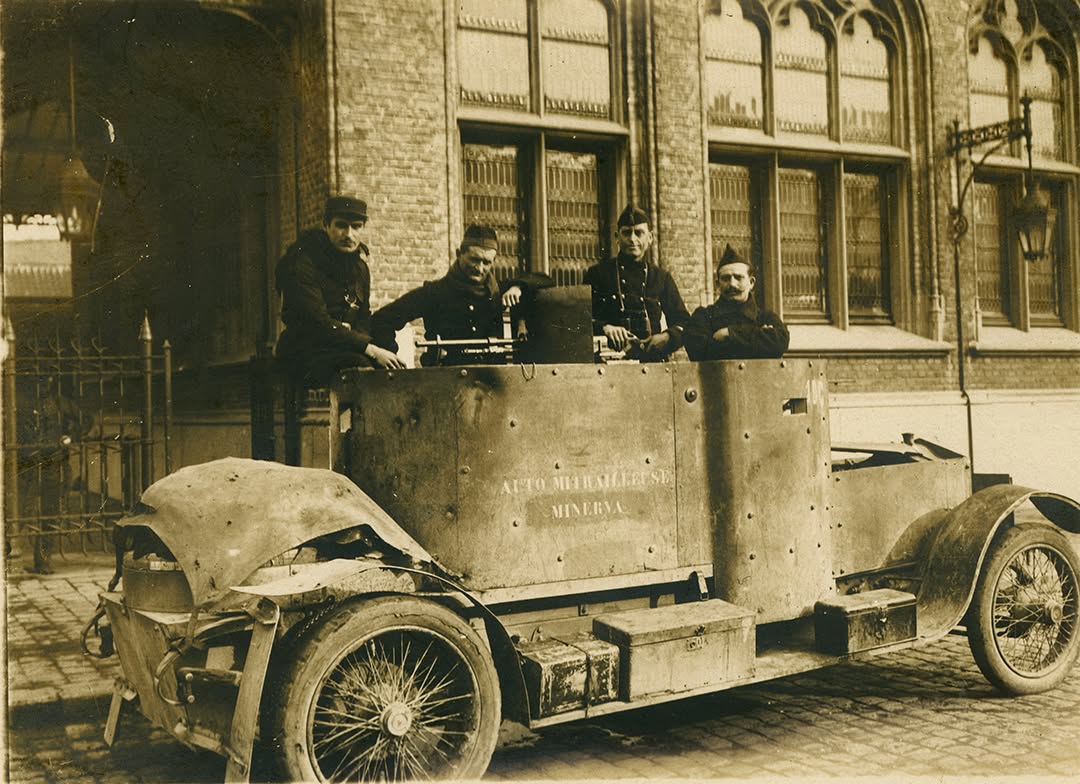
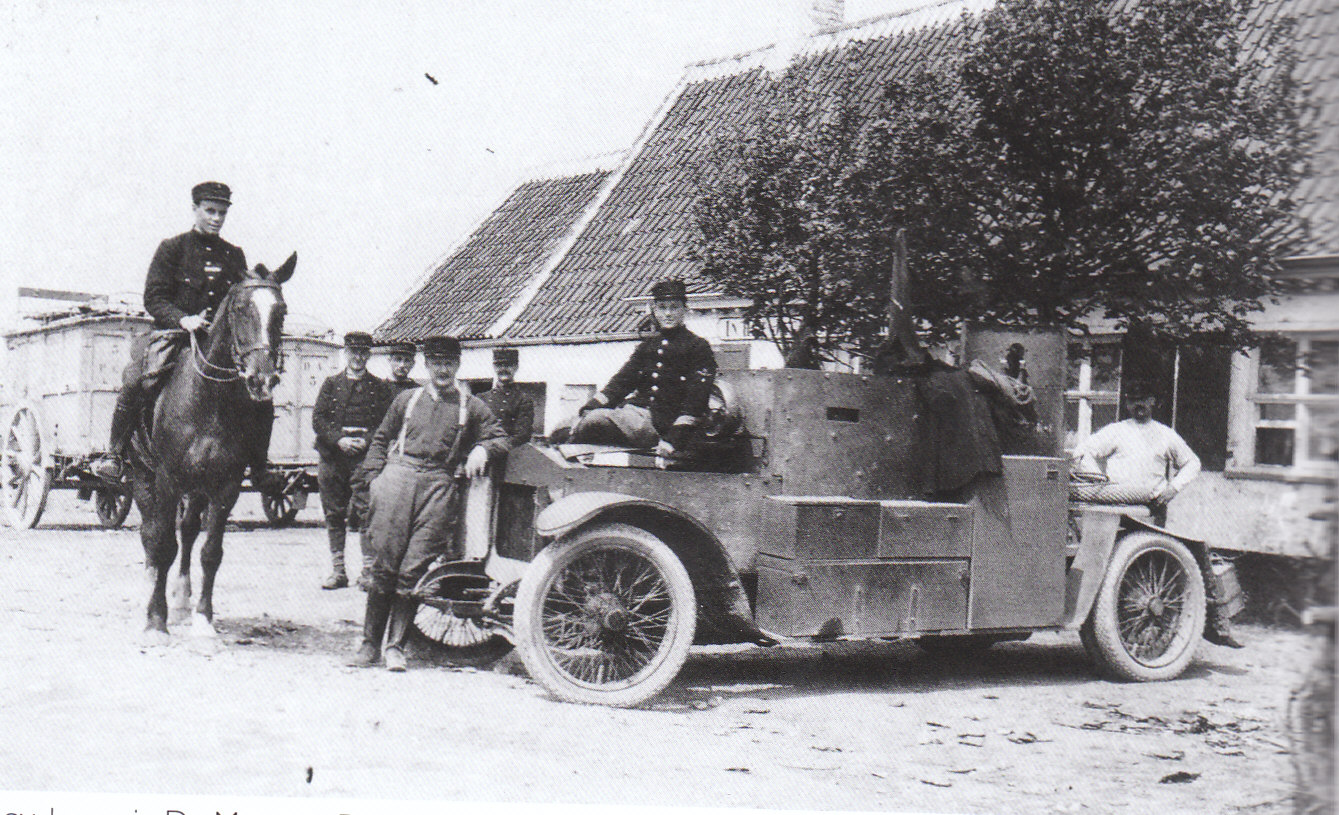
Standardized Design: Because the wood-and-steel solution proved ineffective (like the one for the ACM first Peugeots), it was replaced by a single, solid 7 mm armor plate manufactured by the famous Cockerill steel works in Antwerp. This simple armor plating will be visible because the new Minervas will have hulls with right-angled corners. It should be noted that the early Minervas lacked overhead protection; however, likely following crew casualties or for weather protection, protective plates were added. The roof consisted of a fixed front section and a movable section attached to it that could be either closed or opened by folding back onto the front section; the assembly was completed by two side plates and a rear plate in two parts like the front one.
Visibility: The armor featured four small observation ports—one at the front for the driver, and one on each side and the rear.
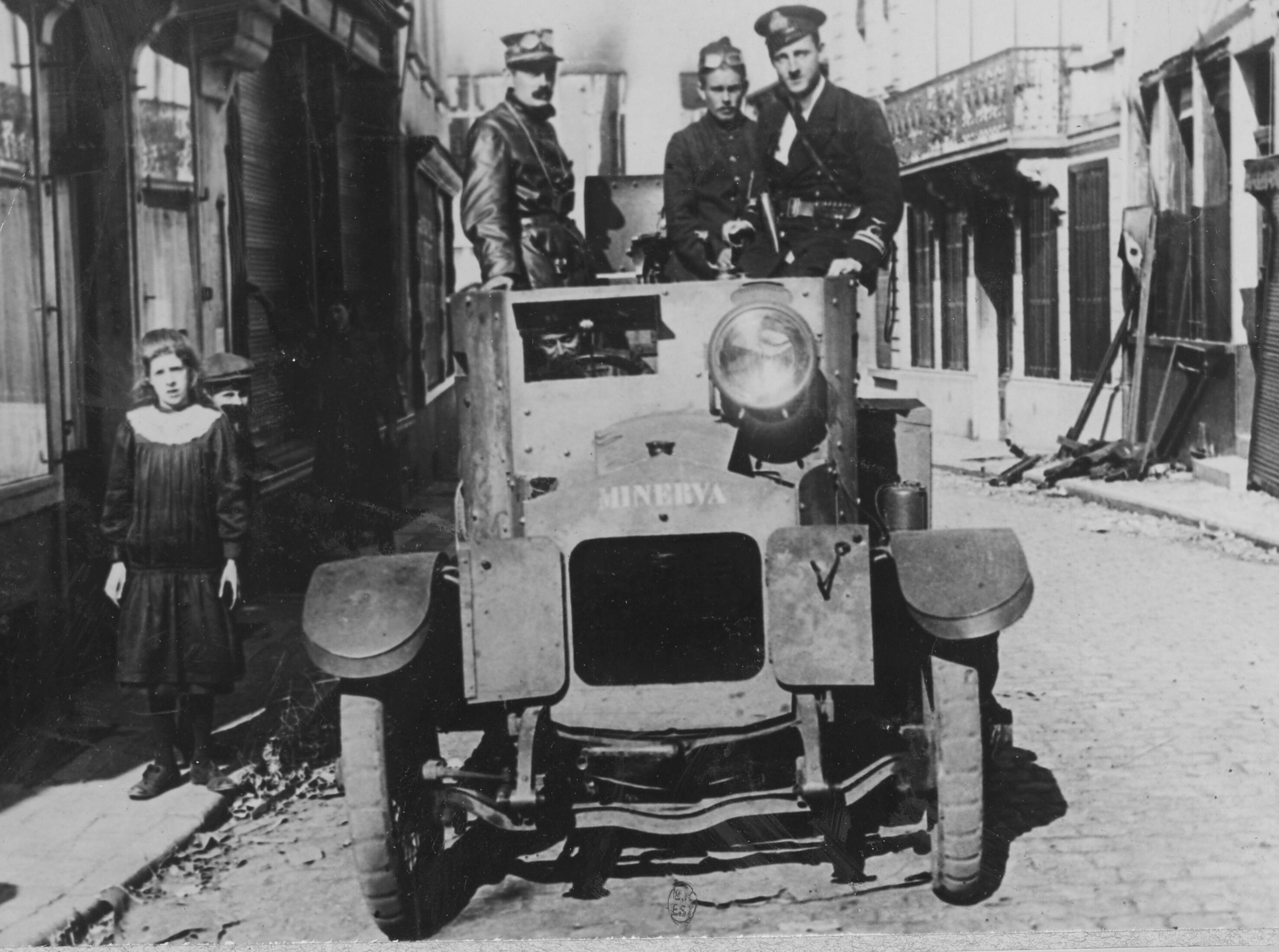
Engine Protection: The radiator was protected by two armored hatches, which were kept open for cooling and only closed when action was imminent.
Access: The open-topped « bathtub » hull had no doors. To enter or exit, the crew had to step onto the external side storage boxes. For weather and combat protection, some cars featured a steel roof made of hinged plates, while others used a simple canvas tarpaulin.
2-Interior Layout and Crew Comfort :
Comfort inside the Minerva was virtually non-existent, with every spare inch of space dedicated to utility and survival.
Storage & Fuel: The rear of the car housed the spare wheels and an armored fuel tank. The external side boxes were packed with personal gear and a comprehensive set of tools for field repairs.
The Driver’s Station: Located on the right-hand side, the driver sat on a primitive seat with no backrest. In combat, the driver quite closed a small steel flap on the front armor plate, steering only through a narrow horizontal viewing slit.
Lighting: A large carbide/acetylene headlight was mounted on the left-front armor plate, connected to the cabin by a copper tube.
3-Powerplant, Crew, and Performance :
Despite its weight, the Minerva was a silent and highly mobile unit for its time.
The Engine: The vehicle was powered by a Knight sleeve-valve engine, built under license from the American designer Charles Knight in Minerva’s own factories. These engines operated exceptionally quietly—a major tactical advantage during stealth patrols. There were indeed Minervas with 38 HP engines (chassis of Minerva type MM), but some had 26 HP engines (chassis of Minerva type LL).
Specifications: Weighing just under 4 tons, the Minerva had a top speed of approximately 40 km/h.
The Crew: The standard crew typically consisted of 4 men (commander, driver-mechanic, machine gunner, and loader), though it could carry between 3 and 6. Crews often took along local soldiers who knew the terrain, infantry sharpshooters, or specialists. Many of these missions were daring, high-risk raids led by aristocratic cavalry officers.
4-Chassis, Suspension, and Wheels :
The mechanical foundation of the Minerva was built for durability, though it presented significant handling challenges for its drivers.
The Chassis: Constructed from a C-shaped frame, the chassis was reinforced with steel strips along the open inside of the profiles to dramatically increase its structural strength.
Suspension & Steering: The front axle was forged from a heavy I-beam and connected to the chassis via two leaf springs. The rear suspension featured a complex arrangement where the rear of the main axle leaf spring linked to a secondary leaf spring anchored to the back of the chassis, curling downward to meet the axle.
The Braking System: Driving the heavy car at high speeds was incredibly difficult because there were no brakes on the front wheels. Braking relied entirely on the rear axle, which used a steel band pulled tightly around a steel drum via a hand lever. For additional stopping power, an auxiliary brake drum was positioned directly behind the engine and gearbox.
Wheels and Tires: The Minerva used wire-spoke wheels with « beaded » rims—a design where the rim curled inward to hook a corresponding lip on the tire. Once inflated, the tire was locked securely in place. To handle the vehicle’s immense weight, the rear axle featured specially widened rims designed to hold dual tires for better weight distribution and traction.
Tire Innovation & Limitations:
Evidence suggests the inner tubes were filled with liquid latex; once solidified, this allowed the tires to better withstand punctures or bullet hits.
Because tires of this era lacked carbon reinforcement, they were off-white, soft, and highly prone to rapid wear.
To compensate for the poor handling of solid-filled tires, steel nails were screwed into the tread to improve traction on paved roads and protect the rubber from tearing.
5-Armament and Combat Tactics :
The Minerva was designed to pack a punch and escape danger quickly.
Primary Weapon: The standard armament was a French, air-cooled Hotchkiss machine gun chambered in Belgian 7.65 mm ammunition. The vehicle carried an impressive stock of 4,500 rounds.
Gunner Protection: The gunner was protected by an armored plate, which came in two main variants: a large flat shield or a smaller, rounded shield. (Note: While some sources claim Lewis were fitted, there is no photographic evidence to support this).
Firing Mechanics: The gunner and loader had no seats and were forced to sit on ammunition boxes. The Hotchkiss was mounted on a central, pivoting pedestal, allowing for a 360-degree field of fire. The loader fed the weapon using 24-round metal ammunition strips from the left.
Tactics: Because the gun could rotate fully, the crew could fire on pursuers while retreating. This capability allowed a universal WWI early armored cars tactic whenever possible: Minerva crews would often drive backward toward German lines. Upon making contact, they could immediately speed away forward without losing precious time turning around on narrow, debris-cluttered roads.
6-Operational History :
The tactical deployment of the Minerva evolved significantly over the course of World War I, shifting from highly independent, aggressive skirmishes to structured, coordinated division movements.
Evolution of Deployment (1914 vs. 1918)
Early War (1914): In the opening months of the war, Belgian crews operated either completely alone as single vehicles or in small, independent groups of two to three cars.
Late War (1918): By the final Allied offensives, tactics had matured. Minervas were deployed in structured groups of three or more, heavily integrated into the operations of the Cavalry Division or Army Divisions.
Aggressive Reconnaissance
While their primary doctrinal role was reconnaissance and scouting, Belgian Minerva crews operated with extreme aggression and immense courage.
Impact: Though these daring raids occasionally ended in tragedy for the crews, their overall impact was overwhelmingly positive for the Belgian Army.
Successes: Minerva crews inflicted heavy losses on German forces. They routinely destroyed small German infantry and cavalry patrols, took prisoners of war, captured enemy vehicles and weapons, and successfully blew up or secured vital infrastructure like bridges, tunnels, and culverts.
The « Reverse Combat » Tactic
Perhaps the most famous Minerva tactic was engaging the enemy while driving in reverse, both in defensive actions and offensive raids.
Engine Protection: By keeping the rear of the car pointed toward the enemy, the forward-mounted radiator and engine were shielded from direct small-arms fire.
Quick Escapes: This allowed the driver to immediately speed away forward if they were overwhelmed, without wasting precious seconds trying to turn around on narrow, mud-slicked roads.
Rear Wheel Shields: Because the rear of the car bore the brunt of enemy fire during these maneuvers, small armor plates were specifically added to protect the vulnerable rear wheels.
Key Defensive Roles
Beyond mobile raids, the Minervas proved exceptionally effective in static defense. Their heavy firepower and armored mobility made them ideal for holding chokepoints, particularly in defending bridges, river crossings, and vital road junctions against advancing German forces.
V – Colors and markings :
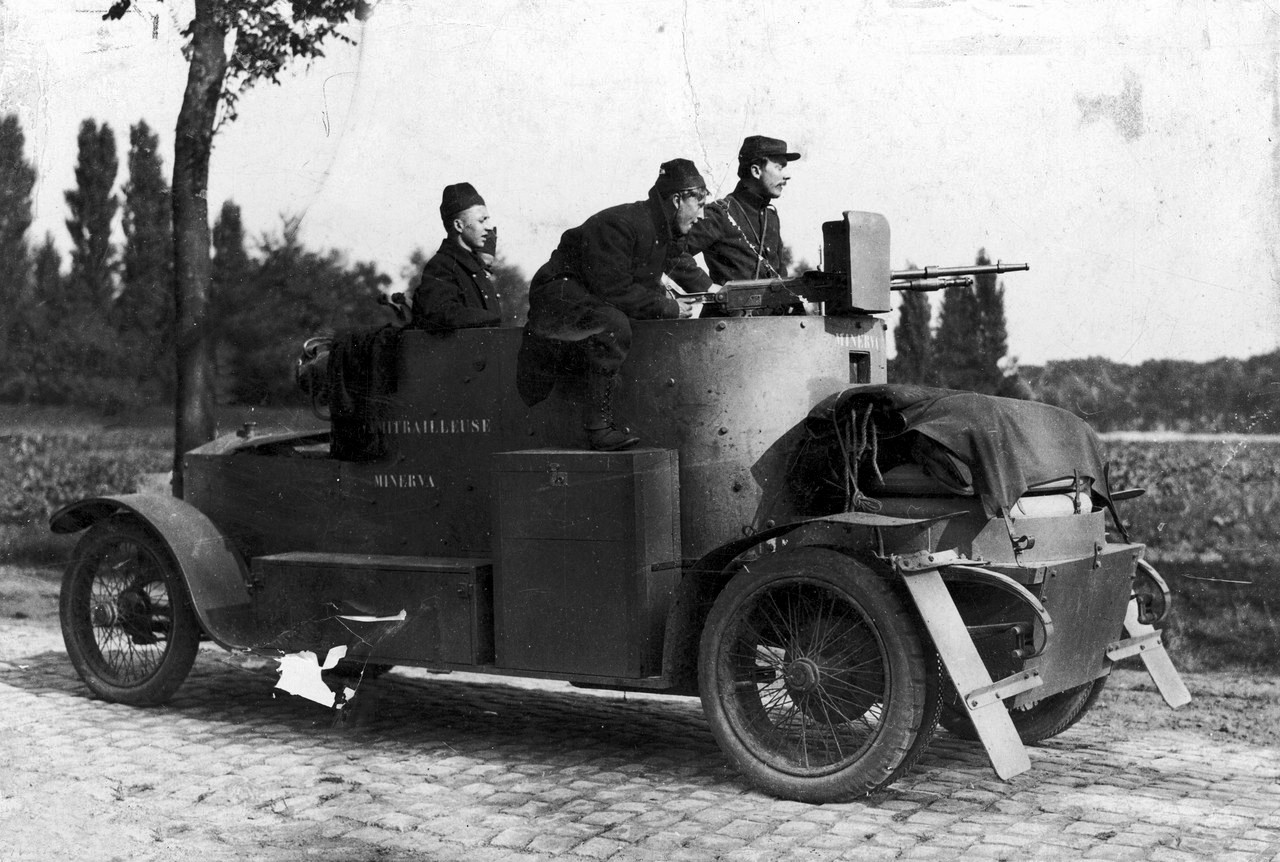
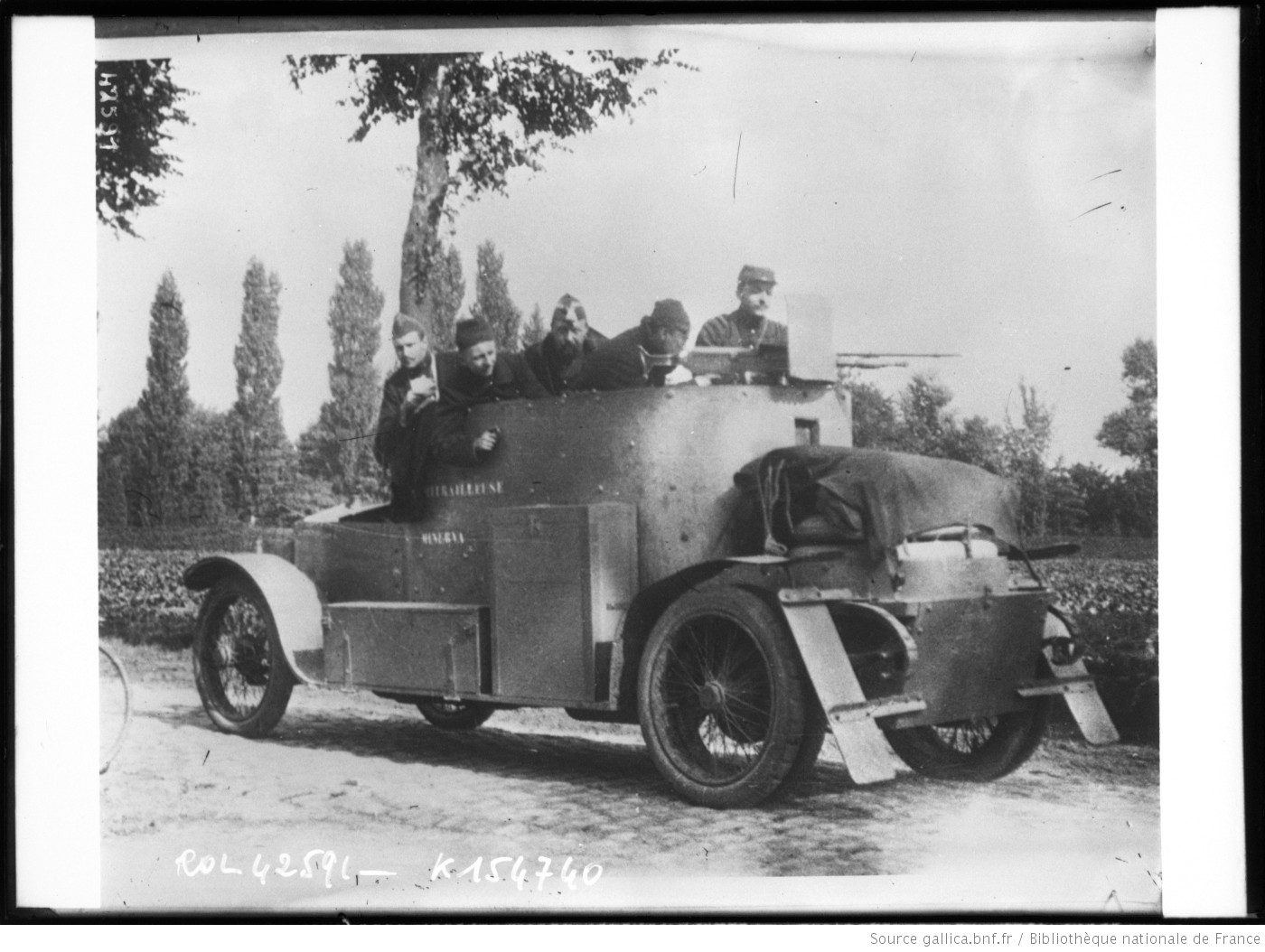
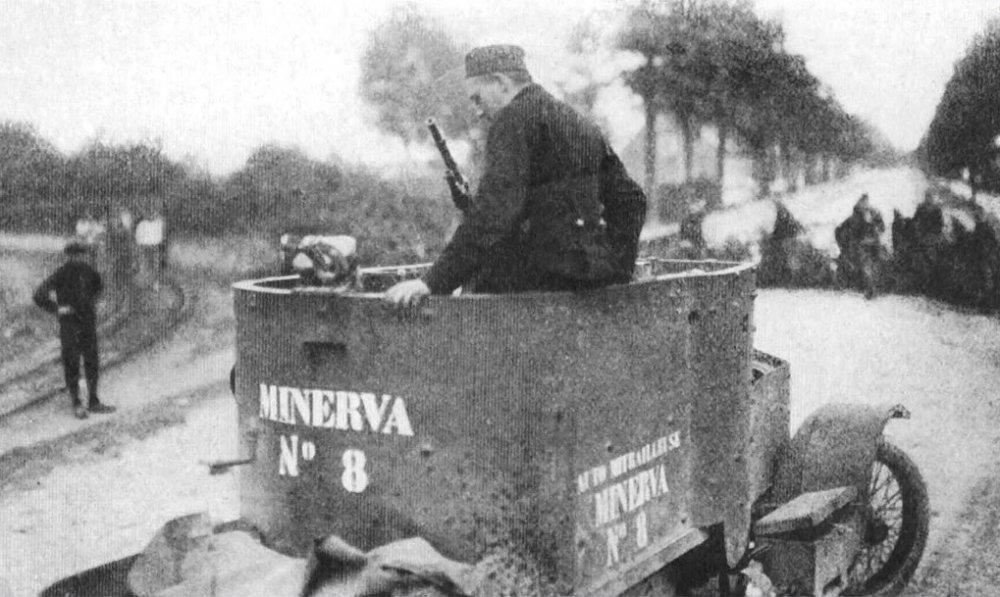
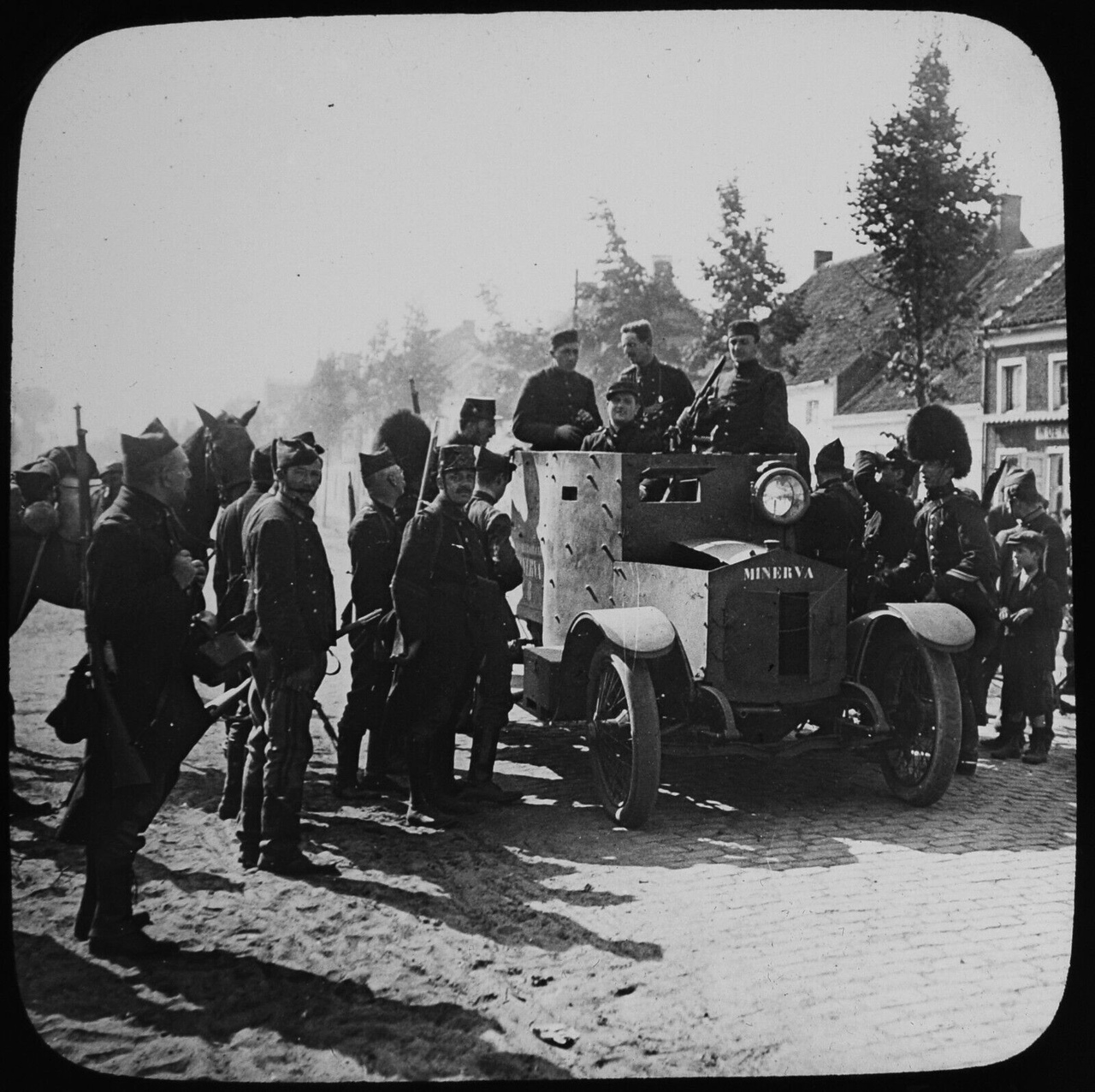
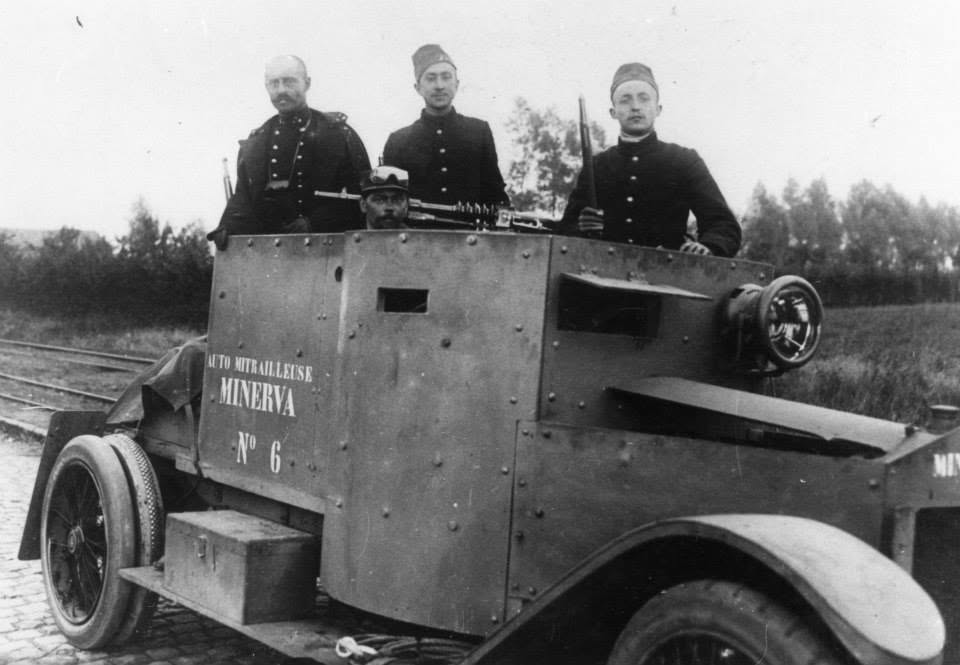
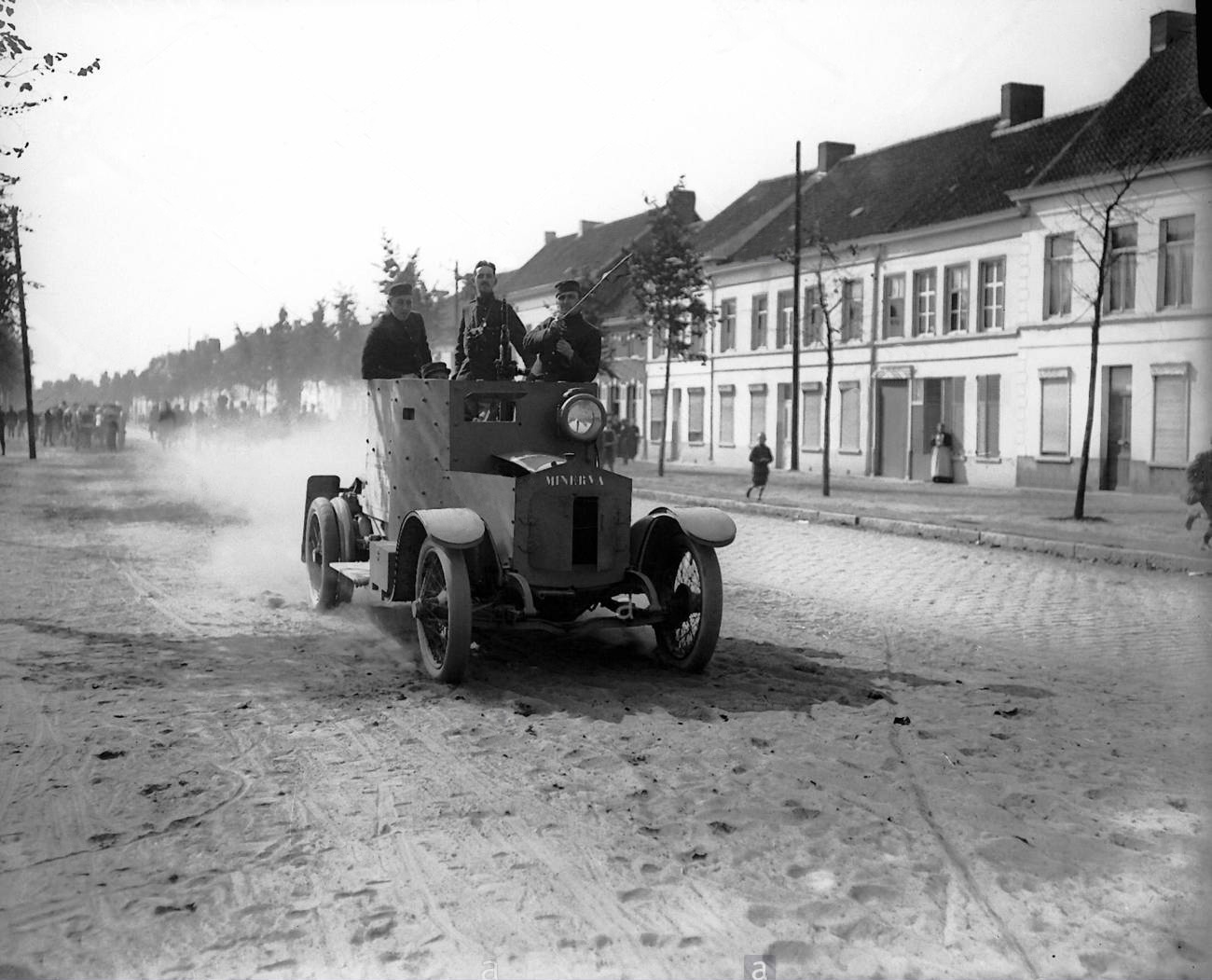
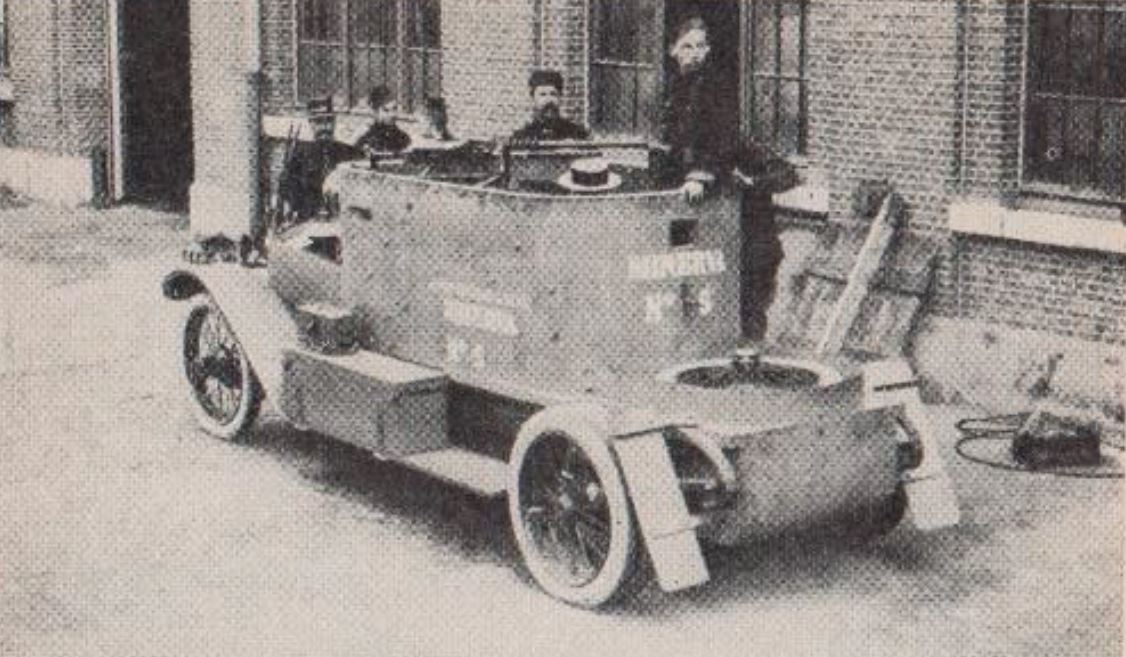
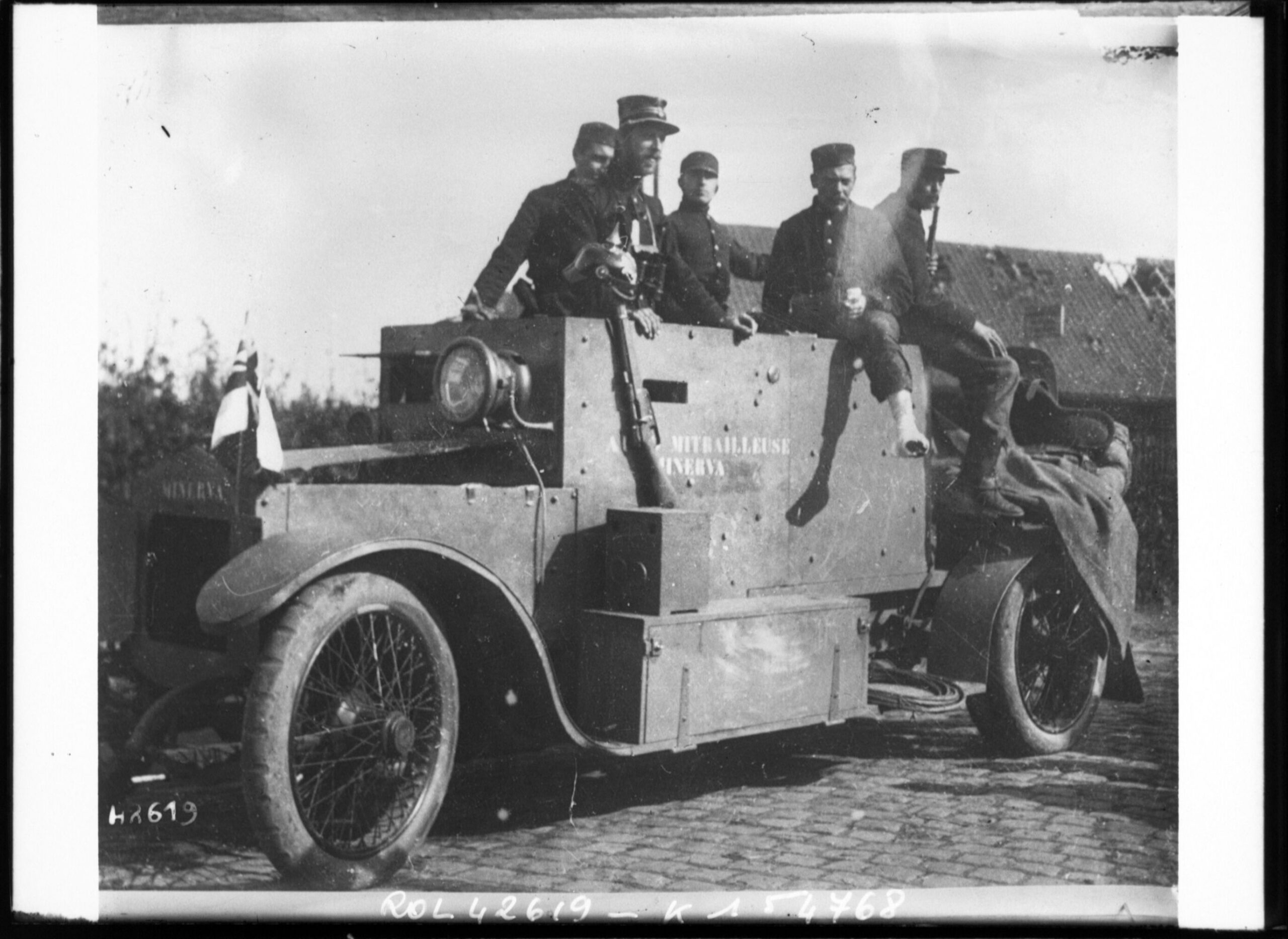
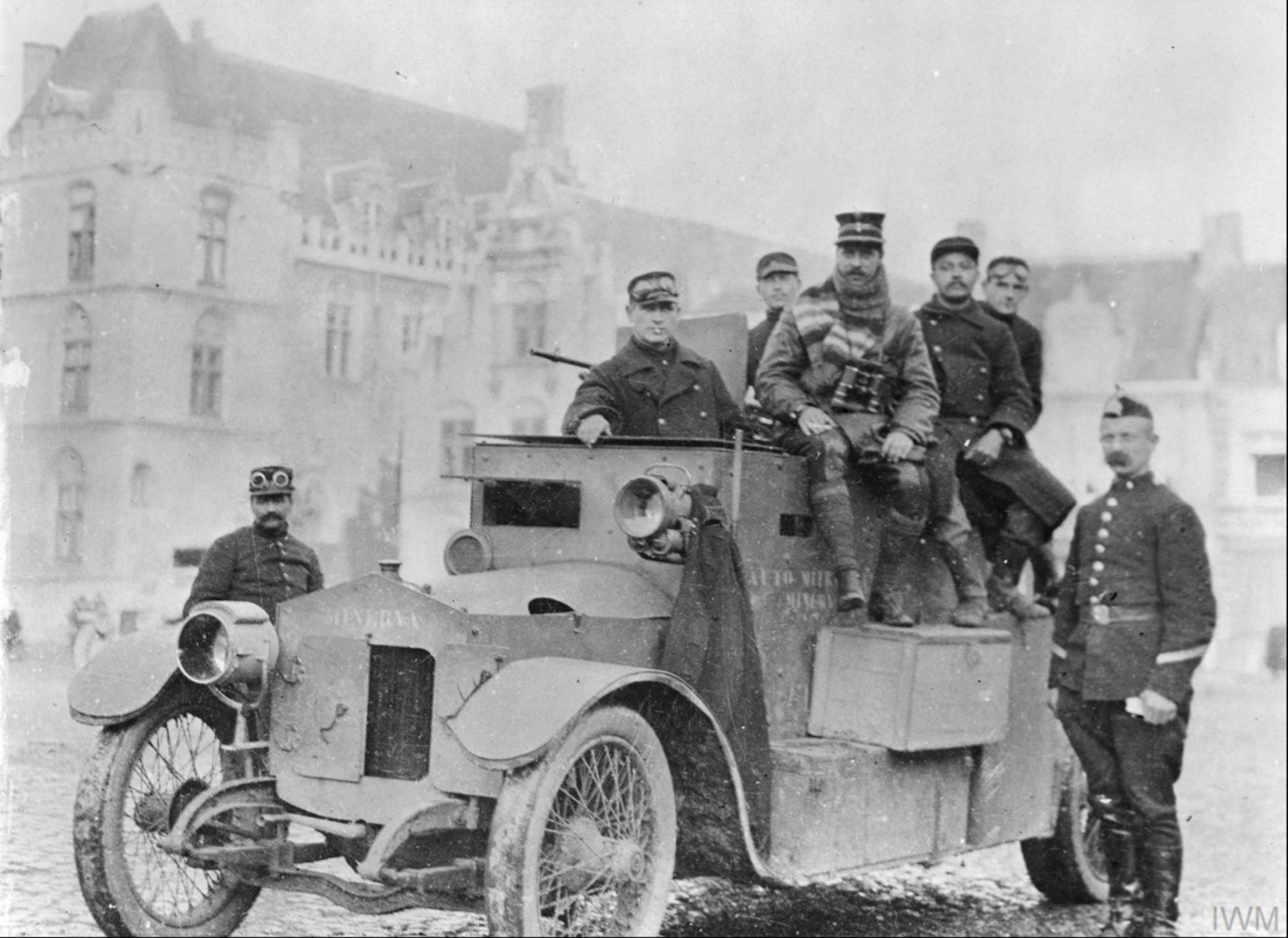
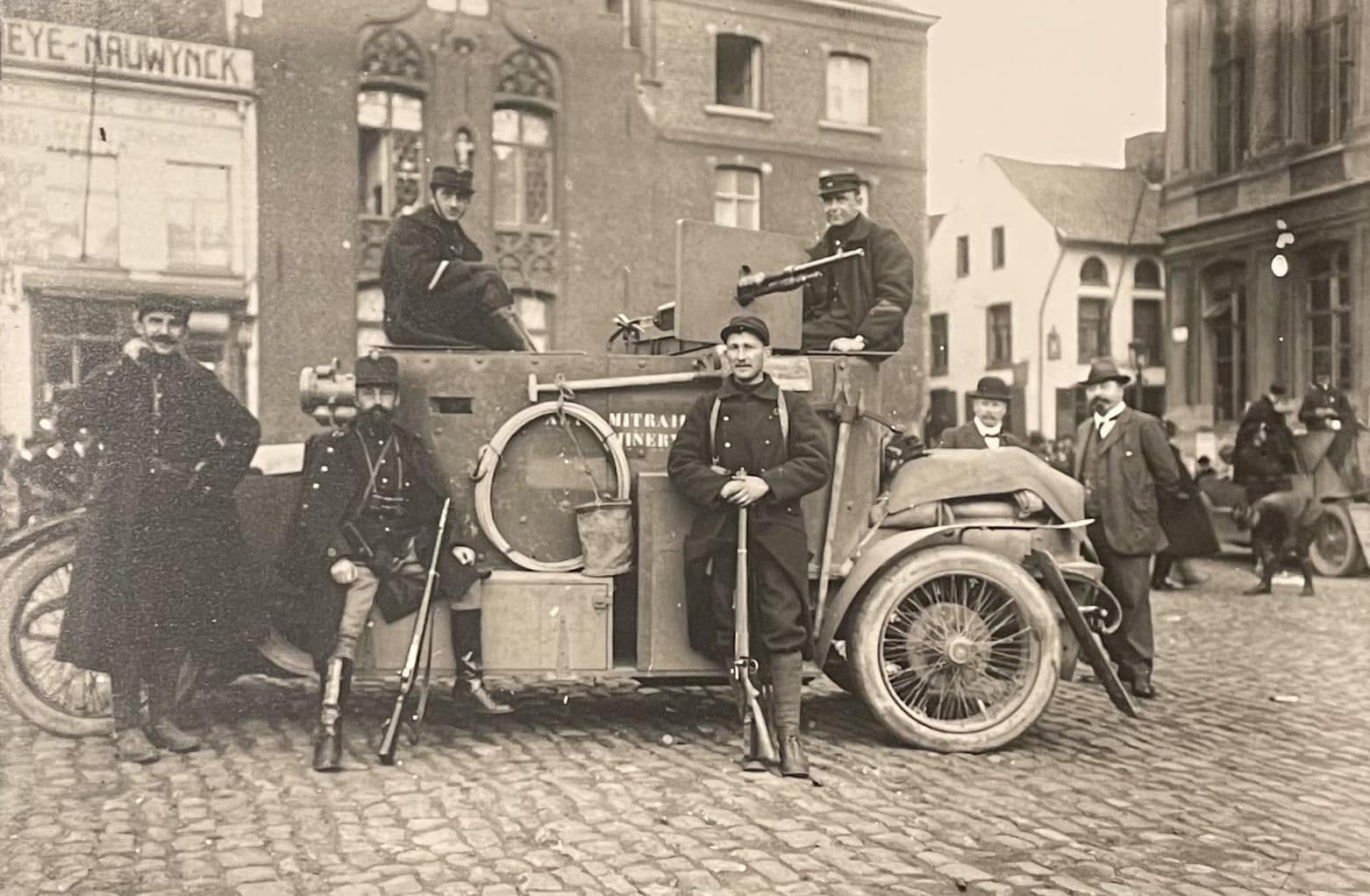
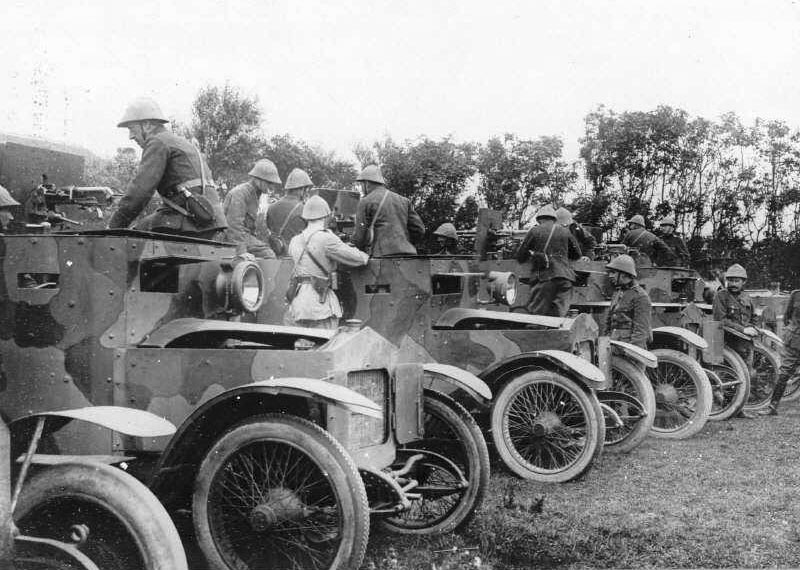
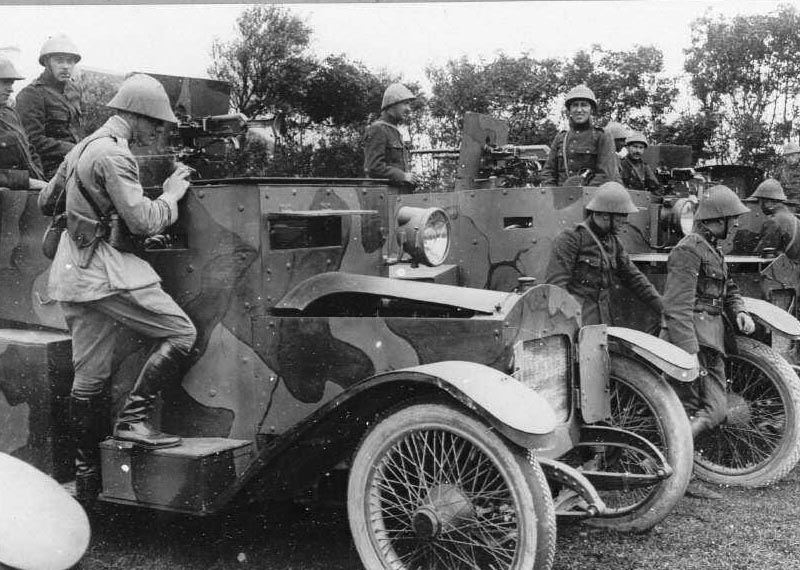
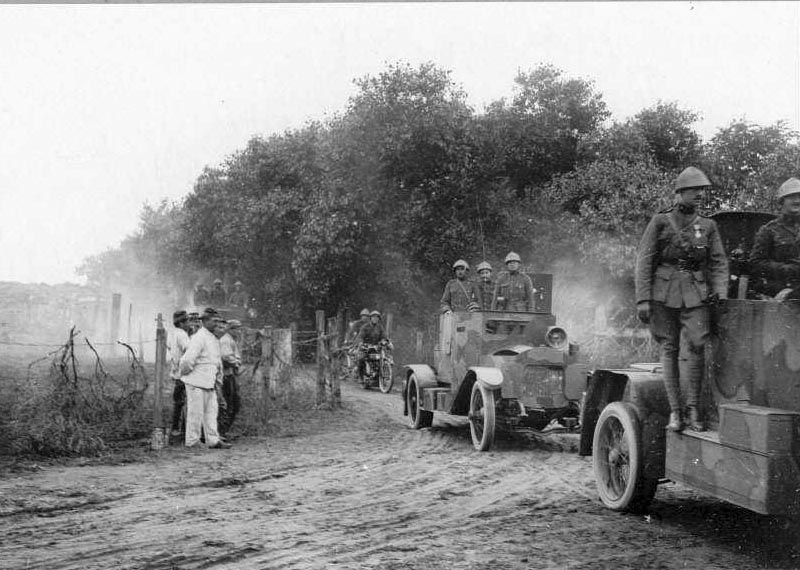
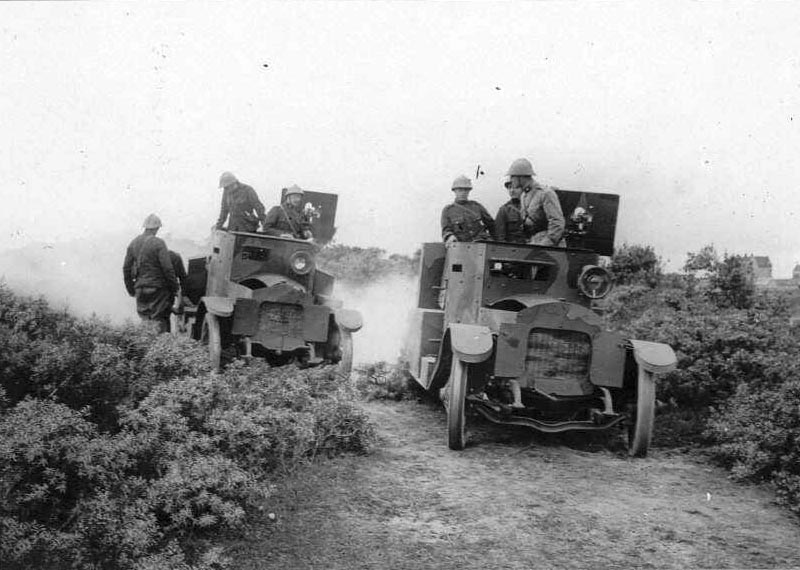
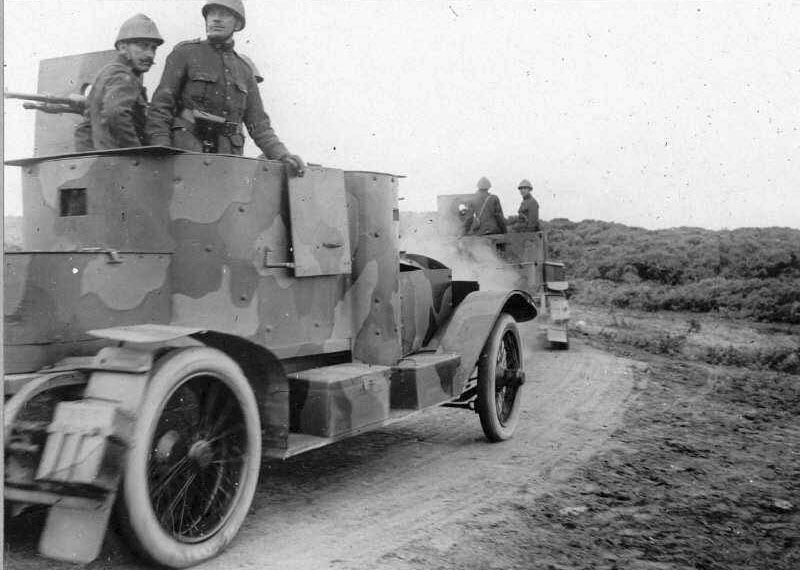
In 1914, the Minervas were probably grey. They bore the inscription MINERVA above the radiator, AUTO MITRAILLEUSE MINERVA N° on the side armor and MINERVA N° on the rear armor in white. Most of the Minerva didn’t show their car number although they had one administratively (see list of November 02, 1914 above), probably for reason of crews protection, and other had their inscription scrapped by censors. We know photos of Minervas No. 4,5,6,7 and 8. Note that other armored cars had their number, for example there was no Minerva No. 1 (No. 1 was for the Benz armored car), and No.3 (No. 3 was for a SAVA). Only one Minerva is known to have a name « lions of Flanders ». From 1916 on, some of the Minervas were camouflaged in three colors (classic ochre, brown, green with outlines in black), at least the Cavalry Division ones.
WWI Minervas artistic views
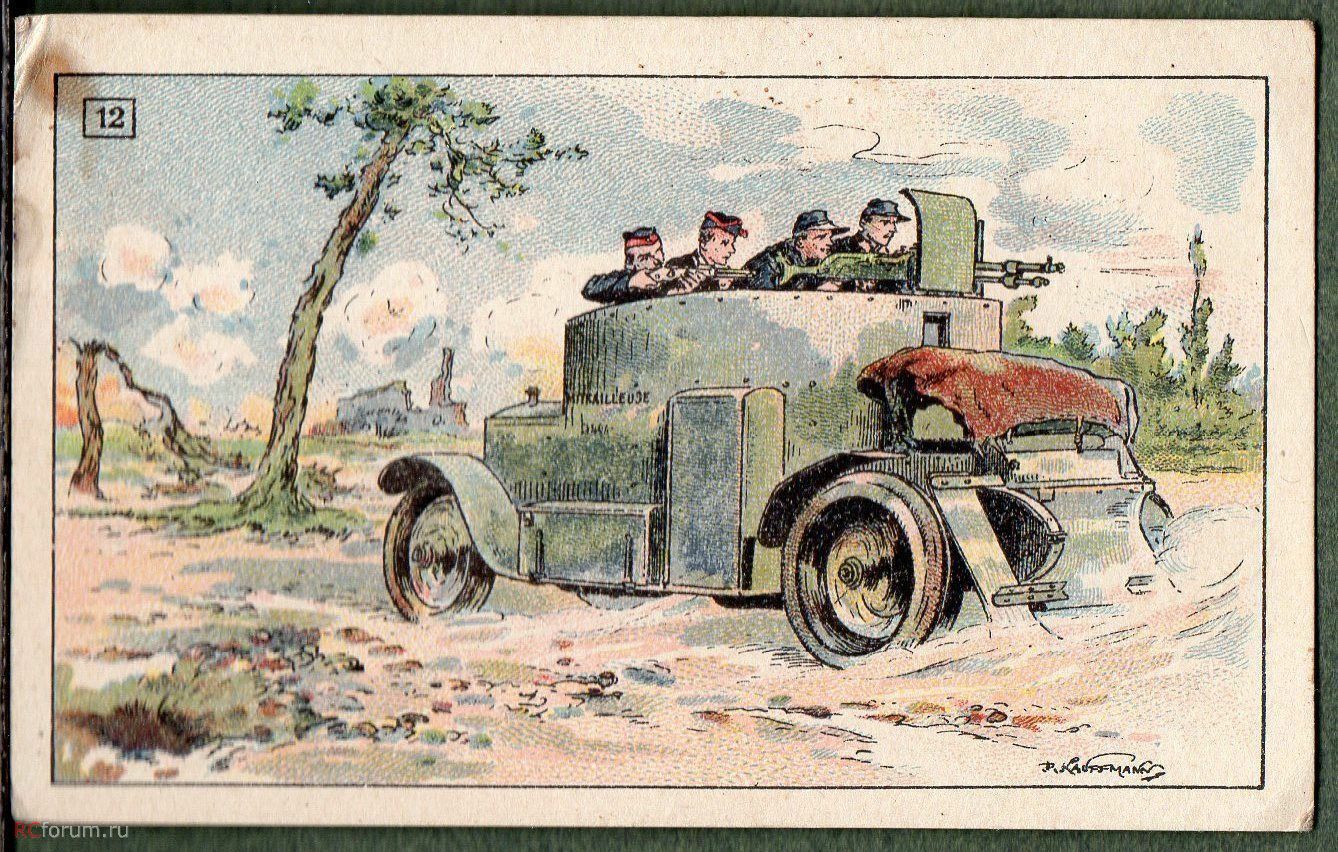
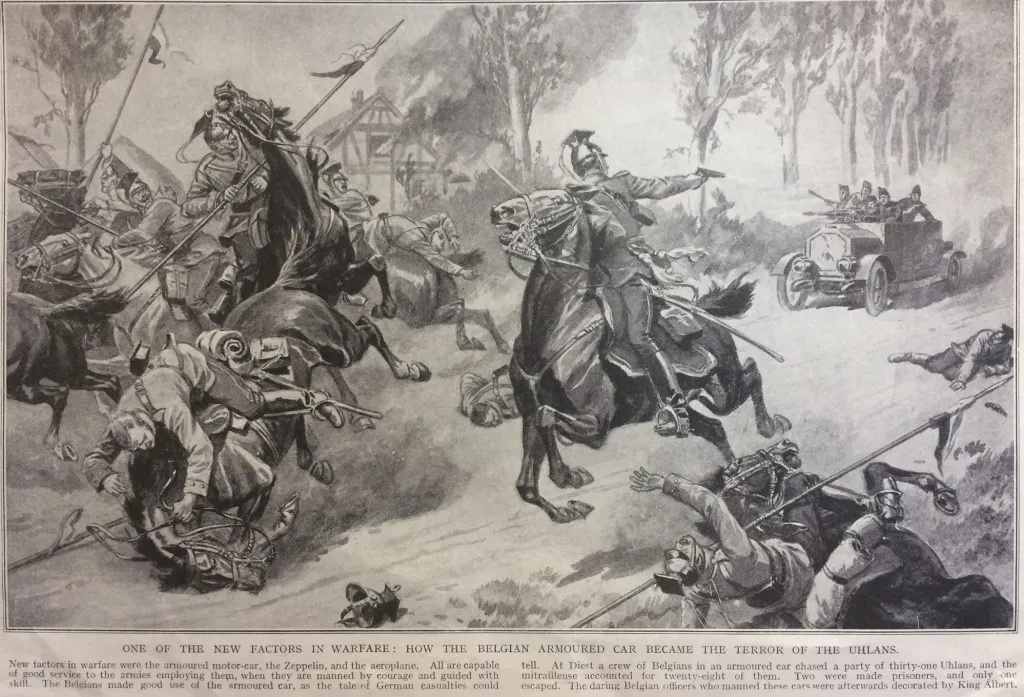
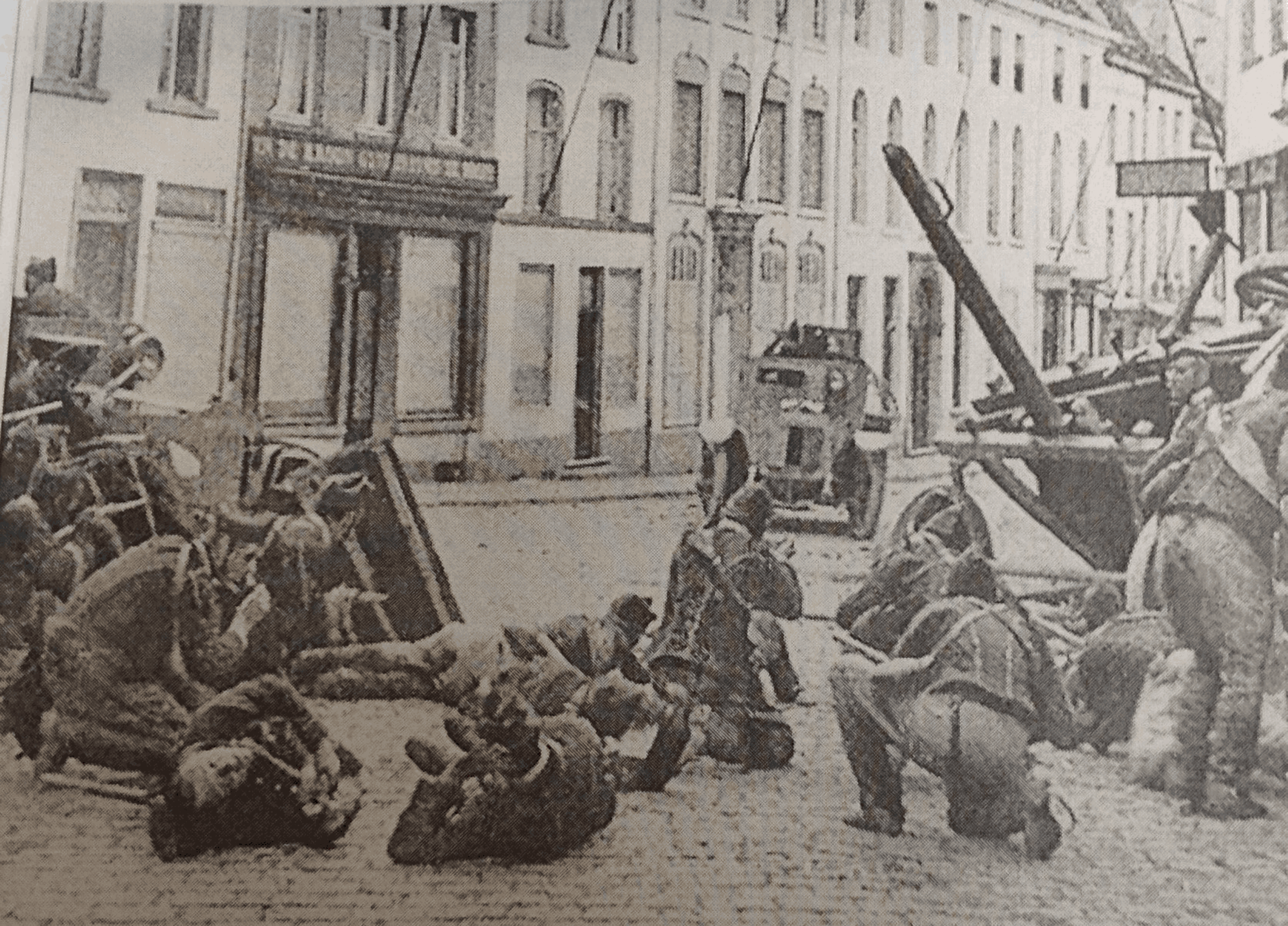
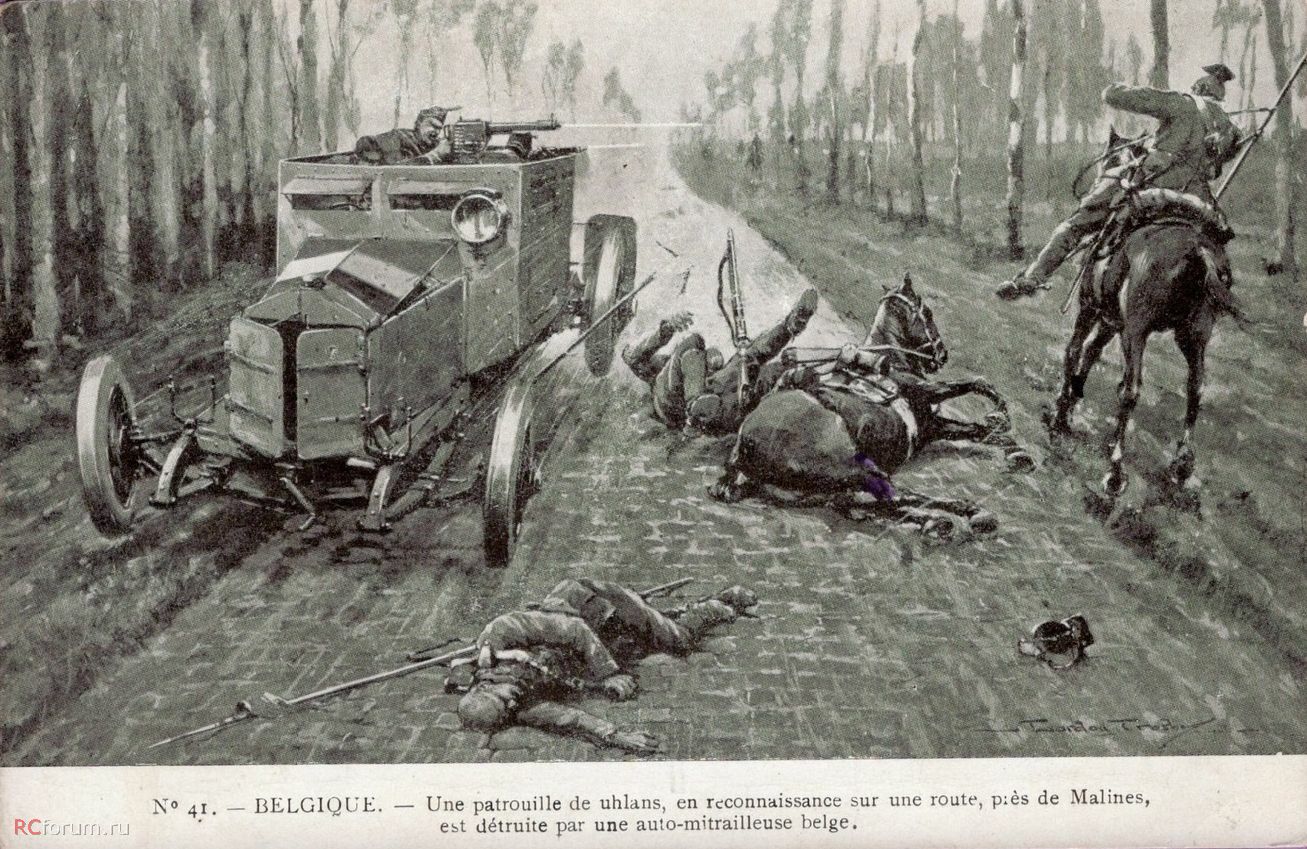
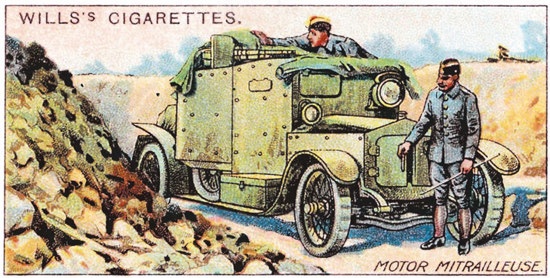
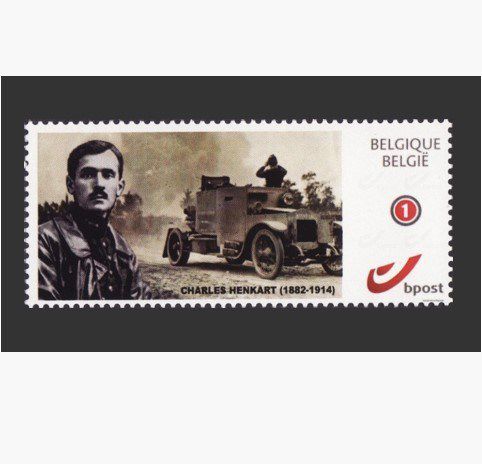
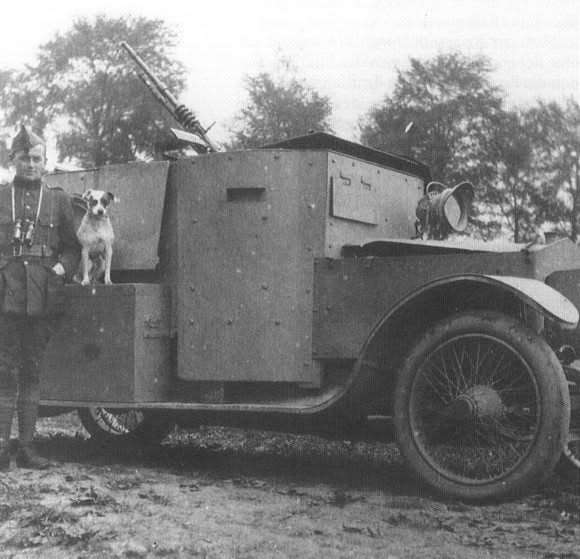
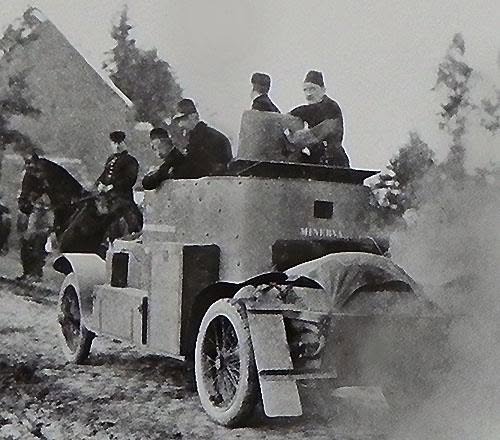
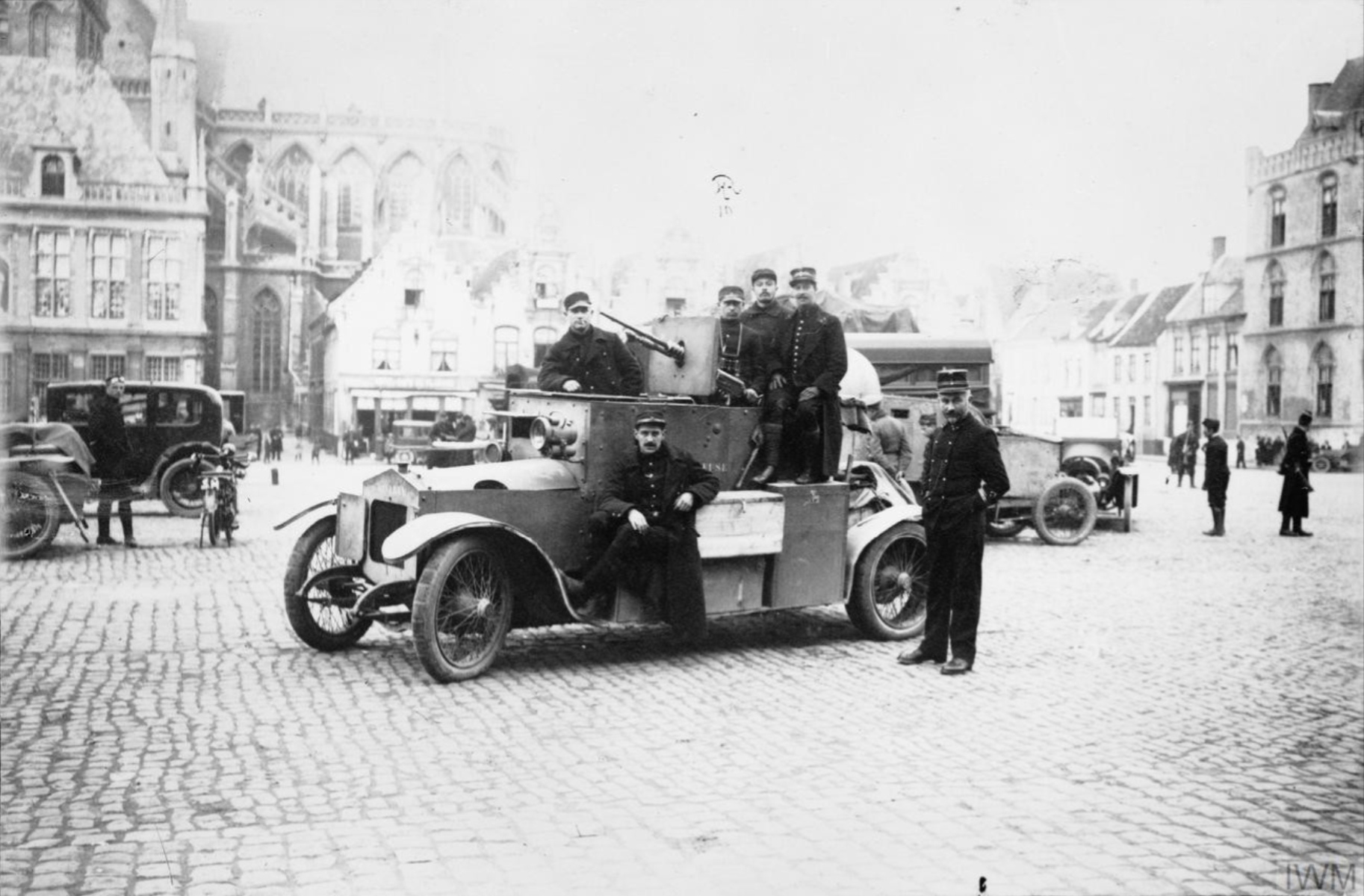
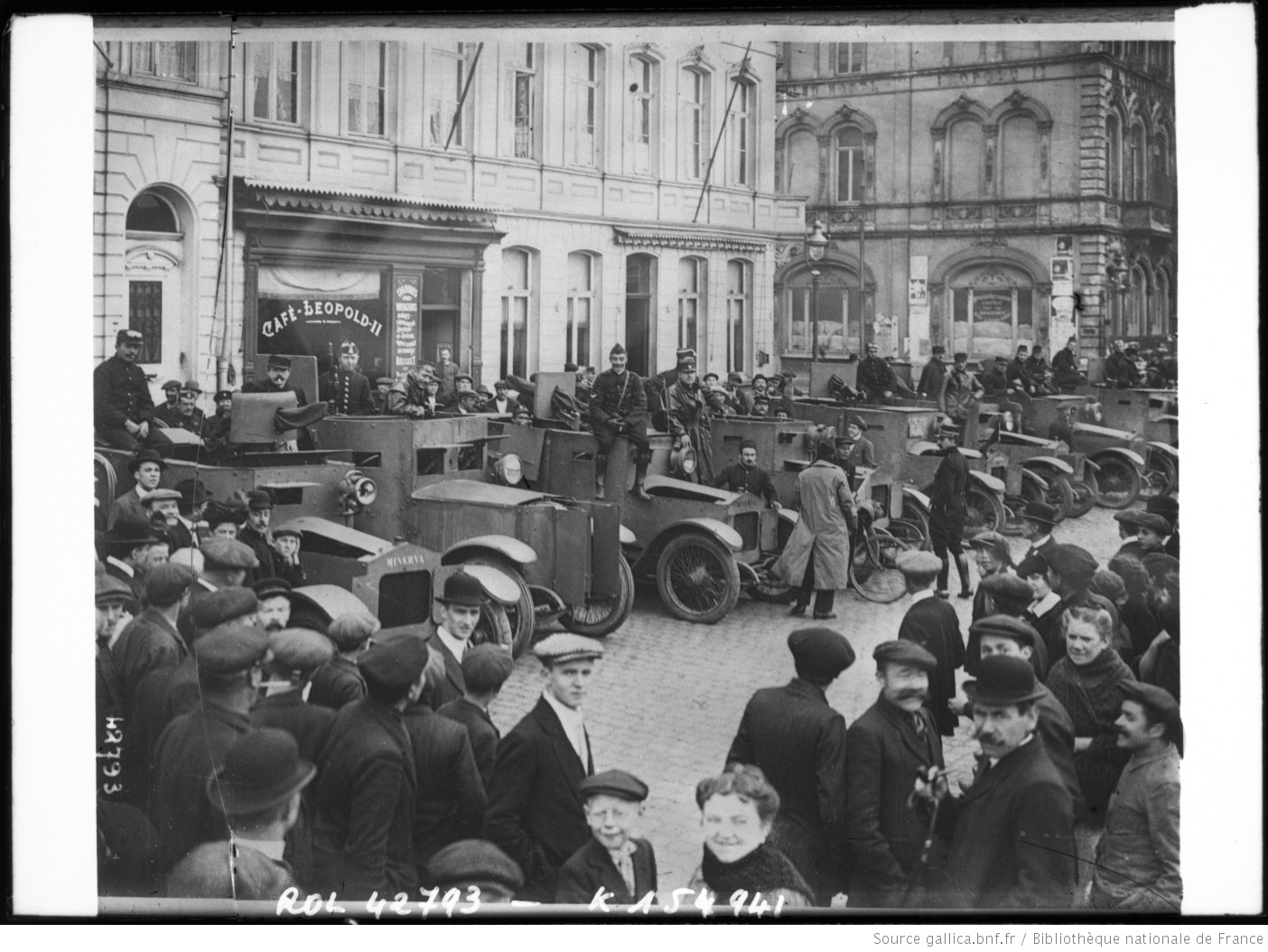
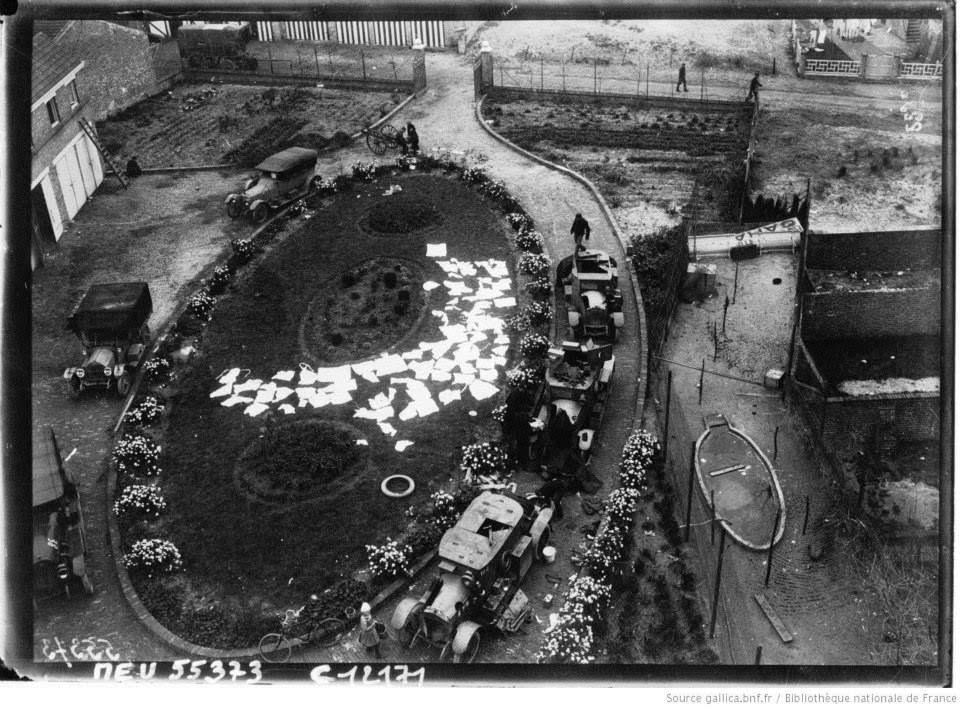
WWI Minervas with early armor and no roof protection plates
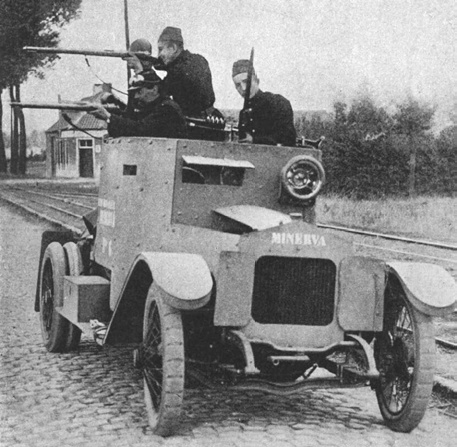
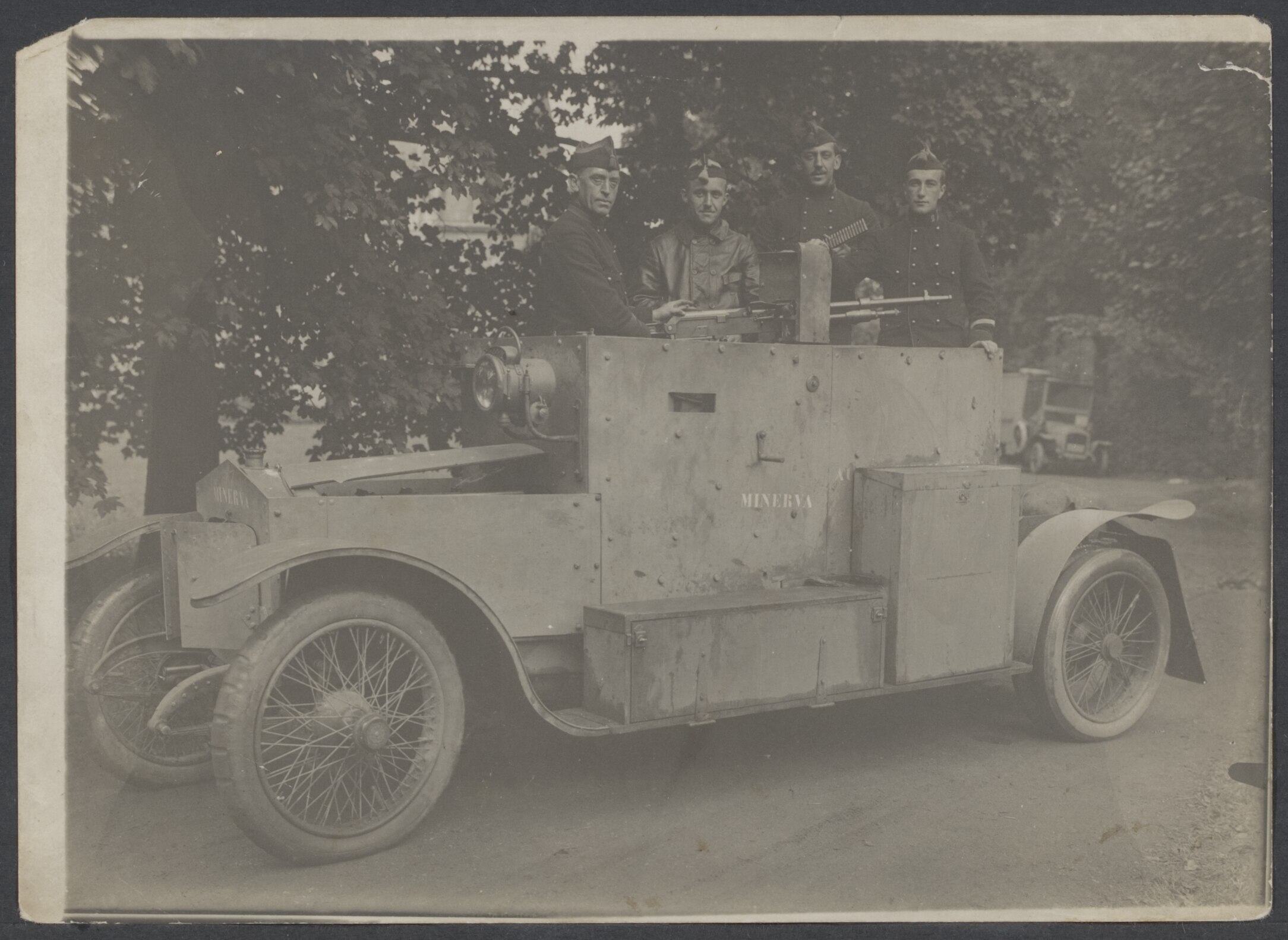
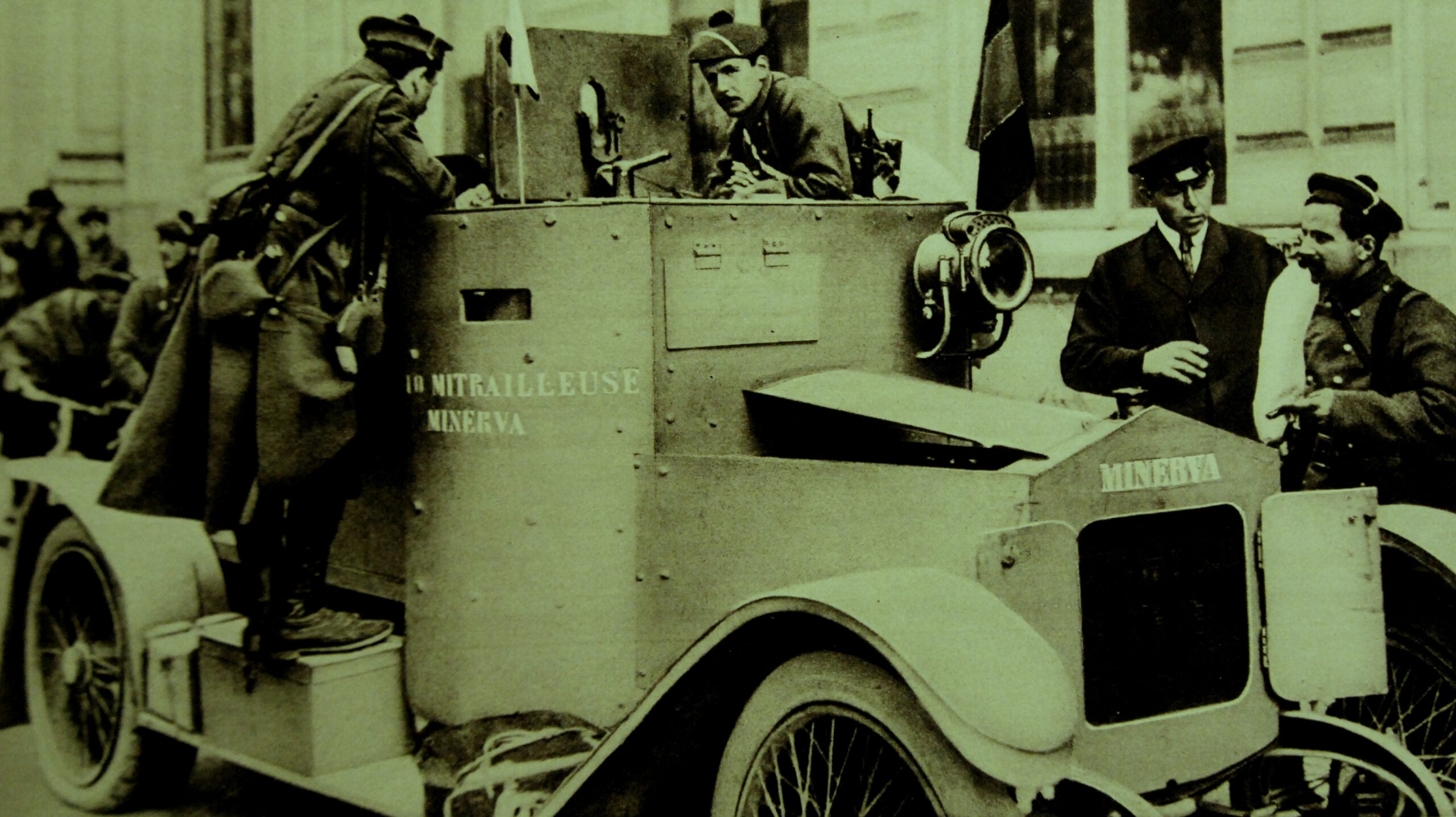
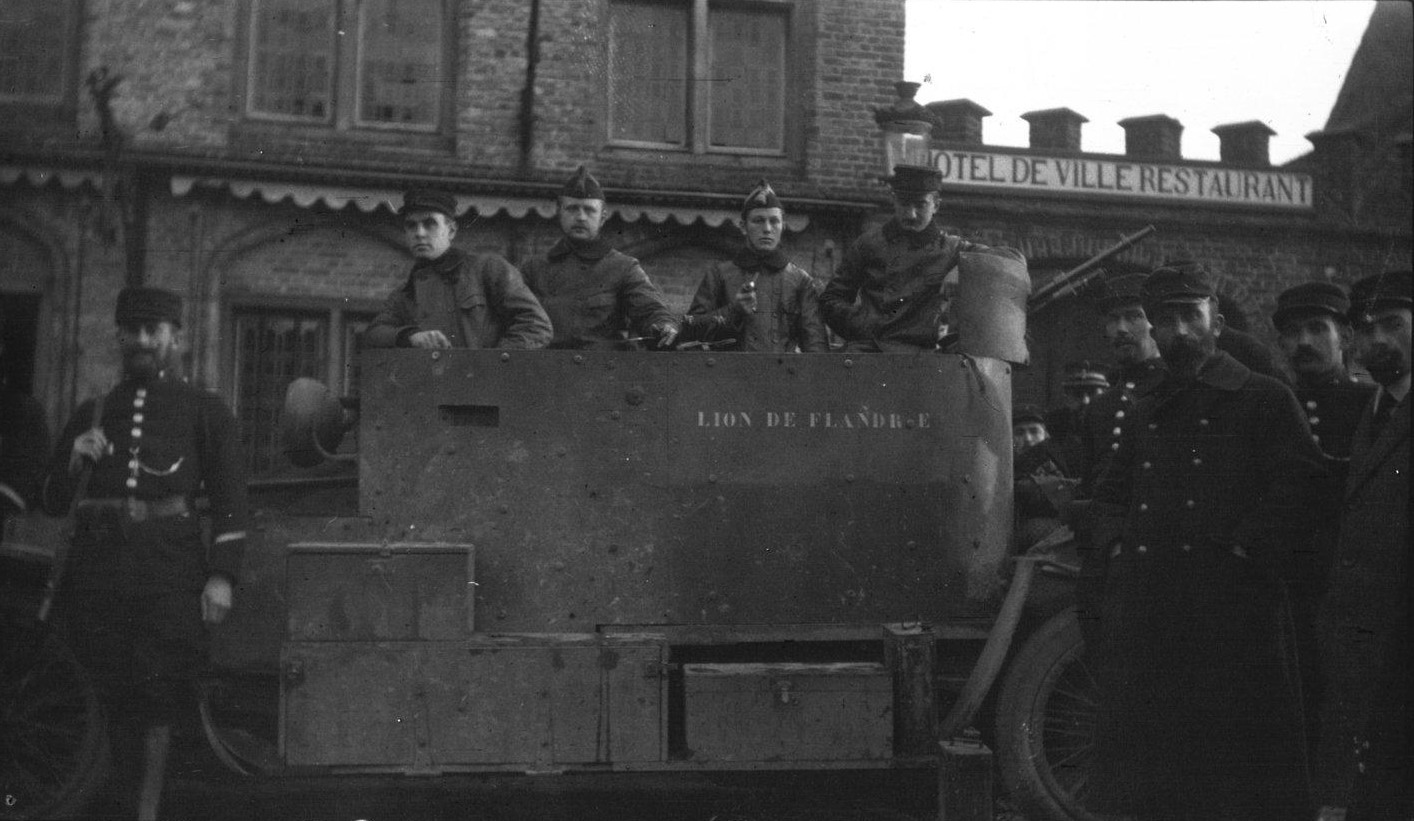
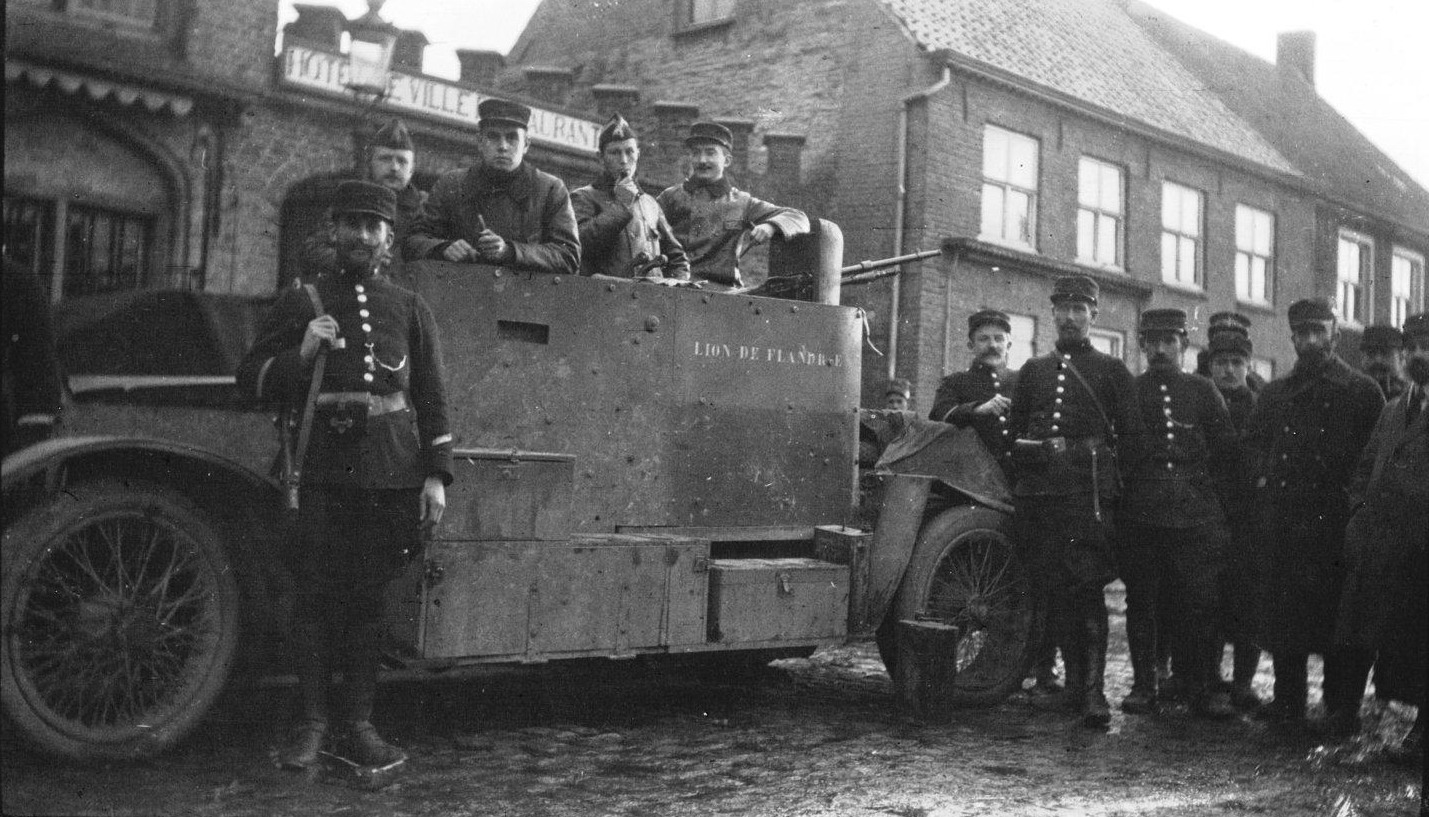
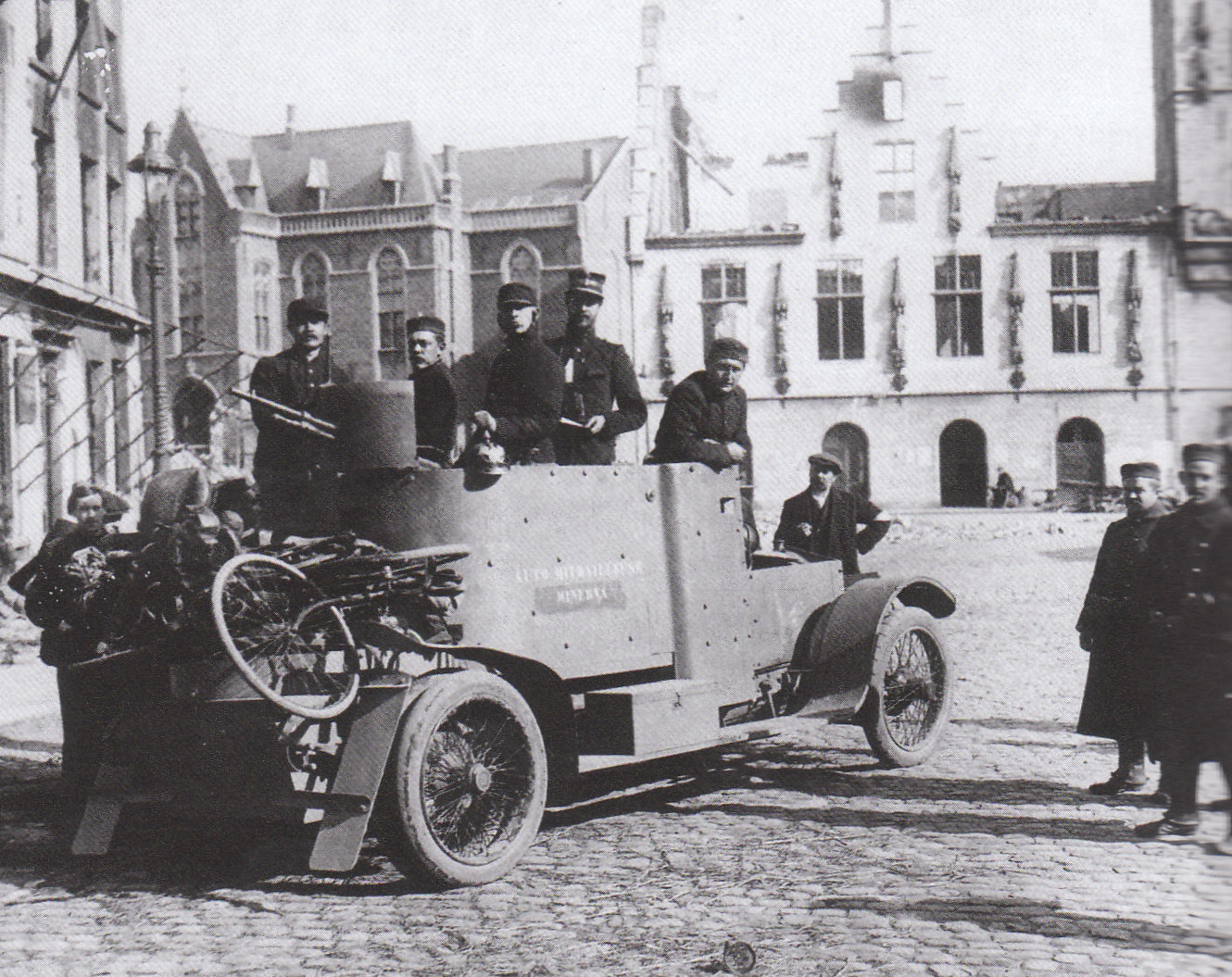
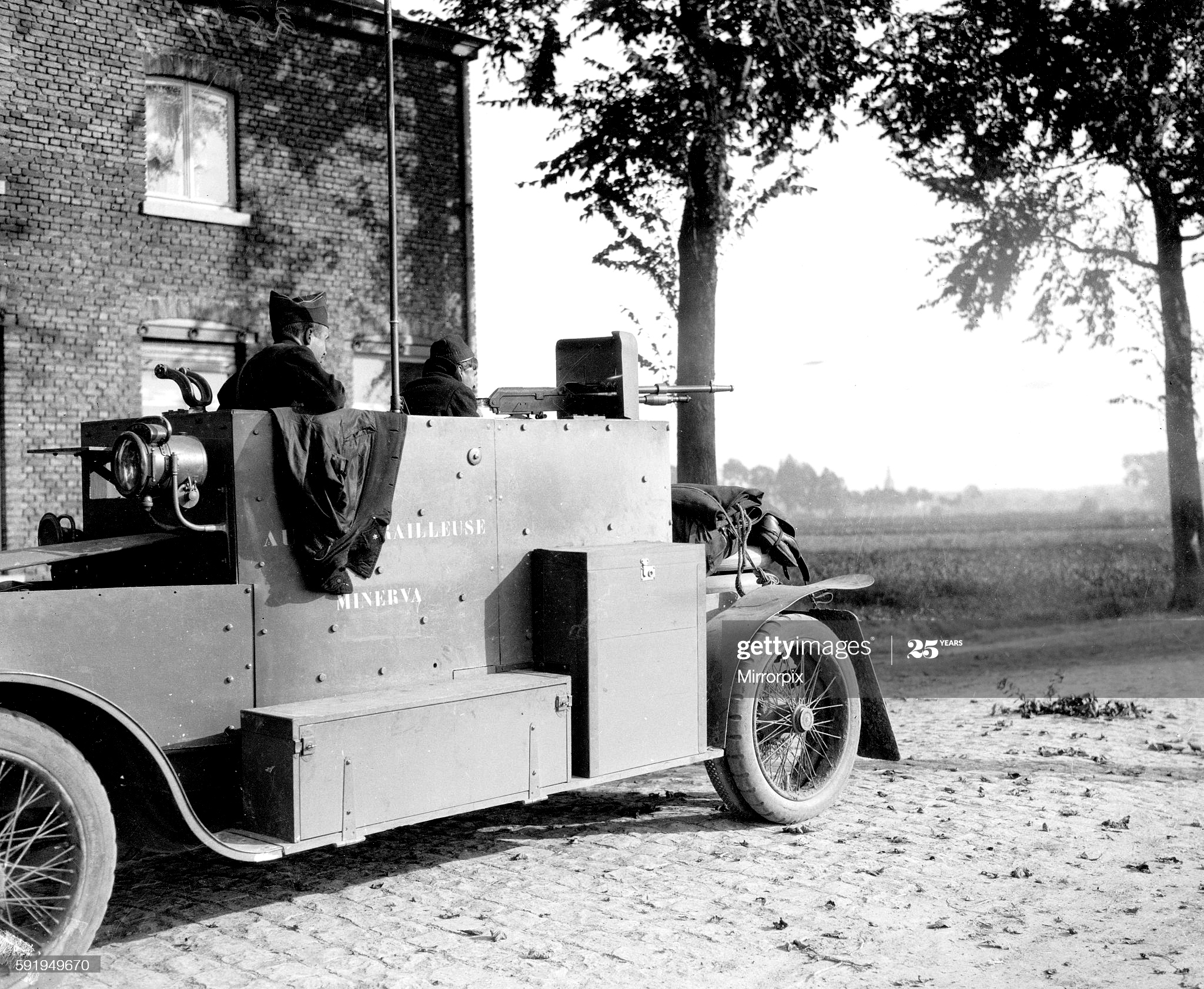
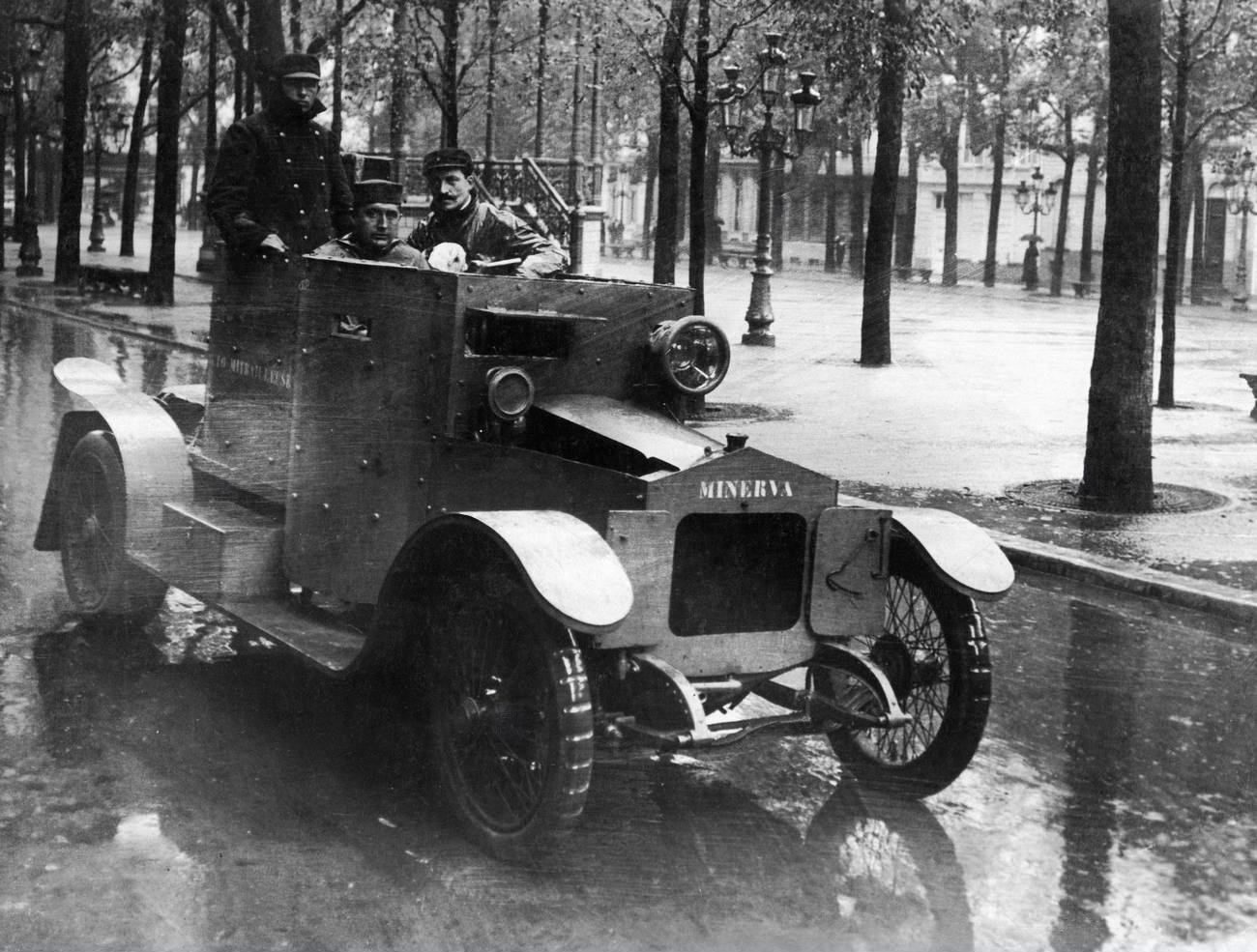
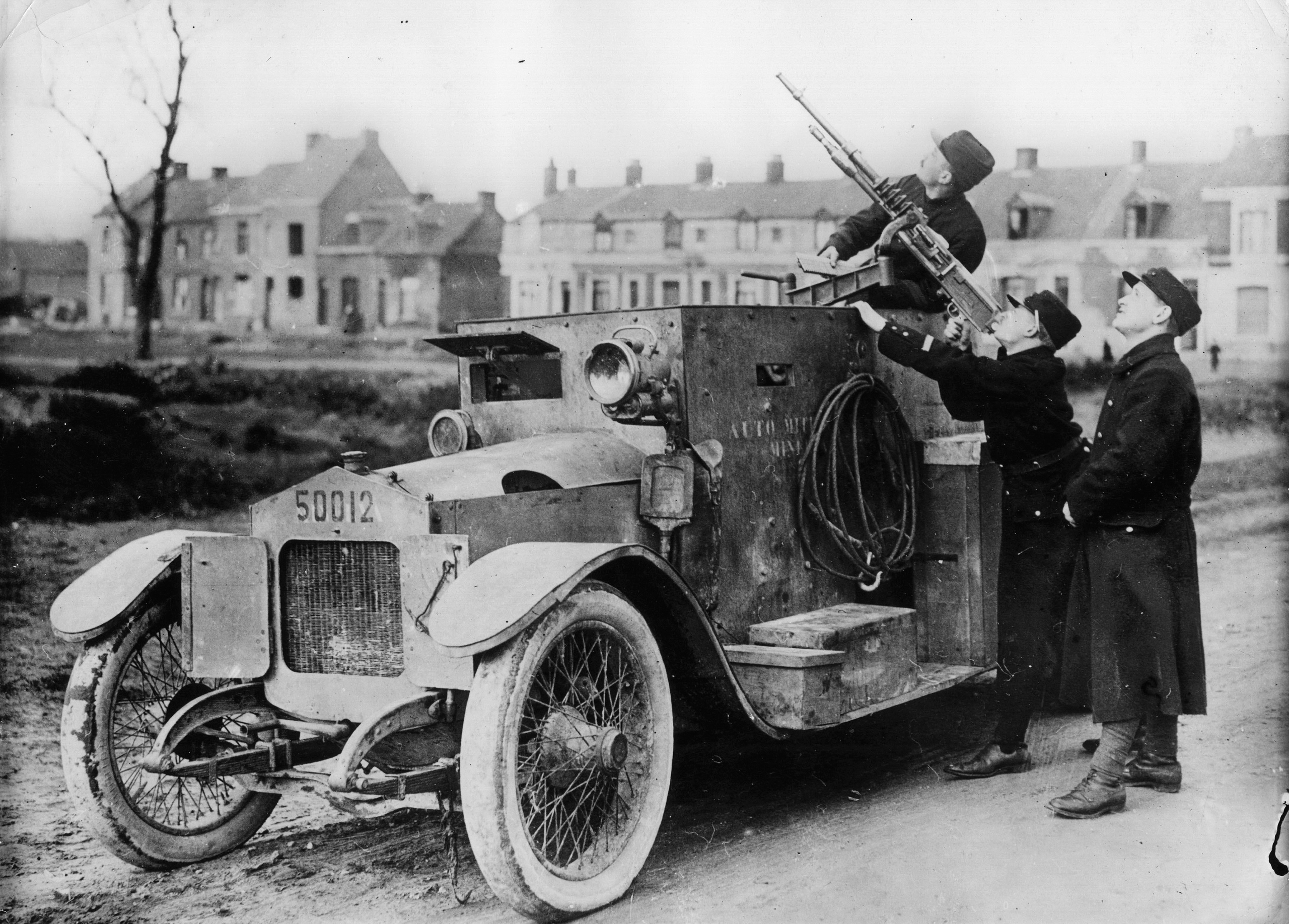
WWI Minervas standard armor with roof protection plates
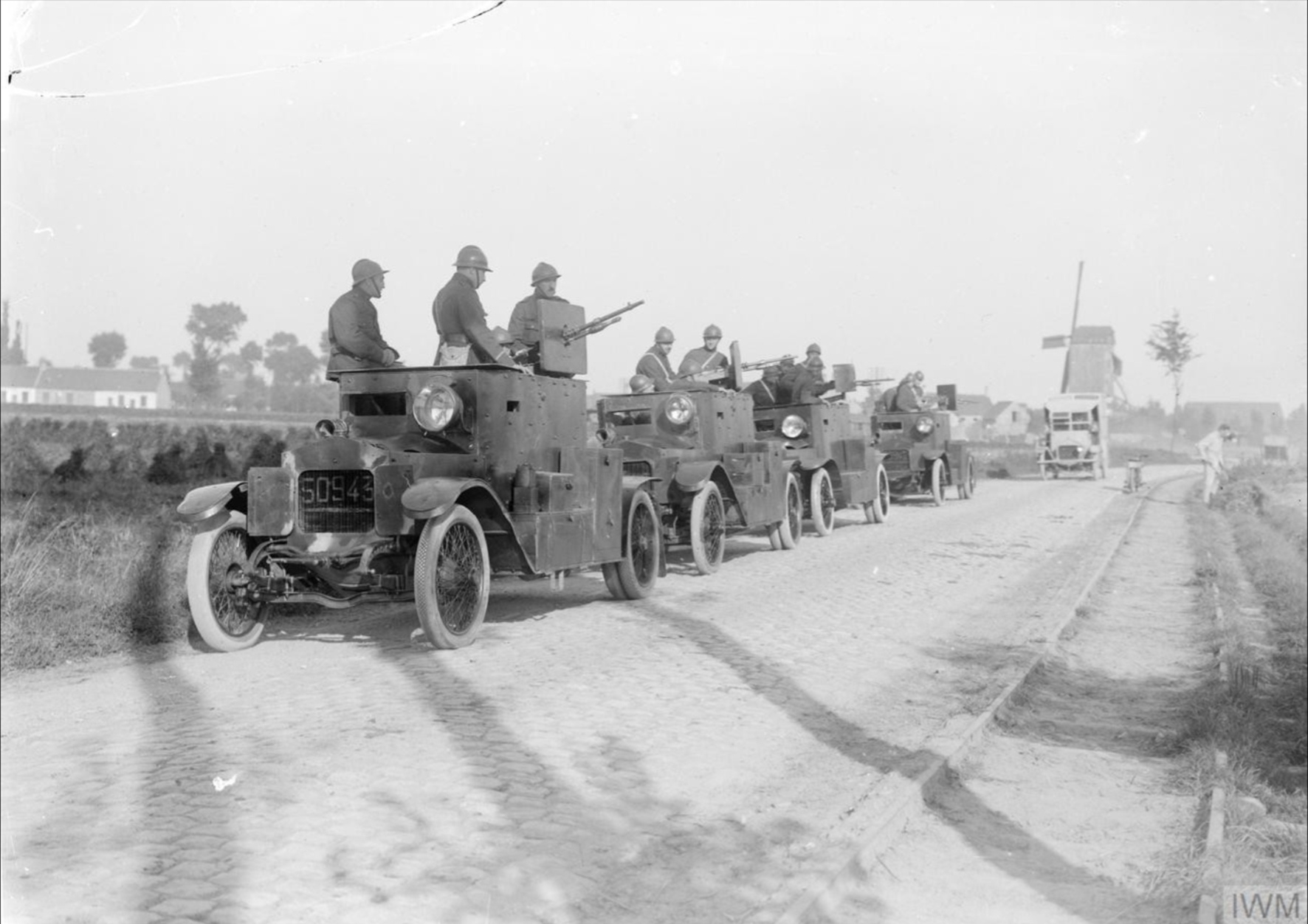
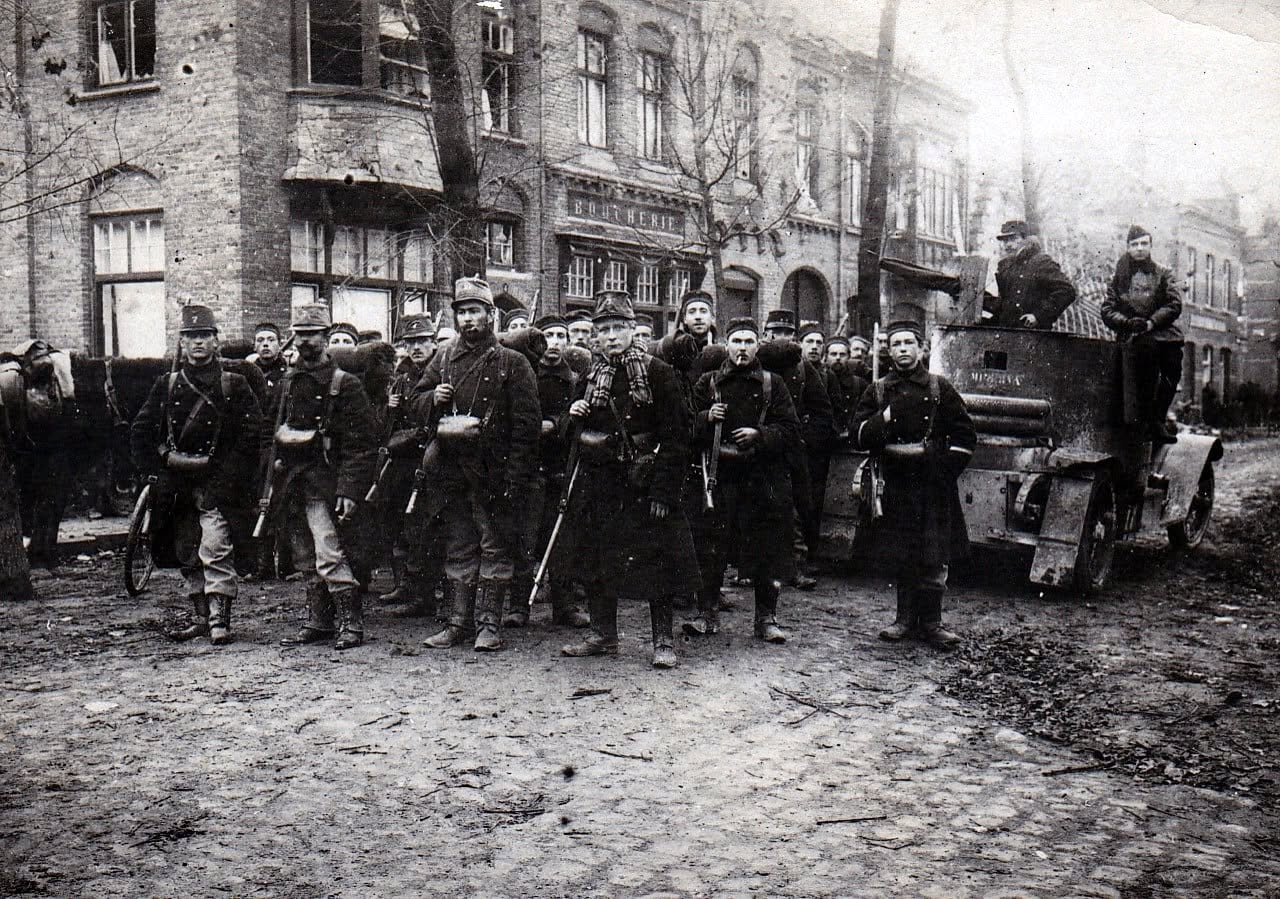
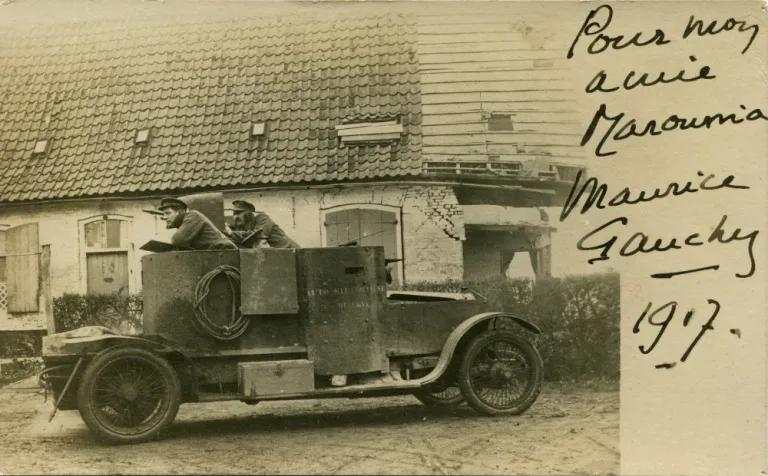
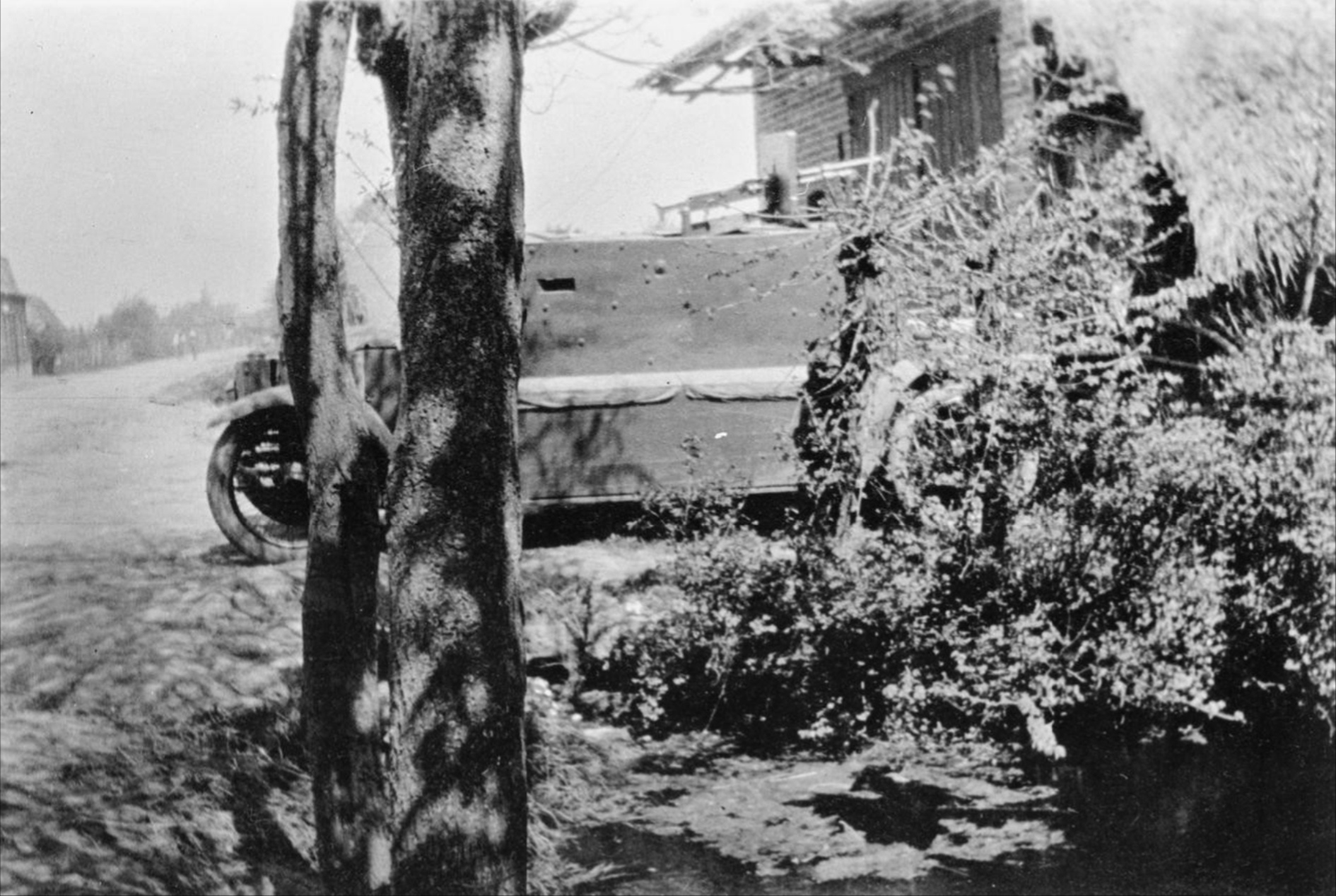
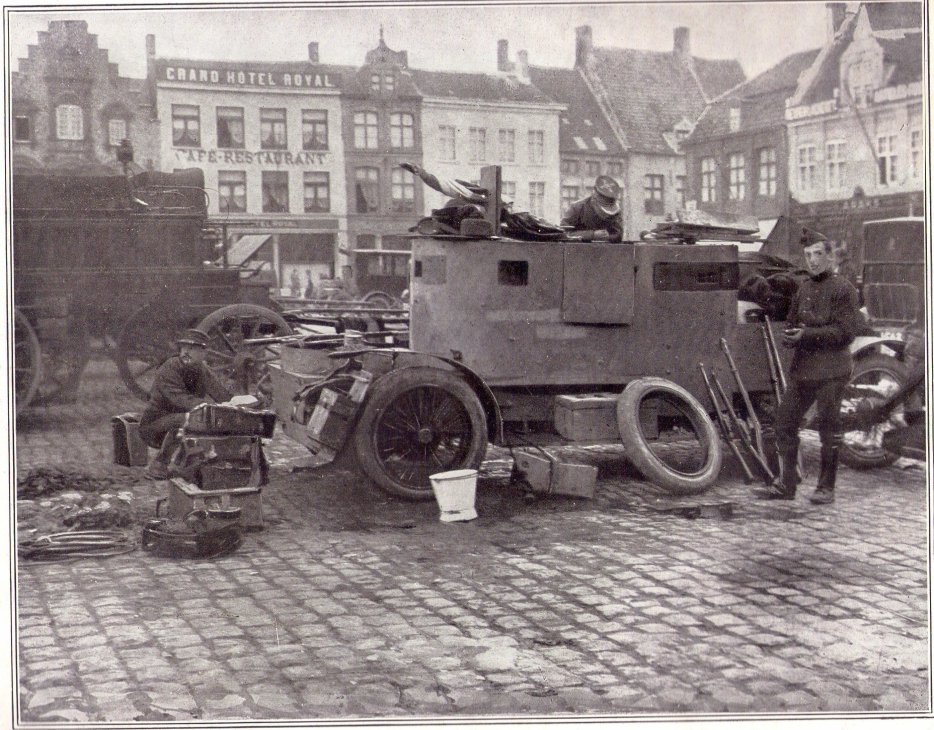
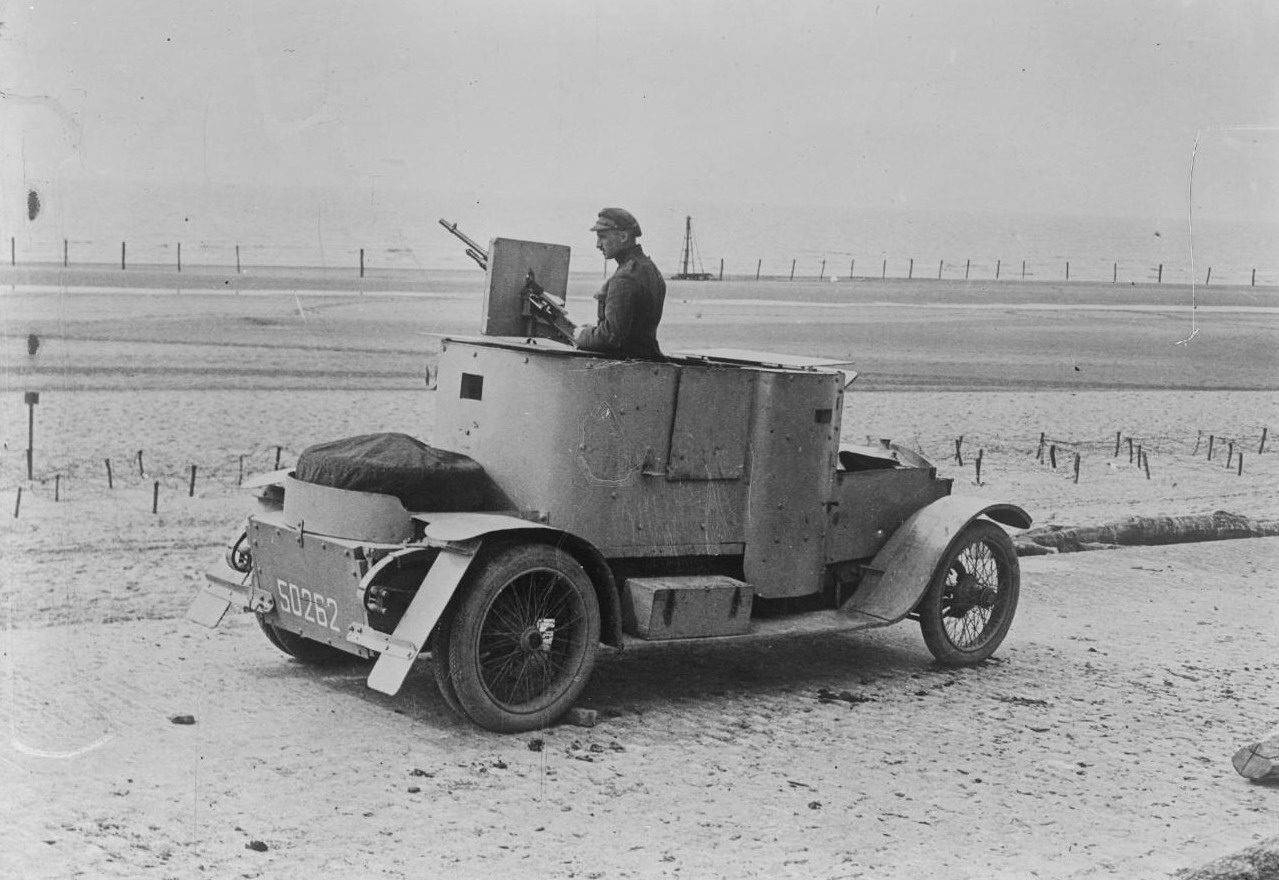
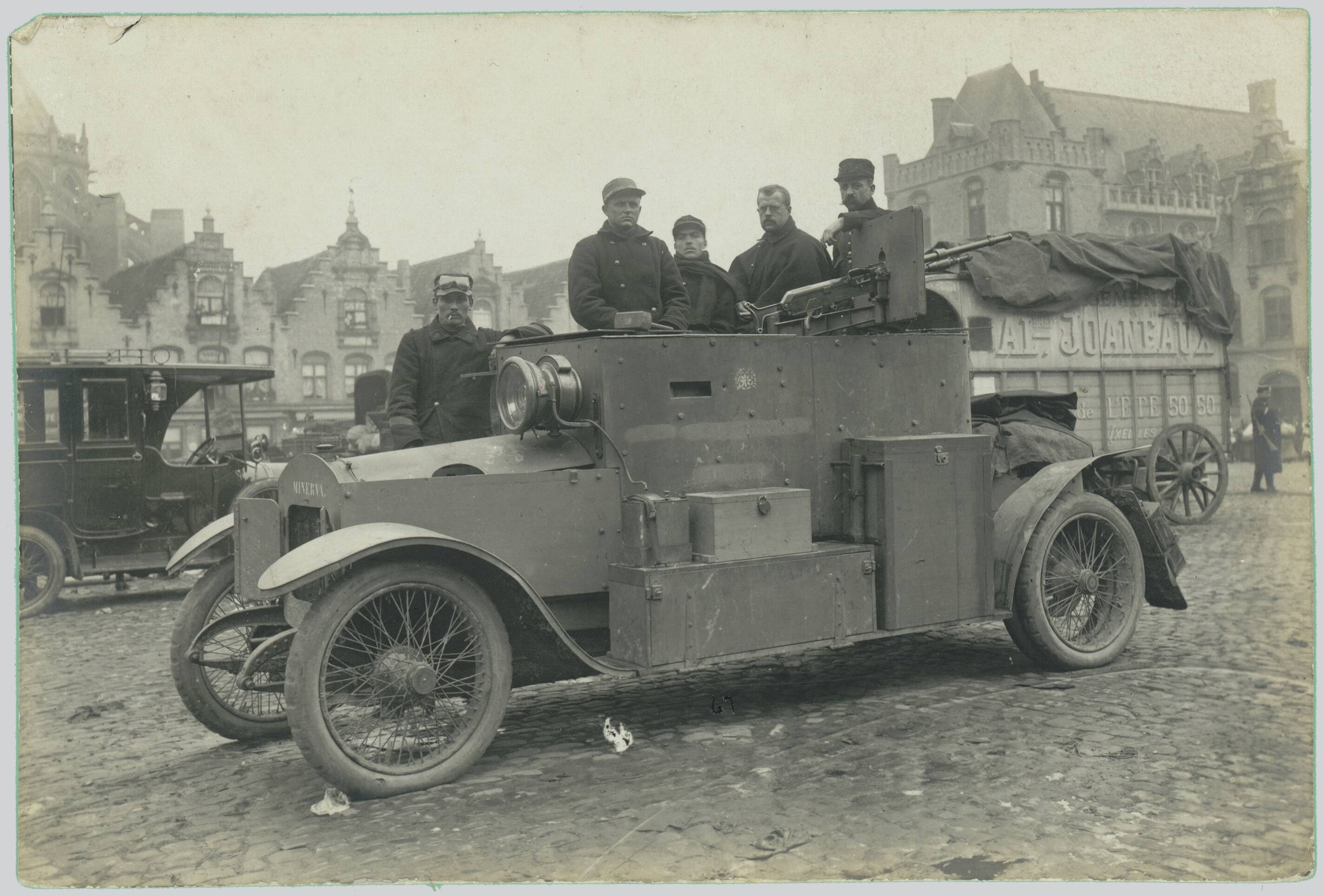
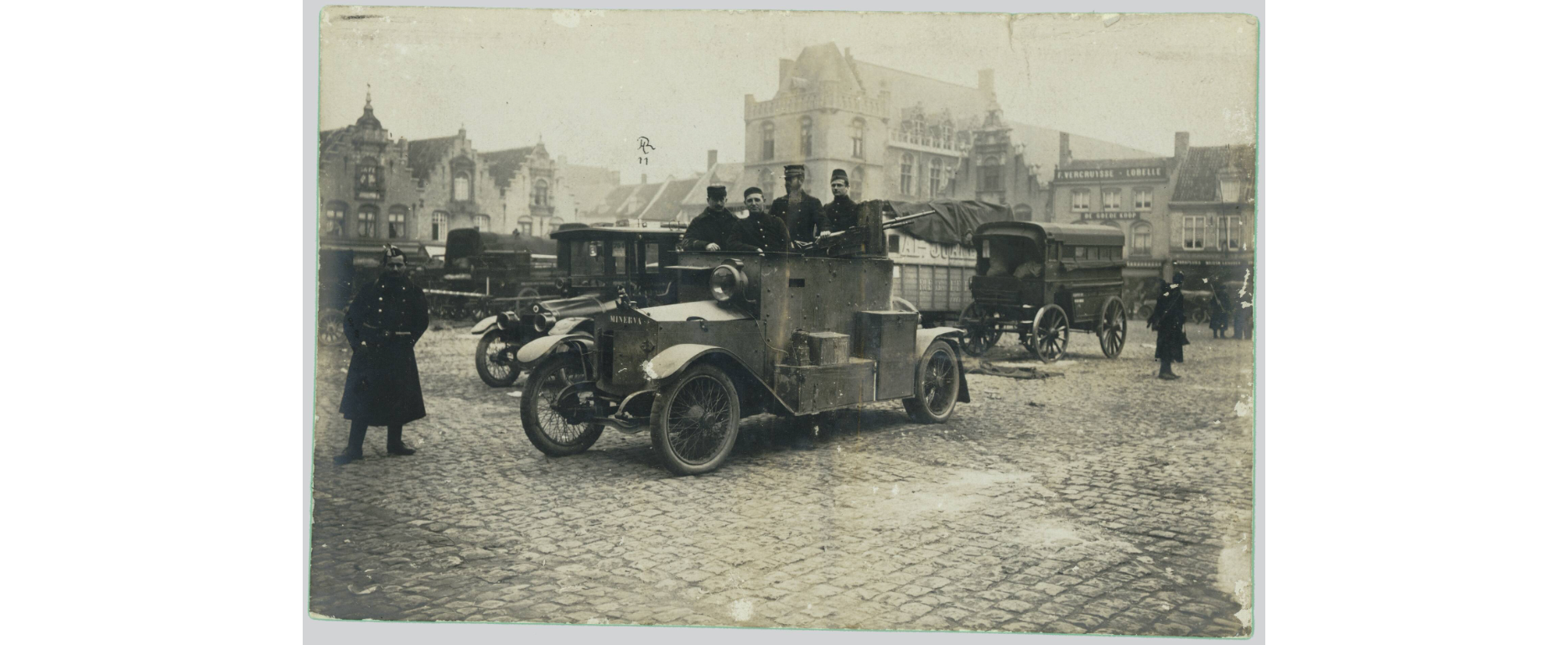
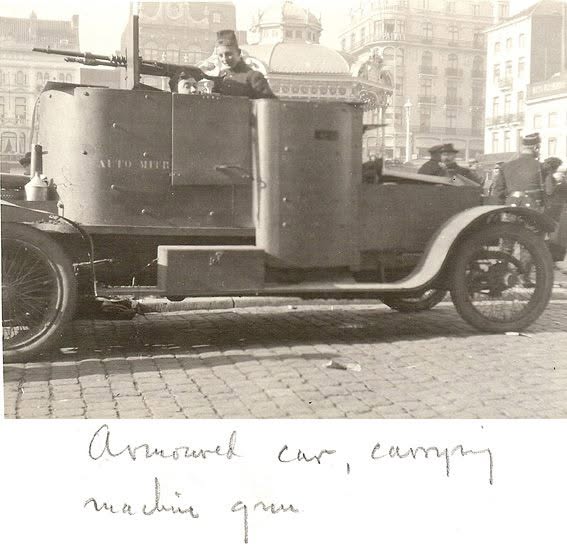
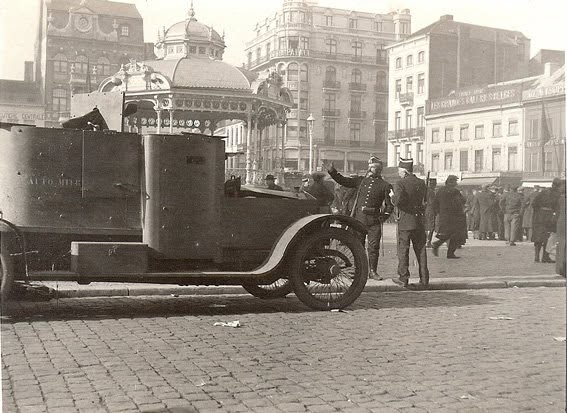
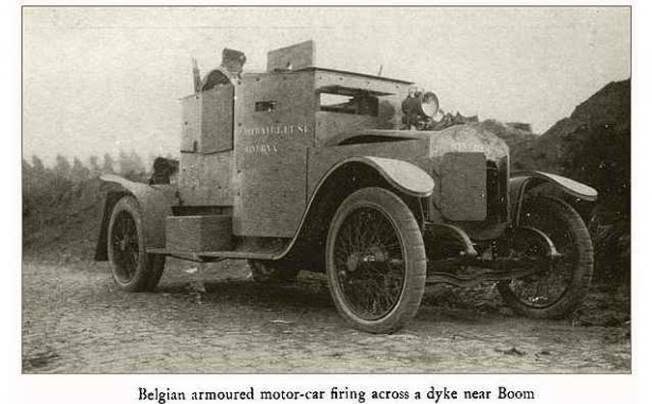
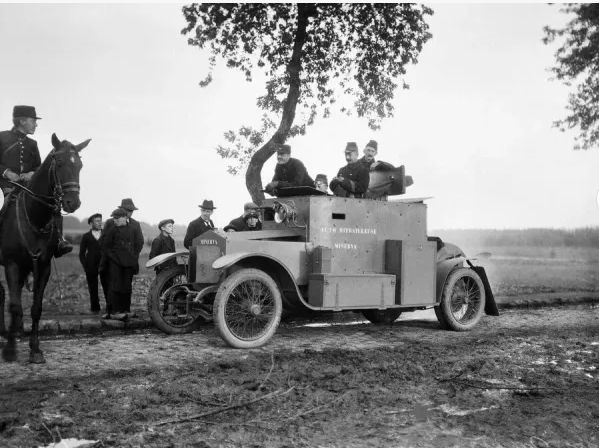
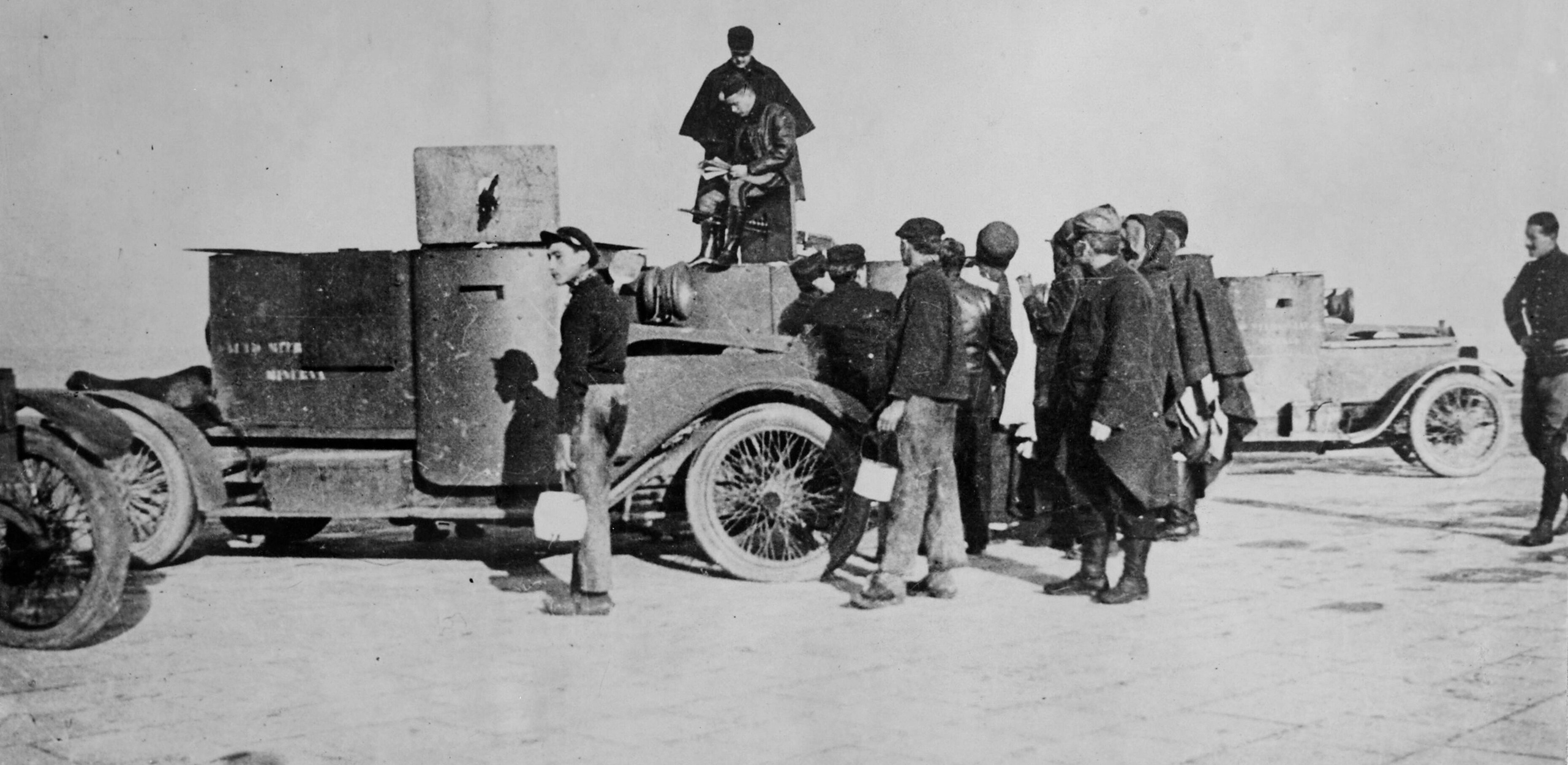
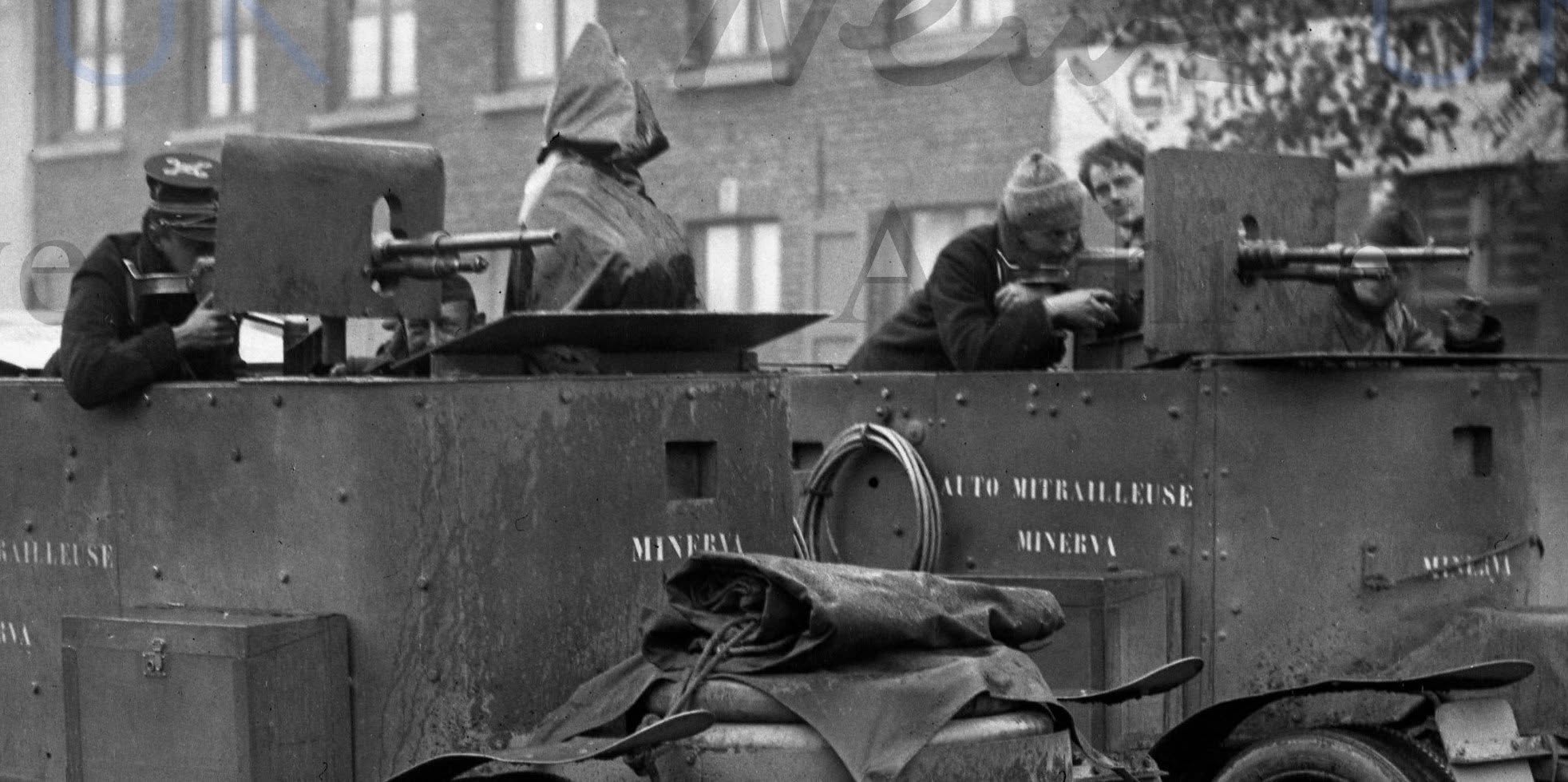
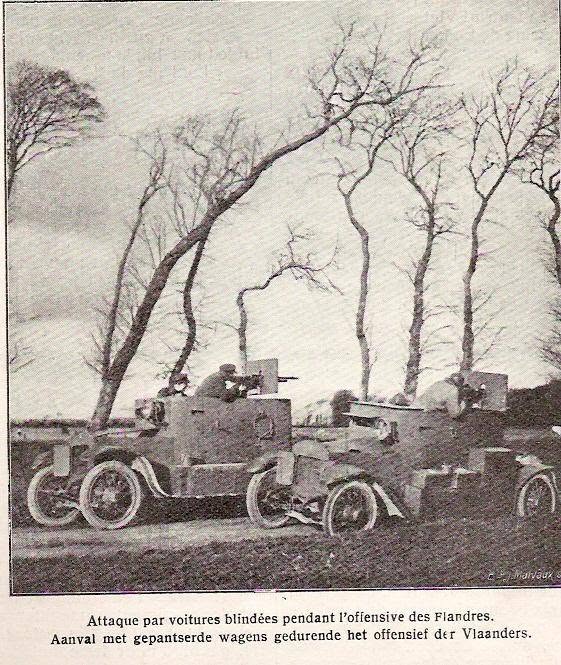
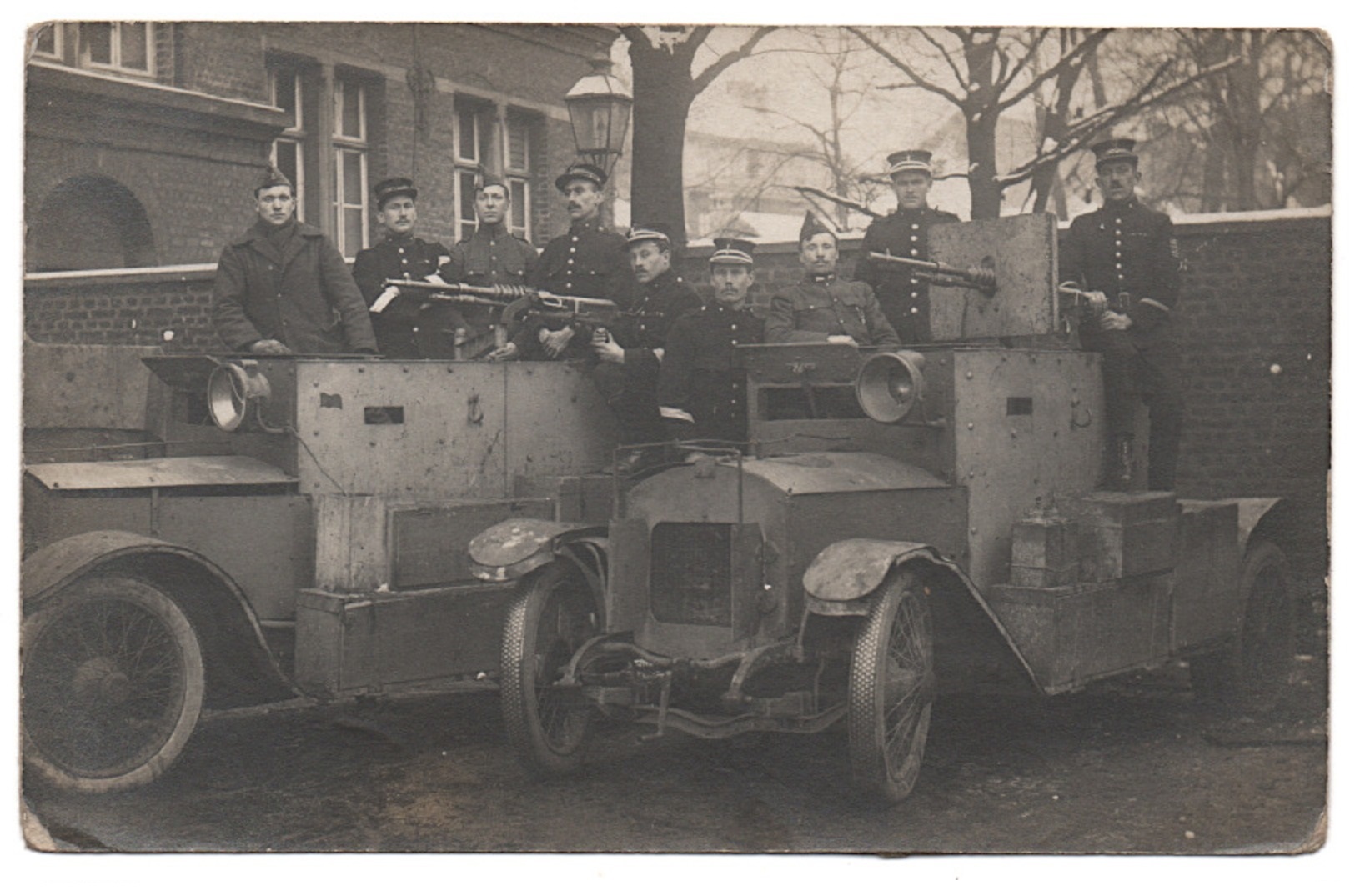
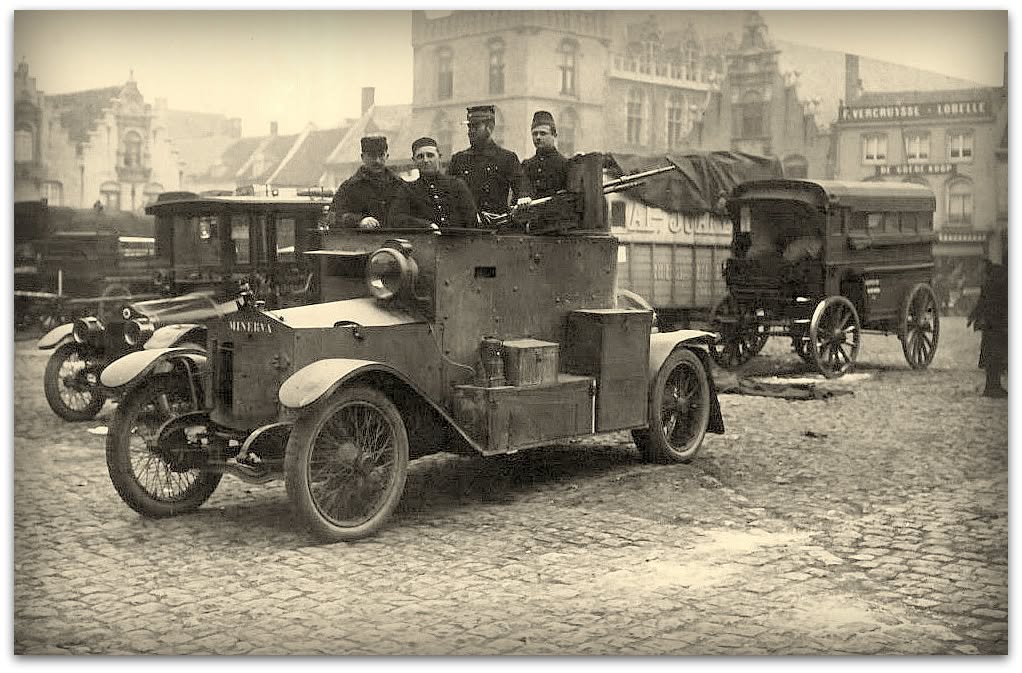
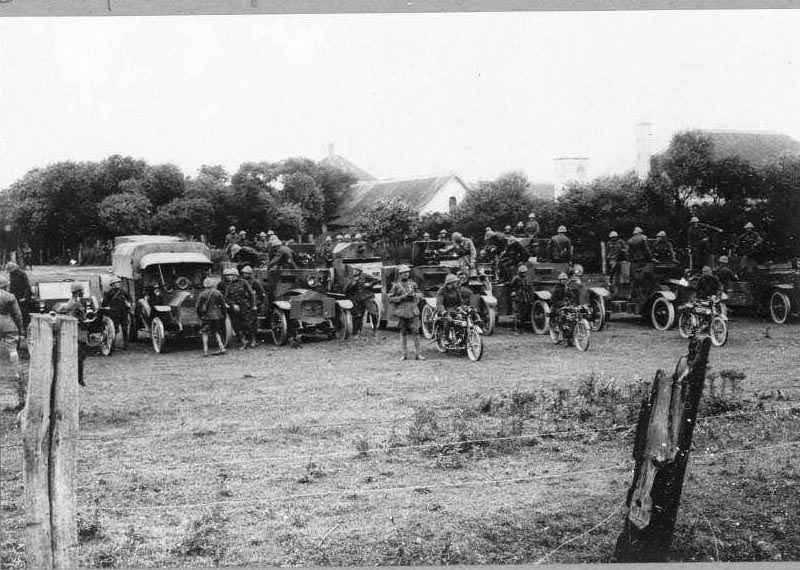
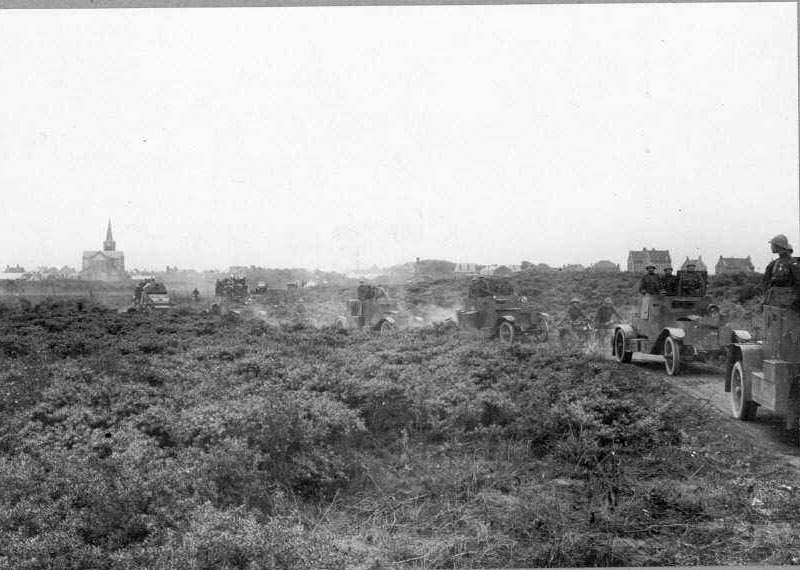
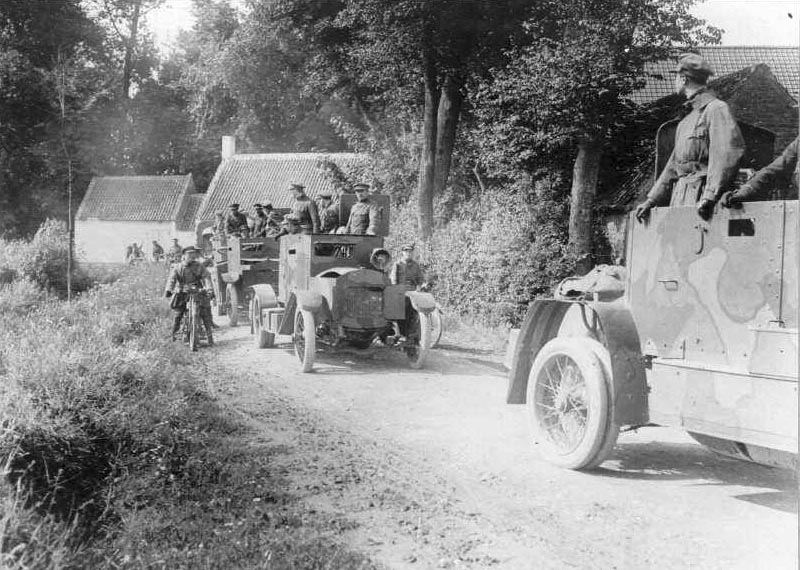
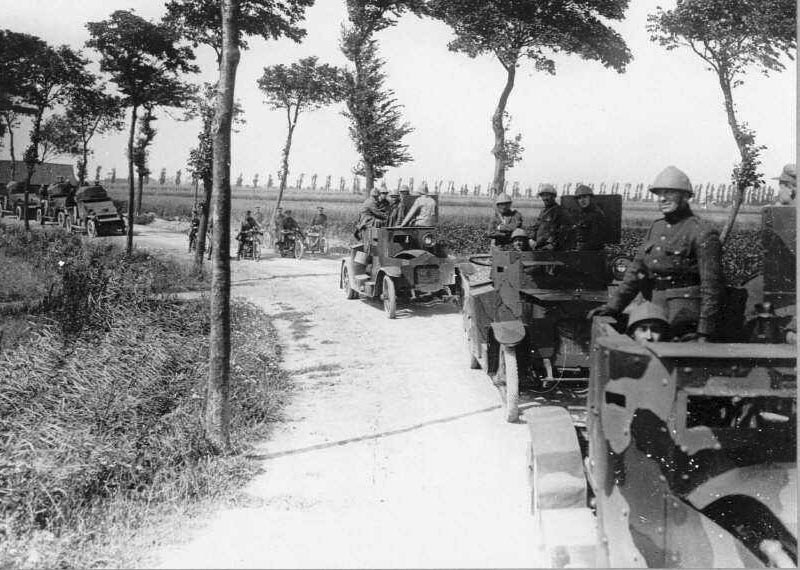
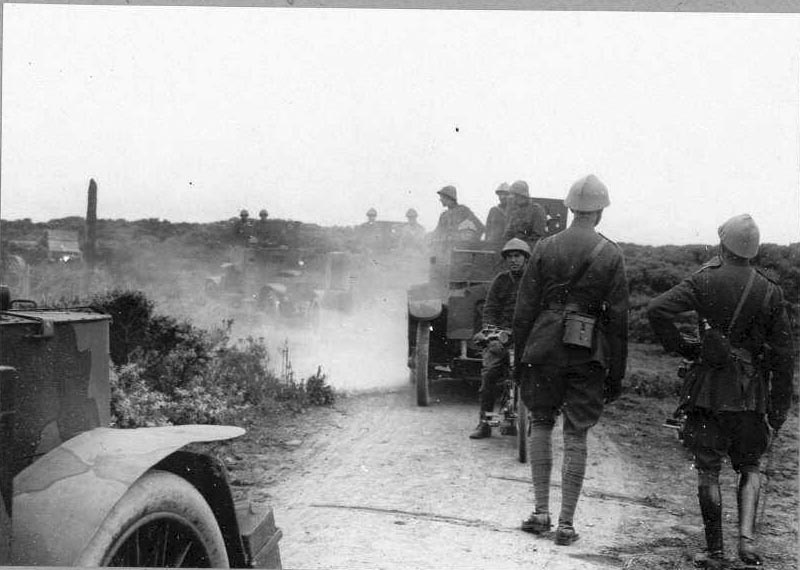
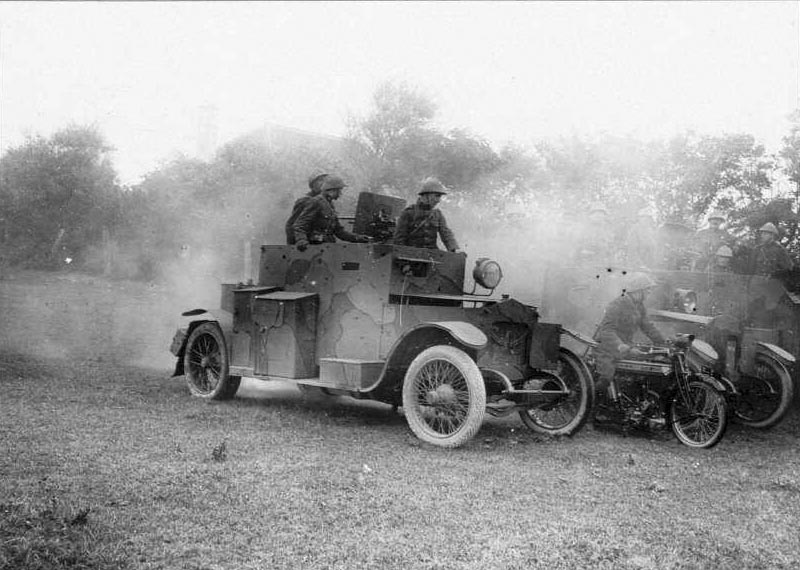
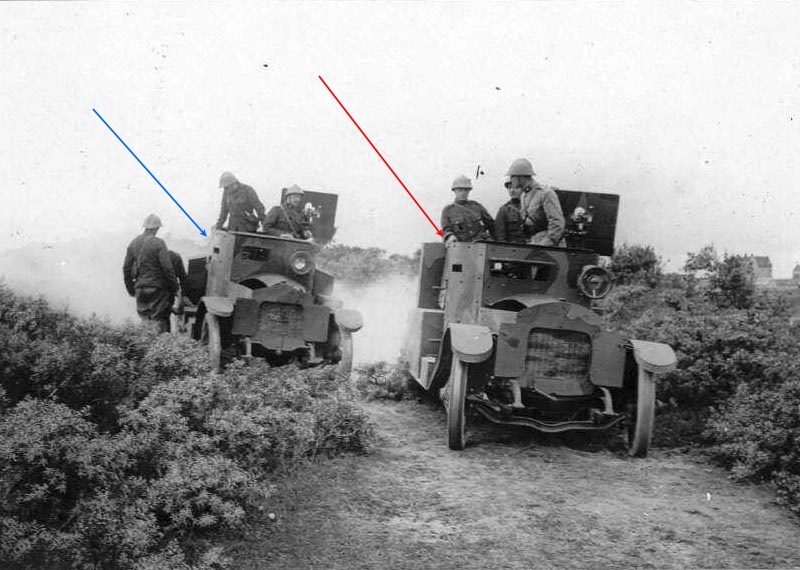
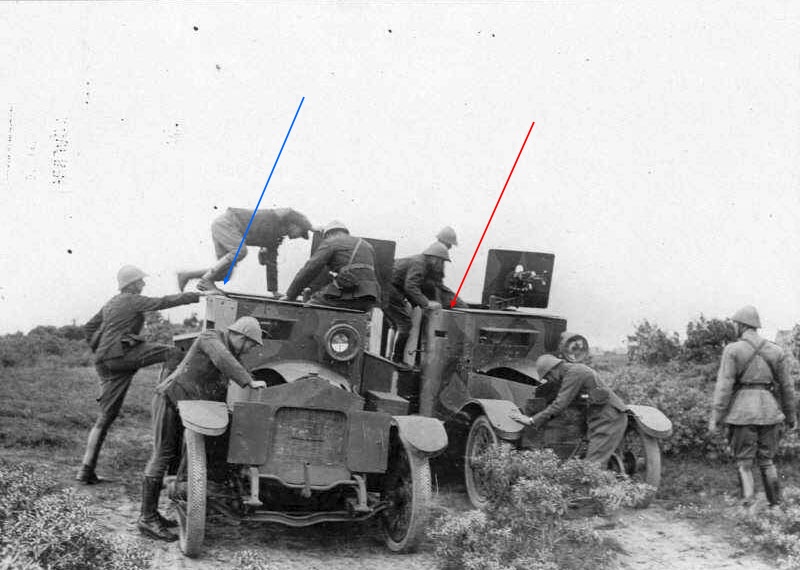
Cavalry Division Minervas during maneuvers 1916
There is an exceptional serie of photos taken probably in 1916 on the North Sea coast, showing maneuvers of the armored car and gun group from the Cavalry Divisions headquarters. Here we can see the 1st Escadrille with its 4 Minervas see also https://warcars.net/belgian-armored-cars-during-wwi/
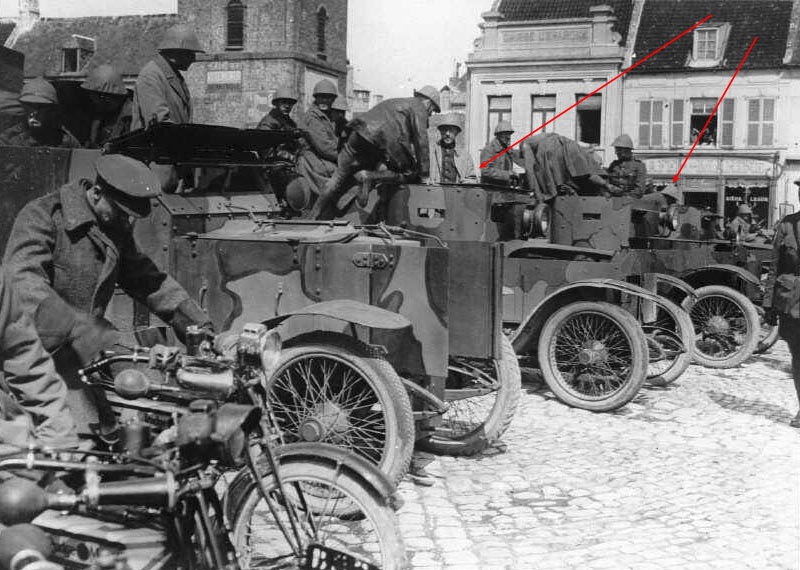
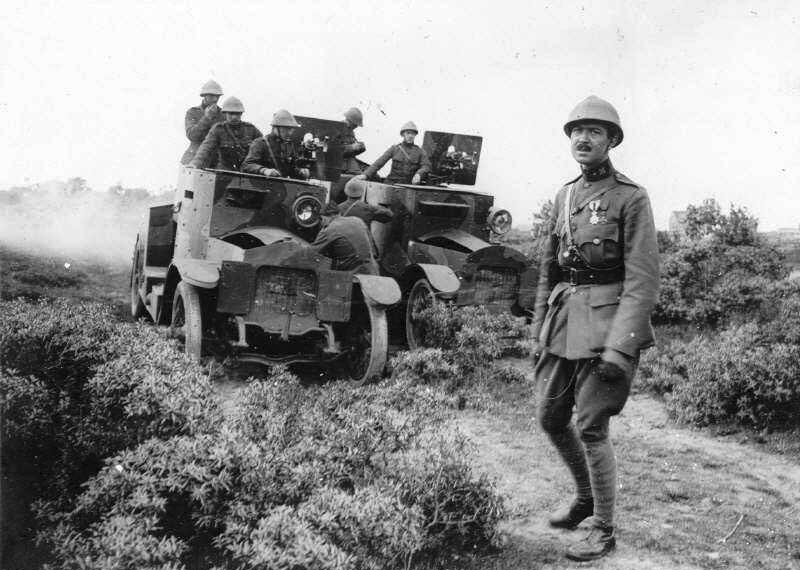
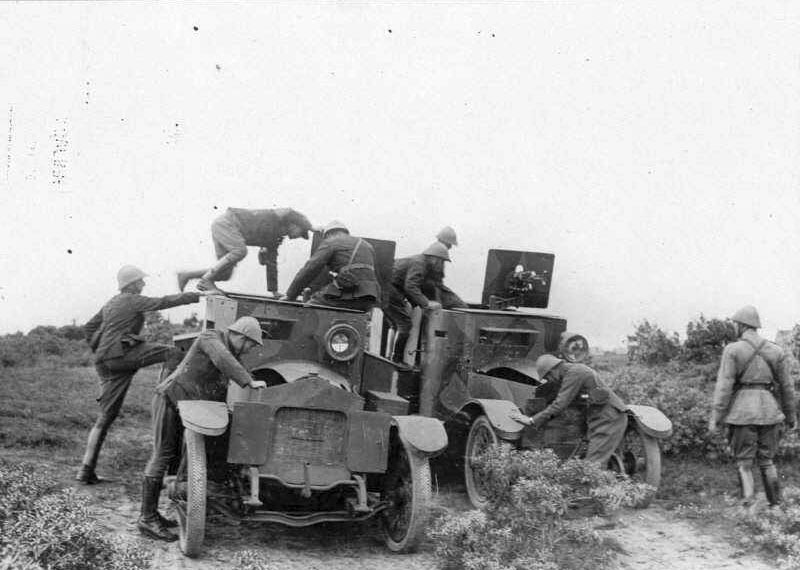
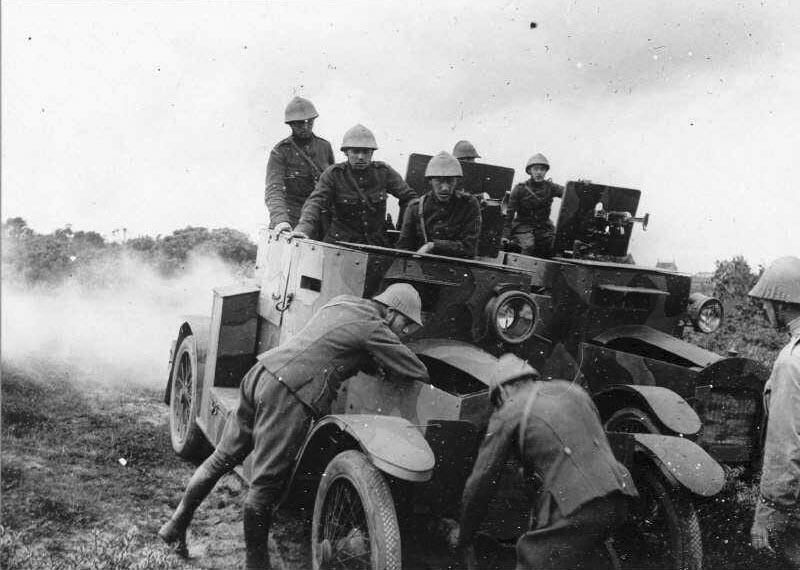
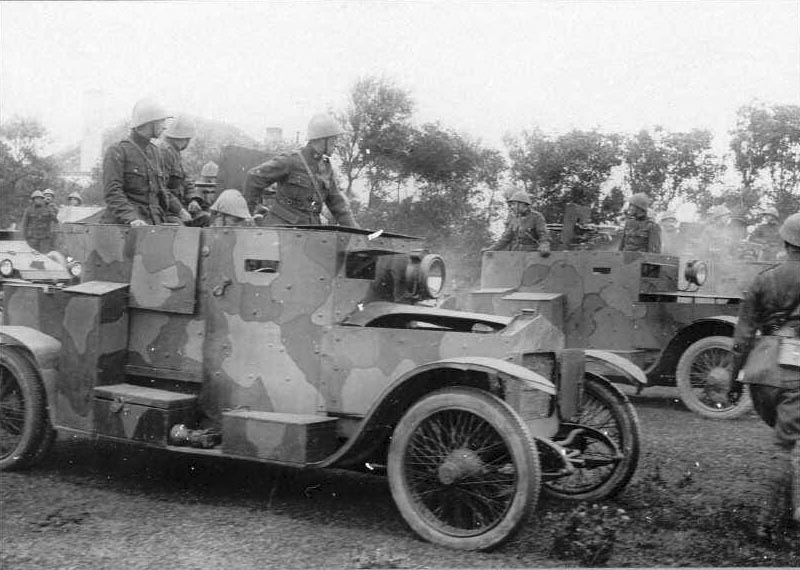
Differences in armor between sandwich and plain armor plates
Armor plating was supplied by the Hoboken steelworks, consisting of 3 mm steel sheets separated by a 50 mm wooden plank. This initial protection proved ineffective when ballistic resistance tests failed as the firing range was reduced from 800 m to 15 m using the S-bullet; it was at this point that the armor was changed to a single 7 mm steel plate. This simple armor plating will be visible because the new Minervas will have hulls with right-angled corners.
VI – The 37 mm auto-cannon Minerva :
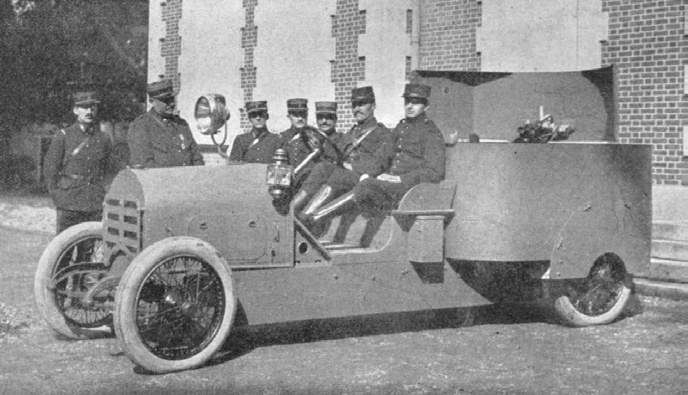
On August 25, 1914, the French command decided to create one of the world’s first armored car units. The Captain Drouet Battery of Auto-cannons and Auto-Machine Guns in Le Havre, consisting of two machine gun and two cannon vehicles, was fully formed on September 7, i.e., in two weeks; it was reinforced by a platoon of scooter riders. Its combat equipment consisted of at least one Belgian Minerva semi-armored vehicle with a 37mm hotchkiss gun, quickly replaced by two Peugeot 37mm Hotchkiss naval guns (Hotchkiss Canon de 37 mm modèle 1885) auto-cannons. The other two were equipped with machine guns from the same company. However, the crew protection of these armored vehicles was insufficient.
VII – the Minerva with a turret (cupola) :
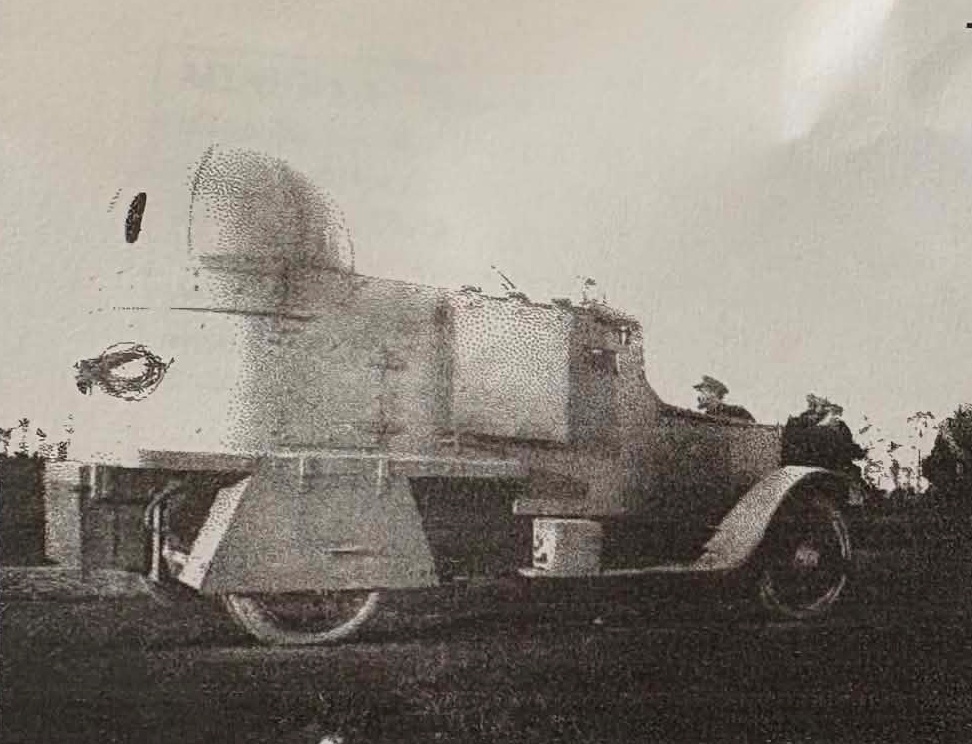
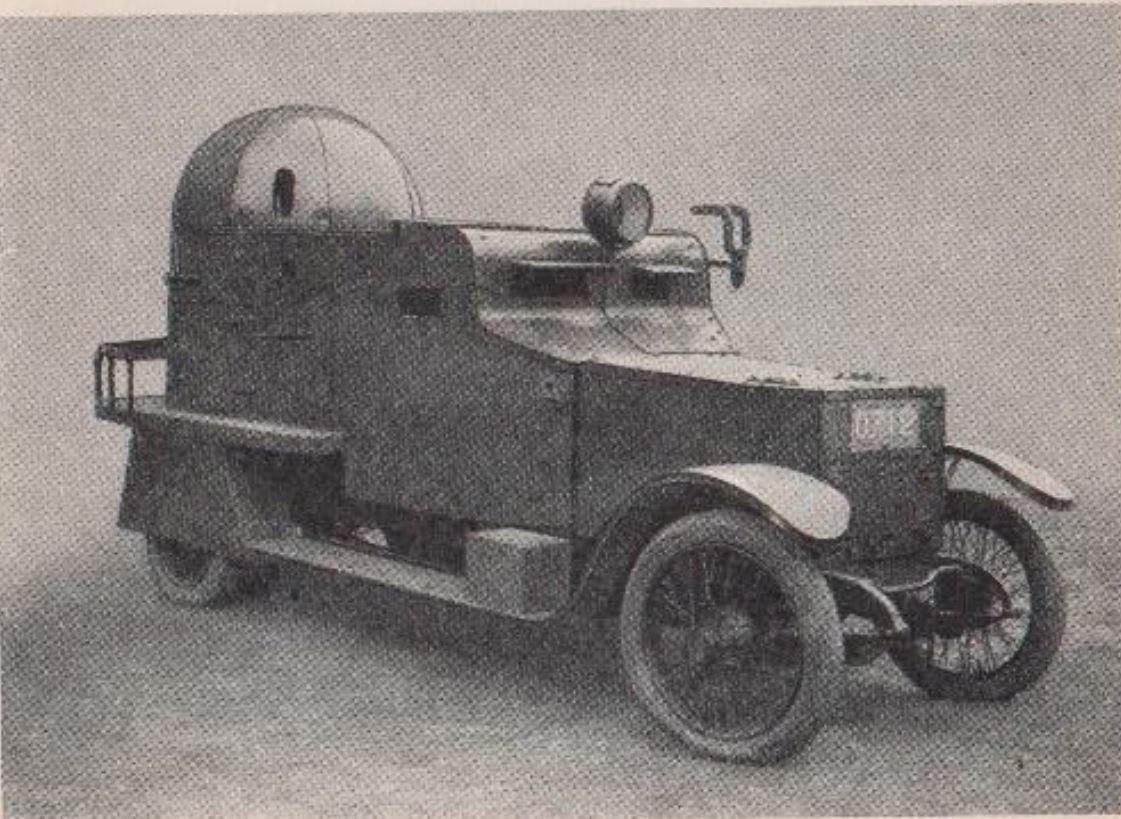
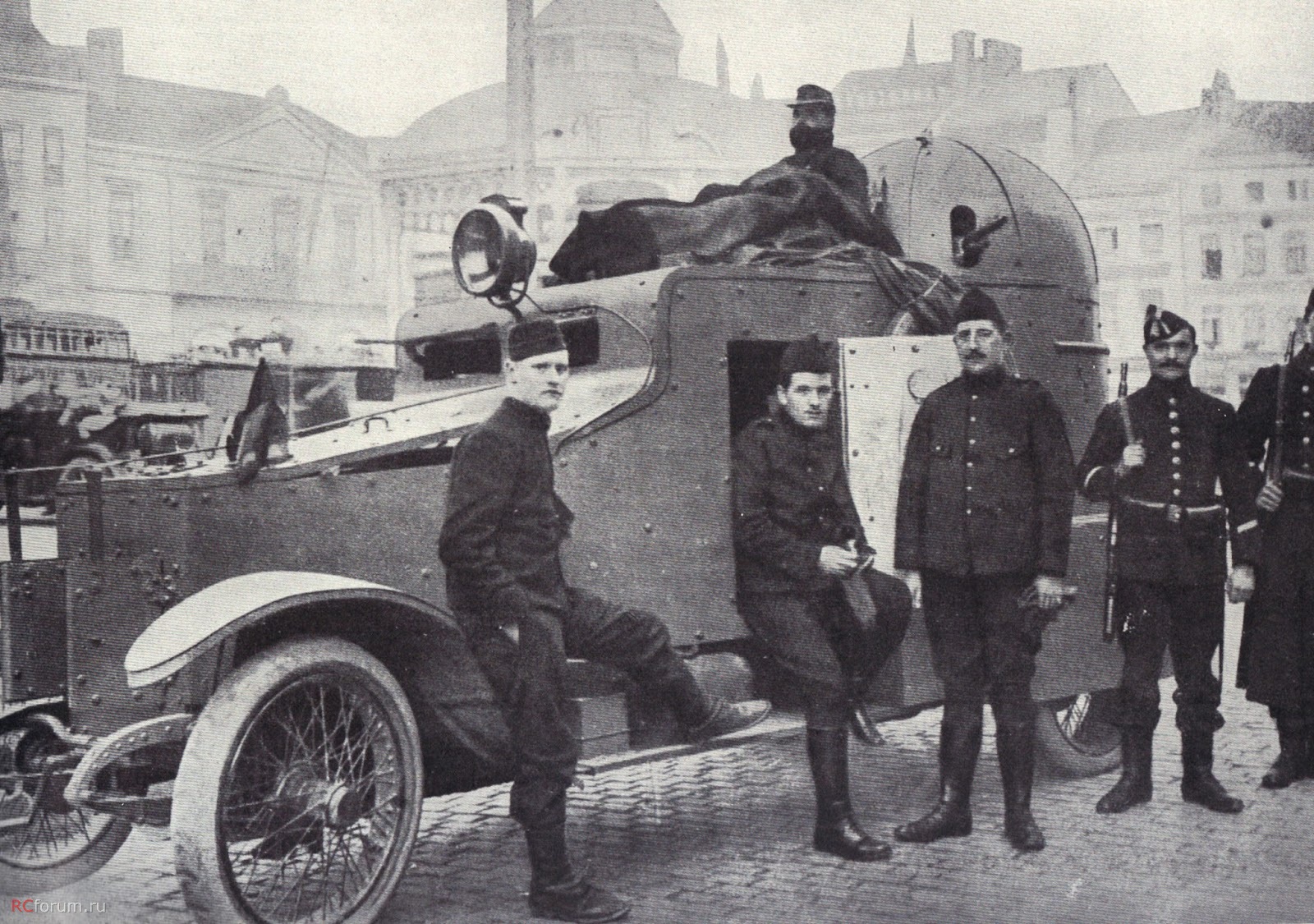
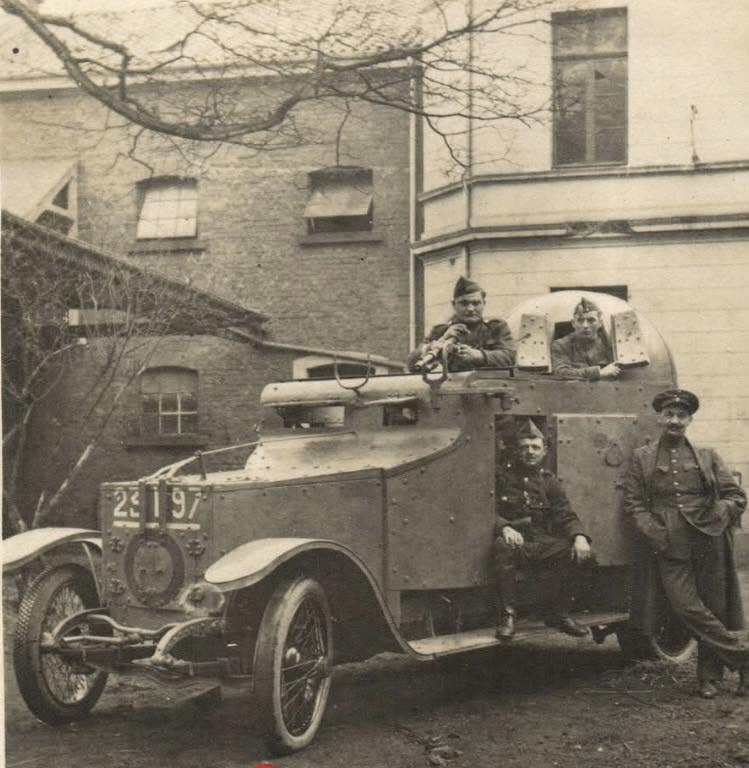
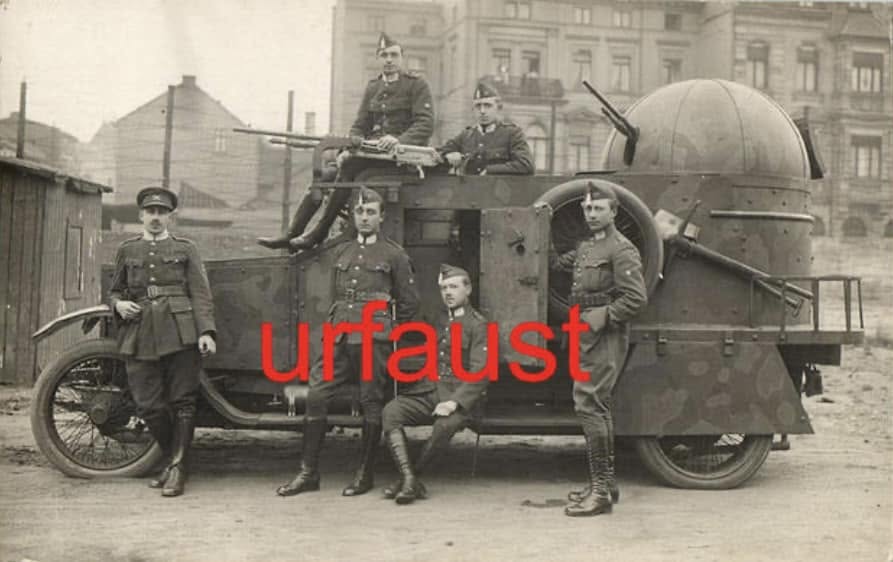
There was a prototype and only one copy of a Minerva with a rounded turret, probably the No. 14 produced. It was only used for communications behind the lines and saw no combat.
VIII – The specific case of the Dutch Minerva:
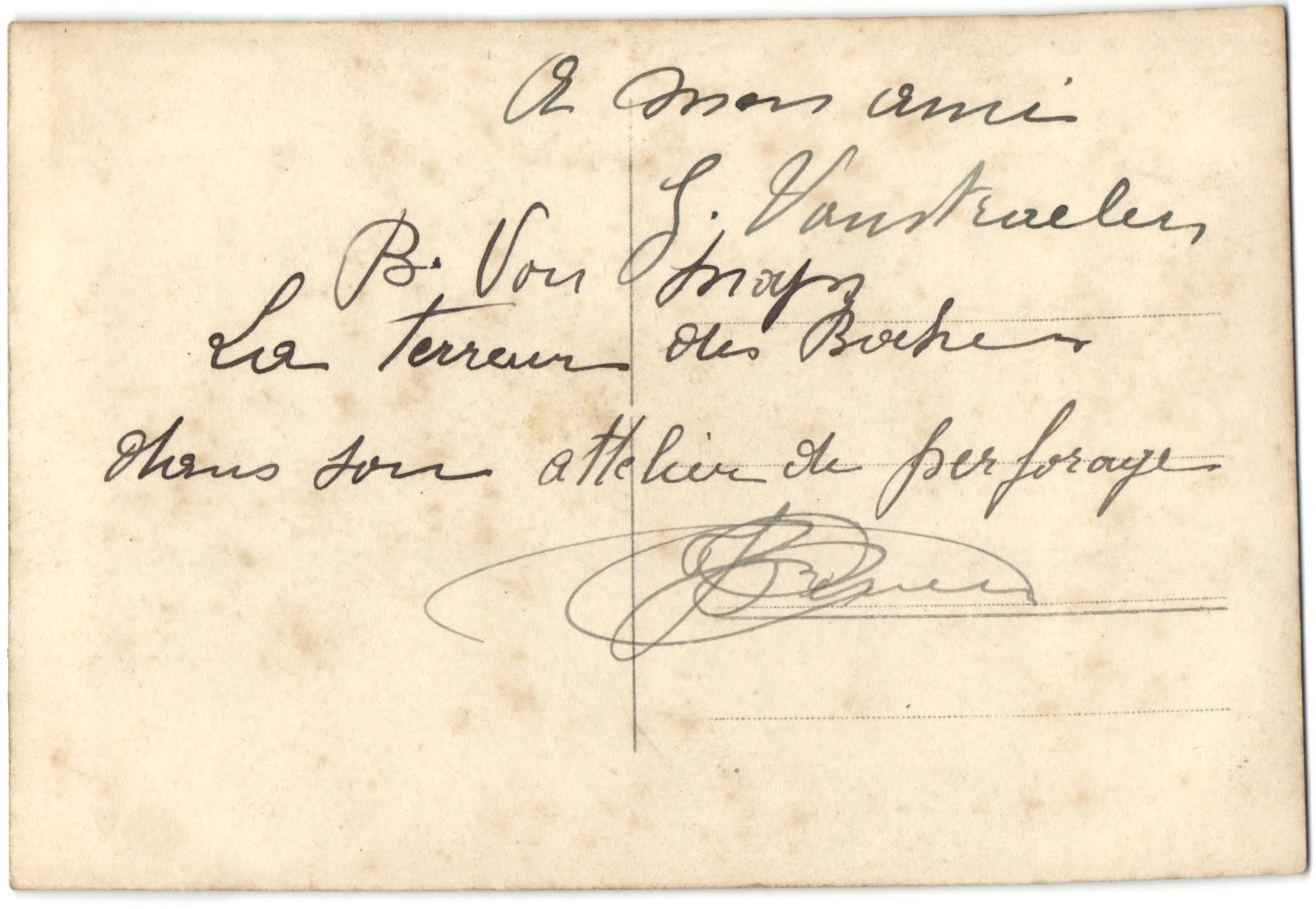
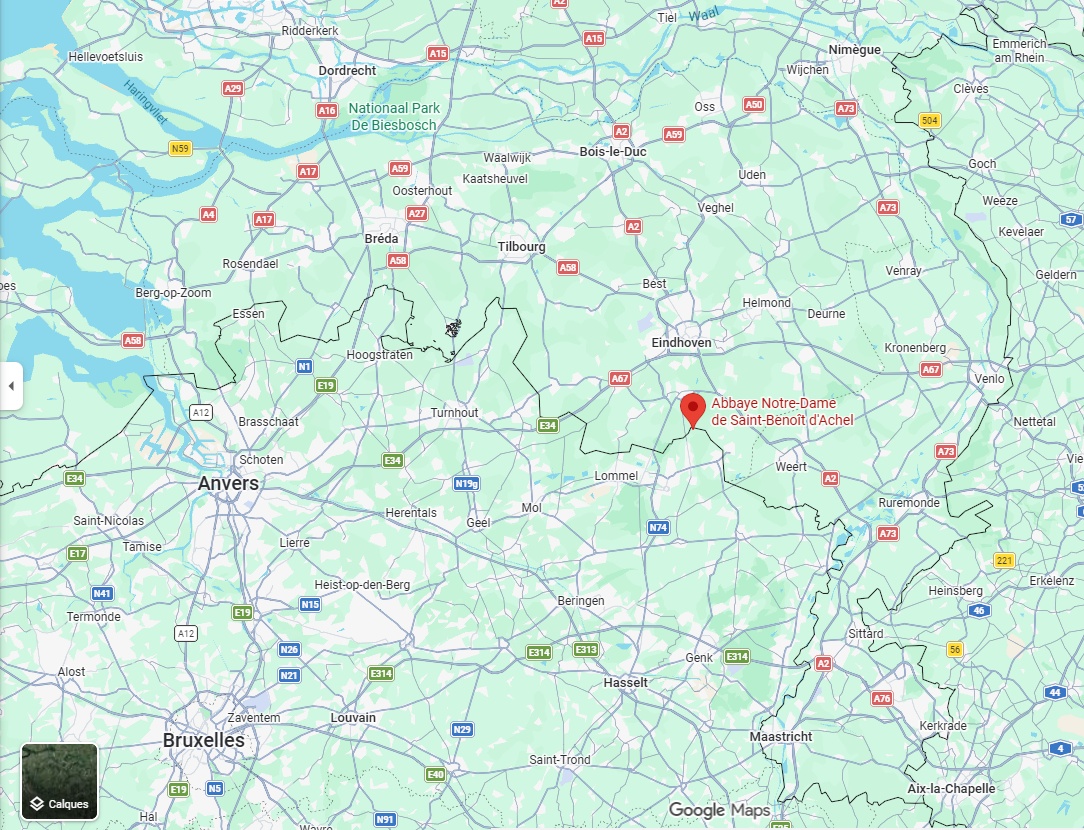
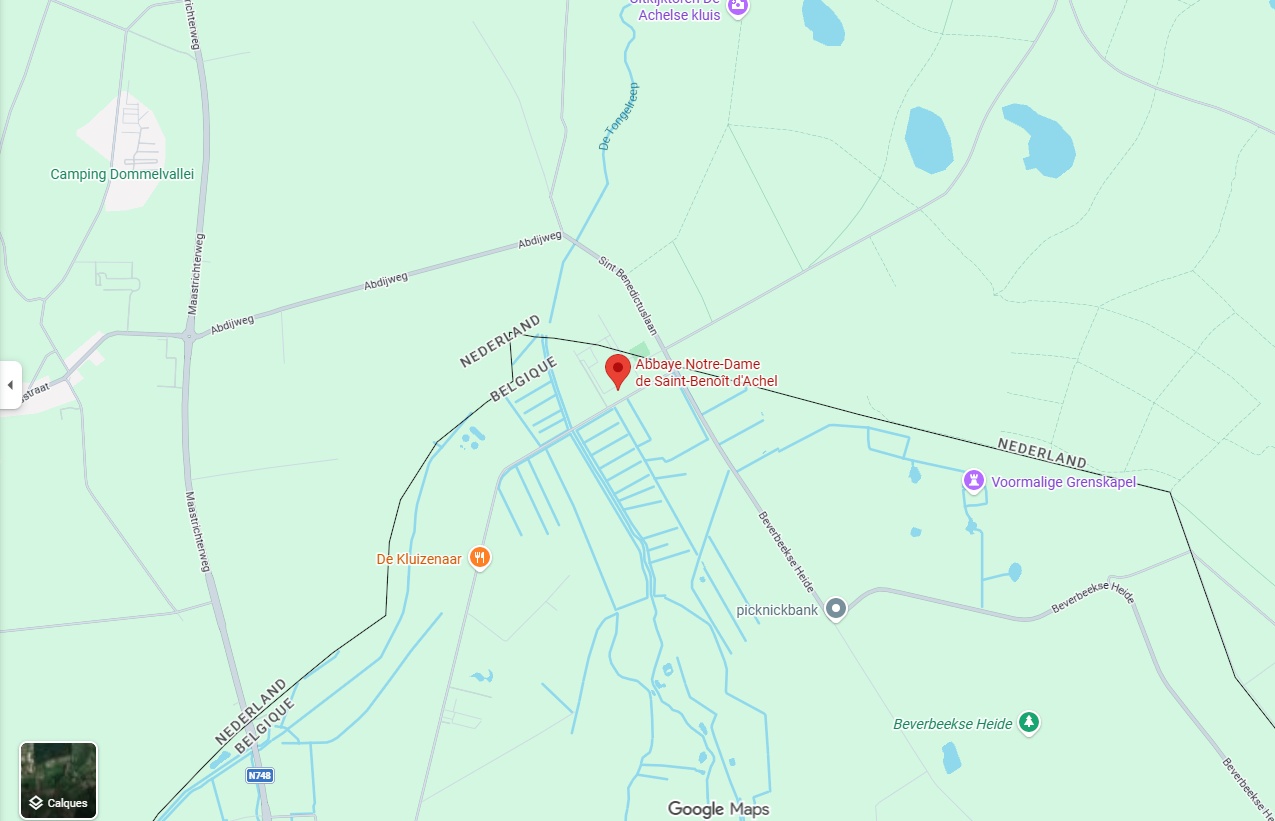
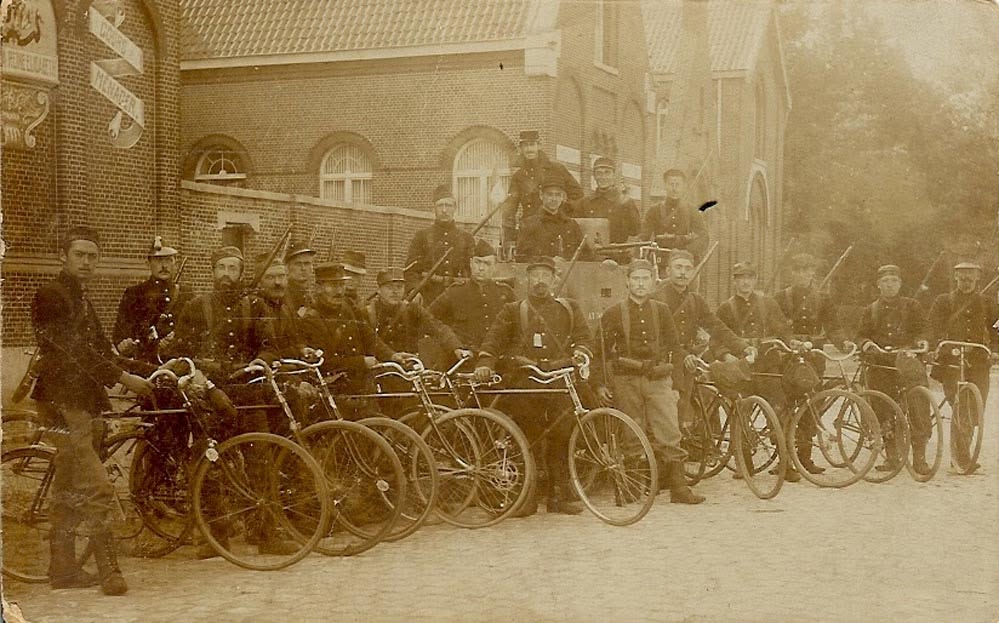
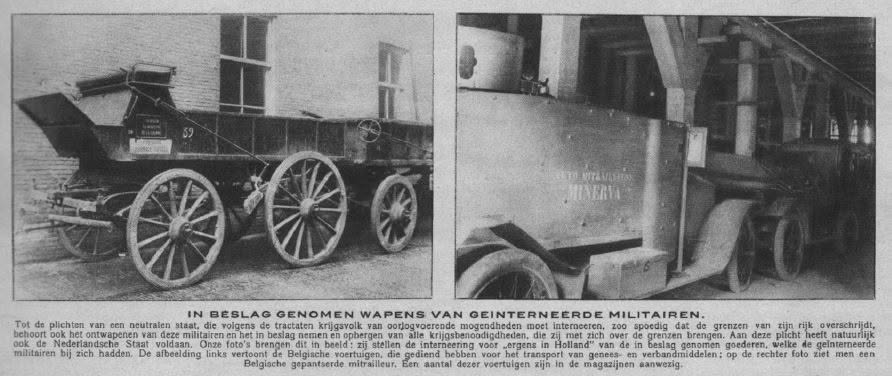
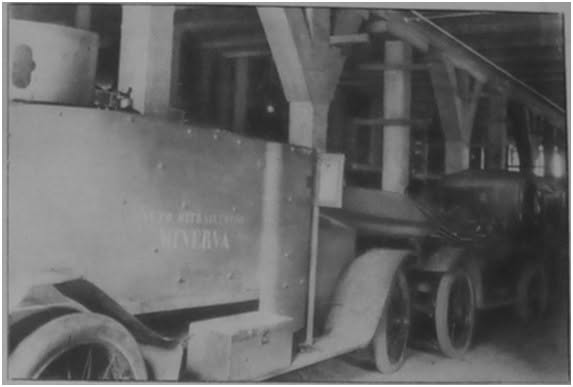
On August 1, 1914, General Emile De Schepper was recalled to serve as military governor of the province of Limburg. As Belgian Limburg was largely spared from major combat with the enemy, the primary objective for his force —comprising volunteers, gendarmes, civic guards and a Minerva armored car (crew : Corporal De Meux and soldiers Vanhaevermaat, Piens and Royen)—was to gather intelligence. When the Belgian Army retreated to Antwerp, a small contingent of General De Schepper’s troops managed to join them via Mol, but another 200 men (essentially from his HQ) were cut off from the main army. Left to their own devices, these troops continued to conduct intelligence-gathering and, above all, sabotage operations. This guerrilla warfare infuriated the Germans, who decided to eliminate the threat. Consequently, deploying three Hanoverian regiments, they gradually pushed the Belgians back toward the Dutch border, eventually encircling them at Achel Abbey, located right next to the Netherlands border. Following some skirmishes—and to avoid the destruction of the abbey—an agreement was reached with the Germans; on October 17, 1914, General Emile De Schepper submitted to internment just across the border, accompanied by four vehicles (including a Minerva) and about 200 men. All the Belgian soldiers were disarmed and placed in internment camps. The Minerva was initially put into storage and subsequently used as a border patrol vehicle throughout the First World War. In 1919, following the war, the Minerva was returned to the Belgian Army.
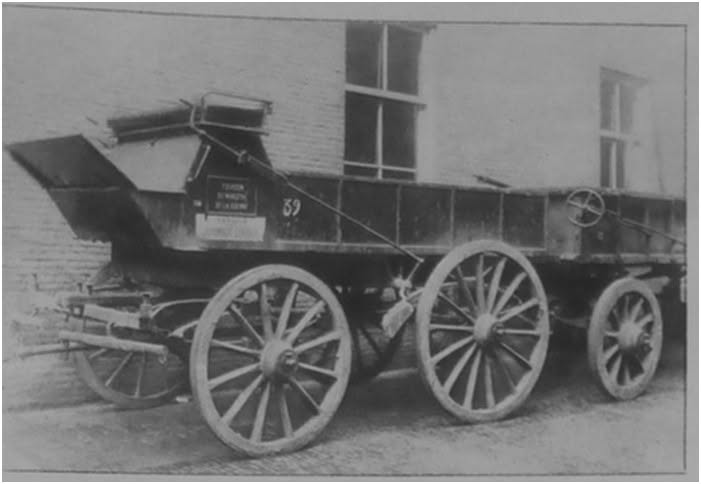
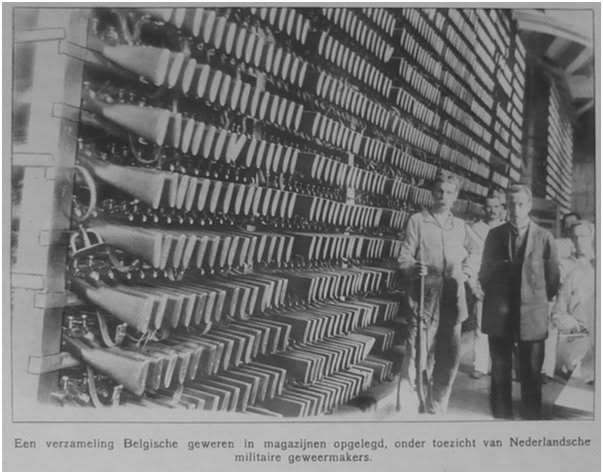
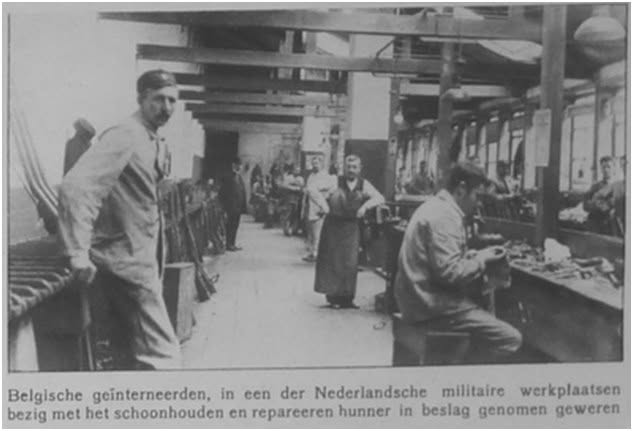
IX – The beute Minervas :
In 1914, at least two Minerva armored cars fell into German hands. They were sent to the 5th Rear Army Area Motor Transport Depot or E.K.P 5 (Etappen Kraftwagen Park 5) at Margut, repaired, and then delivered to combat units. The first one was assigned to Panzer-Kraftwagen-Maschinengewehr-Zug 1 (later from November 16 : Panzer-Kraftwagen-Maschinengewehr-Abteilung 1) in early March 1916, the second captured Minerva joined this same unit on March 8, 1916. They were employed as reconnaissance cars and not as effective combat vehicles. The former Belgian armored cars received the official designation Radpanzer Minerva M.1914. The first action where the first Minerva was engaged was on March 06, 1916, when it sustained the Daimler armored car which, supporting a German Battalion of German infantry crossing the Meuse river, fired from the town of Samogneux across this river, to the french in Regnéville sur Meuse. On March 07, 1916, the German began their modifications on the first Minerva by replacing the Hotchkiss machine gun by a Maxim one and by putting a small Belgian armored dome found on the battlefield. For safety reasons, the tires were replaced with solid rubber ones.Two Iron Crosses were painted on the rear side panels. From June 19,1916, they were active in Alsace, where, among other tasks, they provided fire support to the infantry at long ranges of 1,500 to 2,000 meters. On September 14, 1916, Minerva No. 2 was fitted with a grenade launcher. This was highly unusual, and it was likely the only armored car armed in this way. In the second half of September 1916, a Maxim machine gun was delivered and was quickly installed on the second Minerva . On October 12, 1916, the German Minervas were sent by rail to the Romanian front where they arrived on October 18. The first Minerva was engaged together with a German Daimler armored car, attached to the German Alpine Corps, in reconnaissance tasks sometimes into Romanian territory. Meanwhile, the second Minerva had a gearbox malfunction and was unable to participate in the beginning of the operations. At the turn of October and November 1916, the floor of the first Minerva was reinforced with a second armor plate and on both Minervas, slits were cut i the sides of the vehicles, the slit in the front was enlarged. Both vehicles were sent to Petroseny (today Patrangeni), th efirst on November 07 and the second on November 09, 1916. On November 11, the Ehrhardt armored car, one Minerva, one truck and one passenger car arrived at the Lainici monastery but only the Ehrhardt took part in the combat. As a result of further actions on the Romanian front, both Minervas had malfunctions (both cylinder fractures) which stopped them. They were then sent back to Germany, still attached to the Panzer-Kraftwagen-MG-Abteilung 1. All in all, during the Romanian operations, the Minervas didn’t play a significant role, and their constant improvements by the Germans made them excessively overloaded, the way they were used by the Germans also proved to be ineffective and weakened them. In April and May 1917, the two Minervas were handed over. In 1918, both Minervas were attached to the Panzer-Kraftwagen-MG-Abteilung 7. The order to create platoons (7to 11) equipped with foreign armored cars (Belgian, Russian and Italian) was issued on April 15, 1918. Panzer-Kraftwagen-MG-Abteilung 7 was established on June 20, 1918 and was ready to combat in July. In this unit, the Minervas were the only armored vehicles, thus they were meant to be engaged not only for reconnaissance tasks. In July 1918, Panzer-Kraftwagen-MG-Abteilung 7 was sent to the Eastern Front (in fact there was no more front) to protect German interests. On September 12, 1918, all German armored car platoons were directed to the Western Front. Panzer-Kraftwagen-MG-Abteilung 7 went to upper Alsace and was enagged in rear patrols and as a mobile anti-aircraft guard. To note is that the Panzer-Kraftwagen-MG-Abteilung 7 Minervas were the only armored cars ont equipped with radios. The fate of the « German » Minervas is unknown. We don’t know if the two Minervas were repainted by the Germans, at least one had an Iron Cross painted on its rear.
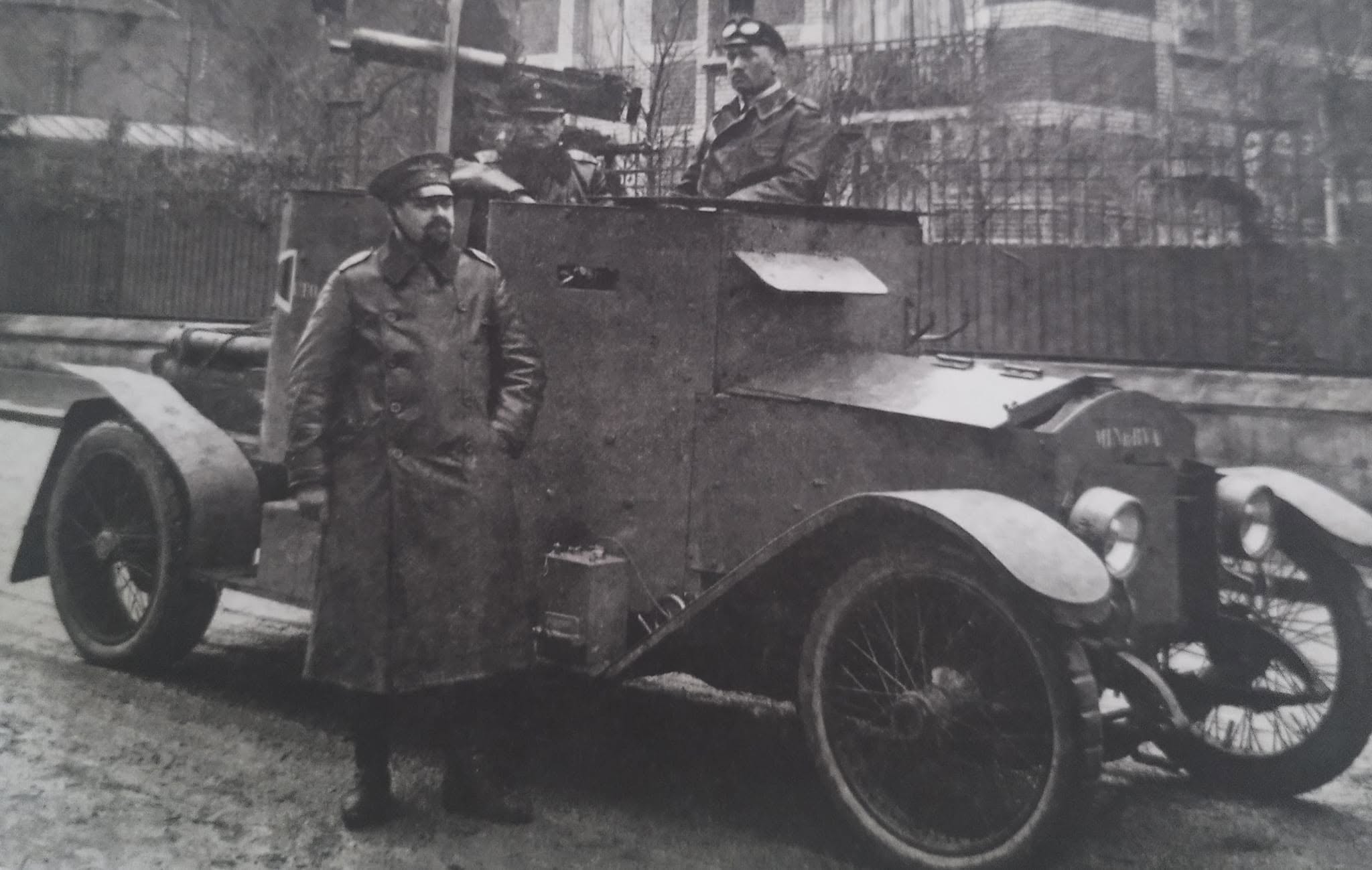
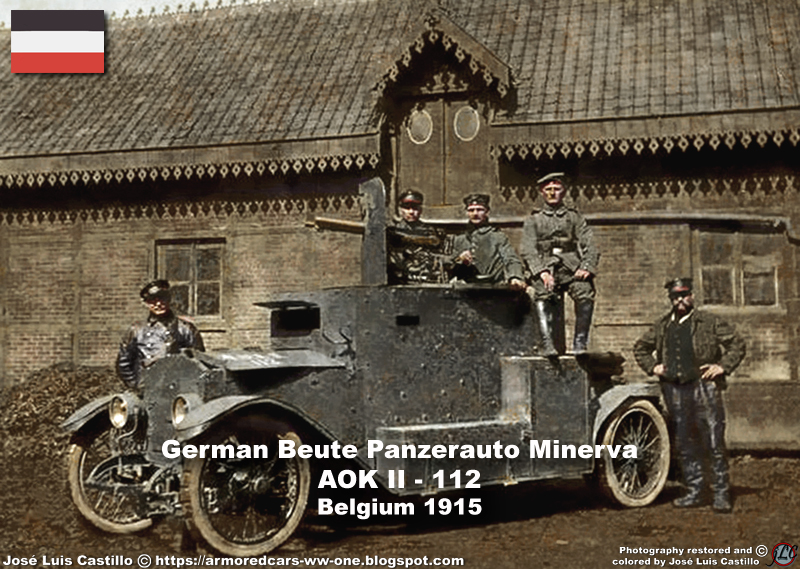
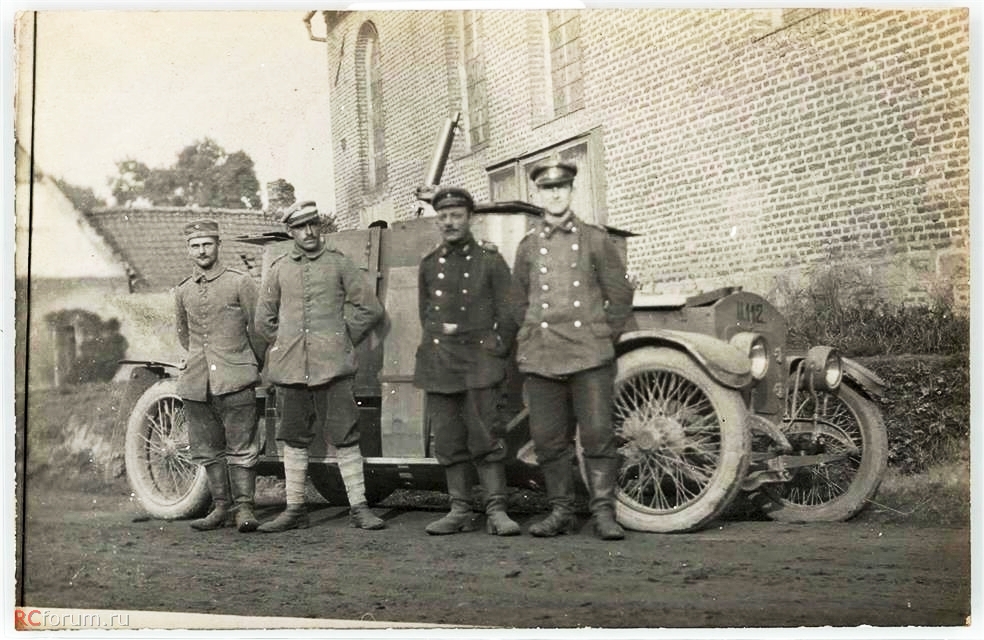
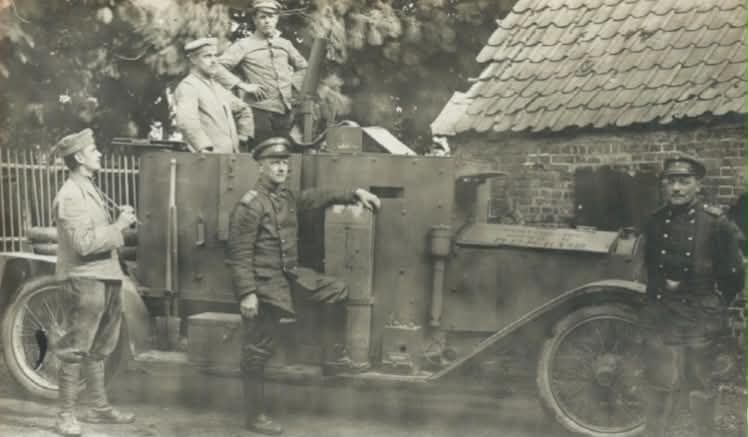
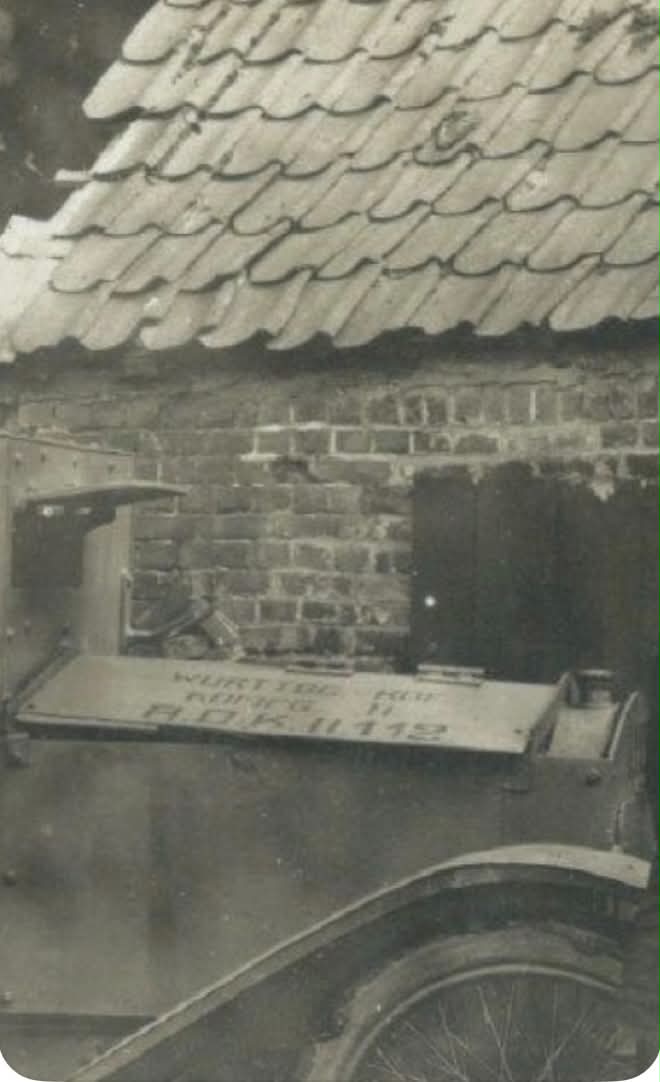
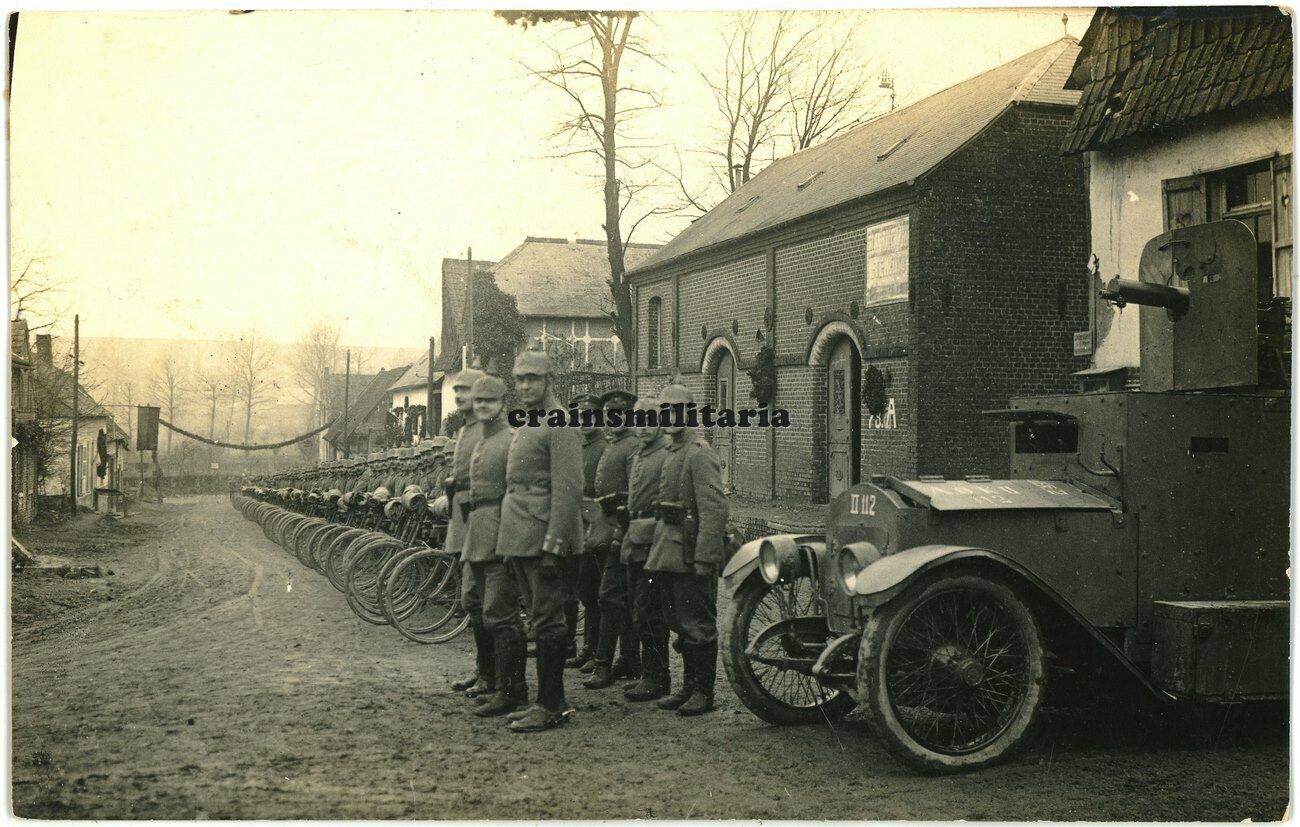
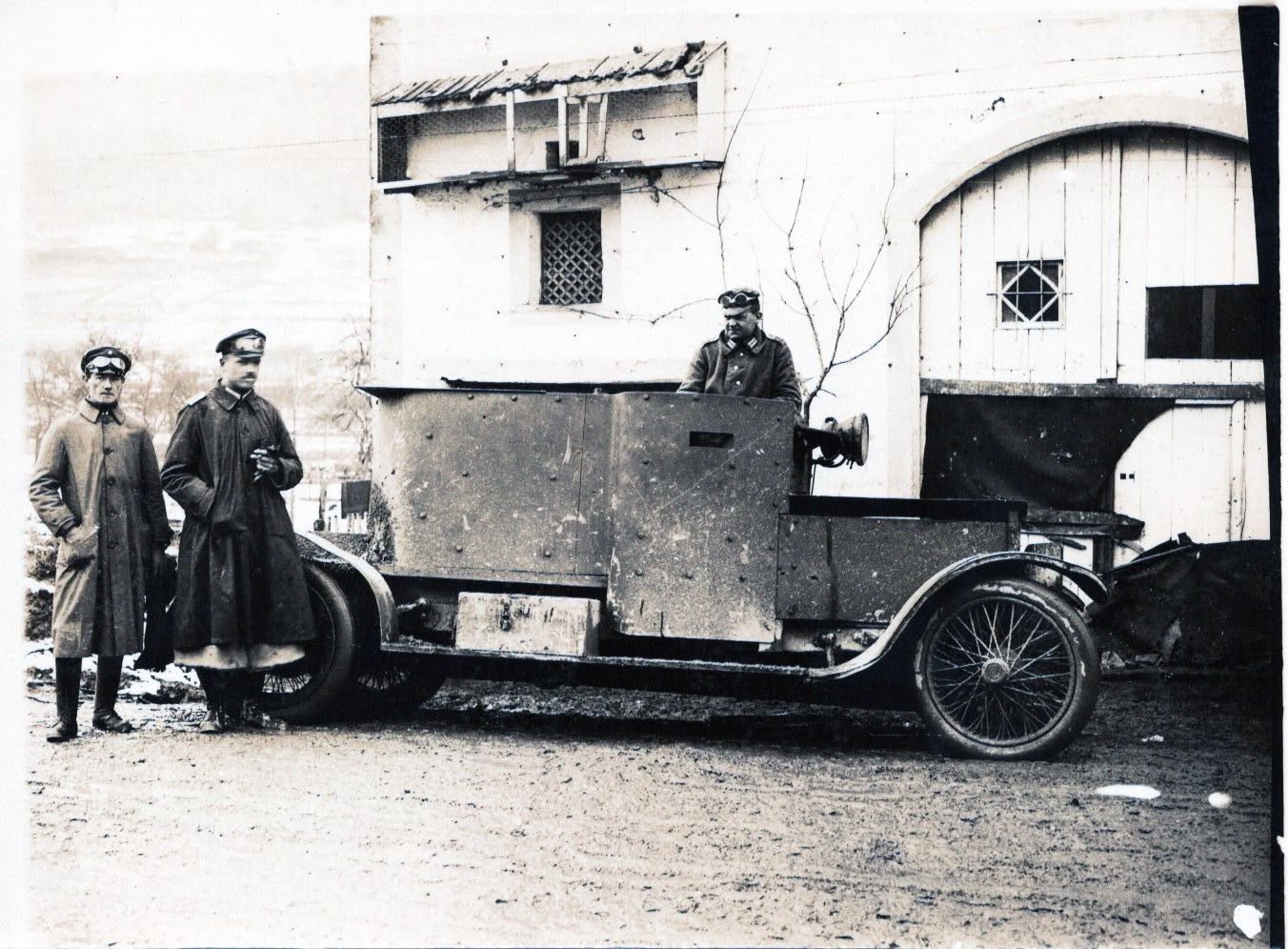
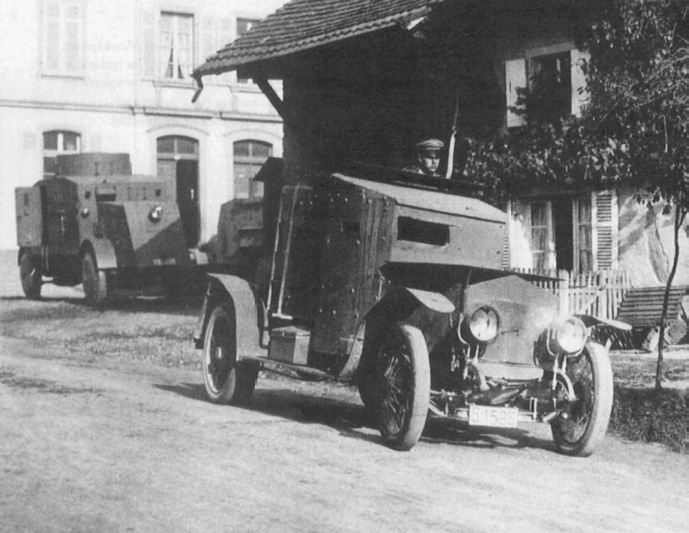
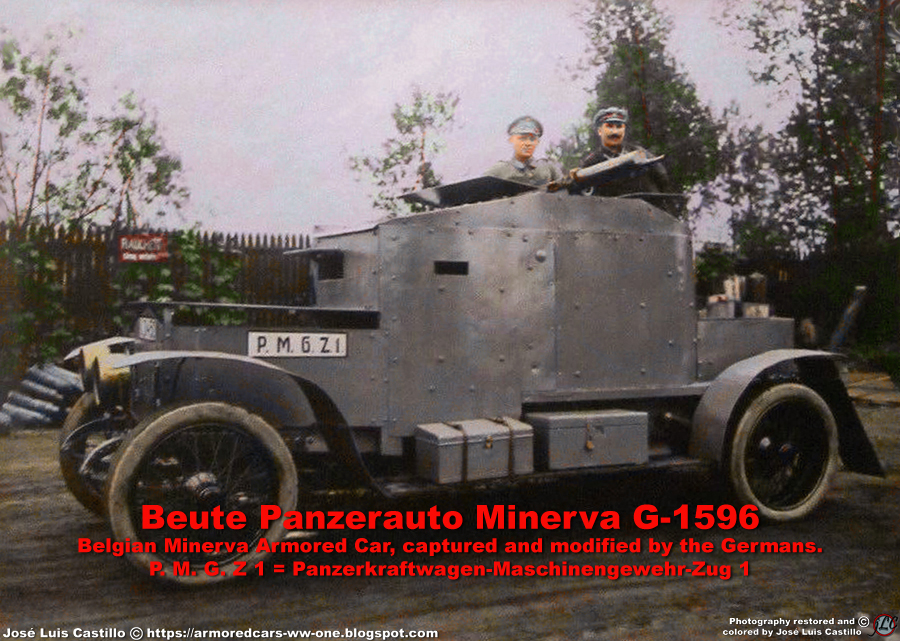
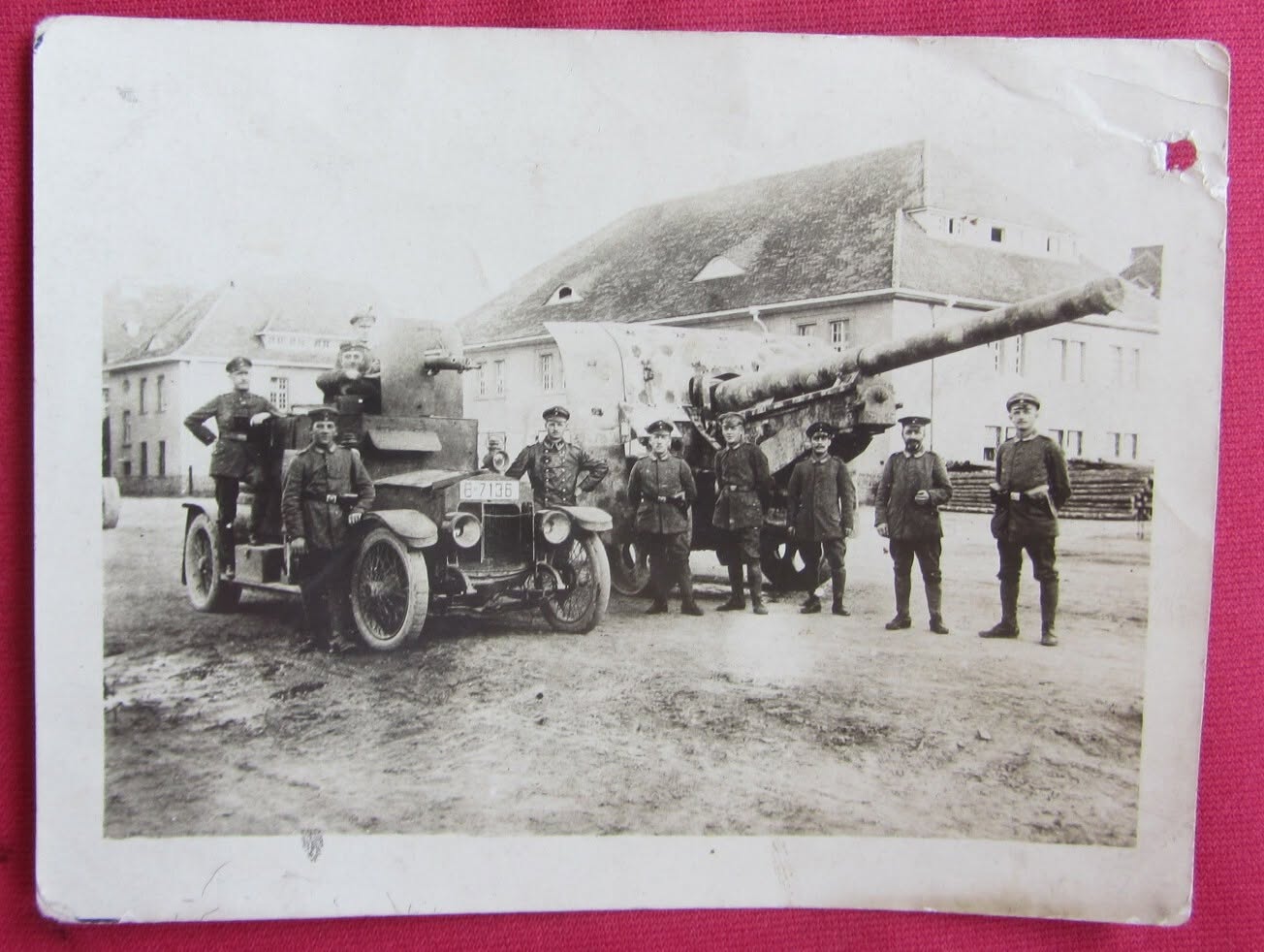
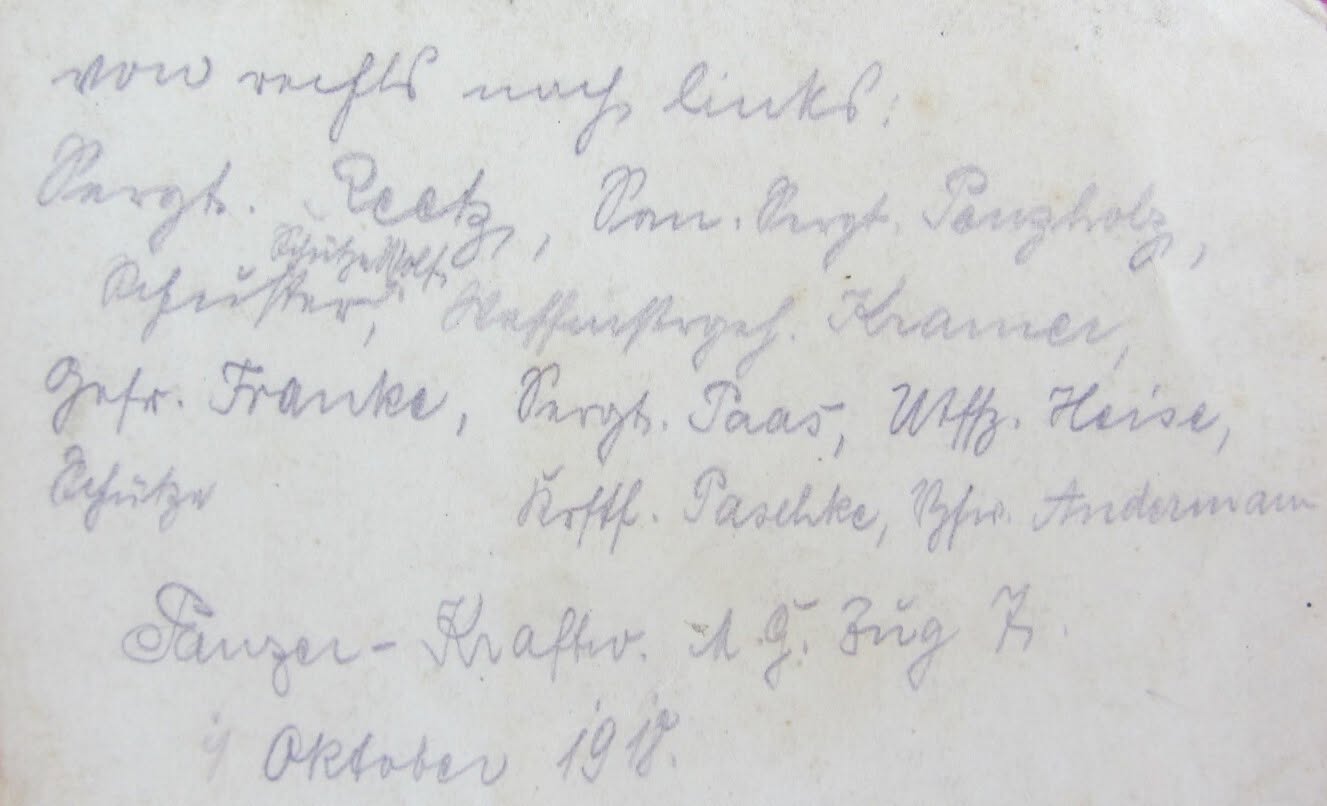
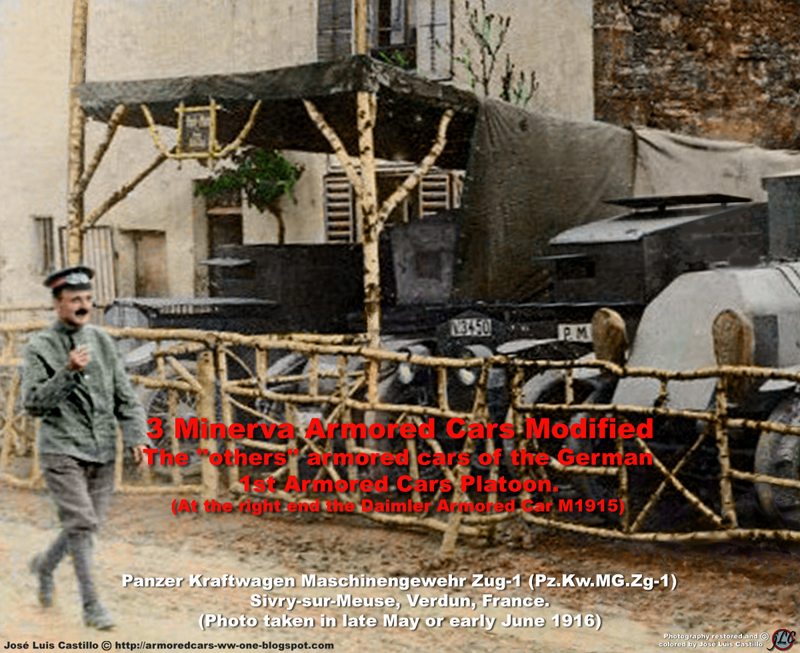
A third Beute Minerva ?
Some years ago, well known researcher Jose Luis Castillo posted a photo with a possibly third Minerva in Sivry sur Meuse, this vehicle is seen from the back in the center of the photograph, the two other vehicles were already known
X – Post-war Minervas :
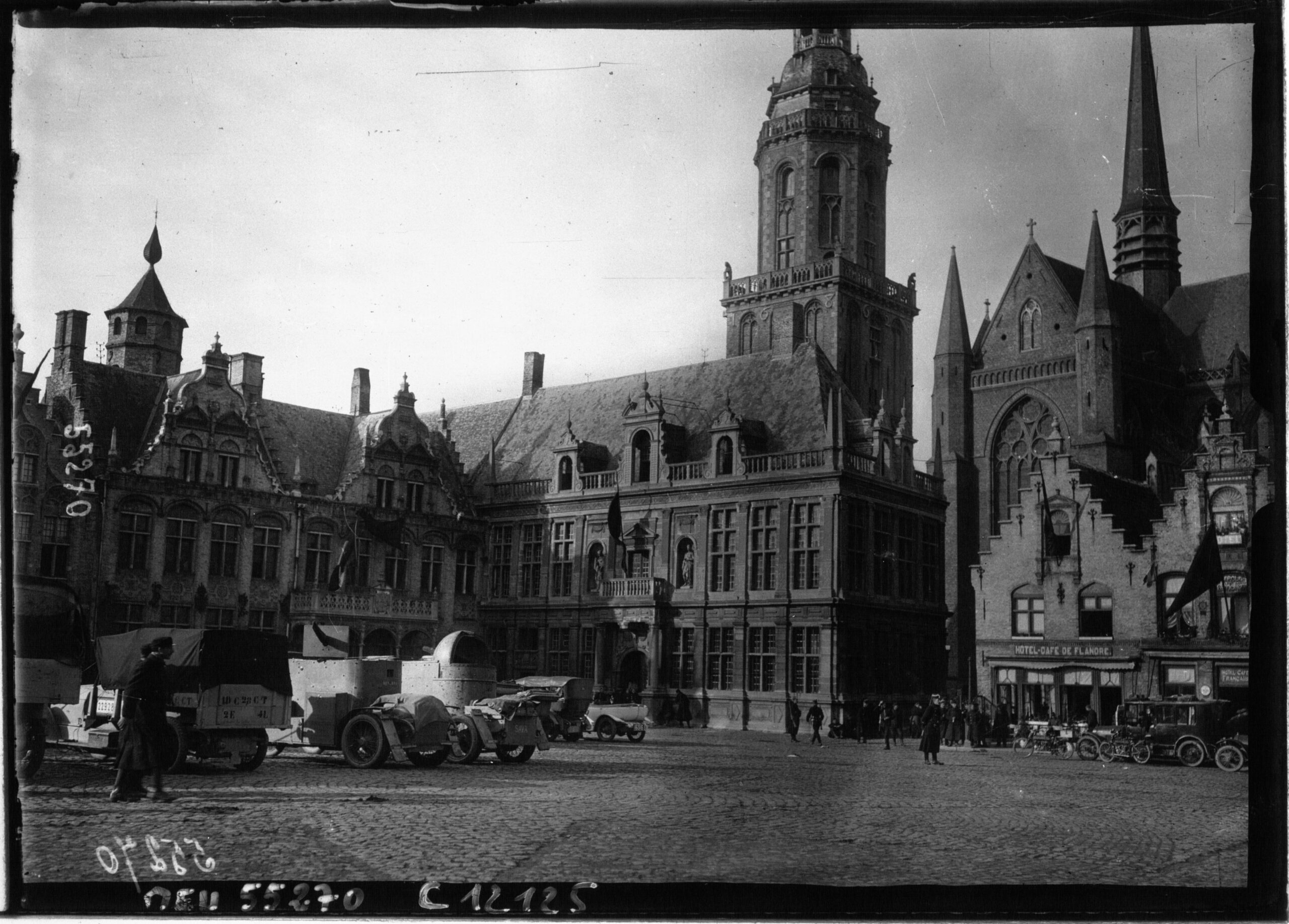
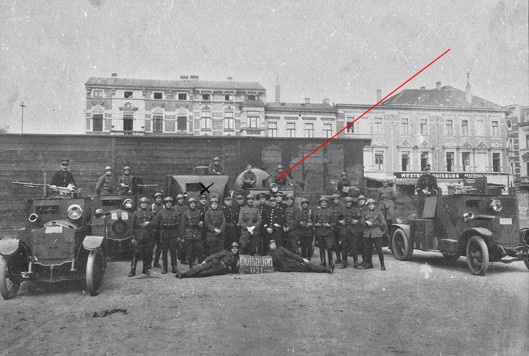
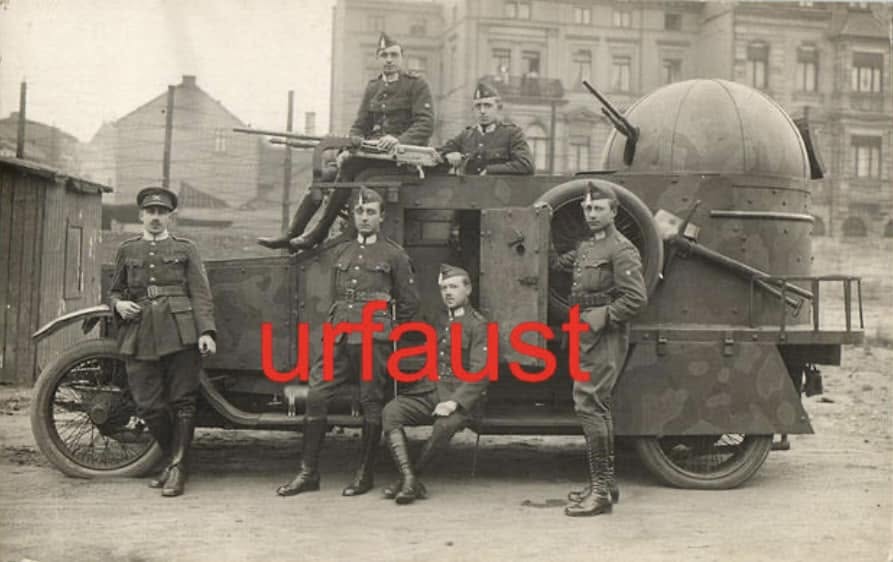
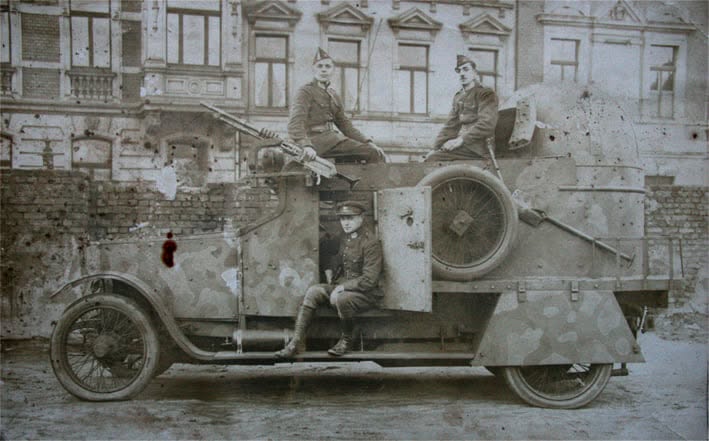
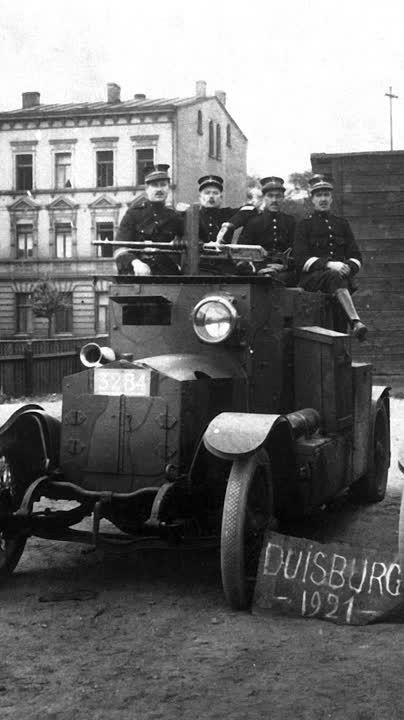
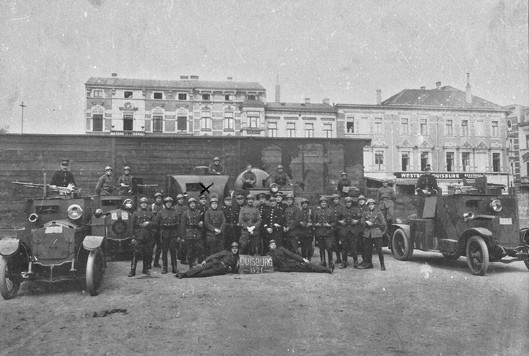
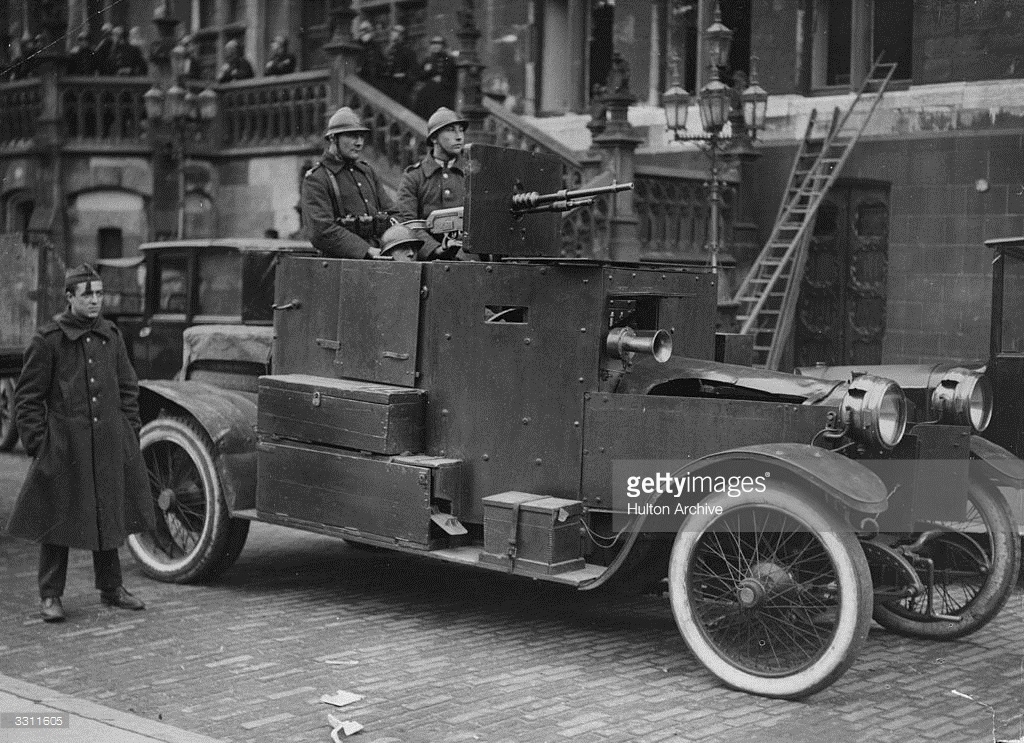
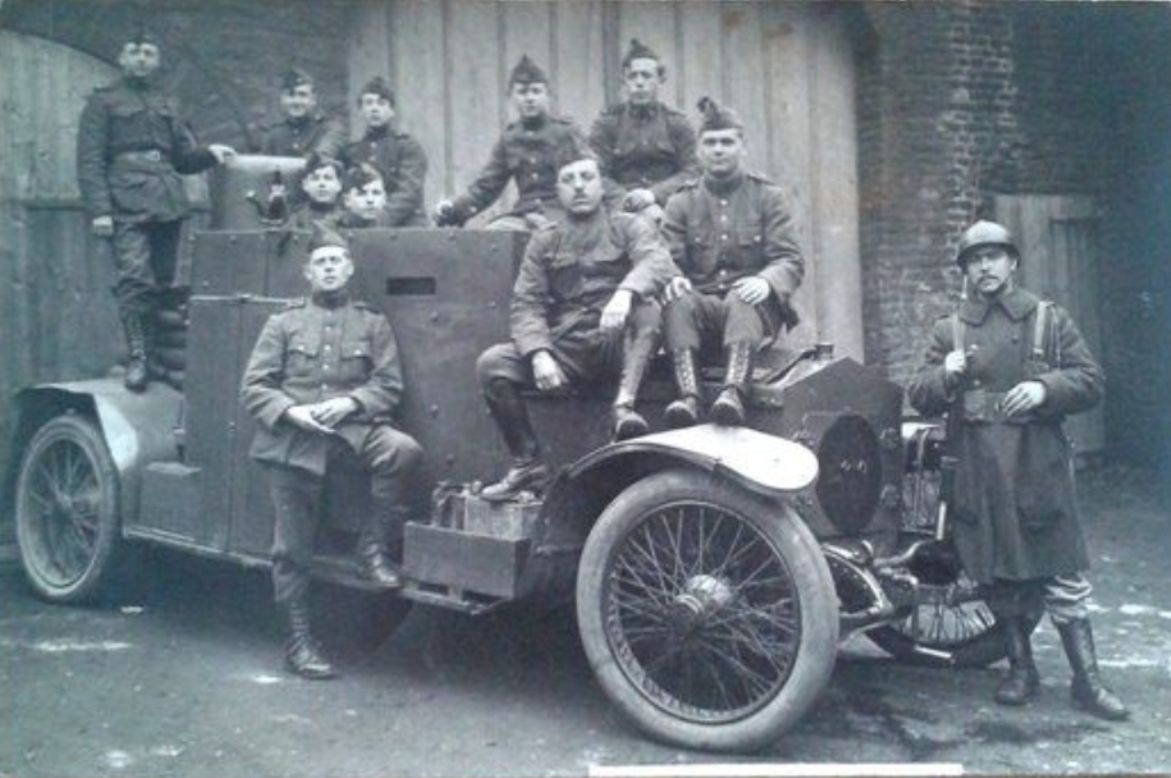
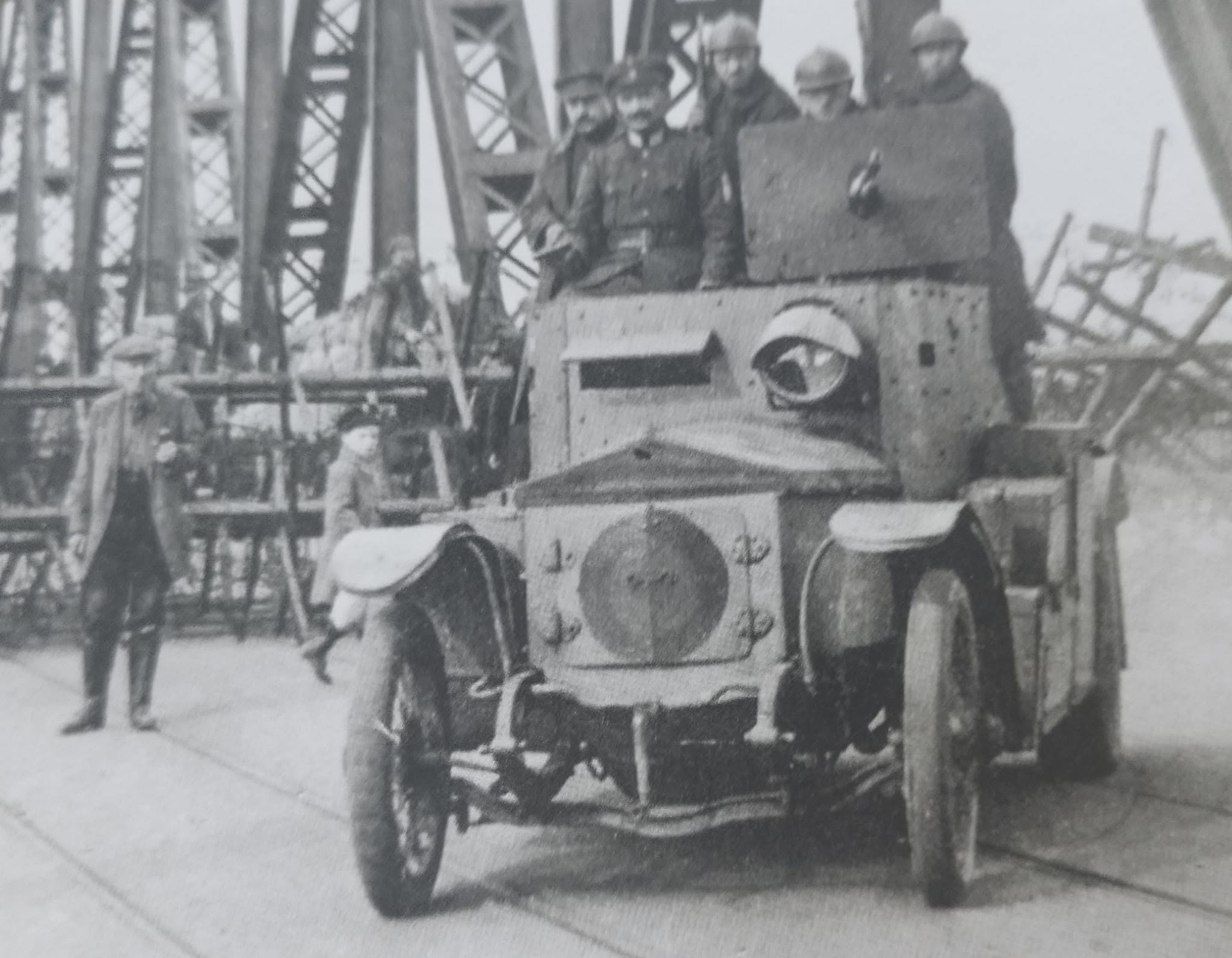
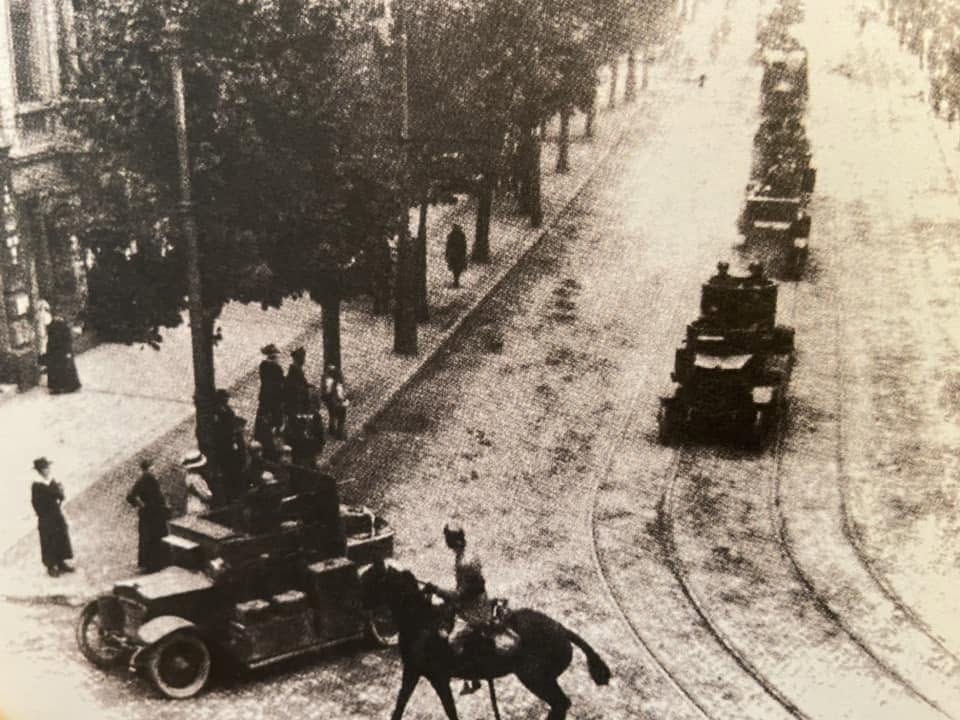
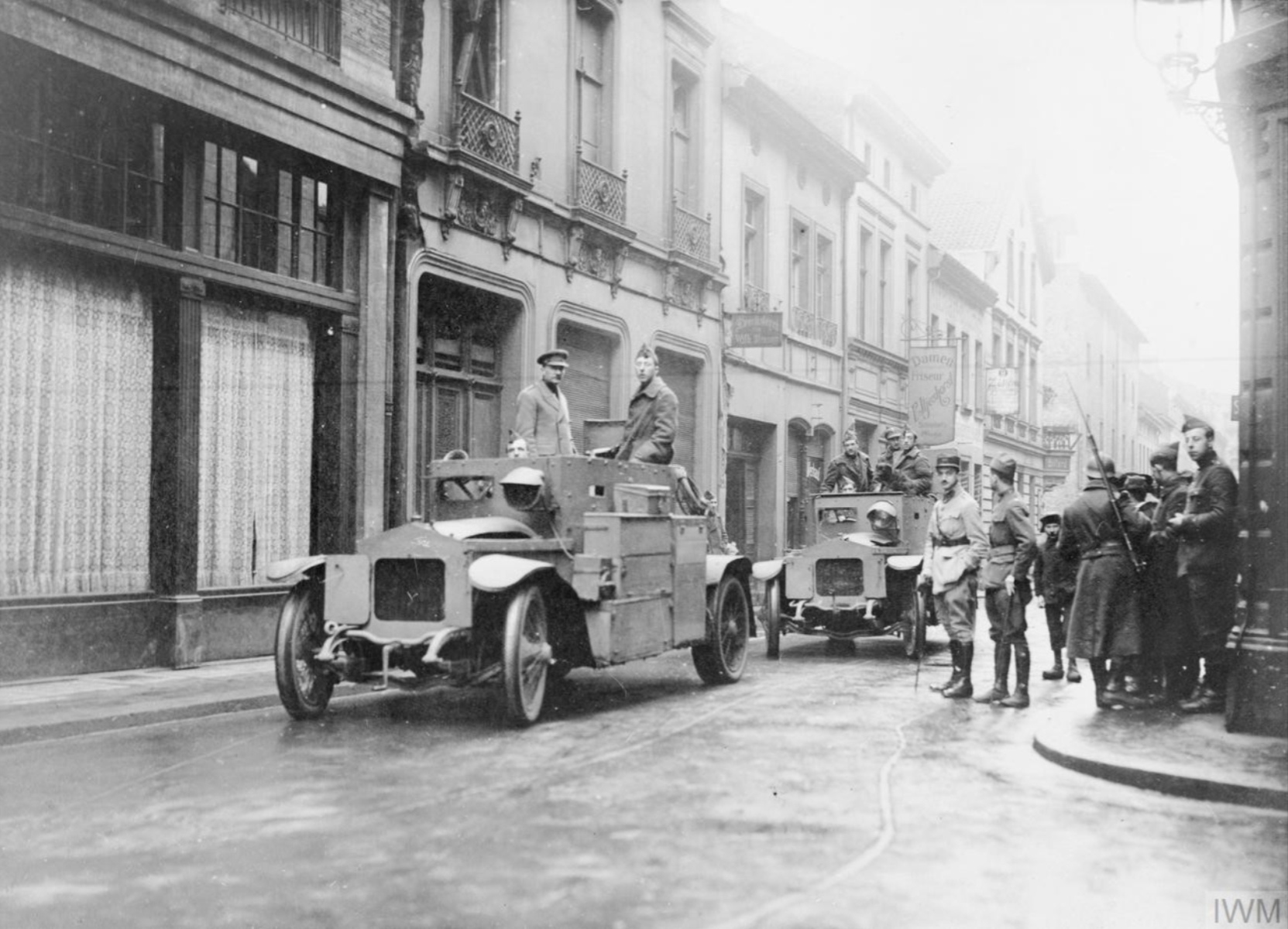
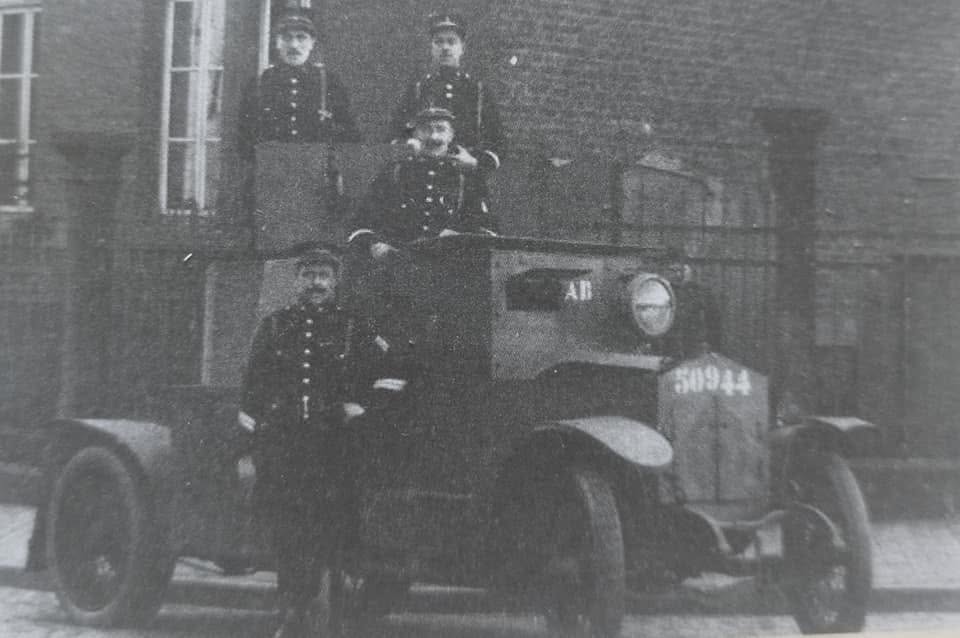
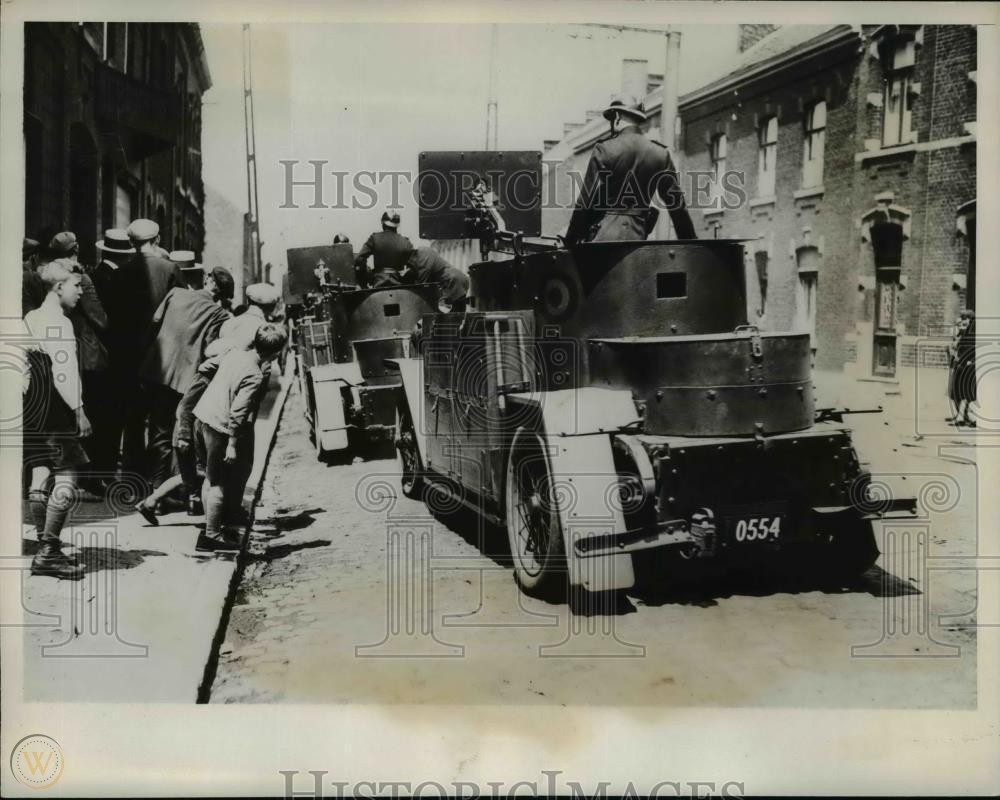
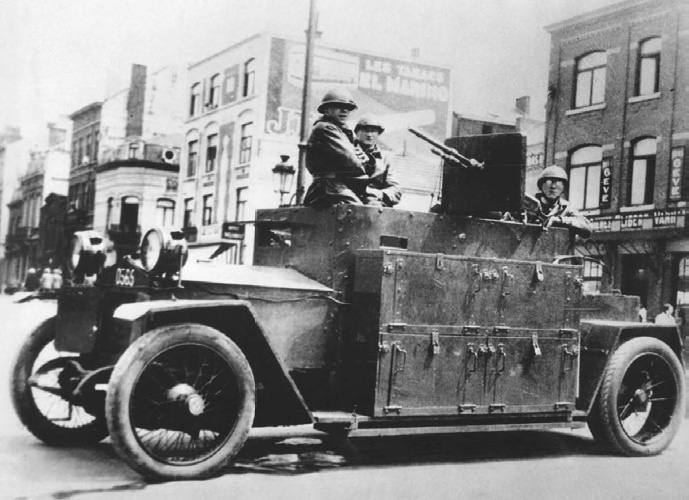
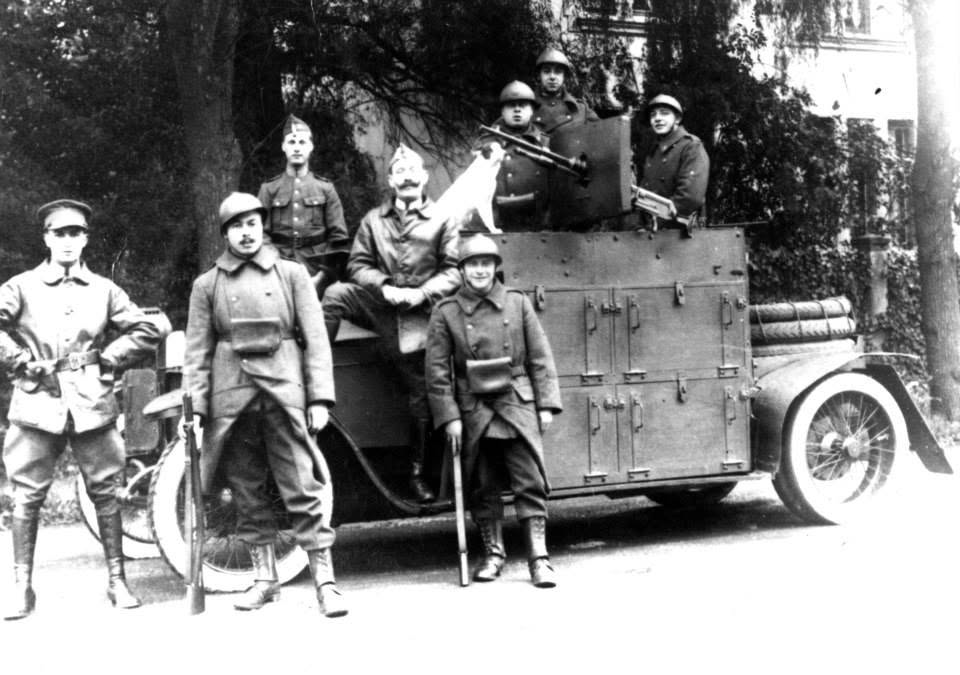
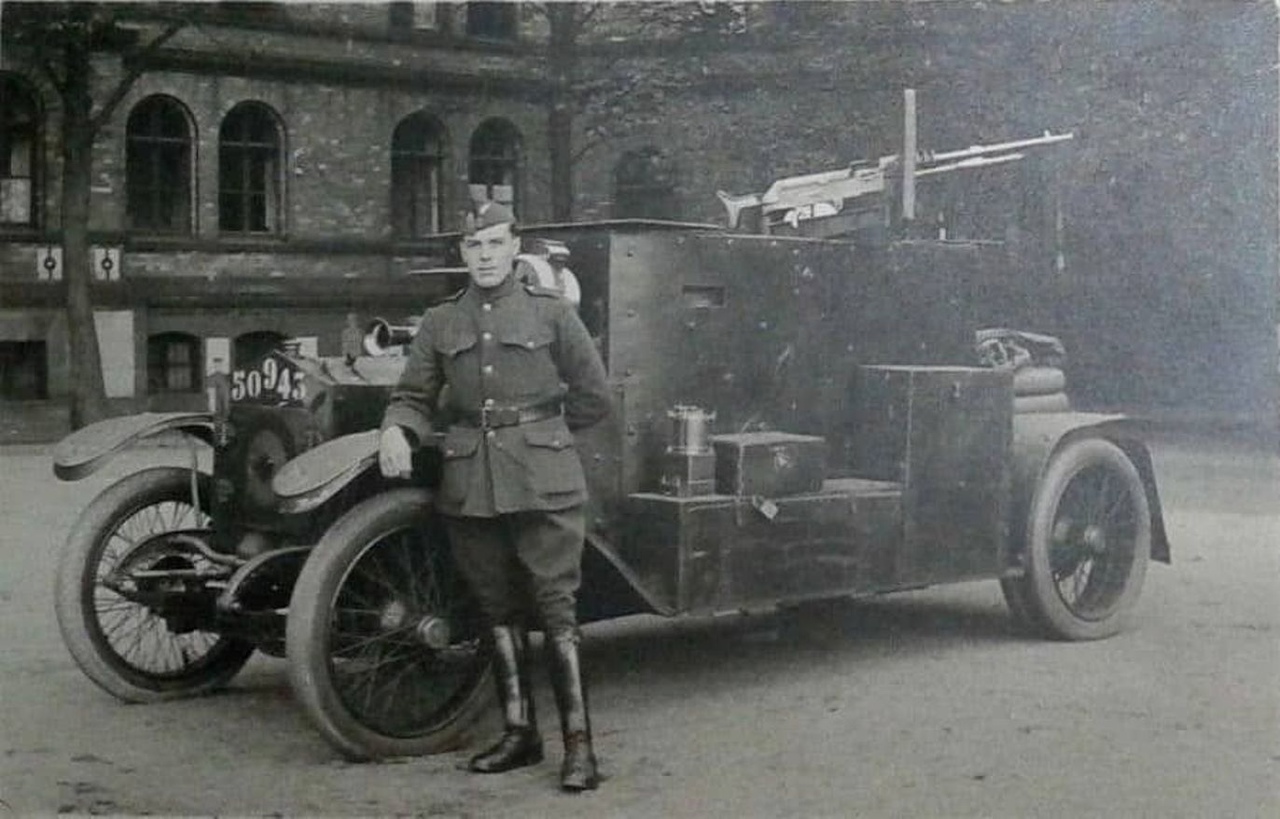
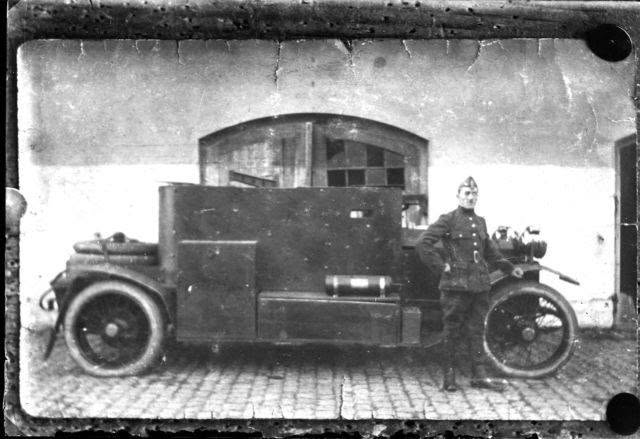
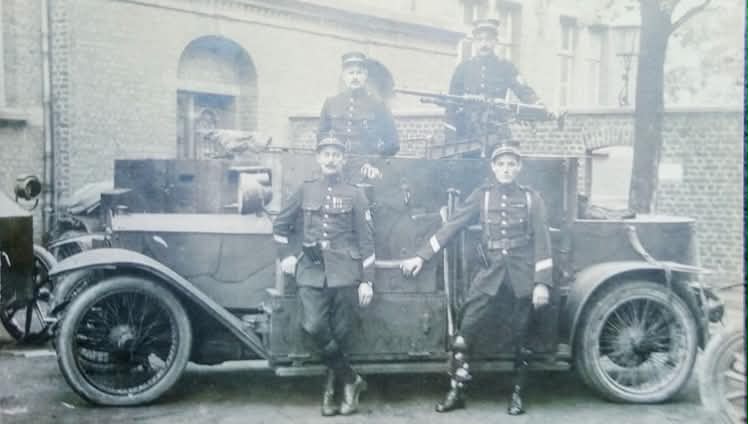
After the ceasefire, all remaining Minerva vehicles were assigned to the Cavalry Division. In 1919, during the reorganization of the Gendarmerie, each of the six territorial brigades received three Minervas. All of them had seen service during the First World War. All the Minervas underwent modifications after the war, at least one was modernized with a new opened turret (different from the 1914 model), the side boxes were modified and the mudguards from rounded became flat. In January 1920, when Belgium occupied the Ruhr region in Germany, a new unit was formed: the Armored Group of Occupied Germany (Groupe blindé de l’Allemagne occupée). Commanded by Lieutenant Thange, it consisted of 28 ? armored cars (on the photos, we can see Minervas, including the 1914 turreted version) and at least two Lacre trucks, the one with the gun on the platform and the fully armored one.
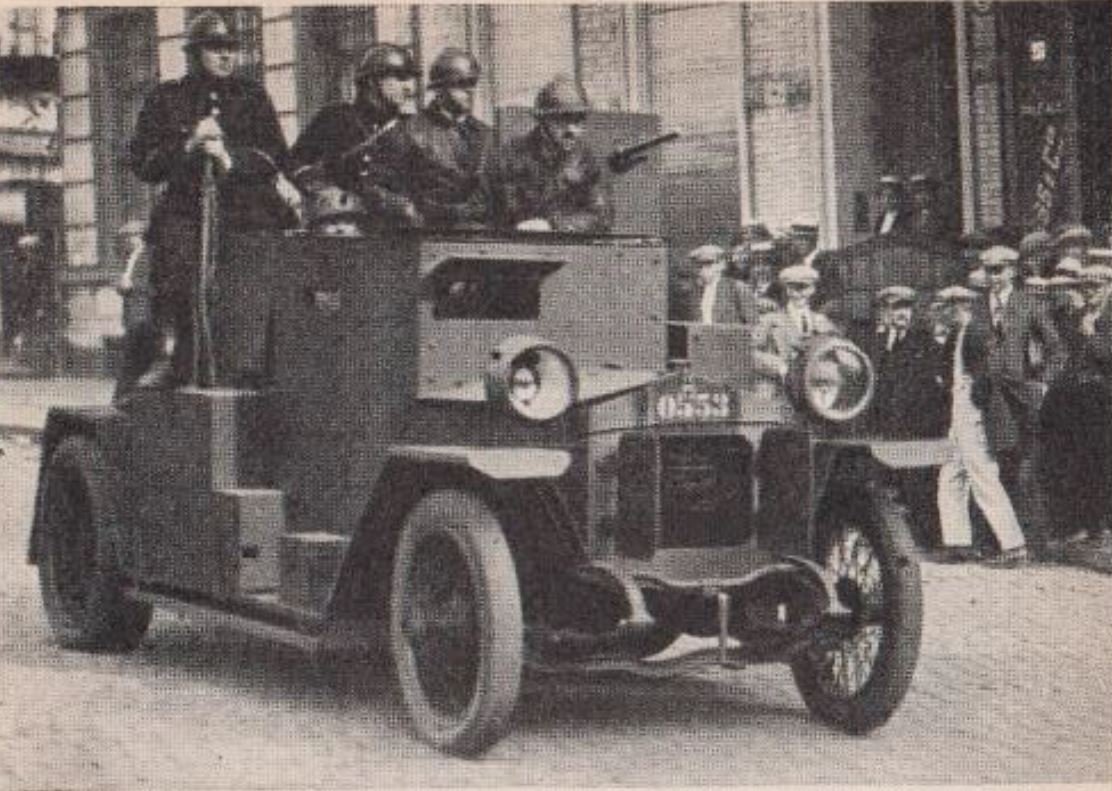
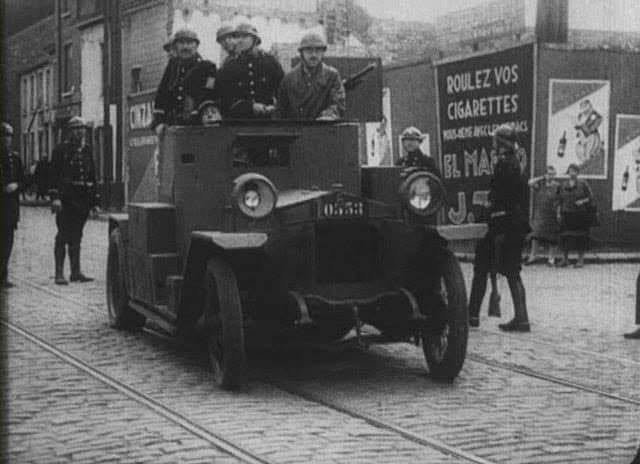
. All vehicles came from the Cavalry Division and the Gendarmerie. They were primarily deployed in Duisburg. Some were camouflaged (maybe the ones coming from the Cavalry Division), other not, some bore a Belgian cockade on the front and rear of the vehicles. The group was disbanded on July 1, 1921. Afterward, the Minervas were returned to their respective units. The Gendarmerie’s Minervas were deep blue in color. This color remained in use until the police force was reorganized into the Federal Police. The last Minerva remained in service until 1936. In 1932, the Minervas took part in suppressing the miners’ strike in Charleroi and other cities.
the turreted post war version
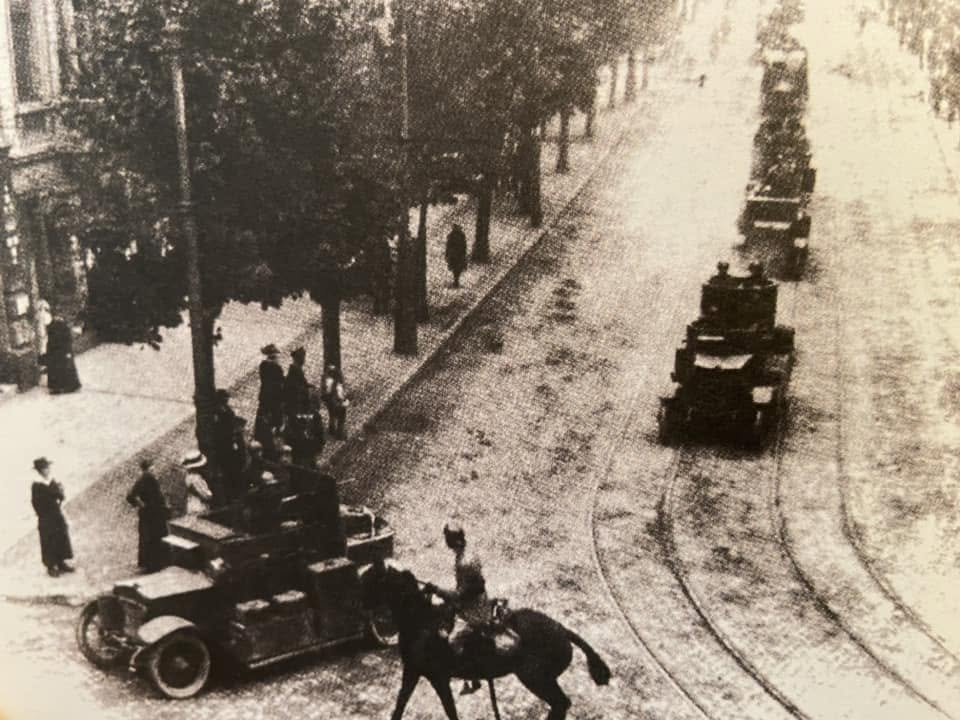
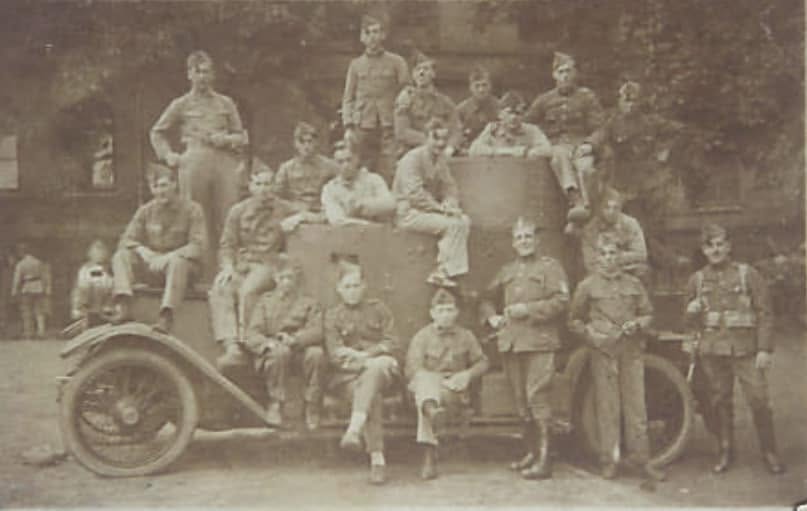
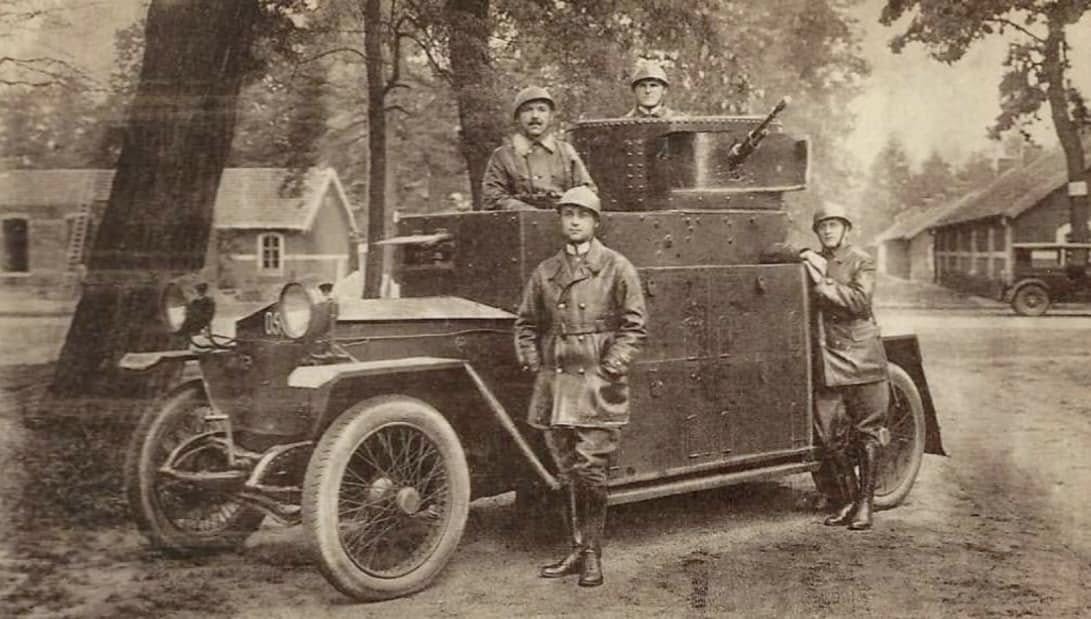
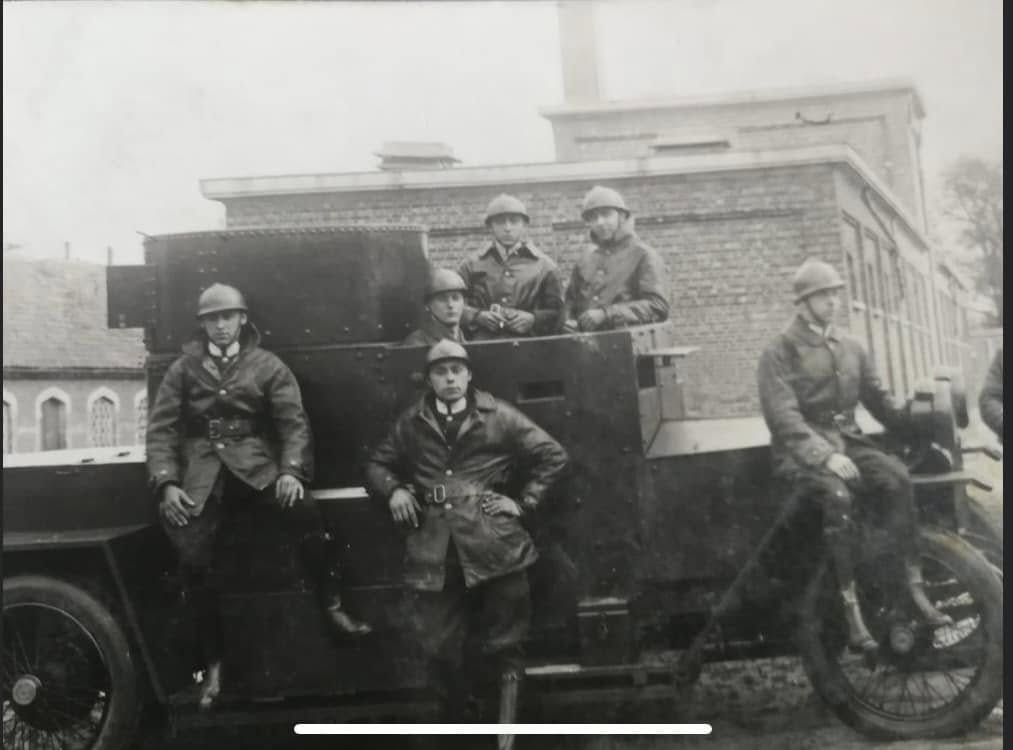
Minervas in Germany
Minervas in post-war service
Sources:
Copper State Models
Georges Mazy articles
Witold J. Lawrynowicz, Albert Rokozs: Samochody pancerne I wojny światowej
Devos Henk
Stanislav Kirilets
Edgar Liepinsh
Aaron Smith
Wikipedia
facebook the belgian soldier 1914-18
tank museum news
dzen
vk